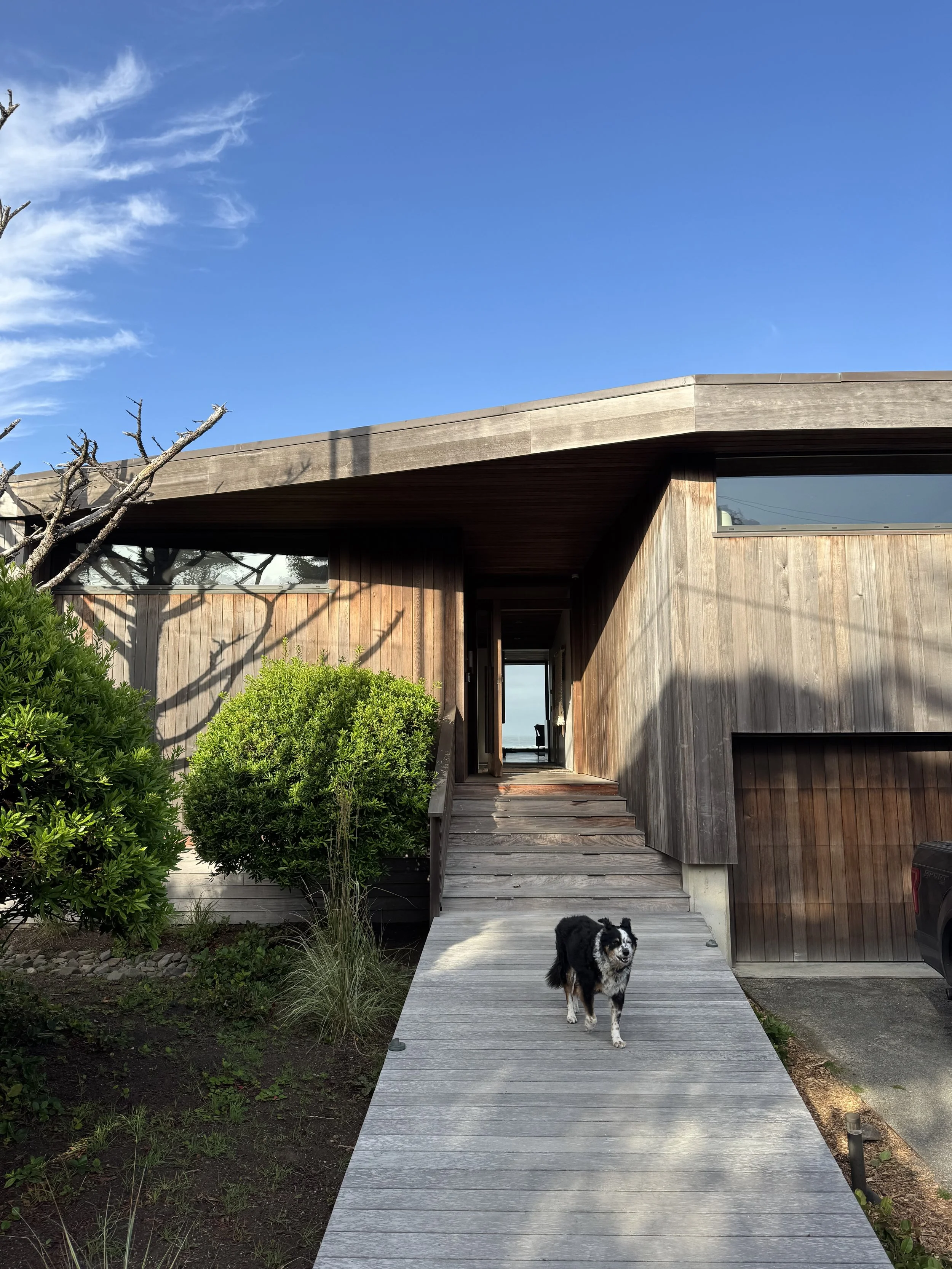
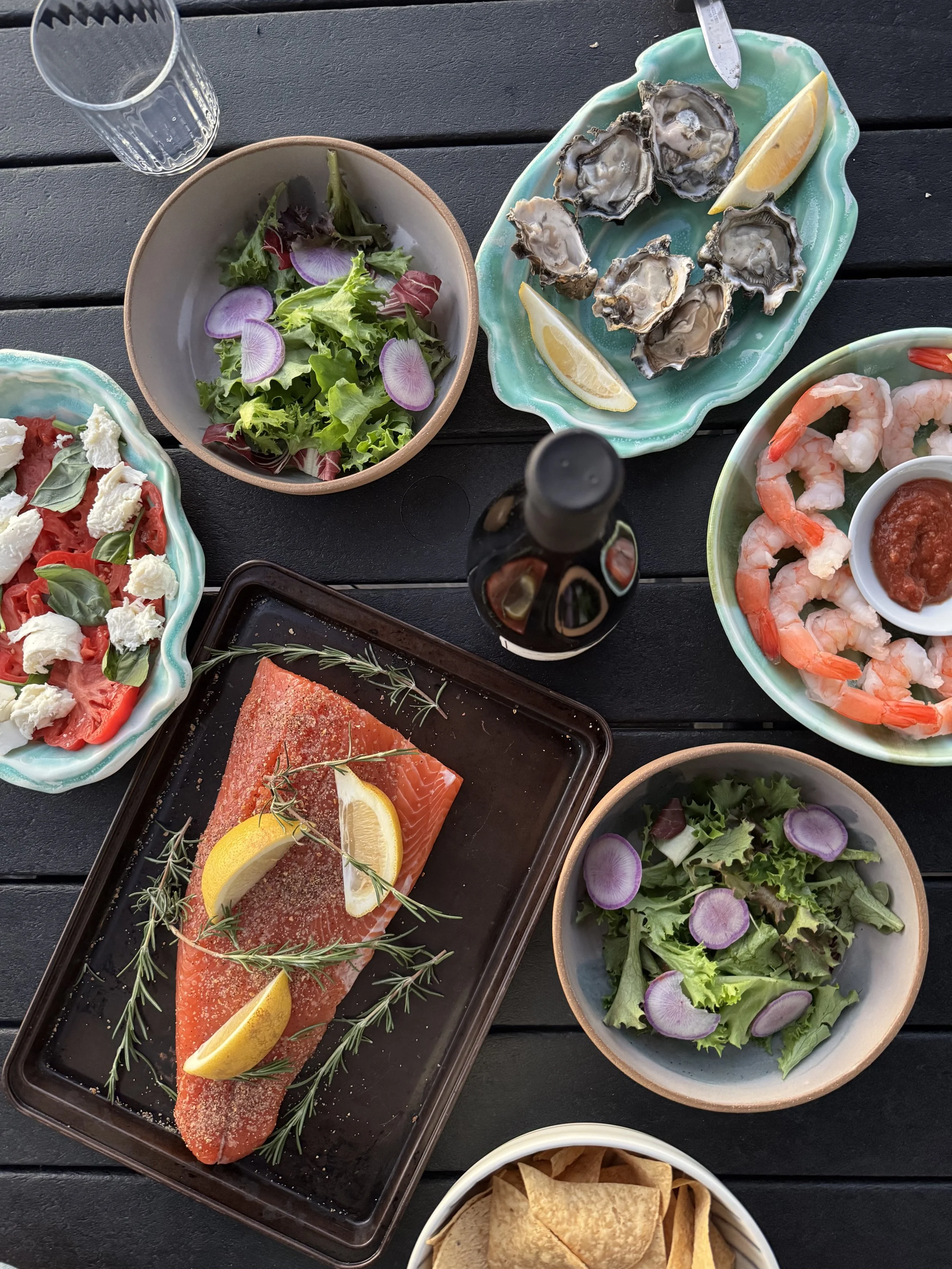
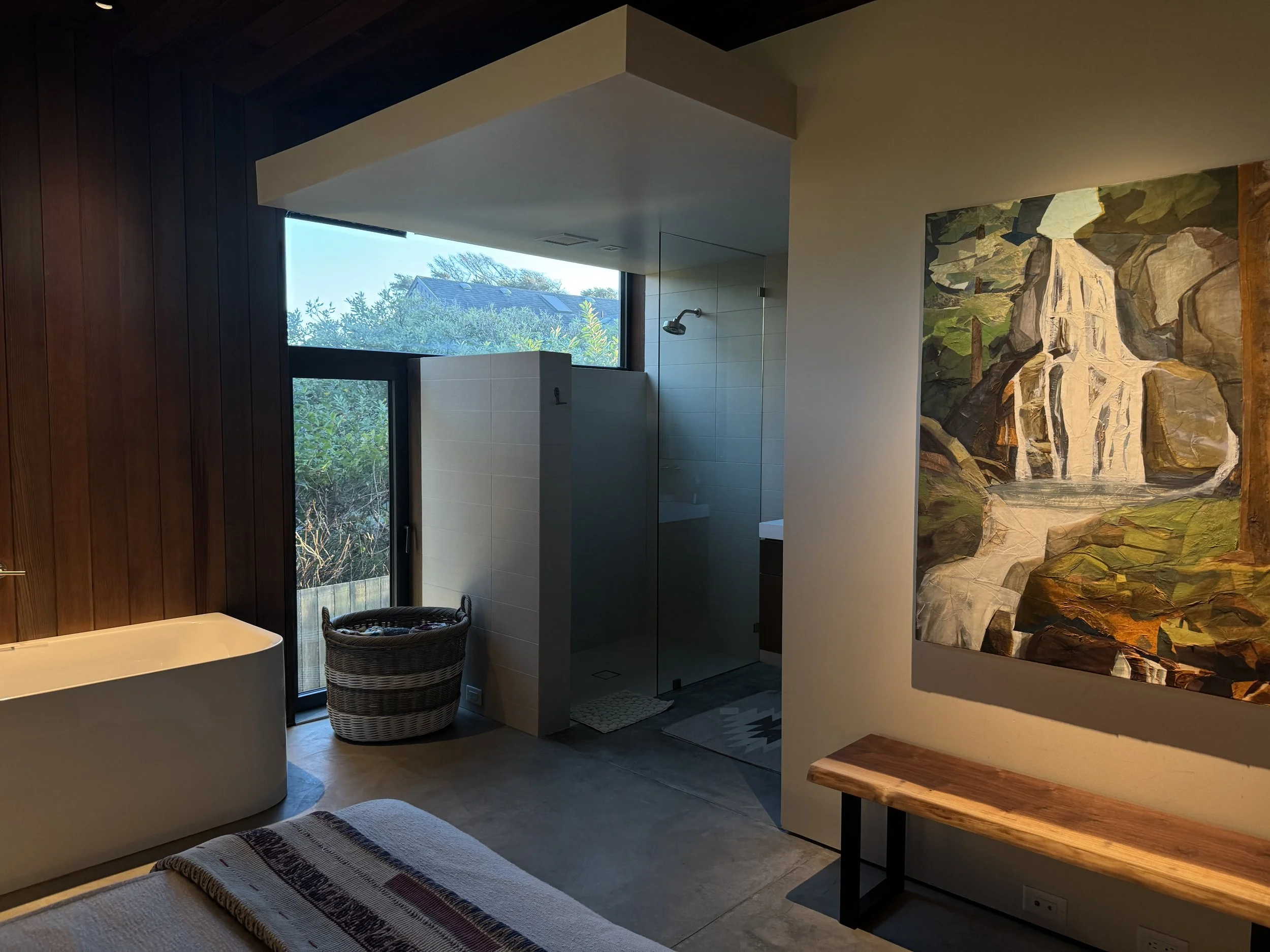
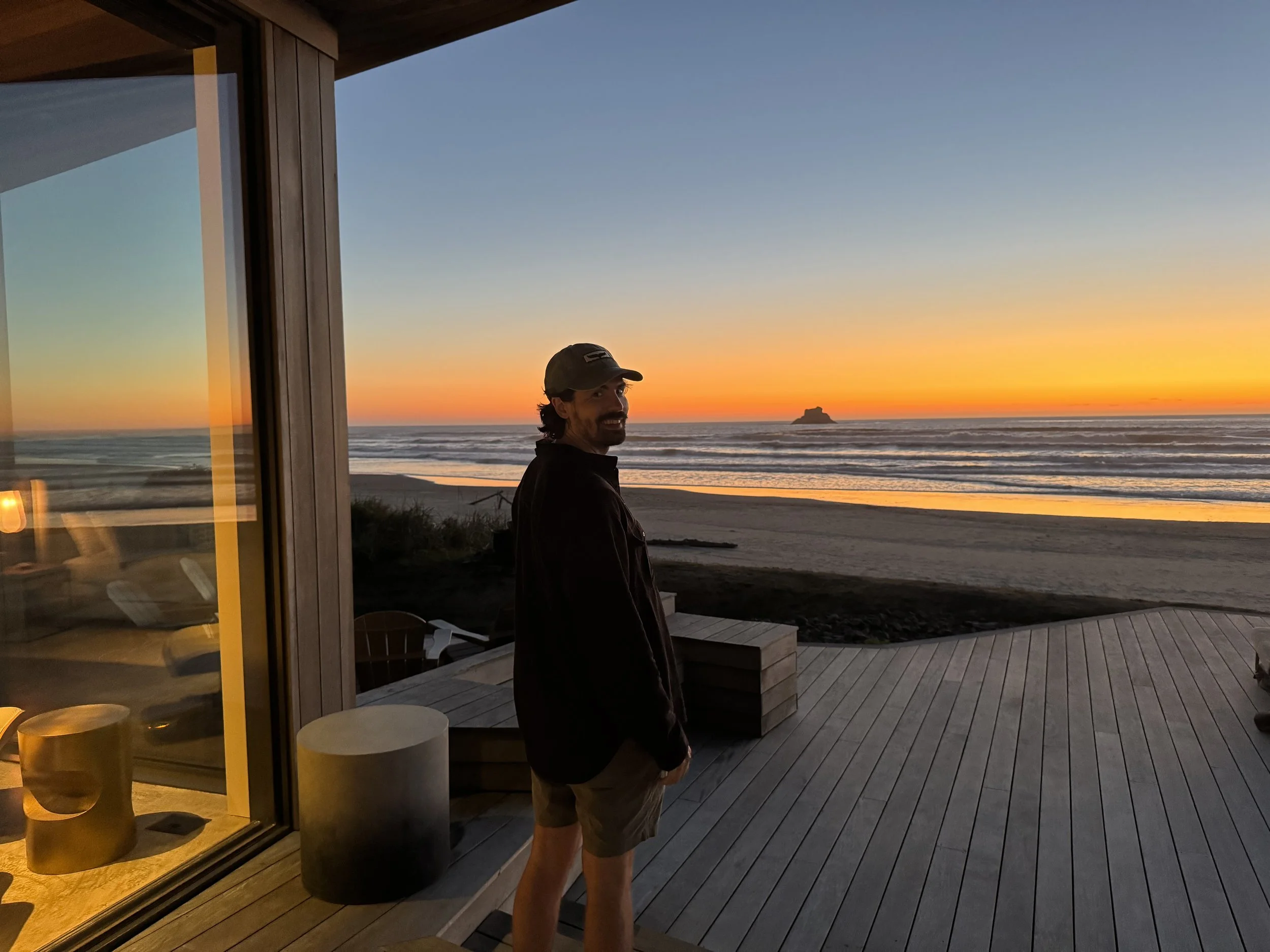
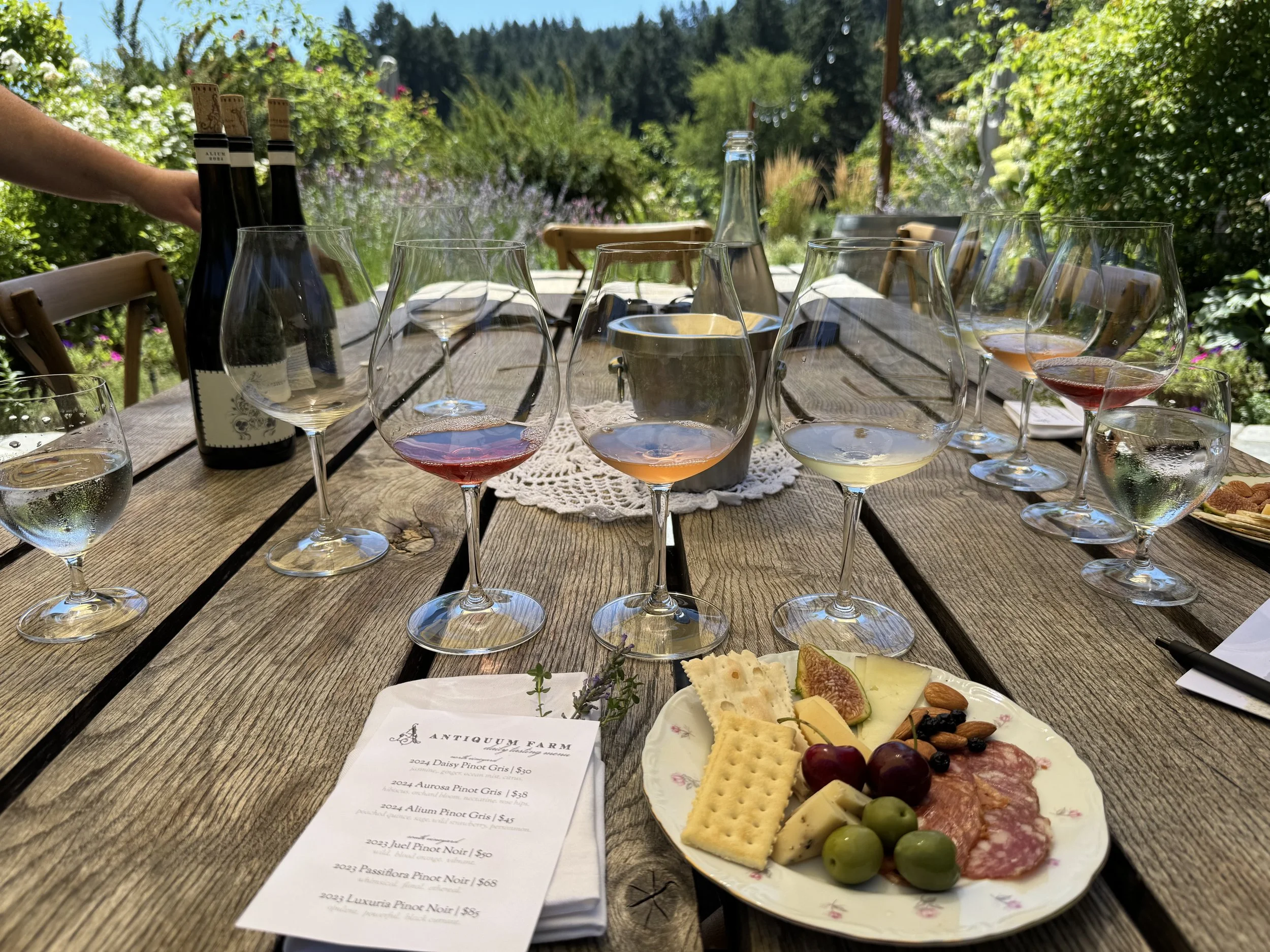
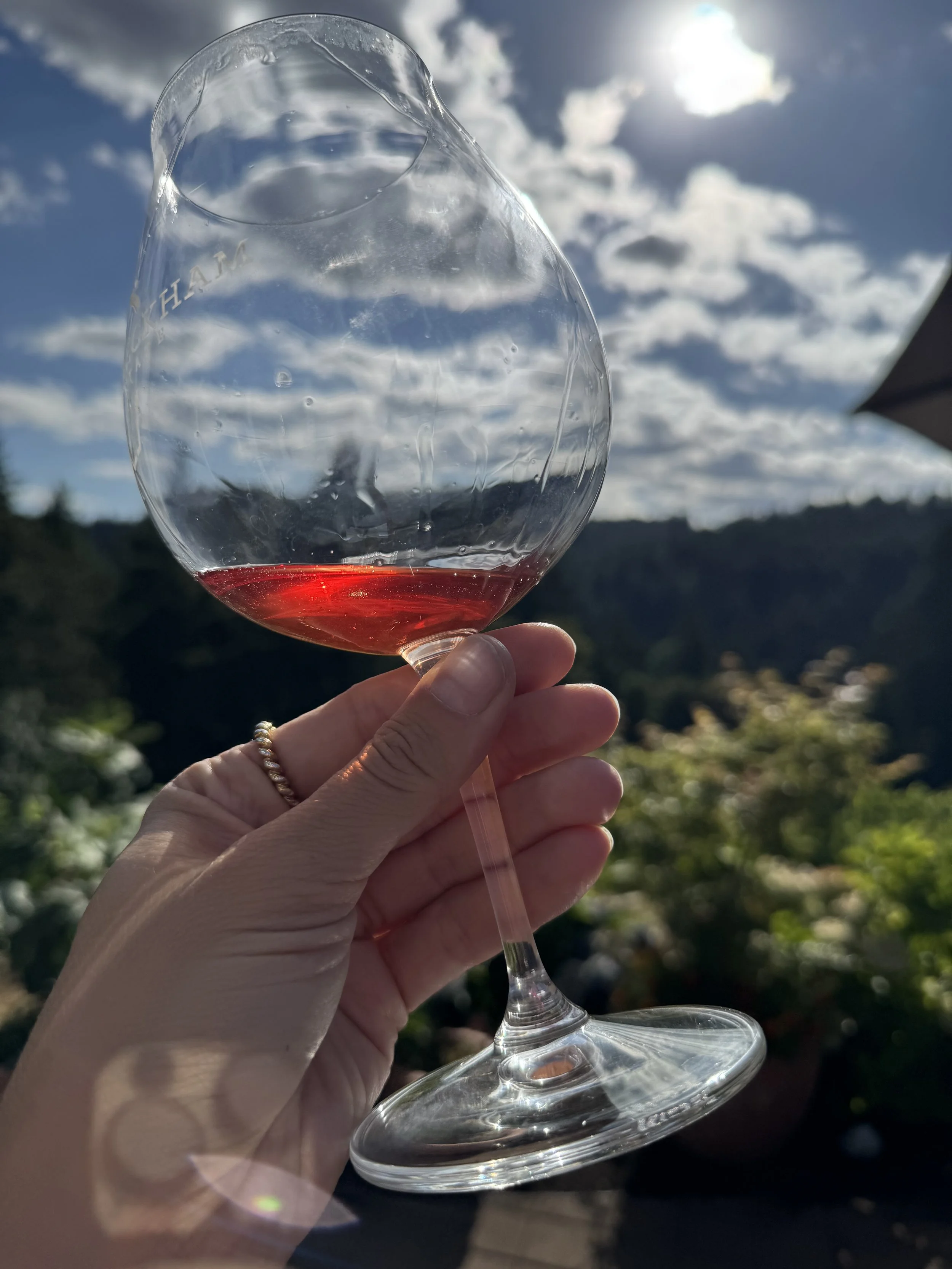
We wanted to get out of the city life up in Seattle in search of more grounded days and nights - if only for the weekend. Whenever we go to Oregon wine country, we return calm, with full bellies and even fuller hearts and this trip fit the bill. In three short days, we managed to fit in all of the things we love most: design, wine, tiny towns with charm, excellent pastries, surprising entrees, and open roads with very, very big trees.
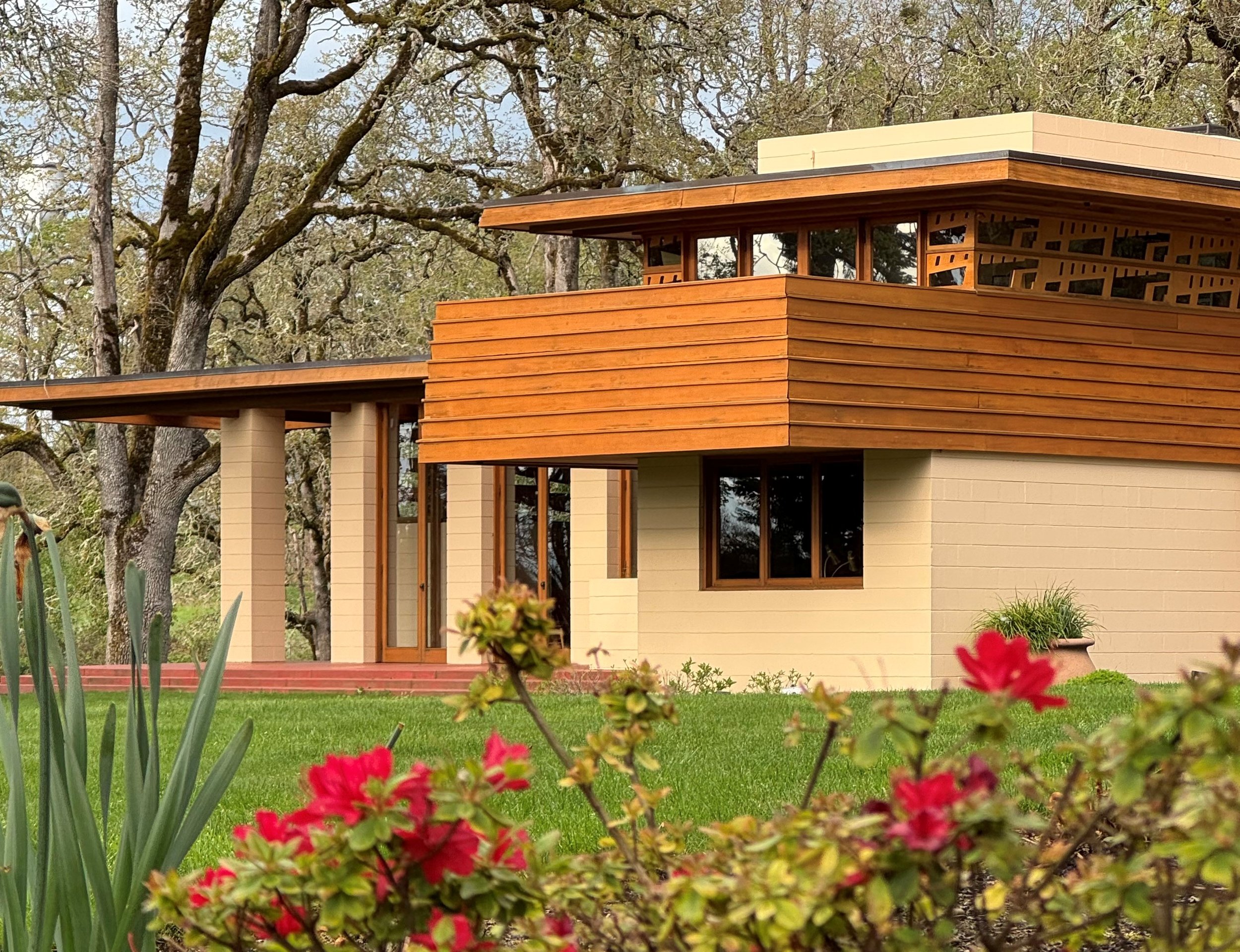
We stayed at Sosta House first, then spent one “Night with Wright” at the Gordon House in Silverton, Oregon. This is Frank Lloyd Wright’s only house in Oregon, and it is not often open to the public, so it was a treat to stay. In between, we wandered McMinnville, Newberg, Dundee, drove through wine country, ate by candlelight, talked with other diners and travelers doing the exact same slow, meandering adventuring.
Life in Oregon always feels like turning a kaleidoscope - there are so many colors, textures, flavors - depending on the season and sometimes even the time of day. We just can’t stay away. If you’re in search of the same, look no further.
Sosta House
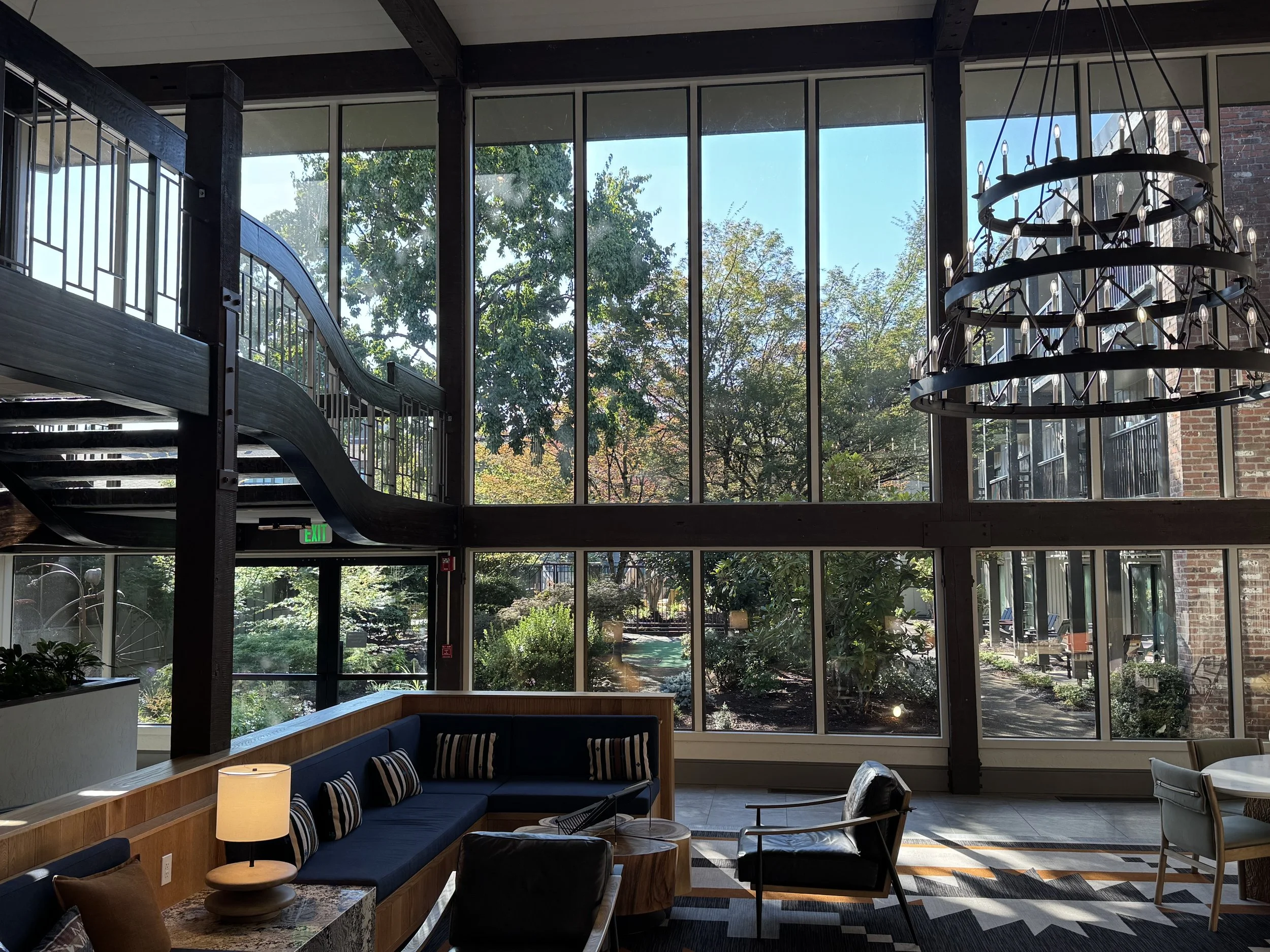
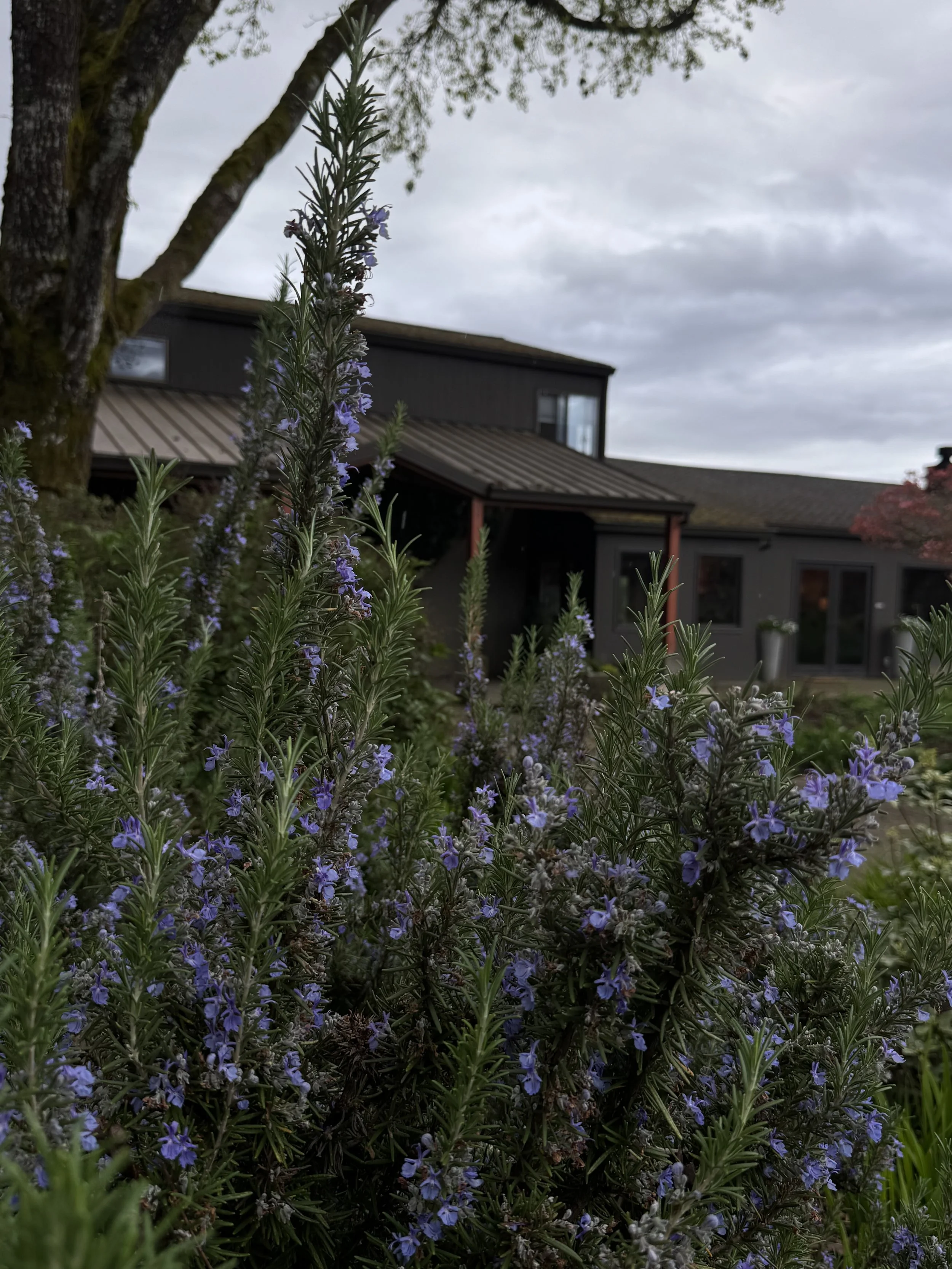
We’ve had a stay here on our list for awhile. The word “sosta” means something akin to a stopover, or a truck stop, which I love because it sounds so utilitarian and yet also fleeting - but also, Sosta is anything but. In fact, you pretty much had to pry my room key from my hand and kick me out the door to make me leave.
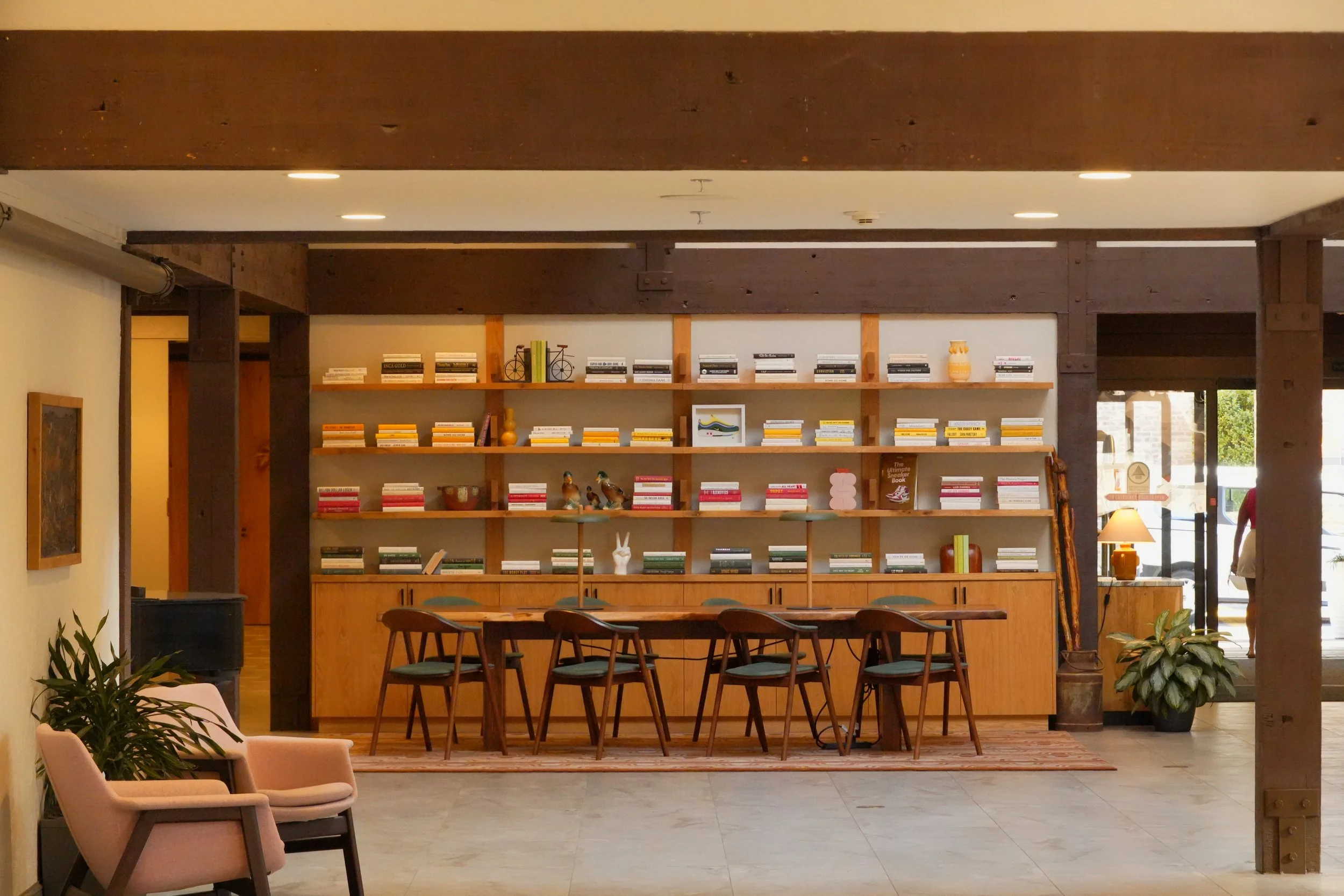
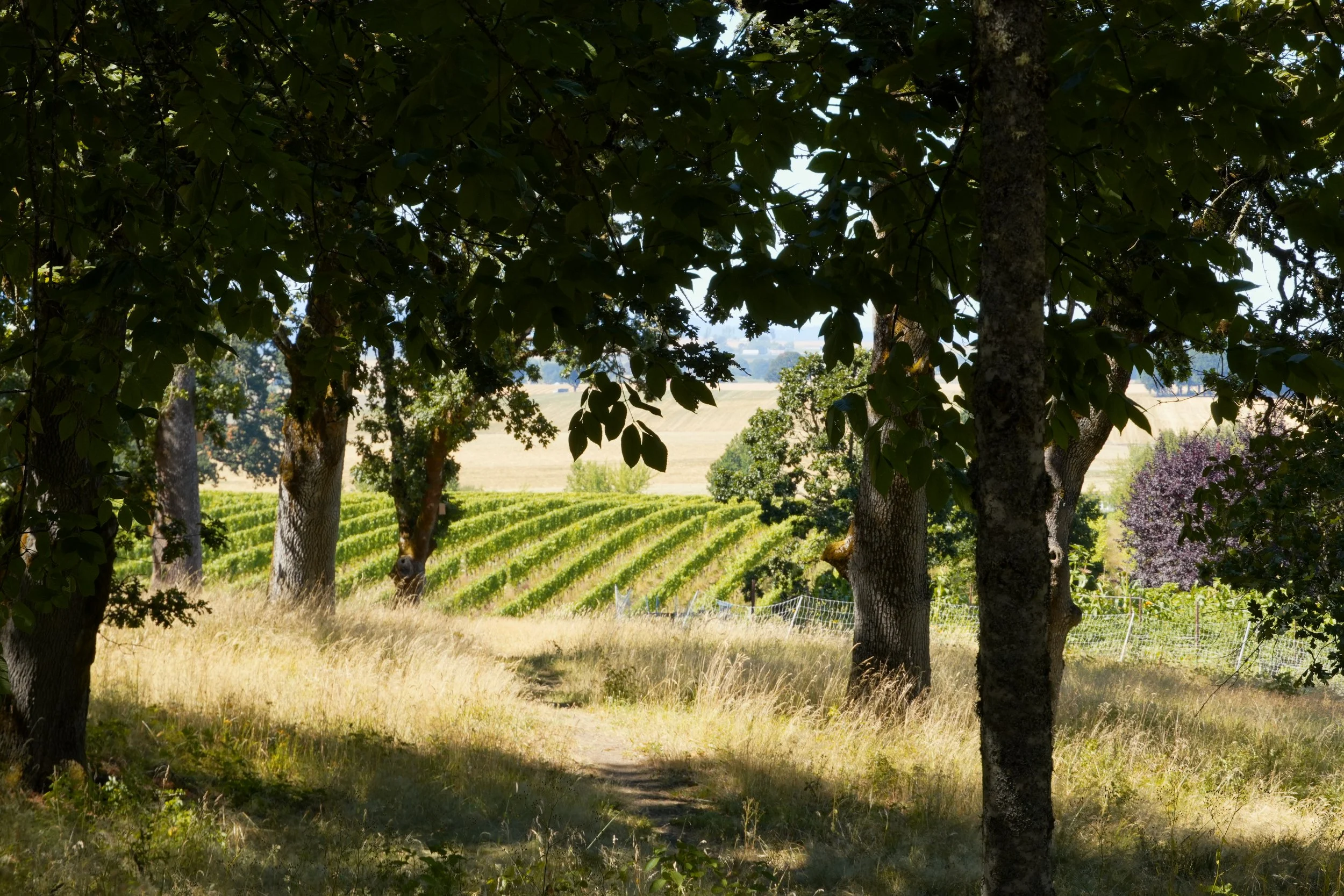
Sosta House is in fact the anti-rushed version of a roadside stop. It’s entire ethos is designed around settling in for awhile, sitting by one of the many low lights or perhaps the evening fire, while reading a cozy book or chatting with companions. It’s tempting to spend the entire day wandering the grounds, with vineyards stretching as far as the eye can see in every direction. Hours pass through your fingers like quicksand as you watch the day carry through the just budding vines.
The dynamic here also makes a lot of sense once you understand the family behind it. The Ponzis are not just another wine family in Oregon; they are one of *the* foundational Oregon wine families. Dick and Nancy Ponzi were among the early believers in Willamette Valley wine and helped shape what the region became. Their story is part farming, part ambition, and all history in the making.
Sosta House feels like a newer iteration of its own making, but also an extension of the legacy. It is hospitality to the highest degree, romanticized daily life, and a gorgeous experience curated around the pure purpose of empowering people to enjoy themselves and appreciate their surroundings. Something we all certainly need more of in our fast-paced industrial world.
I also have a great appreciation for watching a pioneering family continue to evolve rather than calcify. We’ve spent a fair bit of time with old wine families in France, for instance, and many of them stubbornly refuse to budge even an inch - despite the world whizzing by and leaving them in its dust. Sosta feels still very much connected to the Ponzi story, but also to its new chapter, including the next generation and the newer Lerzi wine label, the makings of mother/daughter duo Luisa and Mia.
Notably, there are regular artist residencies held on the Sosta property as well, supporting the local creative community in their endeavors. You feel that thread throughout the property, with much of the art, ceramics, and extra touches the makings of each of the many artists who has spent time here.
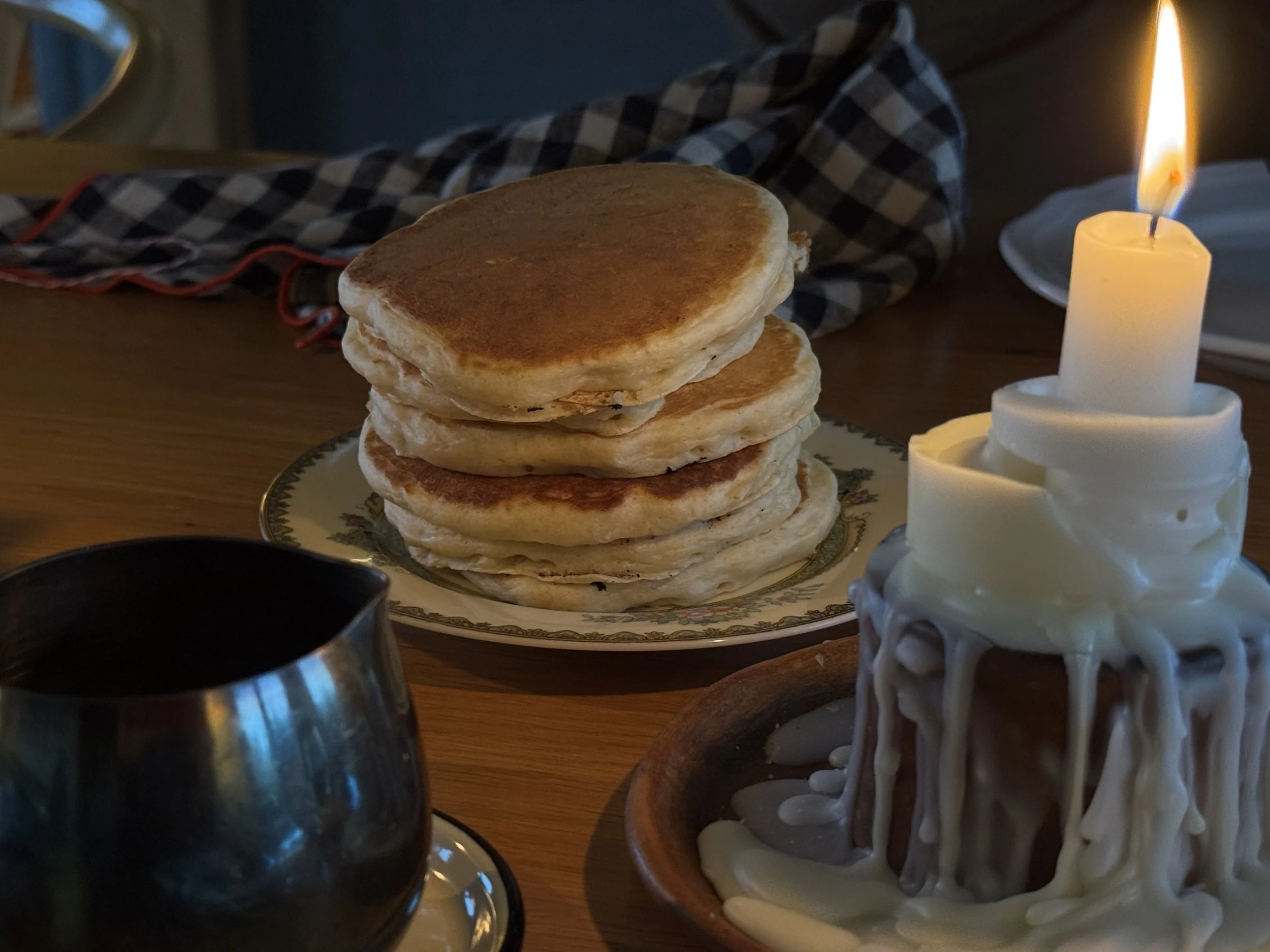
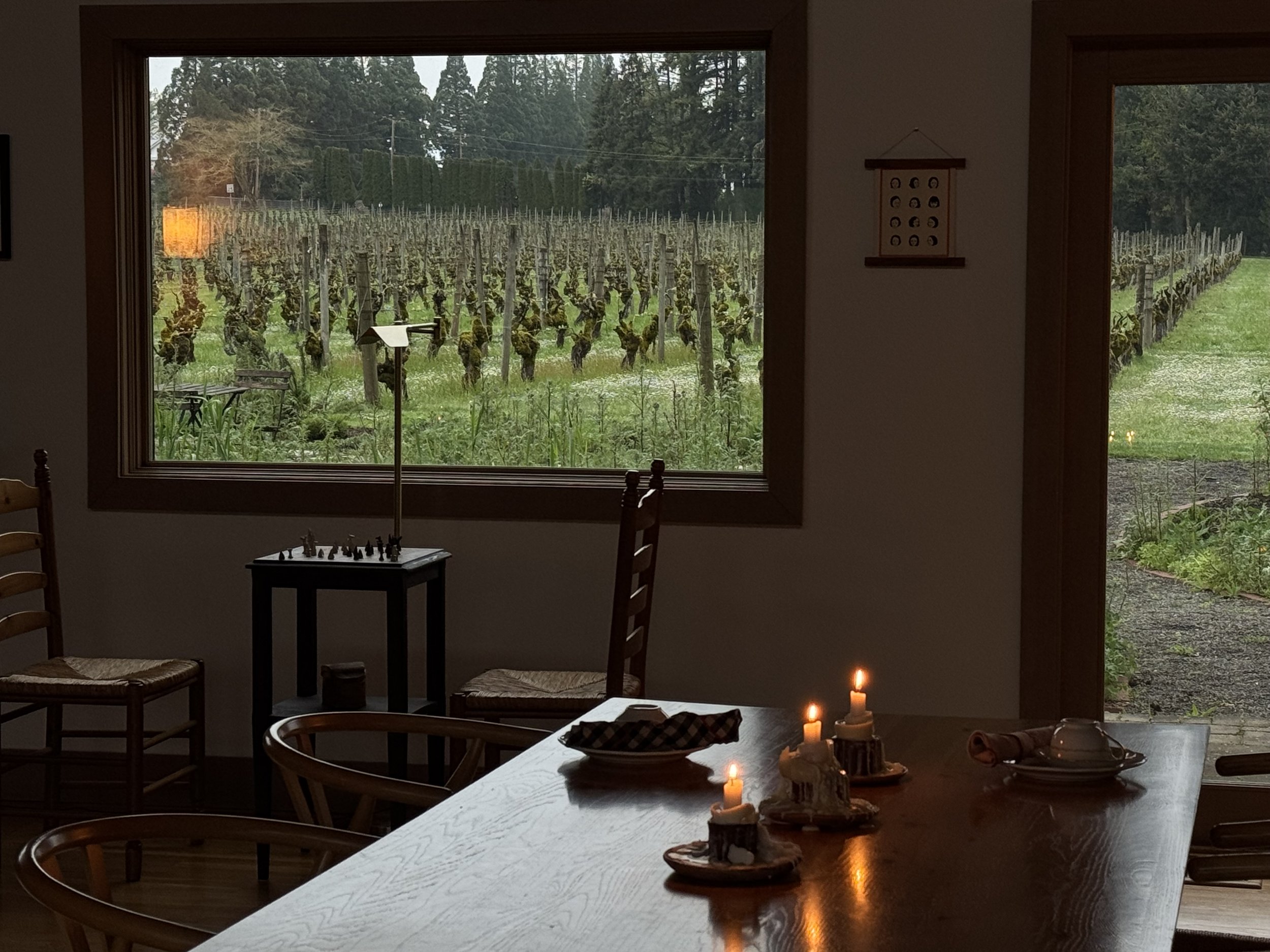
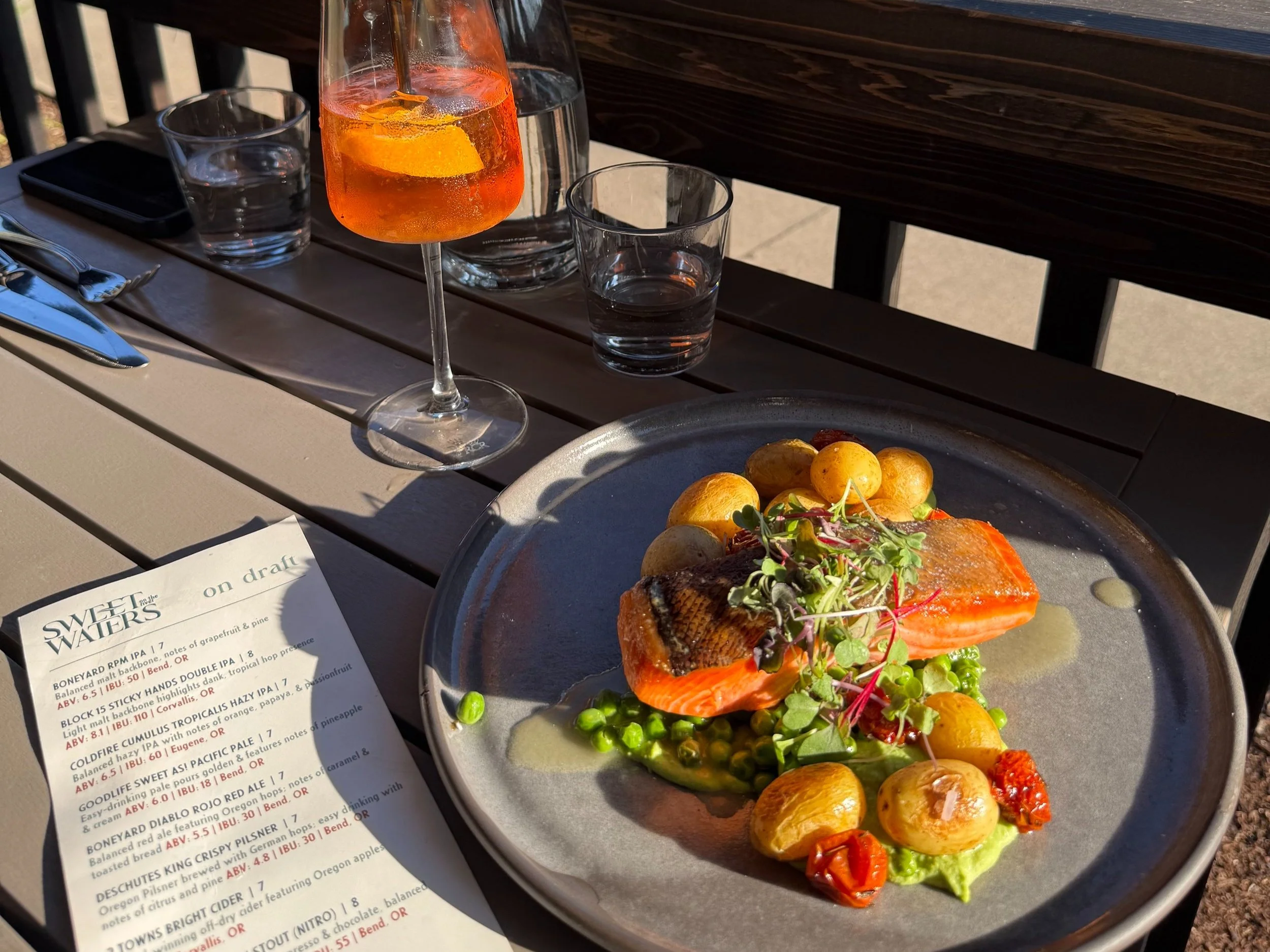
All meals were served by candlelight on a rainy April weekend, which made them feel cozy and slow.
Low light spread warmly throughout the dining room, catching twinkling wine glasses and unique thrifted dishwares. The other dining party in the room during our dinner was a group of girlfriends, who we enjoyed watching catch up on one another lives, take selfies, and share a few too many pours of wine over gossip about work and boys.
In the ongoing unprecedented times, it’s nice to see people connecting and finding ways to stay close, enjoying without rushing. Better yet, it’s nice to see a place that offers the environment to do so, as we watch so many of our third places disappear. Notably, Winery Lane Collective is also on site and houses both Mia and Luisa’s Lerzi wine, but also Suzor and Hamacher, both excellent small scale, high-quality wines that hold their own.
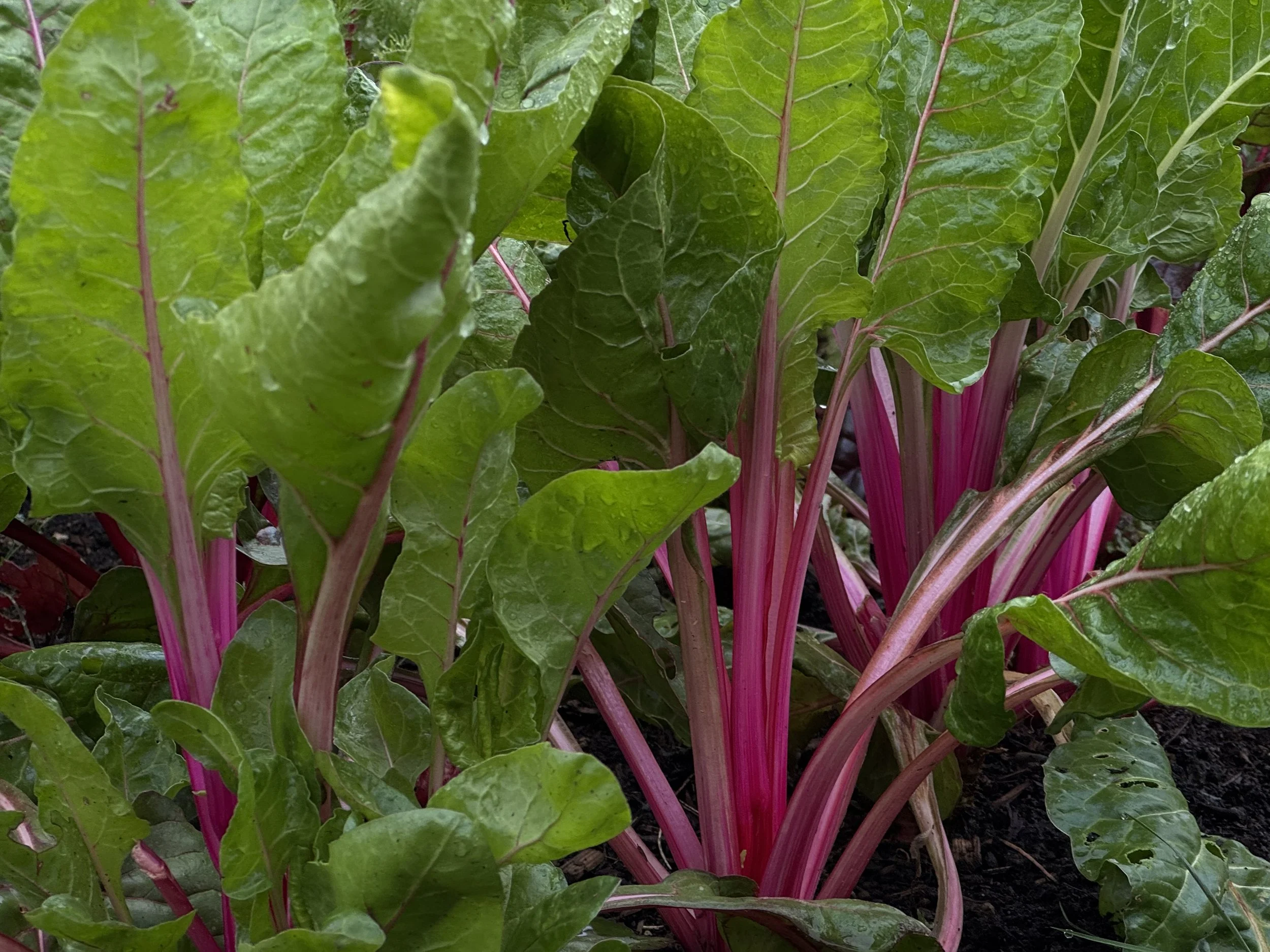
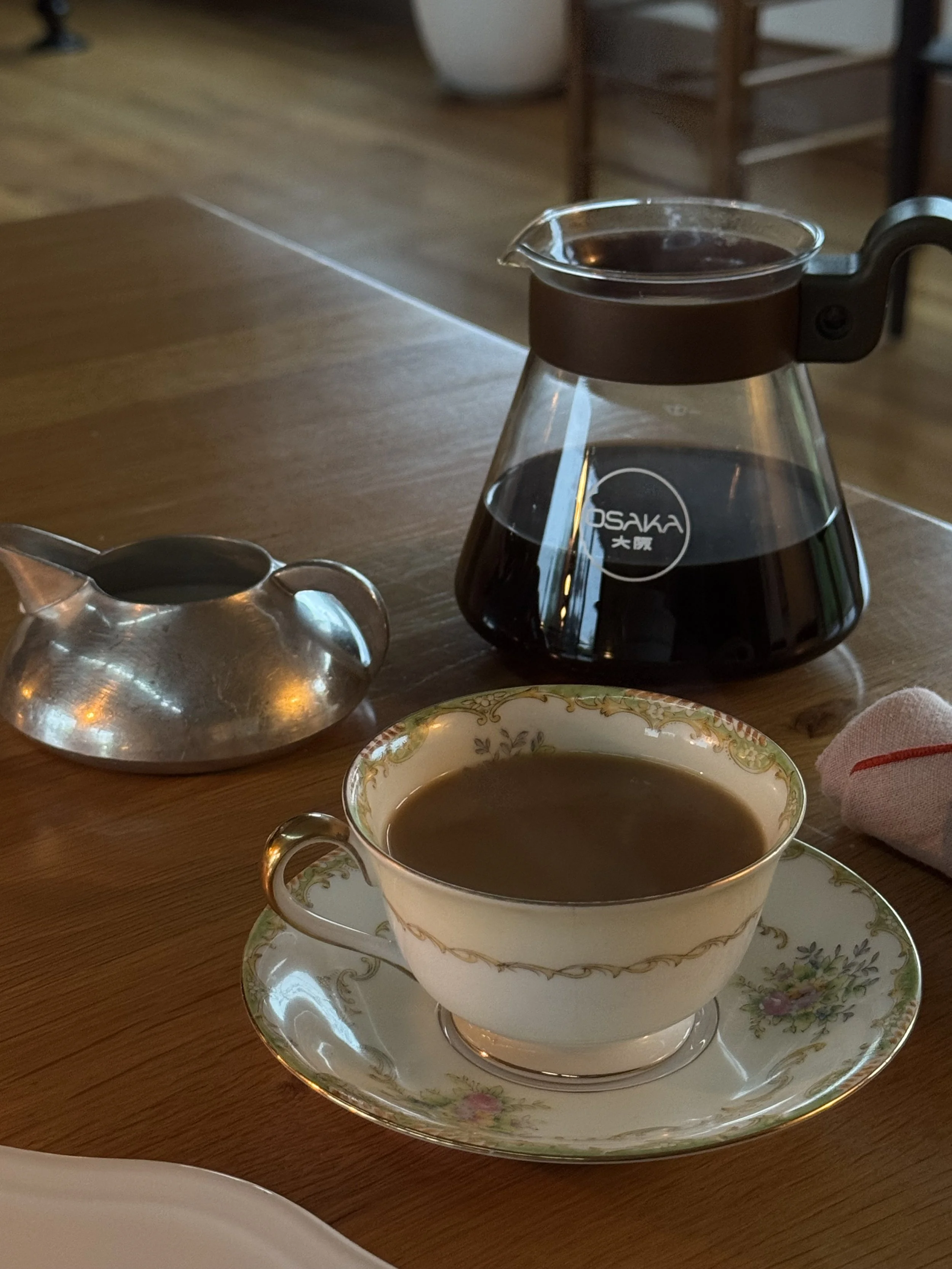
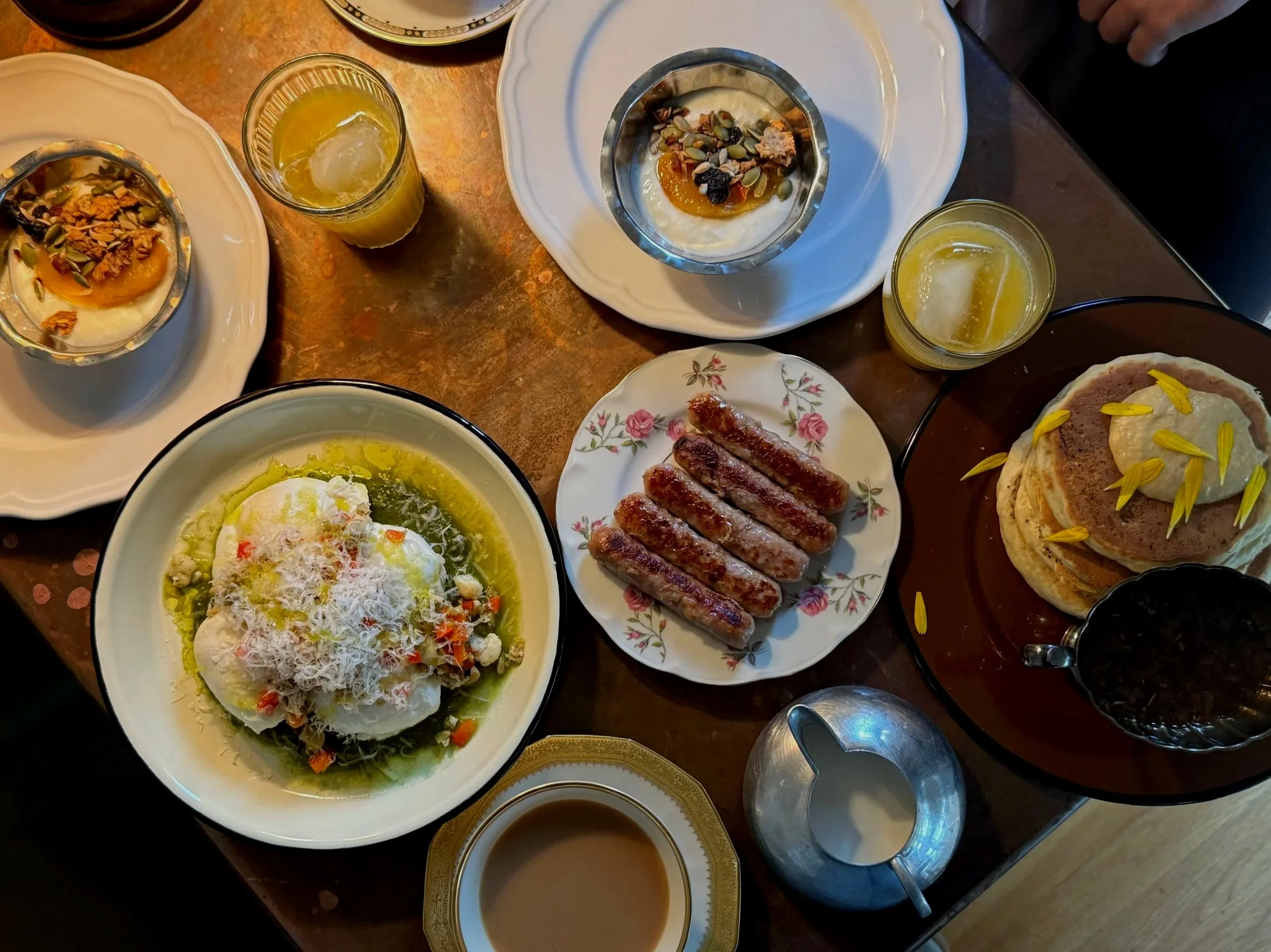
The breakfasts at Sosta are what dreams are made of. Truthfully, I’d have driven to Sosta for breakfast alone.
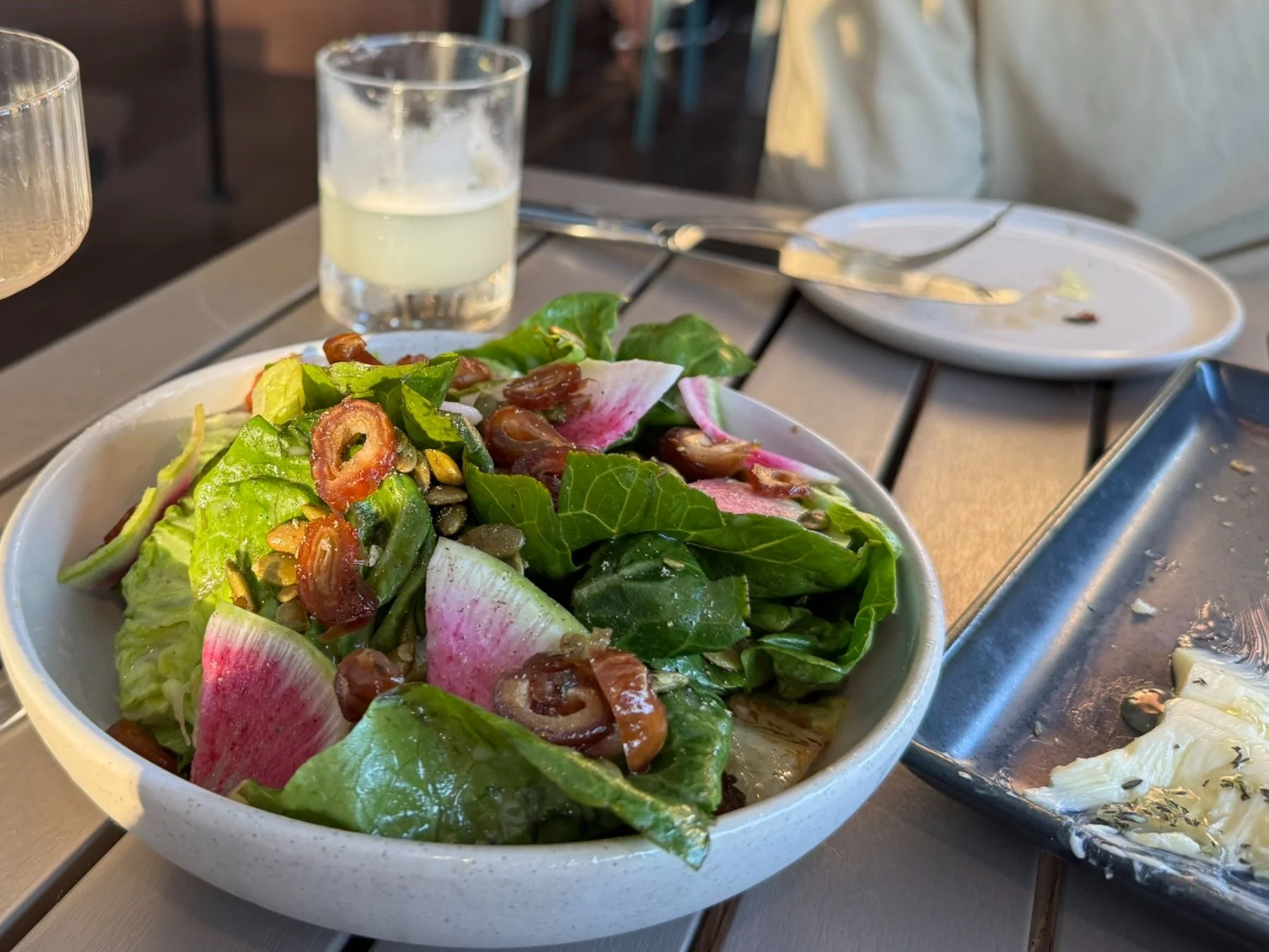
Fluffy garlicky eggs made with heavy cream, lavender sea salt maple syrup + sourdough pancakes, sausages from Pendleton farms were spread out in front of us with a steaming pot of coffee. My favorite kind of breakfast is one that stays simple and light but has a creative, unexpected spin or two that you won’t soon forget. This was undoubtedly that. It’s been days now and I’m still thinking about it.
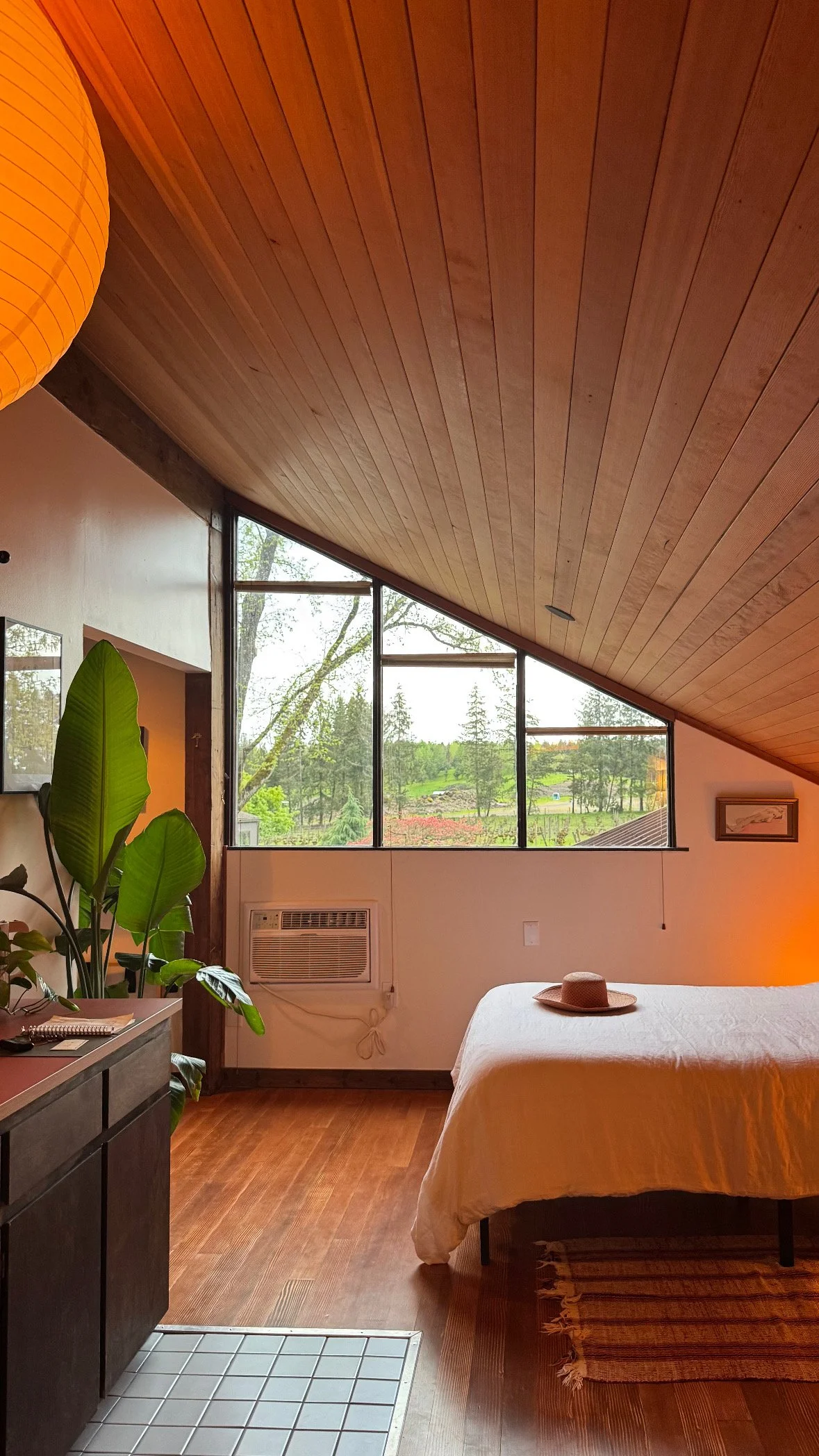
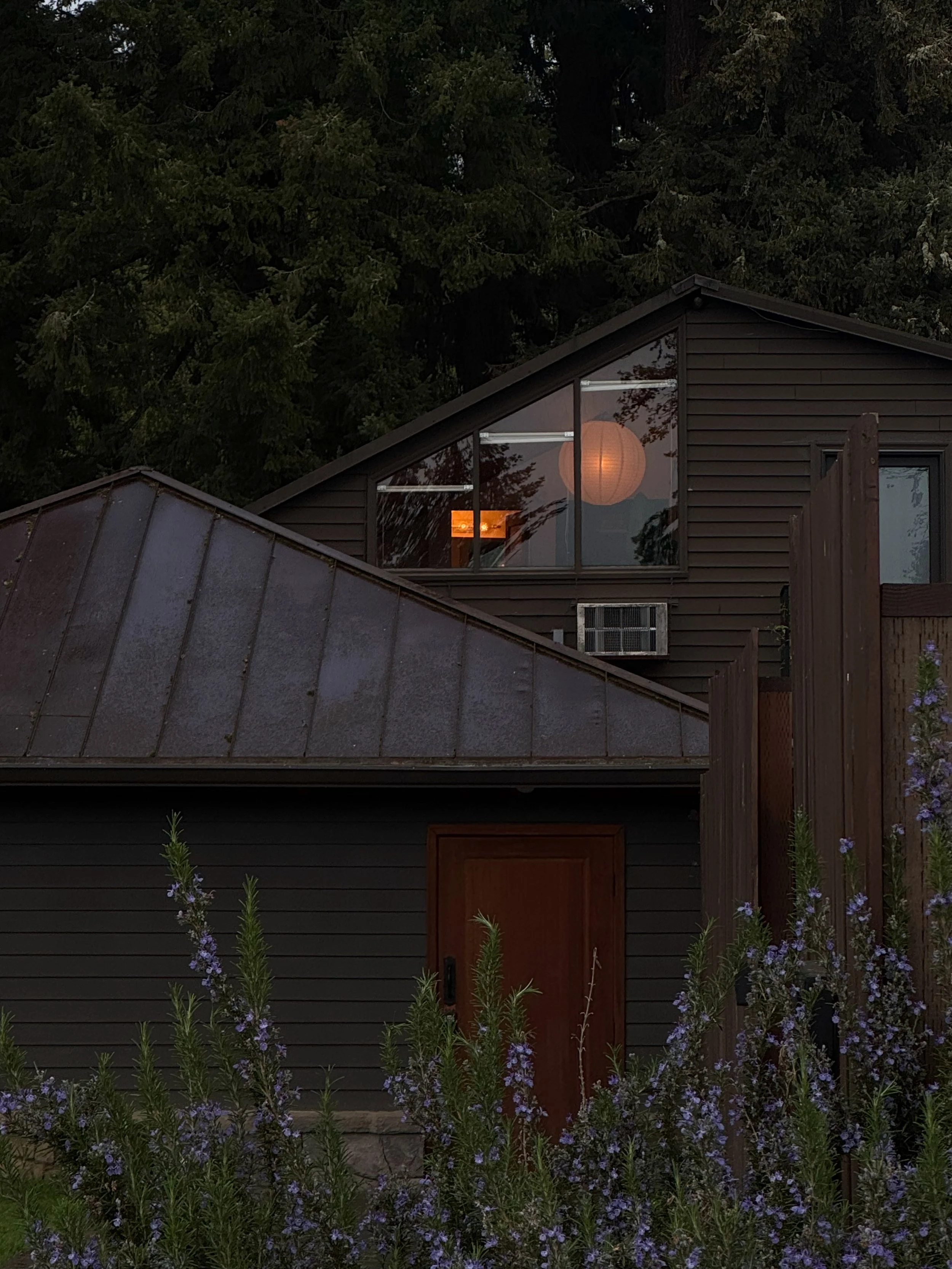
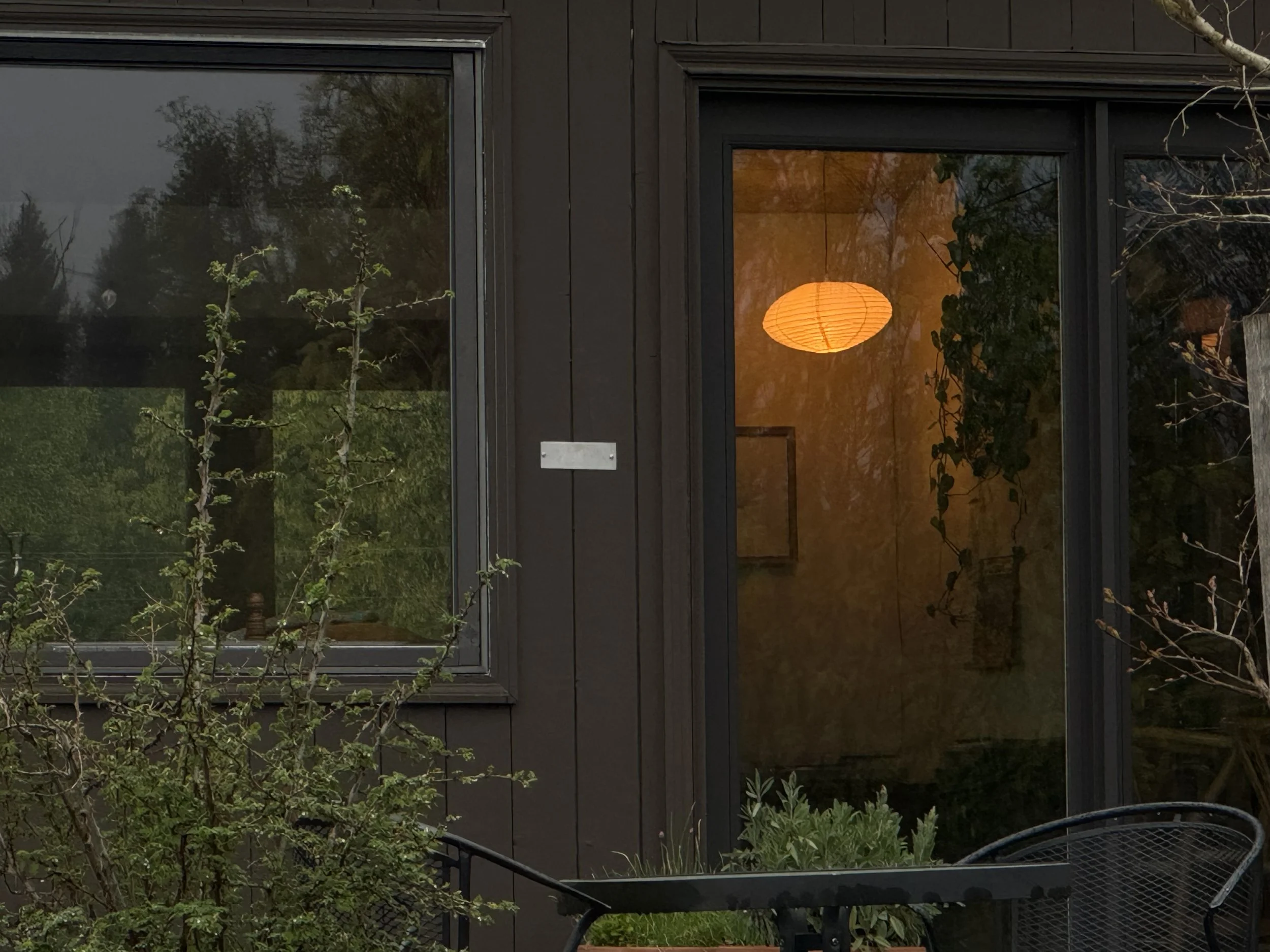
Our room for the weekend was a lofted studio, and it was the perfect amount of space for two. It overlooks part of the winemaker’s barn and we enjoyed peeking in at barrels in the morning before we headed out on adventures. Cute trinkets adorned the shelves, and minimalist and abstract art peppered the walls. The wood ceiling gave a midcentury + Japandi vibe that we can’t get enough of, visible from the vineyard at night if you looked closely.
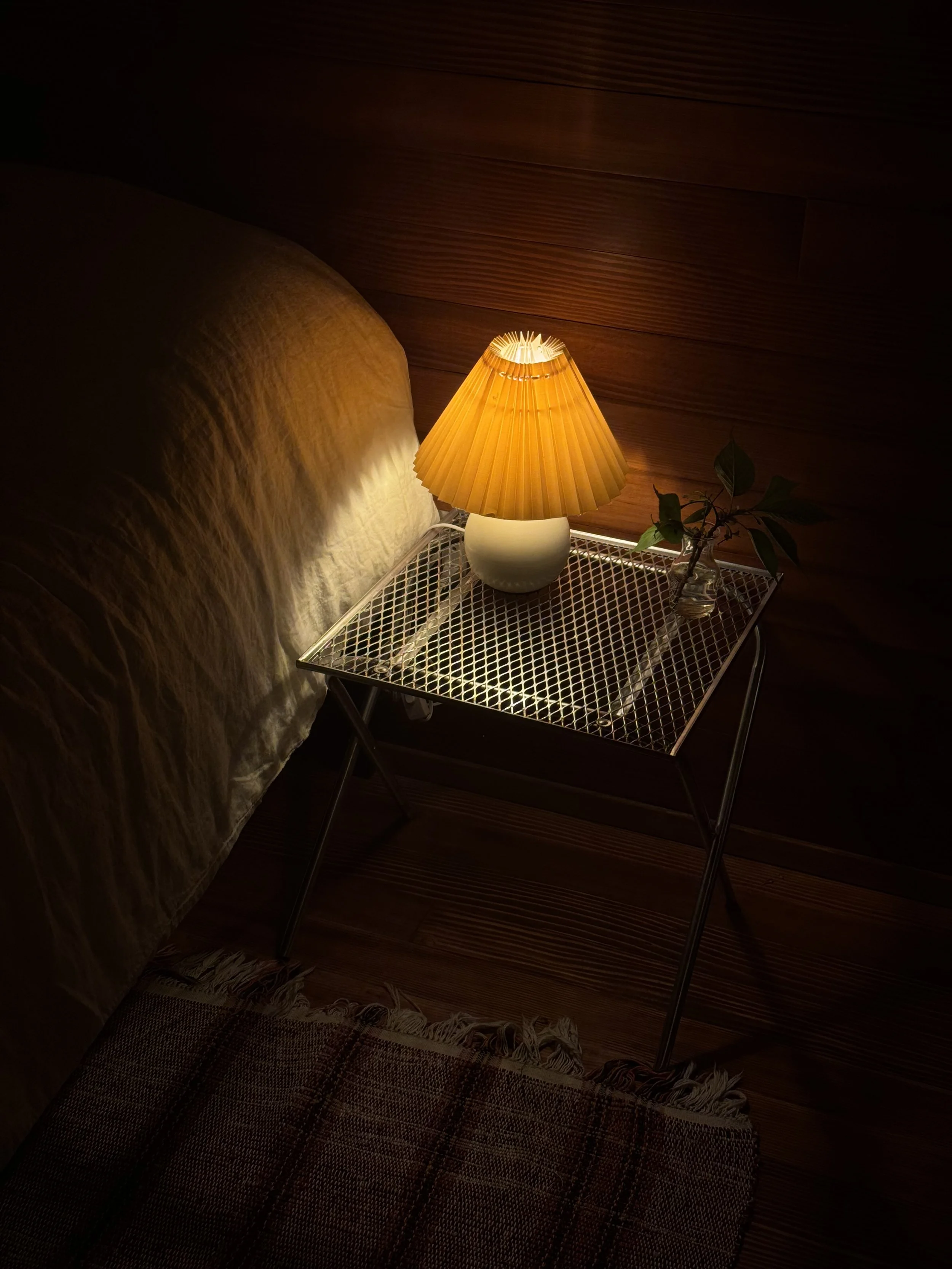
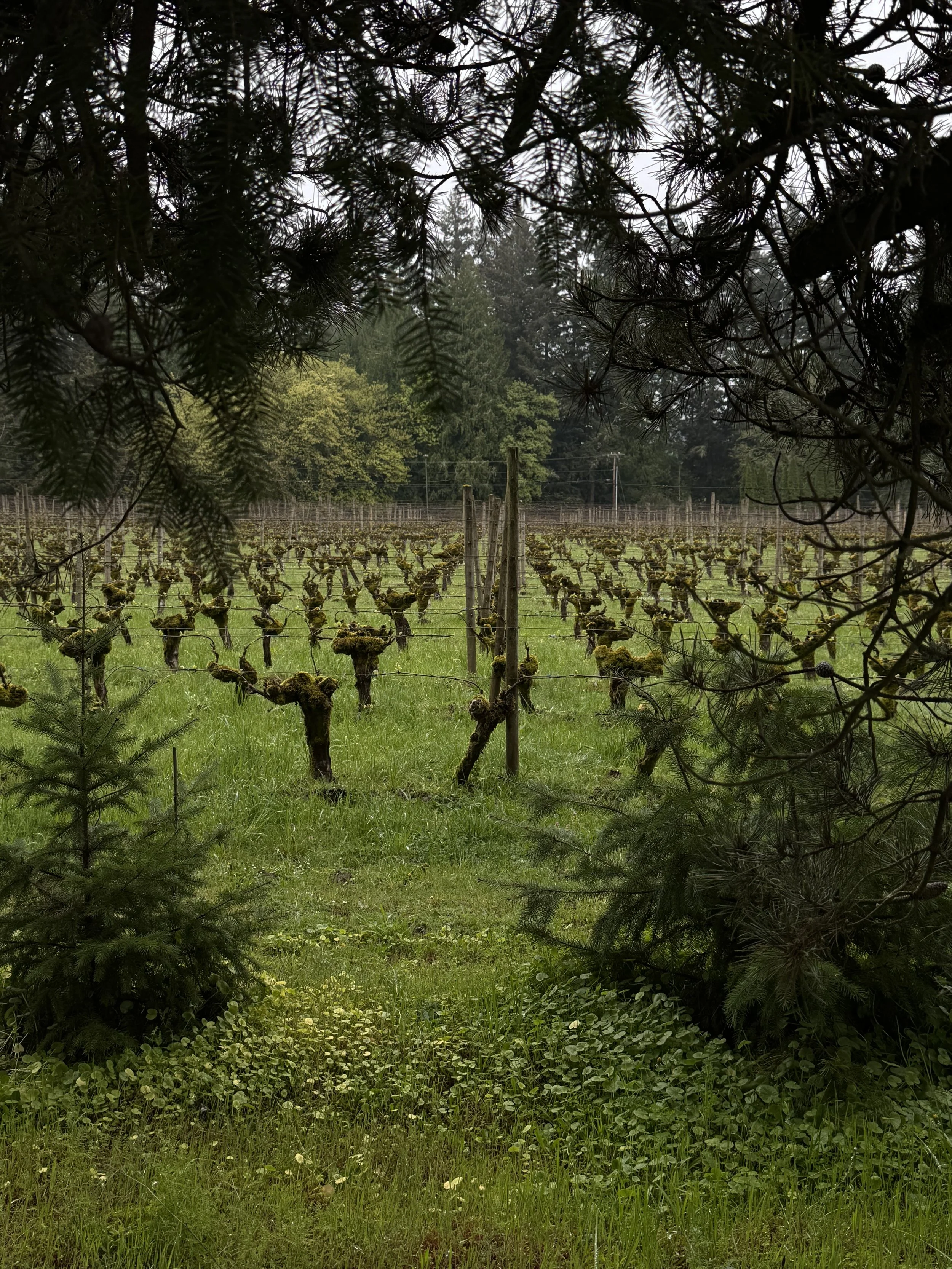
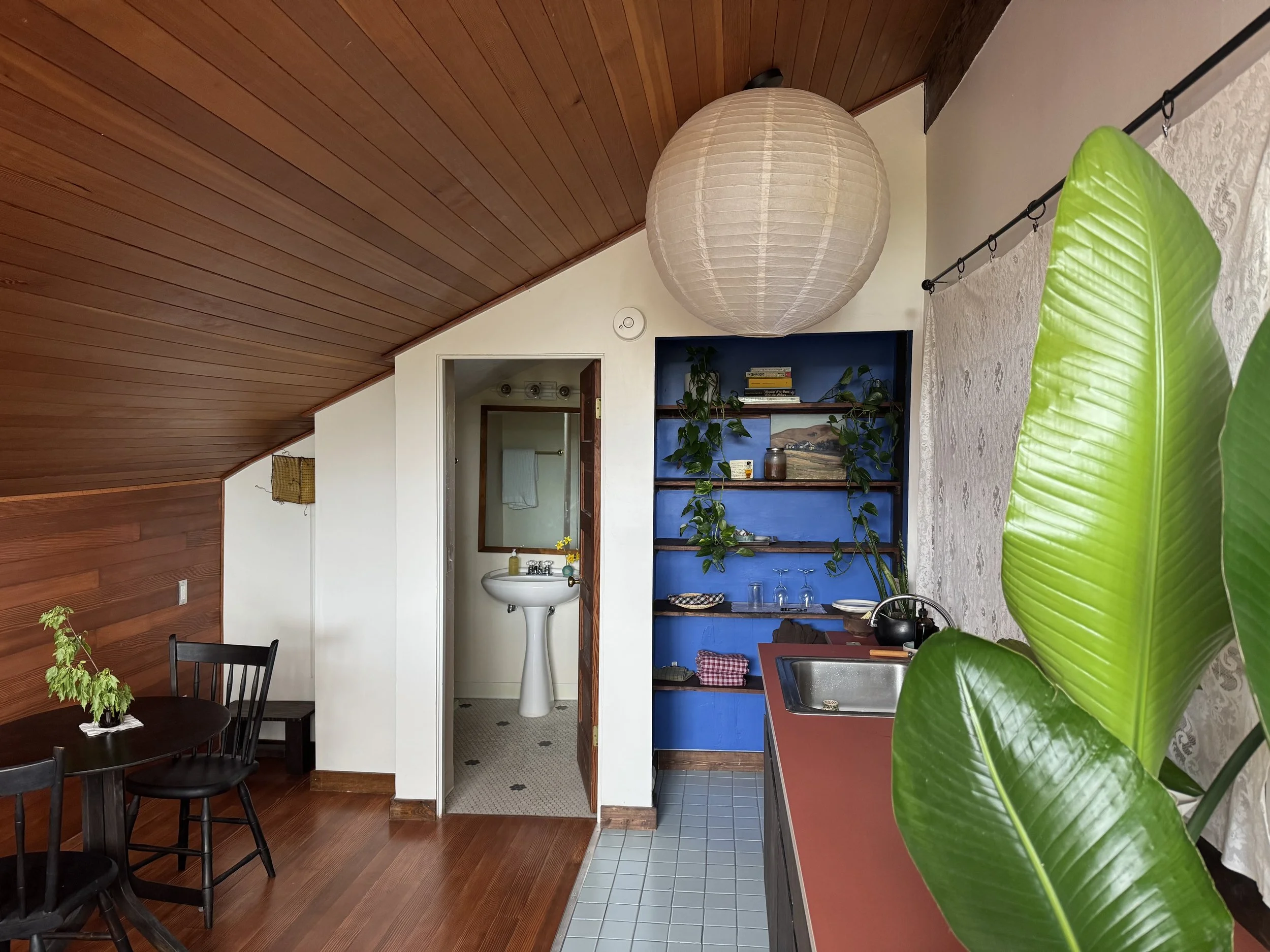
But what really makes the place is Mia and her family. Mia’s attention to and clear care for every detail is what makes this a top notch experience for guests. You can really feel whether someone is connected to what they do or not, and Mia hasn’t lost her spark for this thing. In fact, it seems like it might be snowballing with every guest that comes through. She greets you by name, handwrites every menu in calligraphy, and shares passionately where all of your food came from. She carries an immense amount of wisdom and you can see her real time navigating how to respectfully balance both the old and the new Ponzi and Sosta stories - and she excels. We can’t wait to go back.
McMinnville
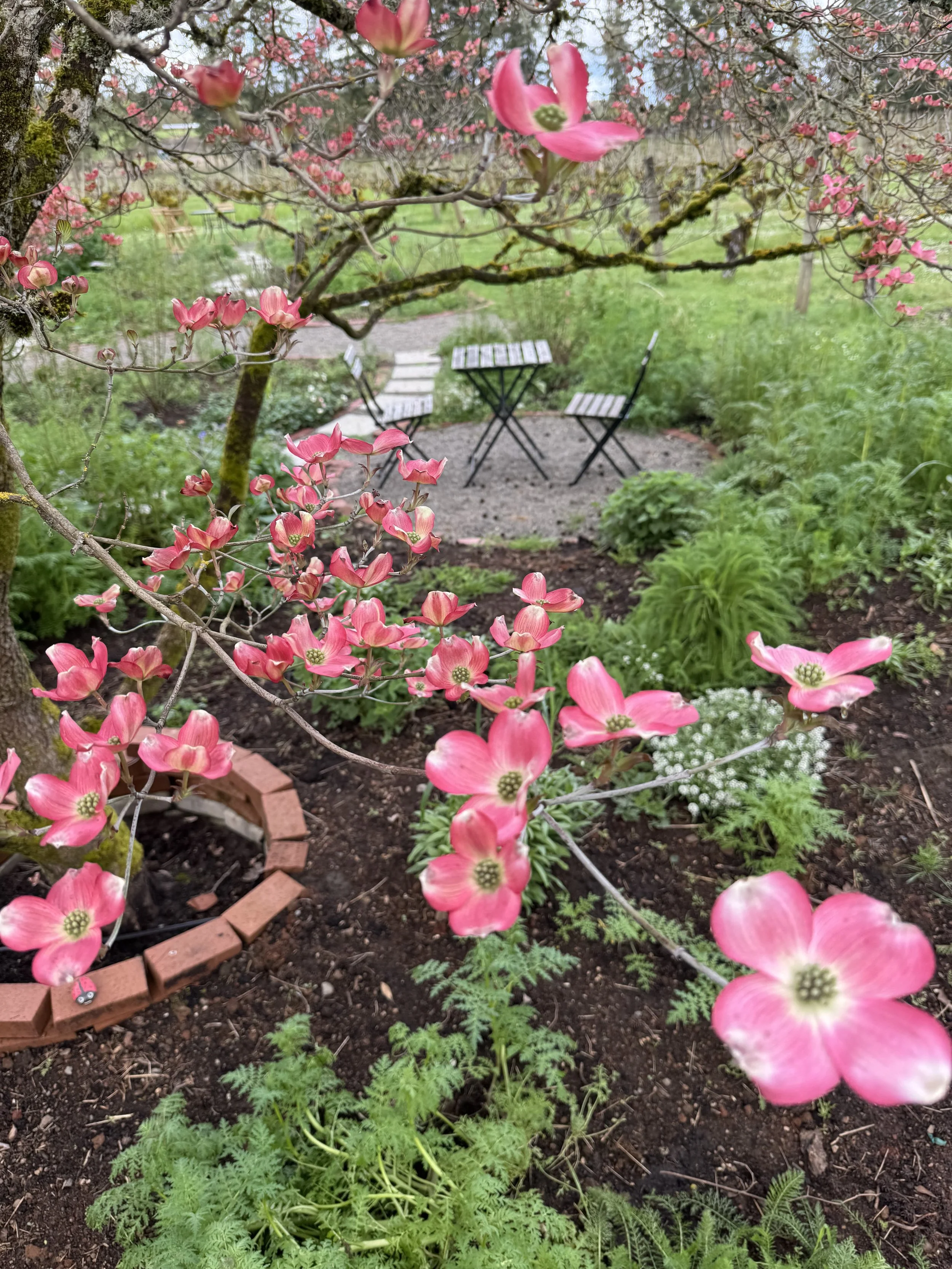
McMinnville was in full spring awakening mode, with dogwoods flowering on every corner and the Main Street just starting to glow green again under the tree canopy. It was that beautiful inbetween where winter had not yet fully left but the longer days were clearly winning. Buds were opening in every yard and the town felt lighter than it had in some time.
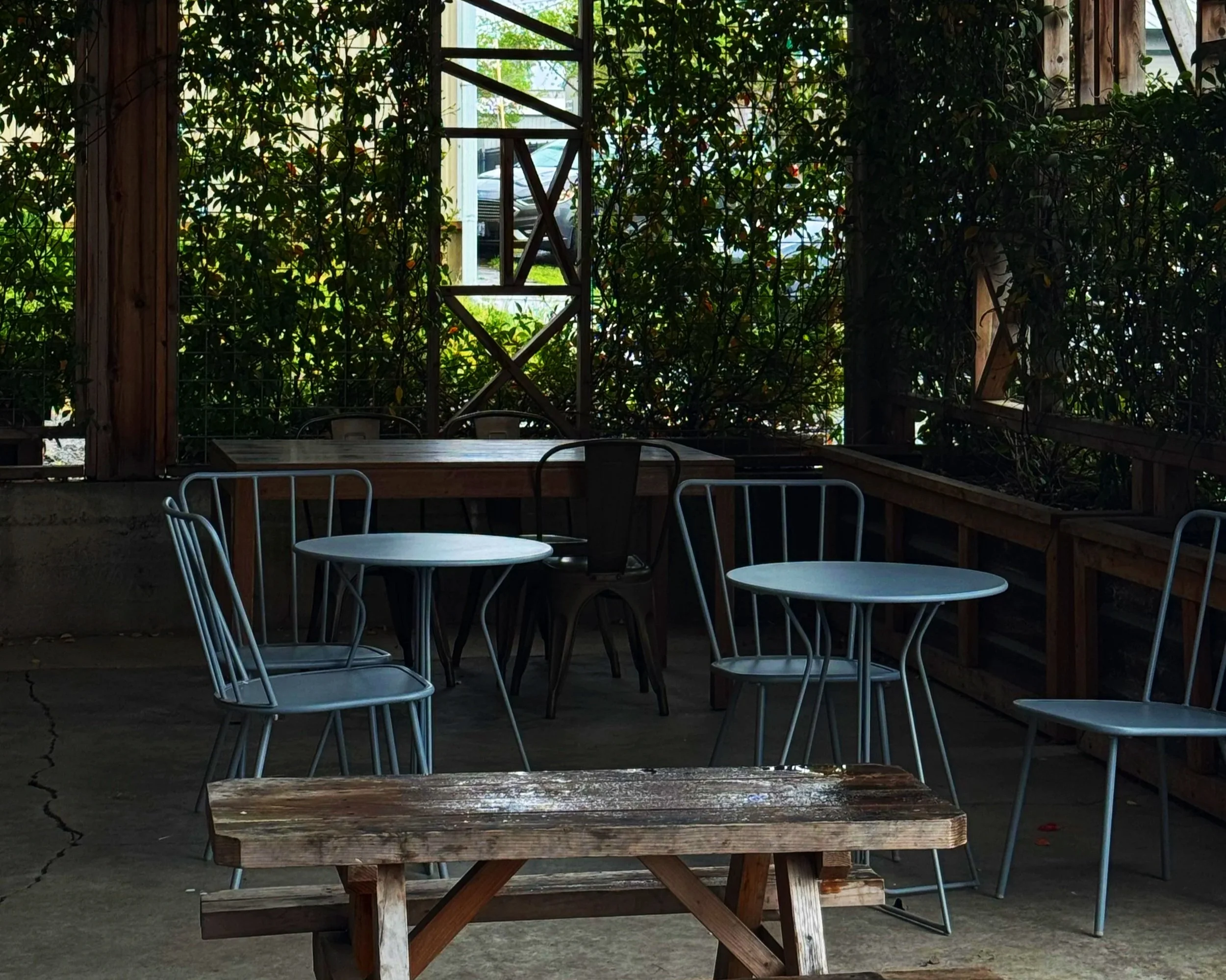
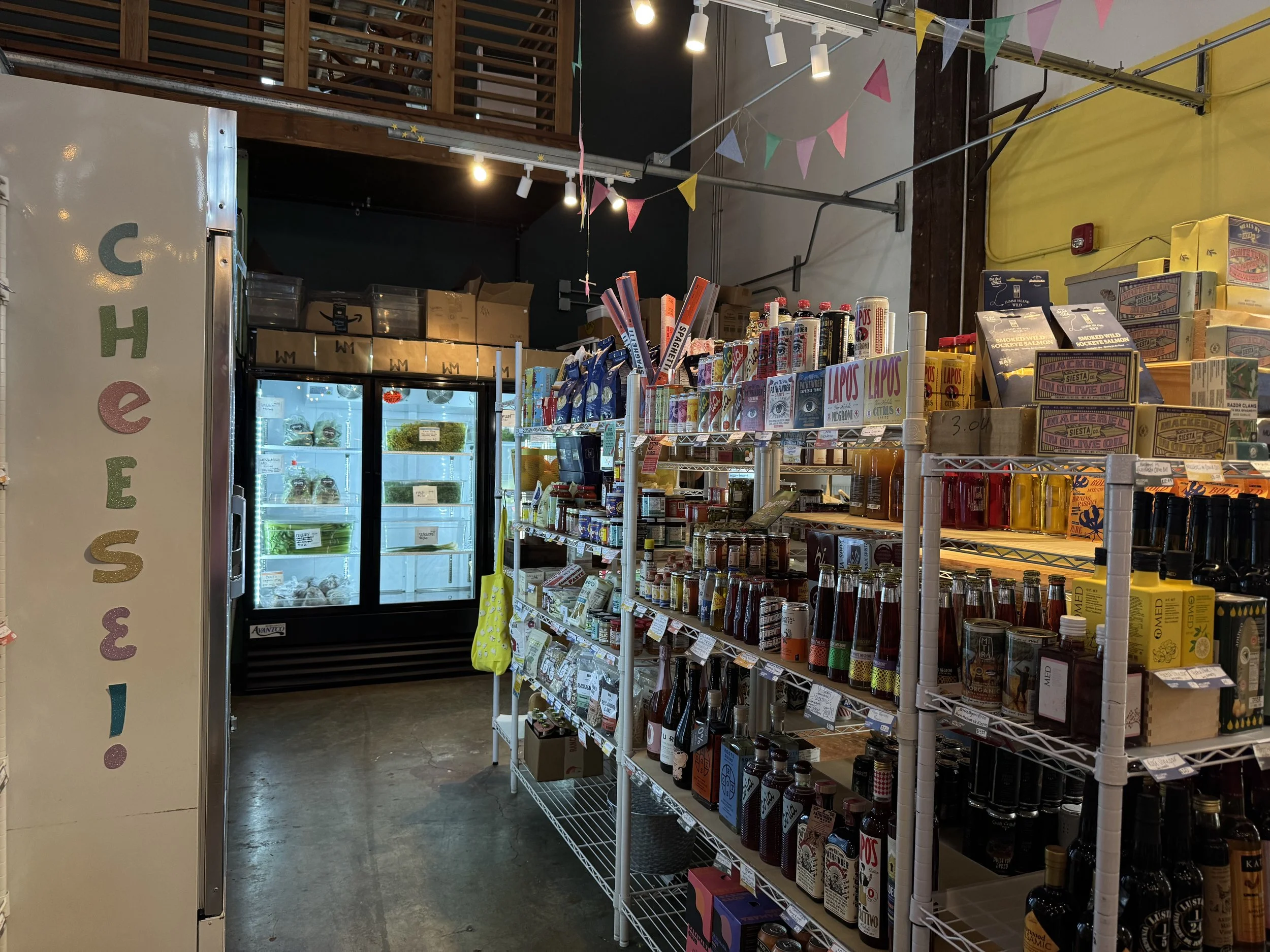
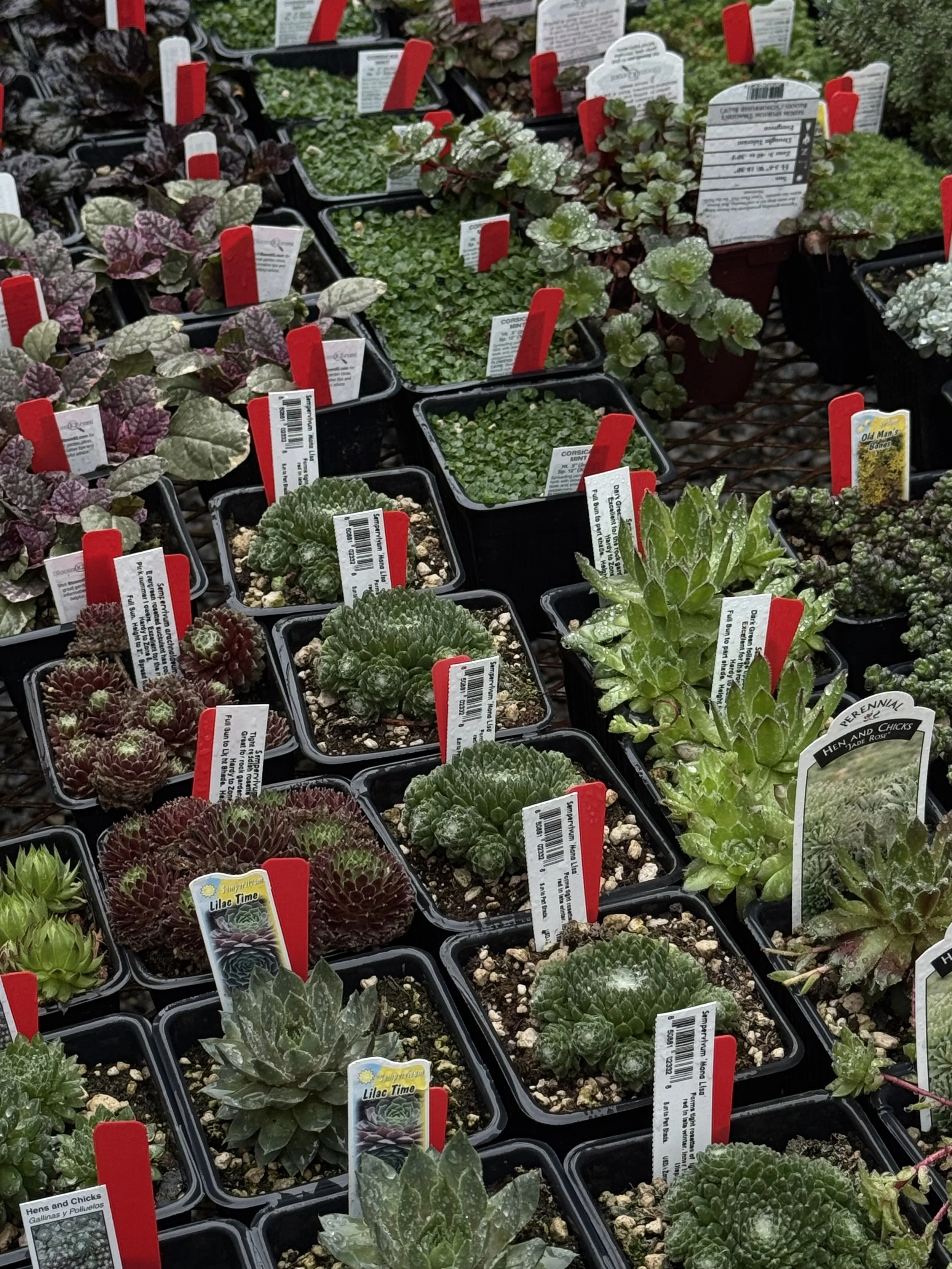
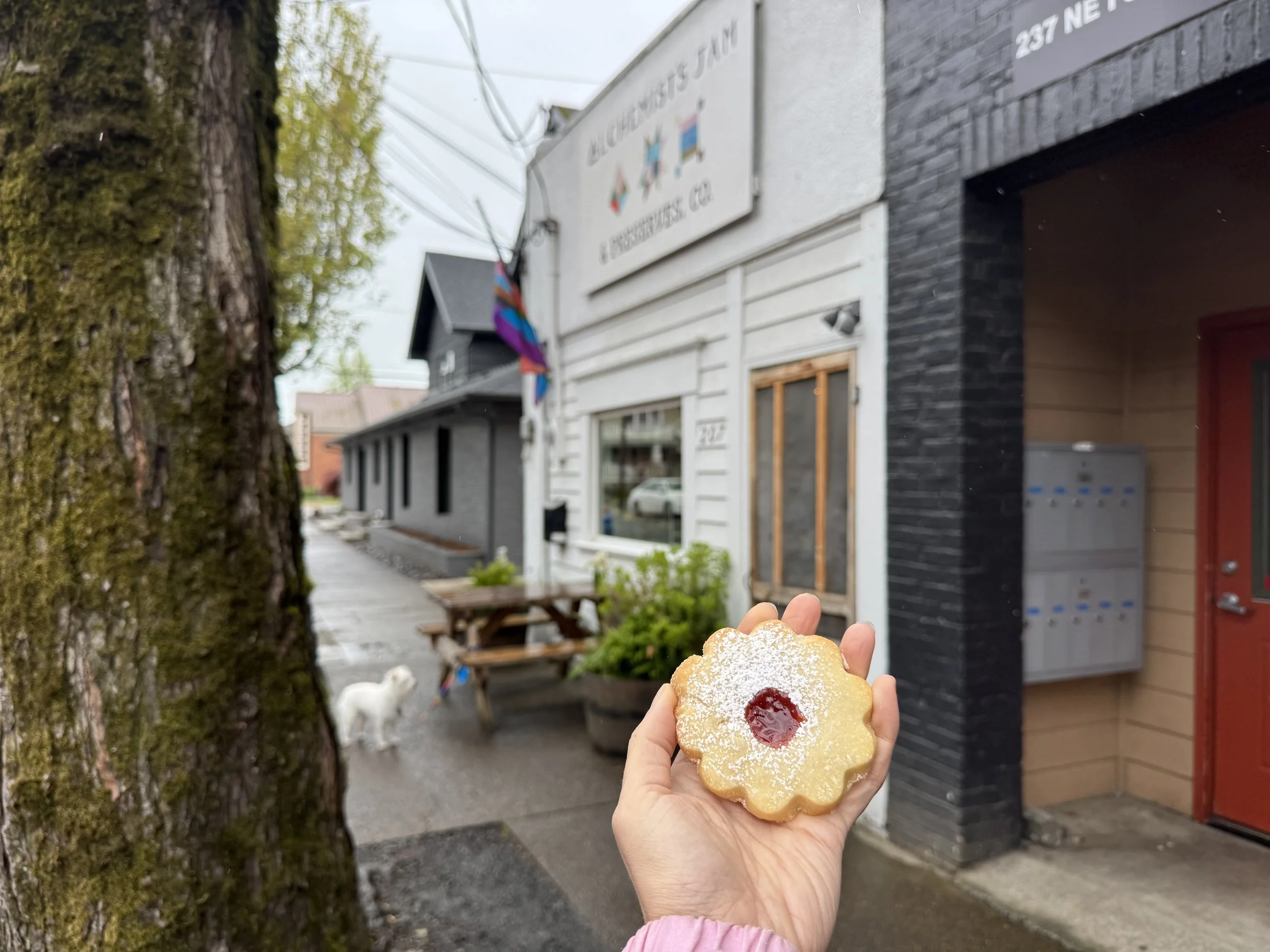
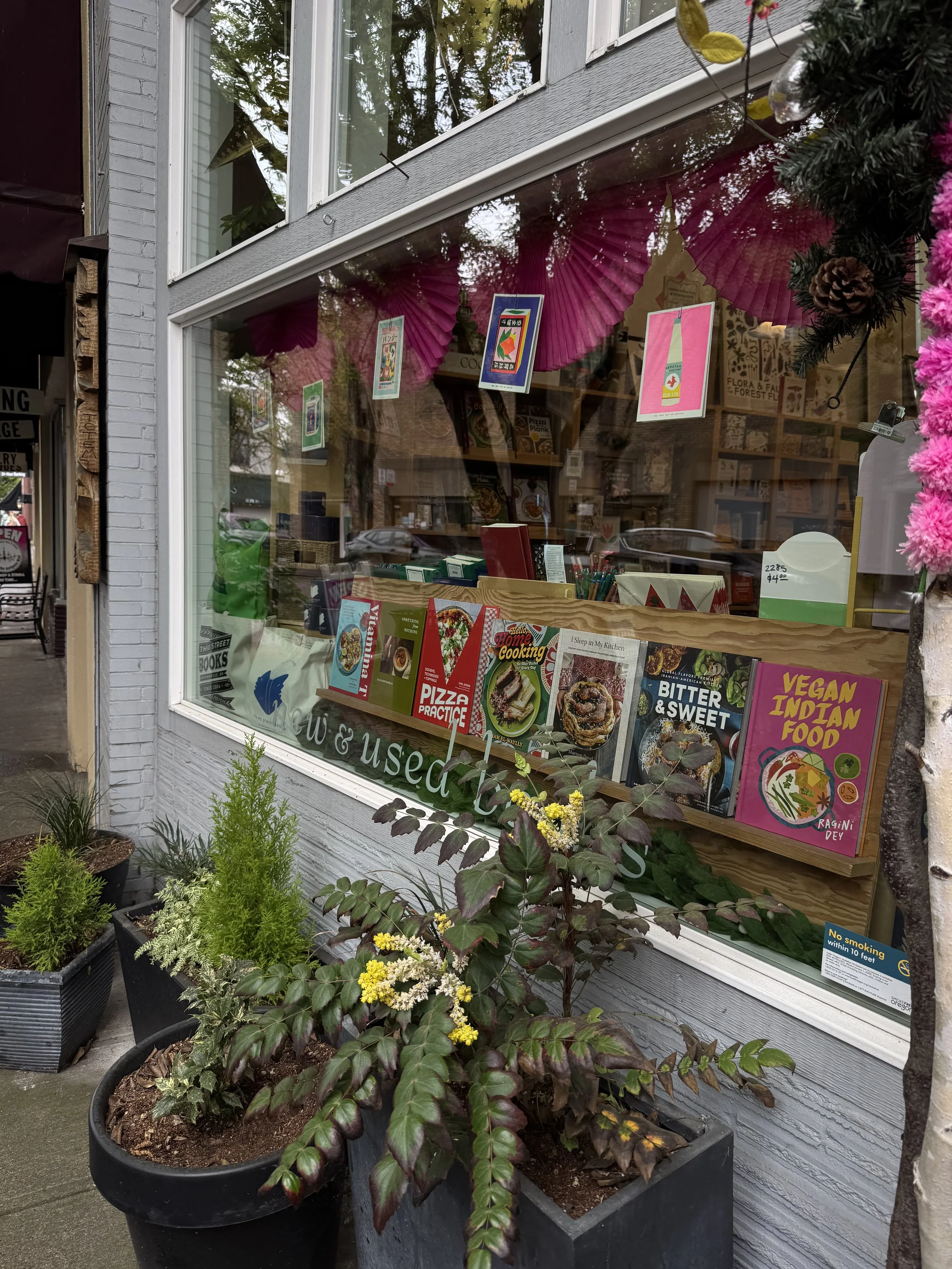
We wandered into Third Street Books, poked around the antique store, stopped in for jam, a scone, and a shortbread cookie at Alchemist’s Jam. We also swung by Mac Market, which was a stop we’d had on our list for awhile. It was a perfectly cute shopping hall and event space, with the lovely Alea bakery, market with local goods, and a garden/plant shop out back. I can envision the patio open in the summer, and know our friends at Liska Wine (amongst many others) often do tastings in the courtyard.
A great place to bike or walk to in the summer, slightly sun-drunk to grab a bottle of local natty wine or a brownie.
Food Stops Worth Remembering
Syun Izakaya
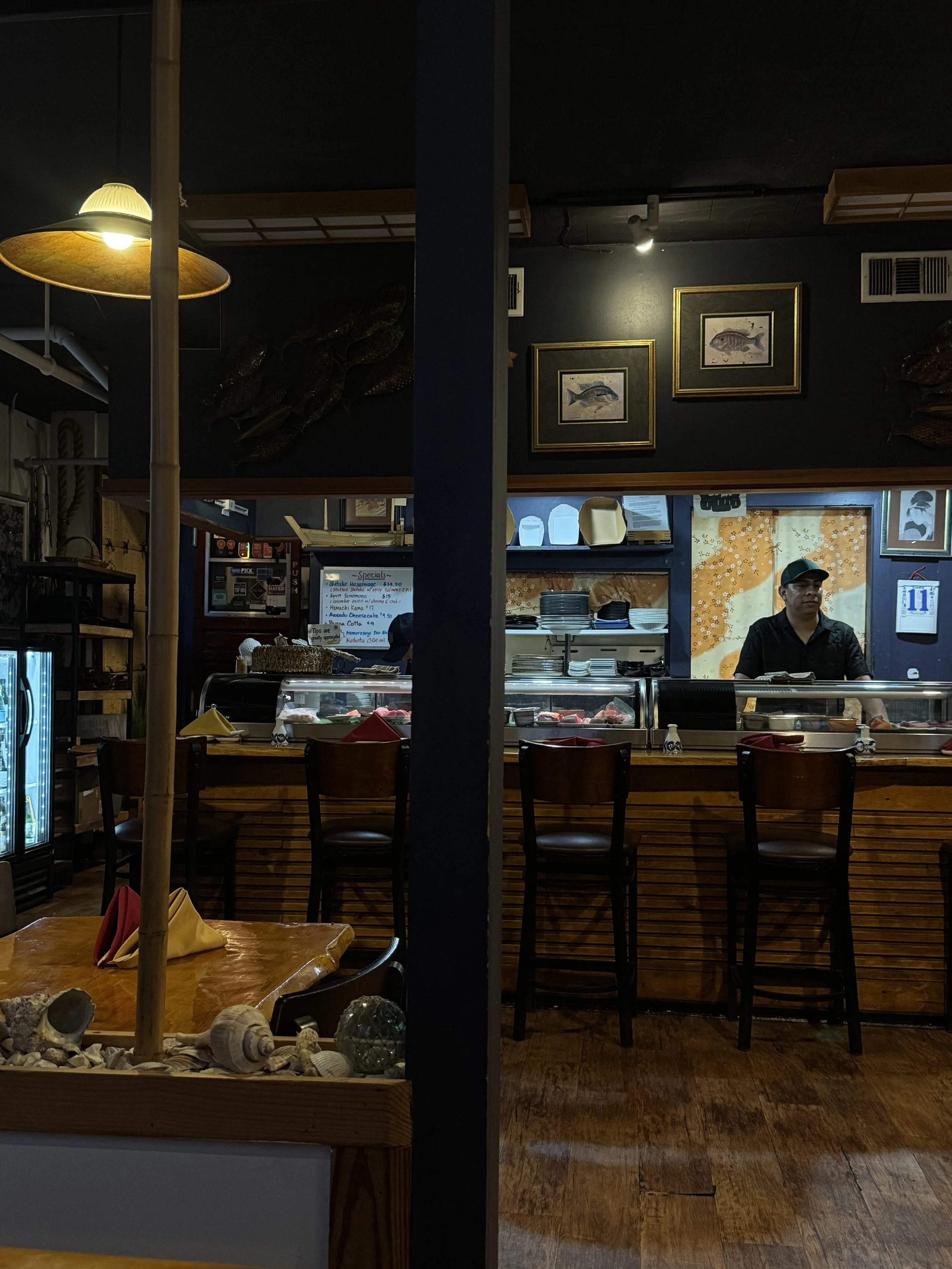
On Saturday, we ate sushi at Syun Izakaya in the basement of a local library in Hillsboro, which is already a sentence I enjoy. The setting was gorgeous, with a huge dogwood tree spreading out over the front yard, and the food was incredible. We had sake salmon nigiri, an Alaska roll, a fancy shrimp tempura roll, and the premium California twist, paired with a traditional sapporo, of course. One of the better sushi dinners we’ve had in awhile which was surprising for small town Oregon.
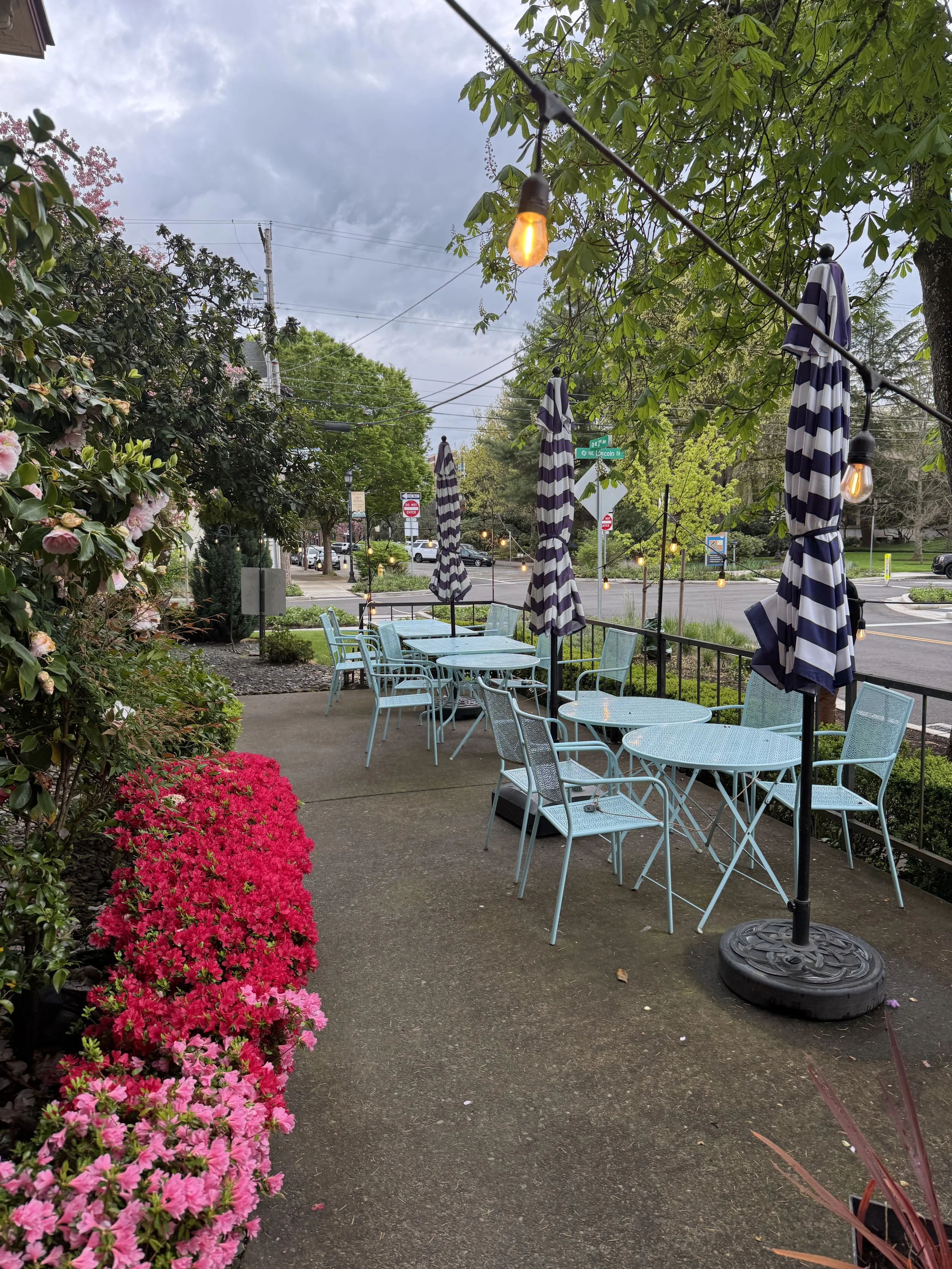

Red Hills Market
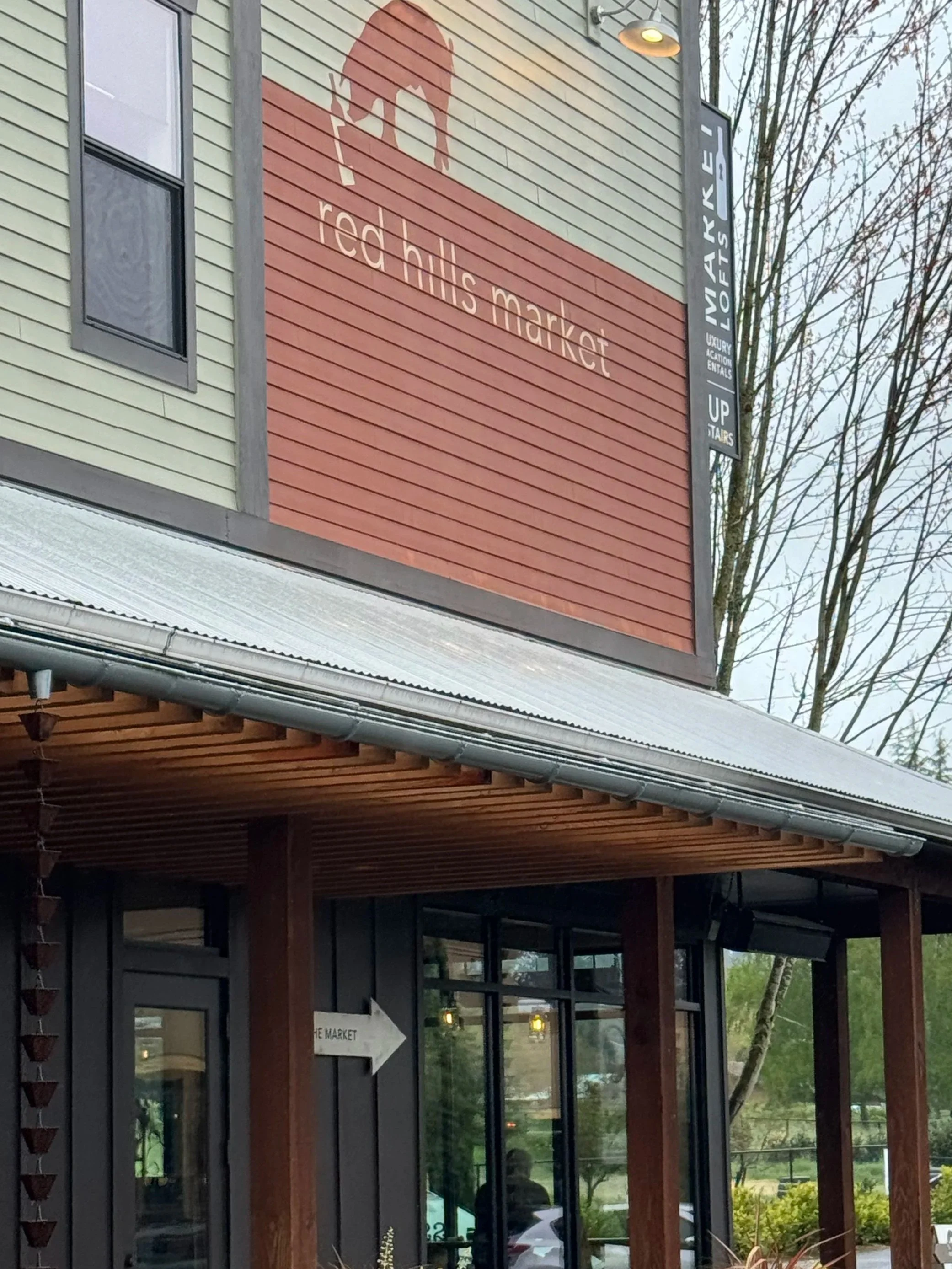
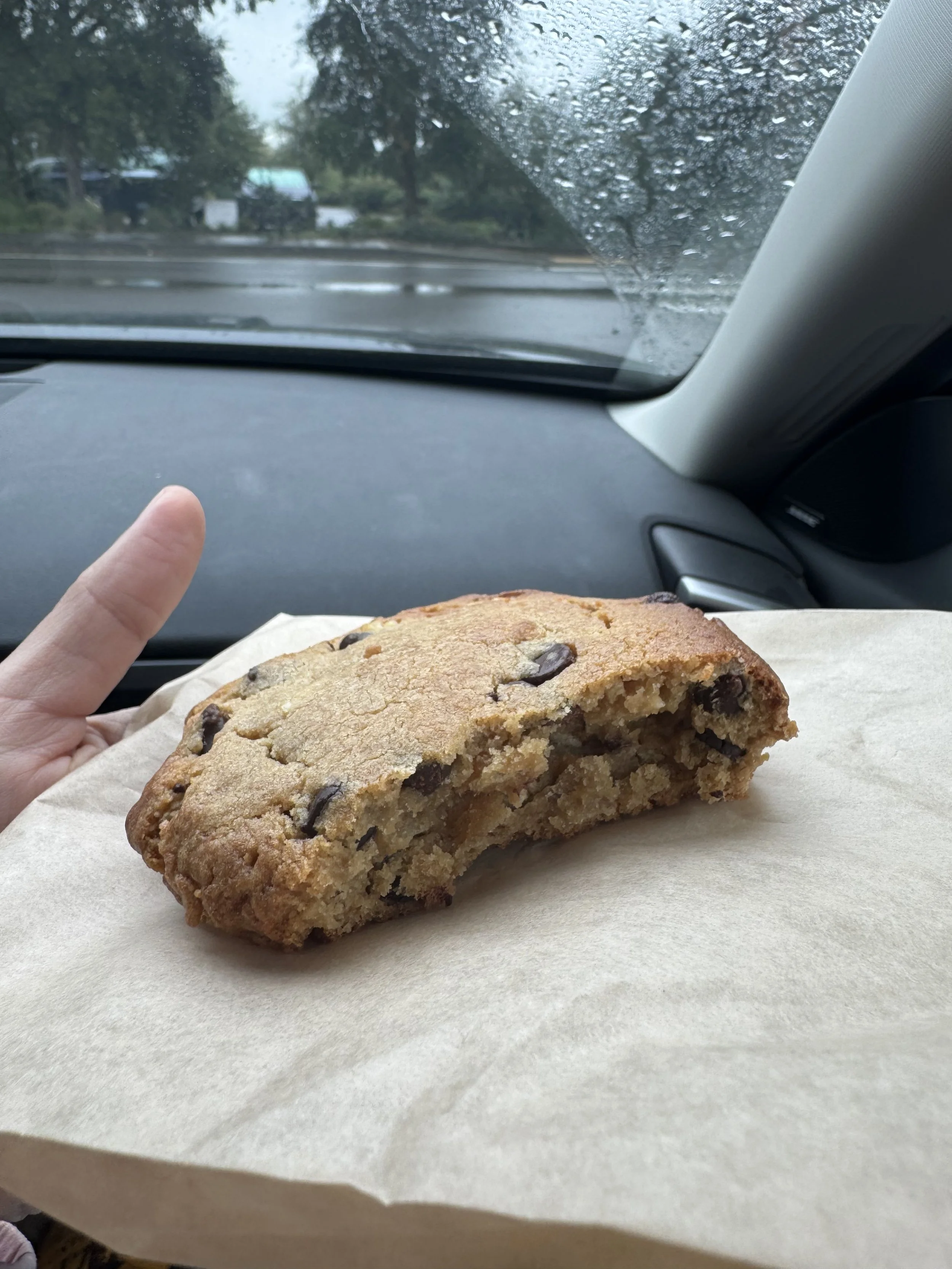
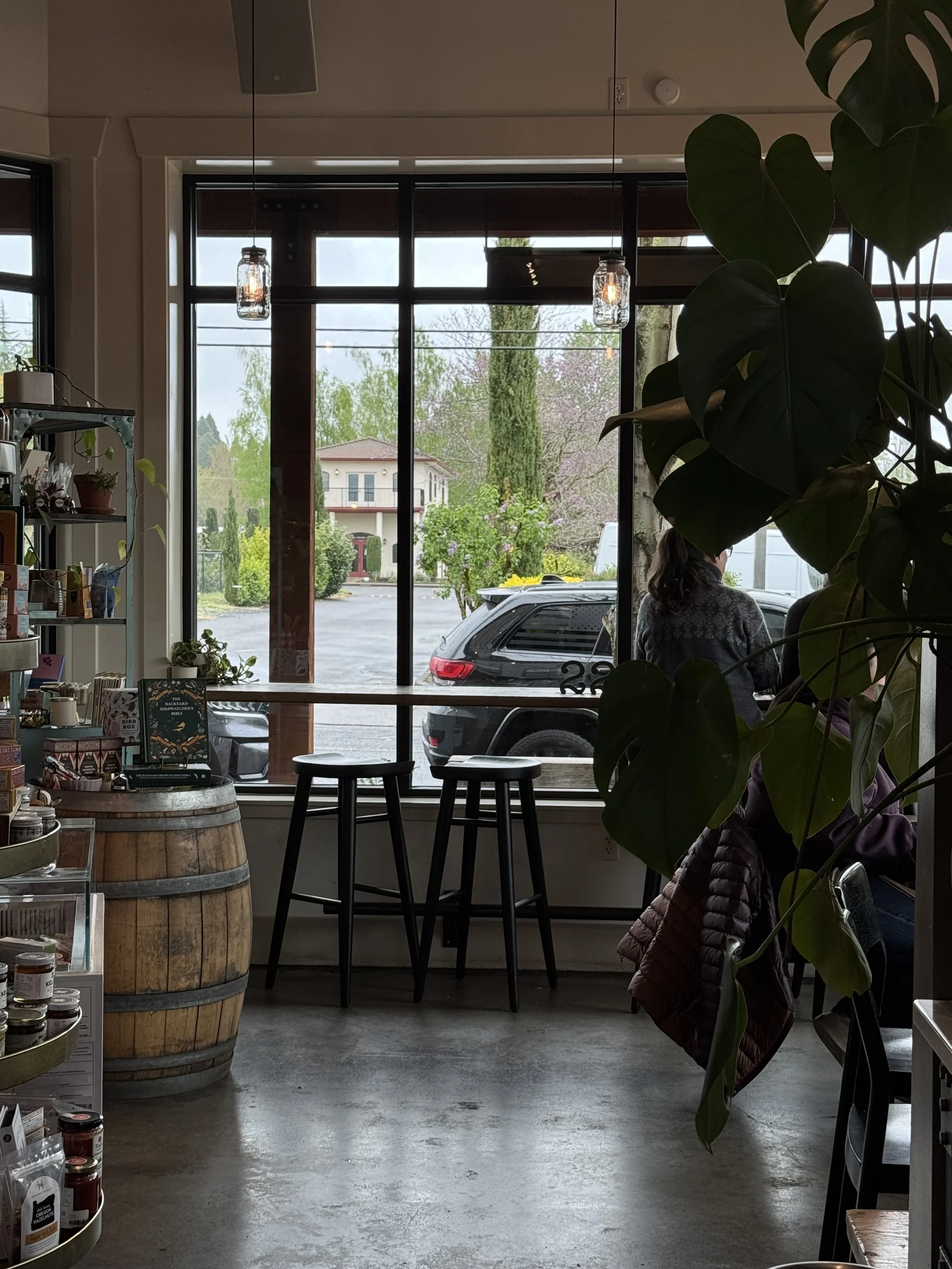
This place deserves its own blog but I’ll keep it short. The vibes are always on at Red Hills. The turkey apple sandwich for takeaway absolutely rocks, and the place still has the sign proudly noting 200,000 sandwiches sold. Erick became a bit fixated on the future day when it will finally roll to 250,000 which has to be quickly approaching given we purchase what feels like 50,000 every time we’re in town. A highlight of this trip for me was the chocolate chip potato chip cookie. Yep, you heard that right. I had already tabbed their monster cookie as one of my top 3 worldwide, so I had to try another variety and honestly? Might be my new #1. You heard it here first.
The Wines
Sequitir
What a delight this was; one of my favorite stops of the weekend, and a last minute plan for us.
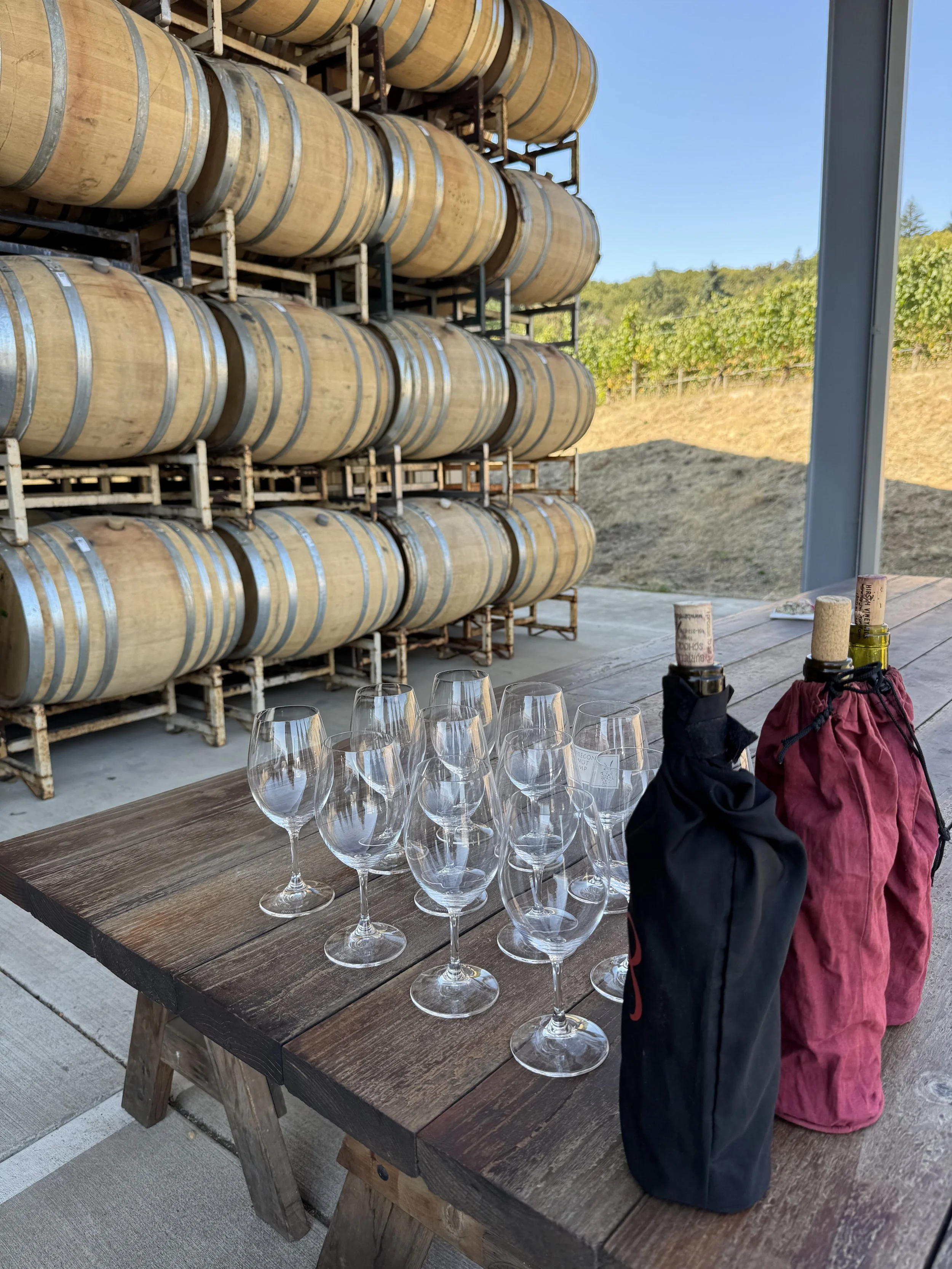
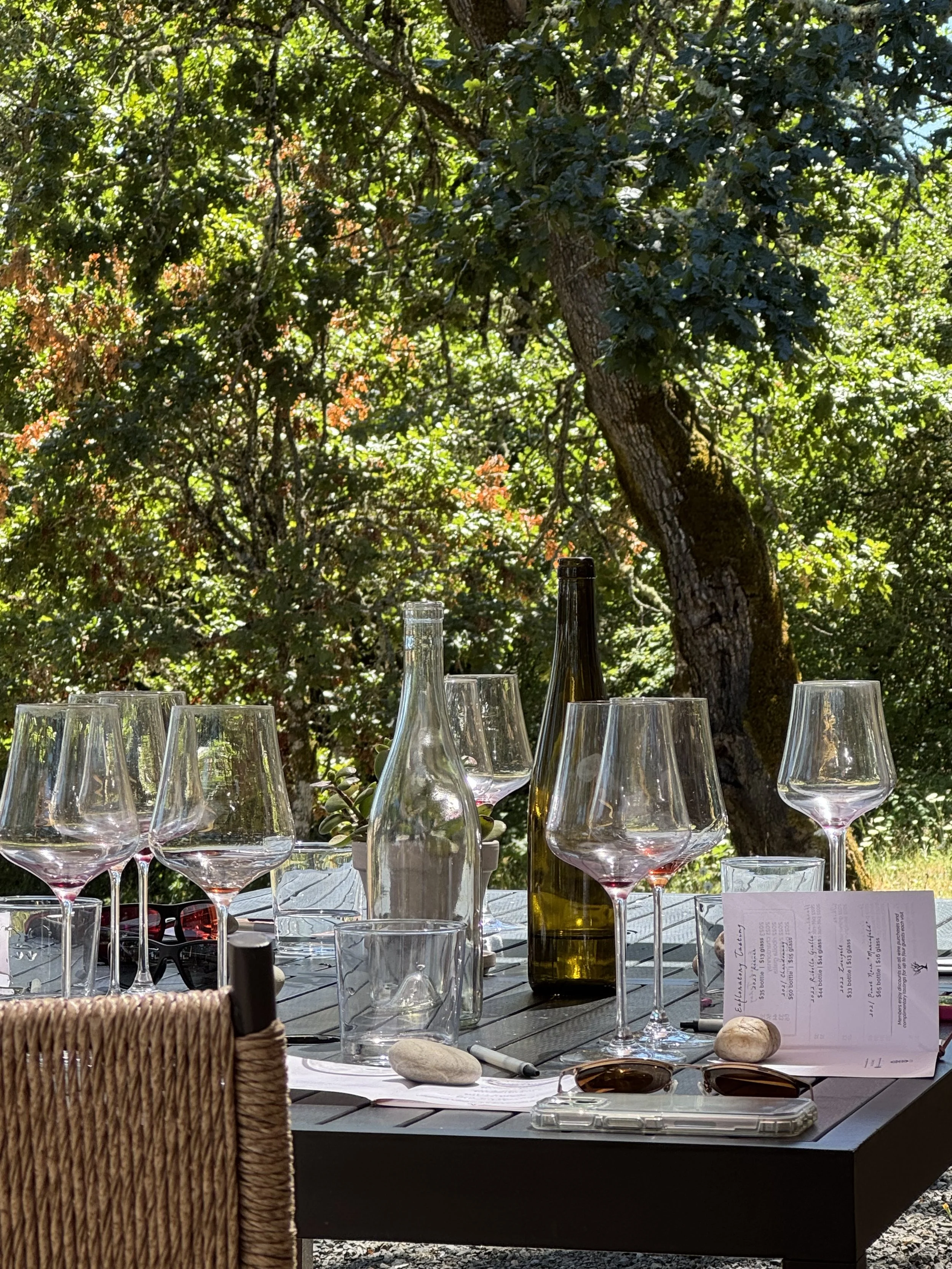
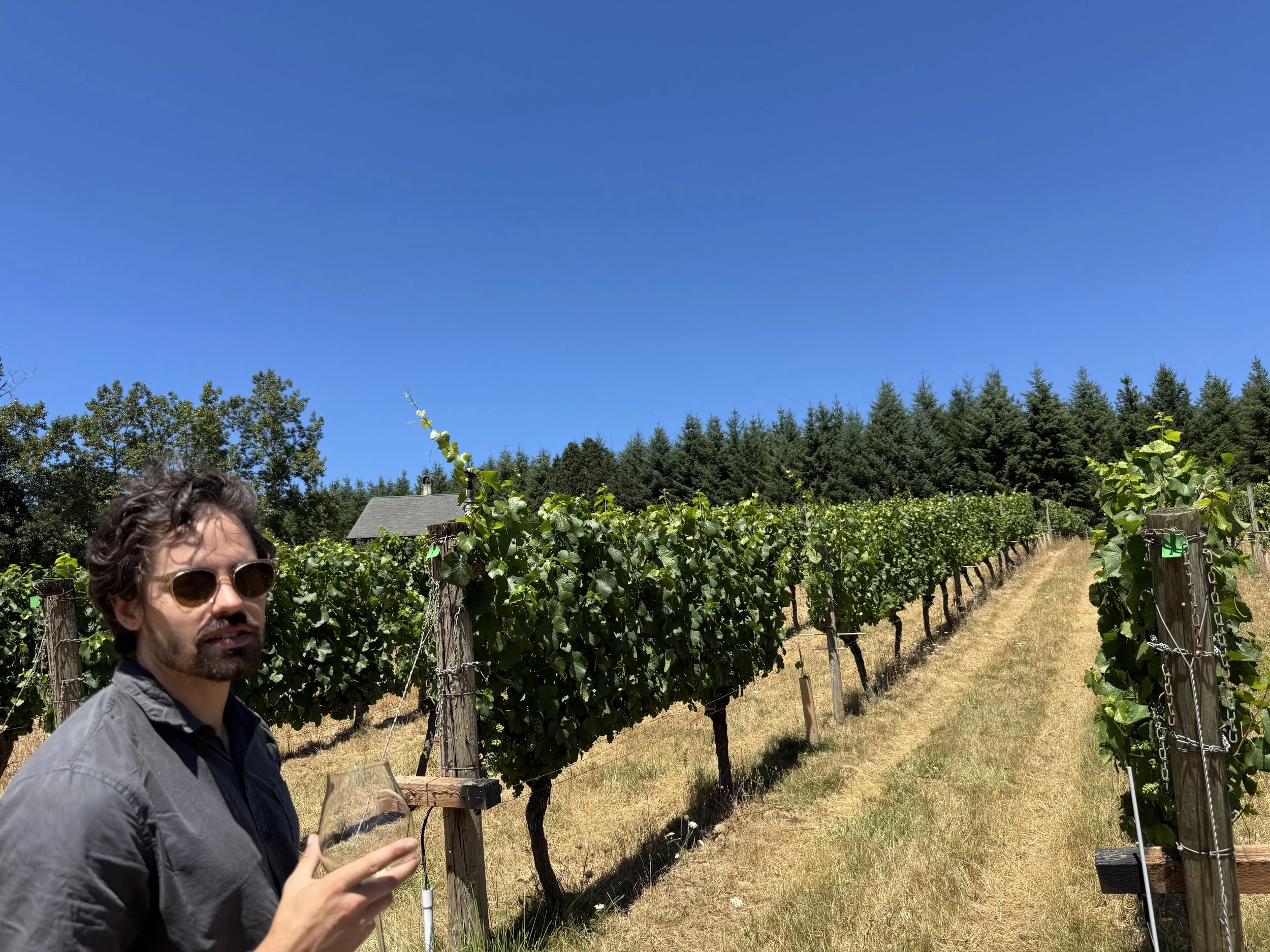
Sequitir Wine is a smaller estate with around 12 acres, focused primarily on Pinot Noir, with Chardonnay just beginning to enter the picture through outside fruit. The winemaker Michael Etzel previously ran Beaux Freres Vineyard down the road, but this is a quieter passion project. He bought what had been a 60-acre Douglas fir tree farm from a local schoolteacher named Frank Dummer in 2010 and slowly turned it into what it is today.
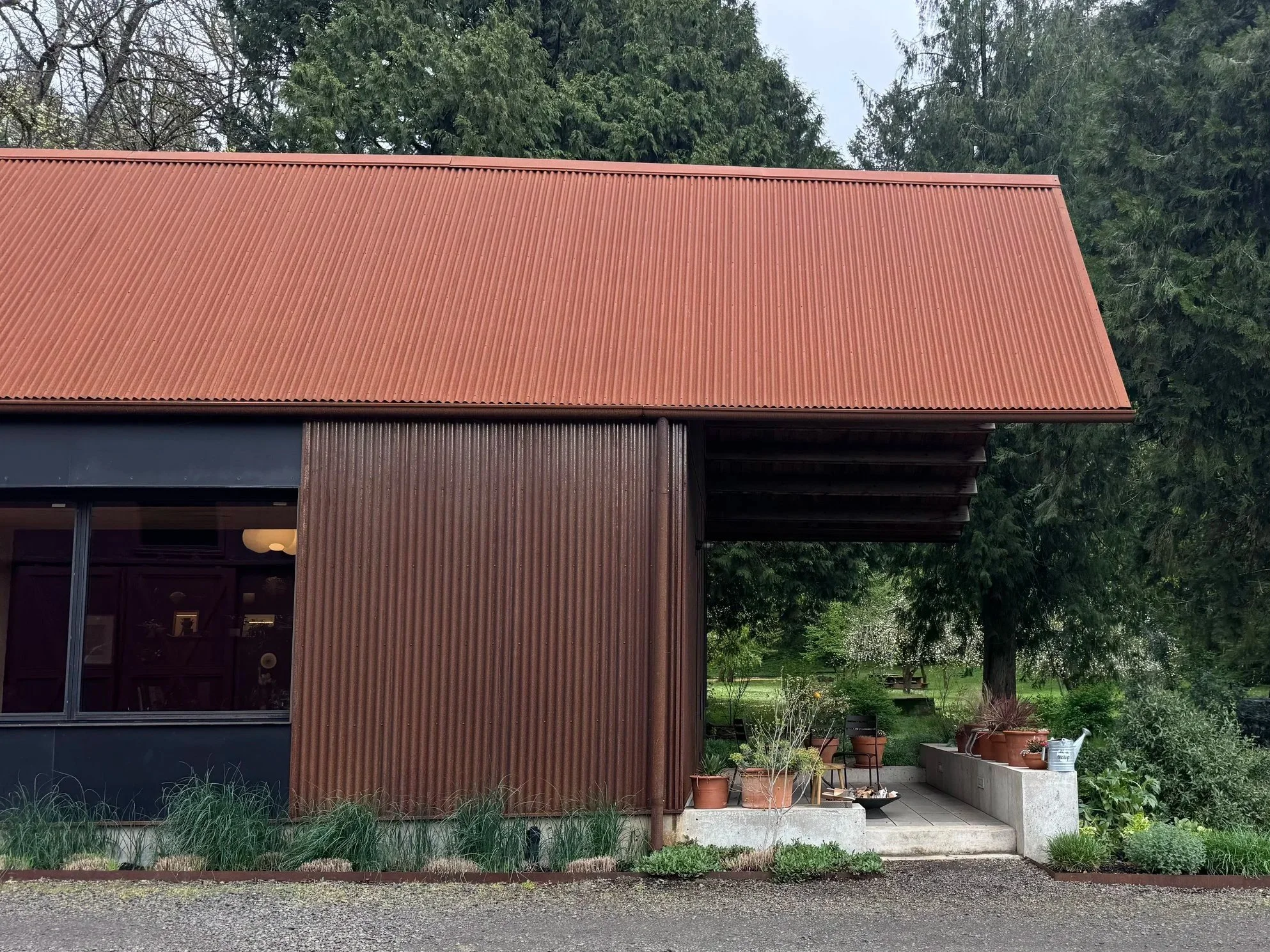
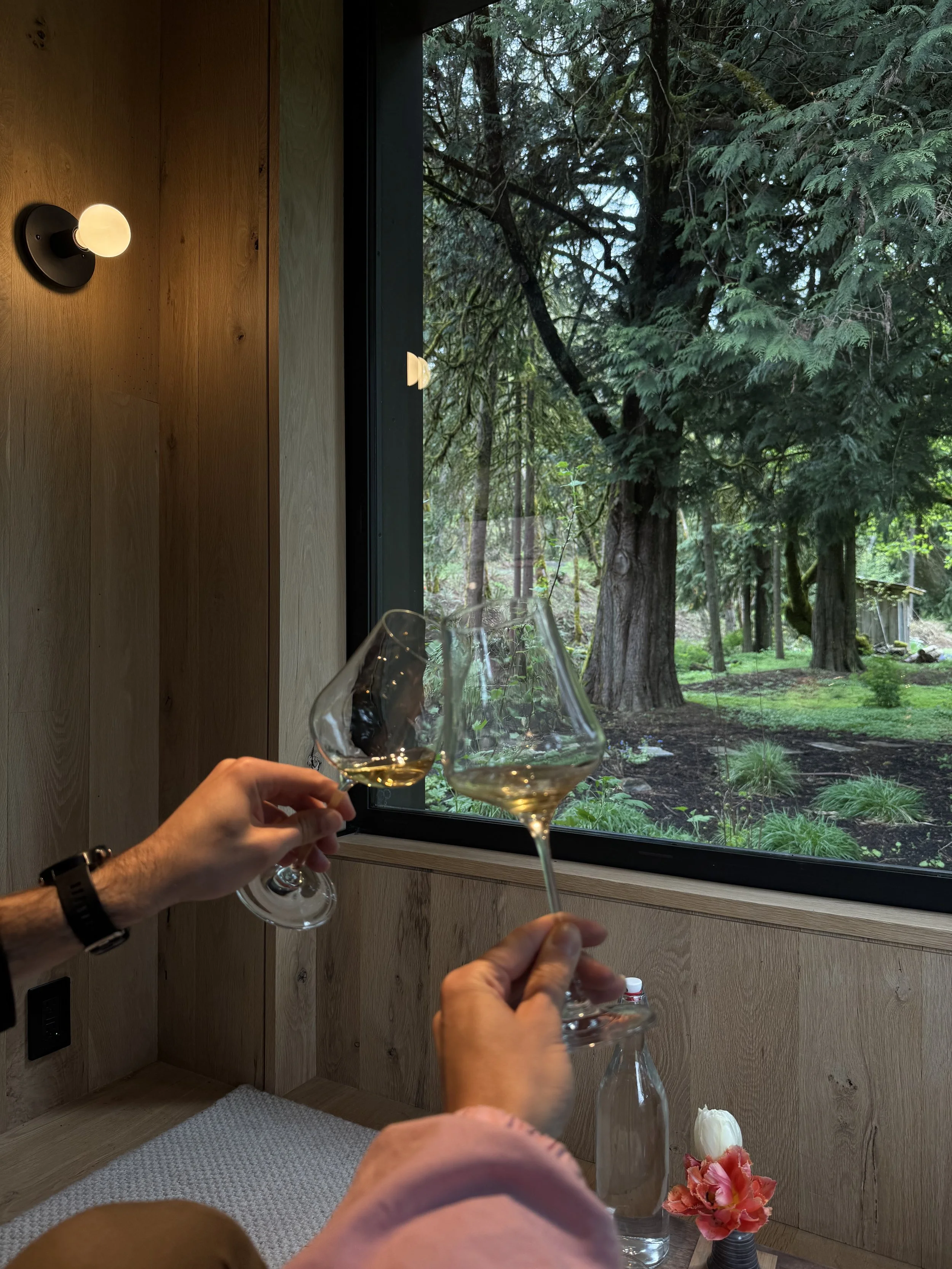
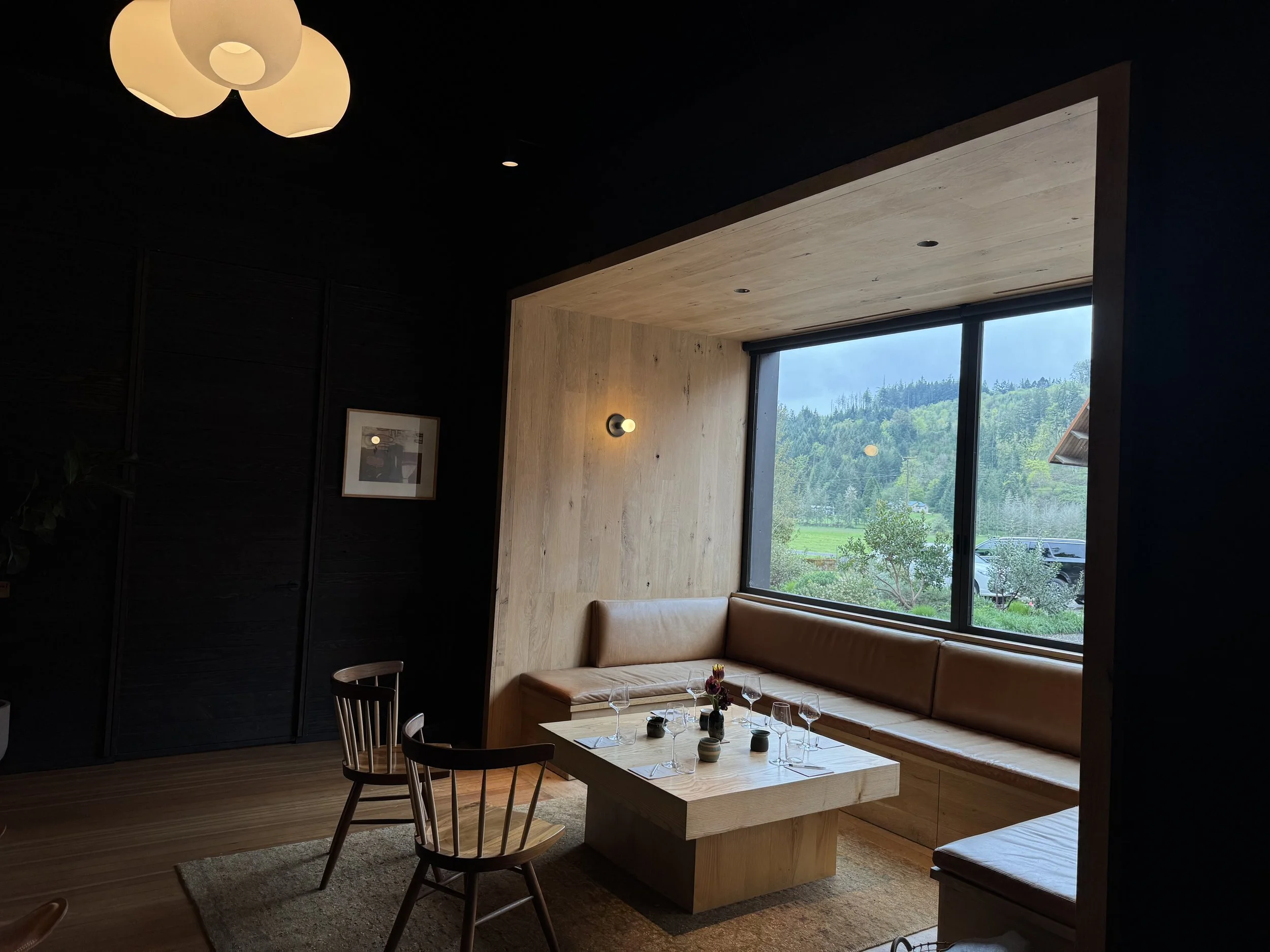
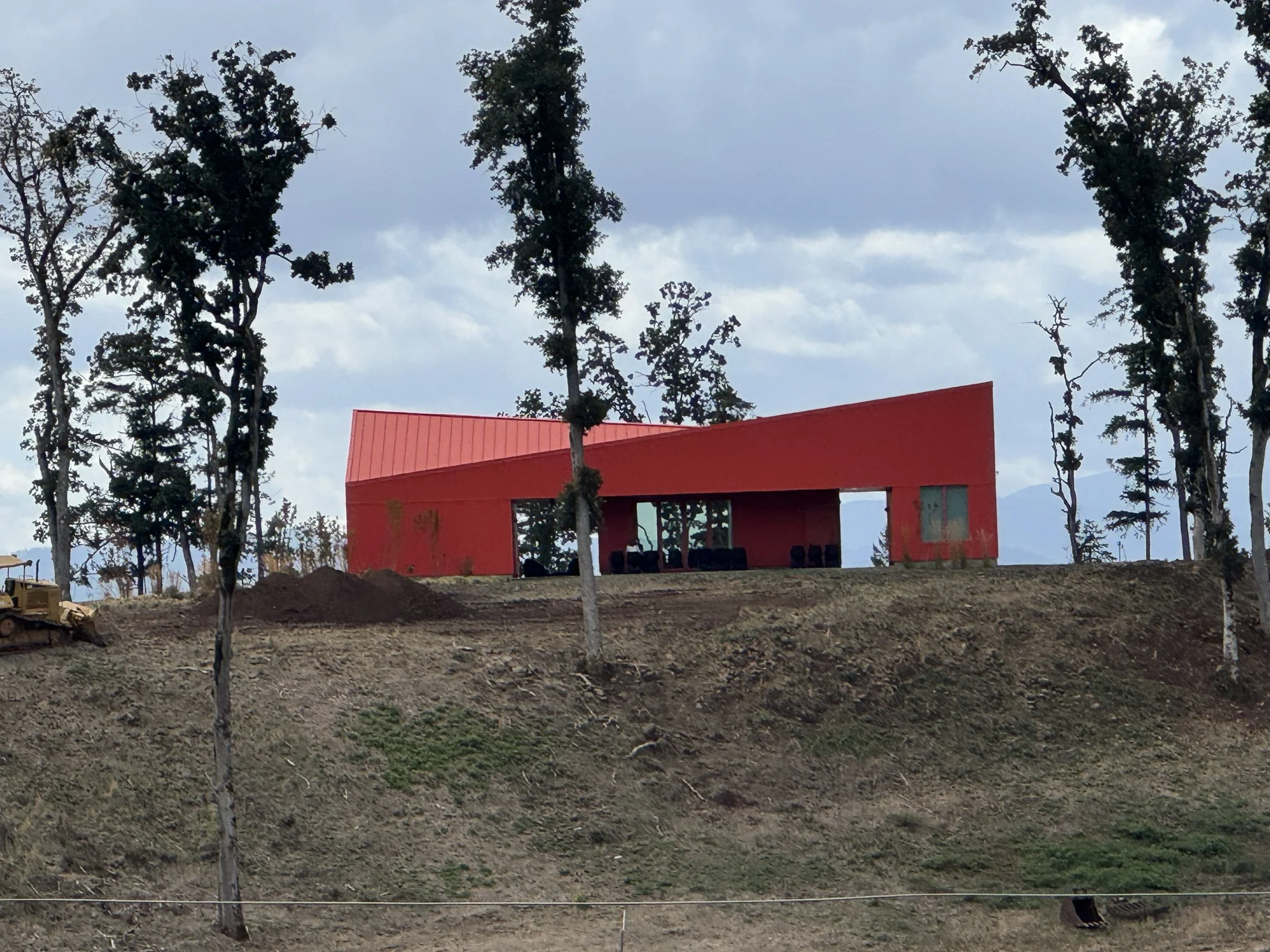
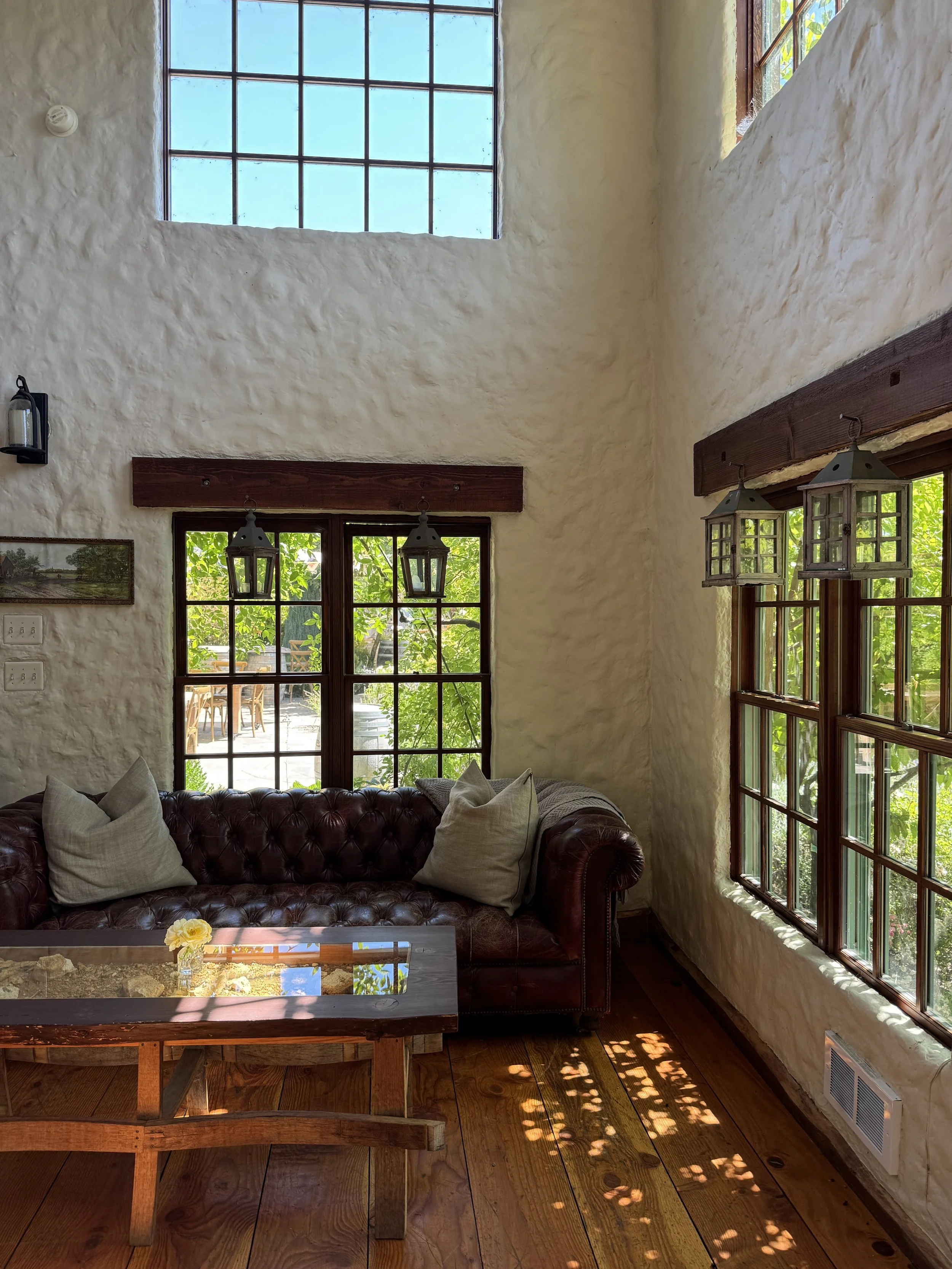
The tasting room is top notch and very architecturally cool inside. What we really loved was the Japanese-inspired floor-sitting nook tucked into the corner, overlooking the lush green valley floor stretching out toward Ribbon Ridge. We could’ve sat there for hours, wine or no wine. But the delicious wine, of course, was a nice bonus. It should be noted that this is also a fantastic venue for wasting away an afternoon if you have friends in town. Under the canopy of trees, it is cool to hang out either inside or outside and the architectural interest makes it visually stunning in a way that you could admire for hours.
Ayres Vineyard
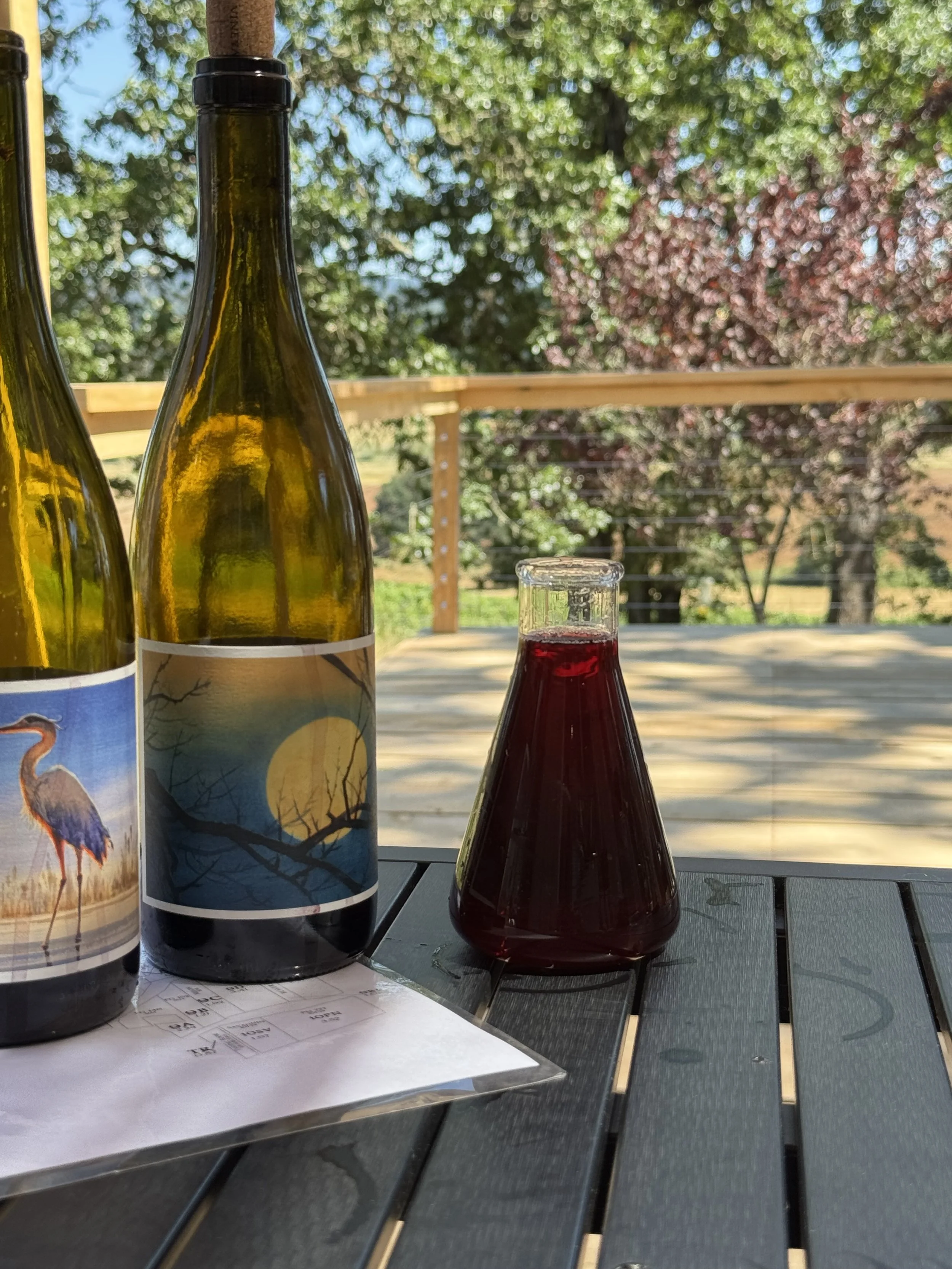
Ayres has been on my radar for many years as an old friend of mine went to school decades ago with Kathleen, the wife of the husband-wife duo that runs the place. I had tasted their wines over the years and always been thoroughly impressed (they punch at the same level as fancy French reds I drank overseas!). Brad and Kathleen have built something here that feels deeply personal and real. They don’t try to perform luxury or flashiness; they are real people undertaking a very real and serious wine operation and they don’t shy away from the fact. As a result, they produce incredibly good wine with real conviction, and the specific kind of Willamette Valley warmth that brings people together.
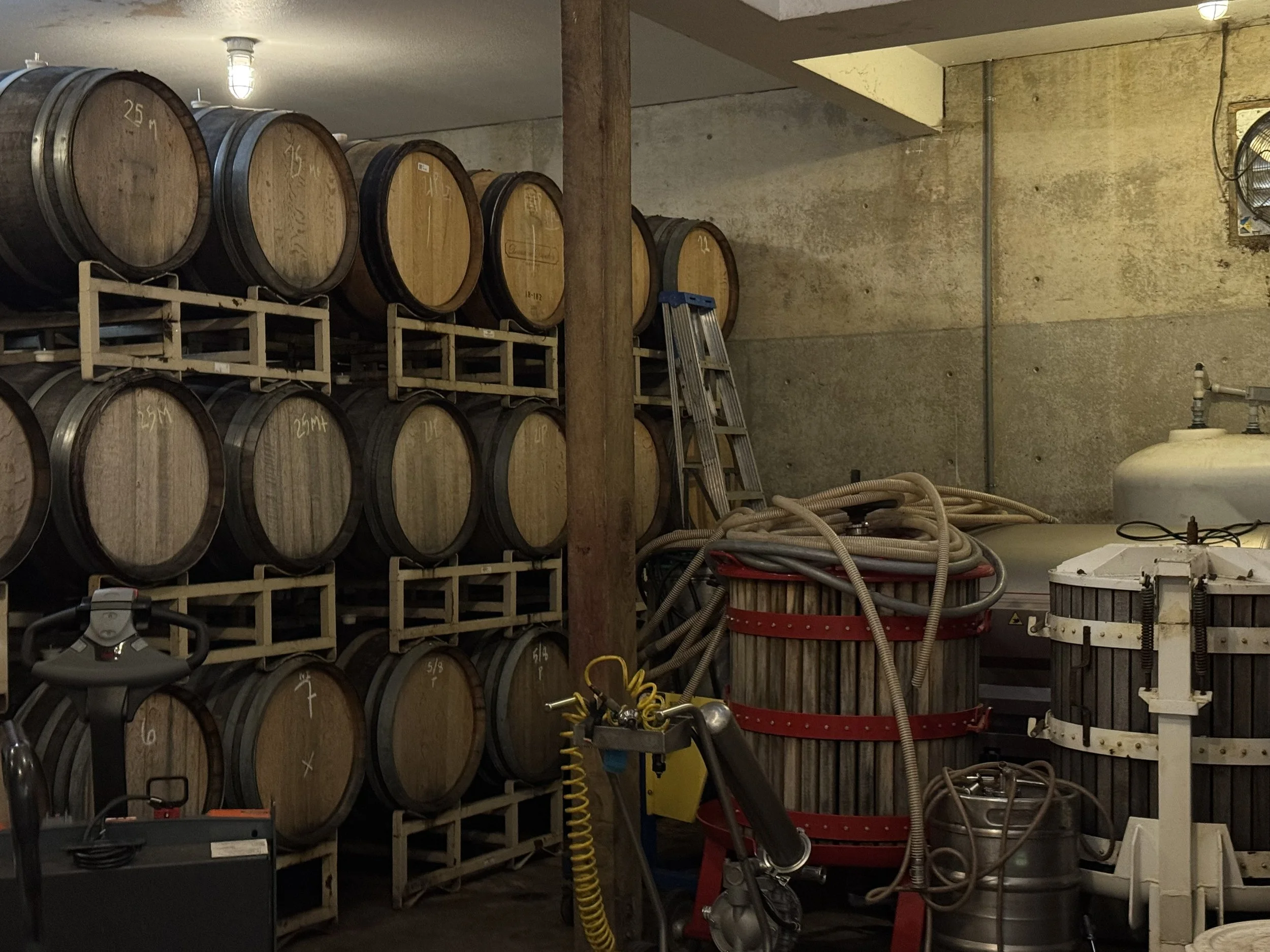
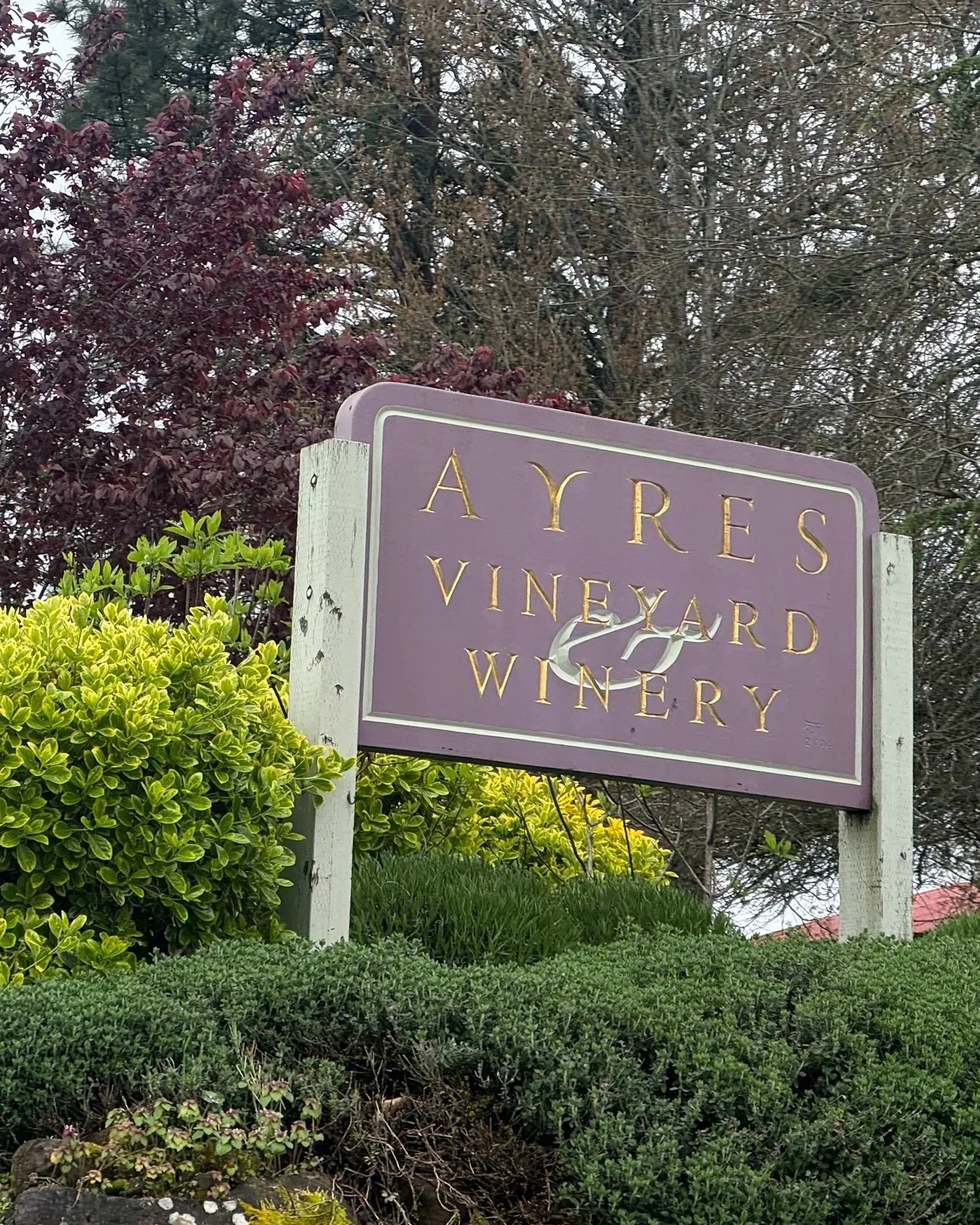
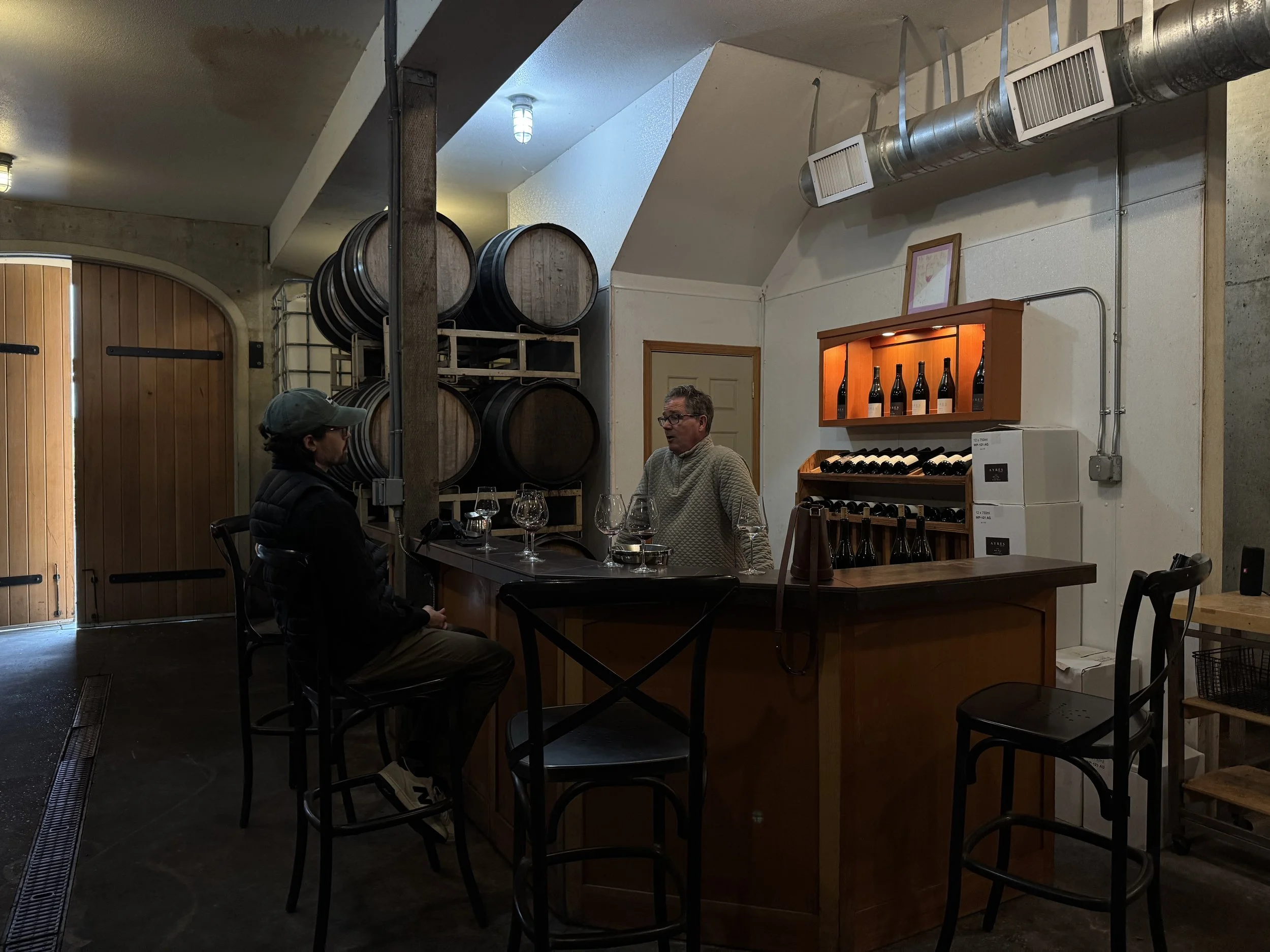
Their pinots were absolutely incredible. Elegant, nuanced, alive and very much in that Oregon register I love when it lands (and at many places, it doesn’t always land- but not here.) What I appreciated most about Ayres was the scale of it, the humanness.
This place was built from the ground up with love, passion, and a belief in great wine, and it translates directly to the Riedel glass. A must stop, and a light suggestion to consider joining their wine club so you can order delicious, discounted wines whenever your cellar looks empty.
Mount Angel/Silverton
One of the best stretches of the weekend was the one that braided together Mount Angel, Silverton and Silver Falls State Park. What a way to combine three of my favorite things in one small orbit: great design, small town hospitality, and being outside in that full on damp green PNW spring landscape.
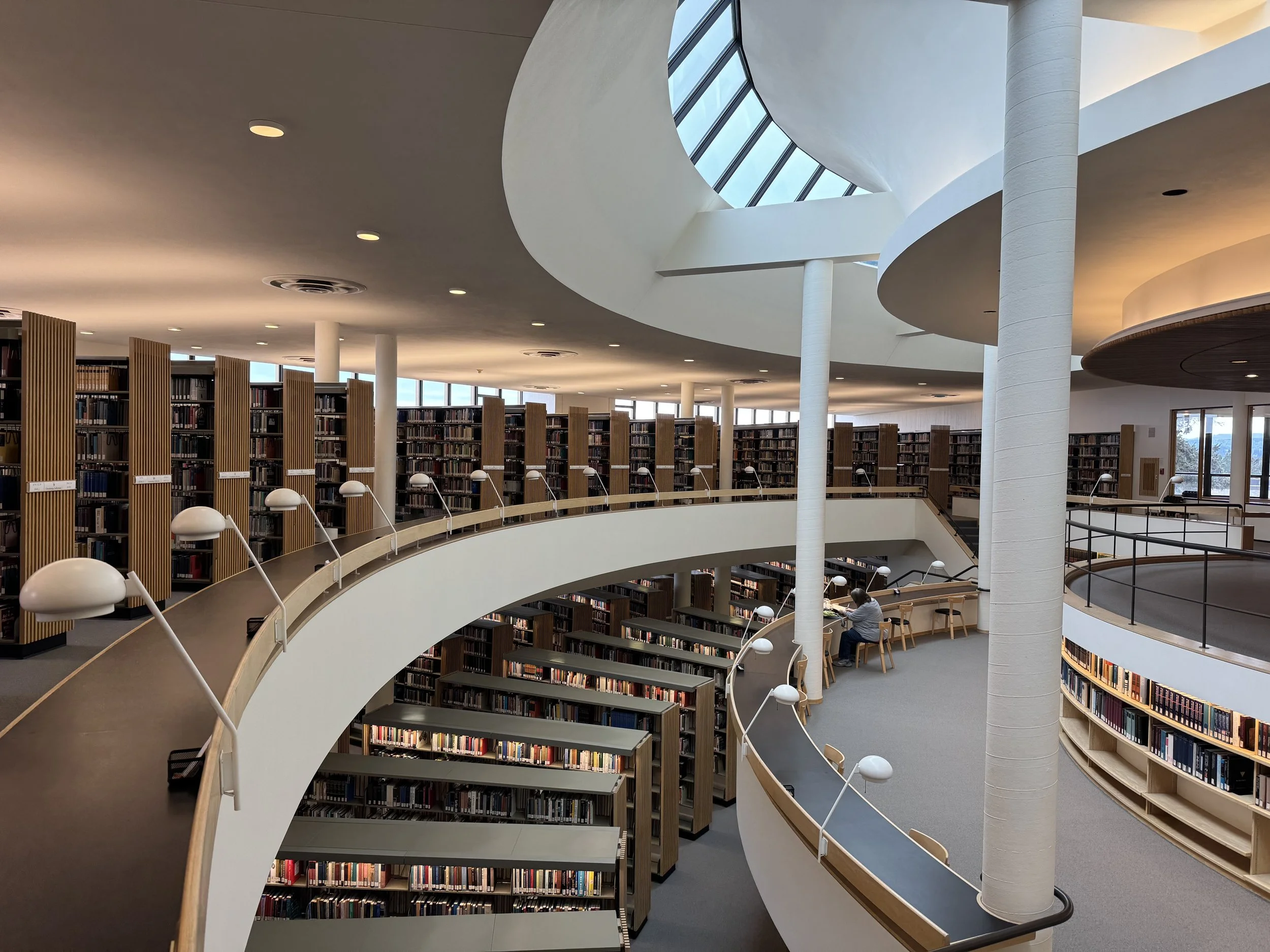
A design detour: Mount Angel Abbey Library
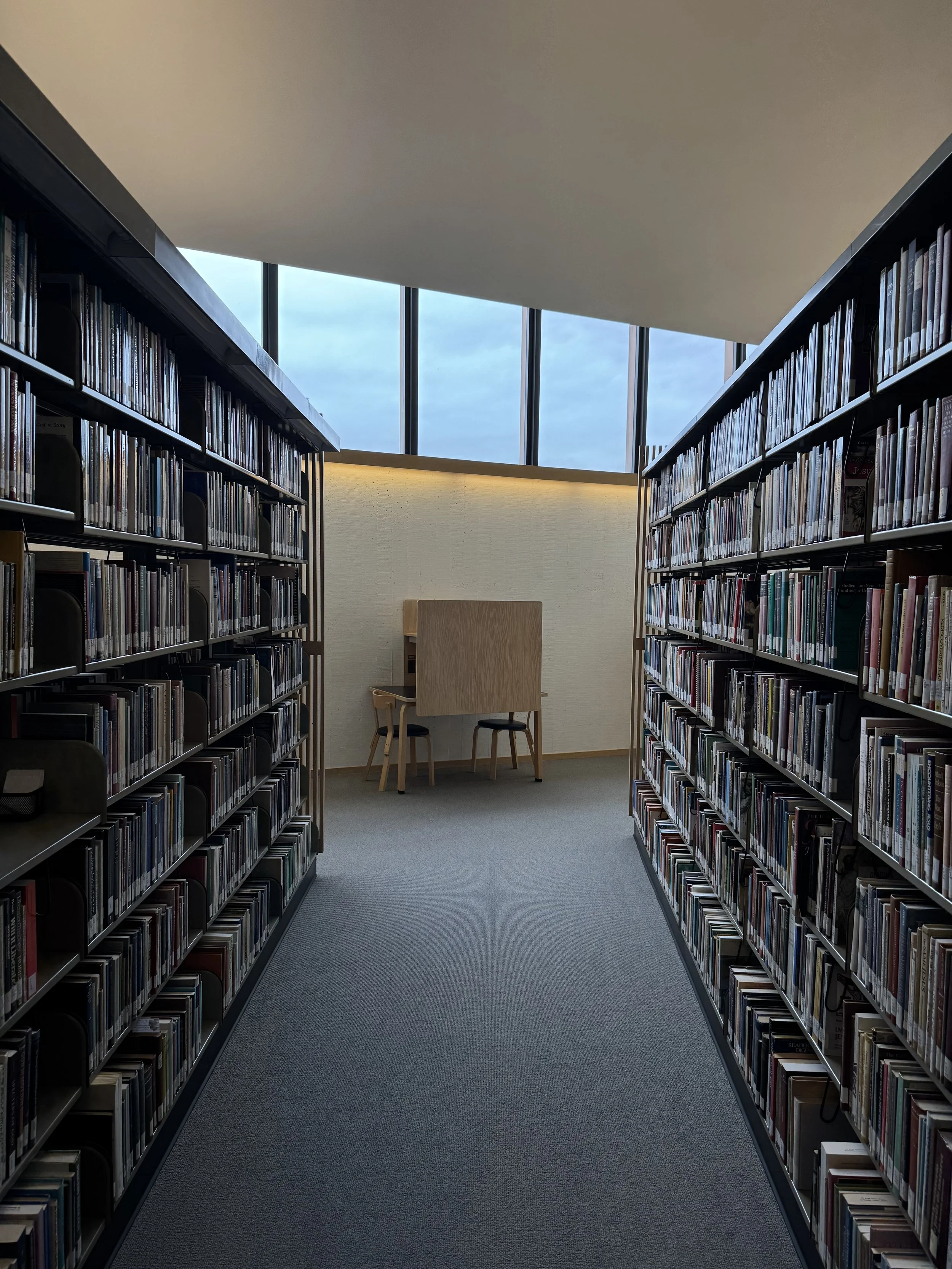
Having seen this on Instagram, I knew I had to pop by. What a stunning library on the Mount Angel Abbey campus. The library has many architectural points of interest aside from the books contained within. It’s curving design with intricate and shapely windows call to be seen and certainly also photographed. It made for a perfect stop as it set the tone for the Frank Lloyd Wright Gordon House later.
A totally different architectural language, of course, but part of the same larger picture of being reminded the importance of a beautiful building in shaping a space.
Silverton
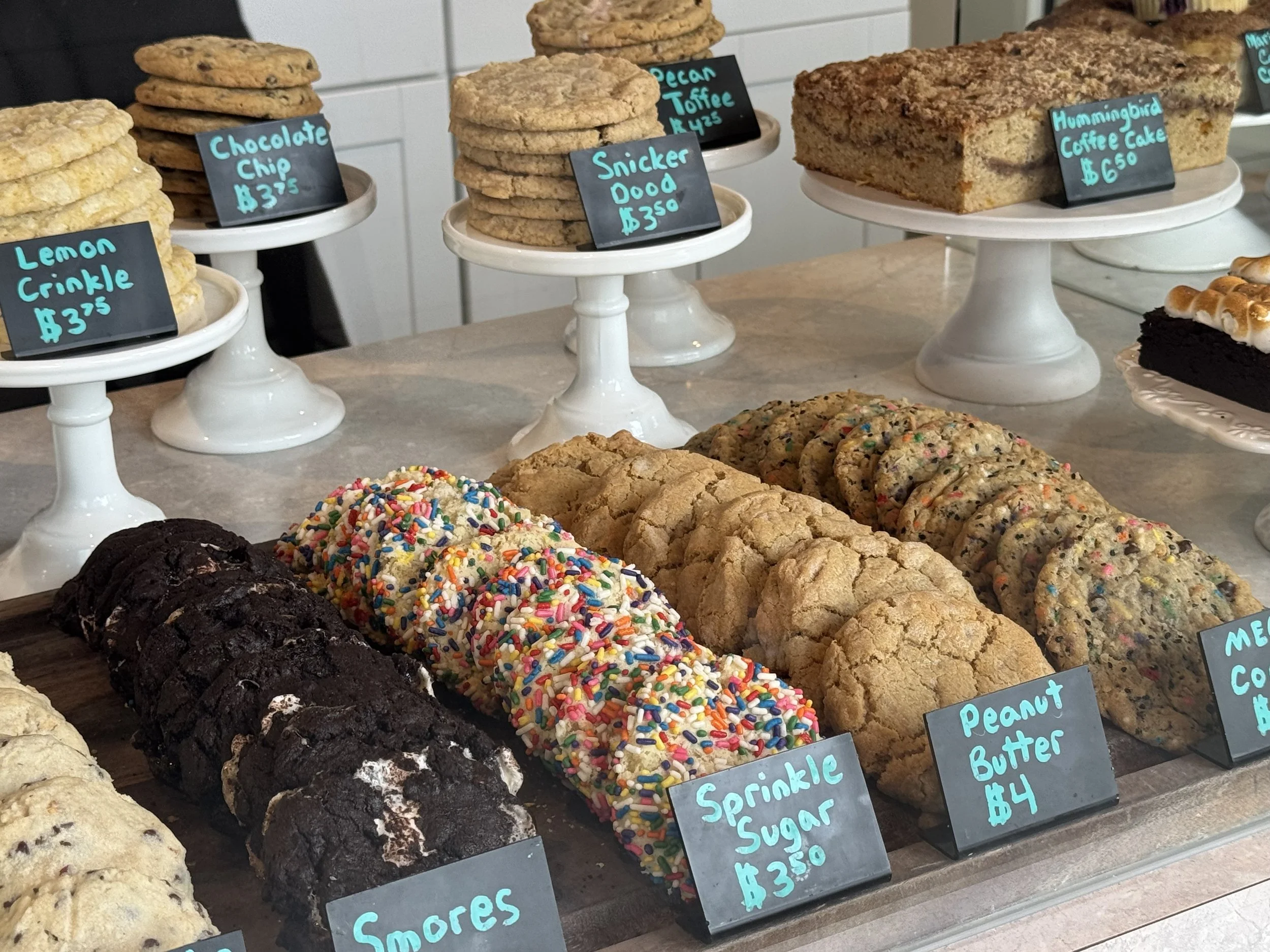
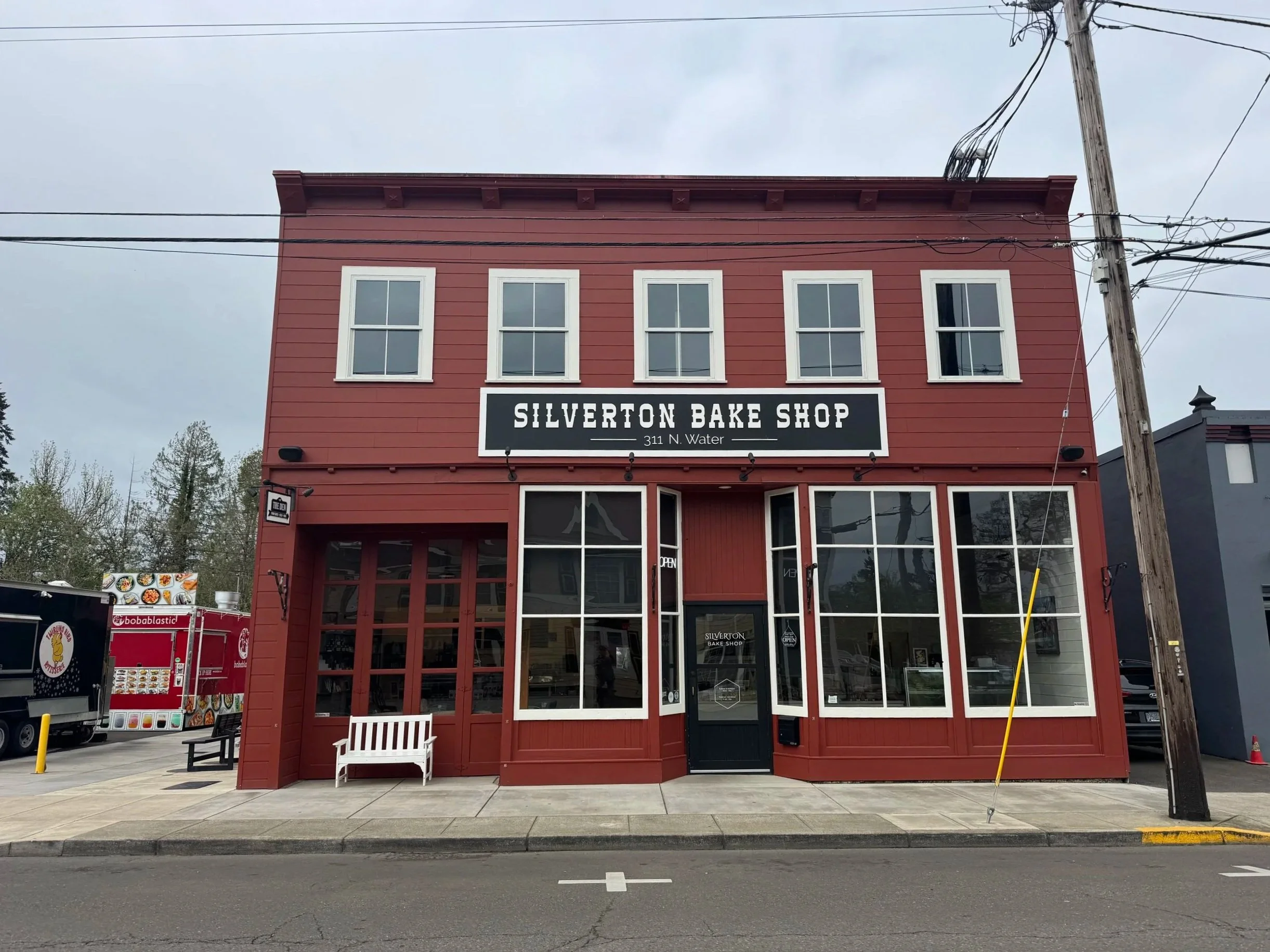
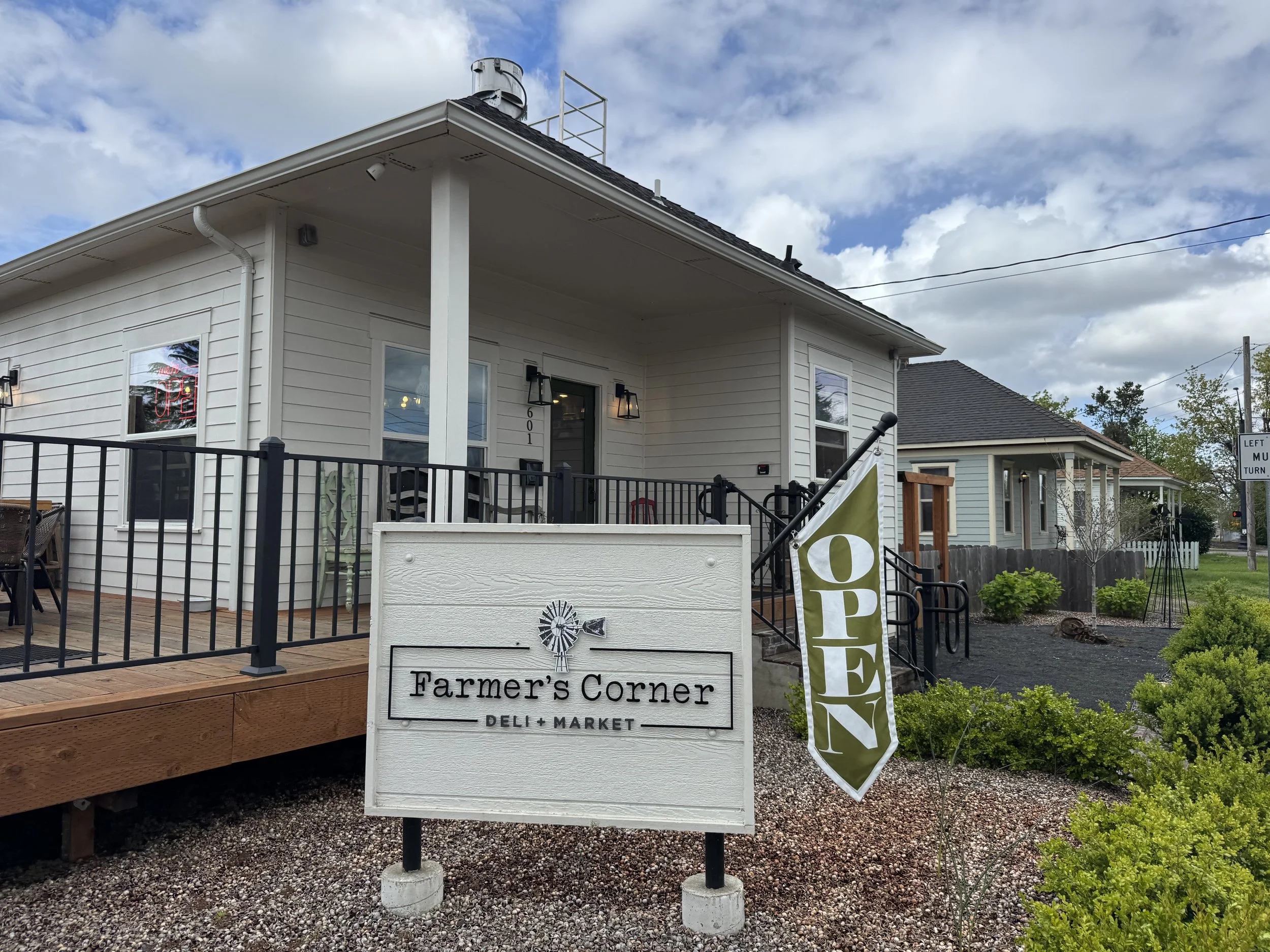
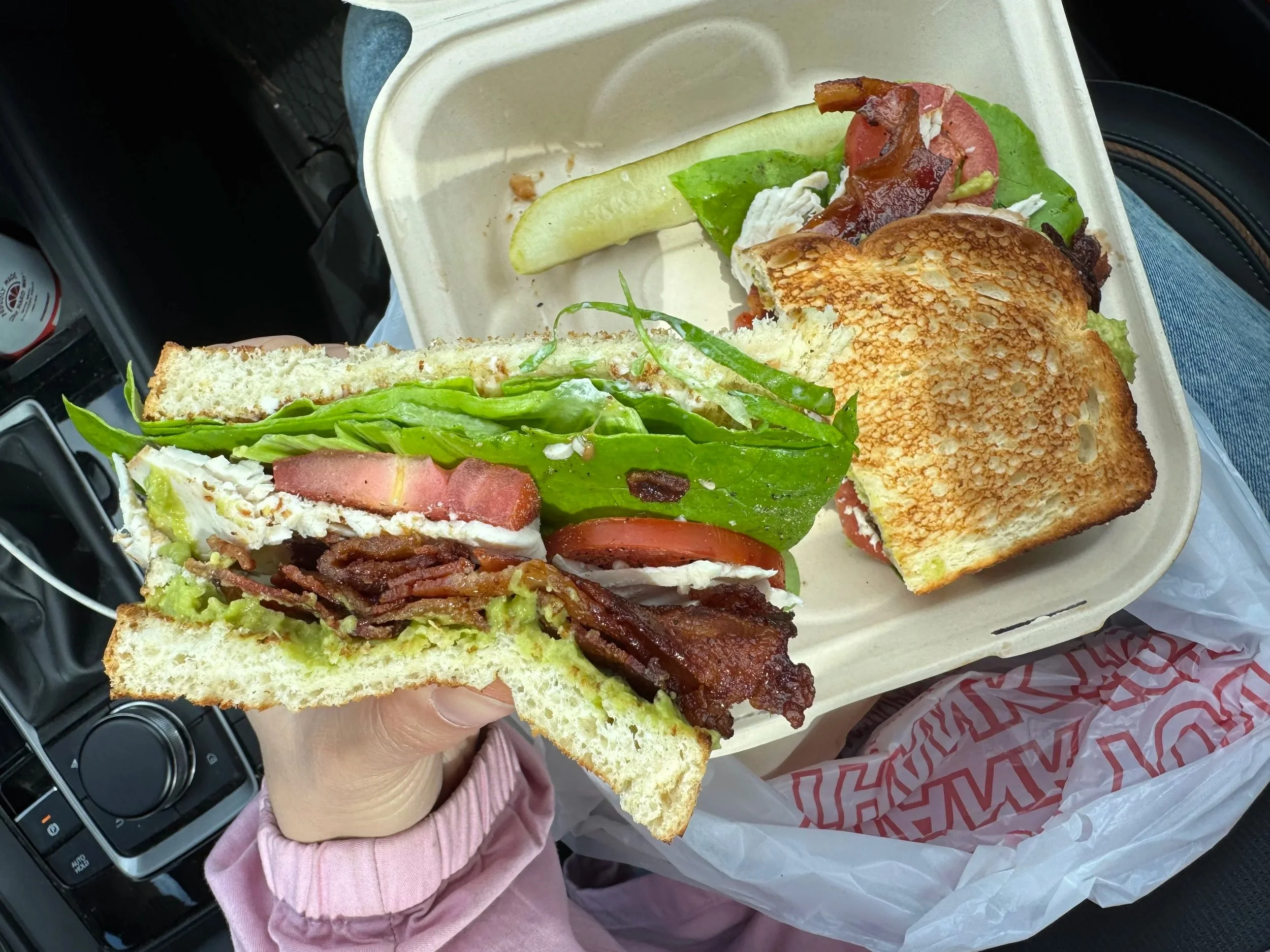
After driving into town, we stopped at Silverton Bake Shop for a cookie, coffee cake and iced coffees then meandered some of the vintage shops and food trucks downtown. We eventually made our way to Farmer’s Corner Deli & Market where we grabbed an incredible breakfast burrito and turkey BLT’s to go for our hike.
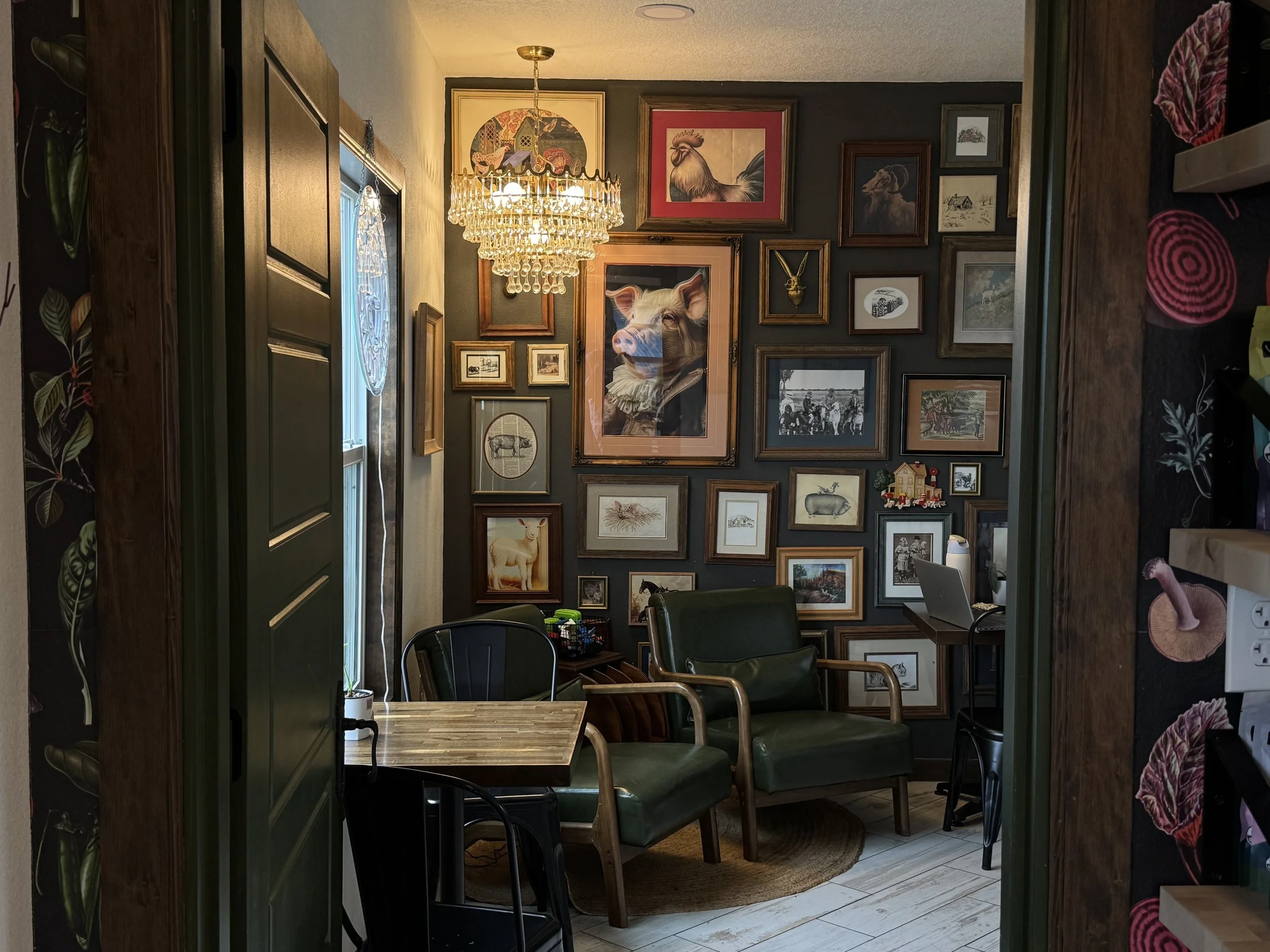
We are very big deli sandwich fans over here and would put Farmer’s Corner pretty high up on the list. Bold statement, but it may rank higher than any we have in Seattle, so that’s certainly saying something. They have perfected the art of making food that feels accessible, abundant and homey, but also overflowing with flavor. Exactly the type of sandwich you want with you before or after a hike. We went back again twice in 48 hours, so do with that information what you will.
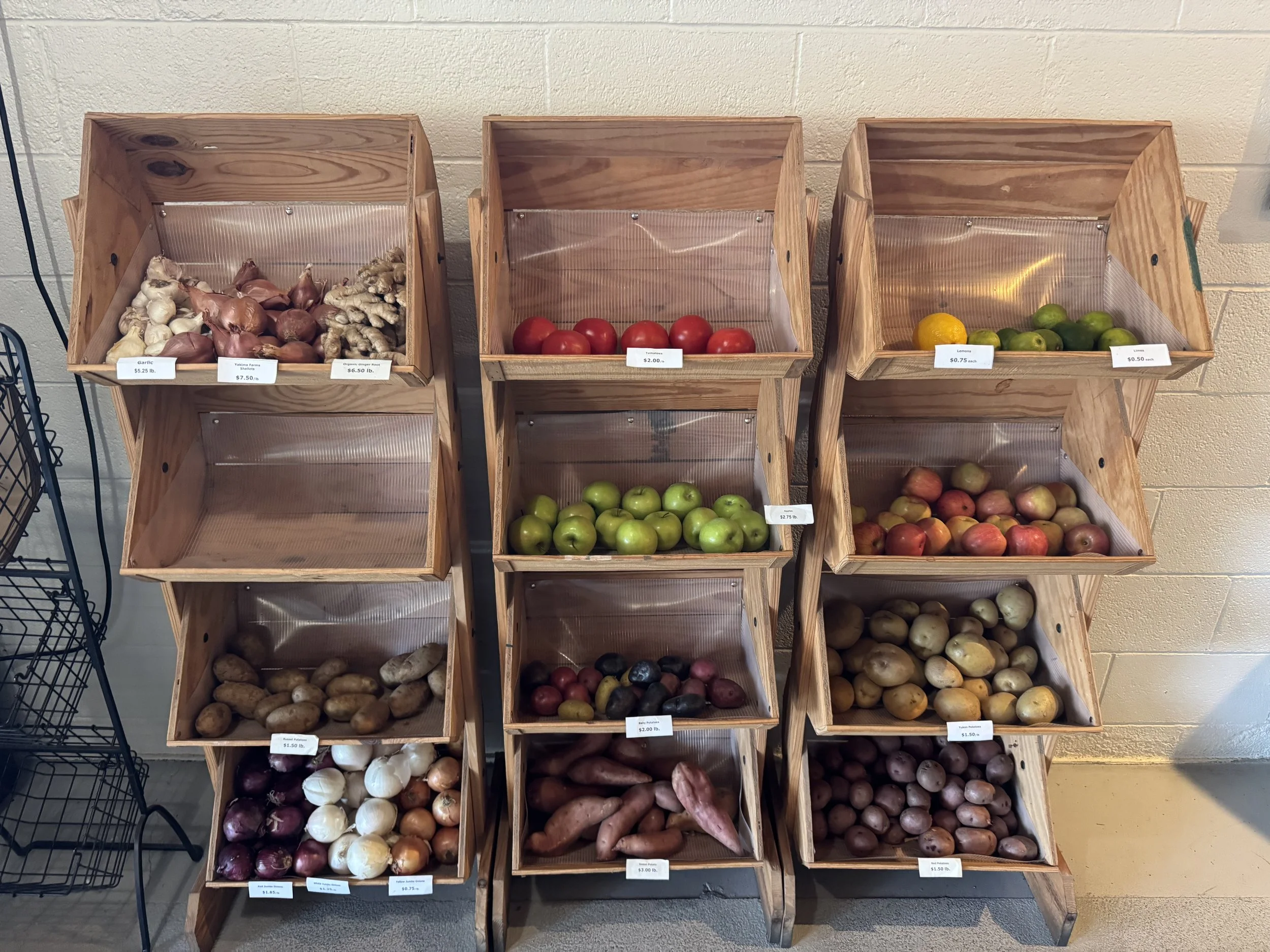
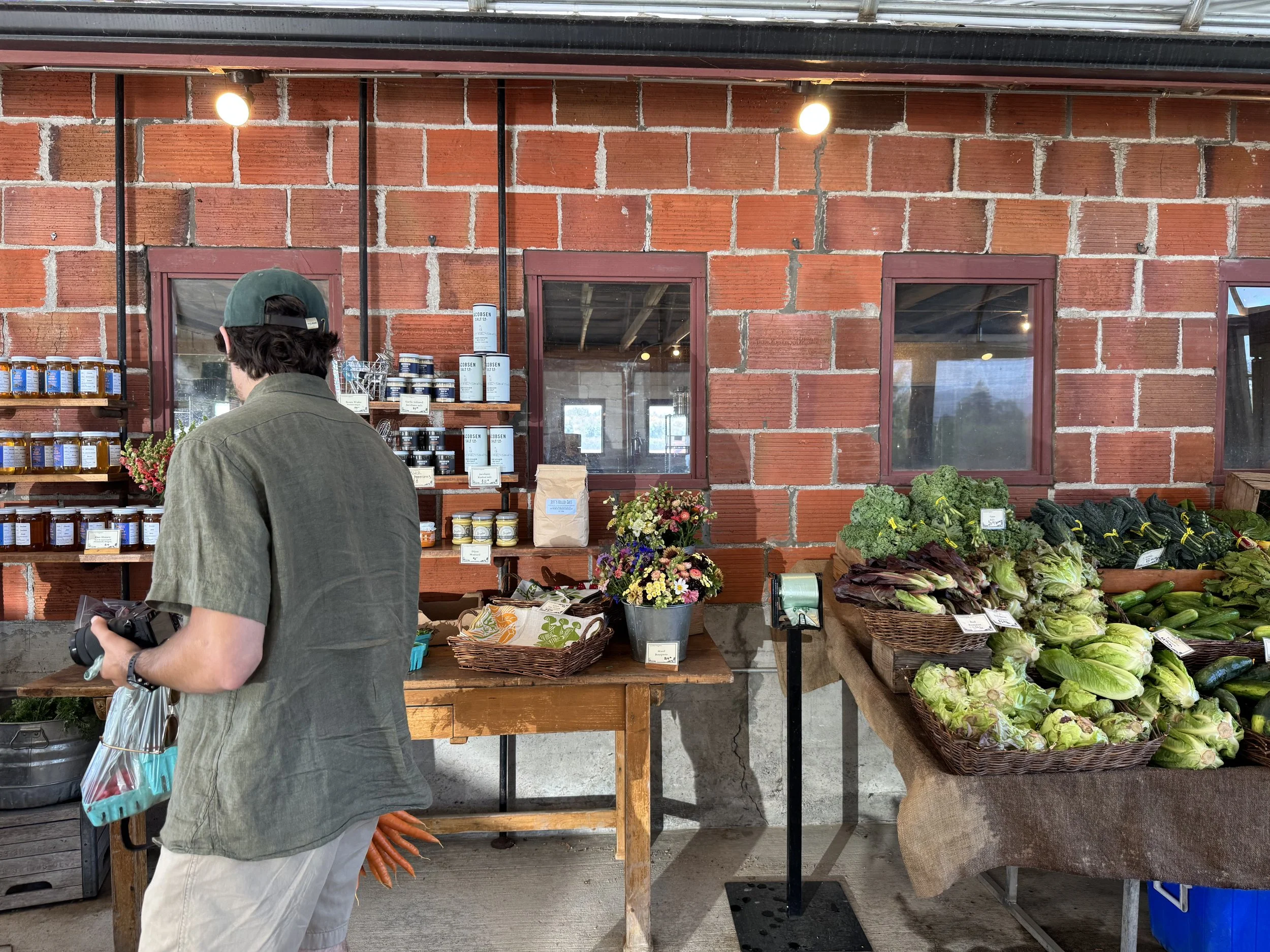
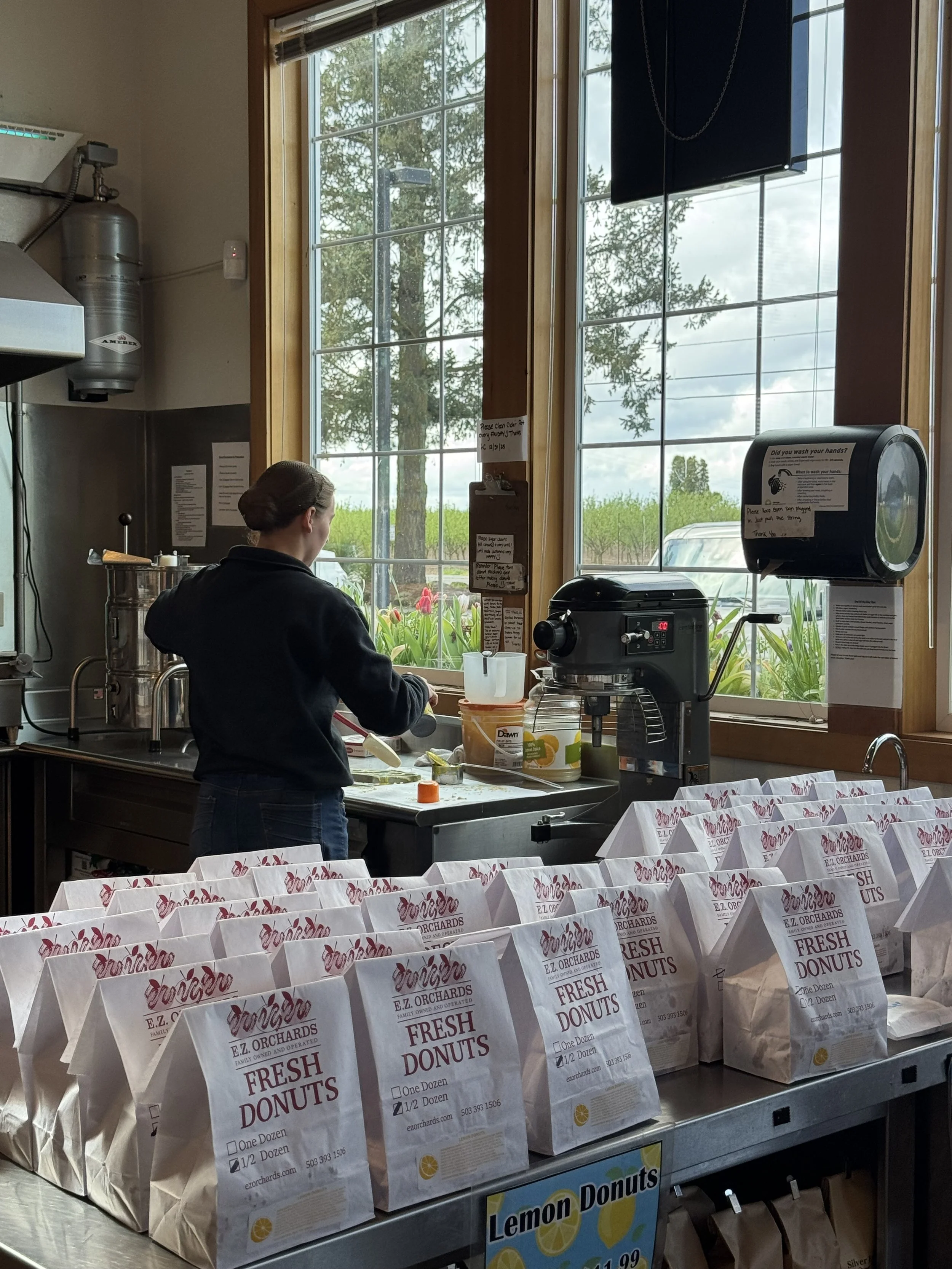
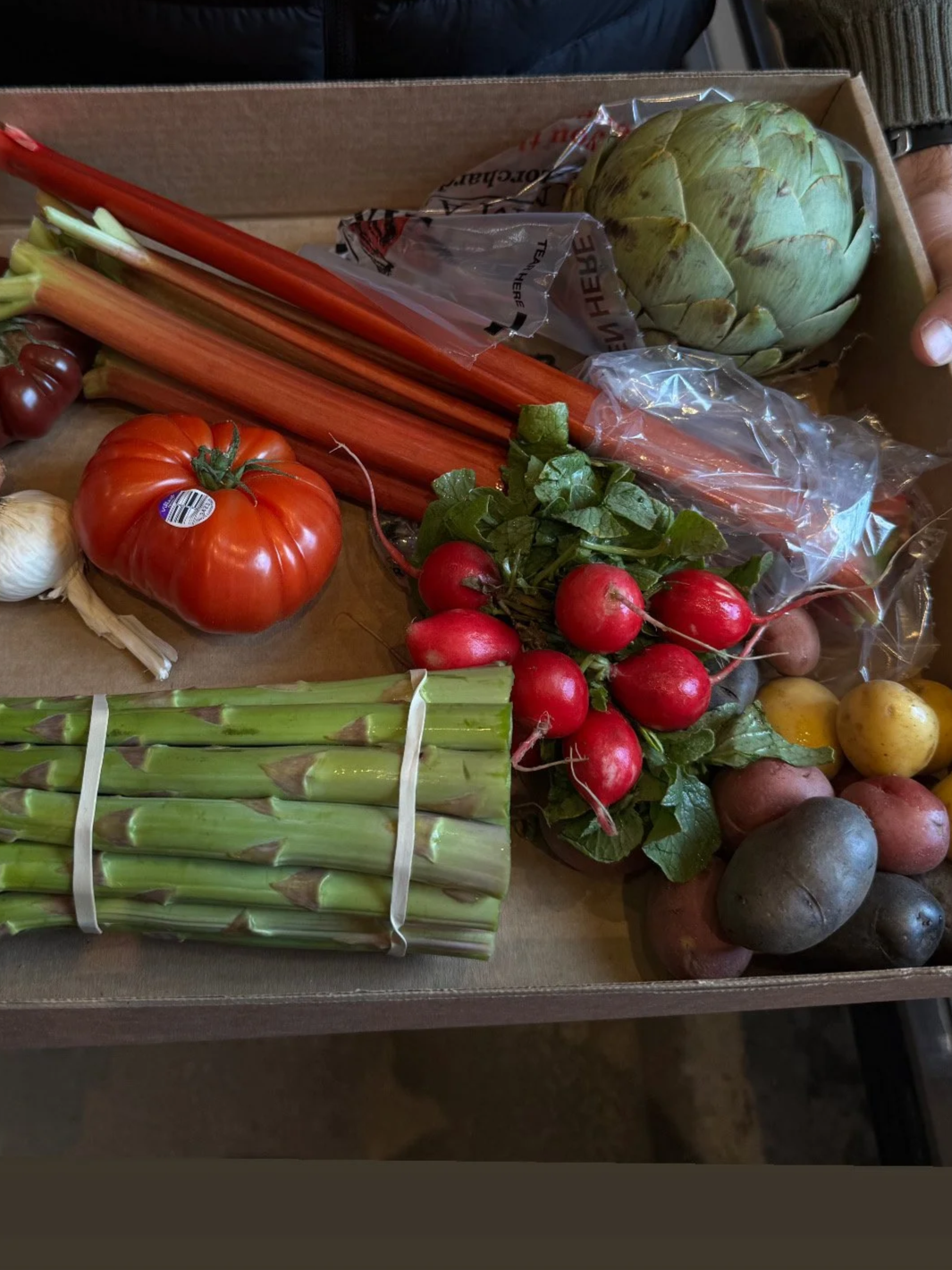
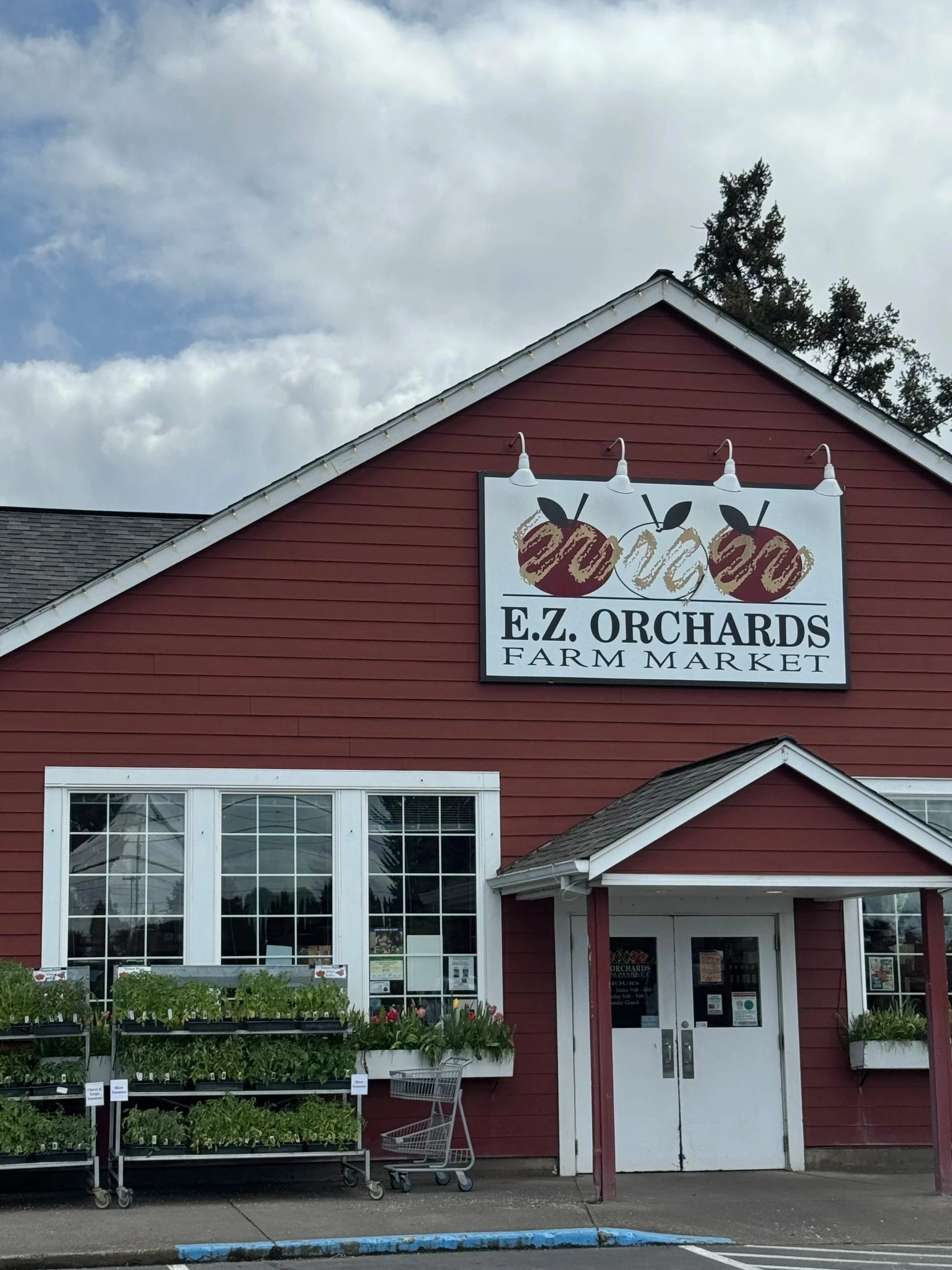
We also stopped at E.Z. Orchards in Salem on our way into Silverton. E.Z. Orchards was a special find, as it was overflowing with so many market favorites: fresh produce, local goods, tulips and an excellent small town vibe that makes you overspend. I caught a lady taking photos of the bounty of fresh produce in her cart and I leaned in to whisper that I, too, get really photo happy at the sight of fresh abundant veggies. She chuckled.
Keep an eye out for the freshly made apple cider donuts on site too, and grab a bag or two to go… we won’t judge.
Later, we grabbed Oso Spanish & Mediterranean Inspired Cuisine for takeout and brought it back to the Gordon House for our Night with Wright. We had patatas bravas, meatballs, roasted carrots, chicken aleppo, and a homemade hummus and it was warm, colorful, generous and exactly right for our night dining in.
Silver Falls State Park
Wow, what a treat to meander through Silver Falls State Park. And to think we didn’t even know it existed until recently! At one point on the trip, we mentioned to someone that we were going to Silverton and they said, “oh, the place with all the waterfalls!” and that’s honestly a great way to bookmark this place in one’s mind. And many waterfalls there are, indeed!
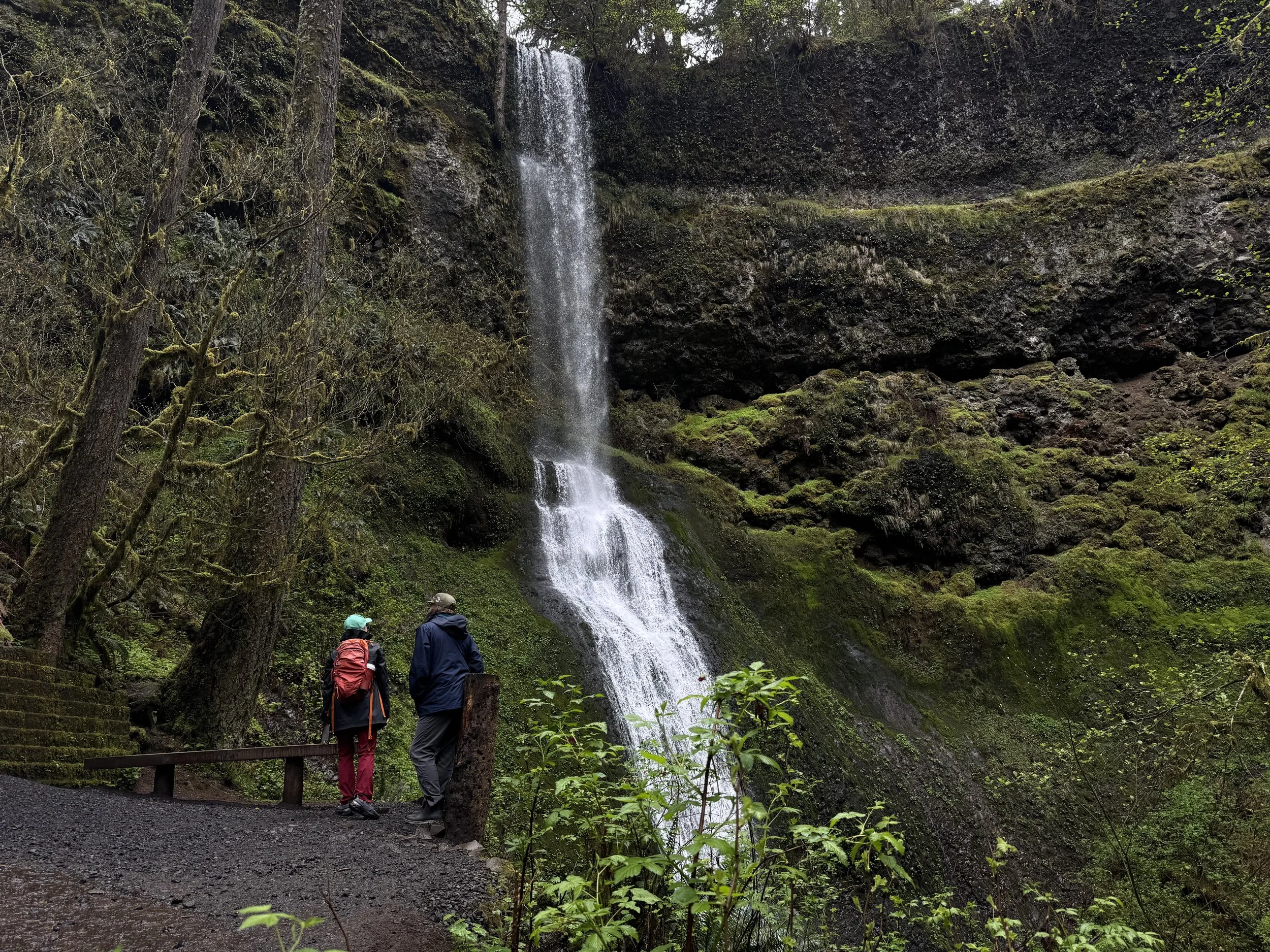
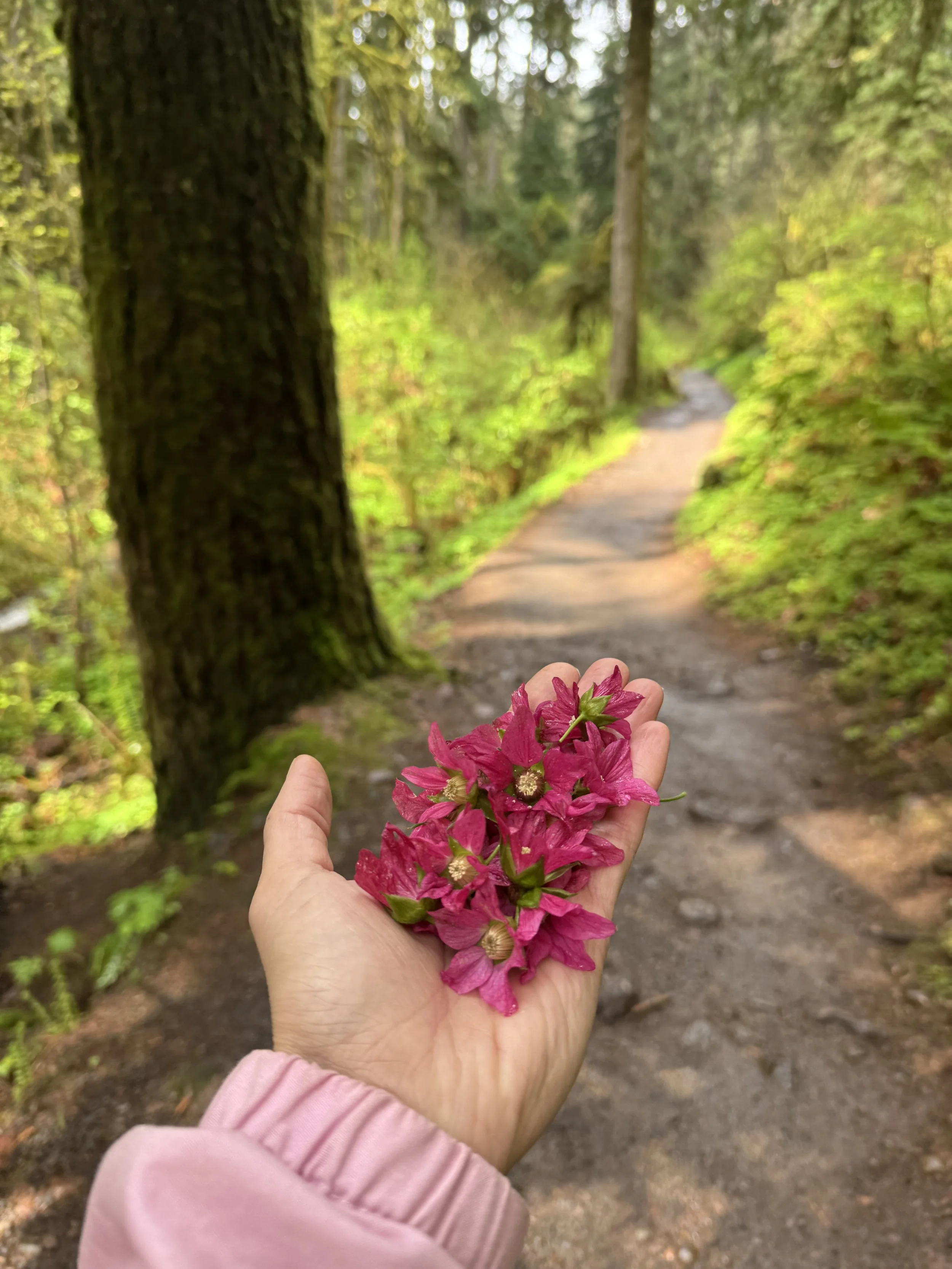
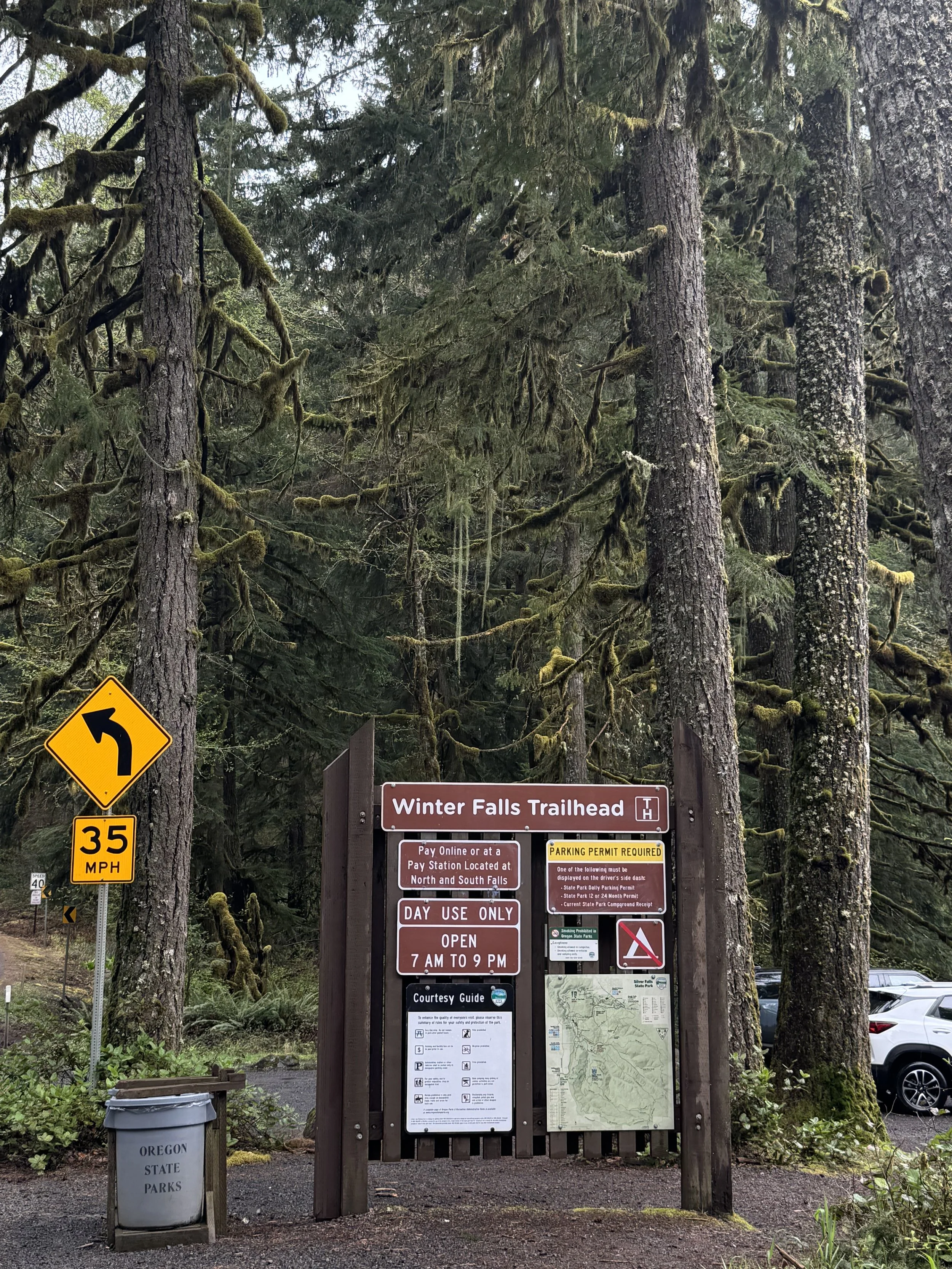
We hiked, foraged for salmonberries and hostas, and took in many deep breaths of fresh Oregon air in Silver Falls. Having just rained, everything was damp and bright and intensely alive, and the brightening deciduous trees contrasted the darker pines.
There are a few different routes you can take depending on your preference for mileage, so make a plan and then head out, and prepare to get wet, as you can even walk behind some of the waterfalls!
A Night With Wright at the Gordon House
The Gordon House is Frank Lloyd Wright’s only house in Oregon. It was commissioned by Conrad and Evelyn Gordon in 1957 but not completed until 1963, after Frank’s death. Originally built near the Willamette River, it was meticulously moved to Silverton in the early 2000’s to save it from a demolition (literally, as the wrecking ball was sitting mere feet away as it was carefully relocated).
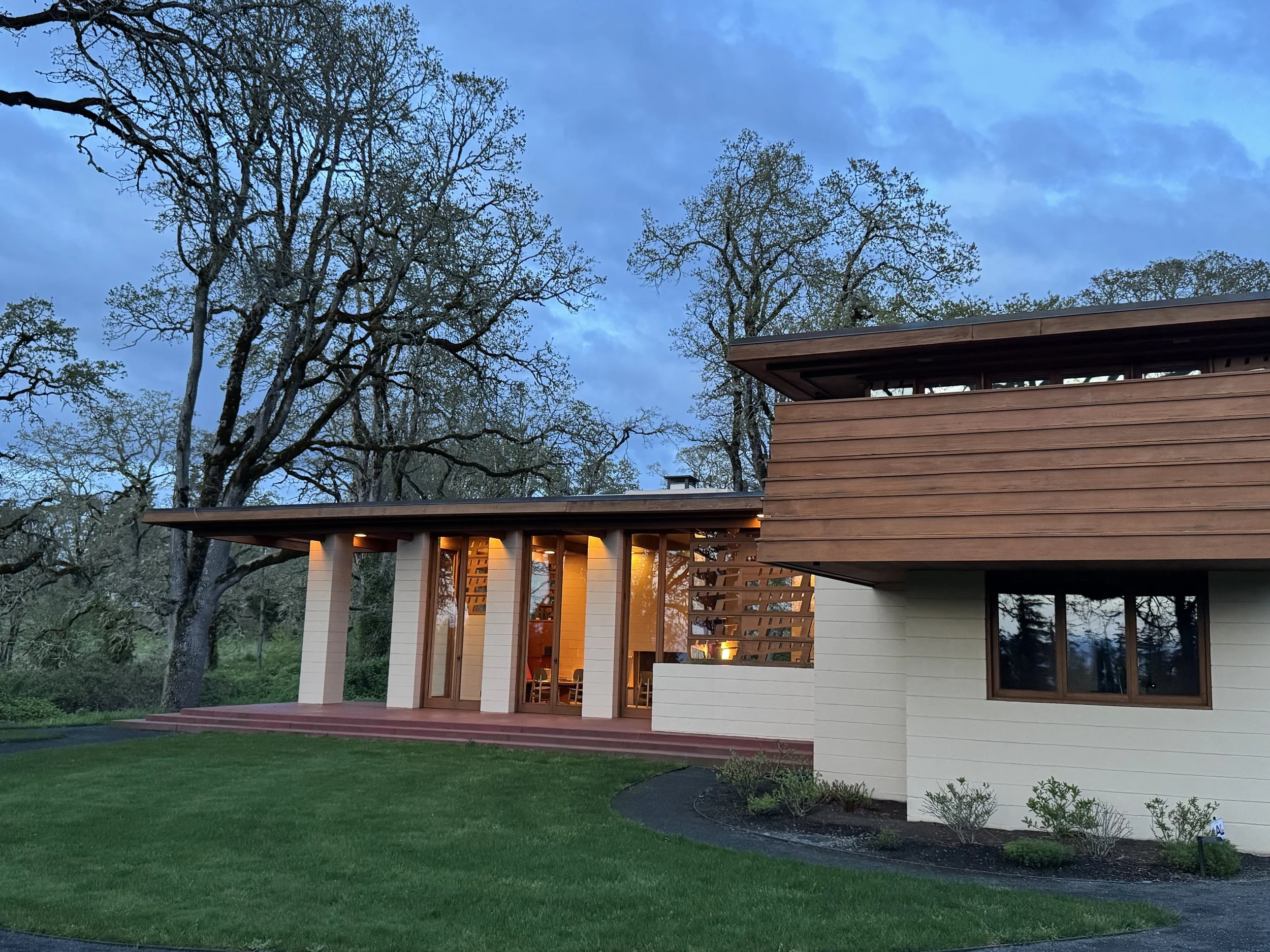
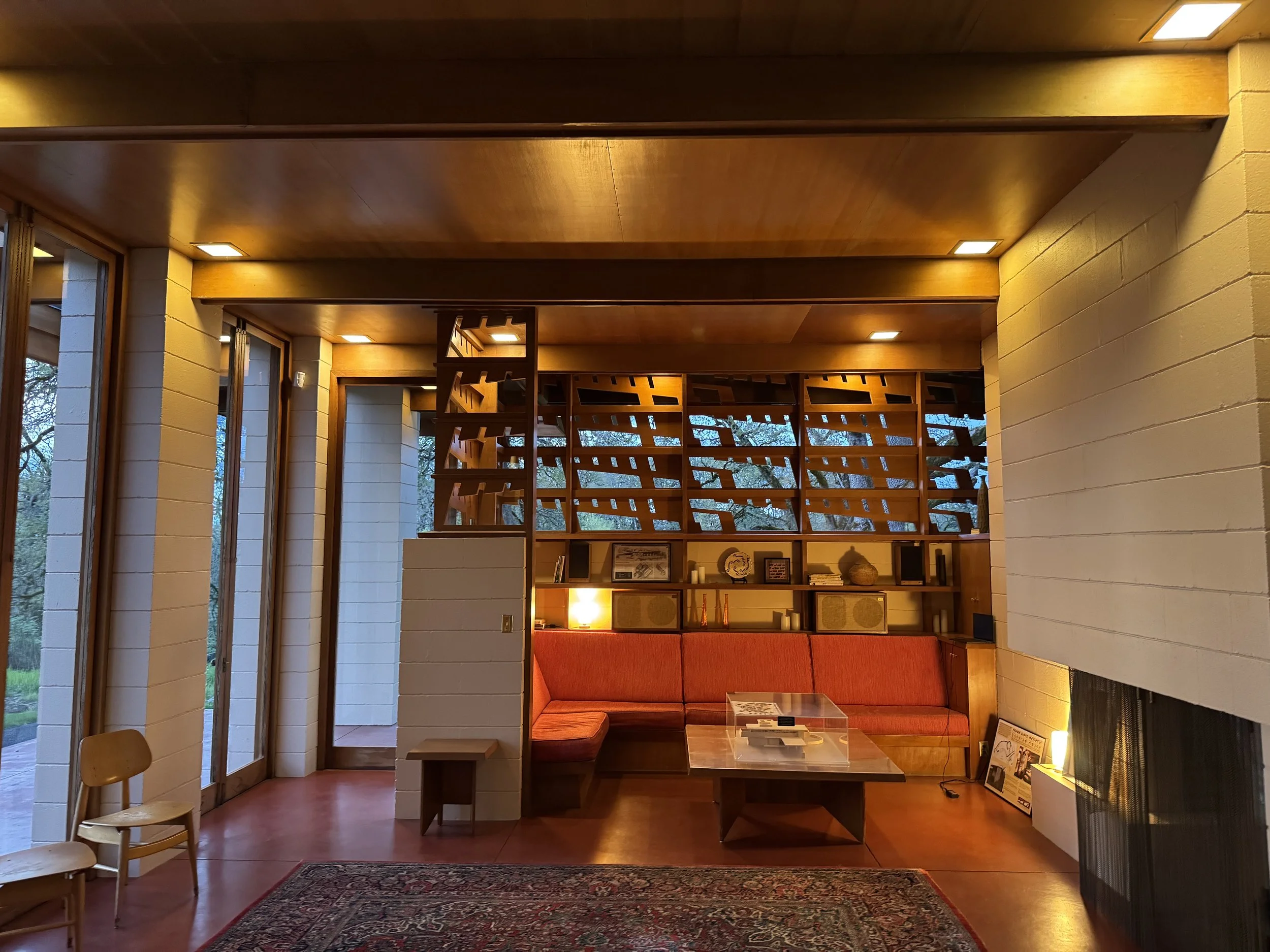
The Gordon family story is one of those stories that brings the house to life. Conrad and Evelyn Gordon met and fell in love through their mutual involvement in the laundry industry. He sold soap, and her family ran the commercial laundry business. Later, after returning from a stint in California, they bought a farm so Conrad could return to his cowboy roots and so they could raise their family (2 sons and a daughter) on the land. Evelyn wanted to replace the old musty farmhouse they had outgrown, but didn’t quite know yet with what. Years later, they traveled to Taliesin West on holiday and there met Frank Lloyd Wright in person. Evelyn reportedly was awe struck and couldn’t speak a word, but Conrad carried the conversation with Frank and somehow convinced him to accept the commission to design them a new house.
The Gordon house was meant to be a Usonian, Wright’s more democratic vision of the American house. In theory, it was meant to be something ordinary families could afford. Of course, often times these things don’t go perfectly to plan and the lowest bid came in around $56,000. The Gordons had to save for years before building, but did eventually carry out their dream, with the house being completed in 1963.
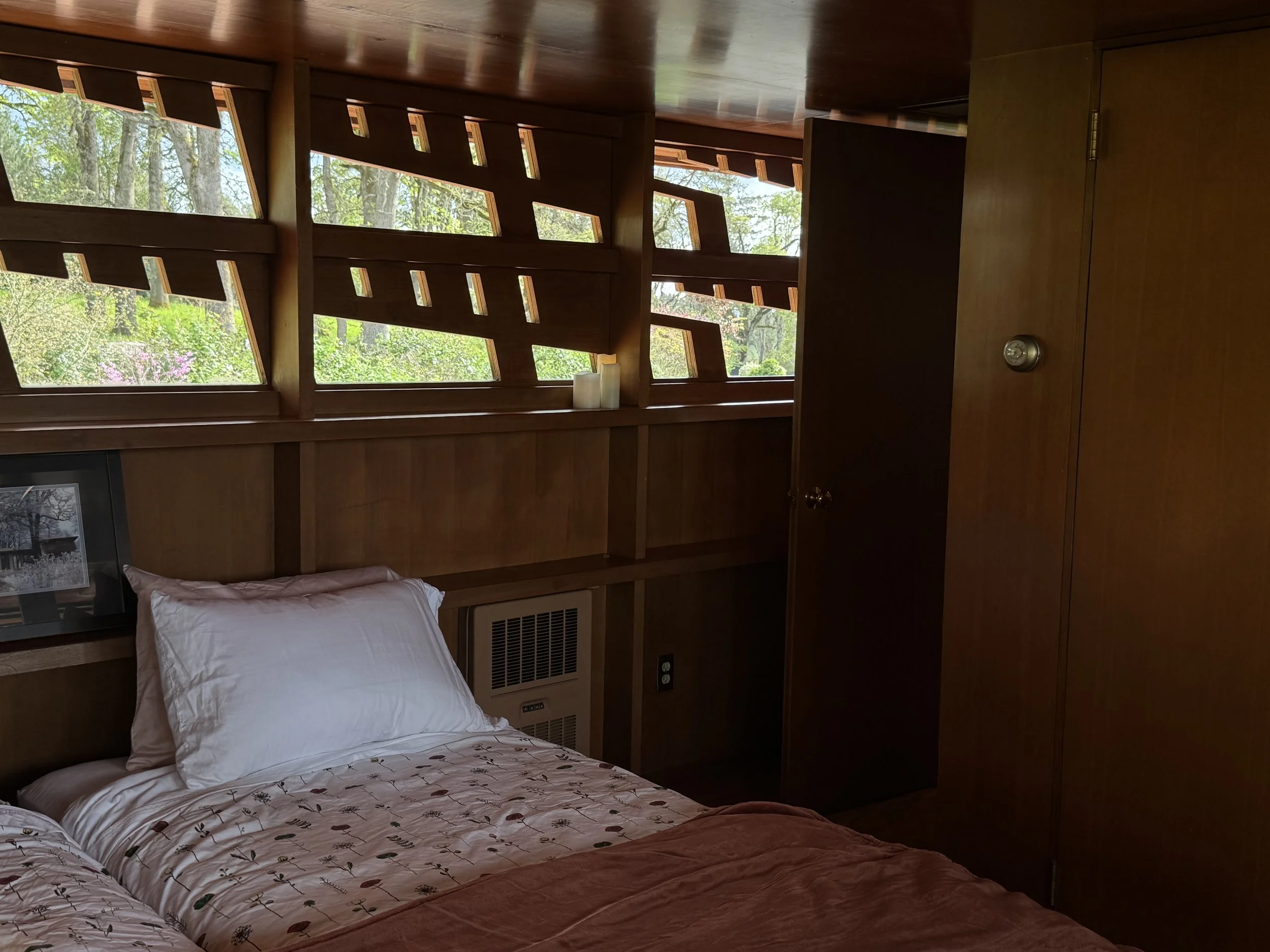
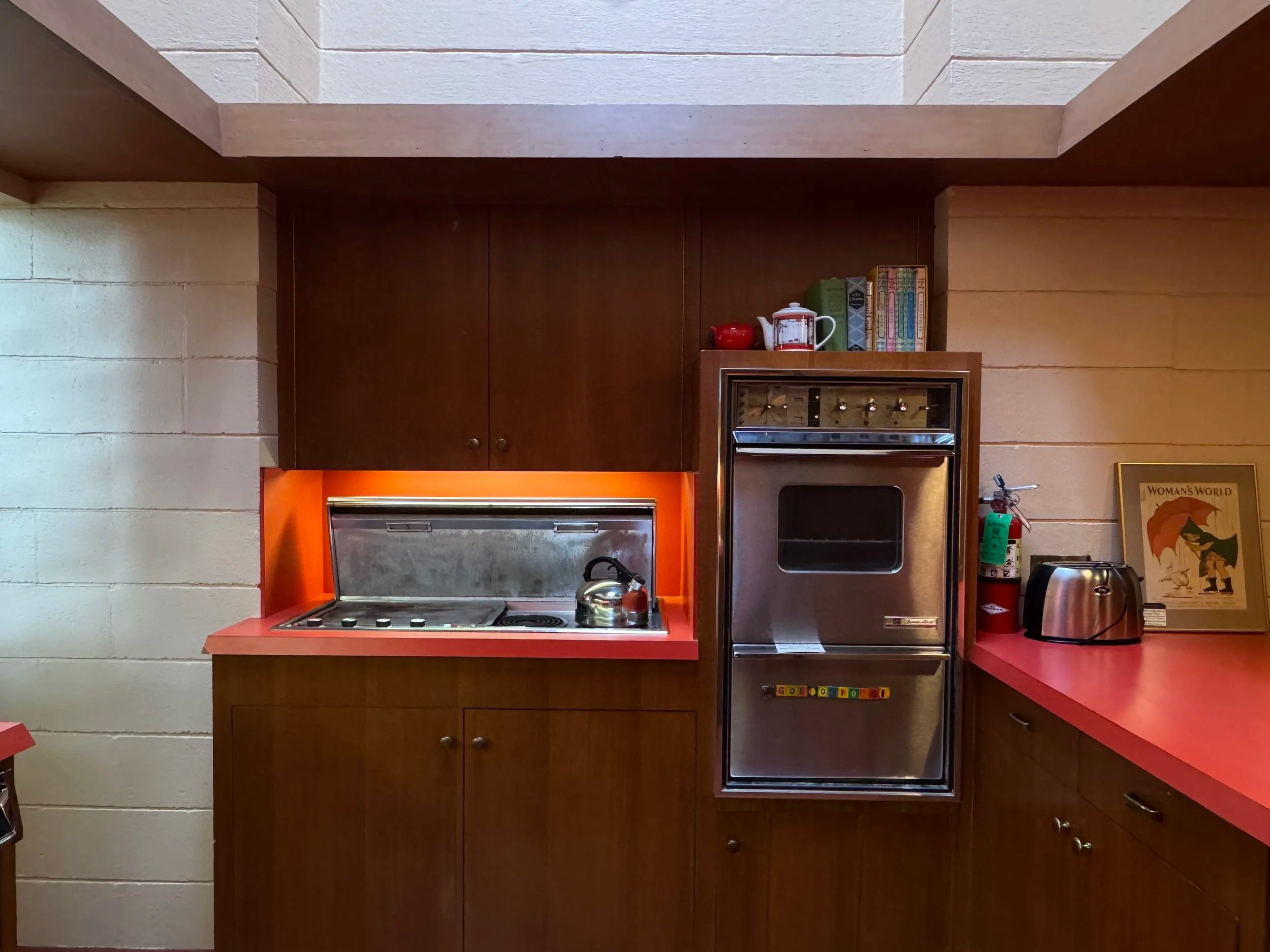
There are so many incredible details contained within its walls. Burton Goodrich, a fully trained Wright apprentice, carried out the plans and the precision shows. The 7x7 grid is beautifully executed. Piano hinges are everywhere on cabinets and fixtures, despite being brutal to install. The carpenter who made the wooden framed version of the perforated window elements reportedly joked that he should’ve charged by router bit because he went through so many.
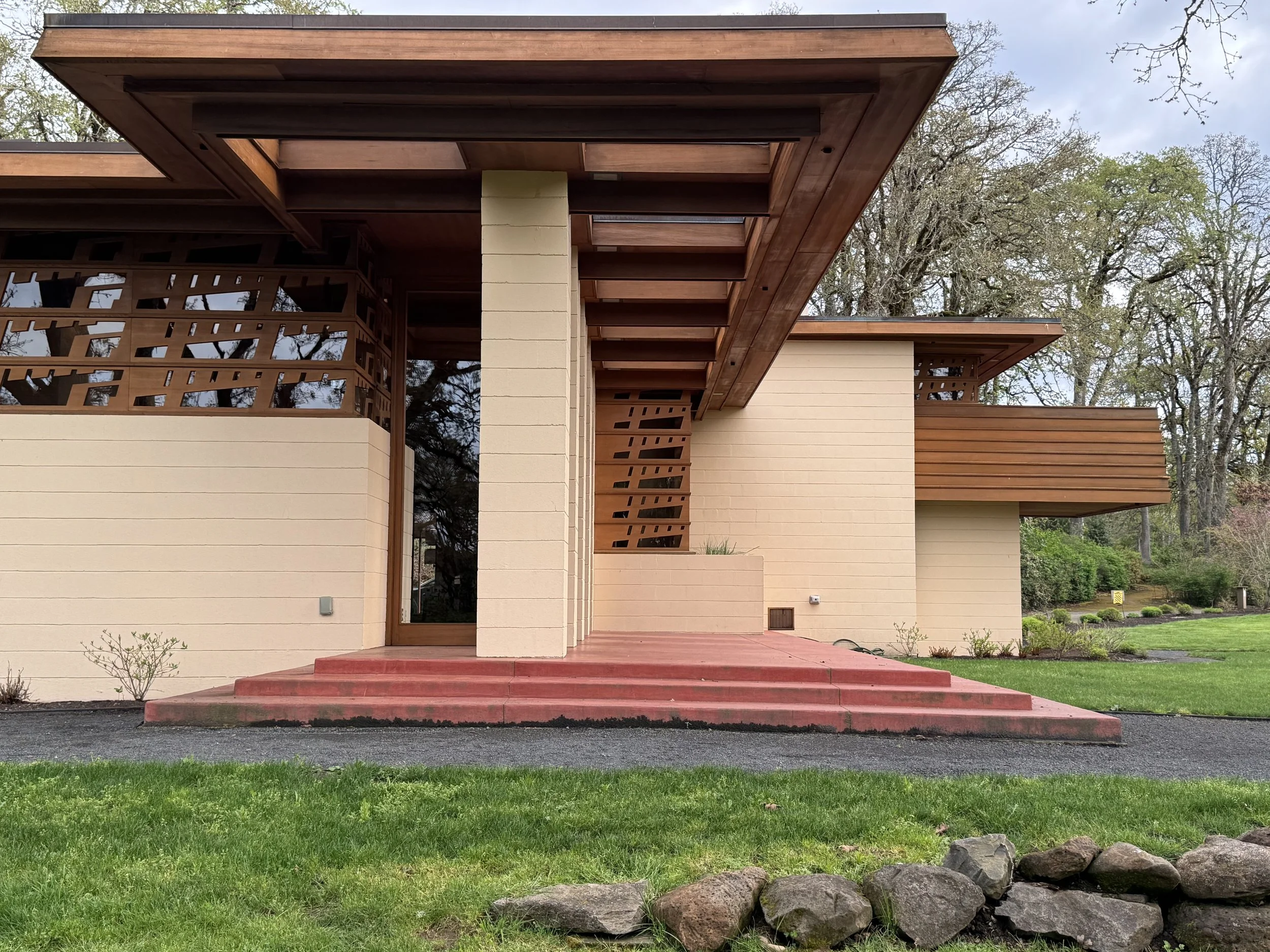
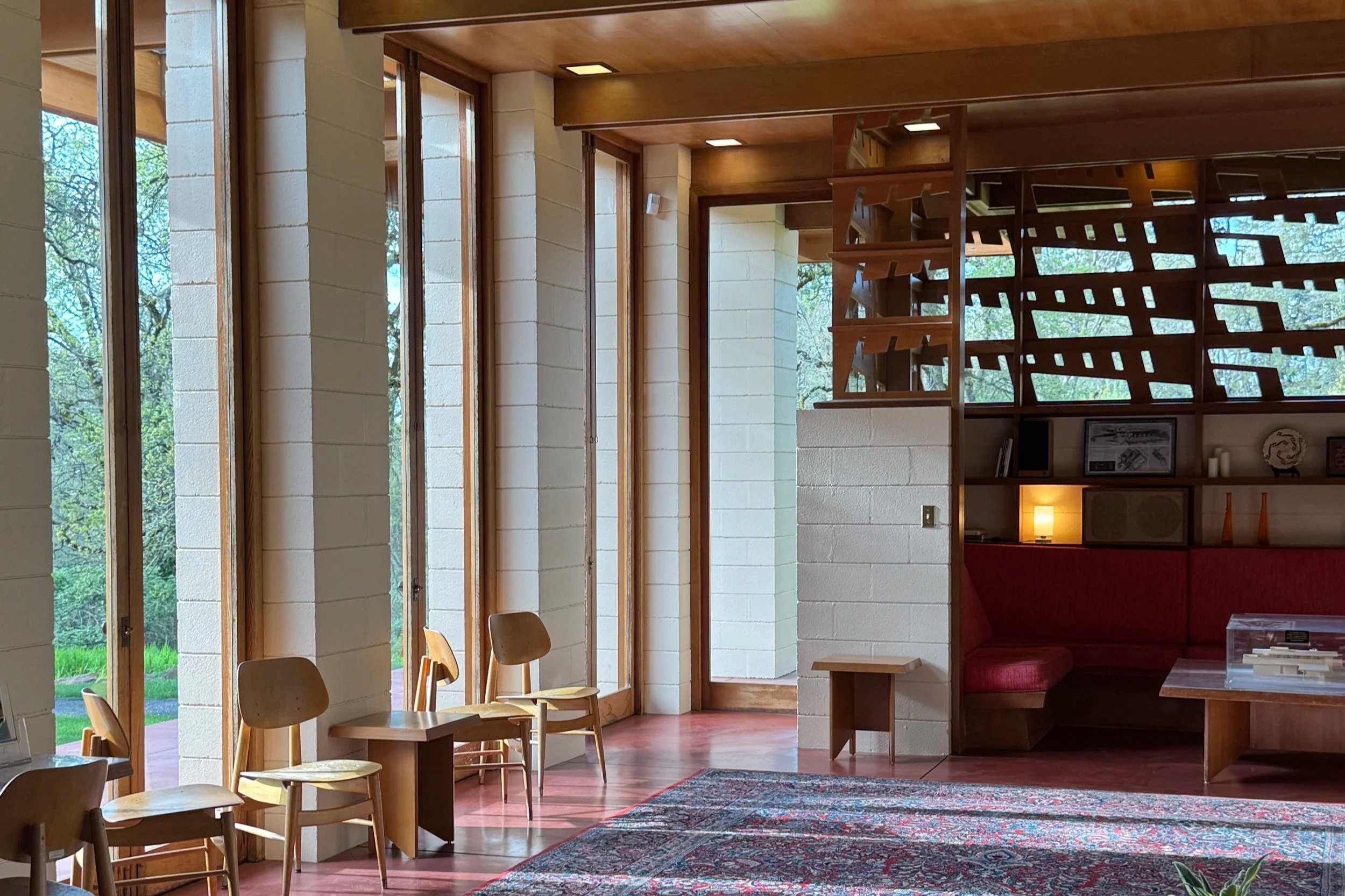
And then there’s my favorite story: Mr. Gordon found Wright’s furniture uncomfortable and didn’t shy away from telling him so. When Wright asked Mr. Gordon what he did like, Mr. Gordon replied that his farm truck was quite comfortable. From there, Wright measured the angle of the truck to a precise 15 degree angle and then folded that angle into all kinds of surfaces of the house in a slightly teasing, brilliant way. It can be observed in shelves, moldings, countertops. It’s everywhere, if you keep looking.
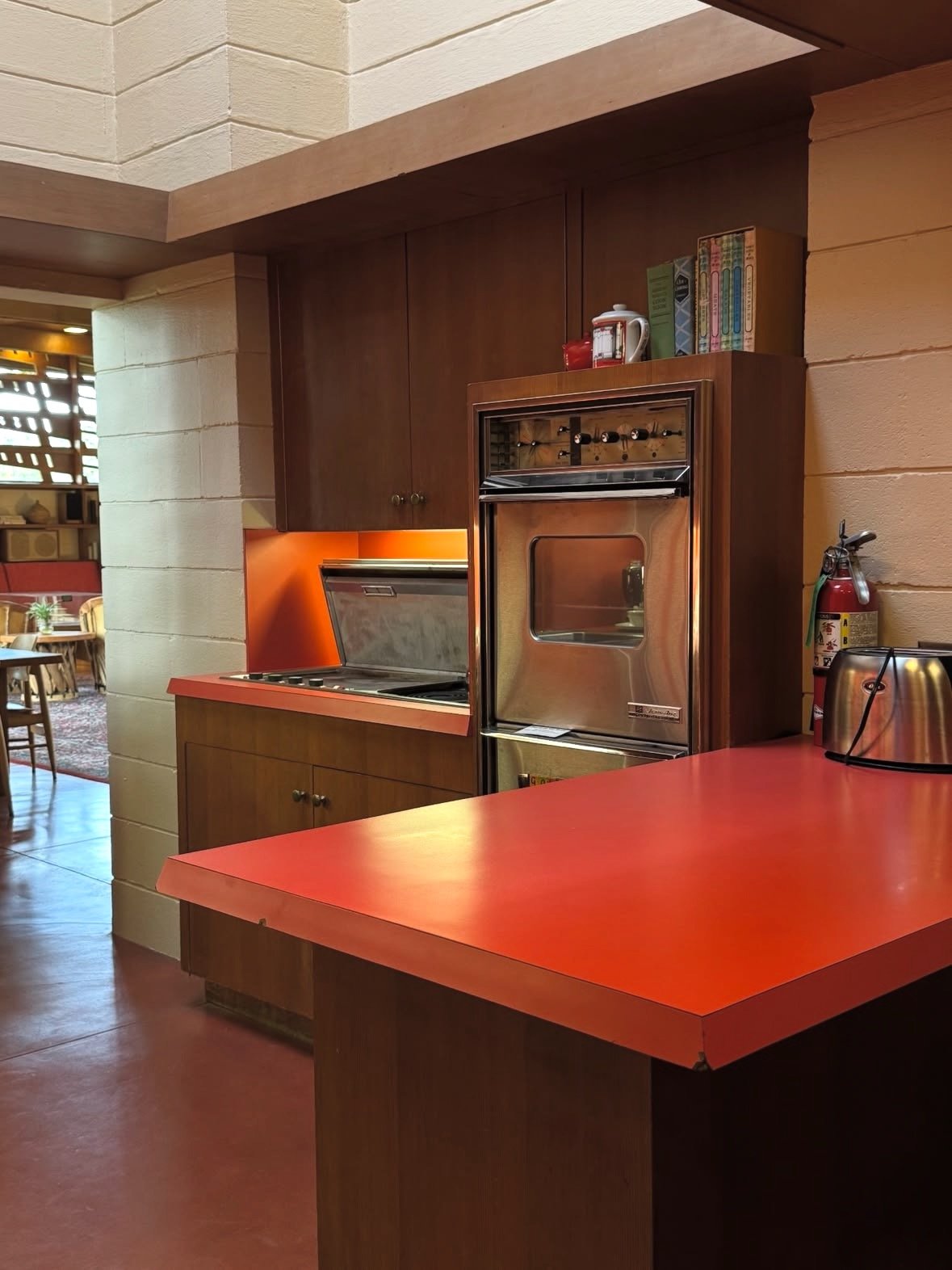
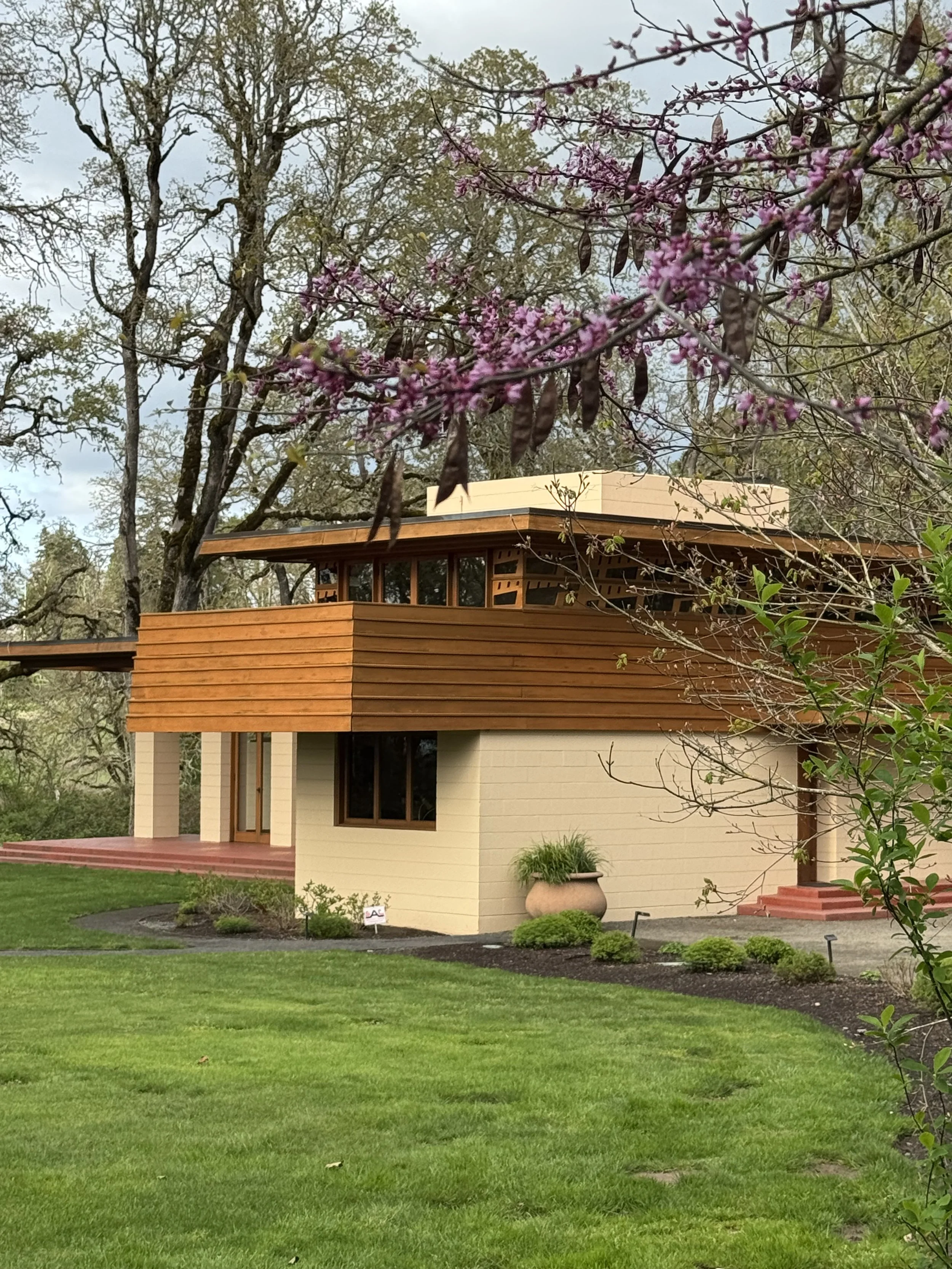
There are long low lines everywhere and certainly by design; in fact, FLW insisted that the horizontal lines between cinder blocks be even further exaggerated and carved, to accentuate the horizontal feel and thus the grounded to the earth. The warmth of the wood bounces off the warm sun in the afternoon. The built in cabinets and shelves allow everything to have its place. The windows constantly return your eyes to the trees outside. The red countertops bring strategic warmth to the kitchen.
I talk a lot about the importance of spaces in dictating our daily lives and nowhere is that more clear than in a FLW house. It feels nature-centered, calm, warm, and like you are virtually inseparable from the outdoors. Perfectly executed, in the way that Wright understood best: a home doesn’t just meet your life where it is, it shapes it.