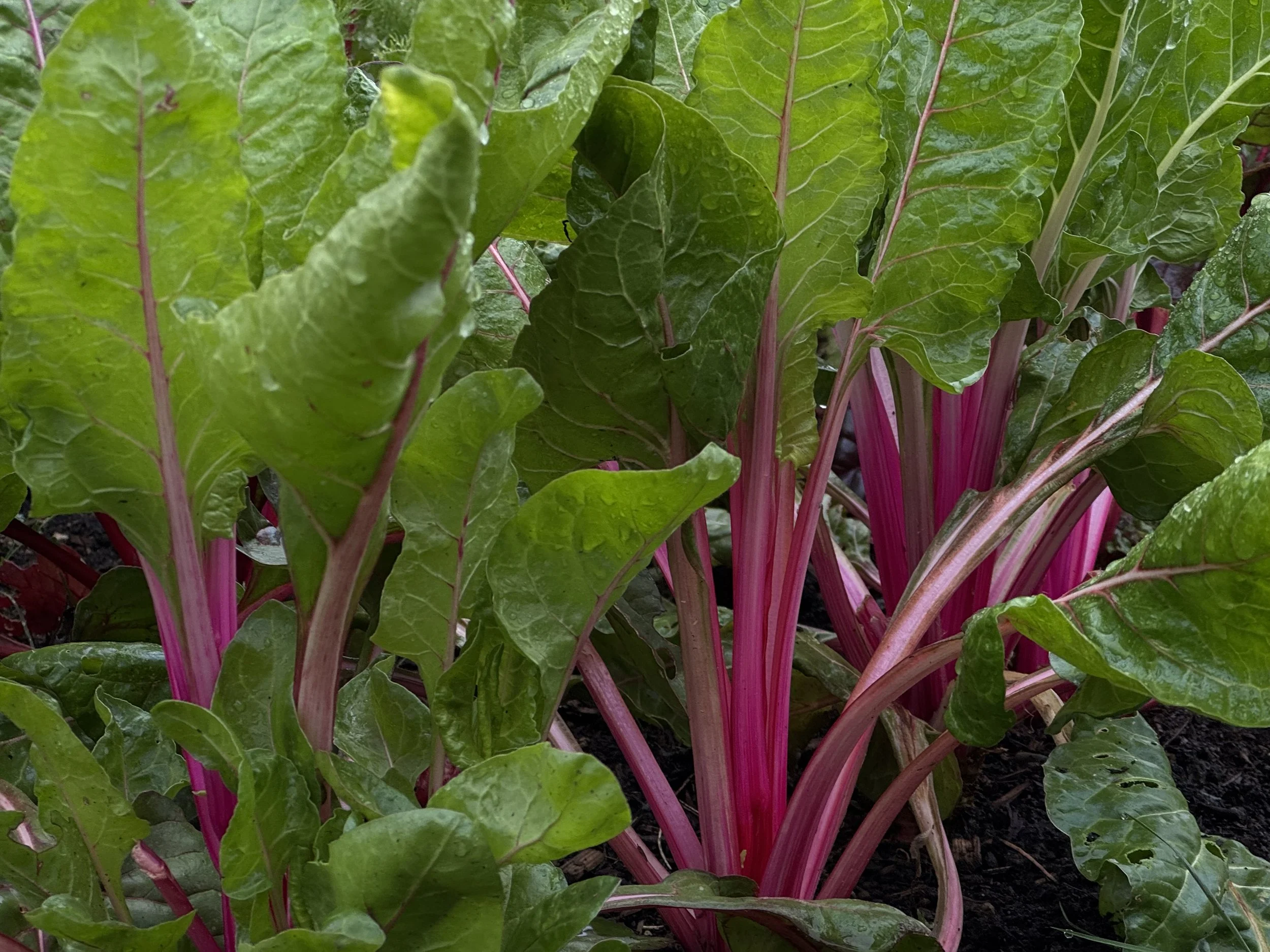
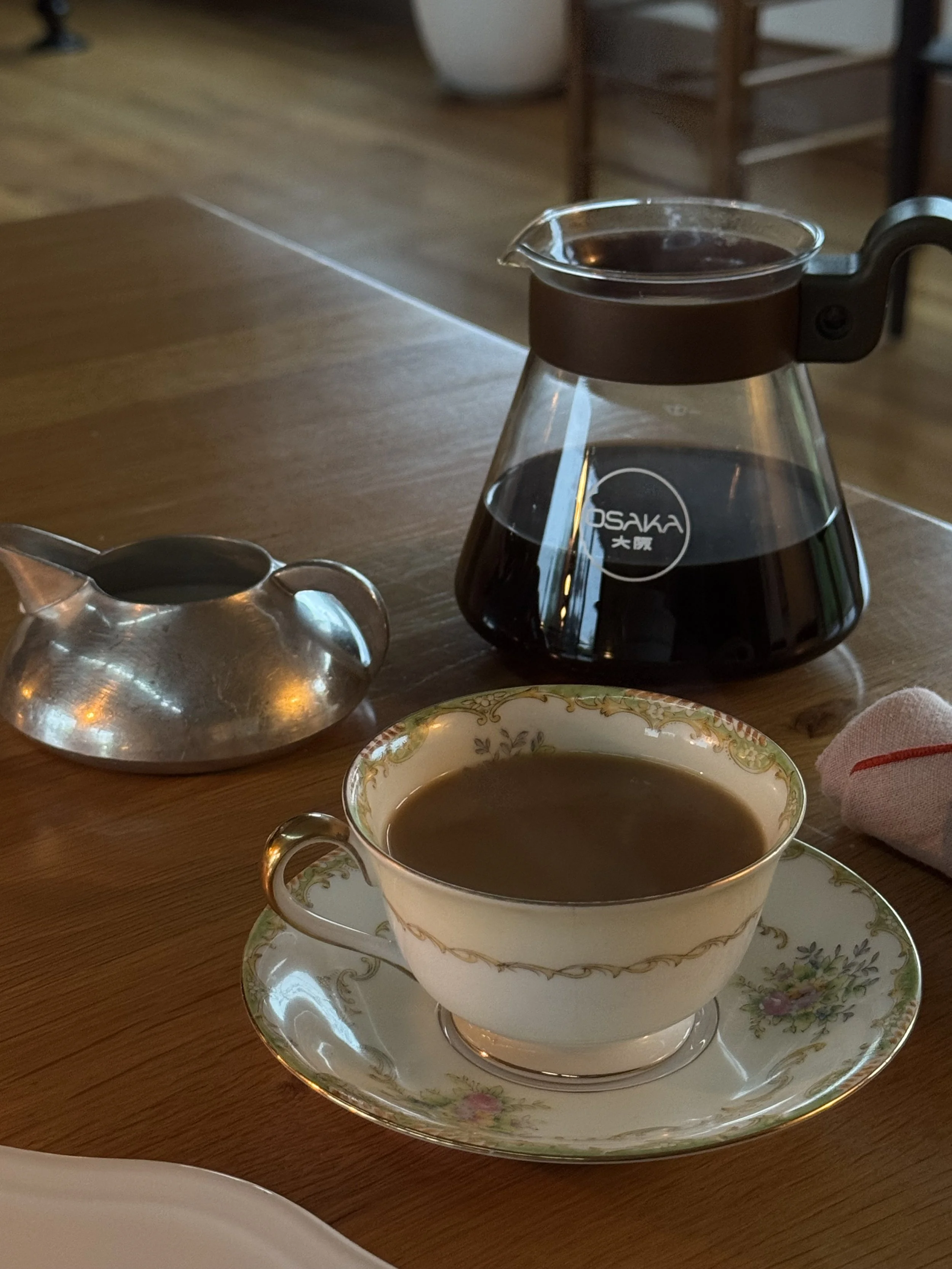
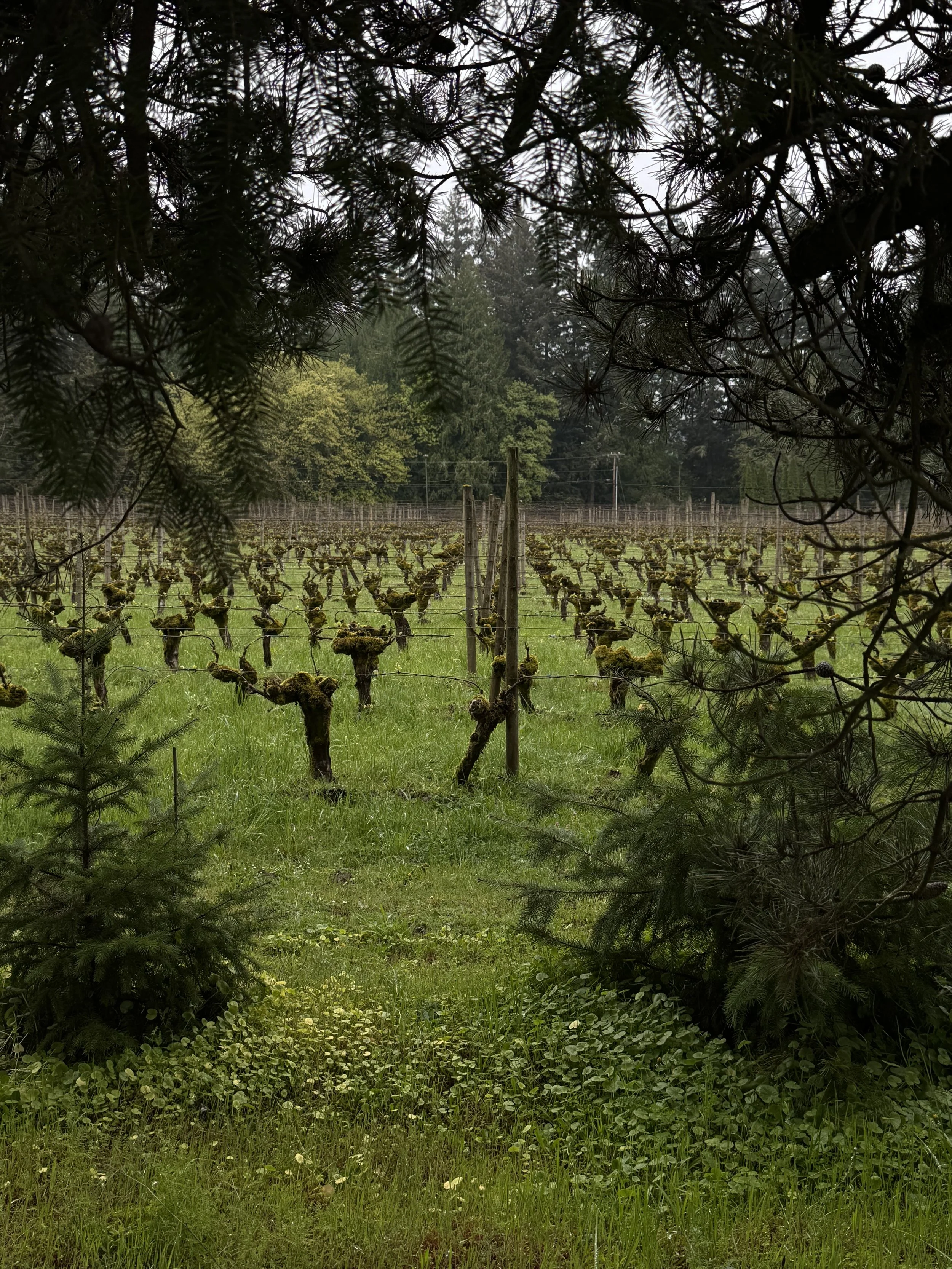
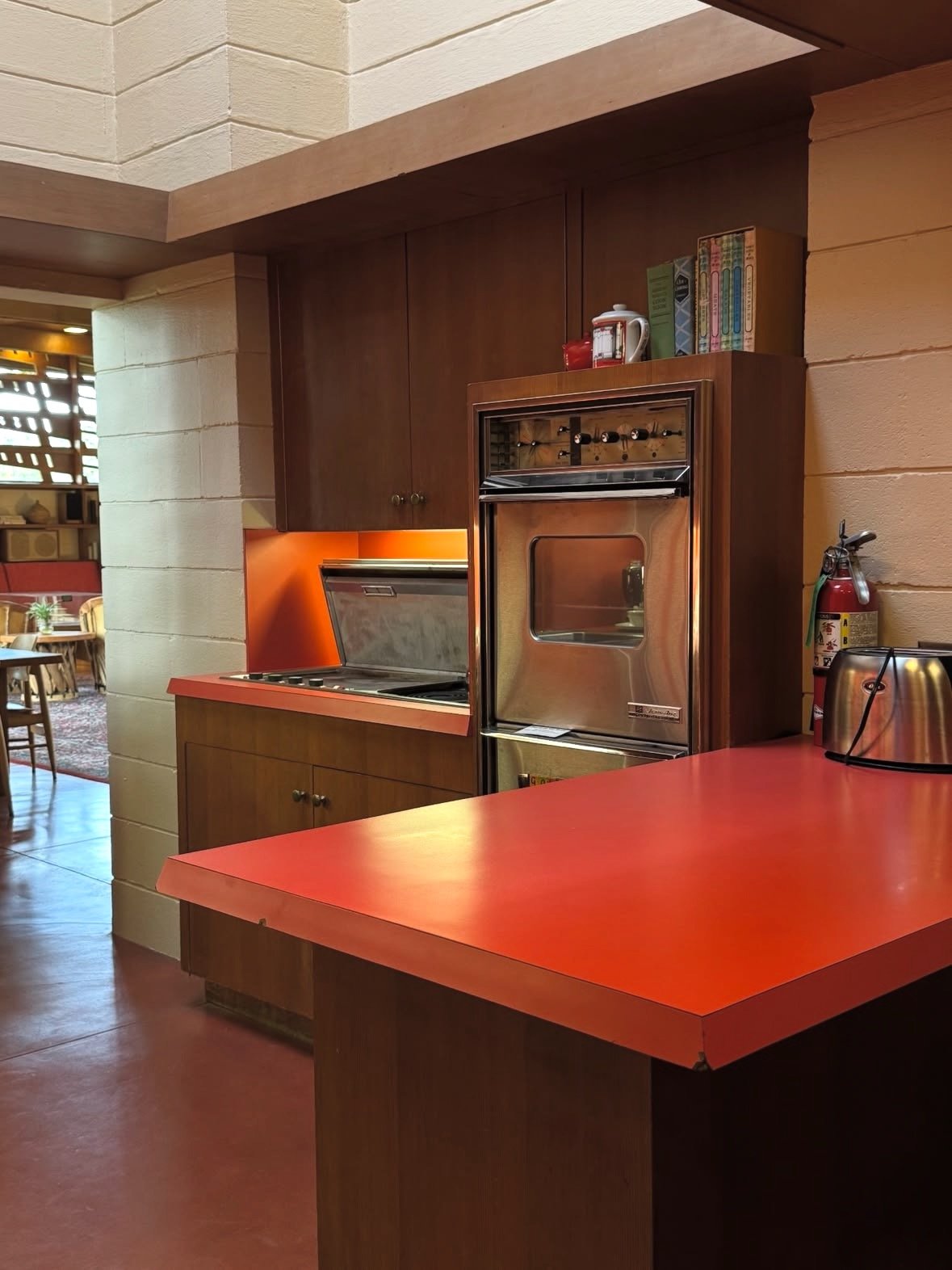
Planning a trip to California wine country? This is our version: Frank Lloyd Wright detours, Healdsburg, Dawn Ranch, natural wine, redwoods, coastal seafood.
I hate to say it, but Napa and Sonoma are pretty easy to do badly. I know from experience. There is a version of both that is all stuffy tasting room reservations, wildly overpriced pours, overly polished restaurants, and the same old world wine banter spoken at you all weekend long. I guess I can see the appeal if you’re looking for a classic experience that looks good on paper, but for us it feels sterile and flat. There is actually so much vibrancy in the area - you just need to know where to look for it.
It starts with the scenes on the road and carries throughout the entire journey, from the moment your plane wheels hit the ground. We’re talking architecture, old tree canopy-lined streets, bakeries, farm stands, fresh oysters, markets.
We flew into the Bay Area on a Monday (side note: highly recommend a slightly off season weekday trip, as it’s much quieter and cooler), crossed the Golden Gate at sunset, traced a line through Marin, Petaluma, Napa, Sonoma, Healdsburg, Forestville, Bodega Bay, Jenner, and Point Reyes, then looped back through San Francisco.
If you are planning a Northern California wine country trip and want a less obvious but more cozy and intimate version, this is the route I would recommend.
Start in Marin: the Frank Lloyd Wright detour
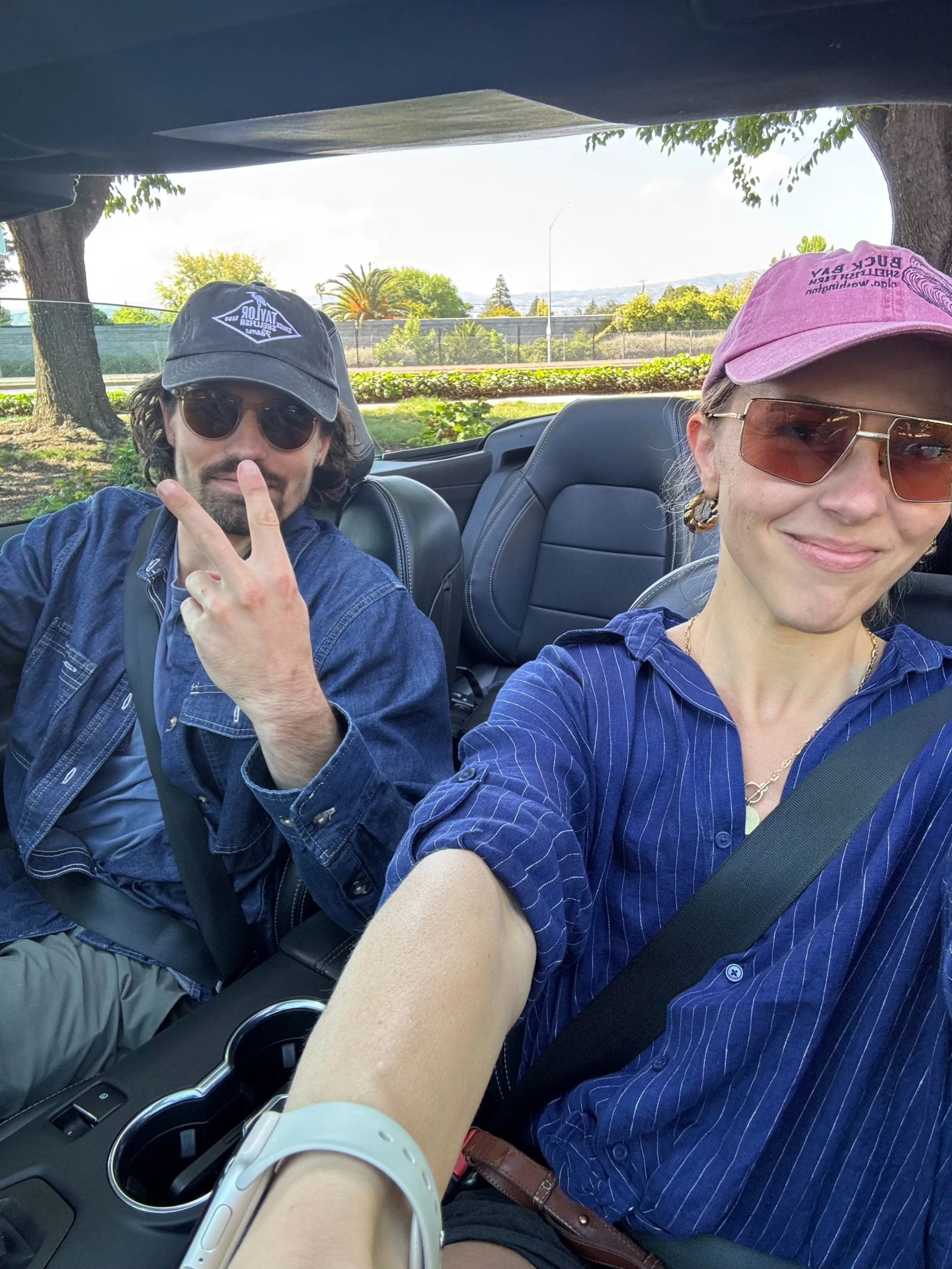
We landed, made the airport shuffle from San Jose to SFO, and picked up a rental car that turned out to be better than expected: a convertible Mustang with enough power, trunk space, and exactly the right level of fun (and sun!) for this kind of roadtrip adventure.
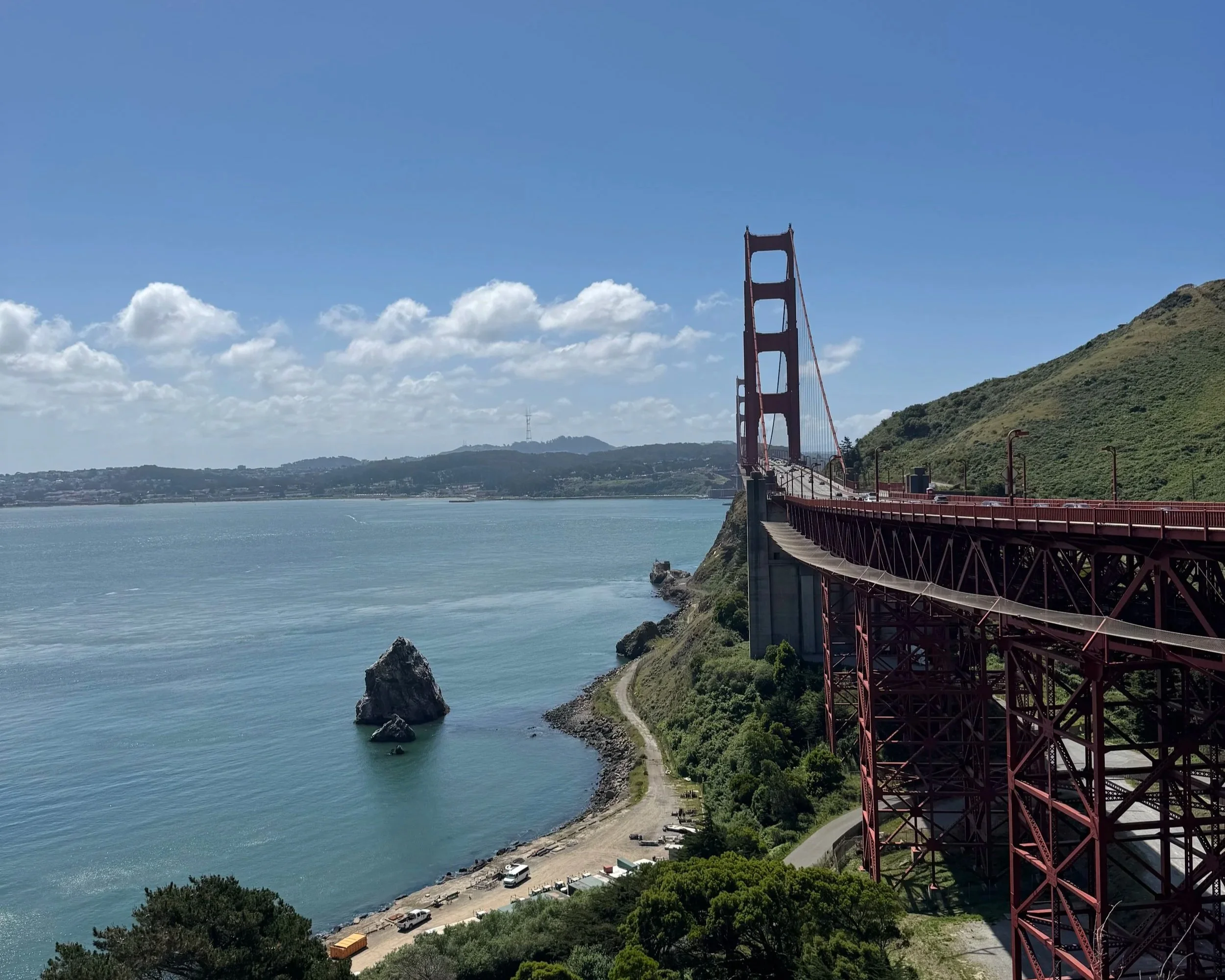
From there, we crossed the Golden Gate Bridge and pulled off at the viewpoint. A heck of a way to start the journey and see the full vantage point of the city just in time to leave. The smartest thing we did, though, was not heading straight into wine country. We started in Marin.
Marin Civic Center
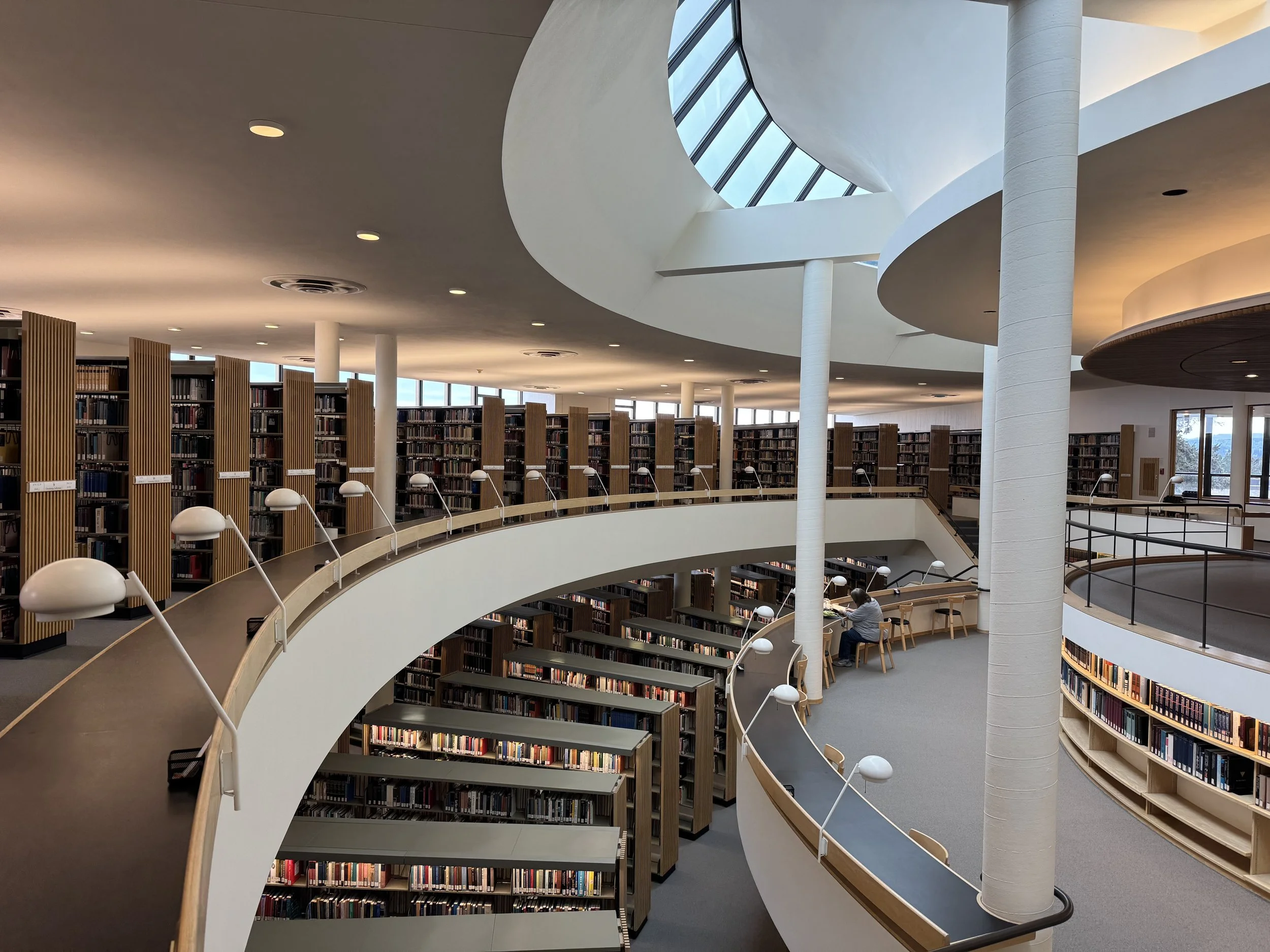
We started at the Marin Civic Center, and this is the stop I would recommend to any fellow architecture appreciator. This was Frank Lloyd Wright’s last major public commission. It is large, but it does not feel punishing. It includes civic services, offices, gardens, a jail, a long central concourse, a spire, blue rooflines, gold-toned escalators, water, circles, light… everything you could imagine could fit into one (very large) building. Most government complexes are built to project authority but this one feels built for actual humans to move through.
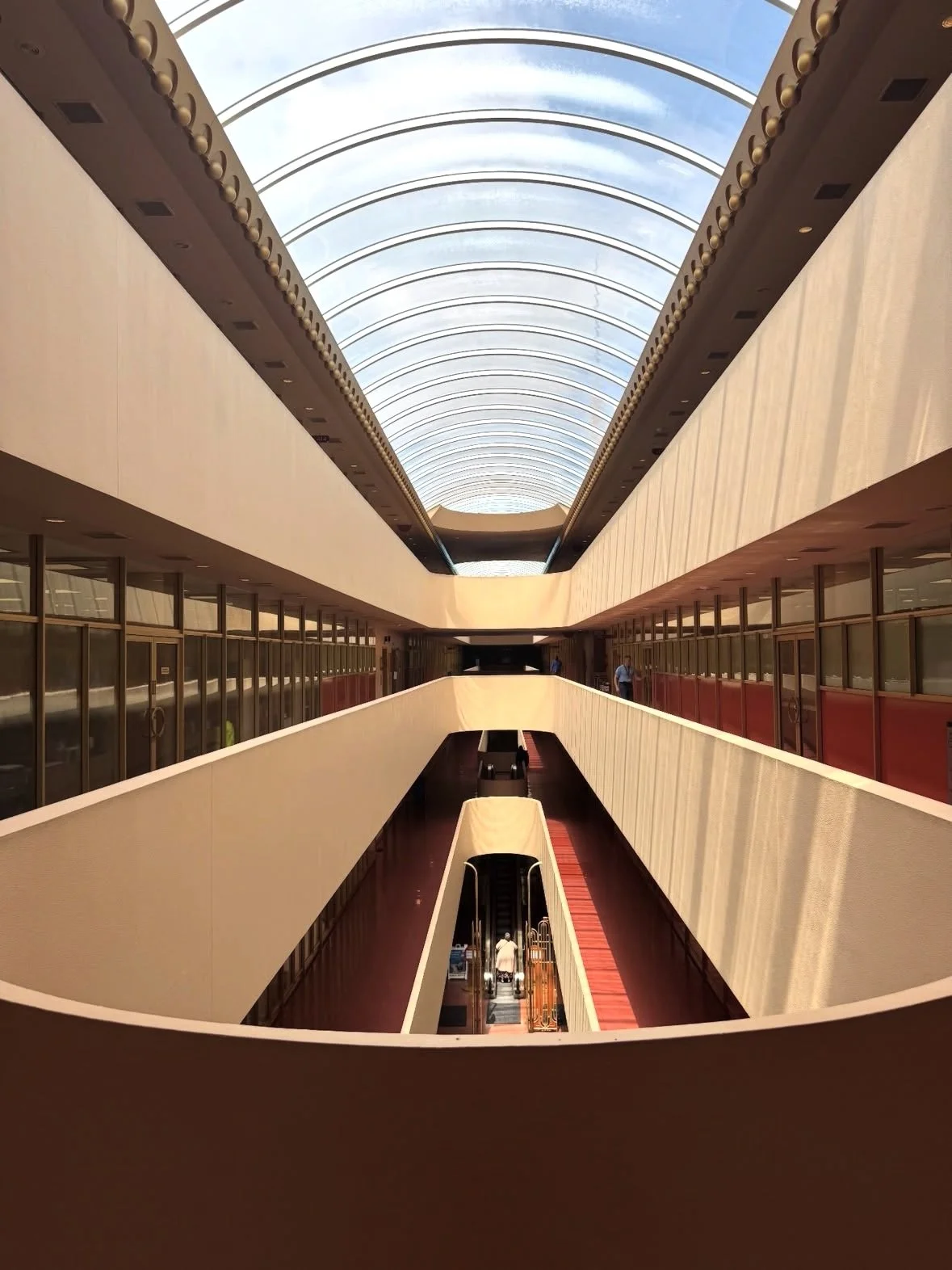
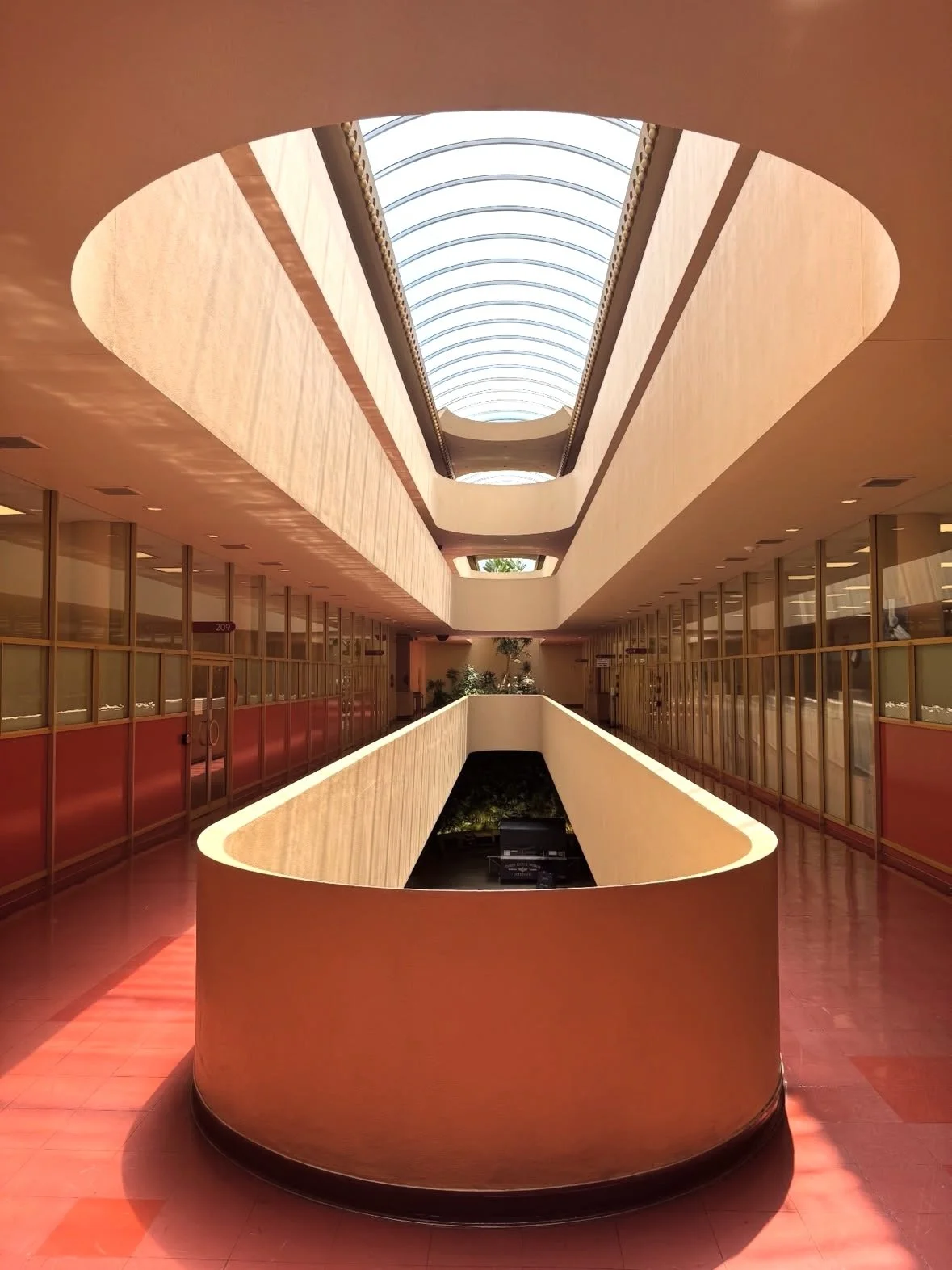
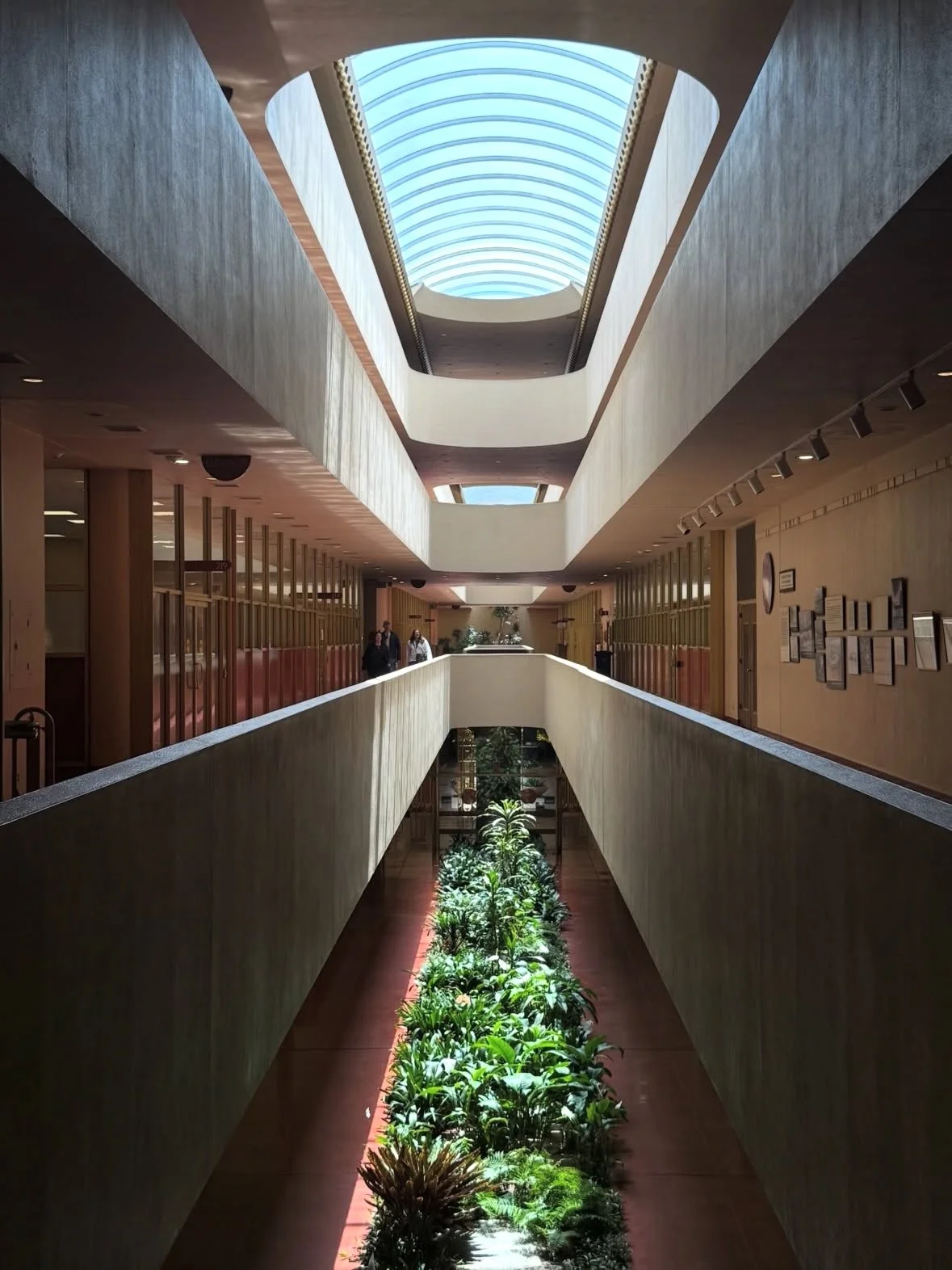
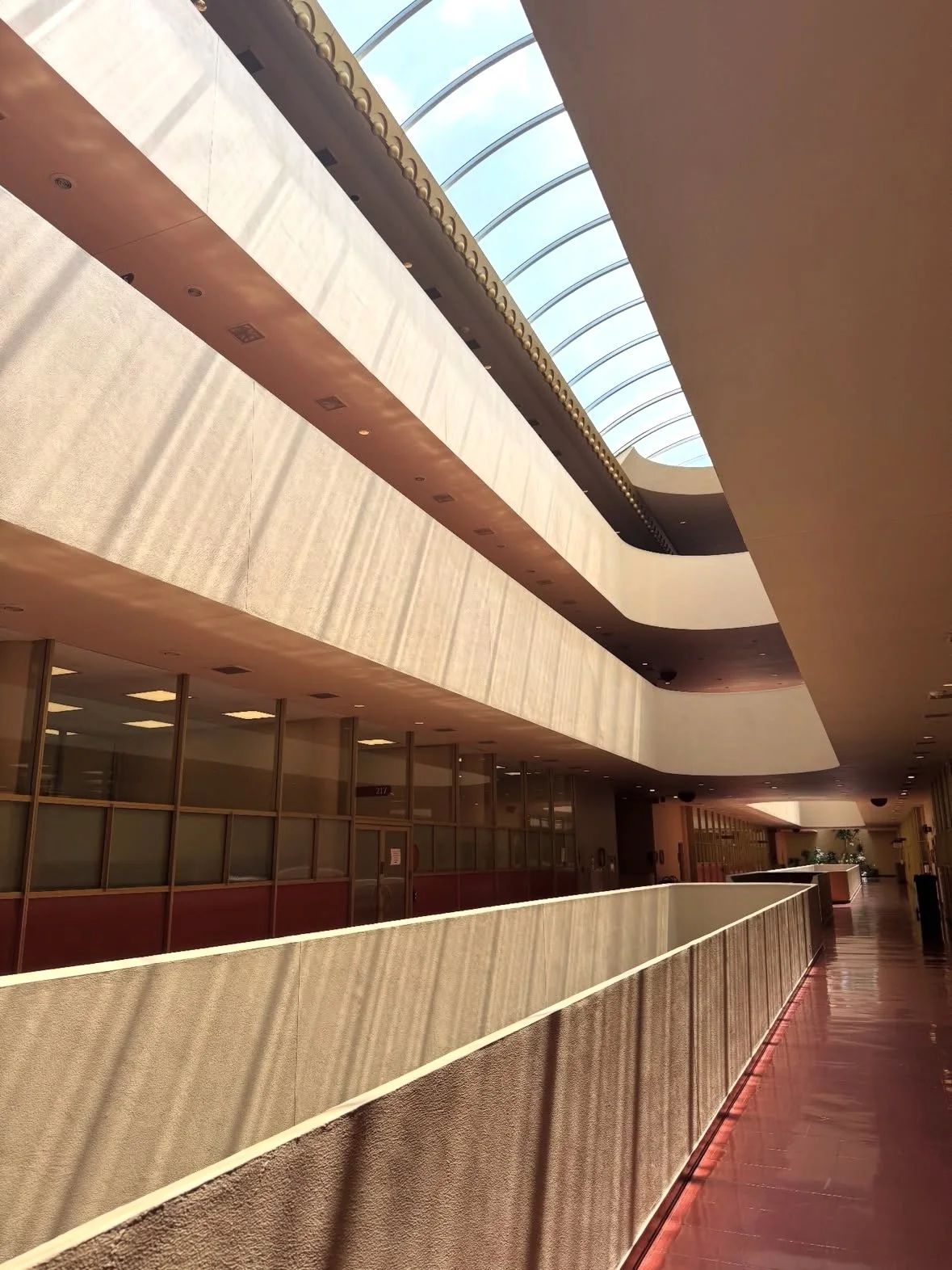
The building has earthiness, greenery and warmth. It has rhythm. Light moves through it in a very fluid way, making it feel intimate. Even the formal large-scale geometry feels somehow gentle and inviting. Birds can be found flapping their wings around the inner courtyards. This is one of the best openings to a wine-country trip because it immediately draws your attention into *details*, which certainly shaped the mentality with which we approached the rest of the trip.
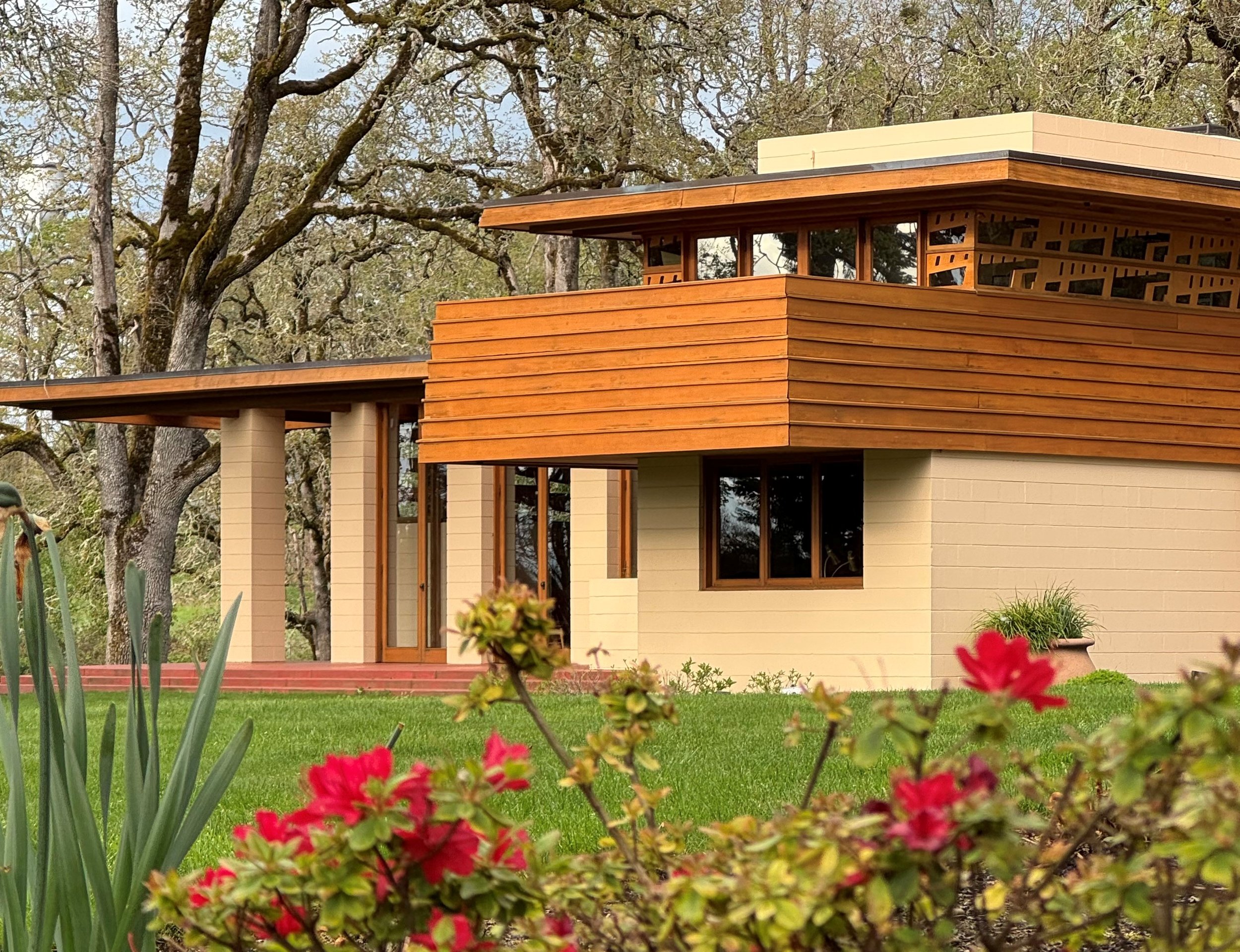
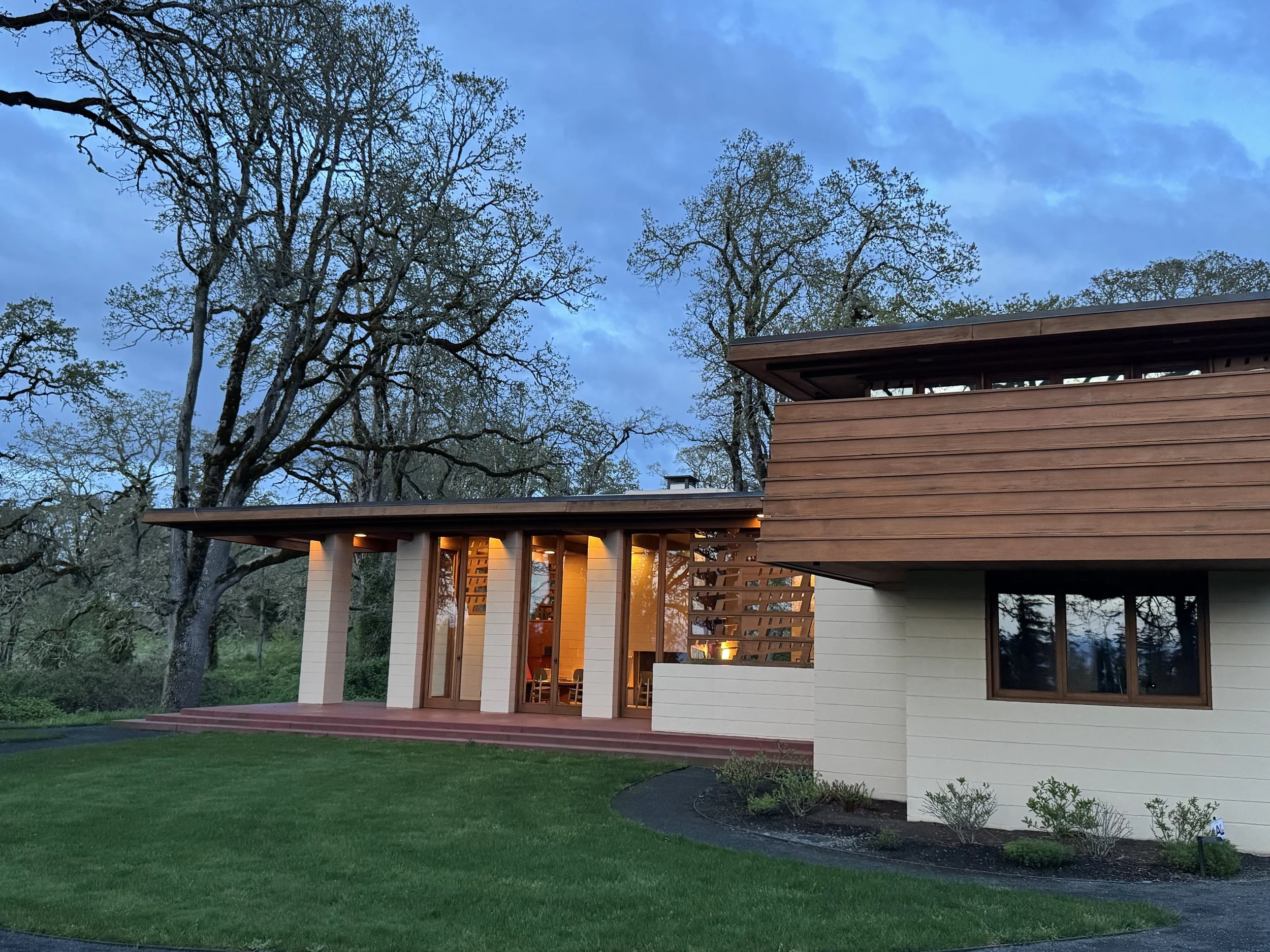
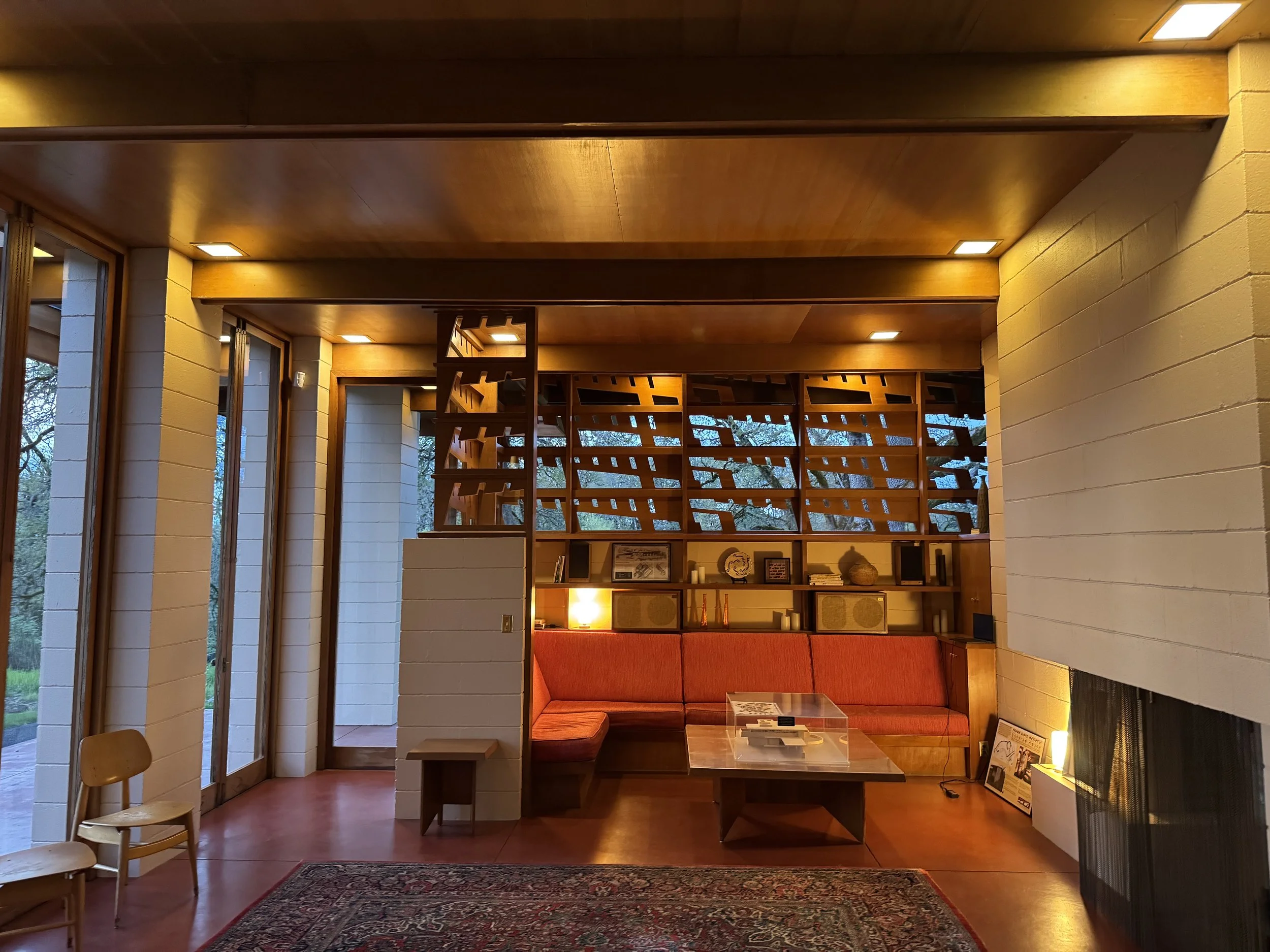
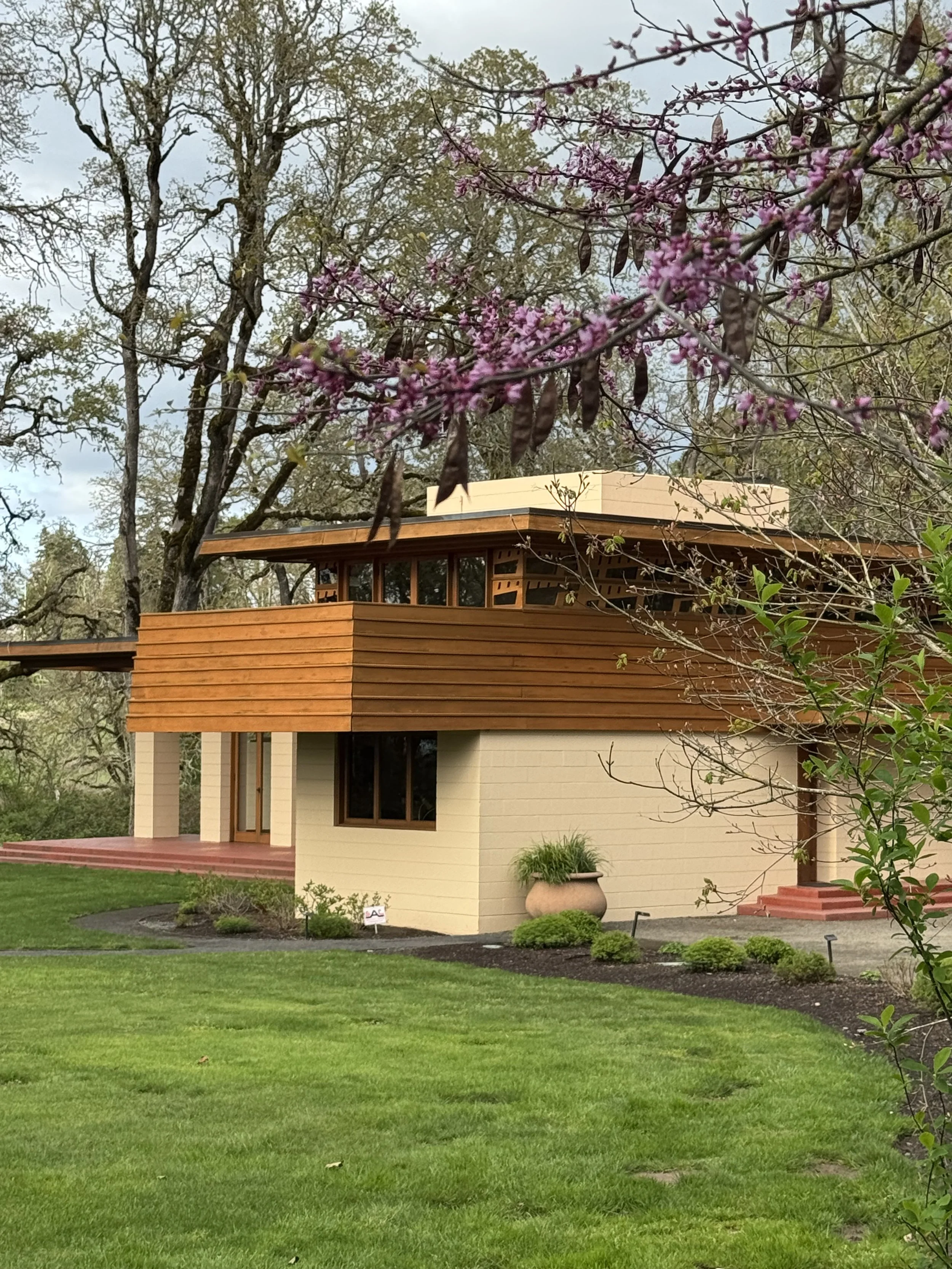
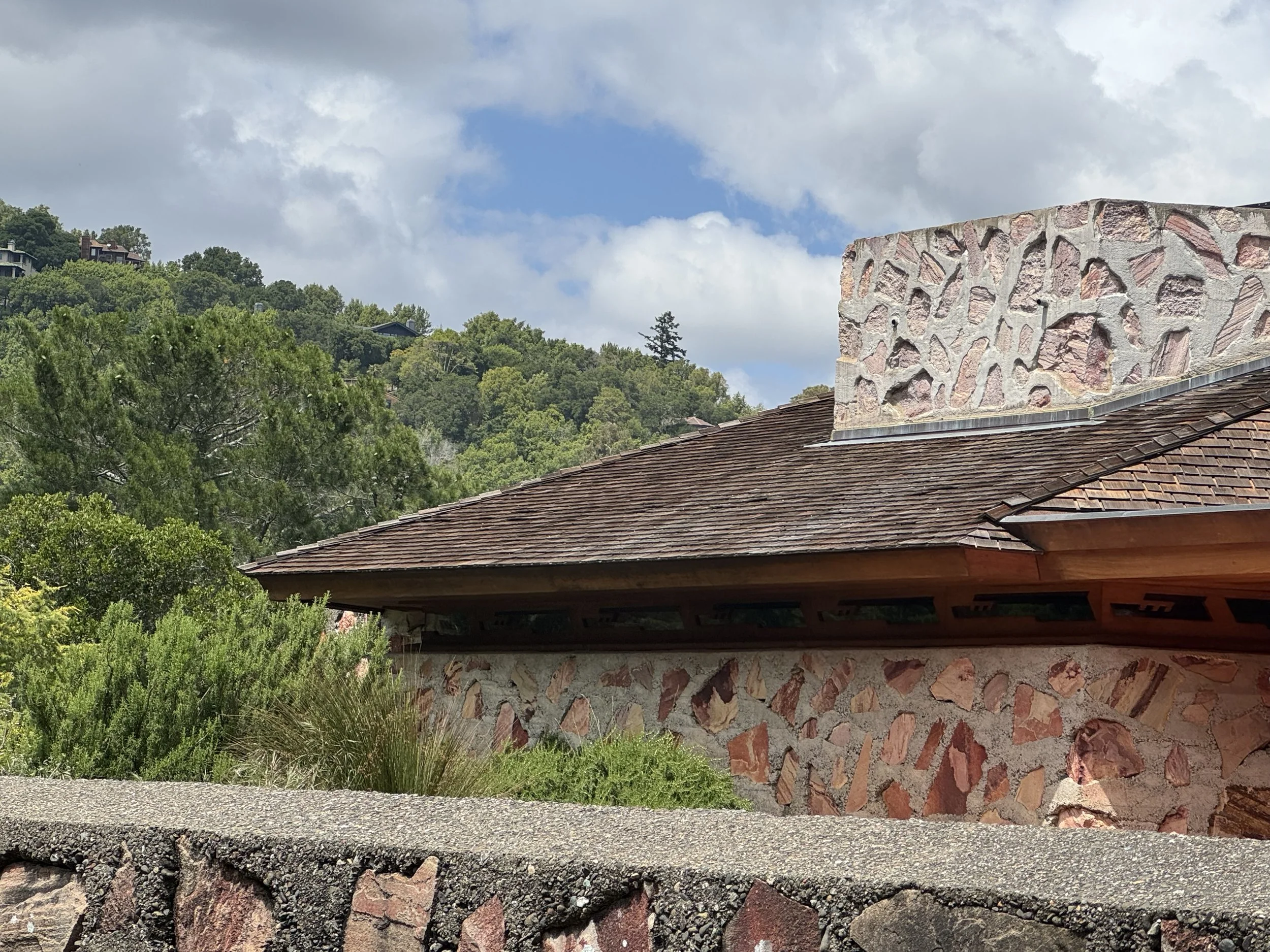
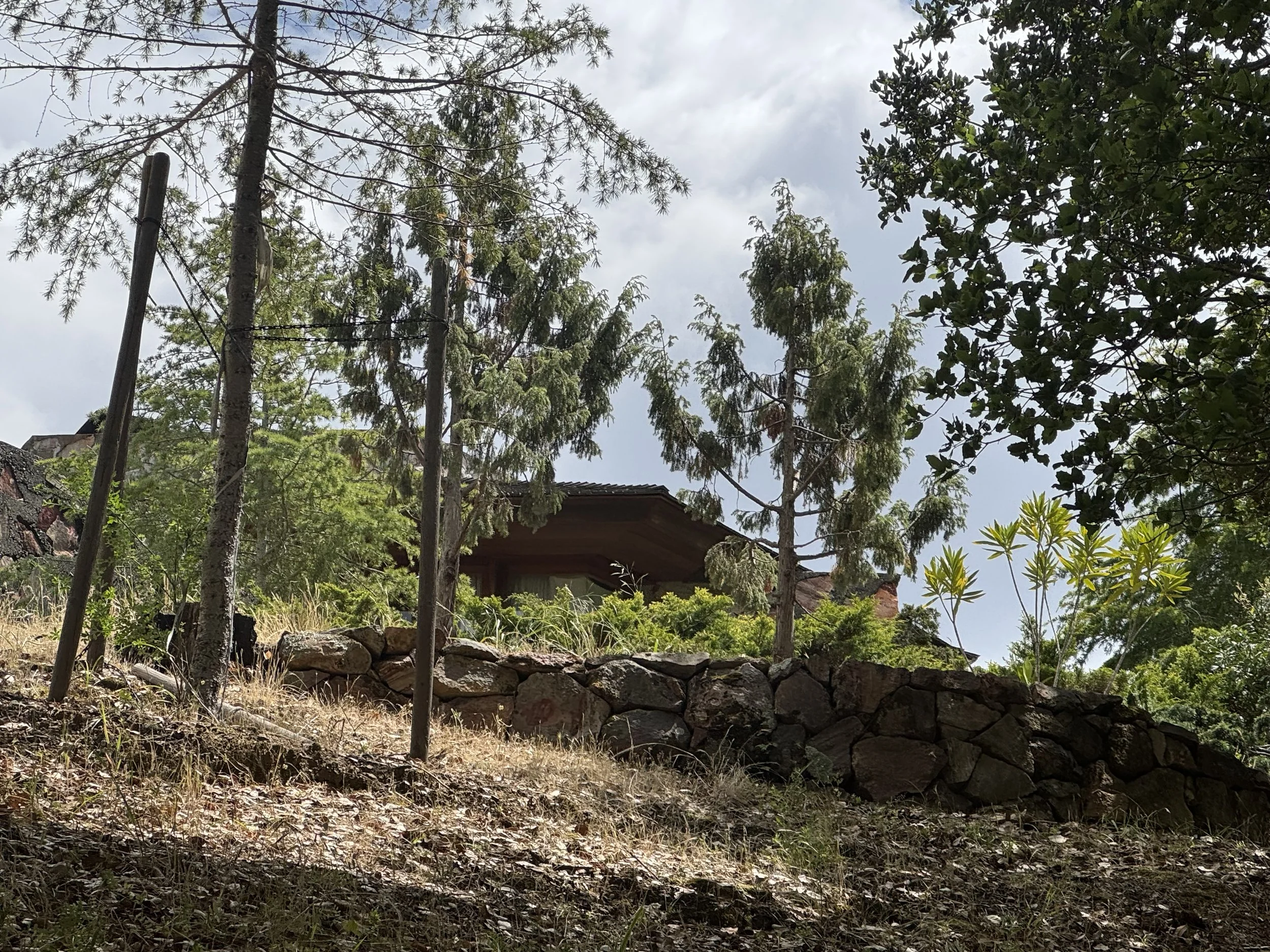
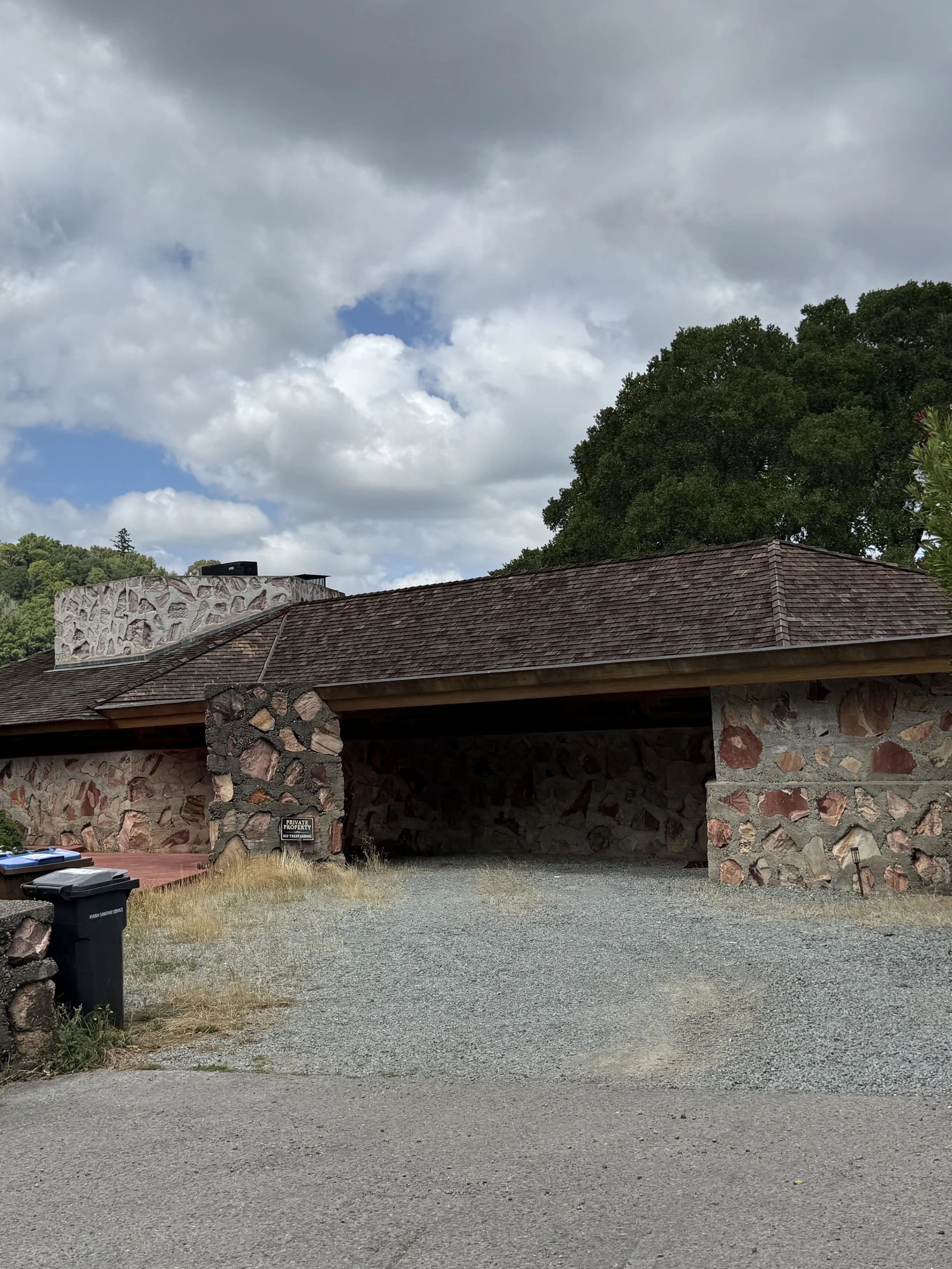
We then continued onto the Robert Berger House, which is not a public attraction. It is private, and the visit to this FLW house is essentially a respectful drive-by. That said, it is still incredibly worth it if you care about architecture.
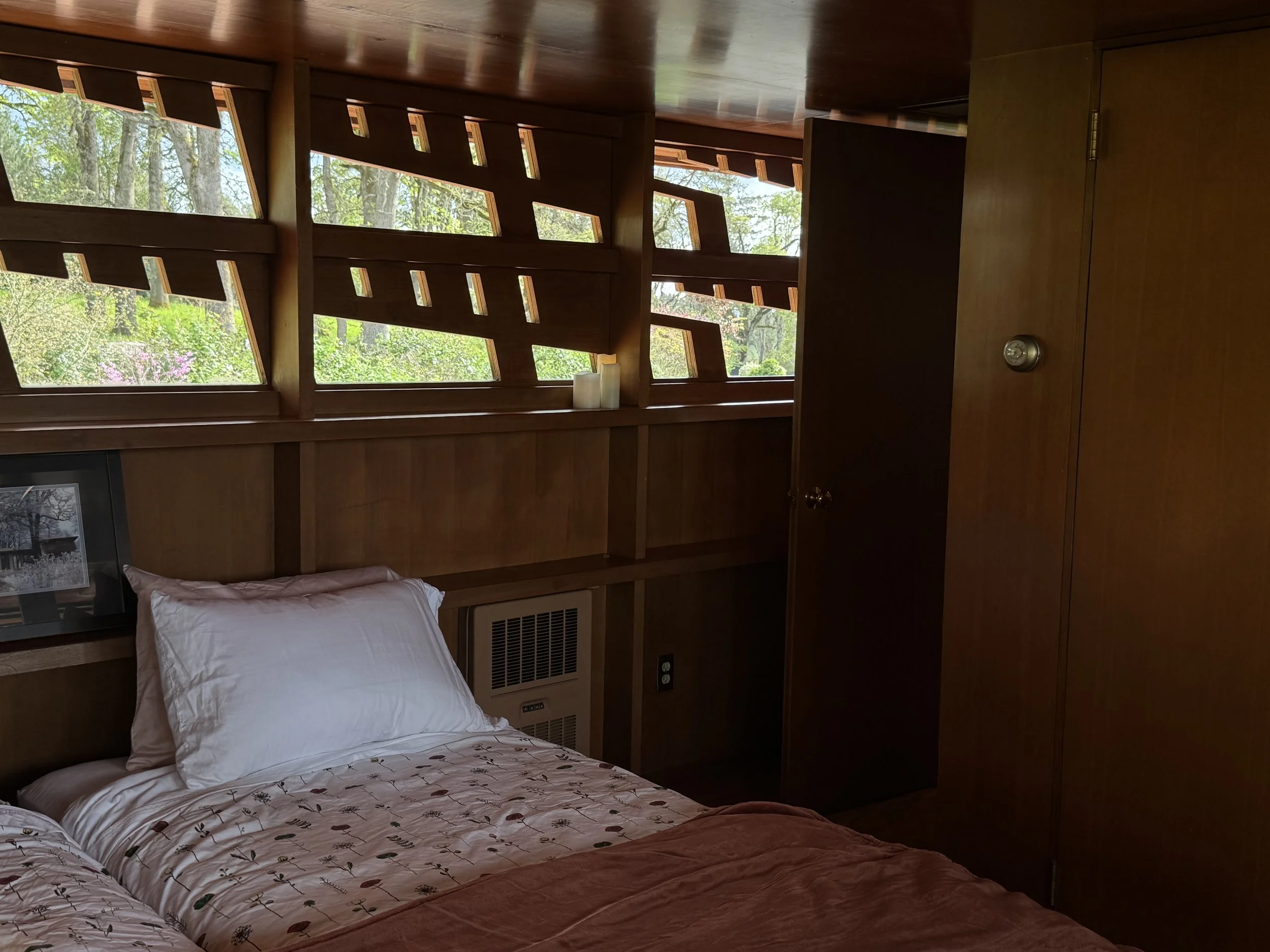
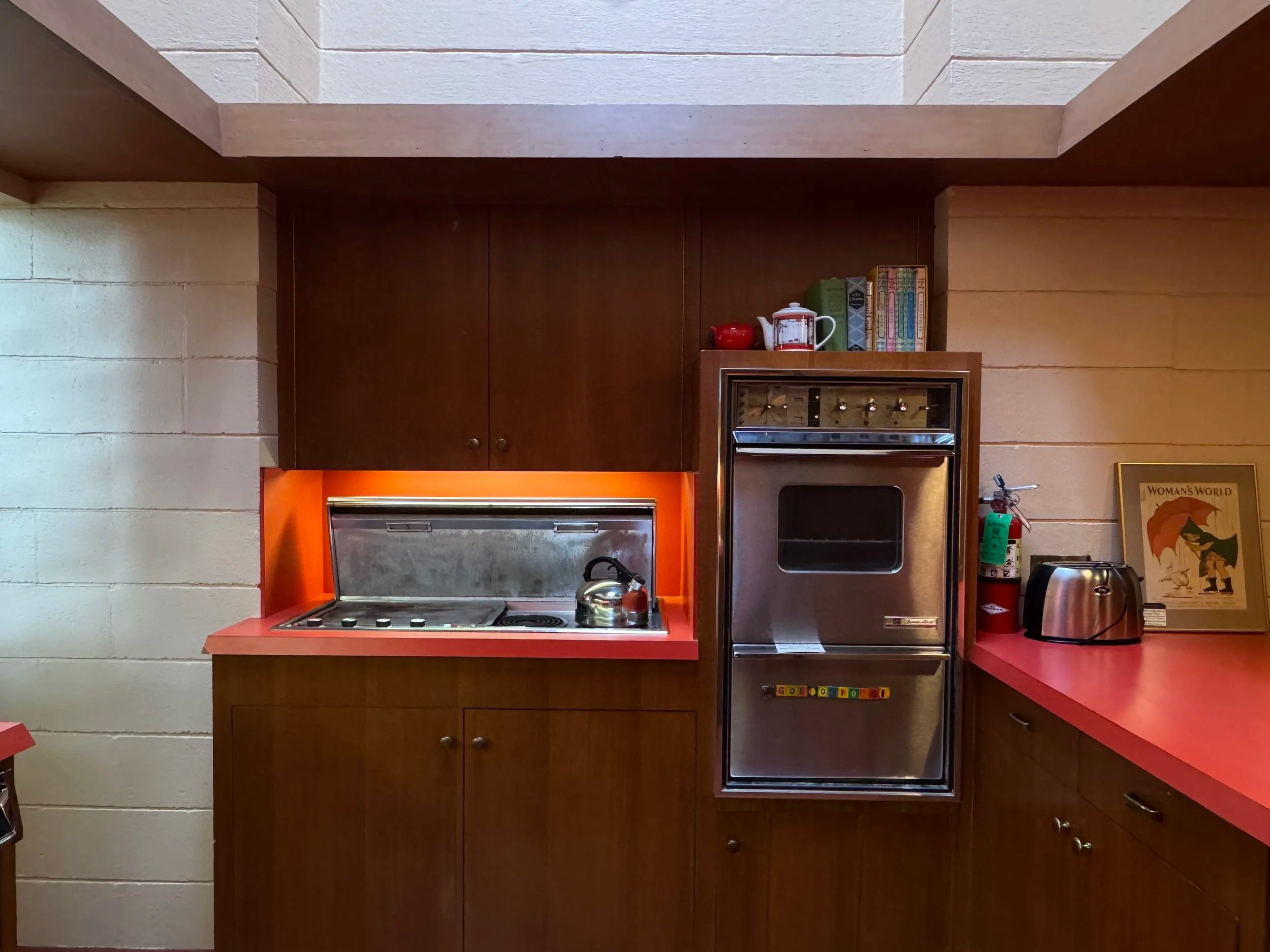
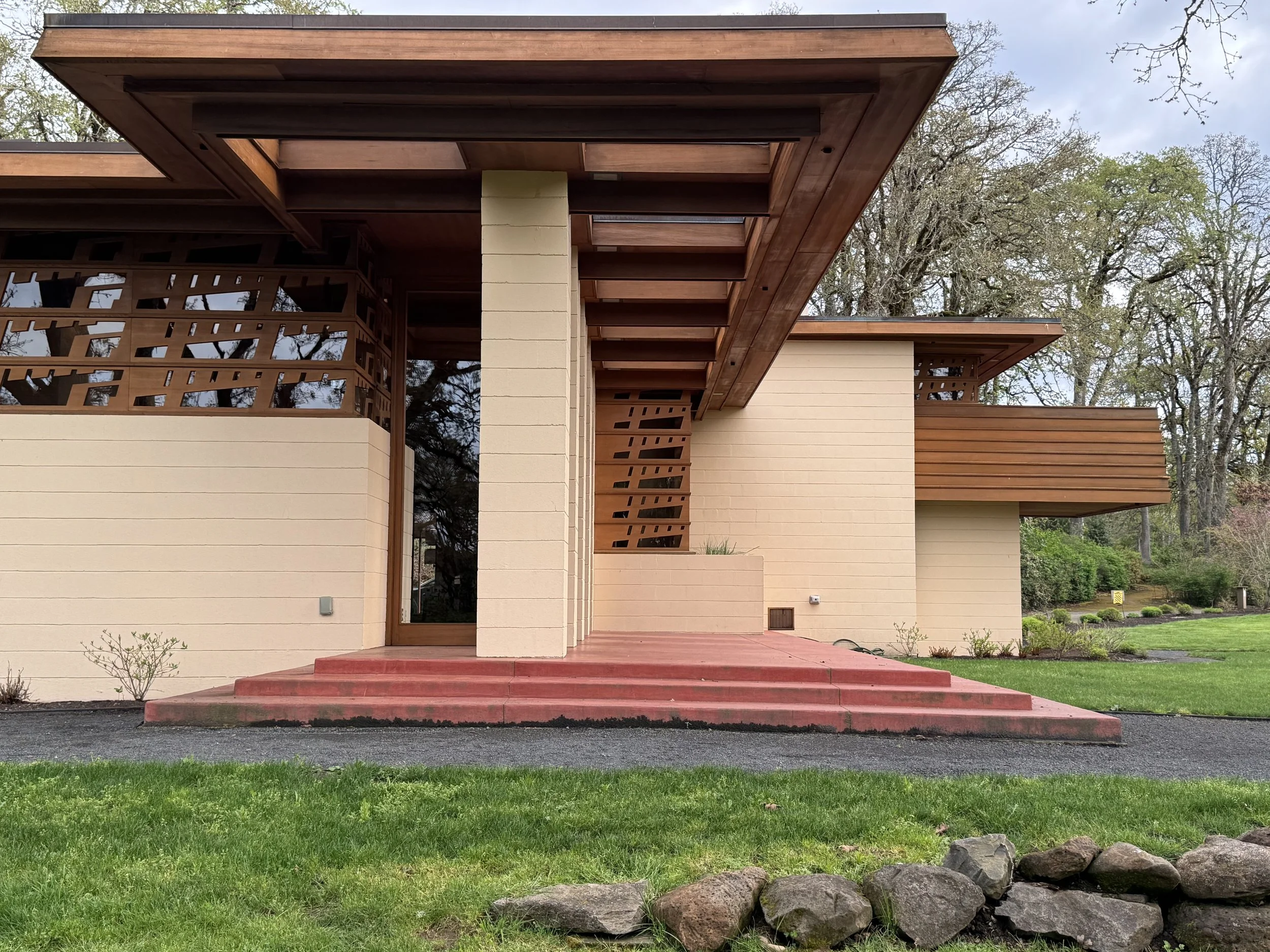
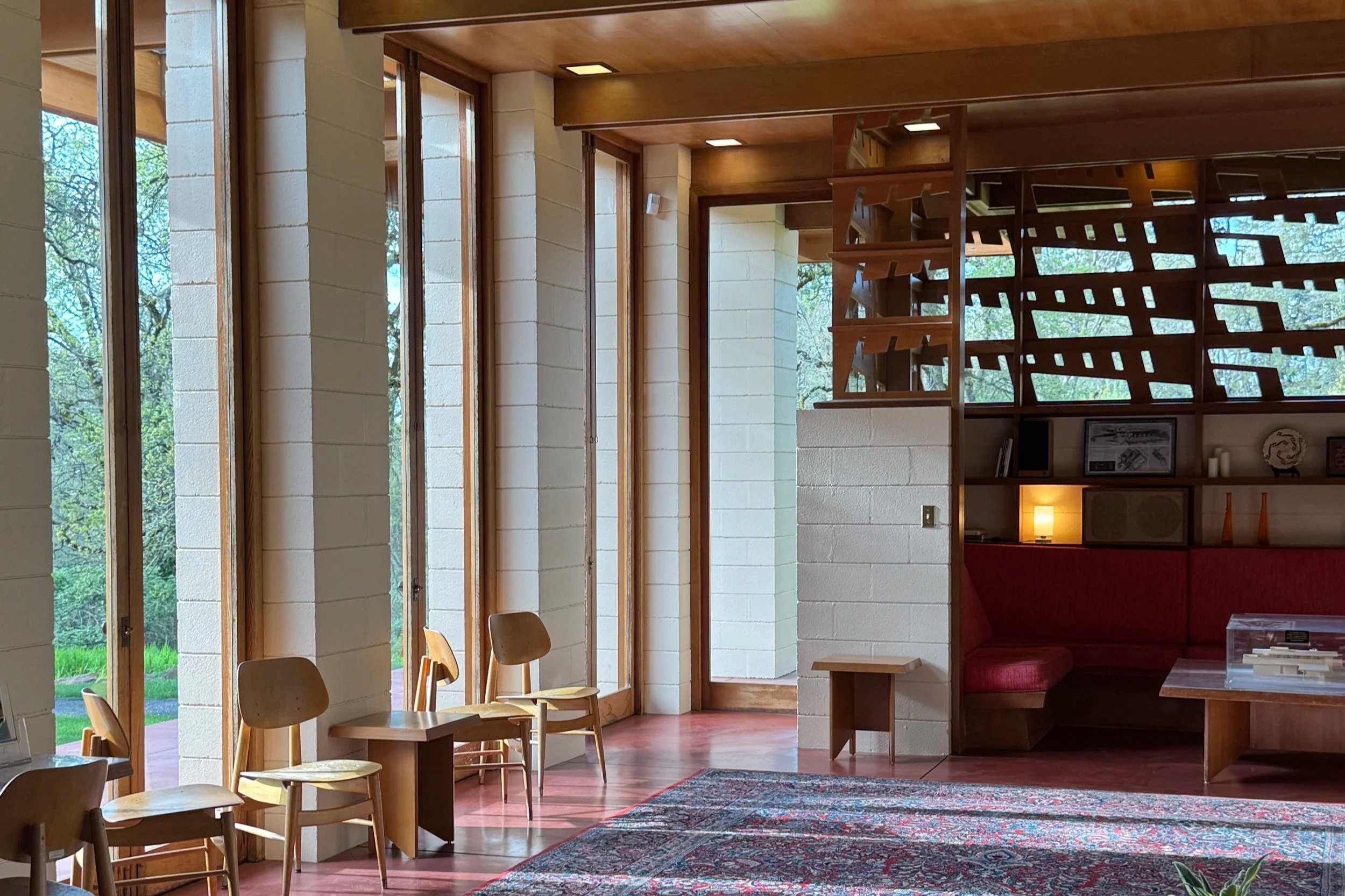
Berger commissioned Frank Lloyd Wright, then built the home himself over several years, camping on site while major portions came together. It’s incredibly recognizable from the moment you lay eyes on it; from the classic FLW window cutouts to the way it blends into the land itself. The Marin hills have a Mediterranean quality to them: narrow roads, steep grades, houses tucked into slopes, dense pockets of development. It feels more Italian than suburban. A perfect setting and even better place to get lost for an afternoon.
Berger House, San Anselmo
The Road North: Bakeries, Farms, and Markets
One of the easiest mistakes in Napa and Sonoma is building every day around one high-ticket tasting in a stuffy overproduced climate. You’re robbing yourself of the diversity of the place by sitting in one chair on one vineyard! The approach we recommend is to layer the trip with smaller, more useful stops that give the region (and your taste buds!) shape.
Petaluma: A Small-Town Vibe with Everything You Need
Petaluma always surprises me; Napa does not. It has such a sweet and endearing quality to it - not too big, not too small, but contains everything you could possibly want in a small little town, complete with a charming local market filled with an abundant supply of produce, bread, pastries, chocolates and local goods. I’d pick Petaluma 10 times out of 10 if I had to choose between it and Napa.
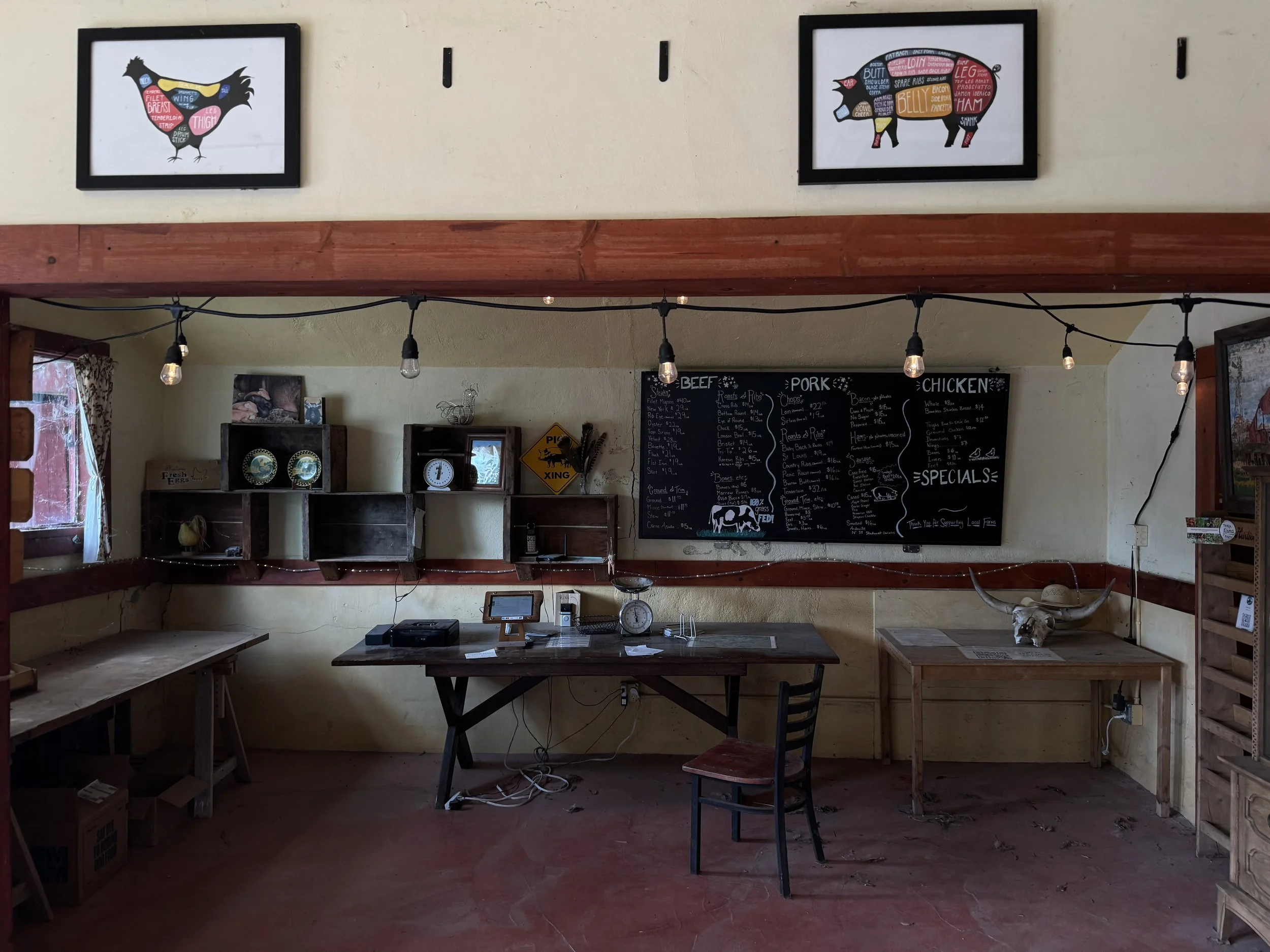
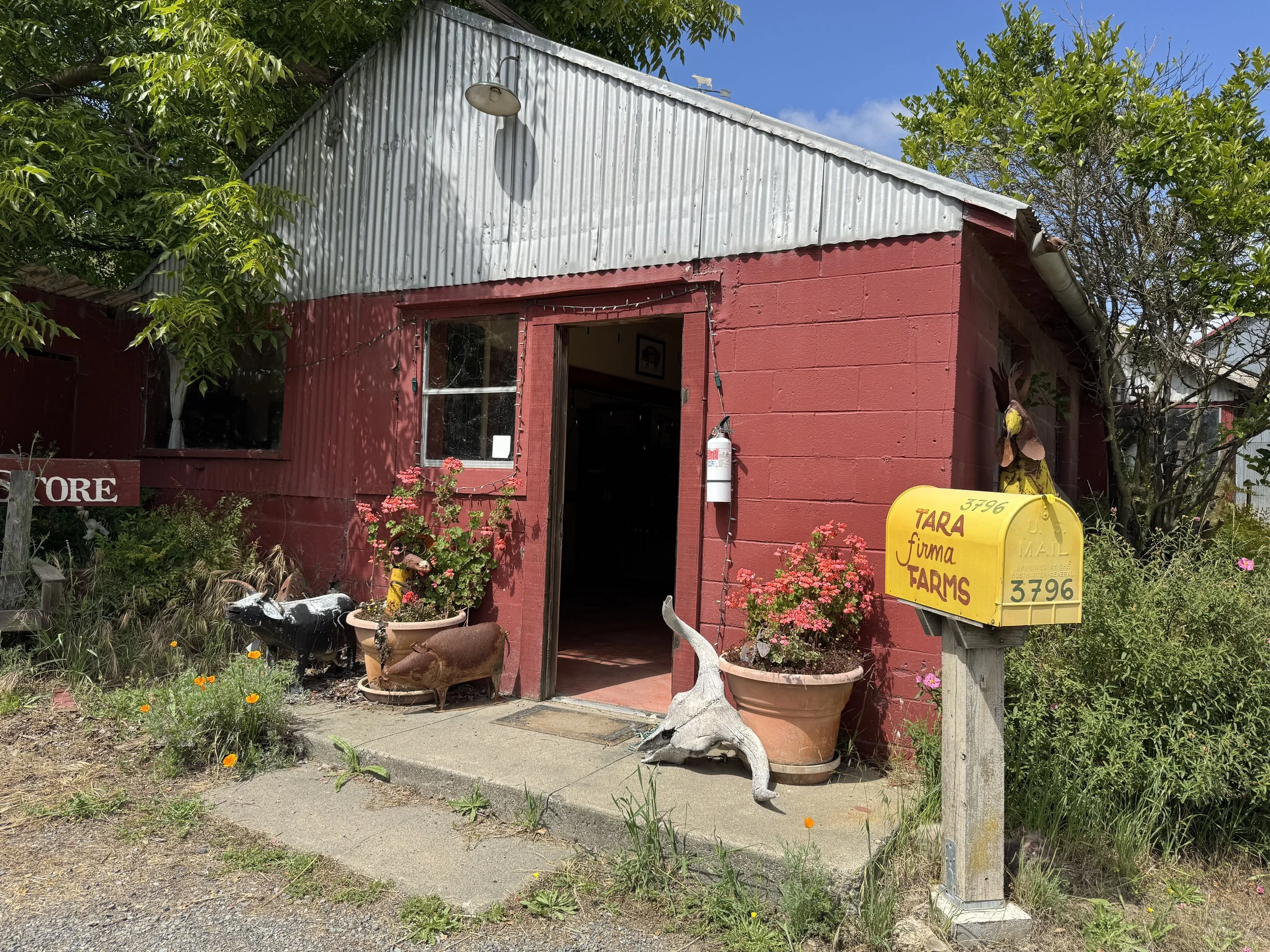
Tara Firma Farms
Lovely, community-minded, and rooted in the landscape southwest of Petaluma. A must stop!
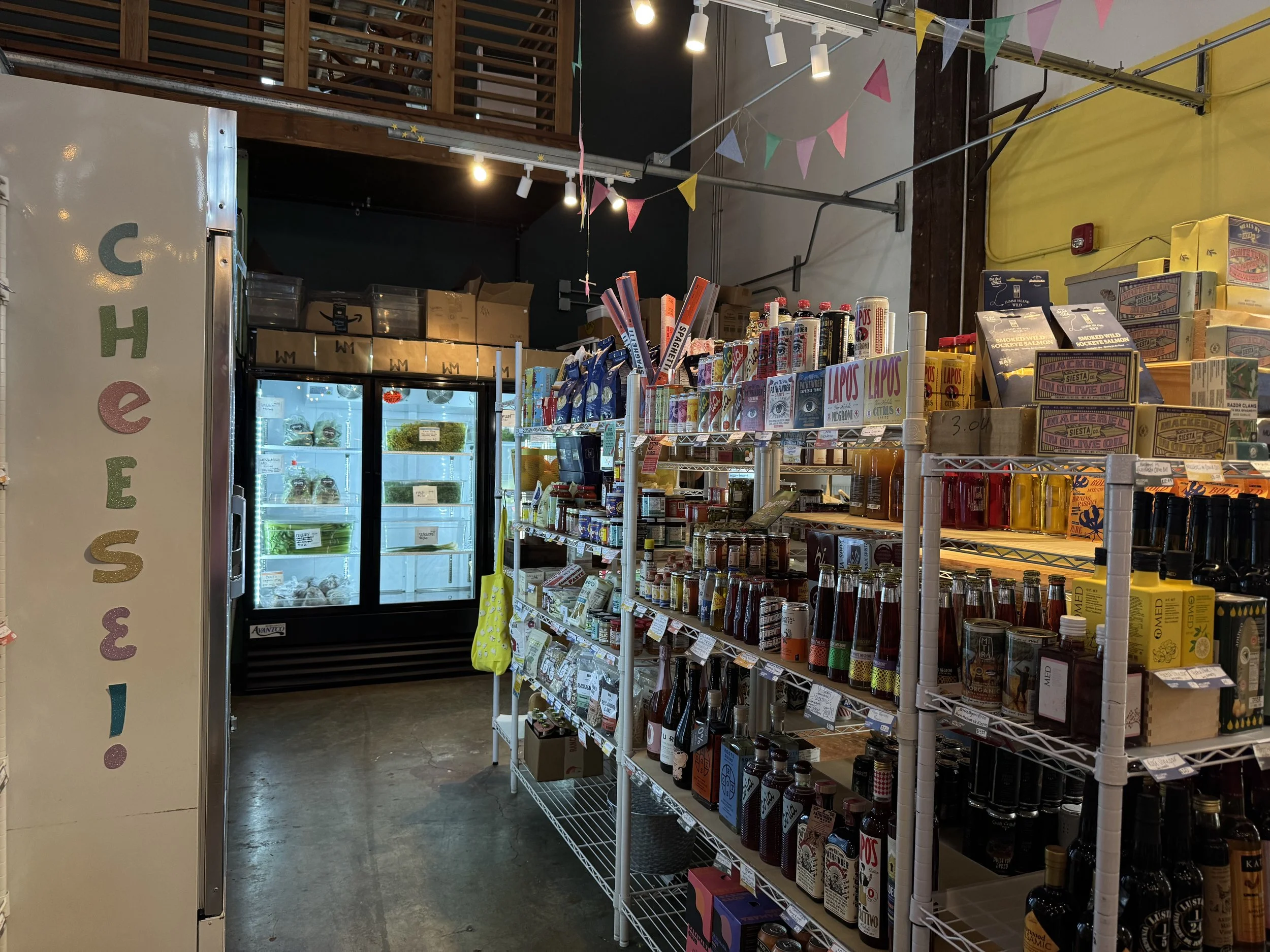
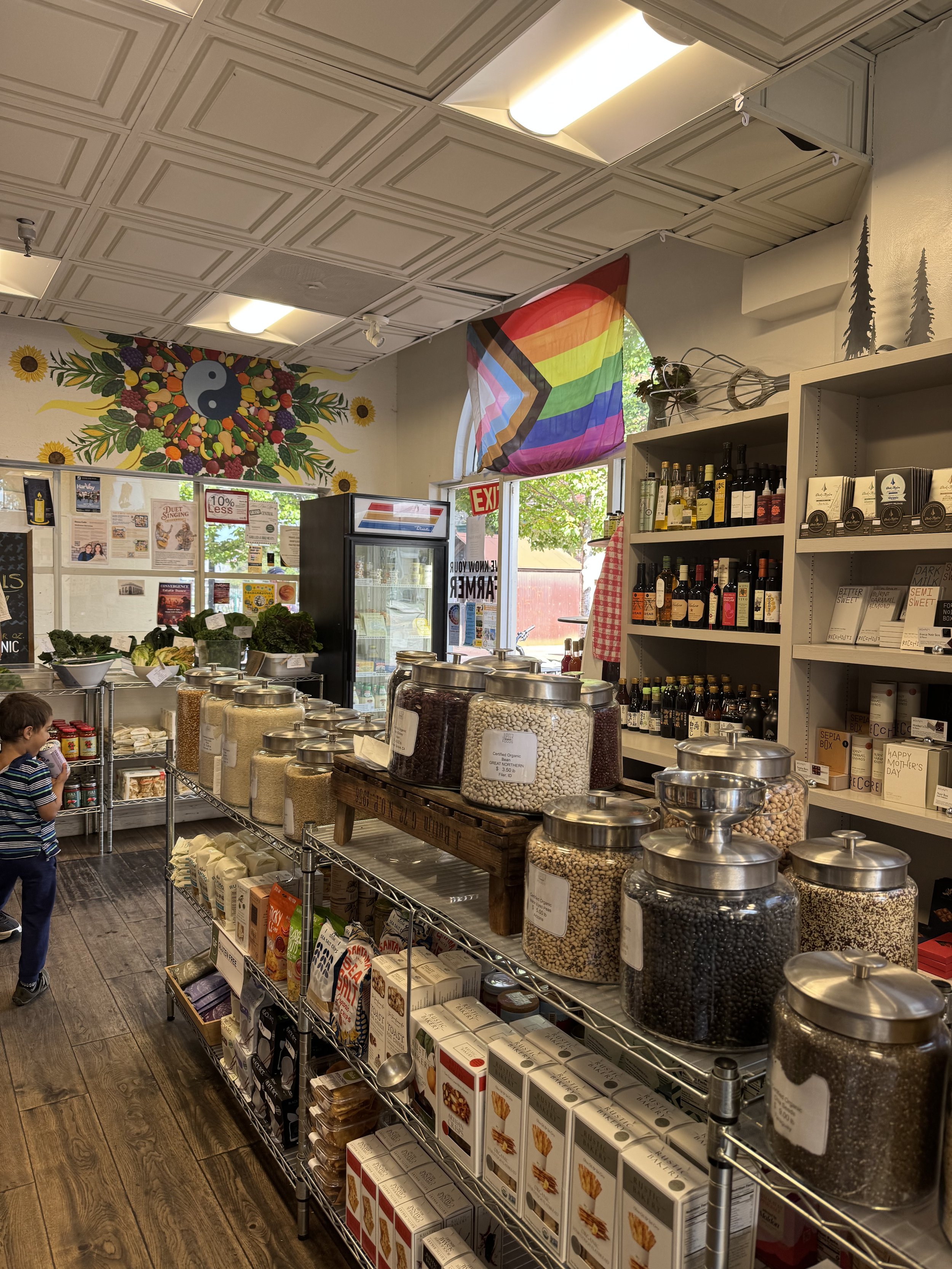
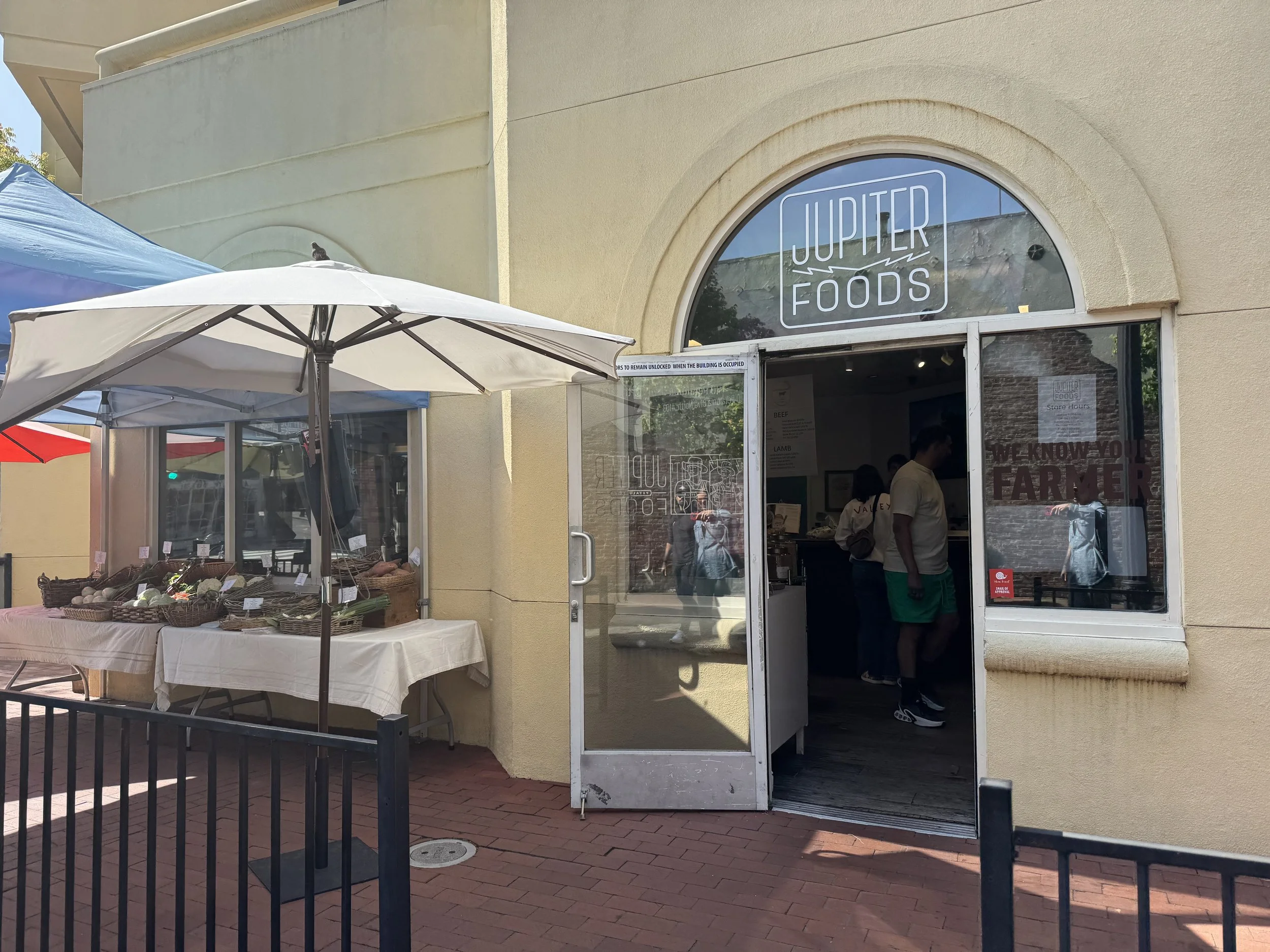
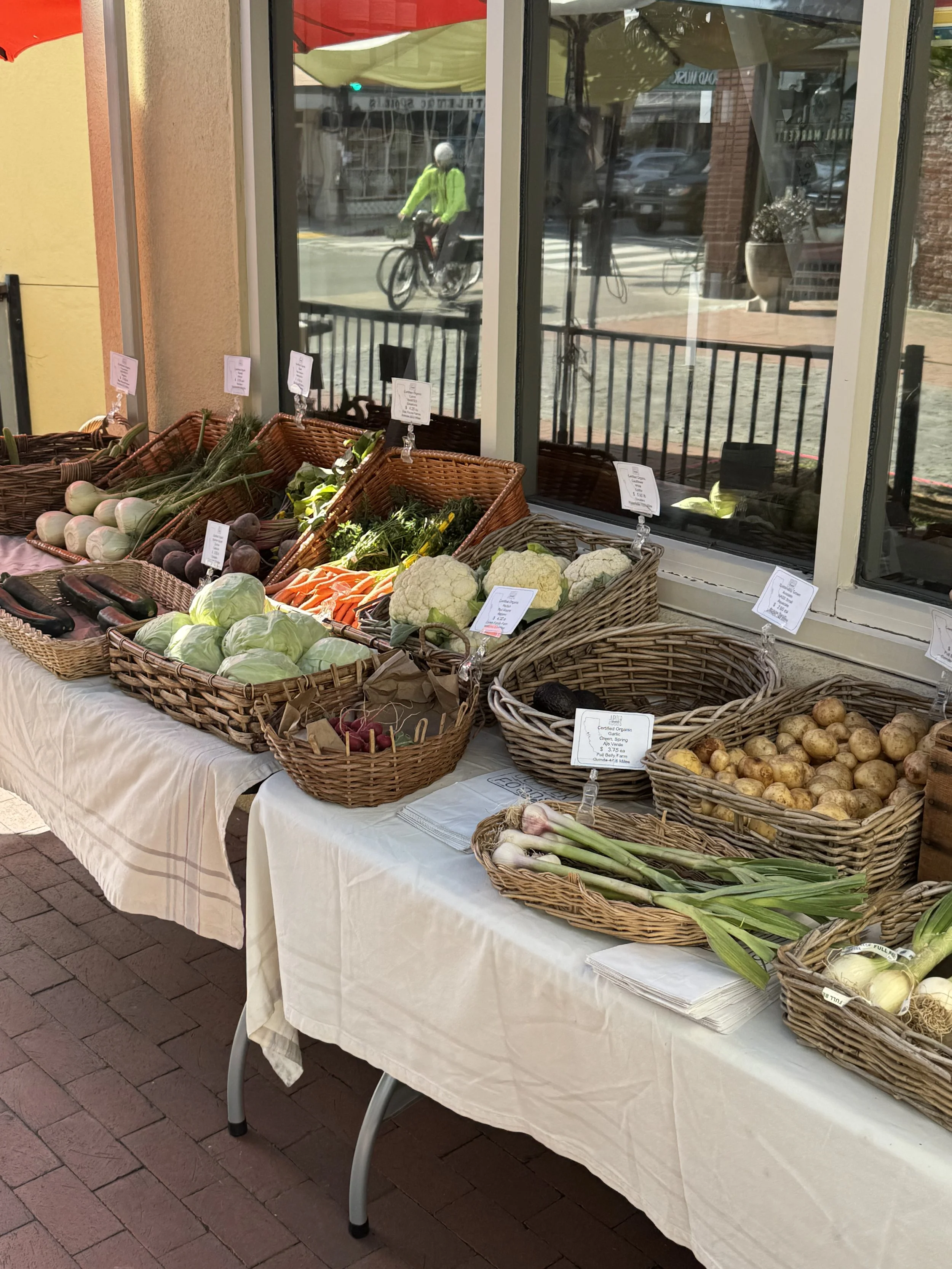
Opened in 2021 in the middle of the pandemic, Jupiter Foods is a specialty grocery store selling all the best ingredients. “Good Groceries,” was the founders call them, are exclusively organically grown and local. They have a small space, which they boast “only contains the good stuff” due to its limitations. I wish all grocery stores were like this and not filled with glyphosate-laden overly processed junk! A must stop!
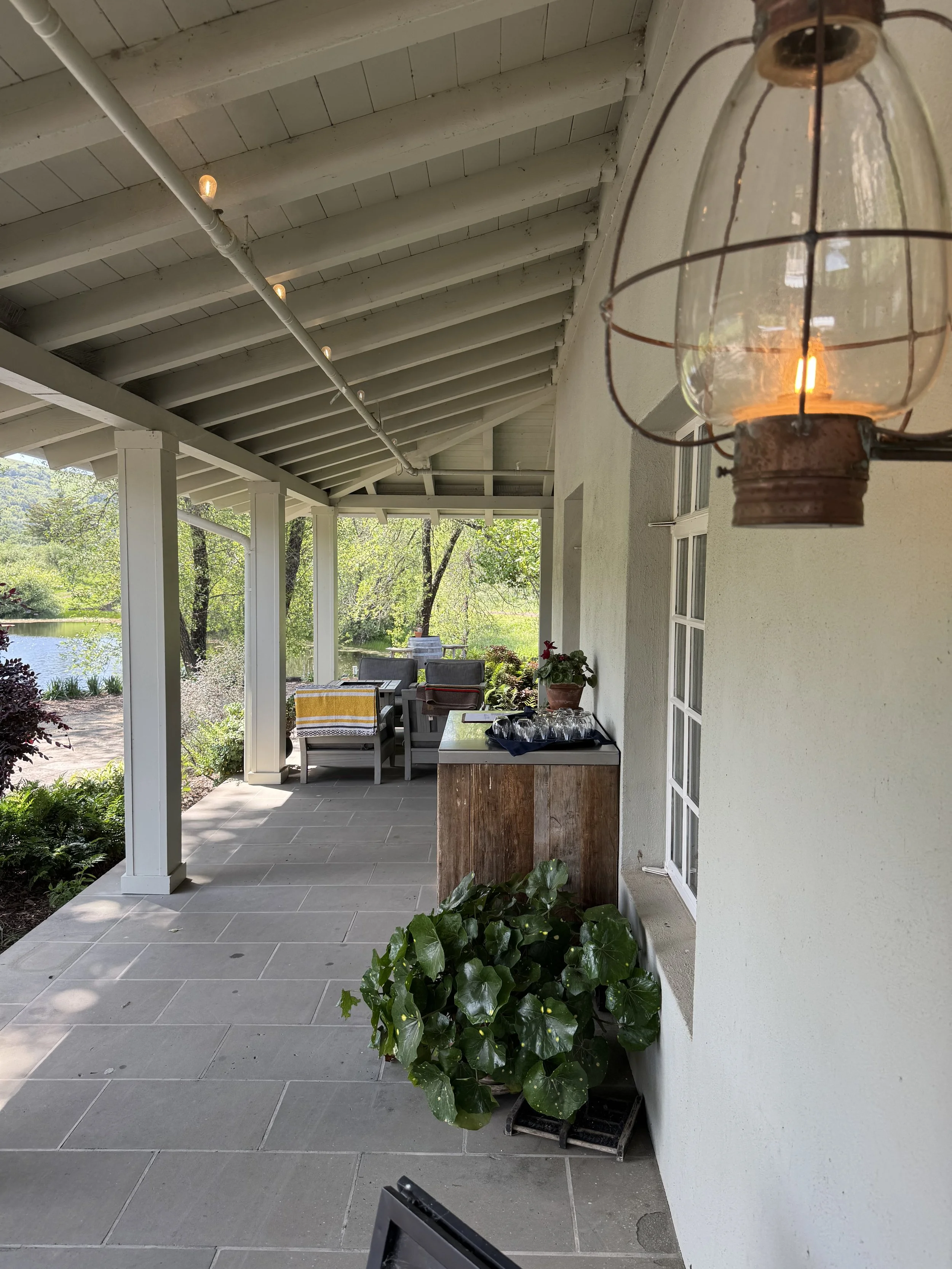
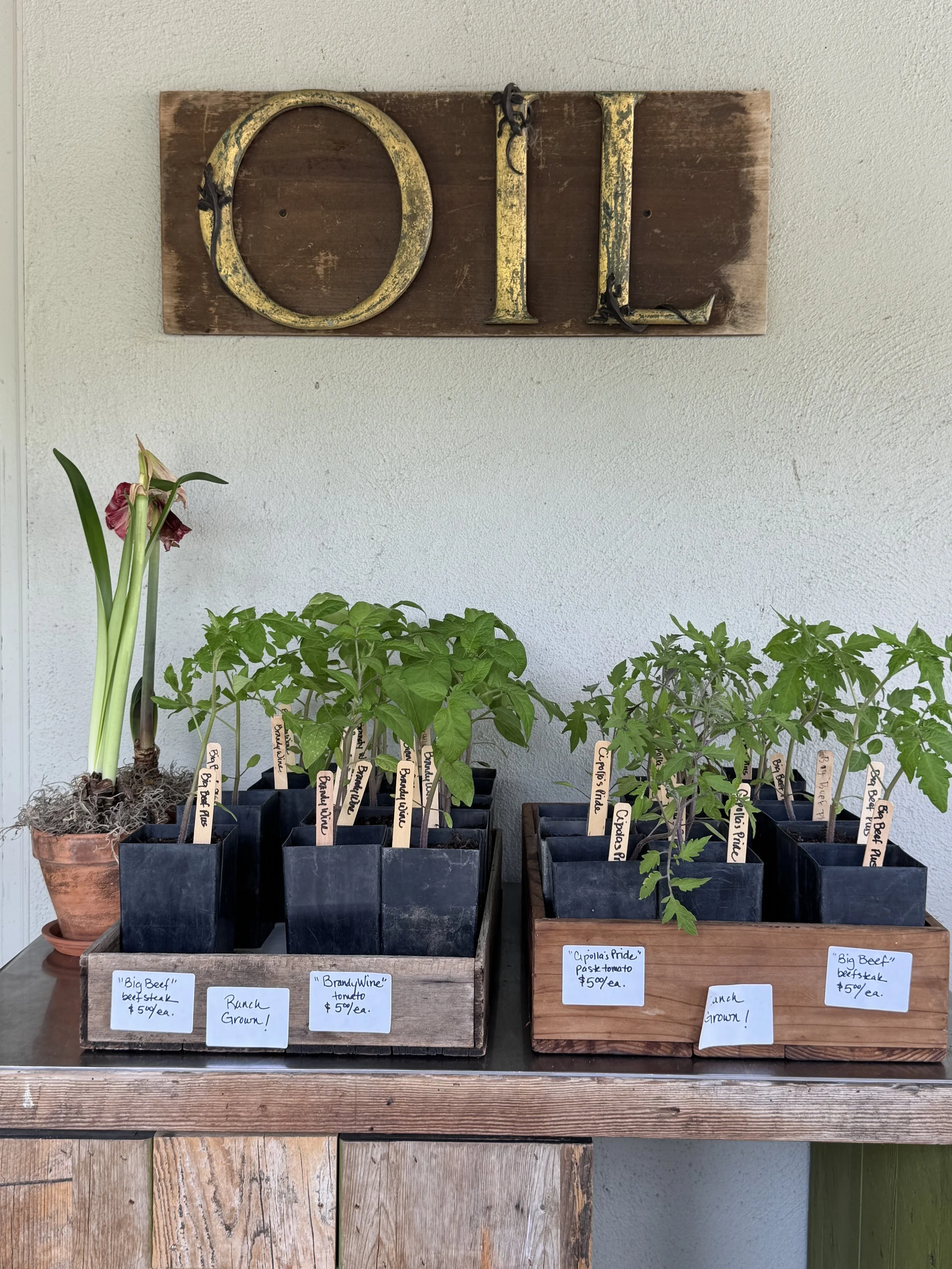
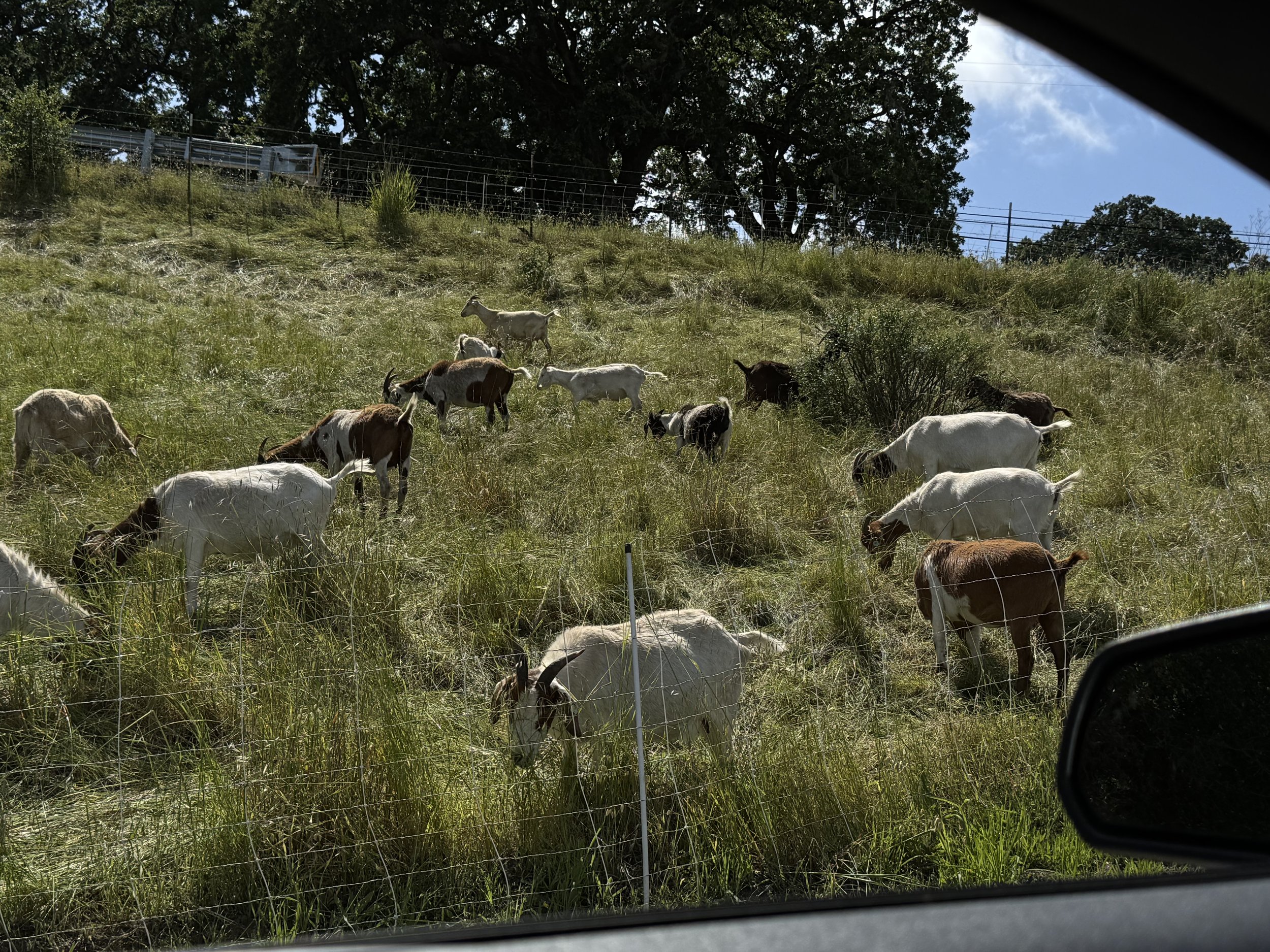
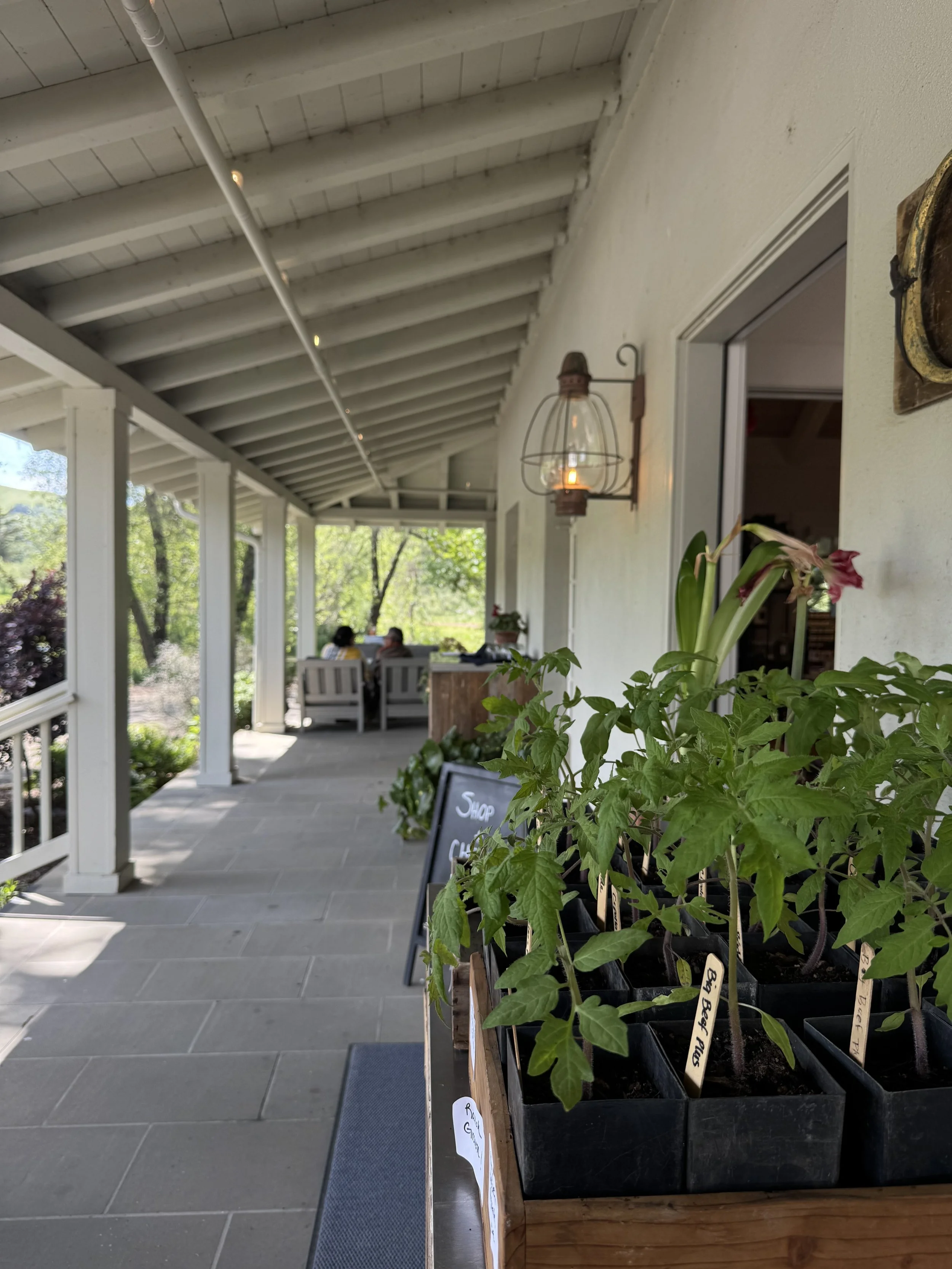
McEvoy Ranch was one of the most visually satisfying stops of the trip. The long entrance, rolling hills, olive groves, pond, farmhouse setting, patio, goats, and vineyard structure all just *work*. It is polished, but not in a hollow, mass produced type of way. It feels expansive and yet, composed. The olive oil focus gives it a slightly different center of gravity than the usual wine-country stop, which helps. Something about seeing the goats roaming the pastures leading onto the property healed me inside.
Downtown Petaluma
Walkable, appealing, charming, and easy to browse for a few hours. Good bakeries, some worthwhile shops, a comfortable rhythm. The natural wine scene felt lighter than I hoped, and the retail selection was just fine, but the town itself had more character than some of the places with bigger reputations.
Downtown Napa
Downtown Napa felt polished and we tend to prefer a bit more rough around the edges. This may not be everyone’s opinion but it was ours. It felt clean, curated, well-managed - which is great for a quick day or two, but it was as if the edges had been sanded off.
Now let me get it straight: that does not mean there is nothing useful or enjoyable there. It simply means I would not make it the emotional center of the trip and to manage your expectations around that. My favorite place which I entirely forgot to take photos of was actually Gotts Roadside. They have killer burgers - including my personal favorite, the ahi tuna burger - and are an easy and filling bite after a long day of exploring and/or wine tasting. Don’t miss it, I dream of it!
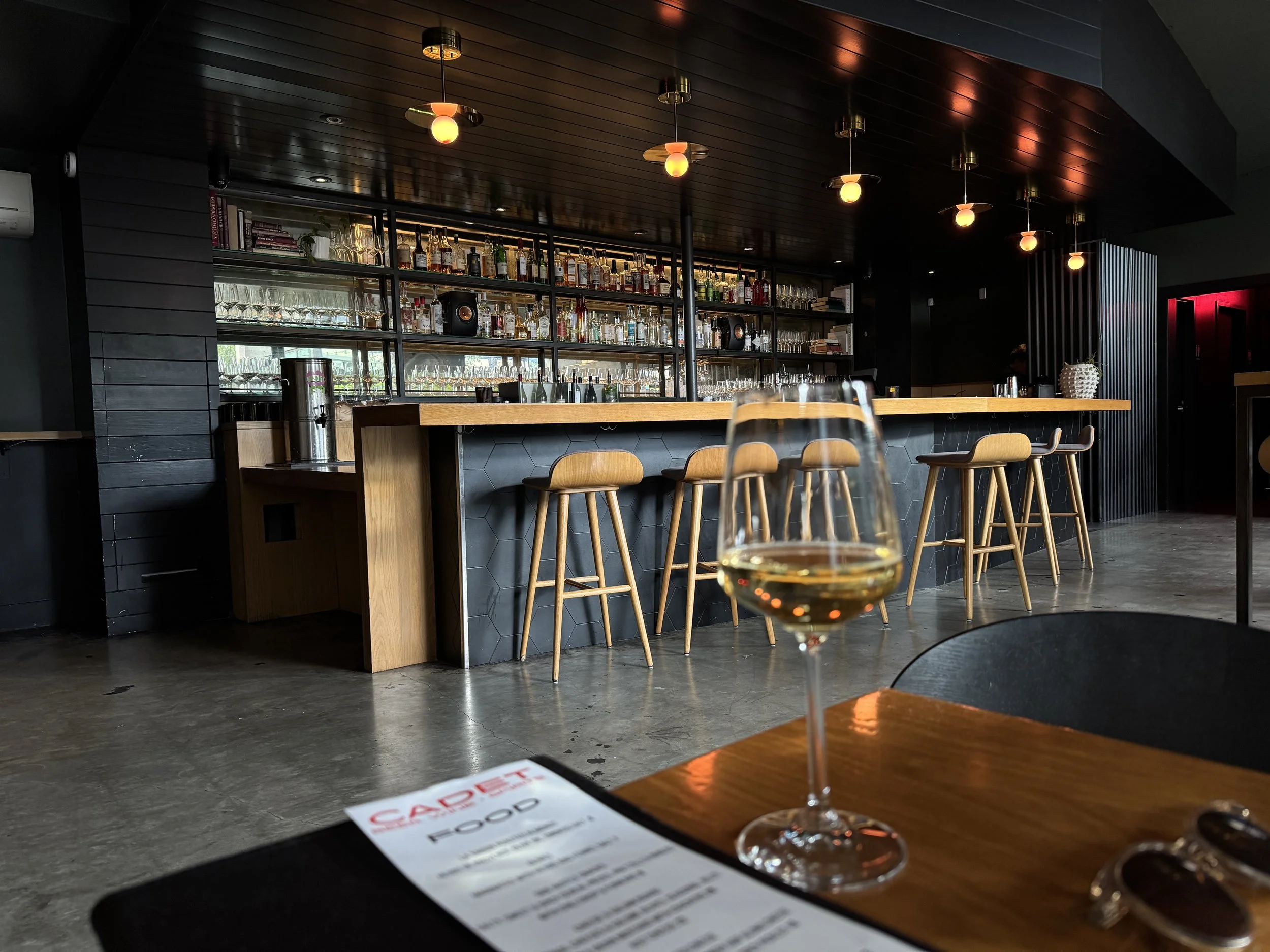
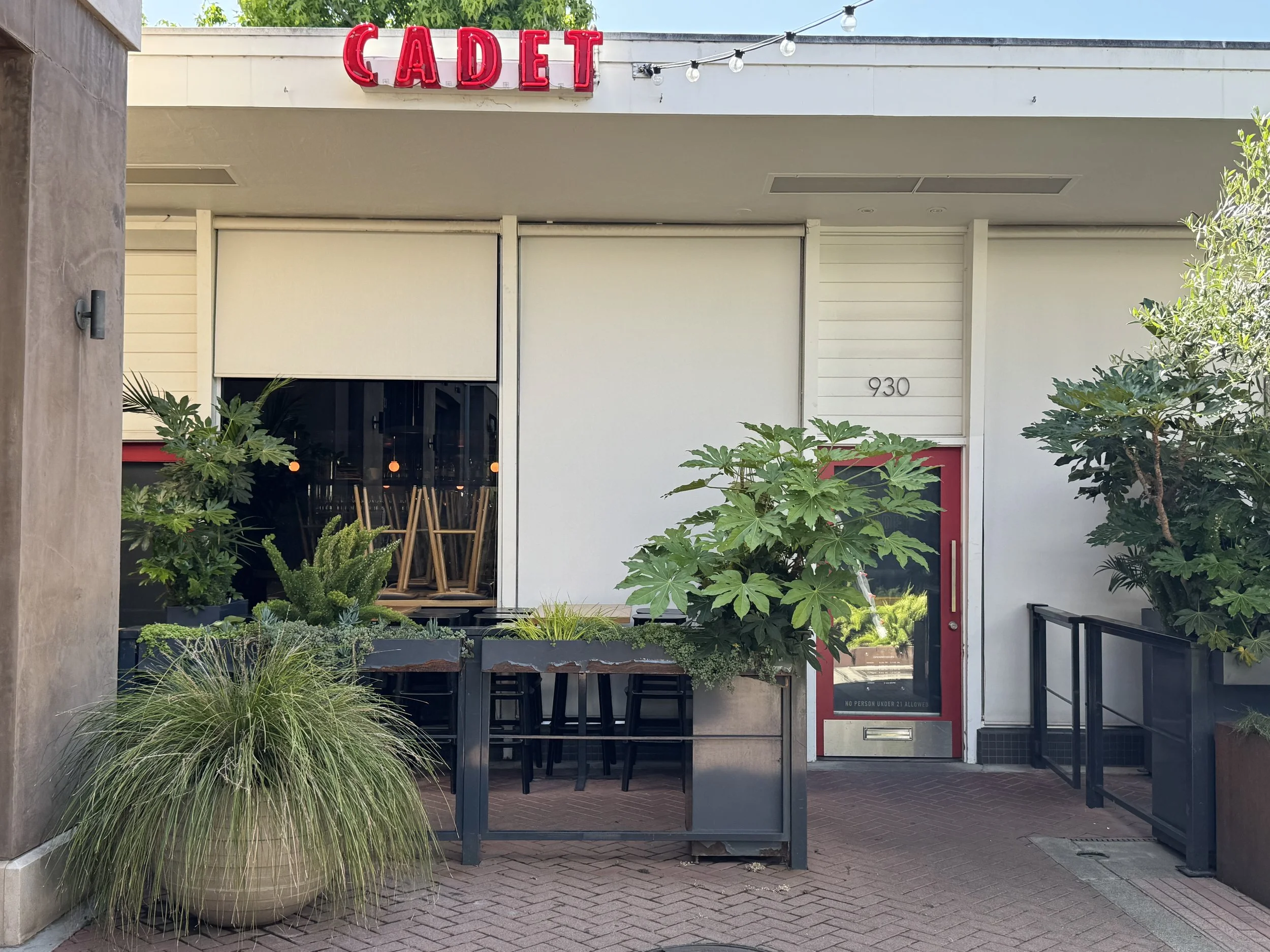
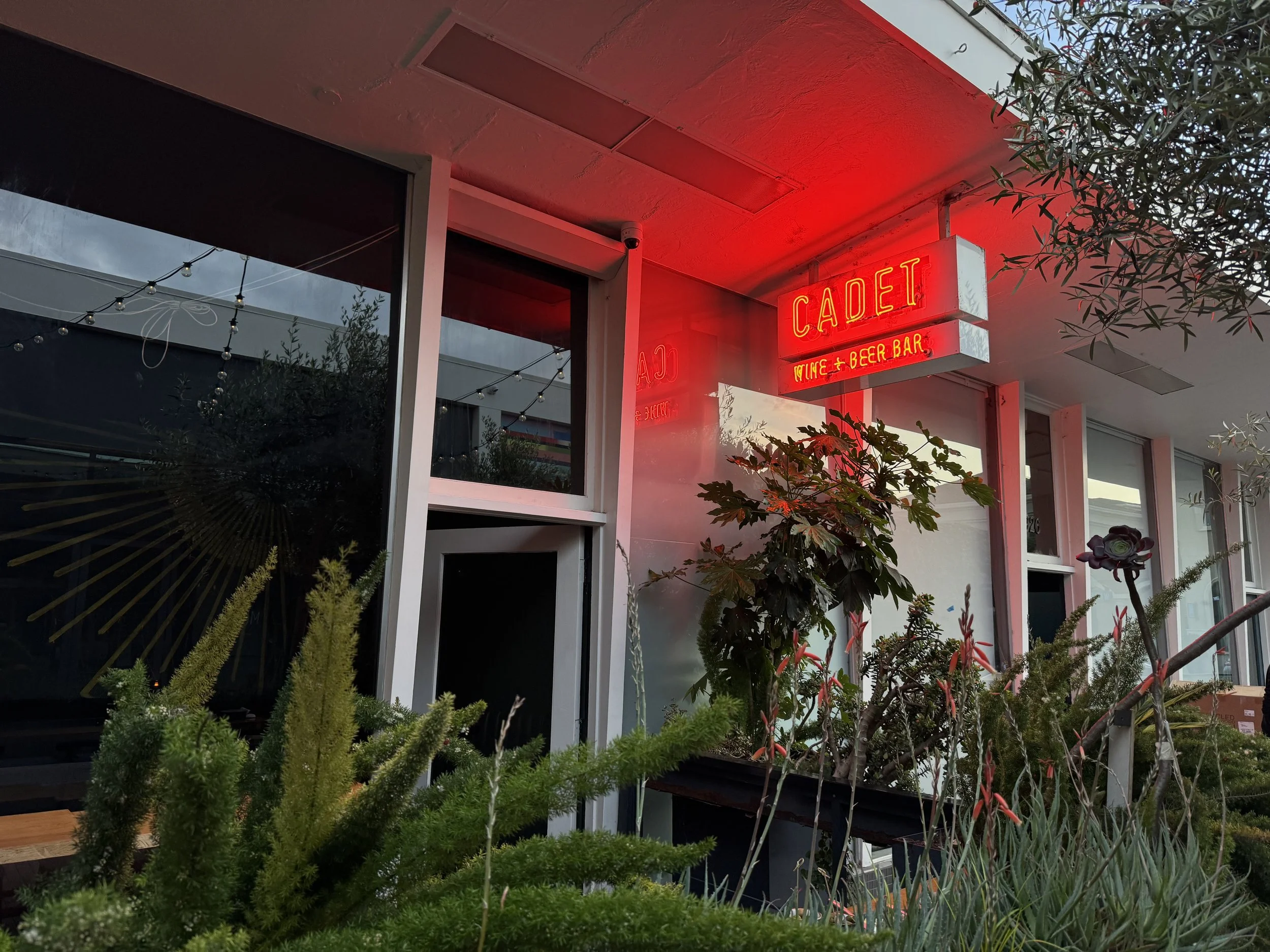
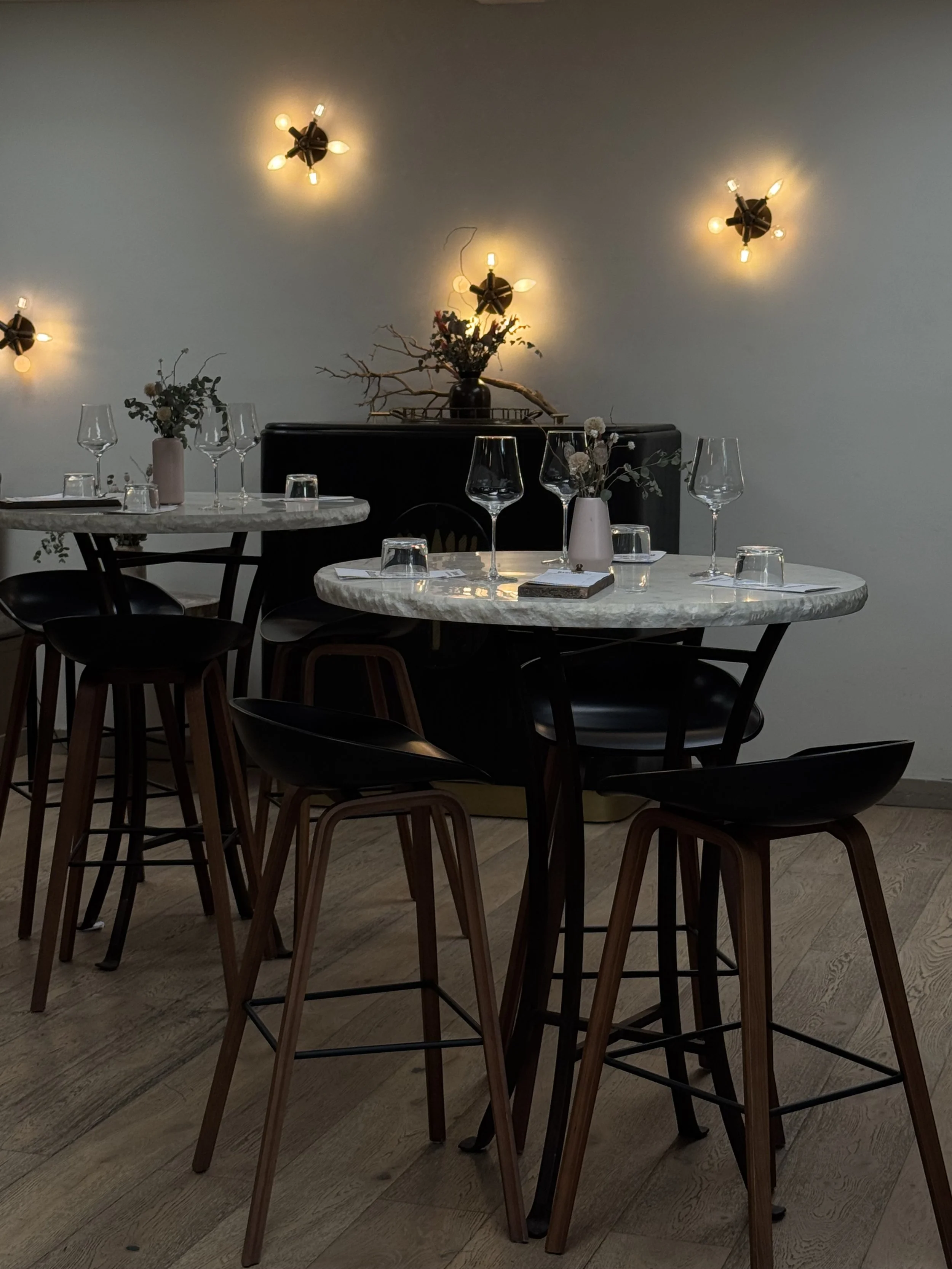
Natural-wine-adjacent in branding, safer in execution. Don’t expect to find anything crazy funky or rare here but it does it’s job of providing a great cozy wine third place well. They have a few light bites like olives and charcuterie, but best to plan this as a stop before dinner, not make it the main event.
This is our favorite local gathering place in Napa, and it has pretty much everything you could need from a fancy market with artisan goods and plentiful produce to oysters (Hog Island, which are some of the best!) and a couple great coffee and pastry spots. You can feel the buzz here, and that was nice to get a sense of the community feel amidst the many acres of vineyards.
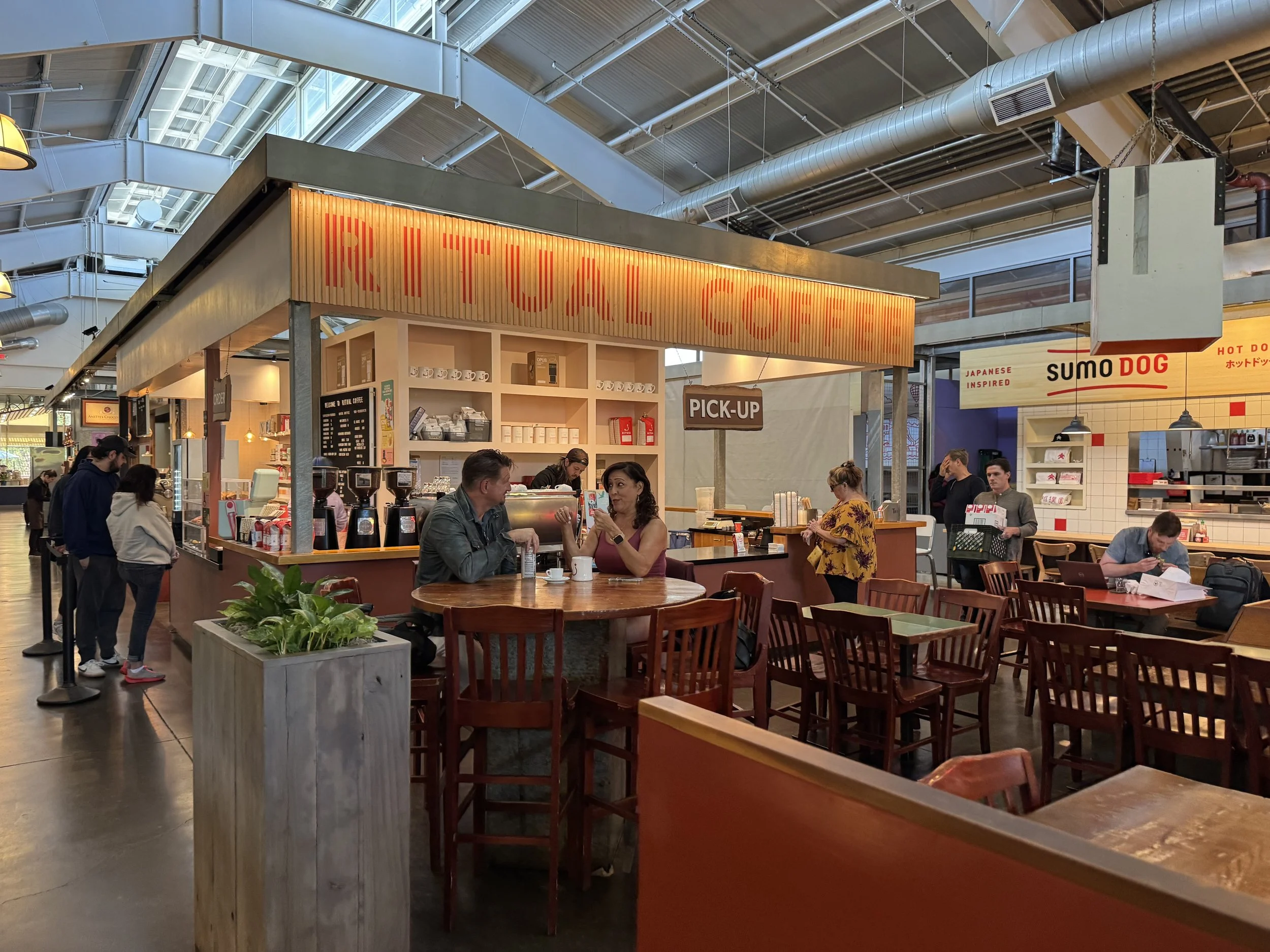
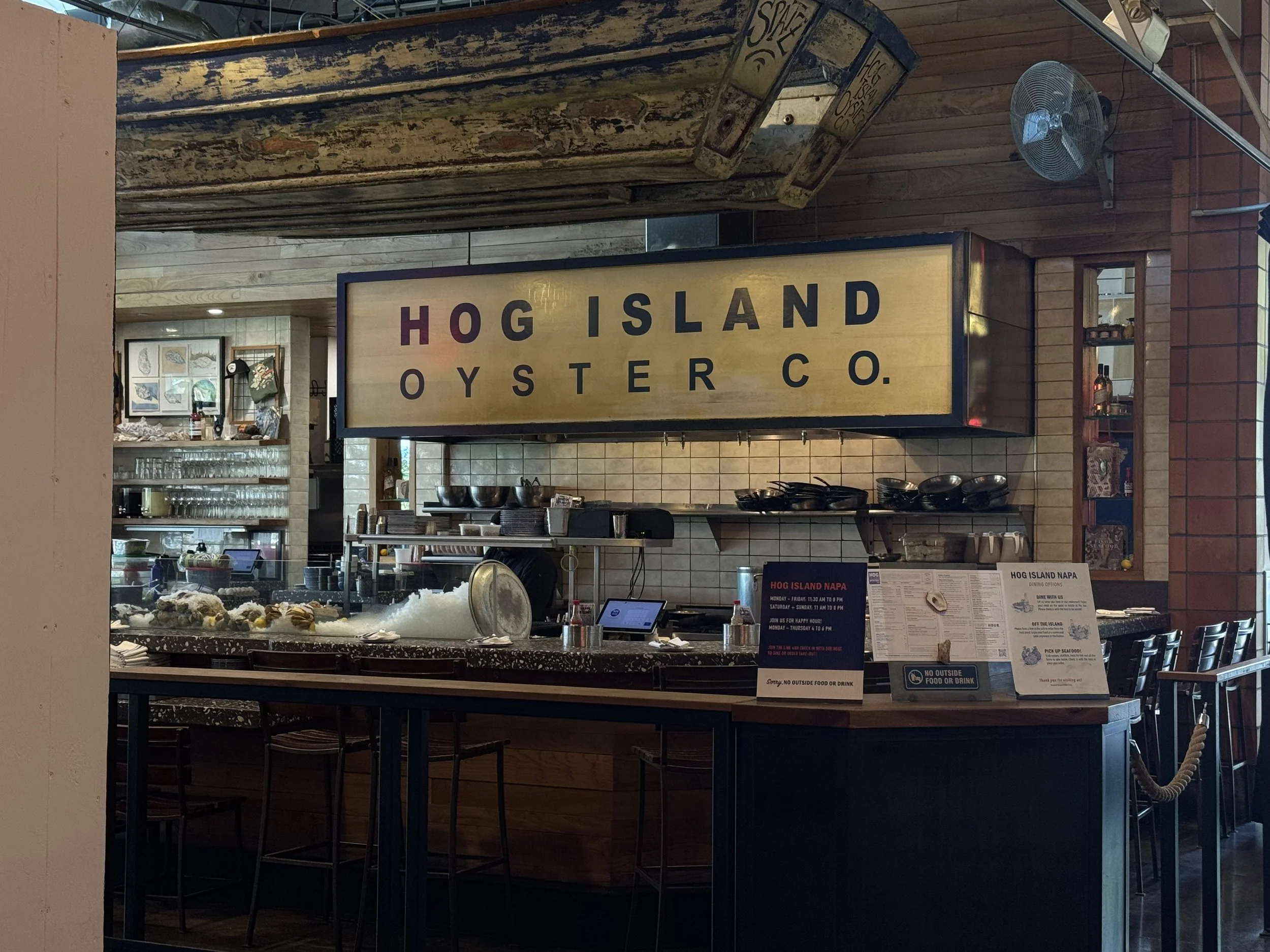
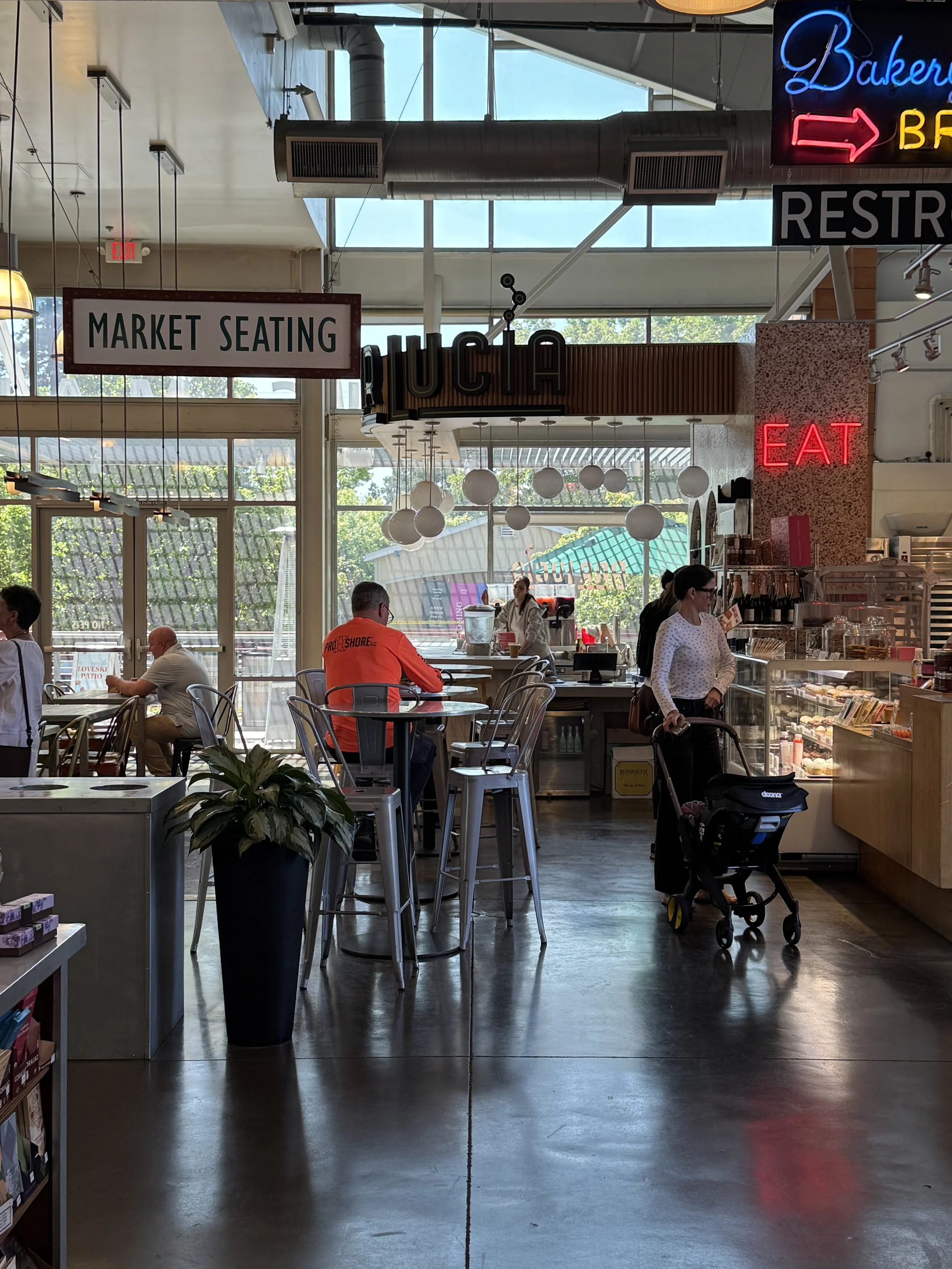
TLDR; this was the Napa stop I would absolutely keep. It worked as a hub, not a centerpiece, and in that role it was one of the most useful stops of the trip.
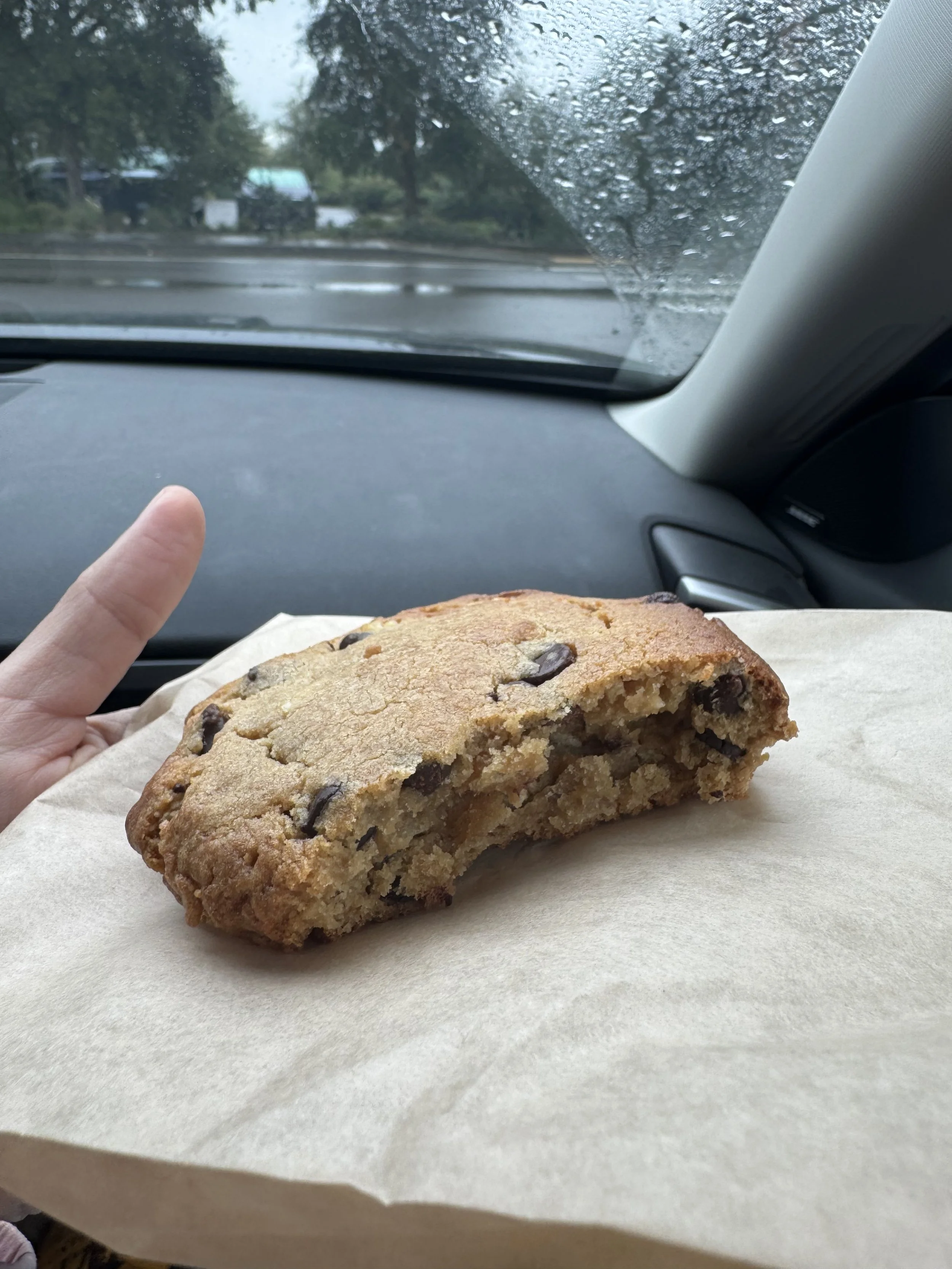
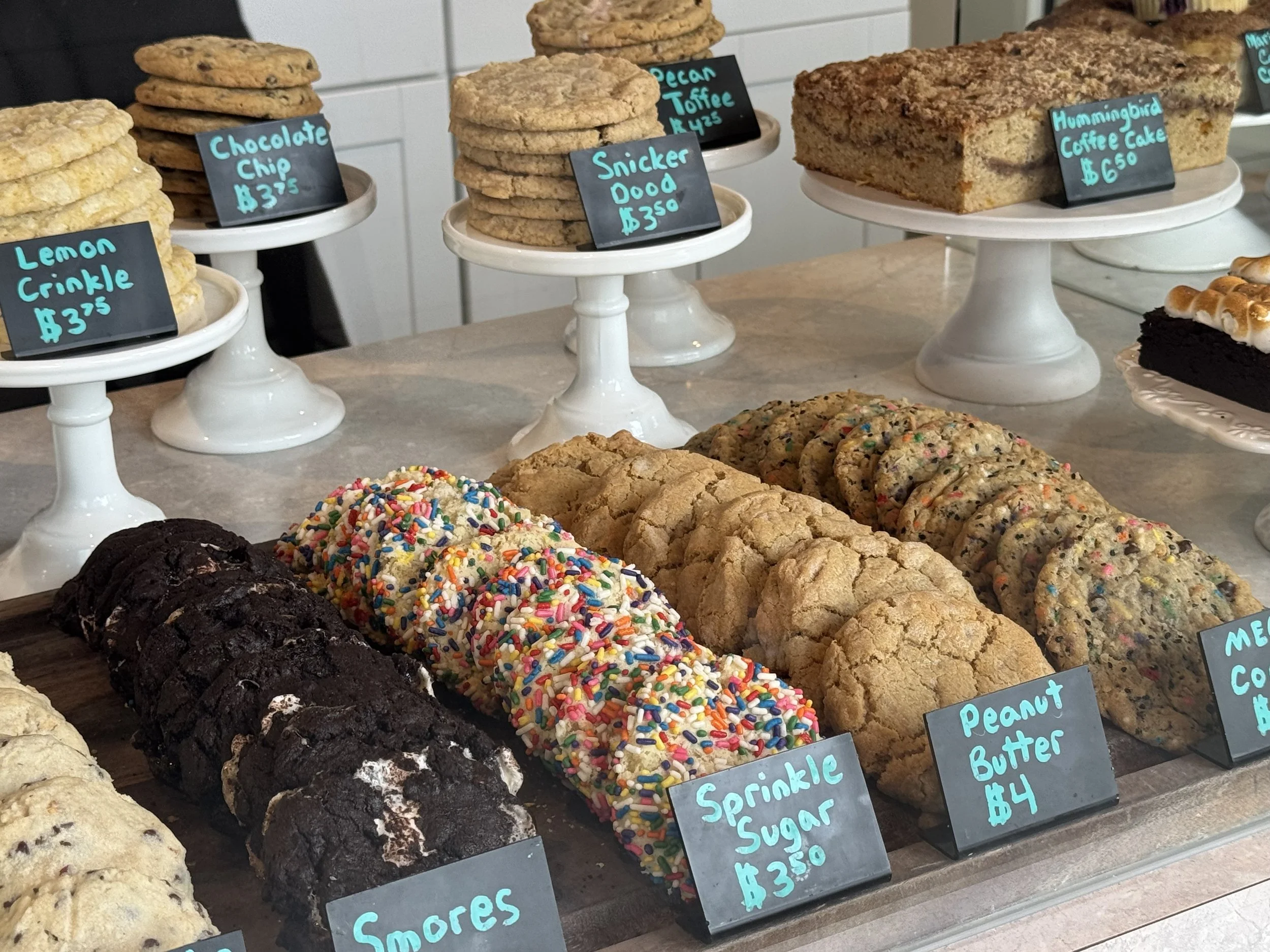
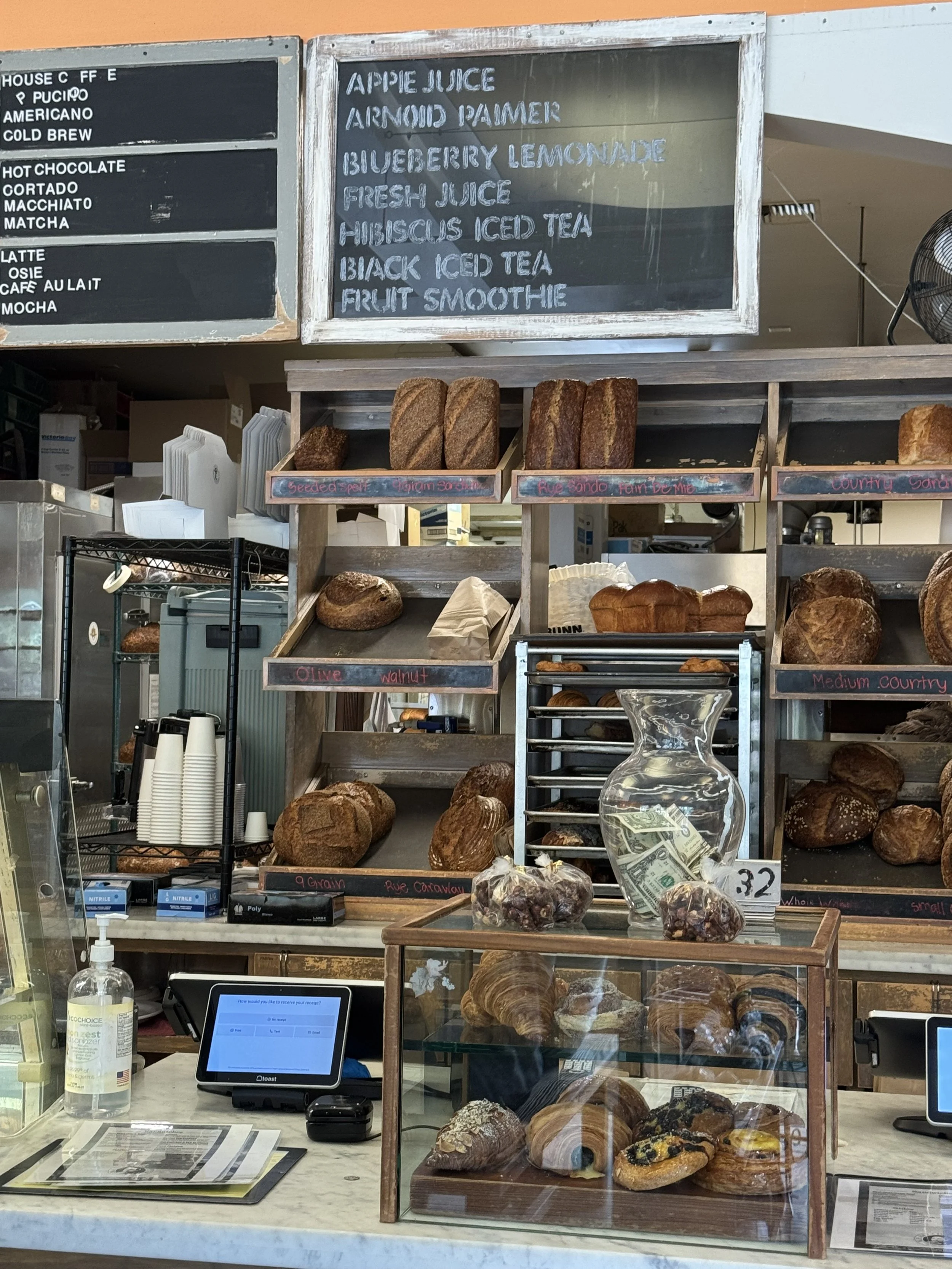
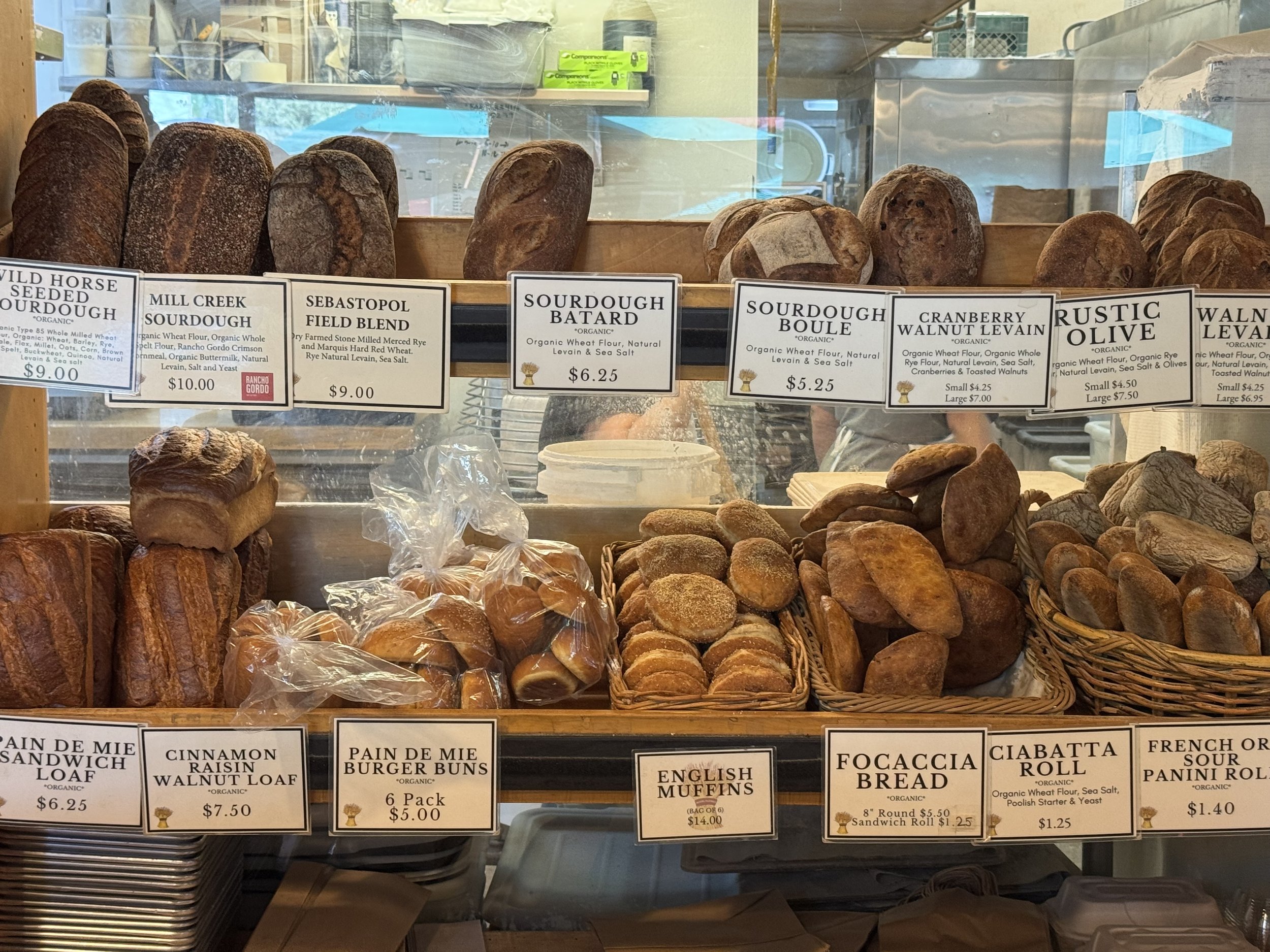
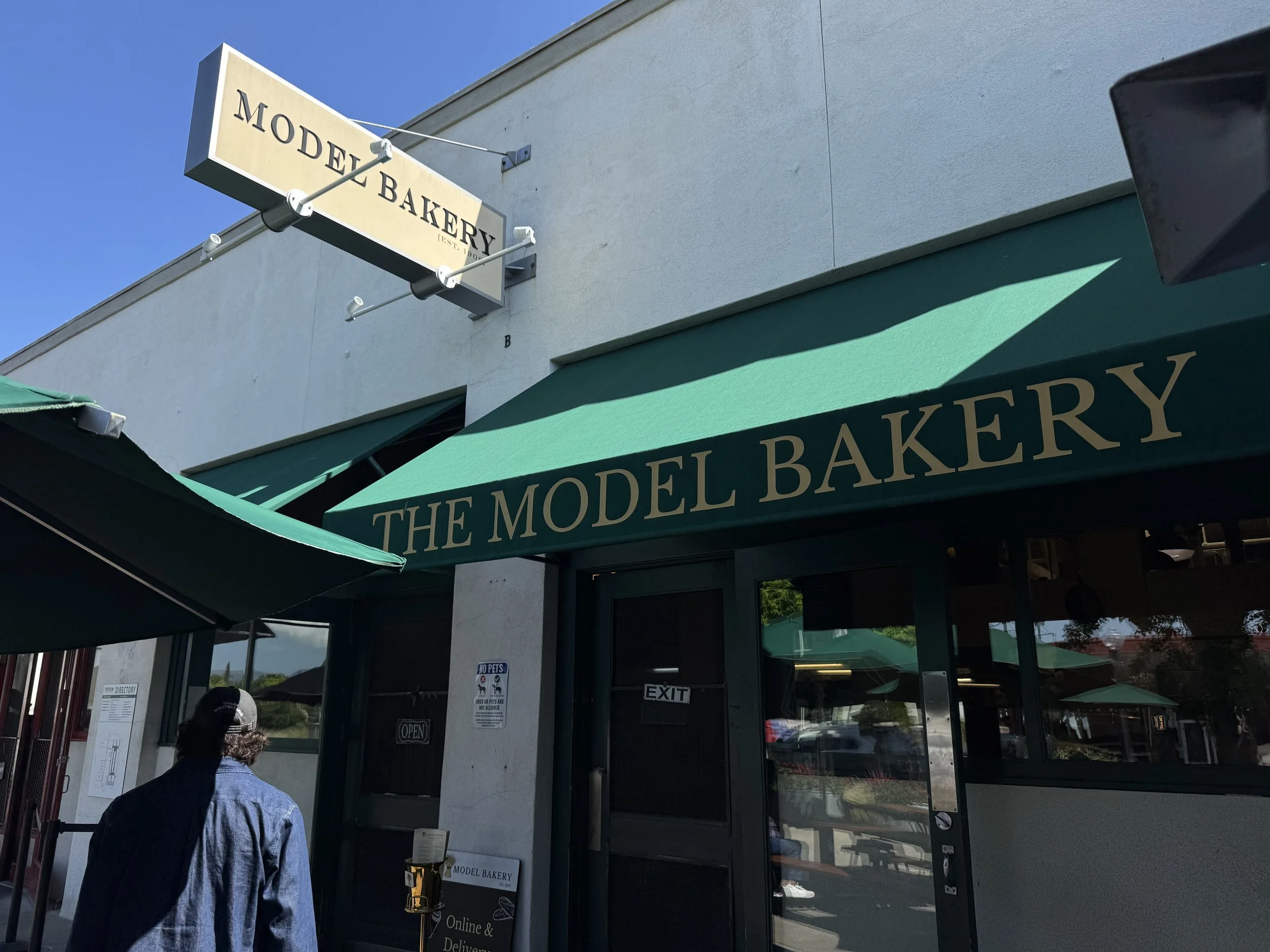
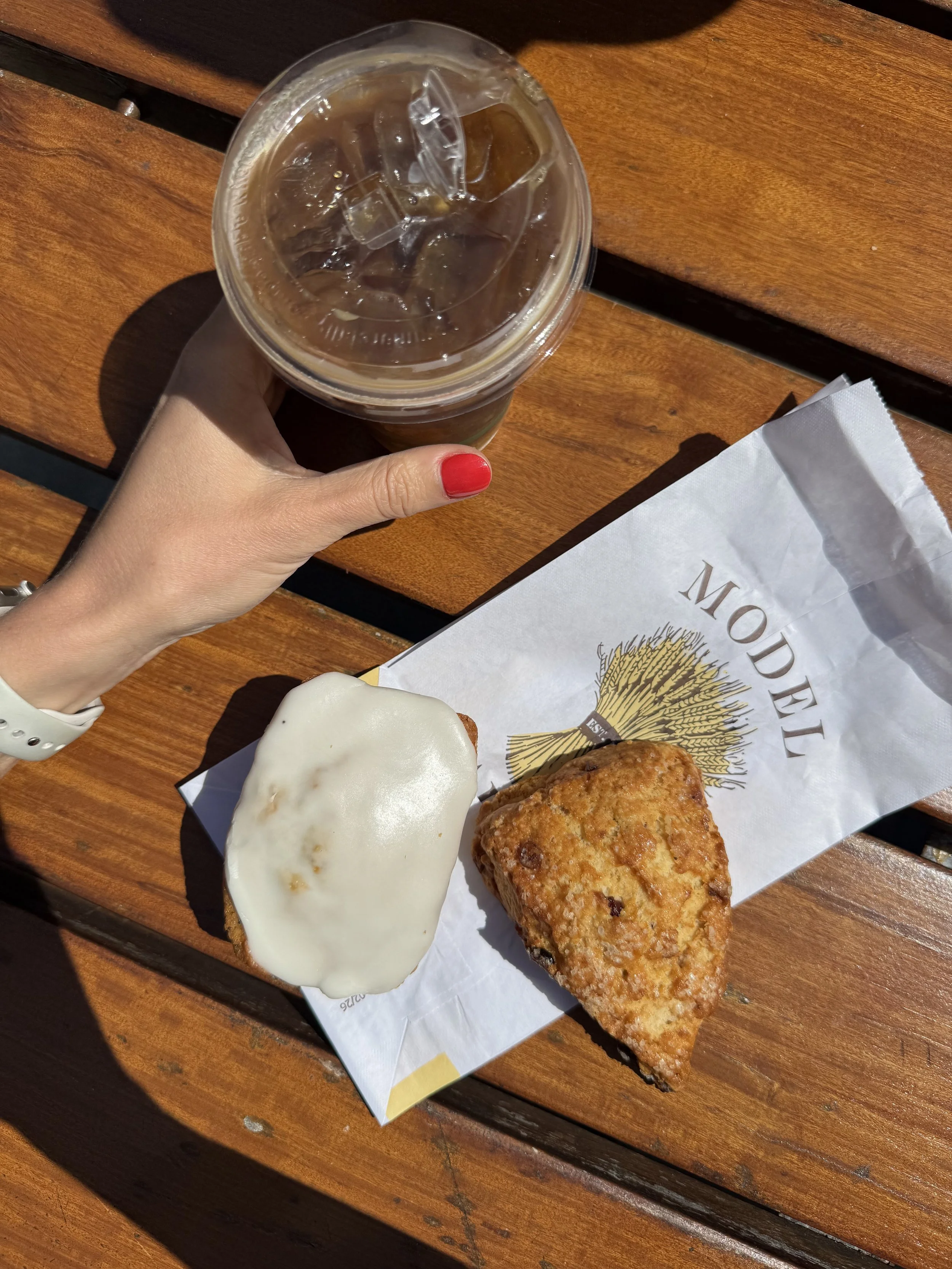
The Model Bakery has long been a Napa mainstay and for good reason. It’s rustic and rough around the edges, which is exactly what we love in a bakery. Their selection of daily baked breads, english muffins, and pastries was plentiful - and we highly enjoyed the scone and lemon bread with a large cold brew. Don’t overthink it, just go.
Other Great Stops in Napa/St Helena:
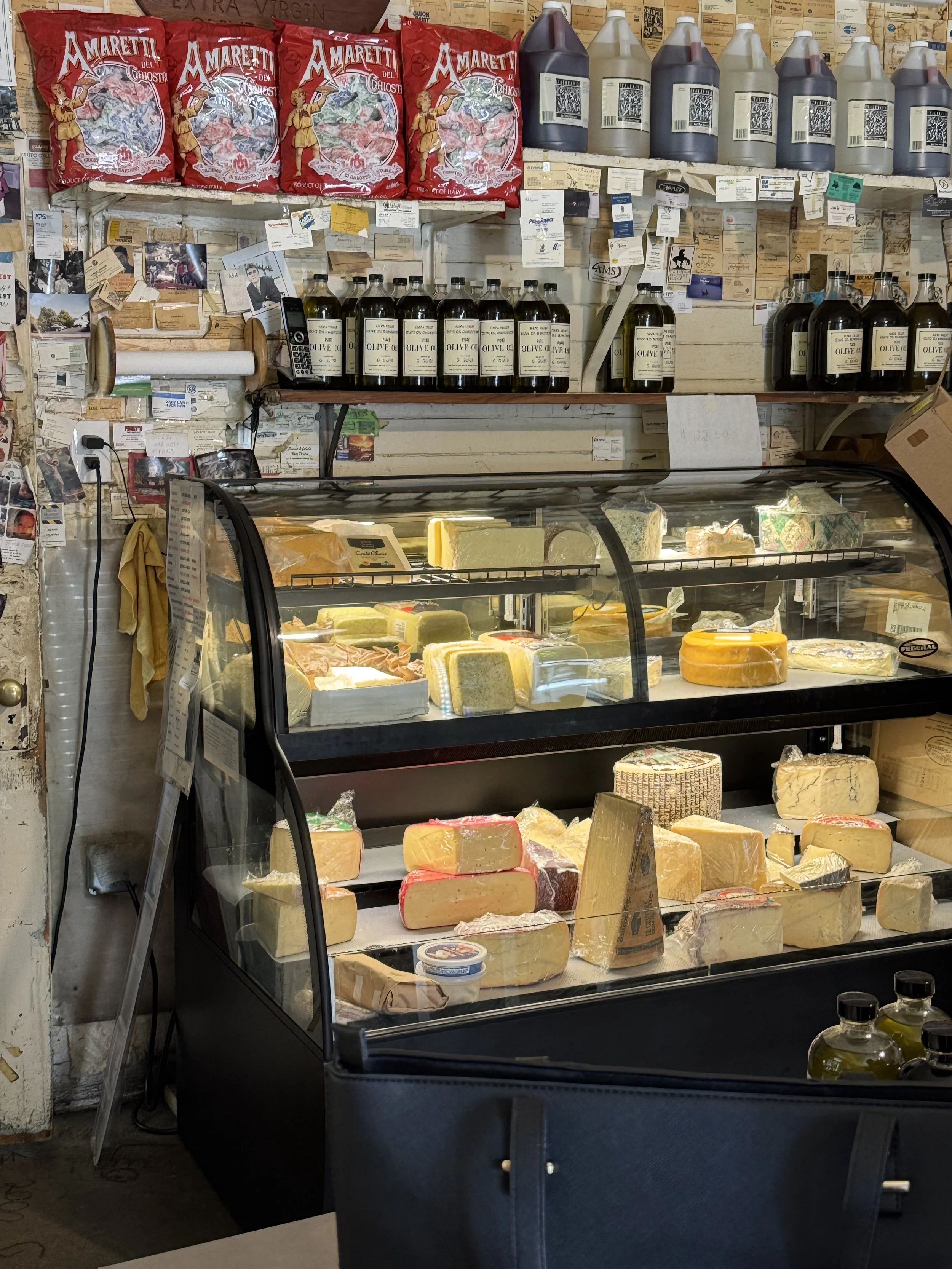
Napa Valley Olive Oil Manufacturing Company
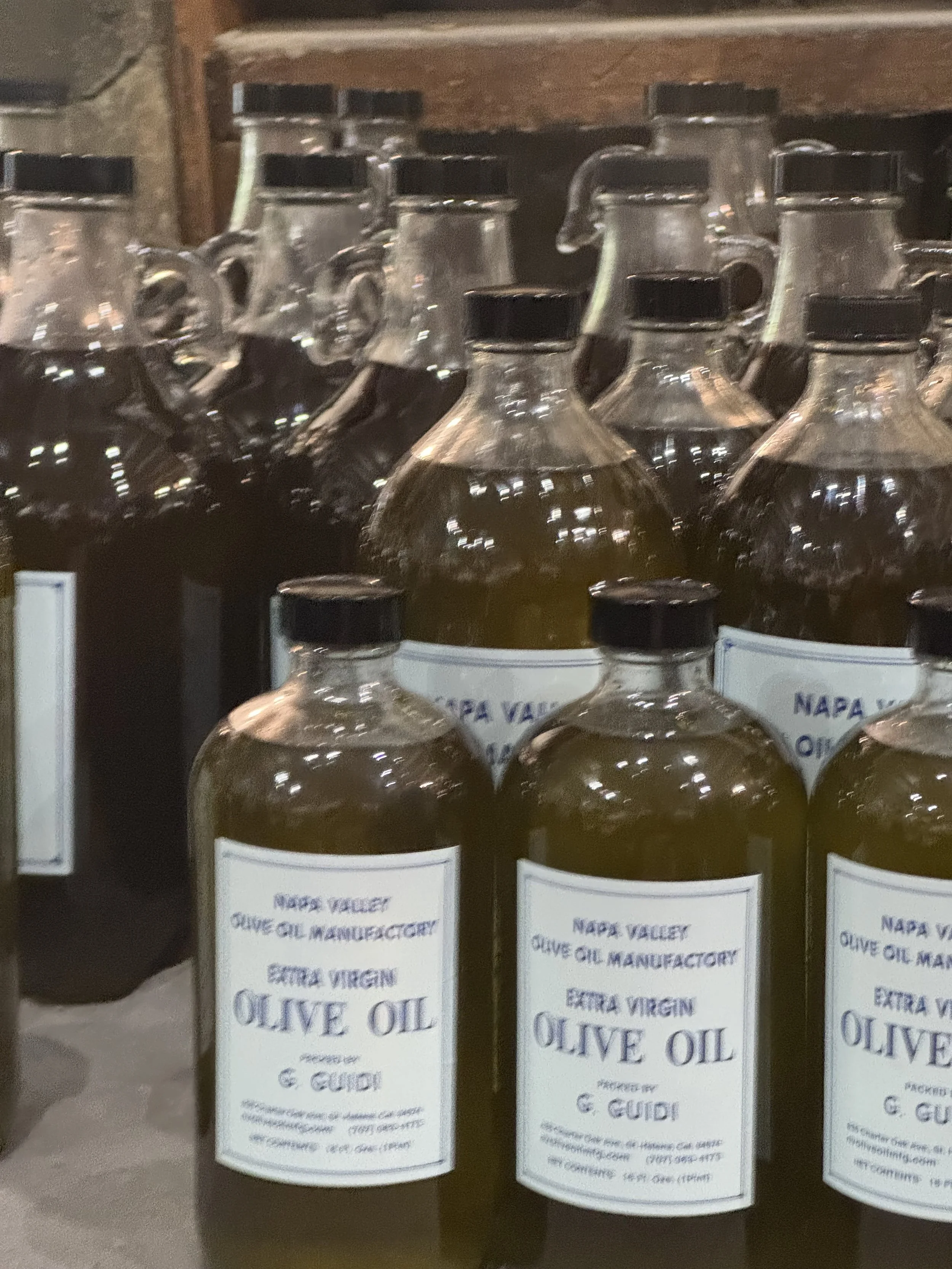
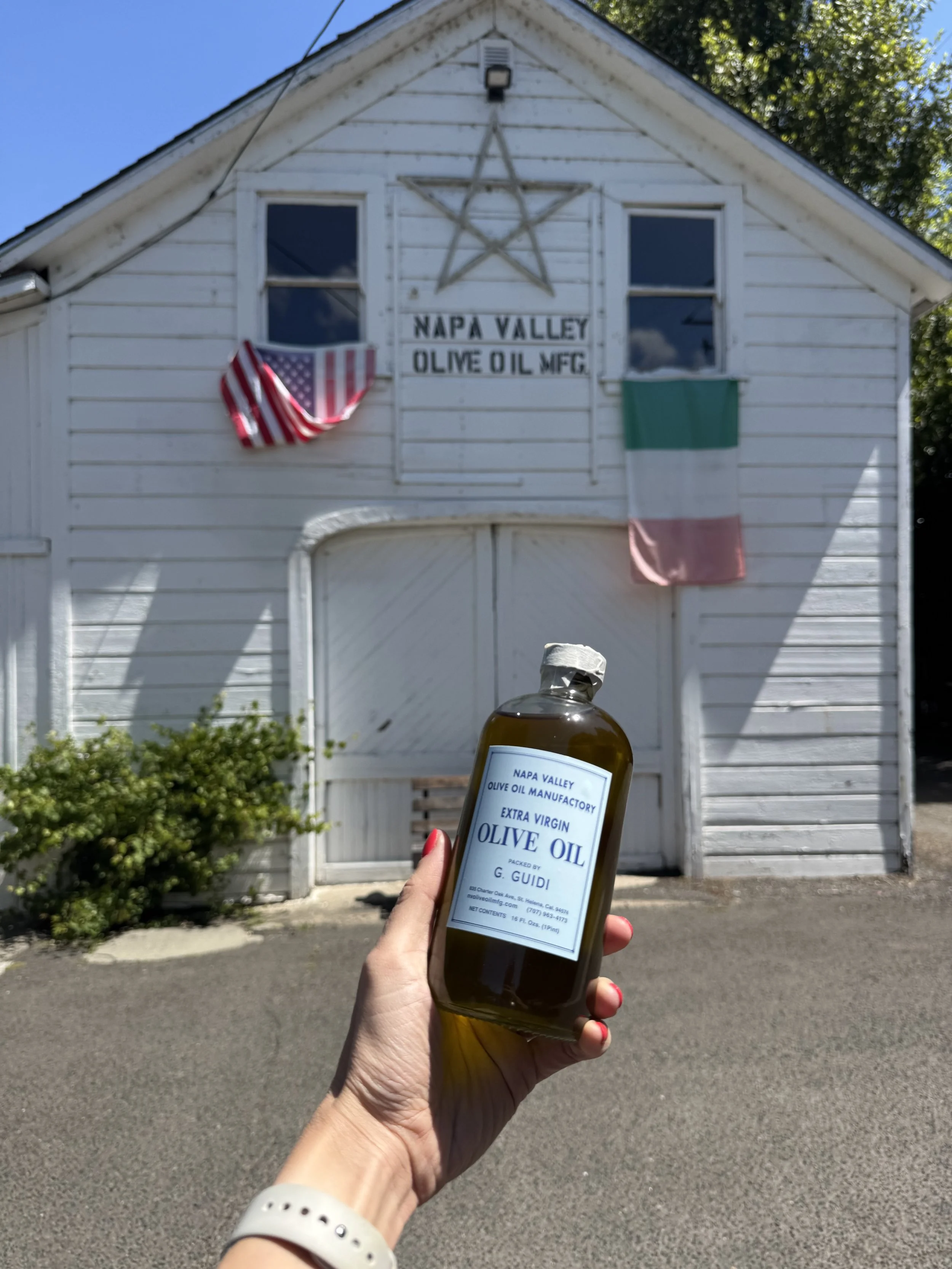
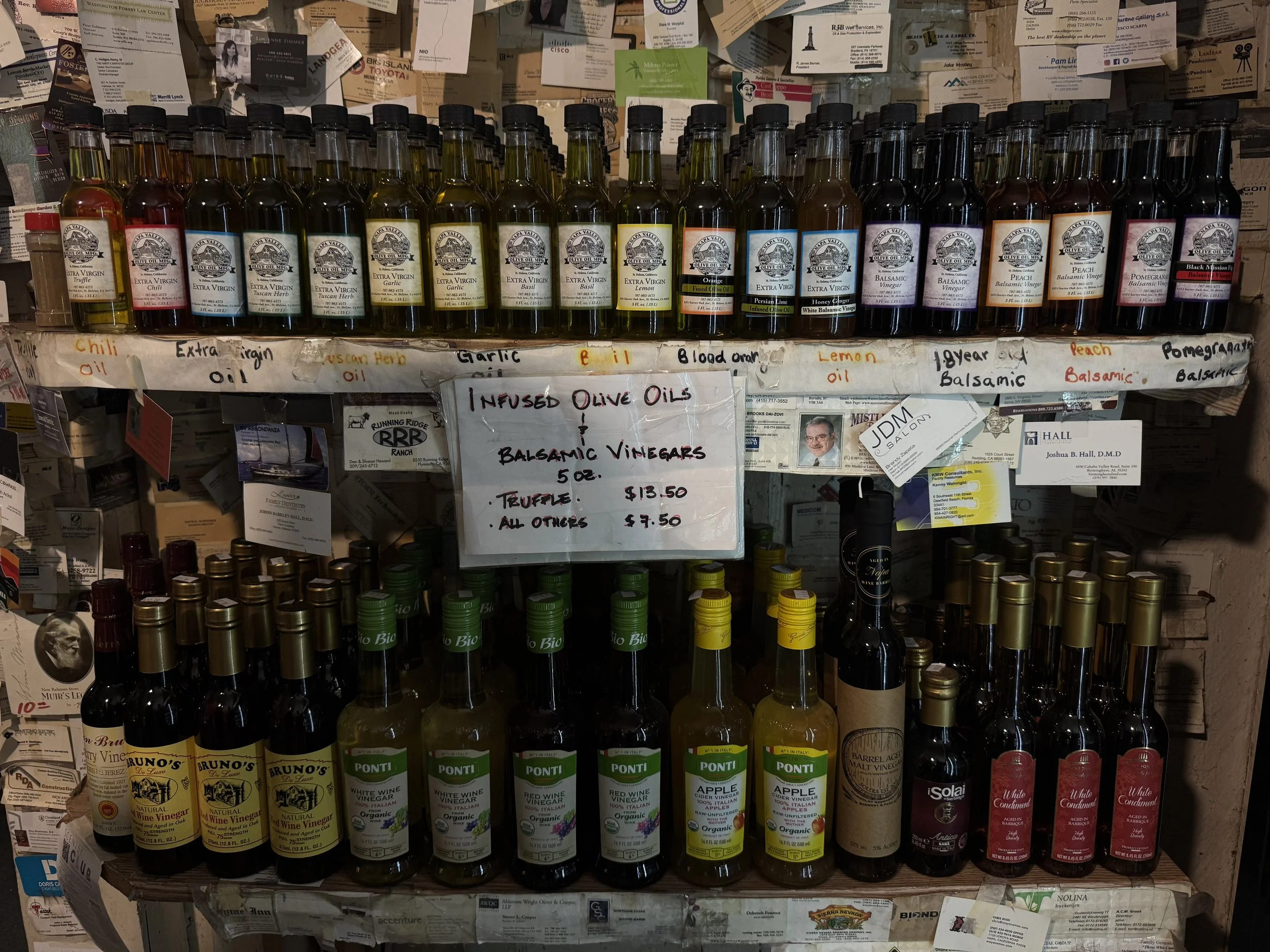
What an incredible, worthwhile stop this was! This very sweet little shop an Italian grocery store hidden away on a back street of St. Helena, California. Founded in 1931 by Italian immigrant Gugliemo Guidi in St. Helena, the Napa Valley Olive Oil Company (now Manufacturing Co.) began as a Northern outpost for Italian goods, operating out of an 1890s barn. The family-owned business, operated by the Particelli family since the 1960s, shifted from local, onsite oil production to sourcing olives from the Sacramento Valley in the 1970s due to disappearing local groves. What a pleasure it was going somewhere “old” as a contrast to all of the newly developed places in Napa. Loved how they sold the olive oil in apothecary bottles as well - a great gift for friends/family or yourself, to bring home!
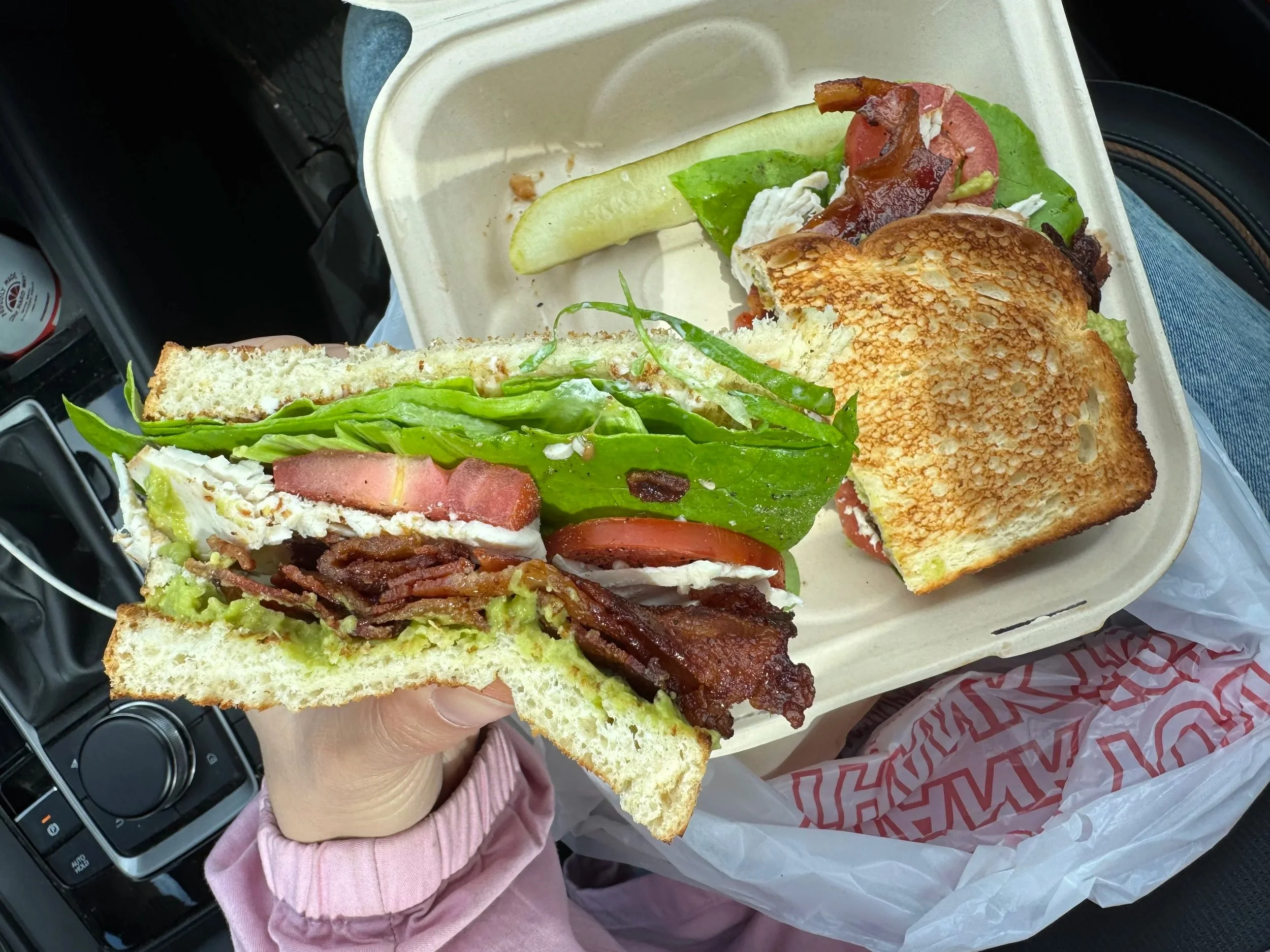
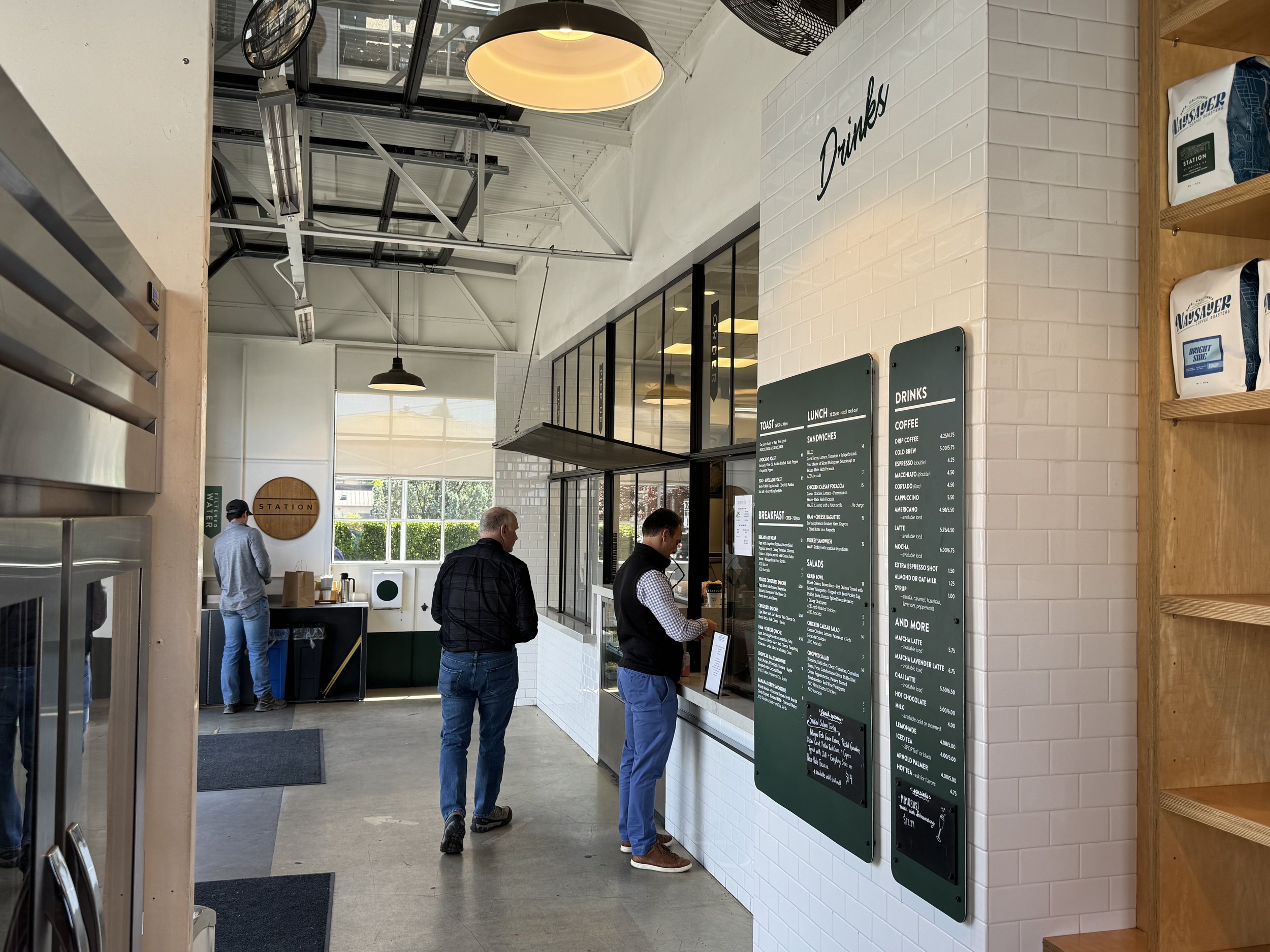
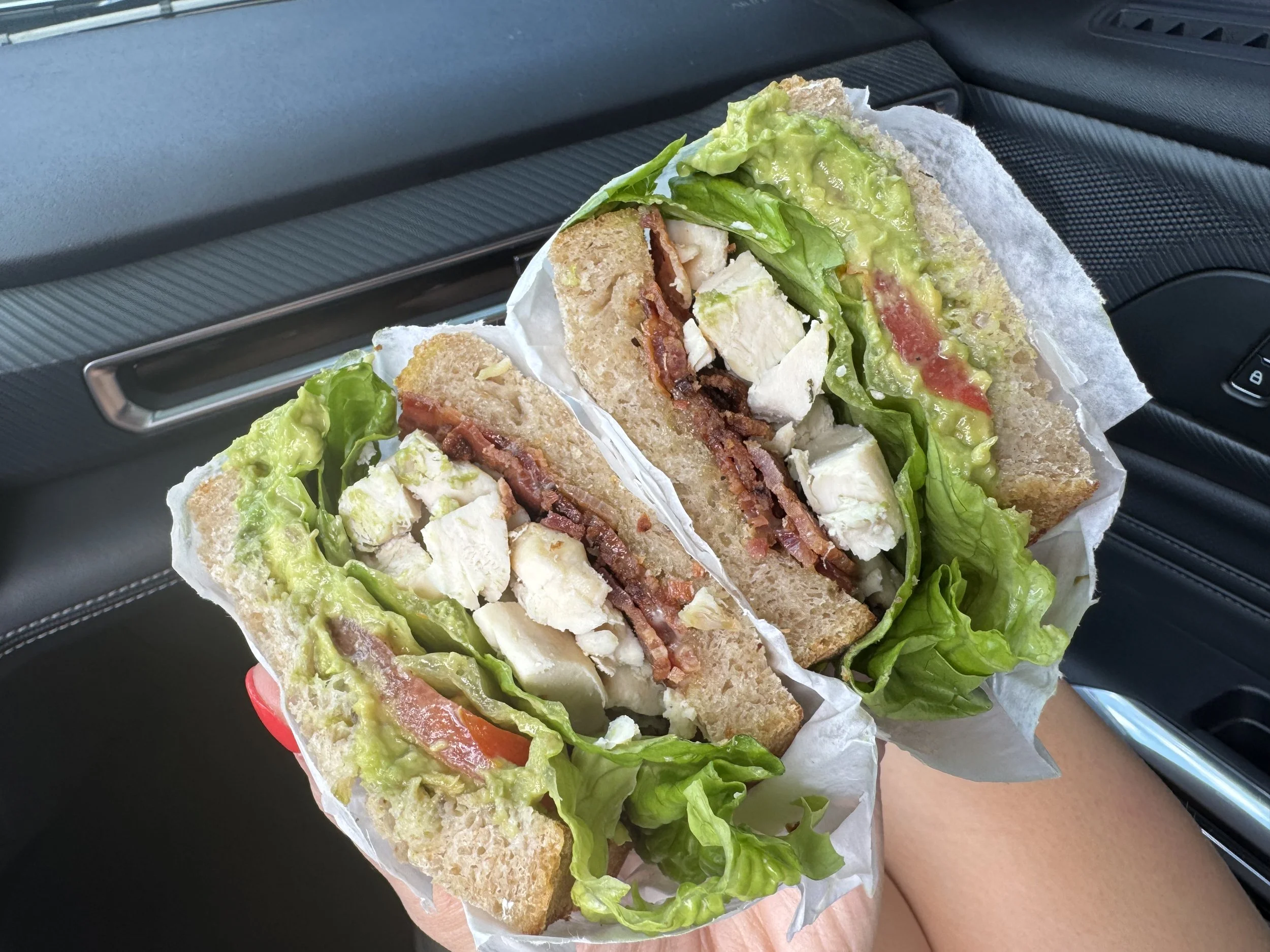
We noticed a recurring theme of great coffee shops and/or wineries finding their homes in old garages or train stations. What a great way to repurpose the real estate, in my opinion! Founded in 2019 by fourth generation vintner and St. Helena local Joel Gott (also owner and founder of Gott’s Roadside), it serves as an awesome hub to fuel up for adventures. We ordered the club sandwich and added chicken and it was a hit that kept us fueled through a full day of driving and hiking!
Where to stay in Napa
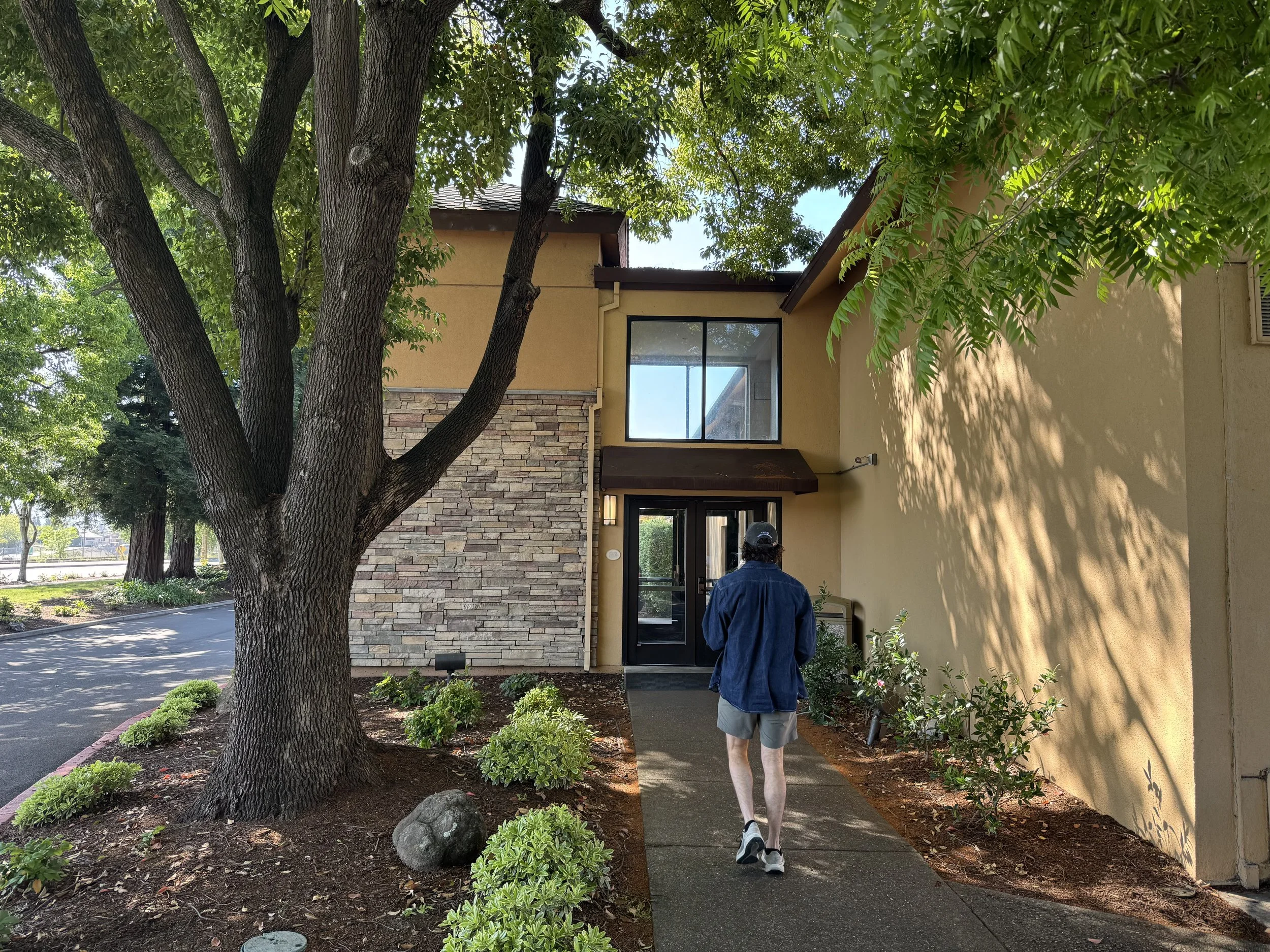
We checked into the Napa Marriott, which was shockingly cool for a Marriott in a way we didn’t expect.
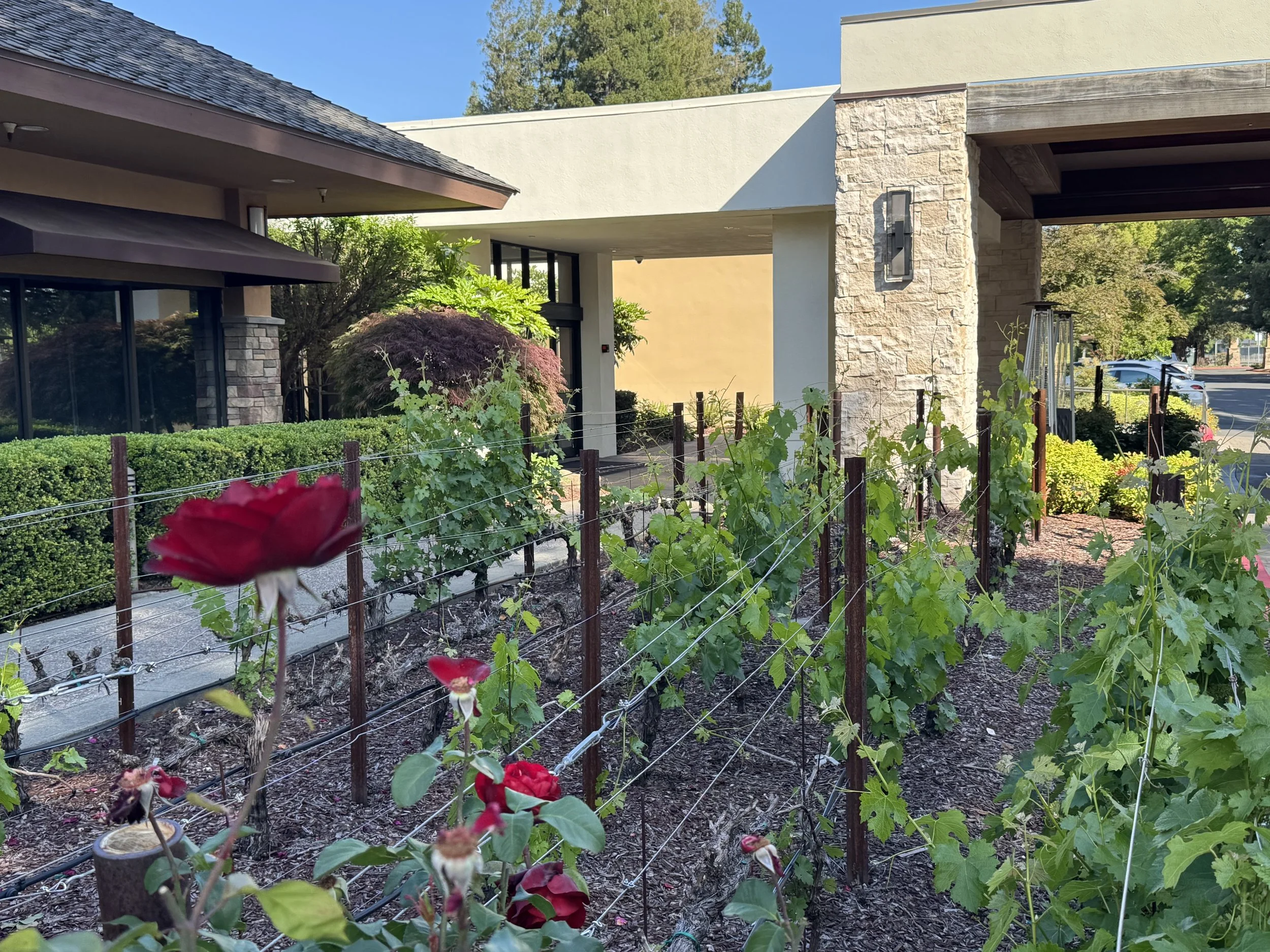
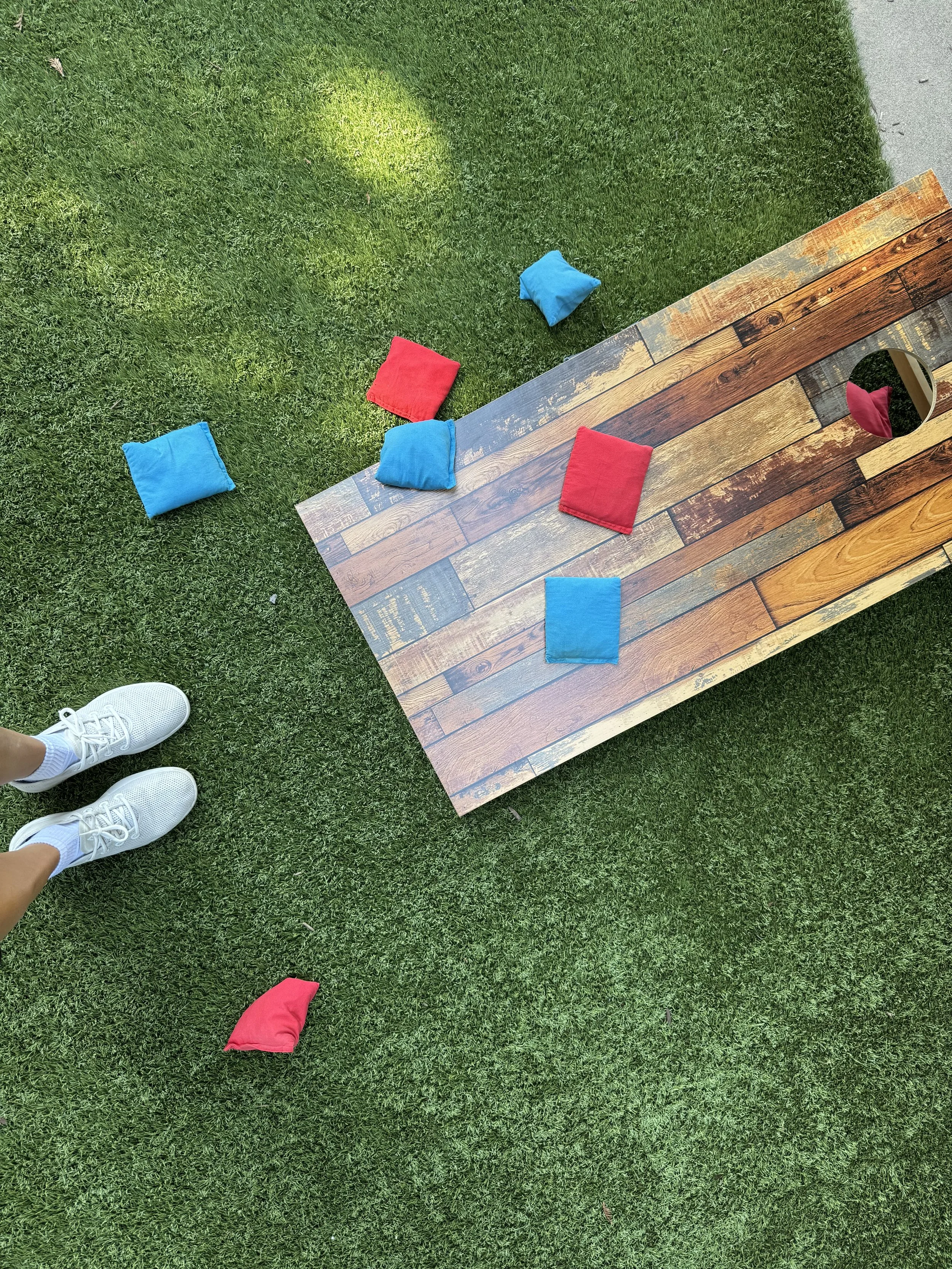
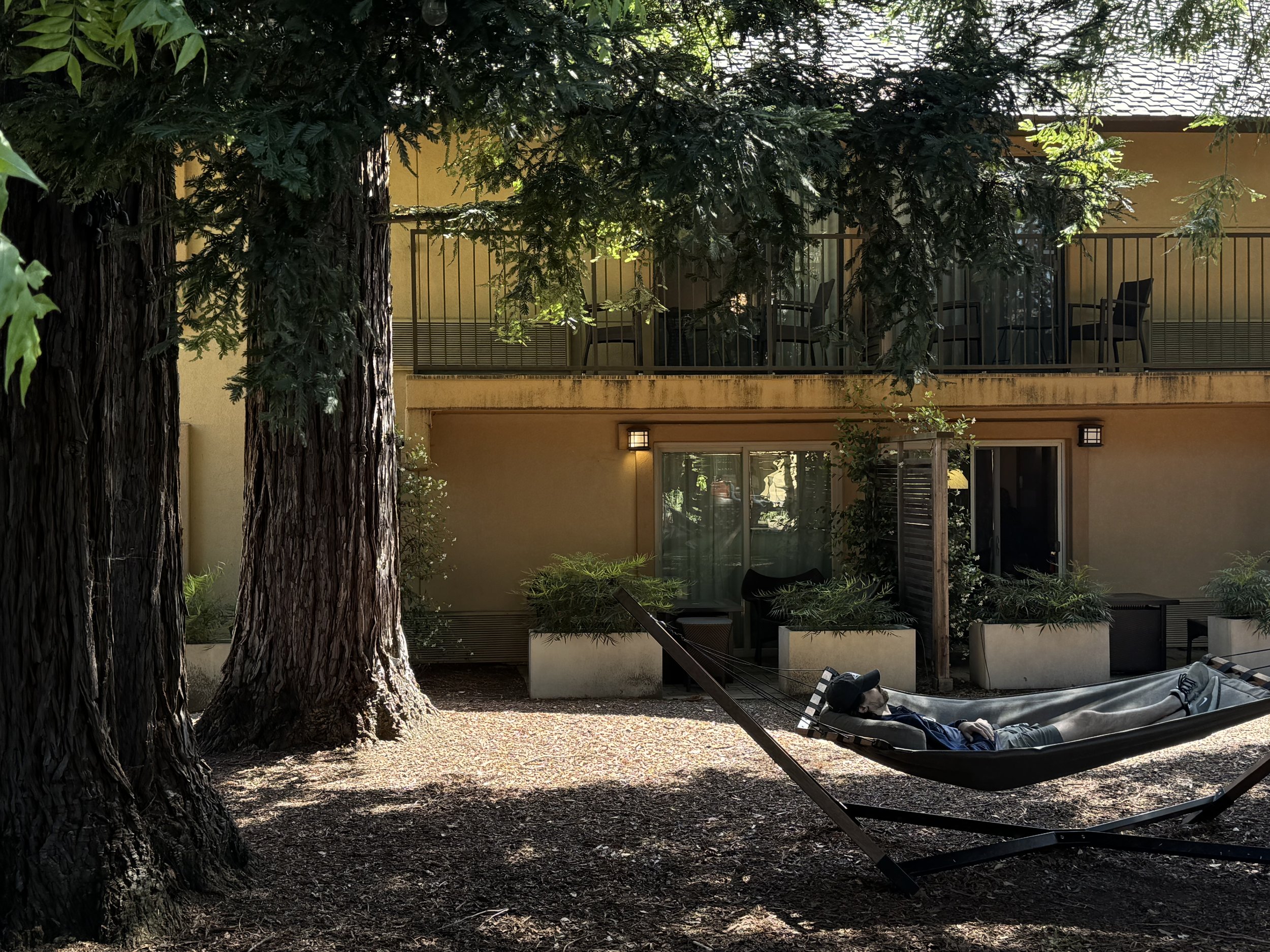
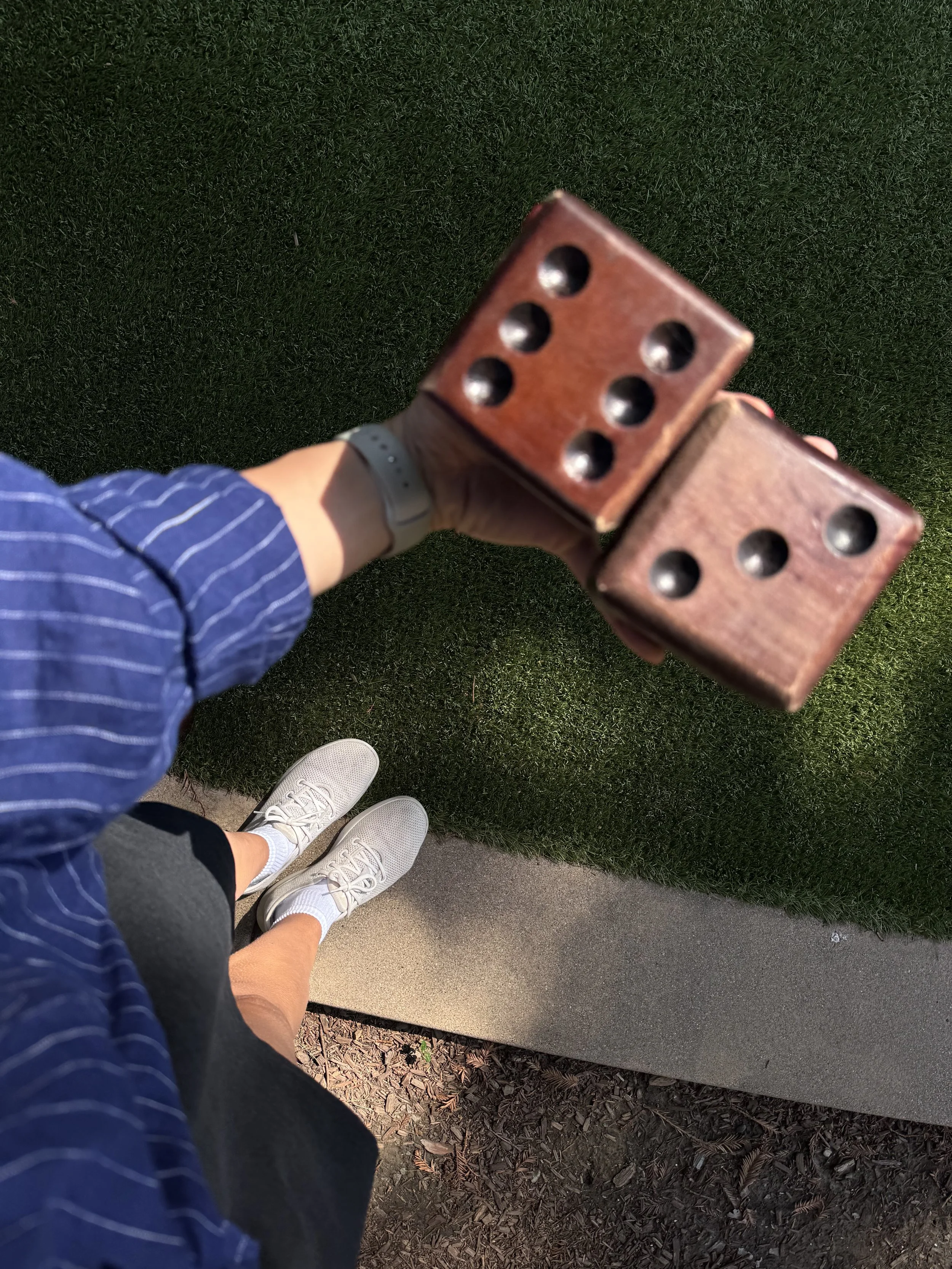
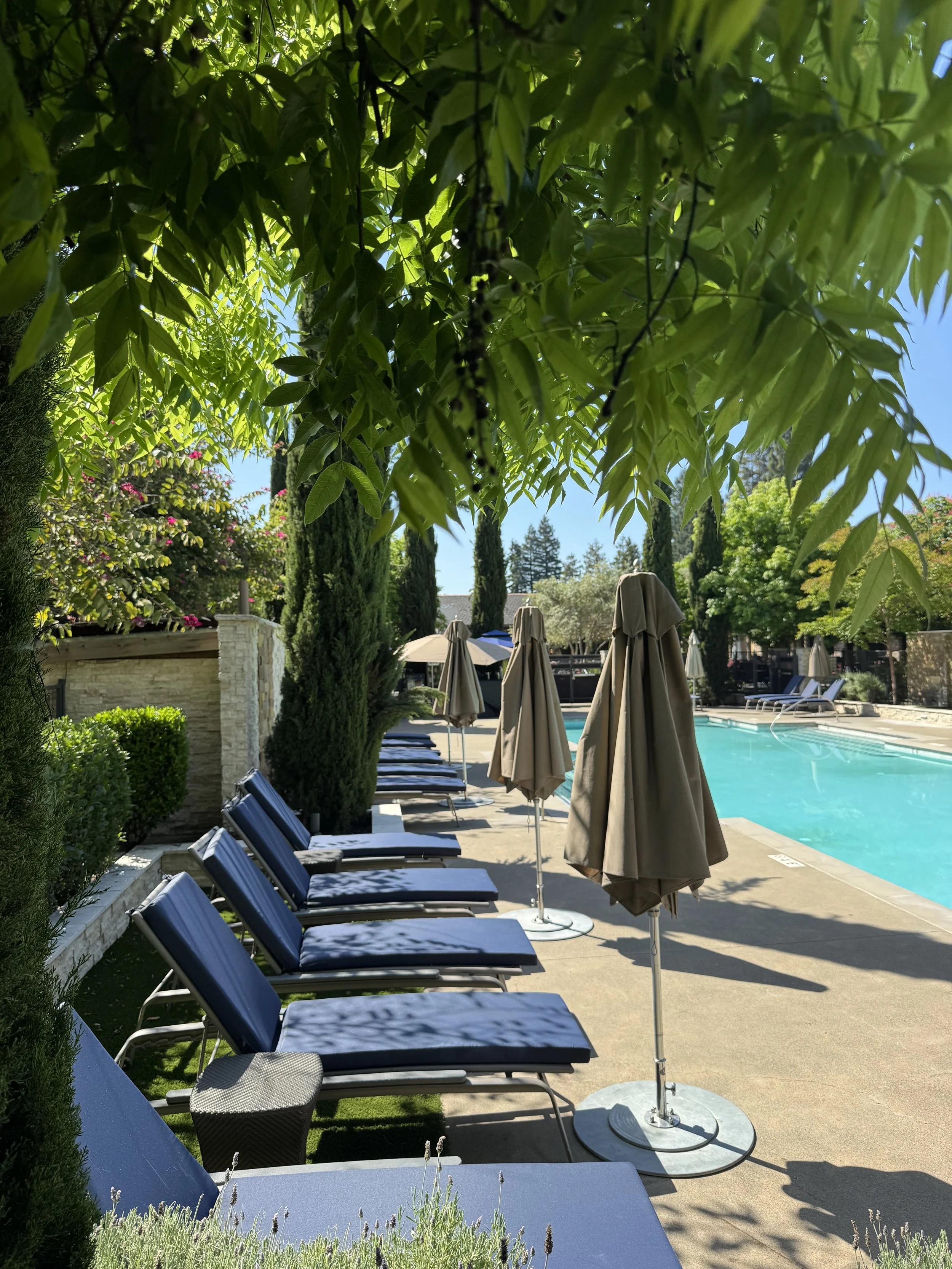
When you drive up, there are vineyards in the front of the property, which truly sets the tone for where you are in the world. There is a huge amount of cool, trendy and woodsy outdoor space centrally located on the property with hammocks and outdoor games to be enjoyed fireside. The spa and pool are worth loafing in for a few hours, and we were pleased to find that they also had bike rentals available to guests for scooting around town. Now that’s our style of travel!
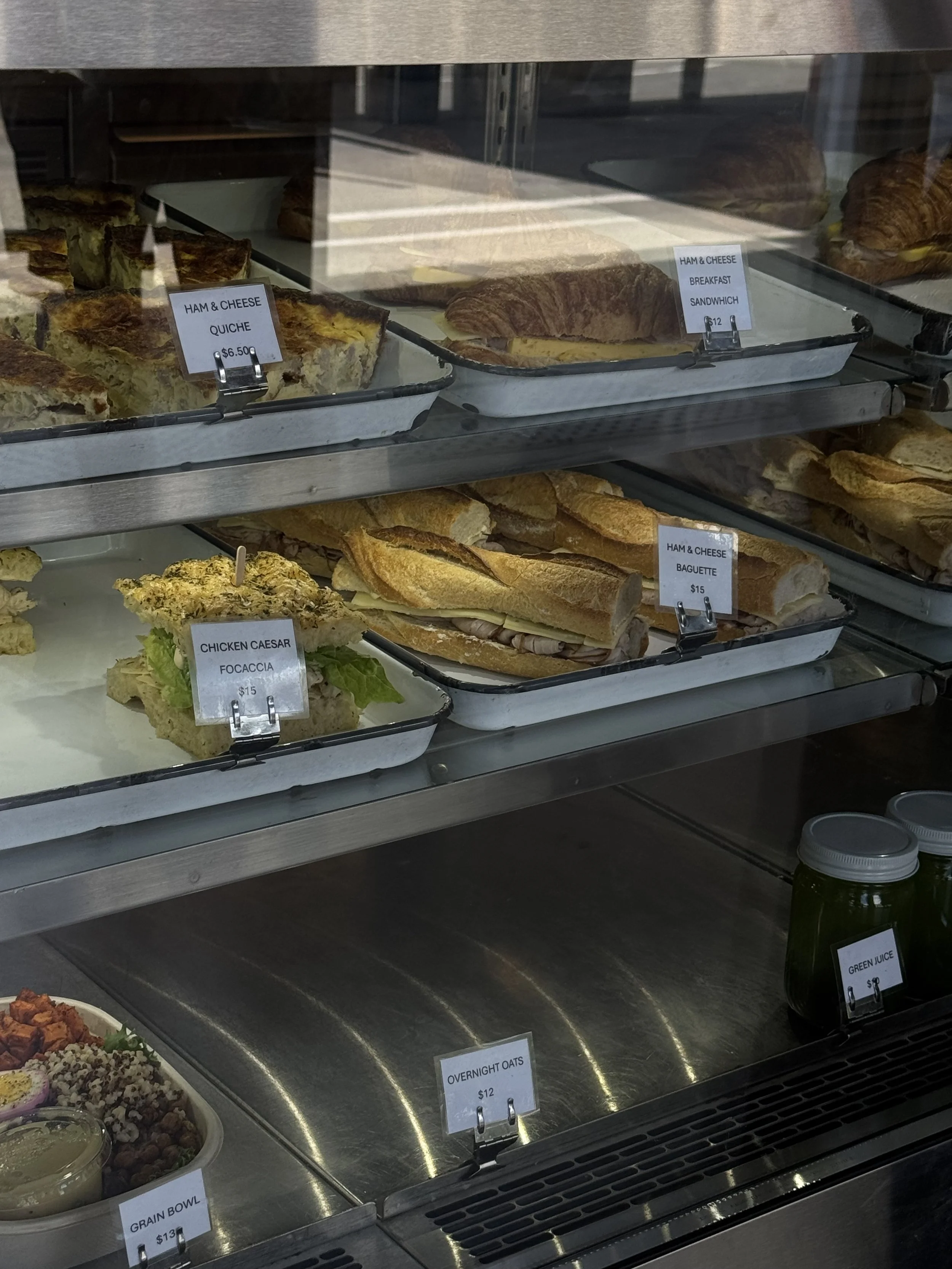
We also had breakfast and snacks at the M club included in our stay which was an excellent way to get a hearty start to each day of adventures… we loved the coffee and rotating menu of protein sources + a few pastries to take away. A very solid choice of a stay and was central to absolutely everything we needed.
Sonoma: Incredible Meals & Outdoor Adventures
We had planned to do an evening at Valley Bar but didn’t find a chance so will need to go back. We also favored more casual options on this trip, so opted for Michelin rated tacos and mediterranean food and neither disappointed in the least.
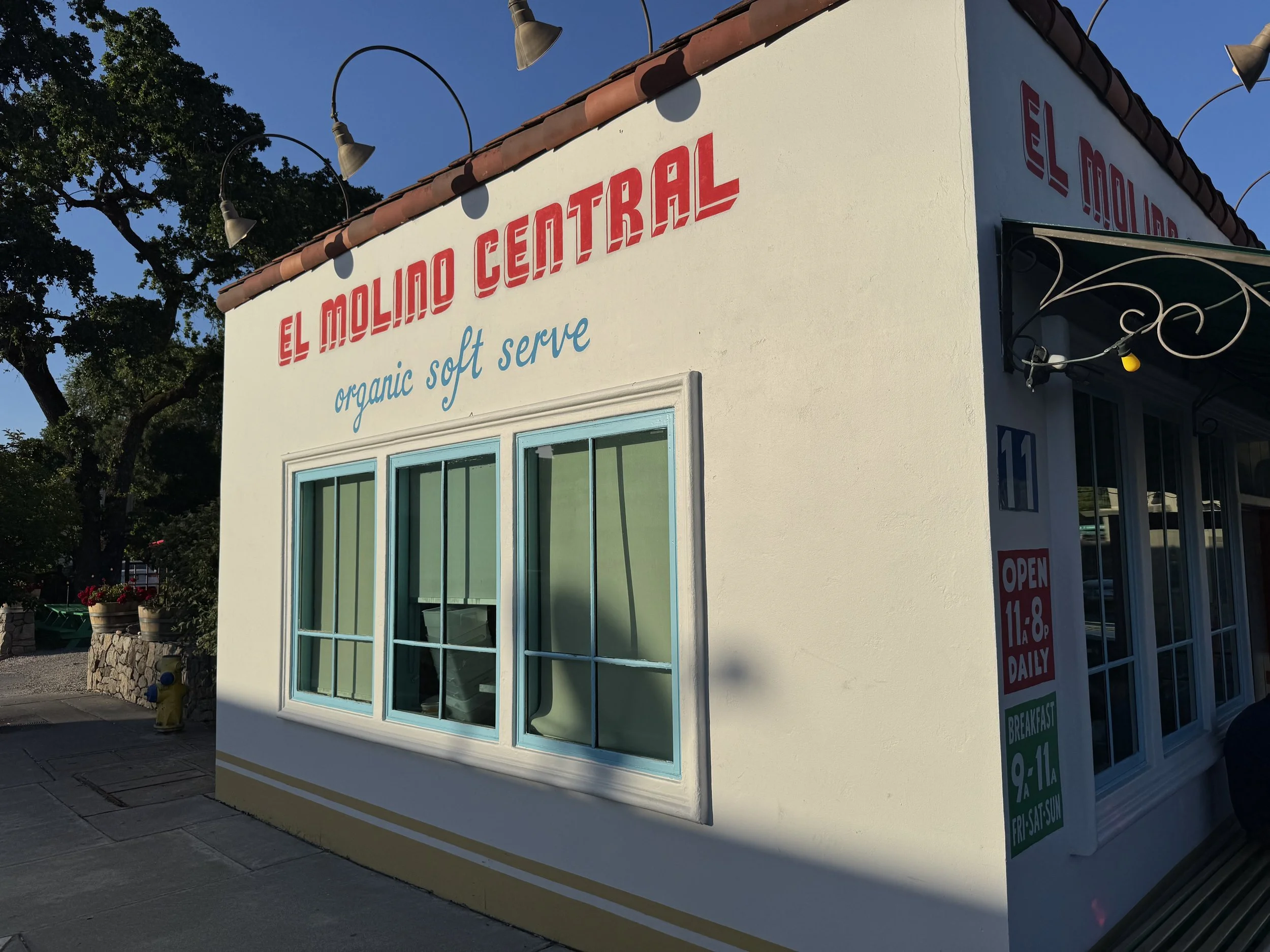
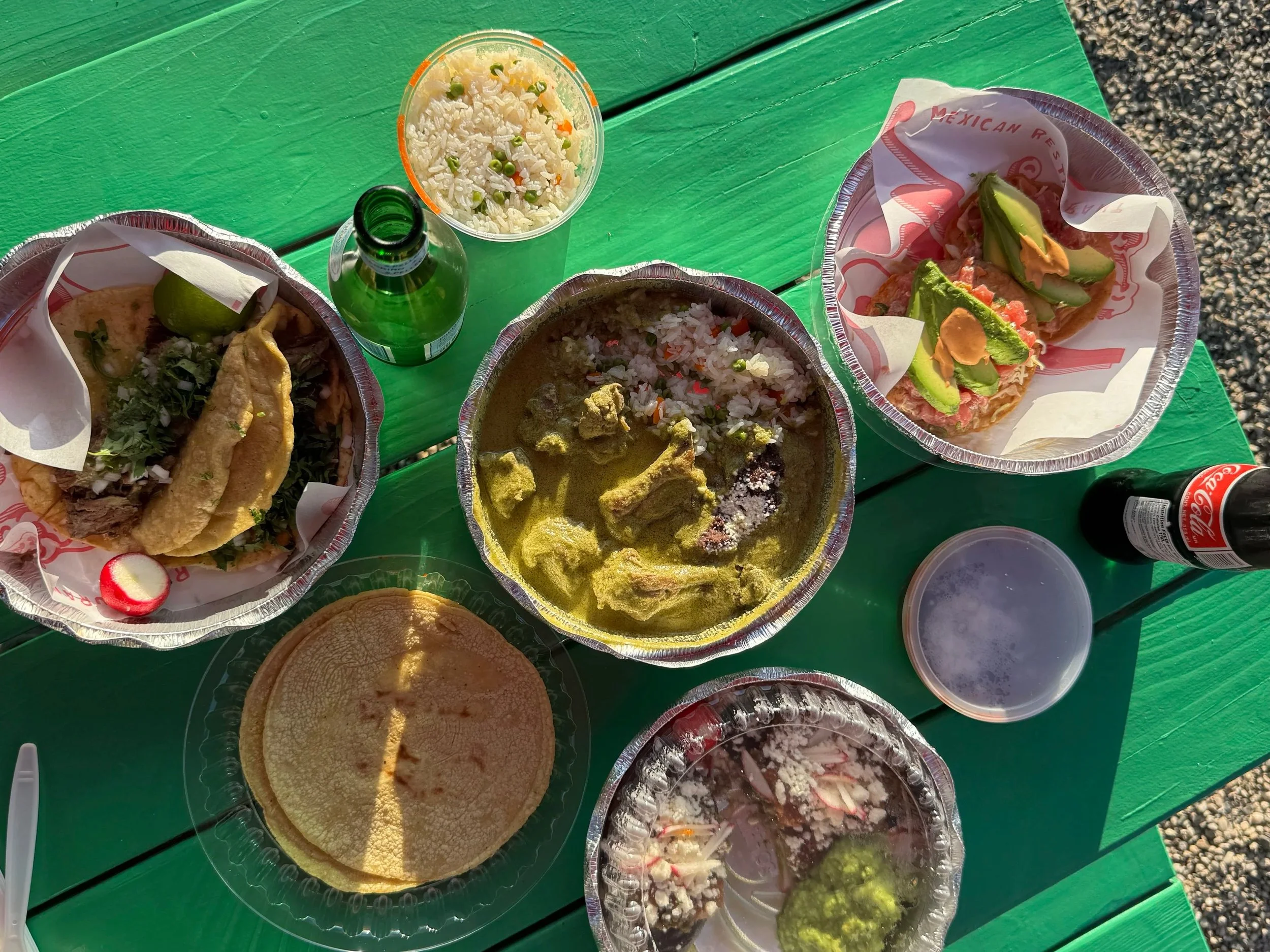
it's a chic-yet-totally-approachable taqueria/tortillaria serving up incredible regional Michelin rated Mexican fare. This was one of the more satisfying meals of the trip: generous, direct, deeply flavorful, and completely unconcerned with being delicate. This raised the bar for us for Mexican food going forward!
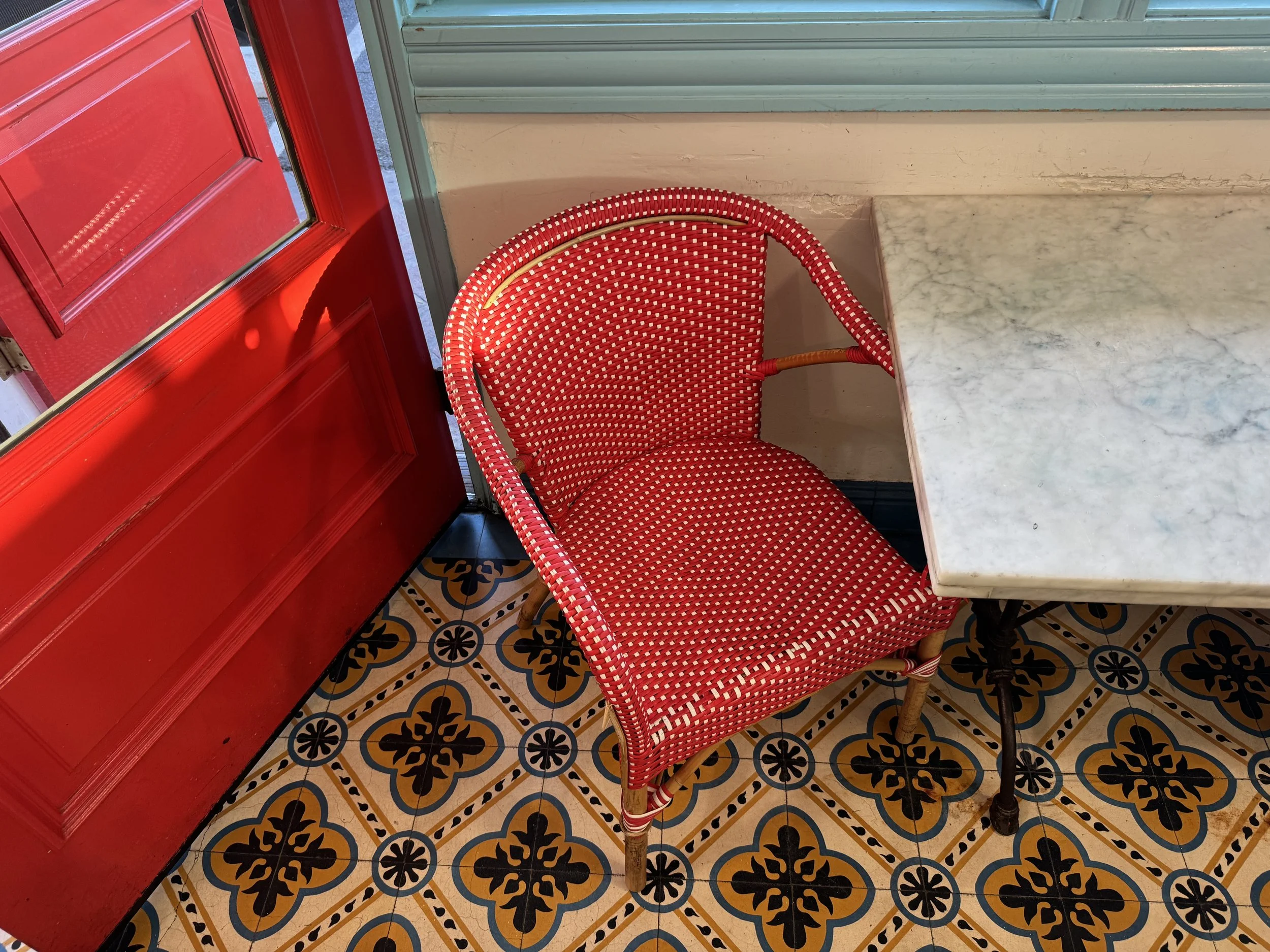
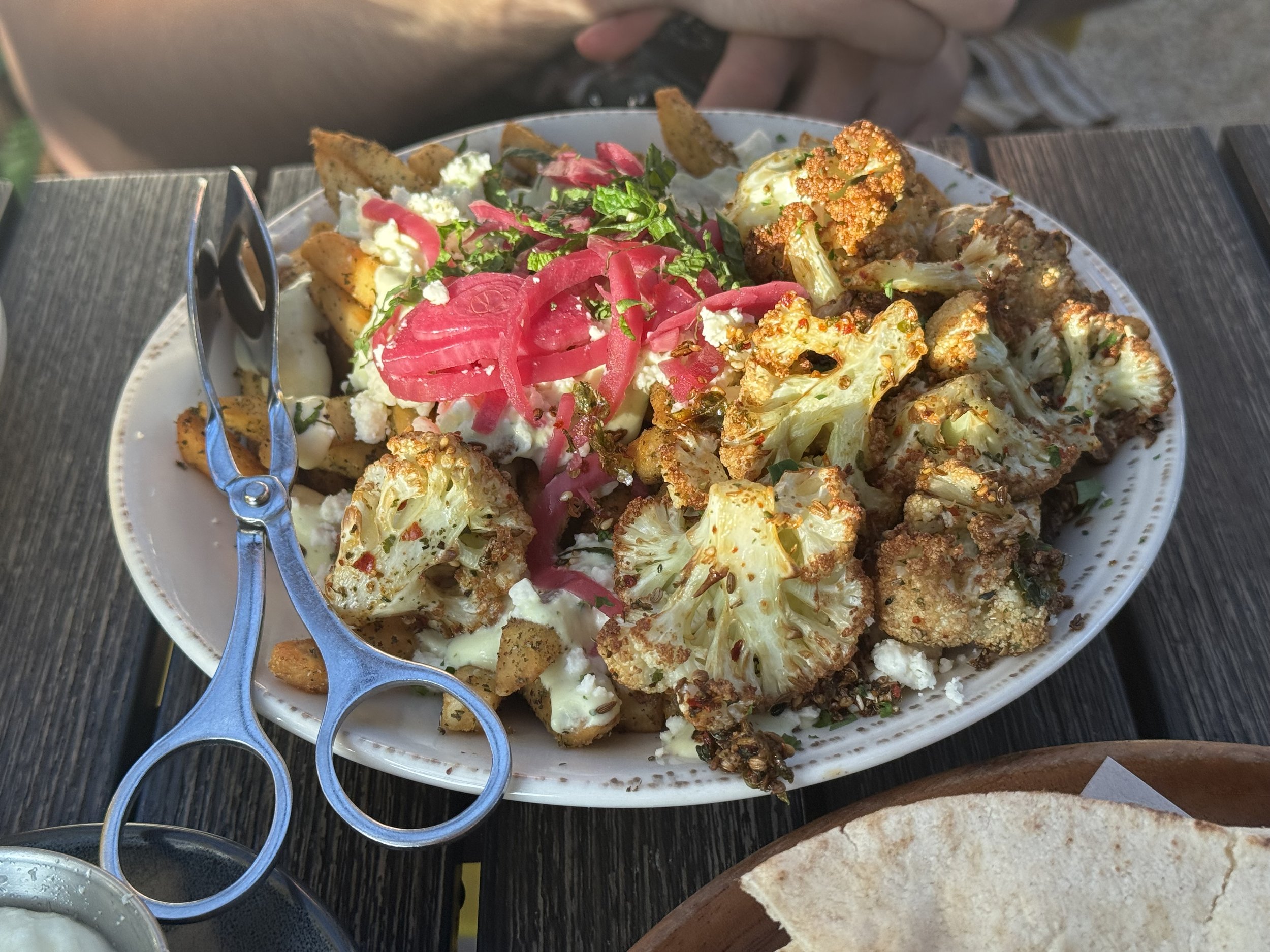
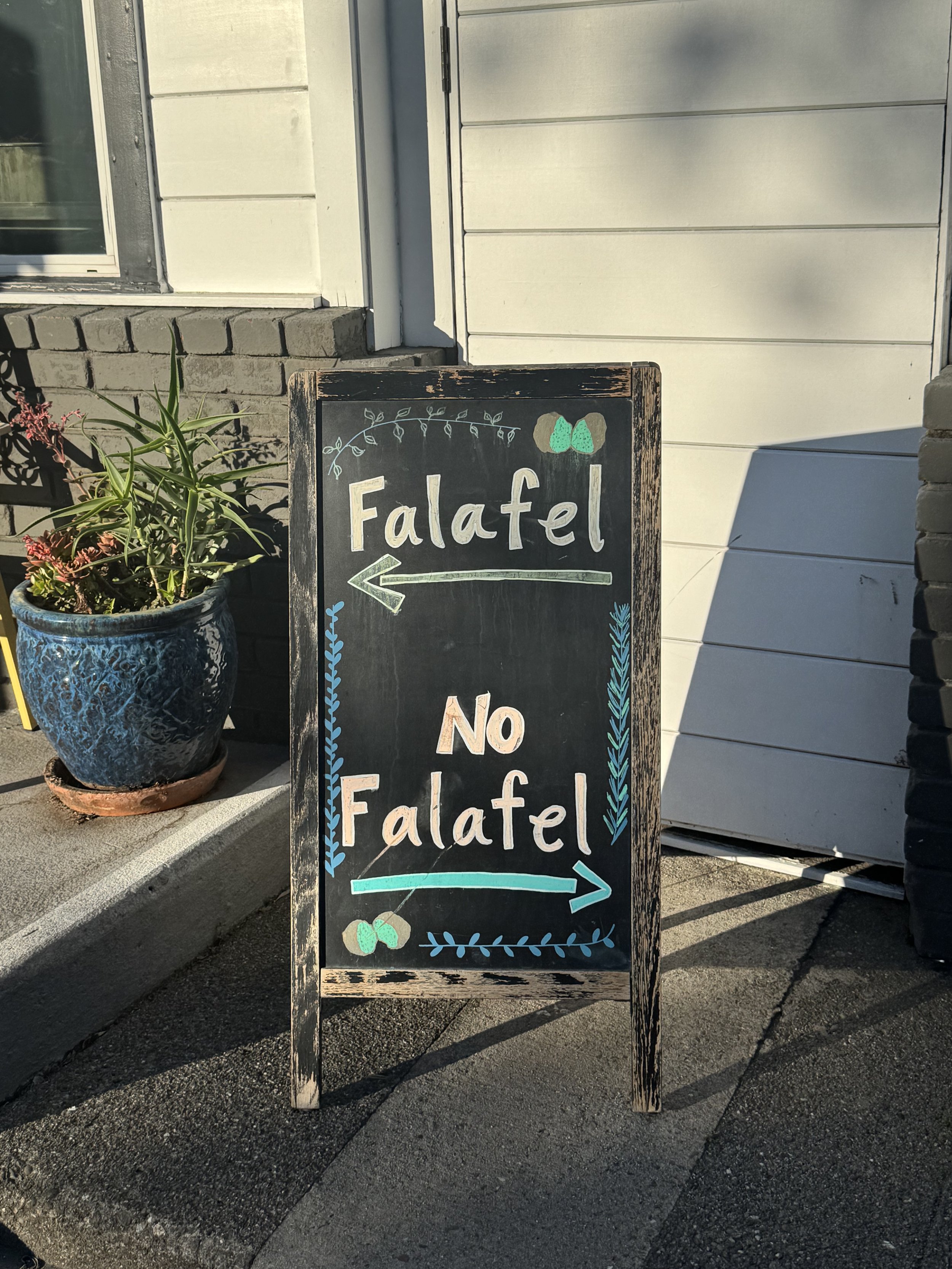
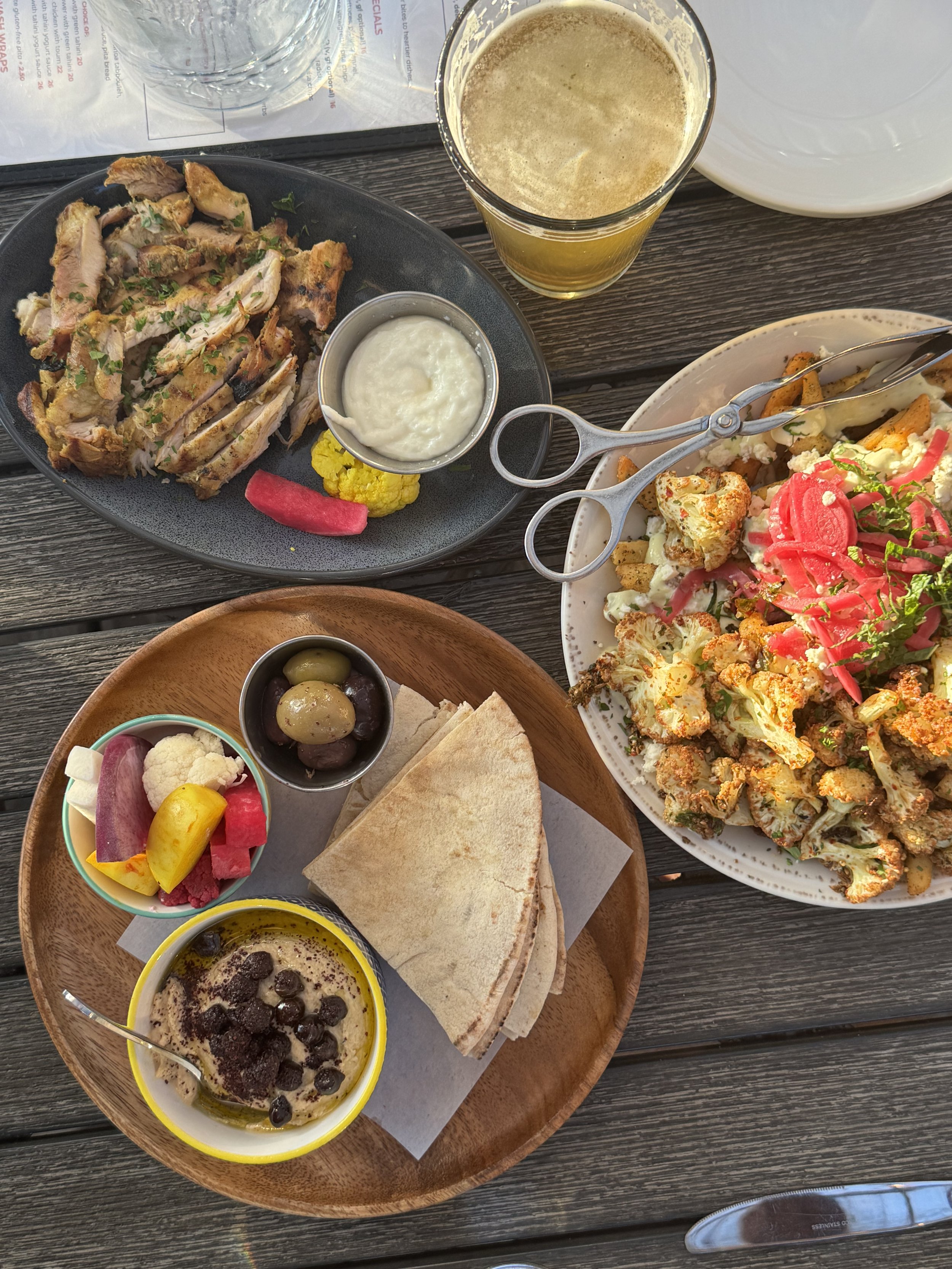
Owner/chef Cristina Topham launched Spread as a catering service in 2016 and, as its reputation in Sonoma Valley built momentum, she expanded to meal kits and prepared foods (and drop-off catering) during the pandemic, before opening its current brick-and-mortar location in 2022. This meal was an absolute highlight and my favorite of the trip. Strong pickled produce, clear point of view, reliably incredible ingredients. The region moved up ten notches when this place opened. What a colorful delightful indulgence - if I could have brought the entire place home to Seattle with me, I would. I remain dreaming of Spread weeks later…
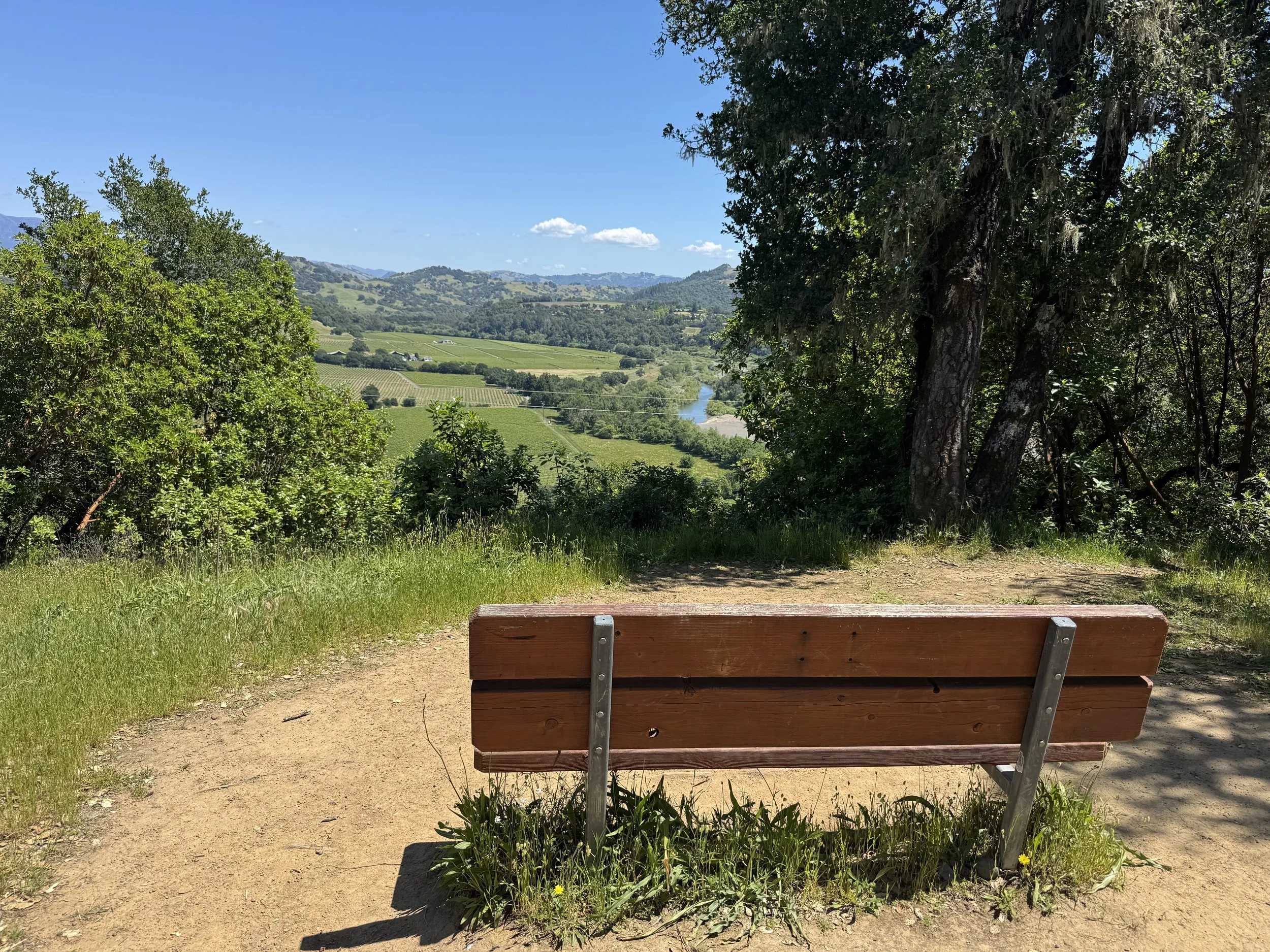
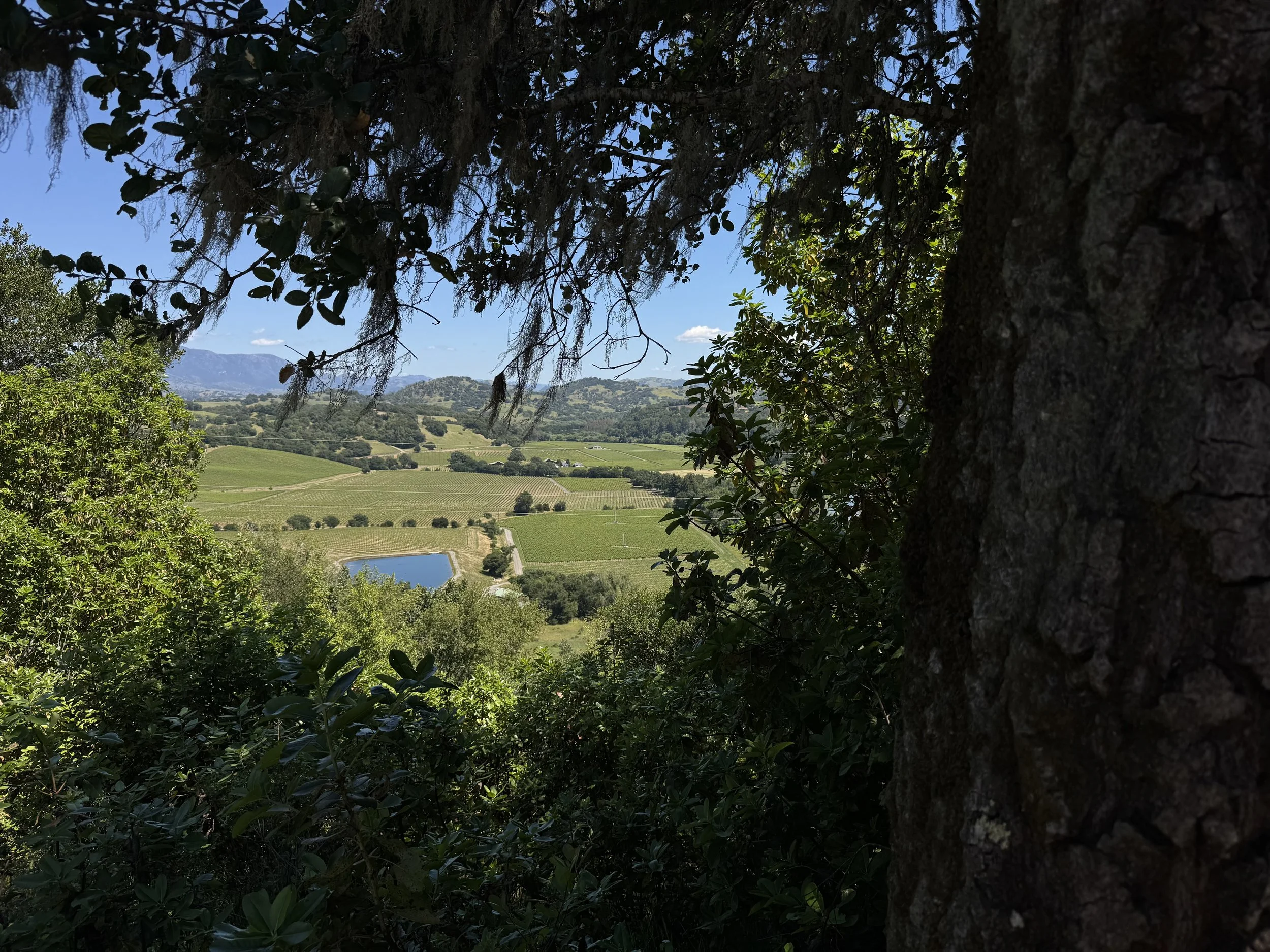
Worth the stop and in April had some incredible vantage points, wildflowers, and a few turtle and interesting bird sightings. It never ceases to amaze us just how quickly you can step off of the well-trodden path and wineries and head out into nature in this part of California. The perfect balance.
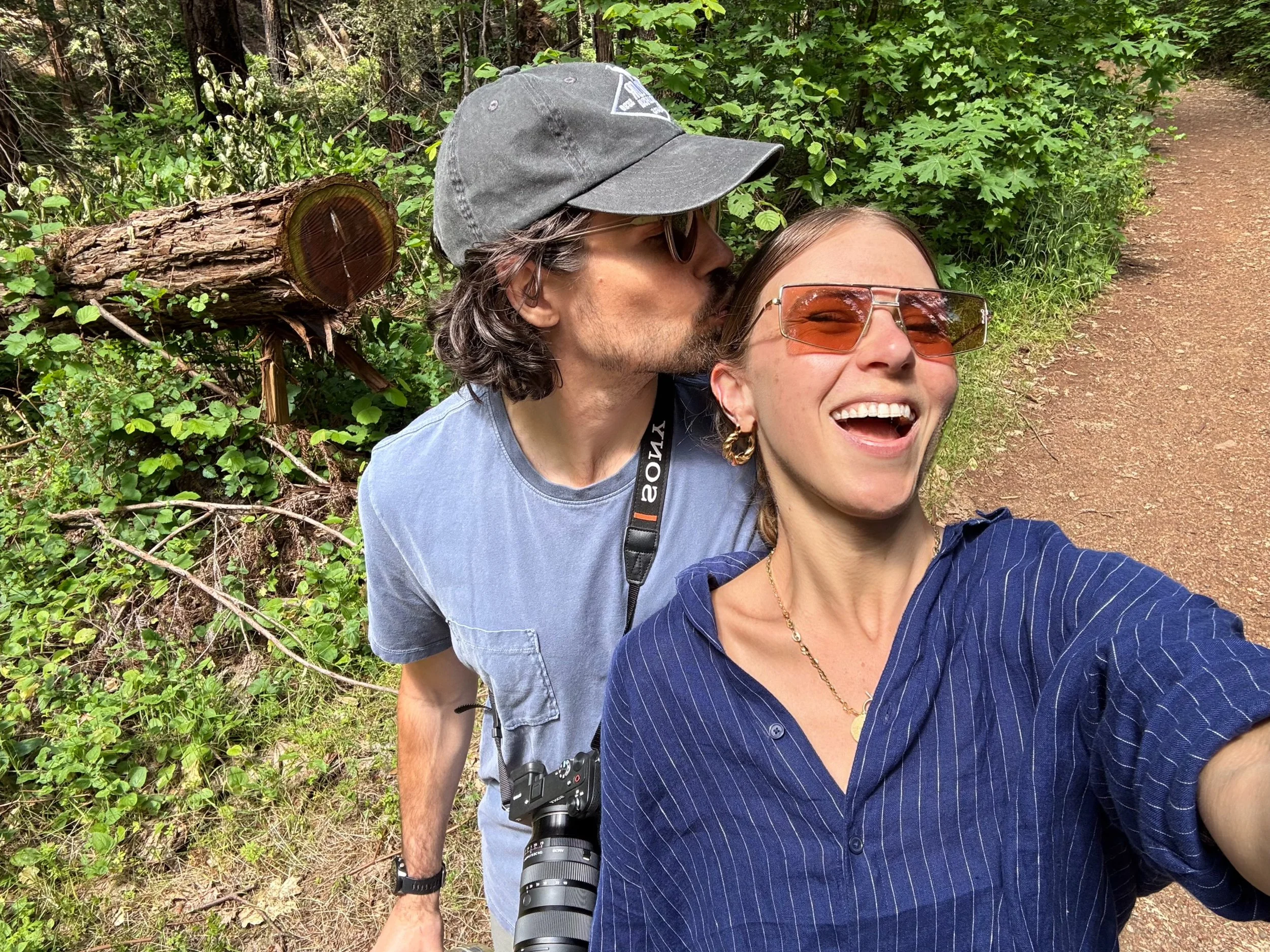
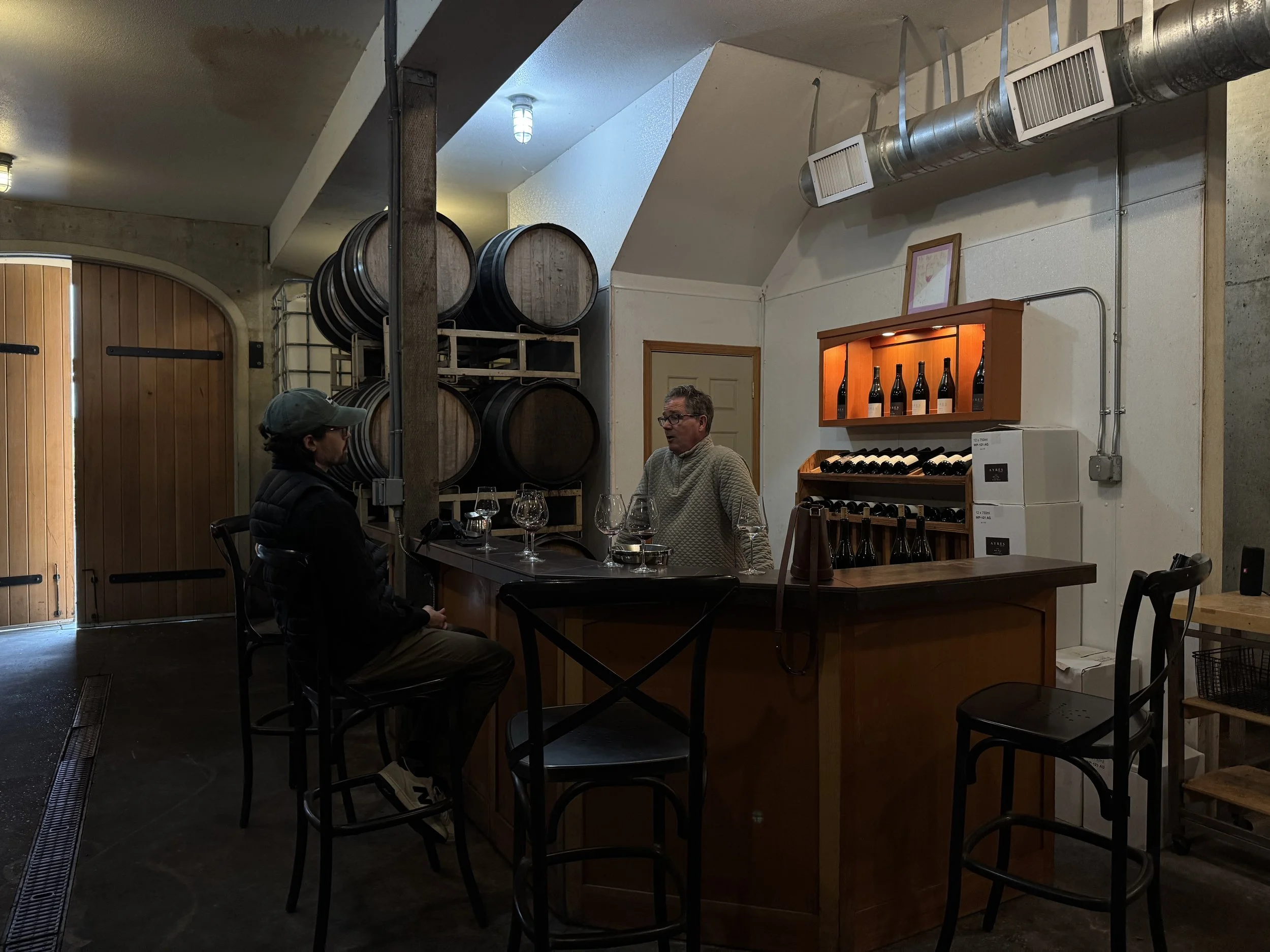
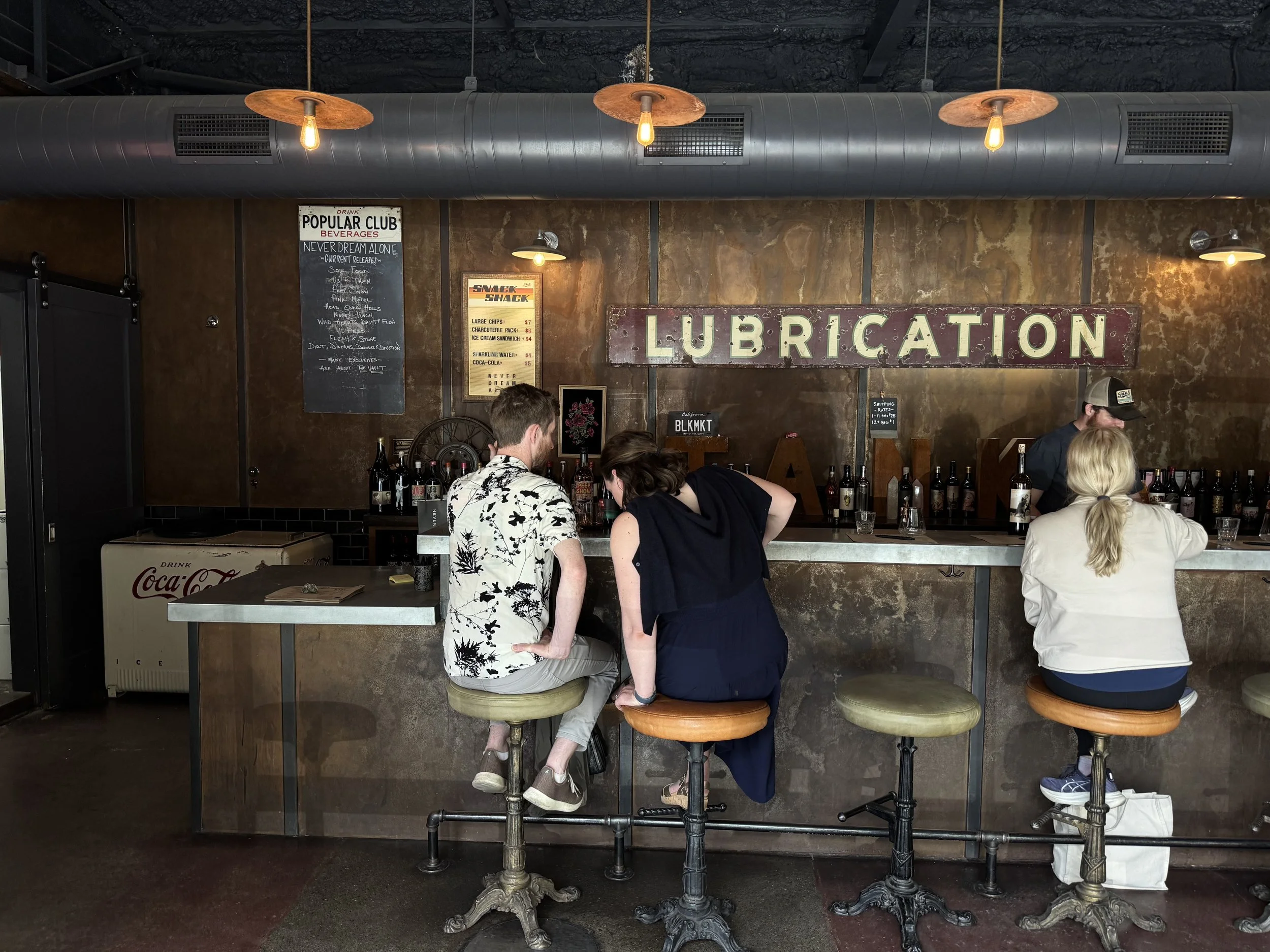
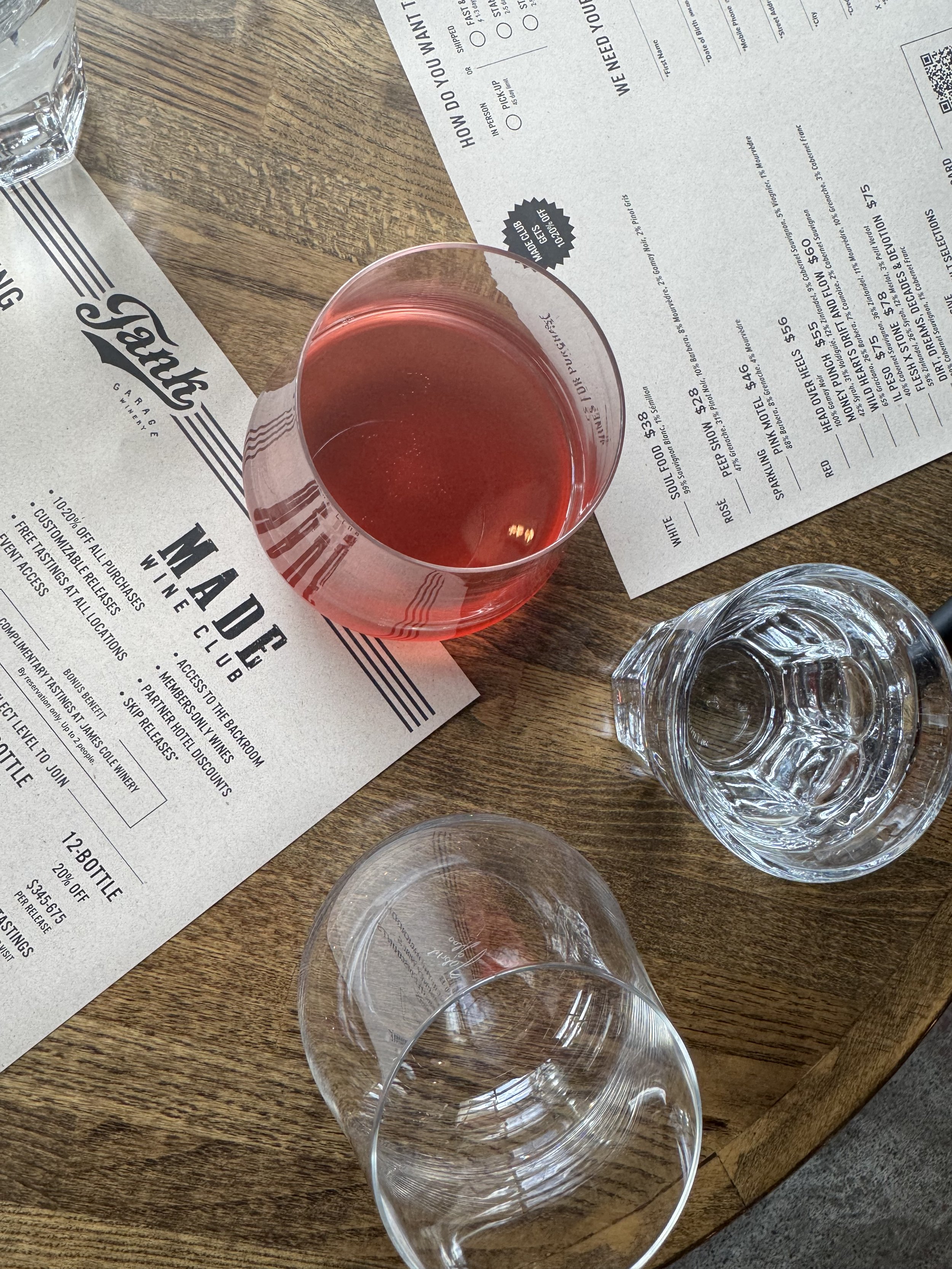
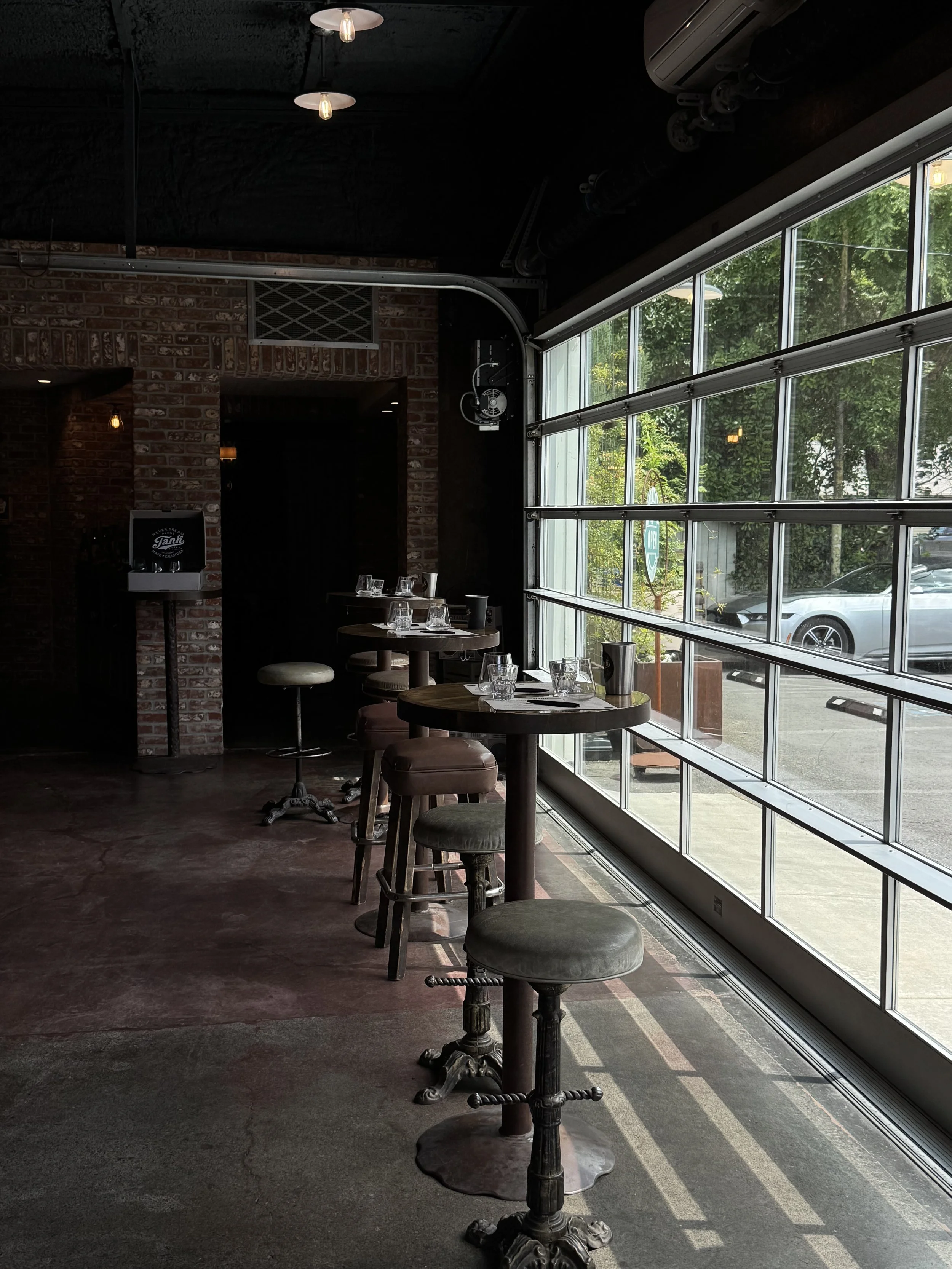
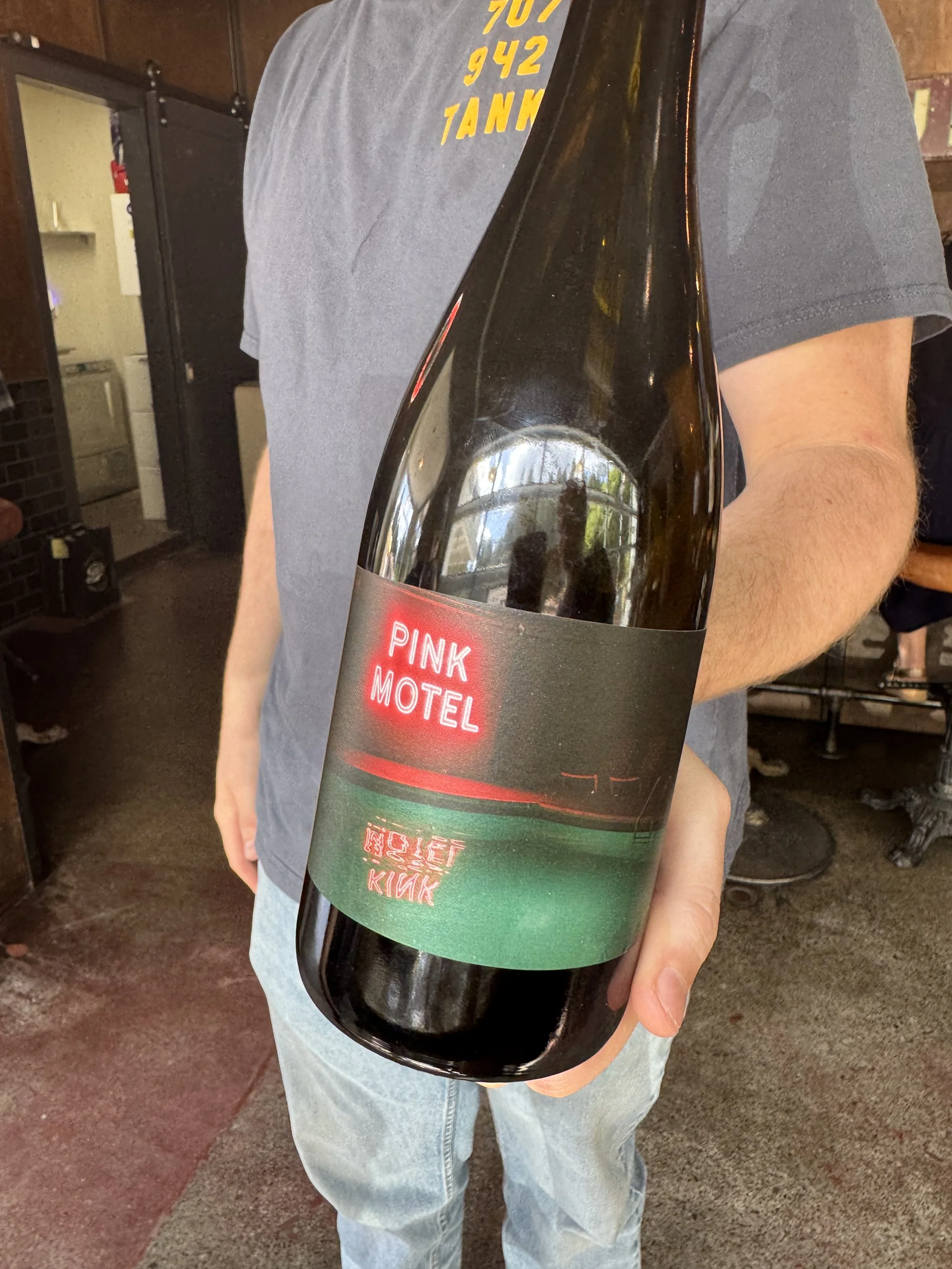
We stopped into this great little funky tasting room in Calistoga on one of our afternoon drives and it was the first place we started to find more of “our” style of new world, funky, interesting, unpretentious but creative wine. They make very, very small batch bottles which makes you appreciate each glass that much more. A great contrast to the large scale producers of the area, and a place we’d return to time and time again. Not to mention, what a cool rustic garage venue inside a restored vintage gas station.
Healdsburg: the Best Town in Northern California Wine Country
I said what I said! We both agreed that if we had to redistribute time on this trip, we would take it away from Napa and give it to Healdsburg without hesitation. Healdsburg feels composed: tree-lined, well-shaded, stylish, and anchored by good food, strong stores, local producers, and a more relaxed relationship to itself.
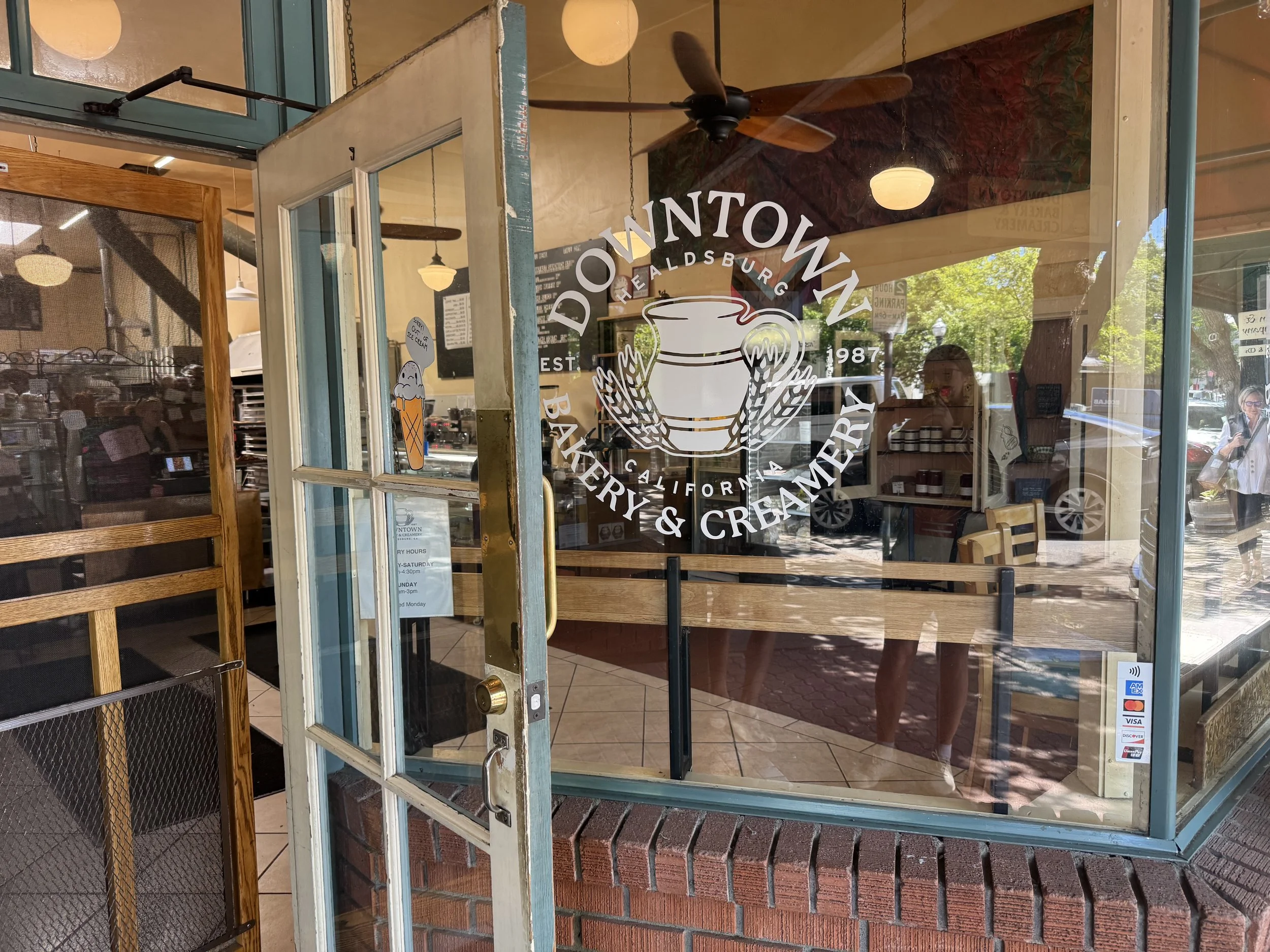
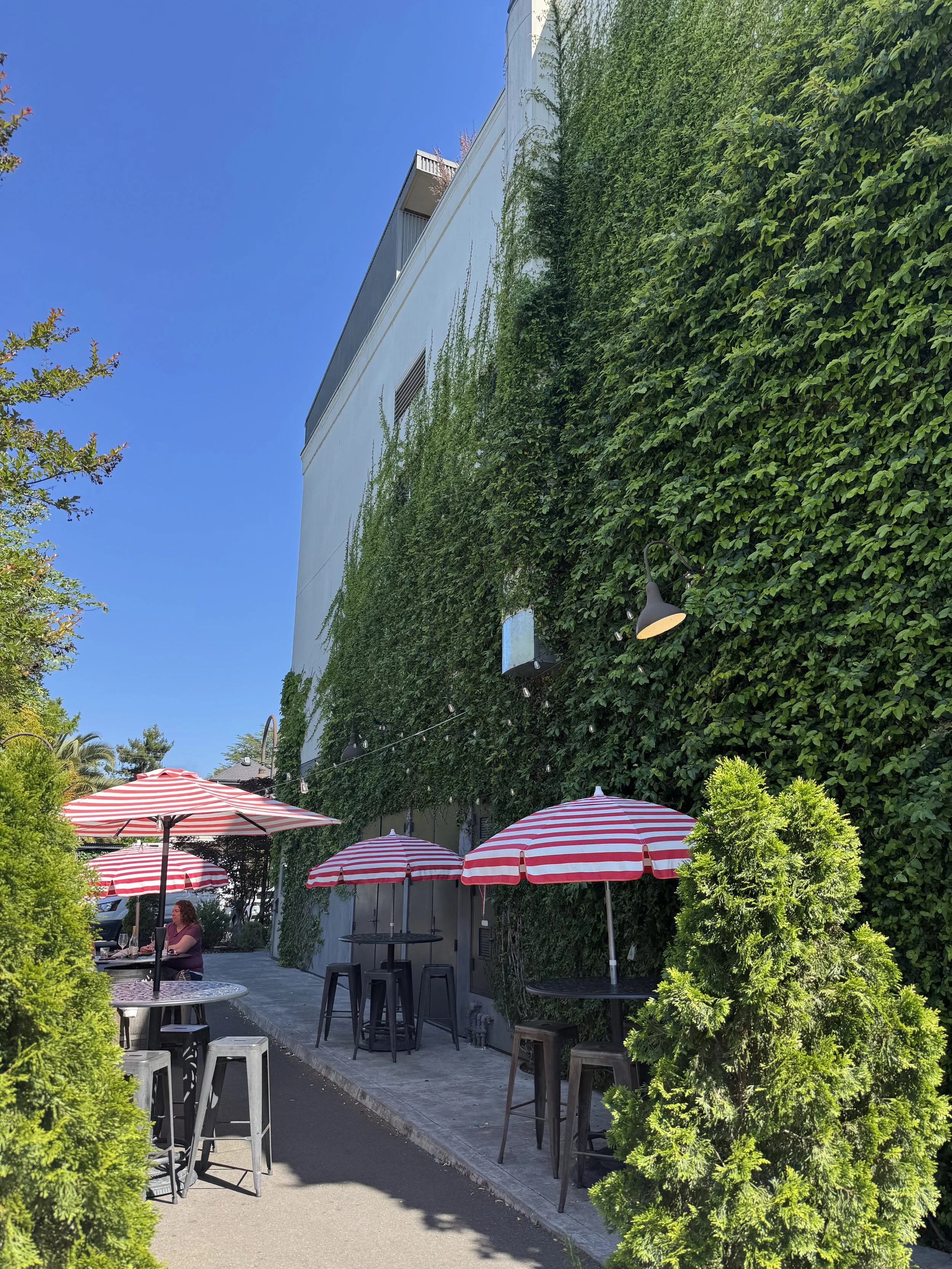
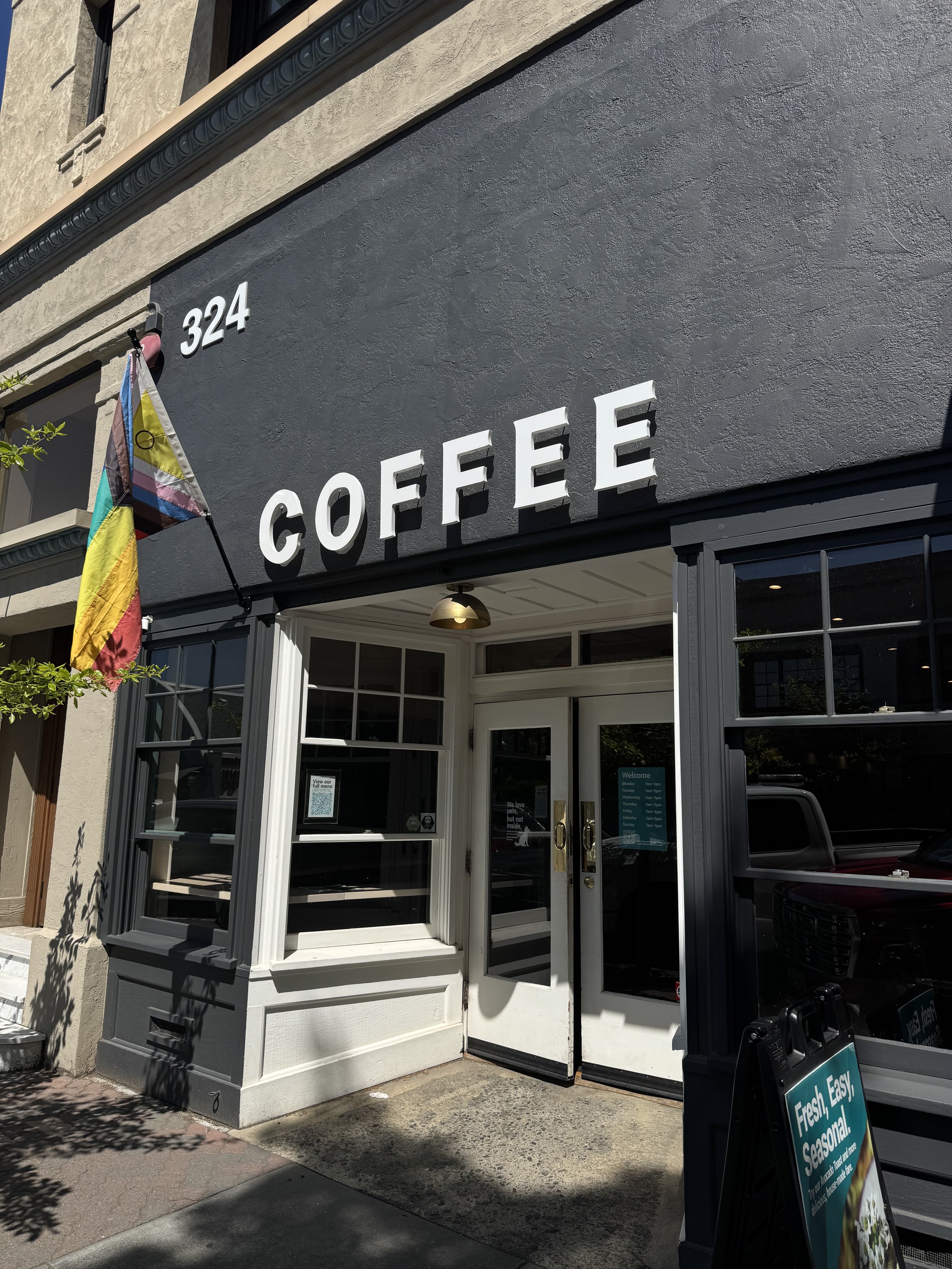
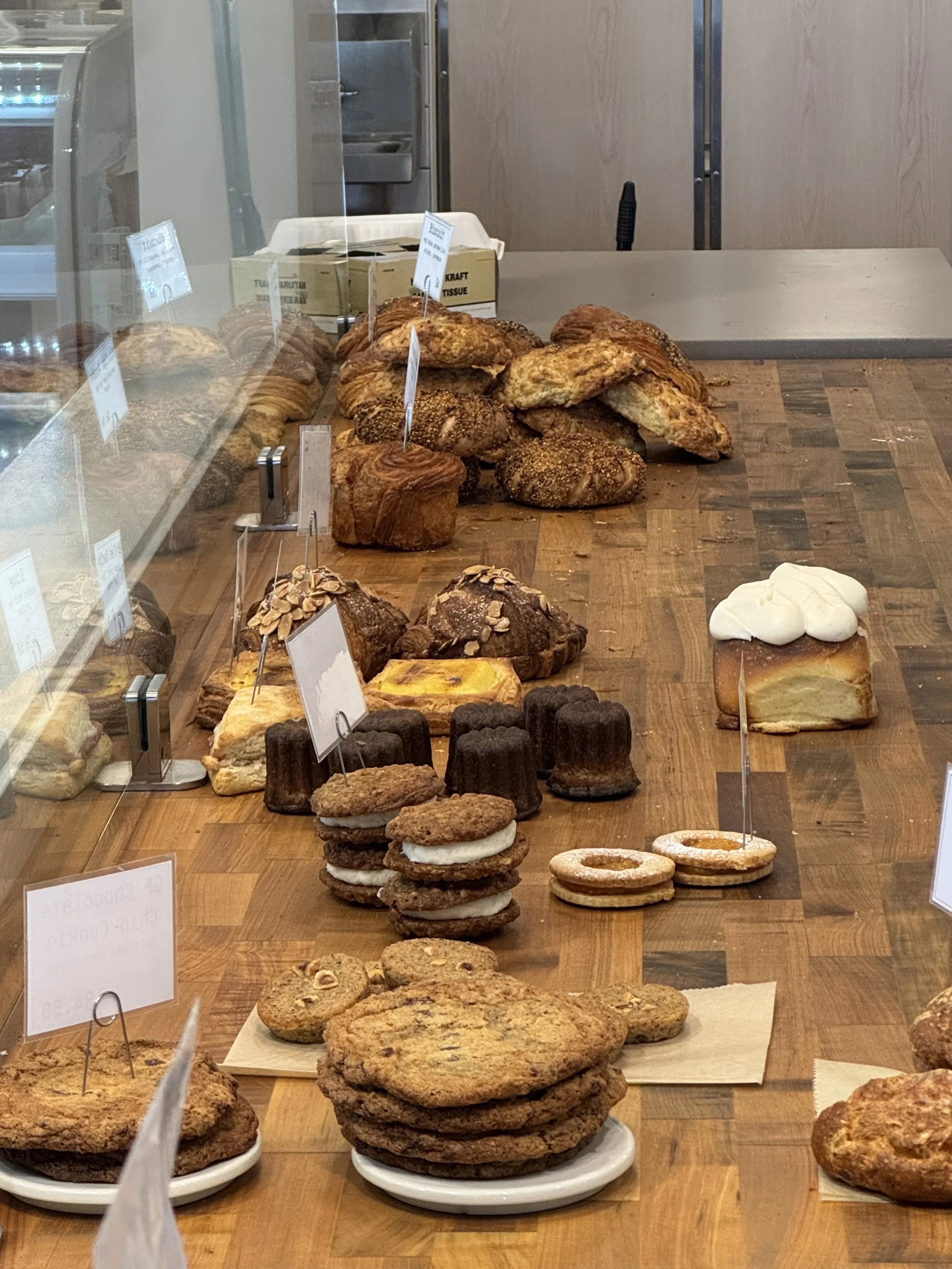
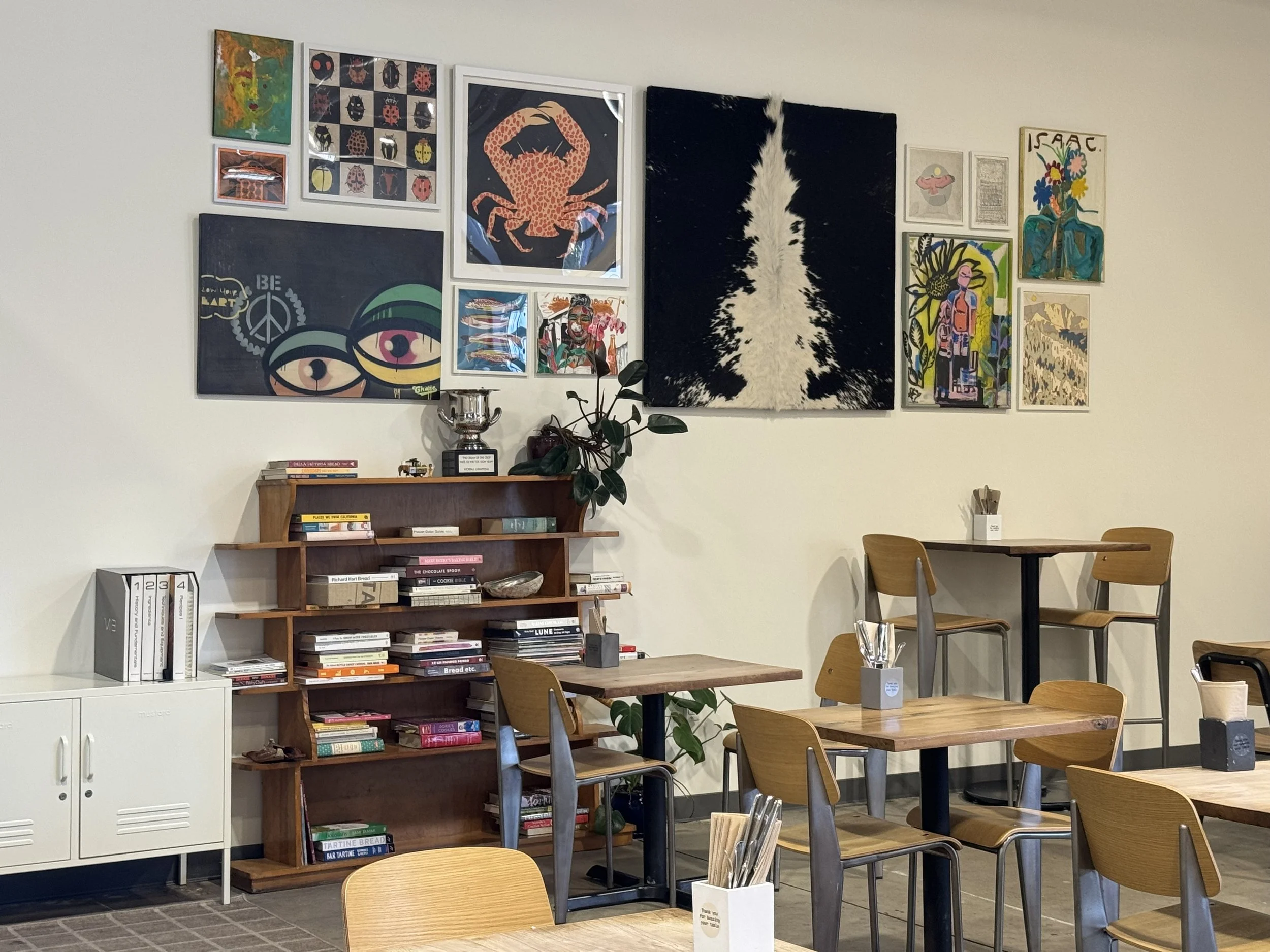
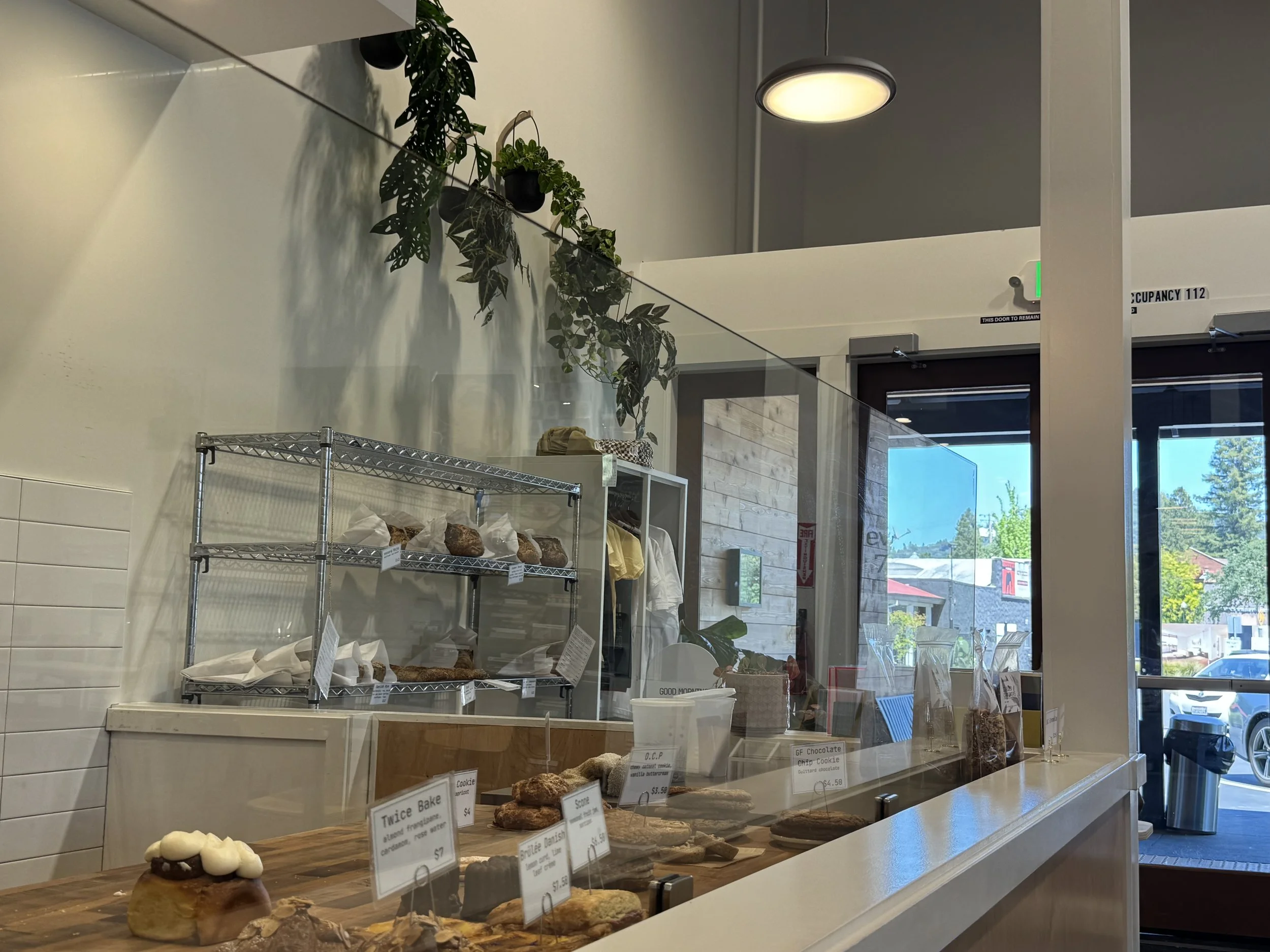
A rare large space, which not only serves up great baked goods but also provides an excellent third place for the community. We saw quite a few friends catching up, co-working, or planning future adventures here and I love to see a space that provides both good food and a sense of community in that way.
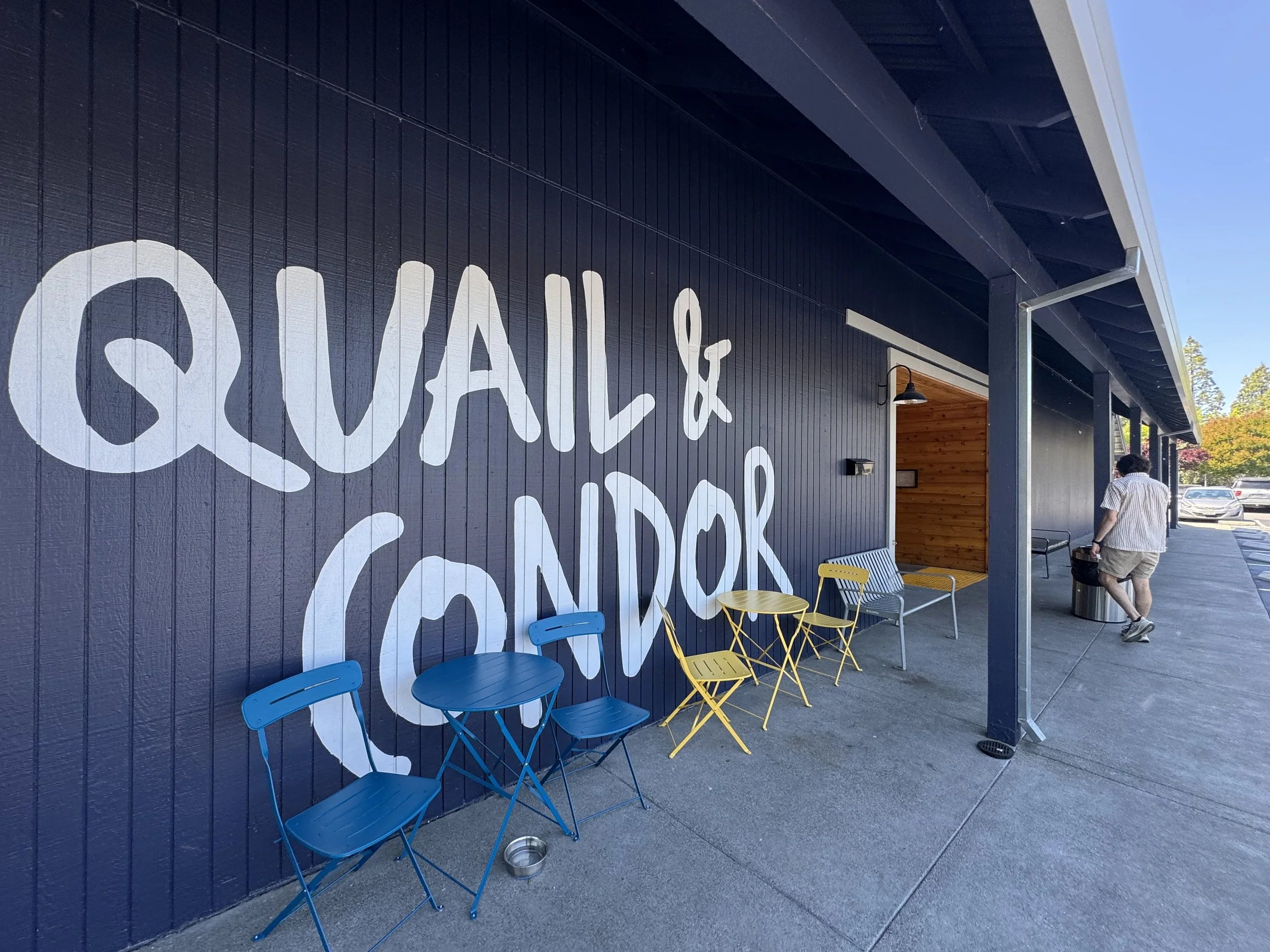
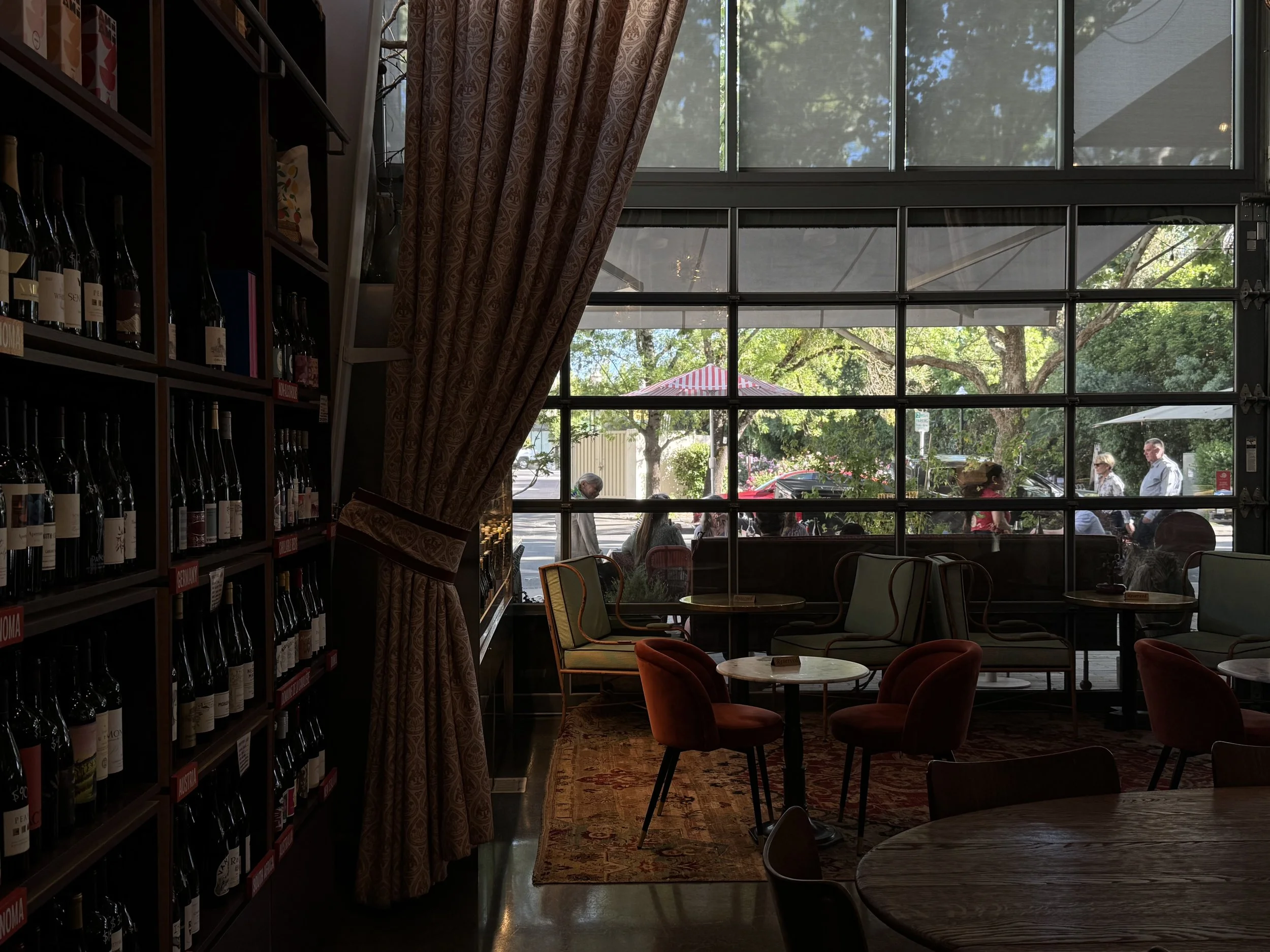
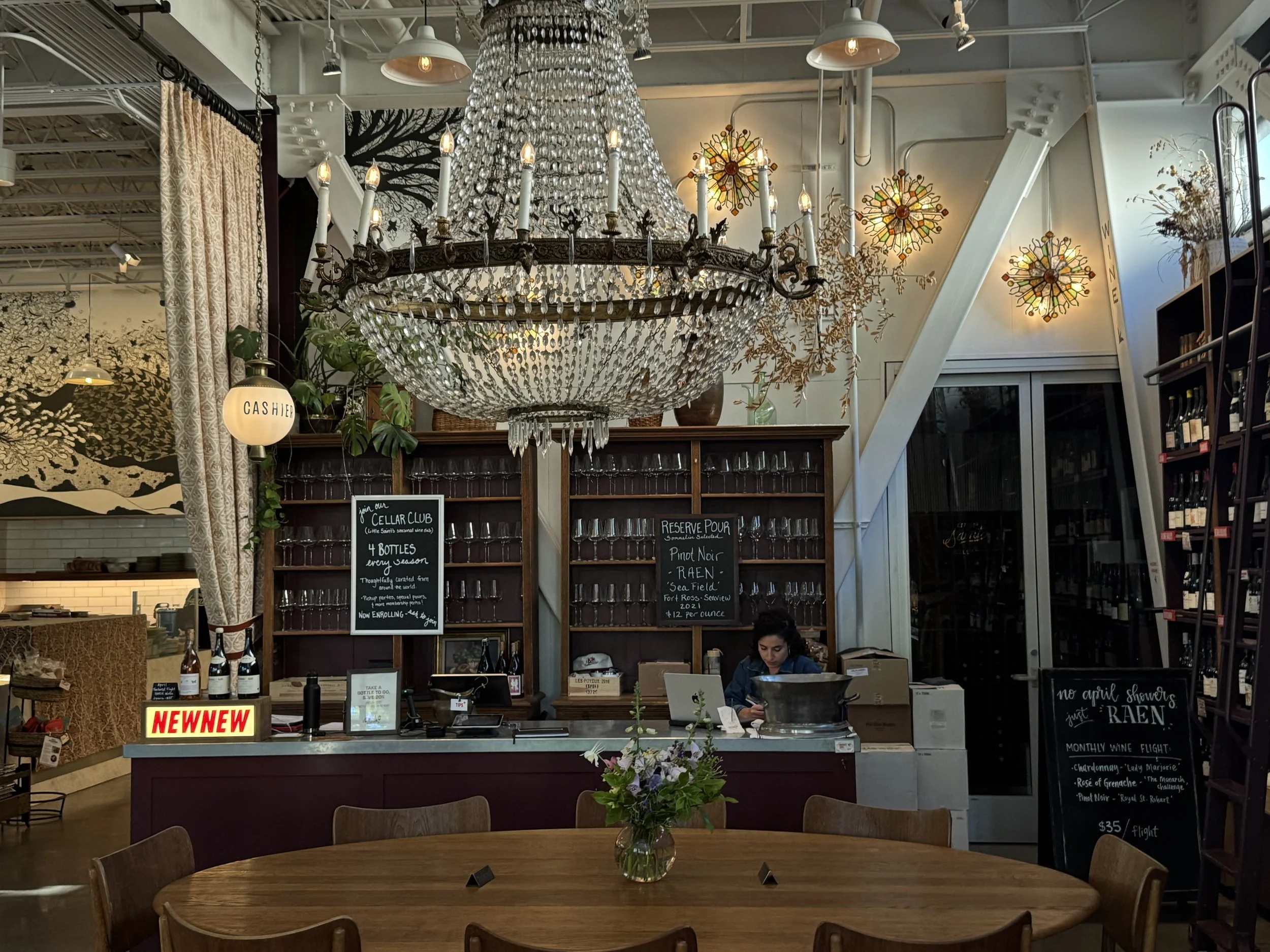
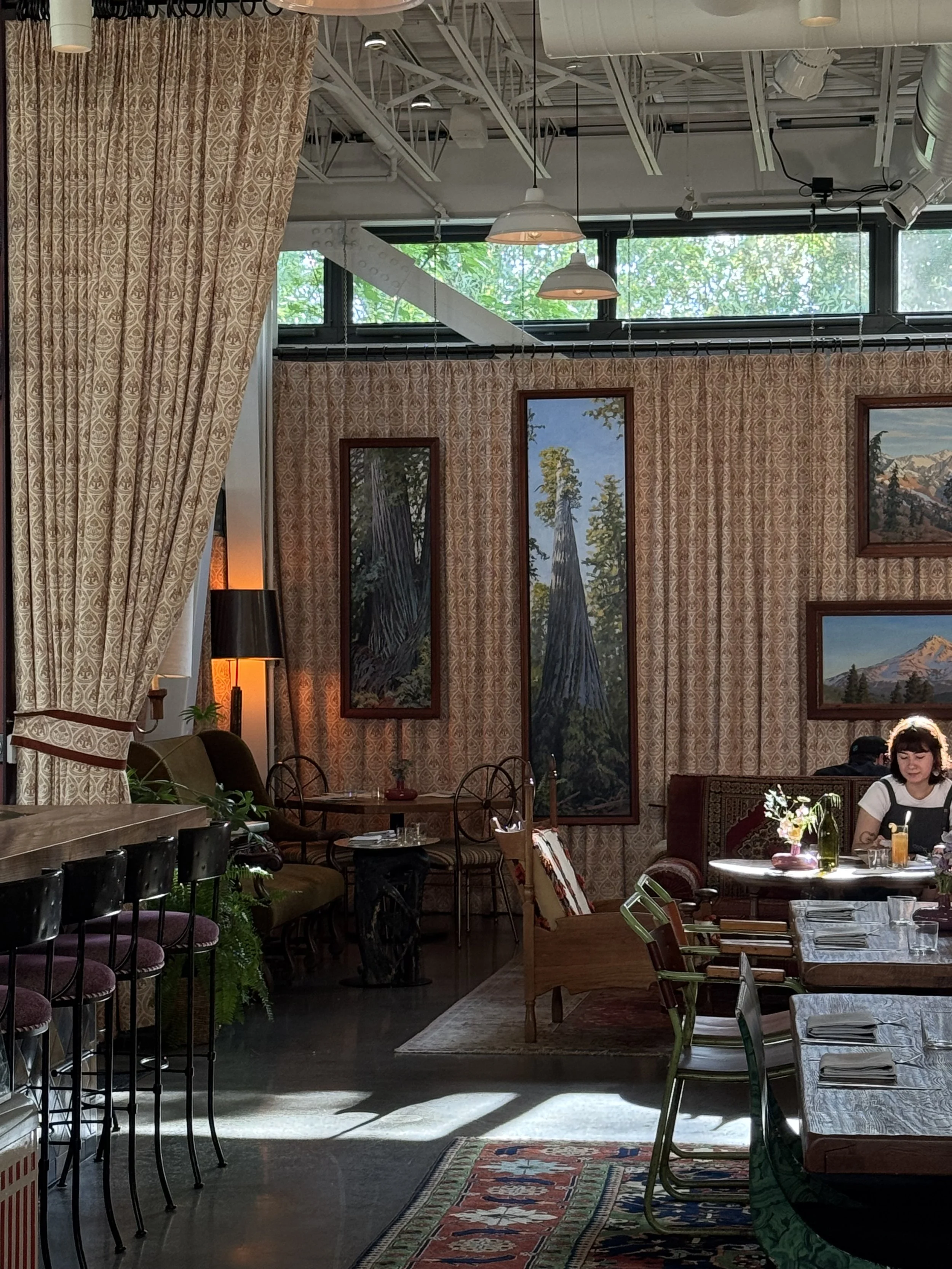
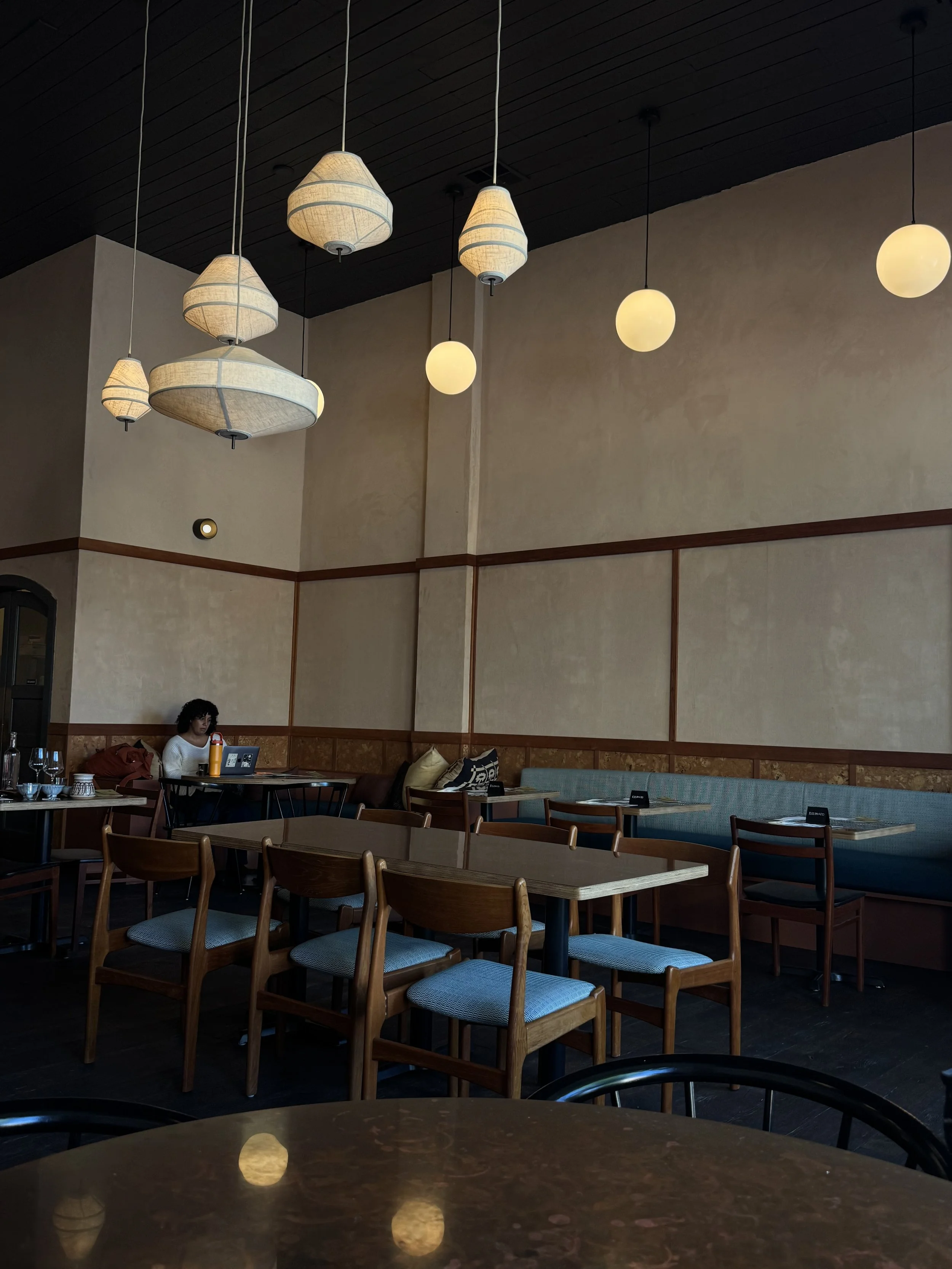
One of the strongest anchors in town. Restaurant, wine, shop, and the coolest space I’ve seen in quite some time. Erick actually remarked “I don’t think I’ve been in a space this well curated in years,” and I have to agree. It felt like being in my own living room - filled with love, buzz, and a ton of character. Bonus points for the huge selection of natty wines available to boot!
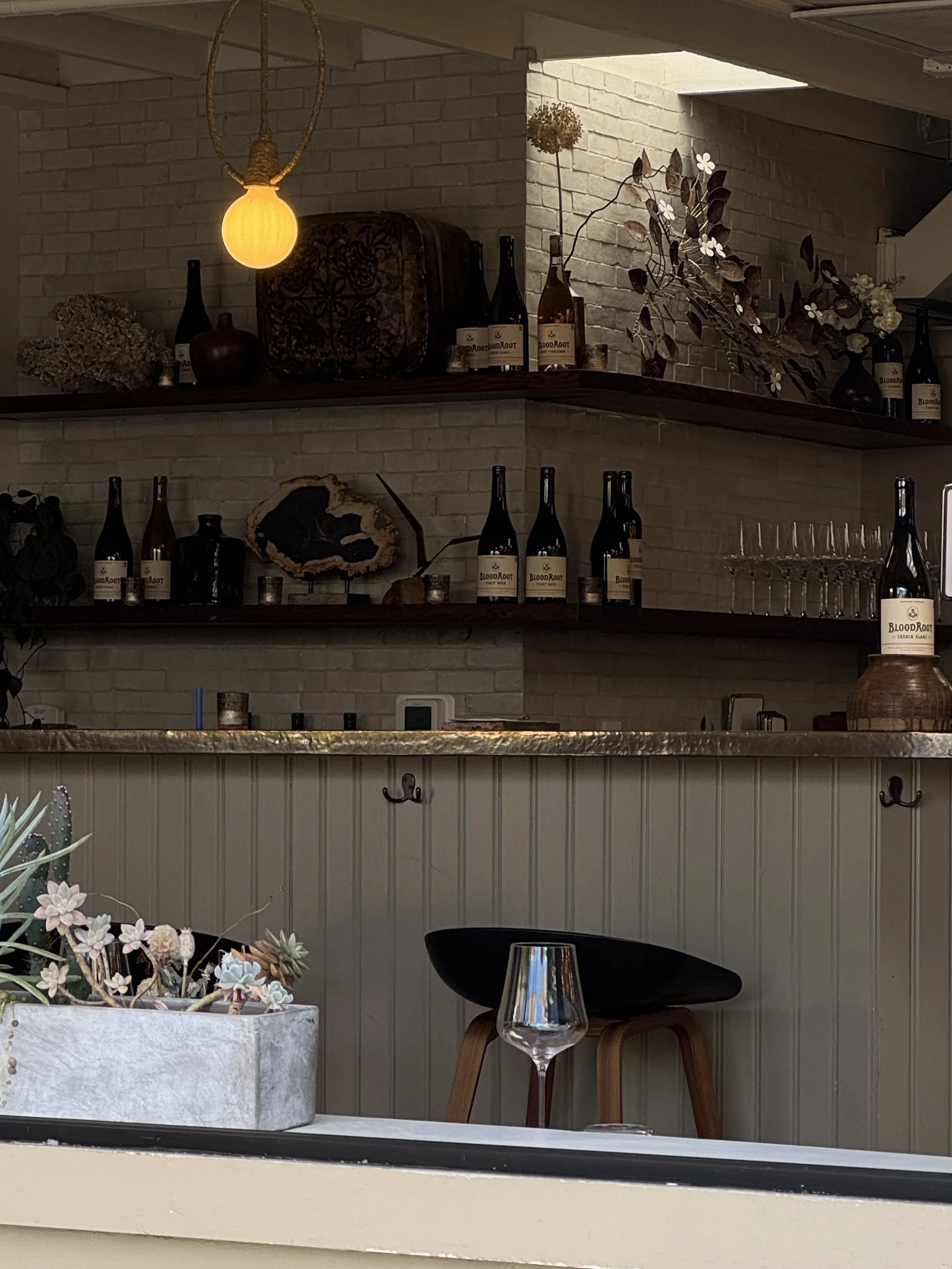
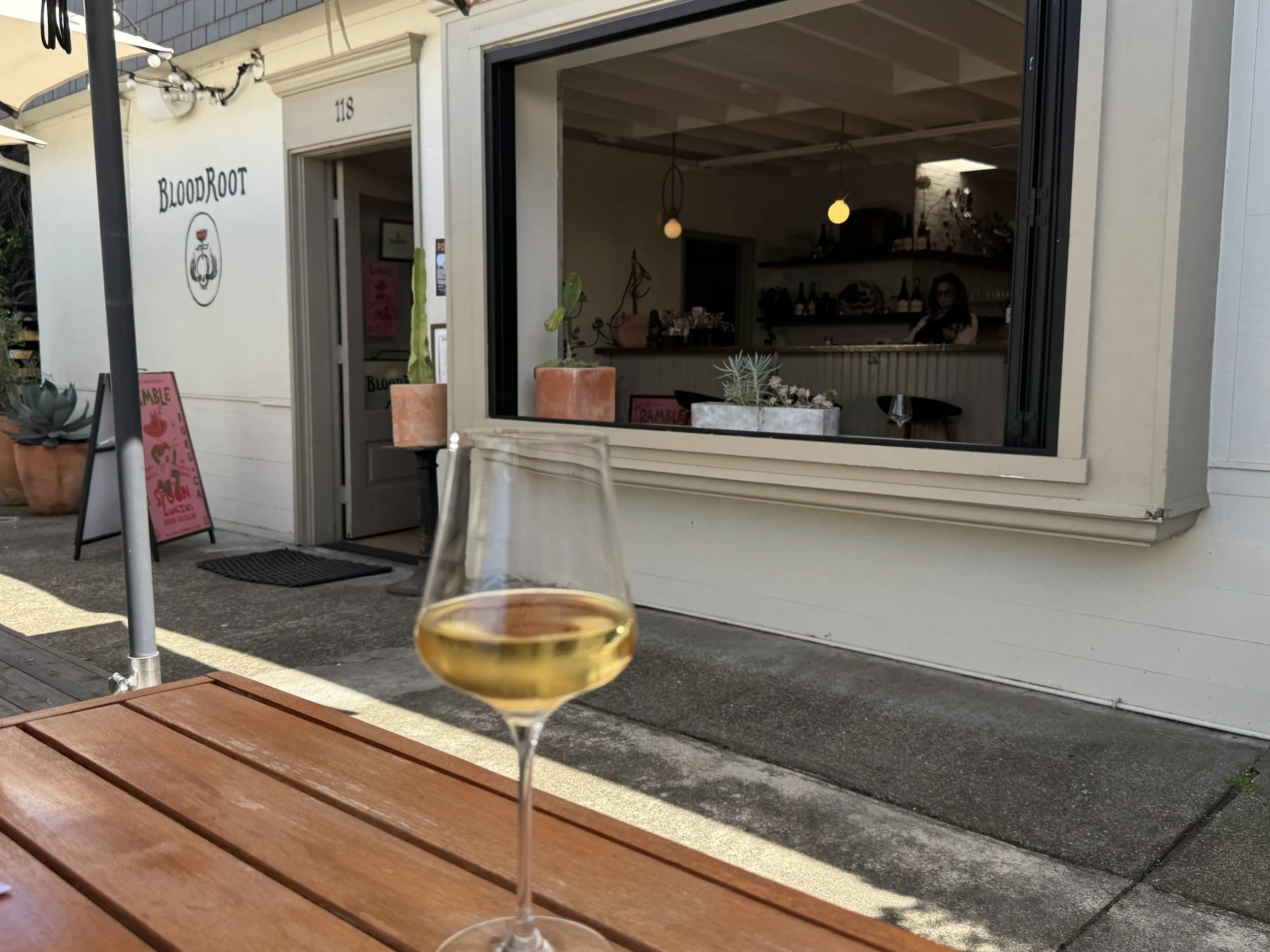
BloodRoot connotes “life from death” as the “blood” of the vines is nourished by the “roots” and terroir that surround each plant, and how truly special this cycle is. Noah and head winemaker Katy Wilson are adept at making very serious wines that garner all the accolades. Importantly, they pride themselves on making serious wines at value-based prices. BloodRoot is experimental and creative and a staple of the wine community in Healdsburg with friendly staff in their tasting room.
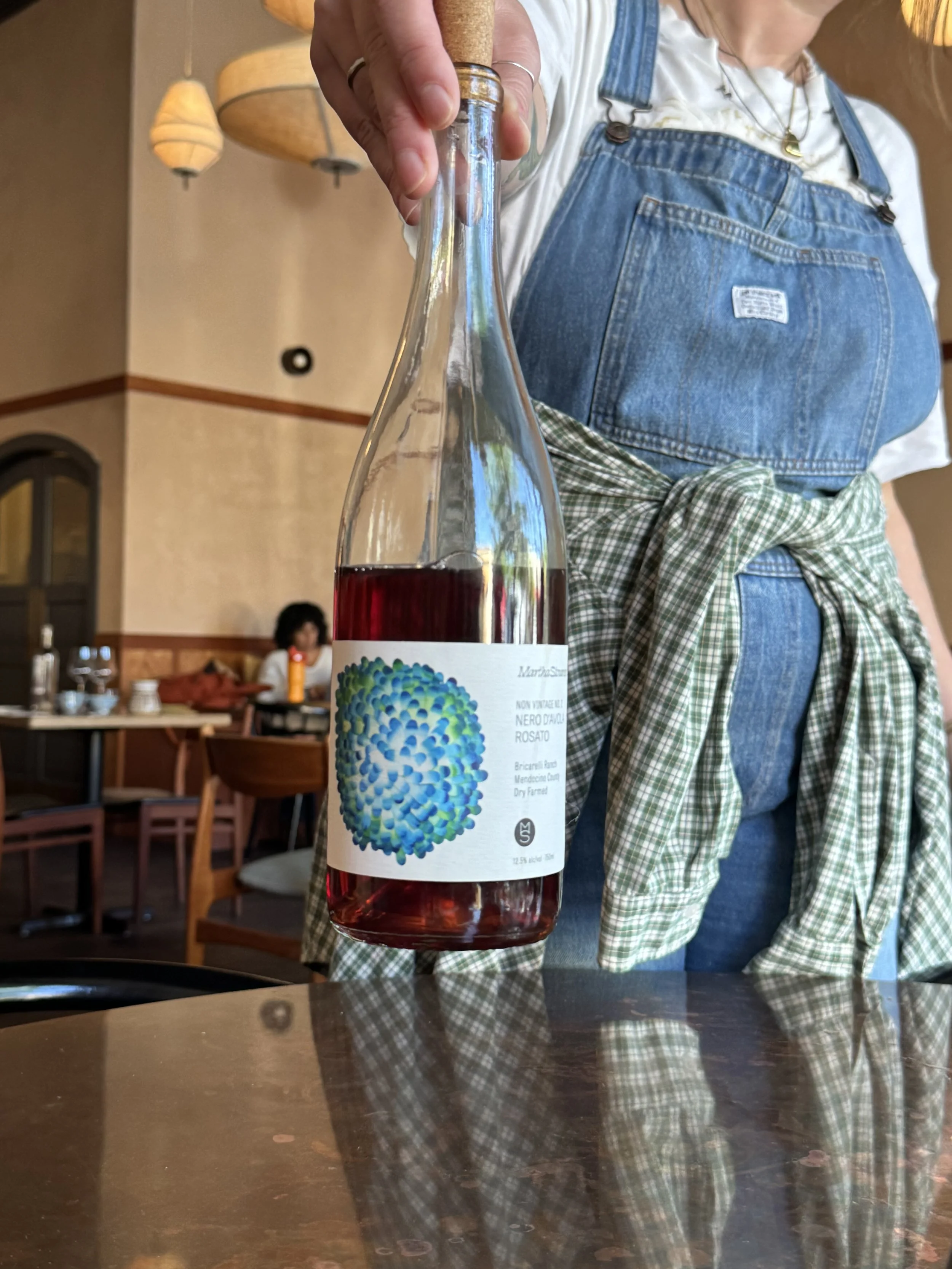
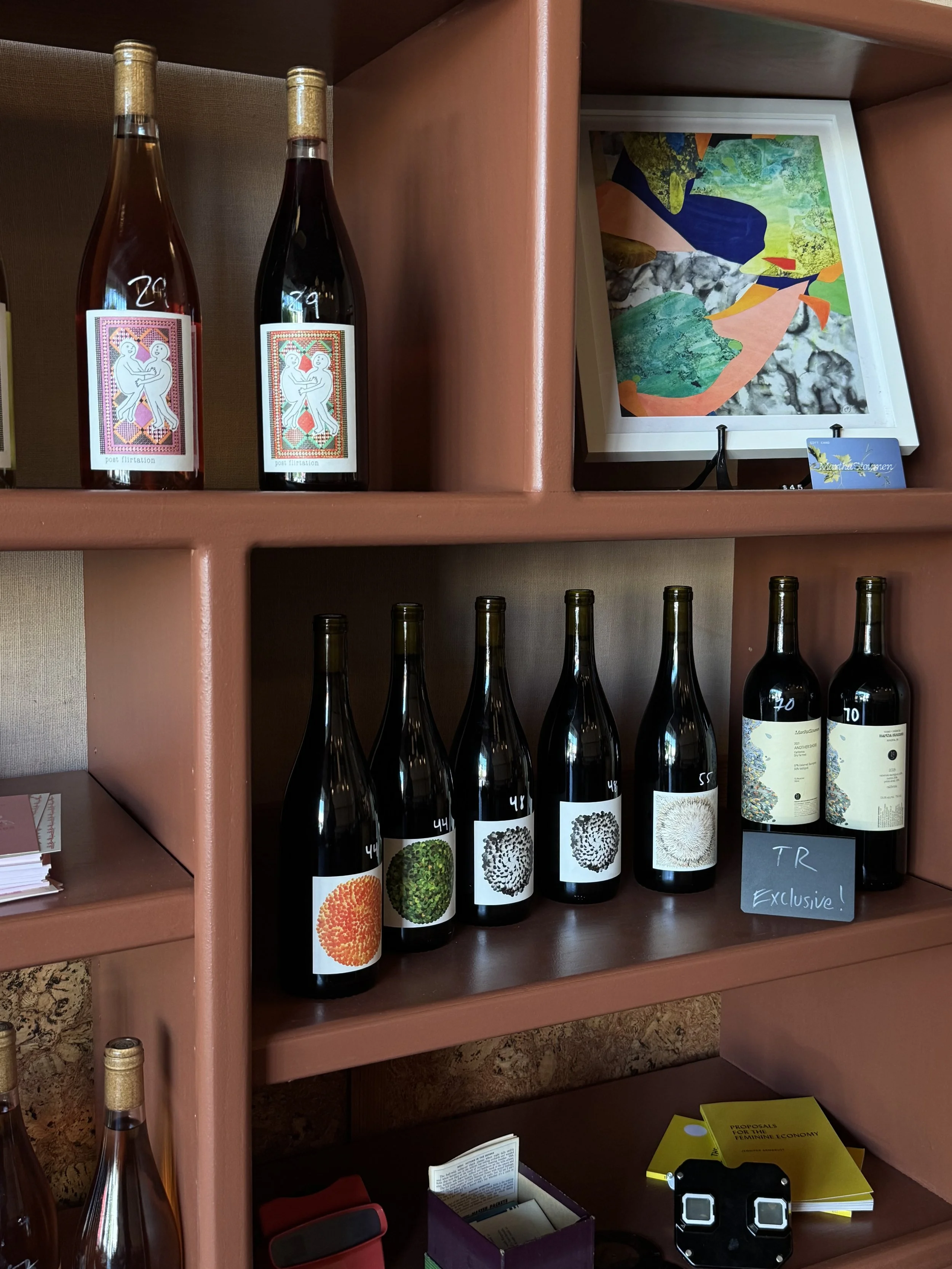
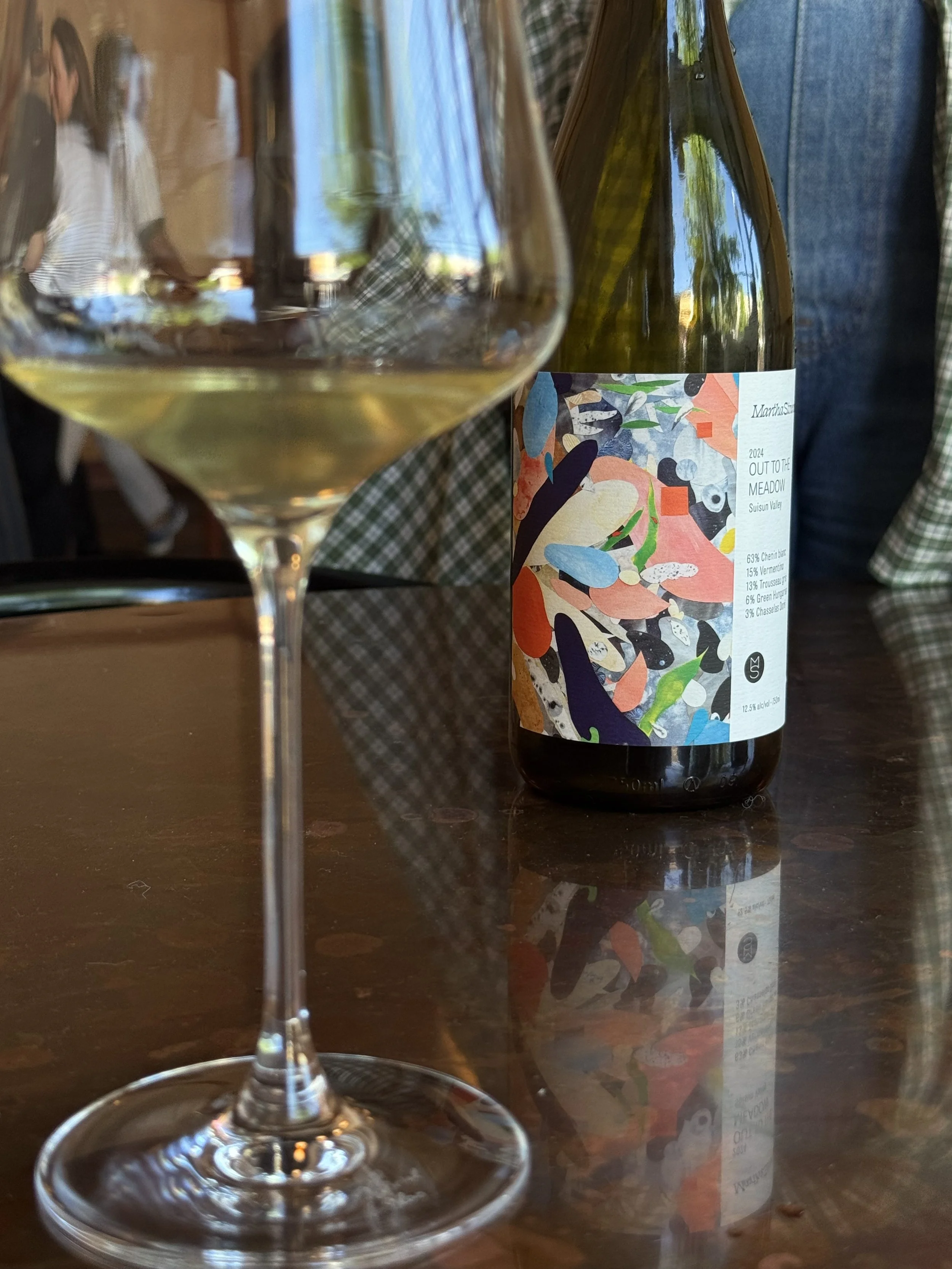
Founded in 2014 by Martha Stoumen, this is a California-based winery known for its low-input natural wines. Stoumen, who holds a master's degree in Enology and Viticulture from UC Davis, emphasizes organic and dry-farming practices, using native yeasts and bacteria for fermentation, and producing vegan wines. They offer various bottlings, including easy-drinking blends and varietals like Carignan, often noted for their freshness and of course some funkier ones and “Mystery” pours as well, which humbled us immensely. Their tasting room just opened in 2025 but already has a very strong foothold and presence in the community. We absolutely loved spending time with Hana and David for our tasting, and found many of the details to be super charming - such as providing miniature toy goggles for looking at old pictures of the vineyards and grapes. Wish we could come back every weekend!
The Coast: Bodega Bay, Oysters, and Cold Air
One of the best parts of this region is how quickly inland heat gives way to coast.
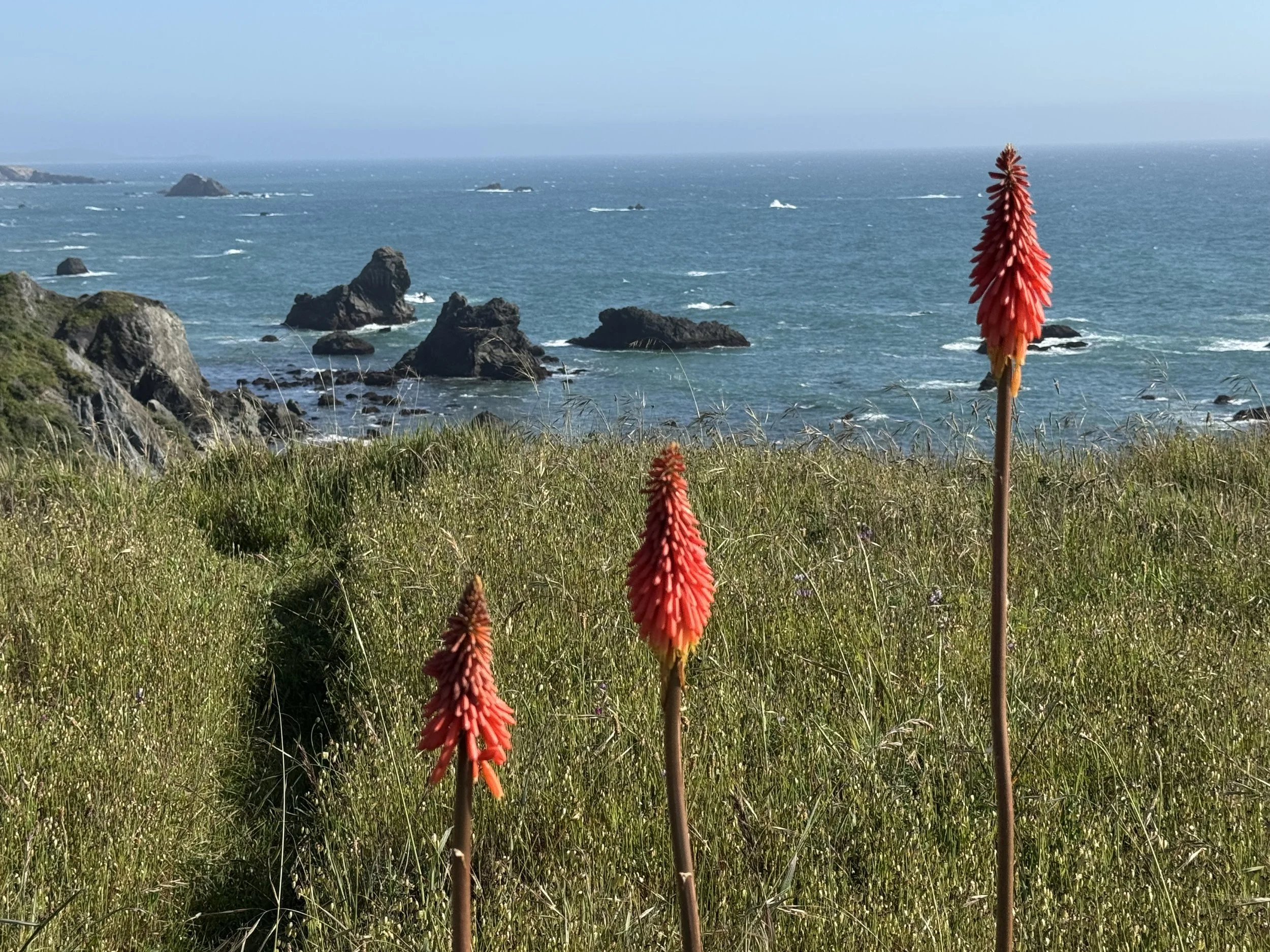
The drive to Bodega Bay was one of the more beautiful transitions of the trip. Dry Mediterranean hills gave way to rolling coastal slopes, bluffs, rock, wind, and colder air coming in off the Pacific. The whole landscape changed register.
Founded in 2012 by Shane and Dana Lucas in Bodega Bay, Fishetarian is a popular, sustainable, and fisherman-owned restaurant and market offering fresh, locally sourced seafood with "Bummer-Free" service. Located on Highway 1, they serve casual favorites like fish and chips, chowder, and grilled fish tacos in an awesome waterfront setting. They’ve recently expanded and there’s plenty of space for vegging out for an afternoon whilst indulging in all of your favorite salty seafood favorites!
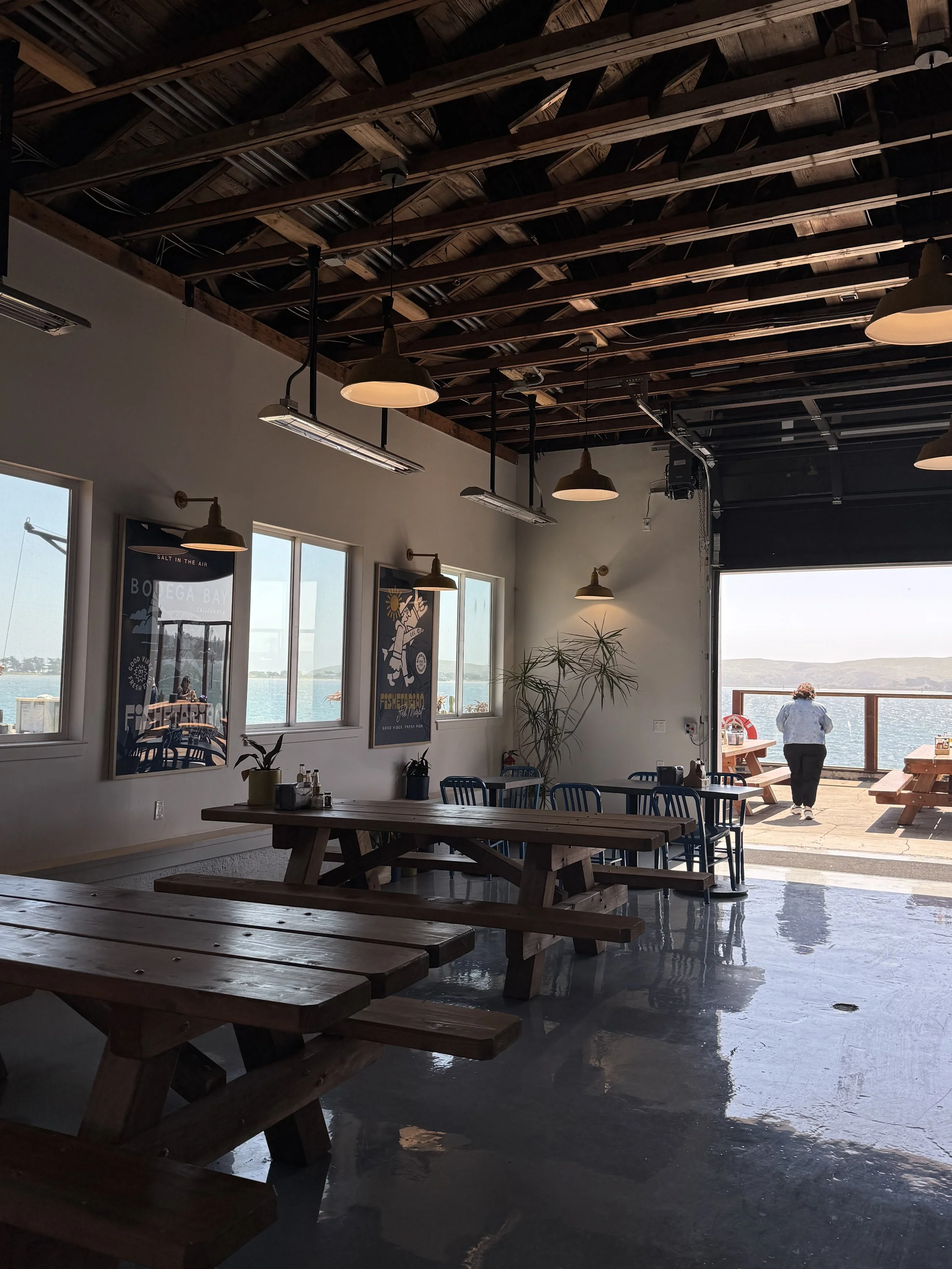
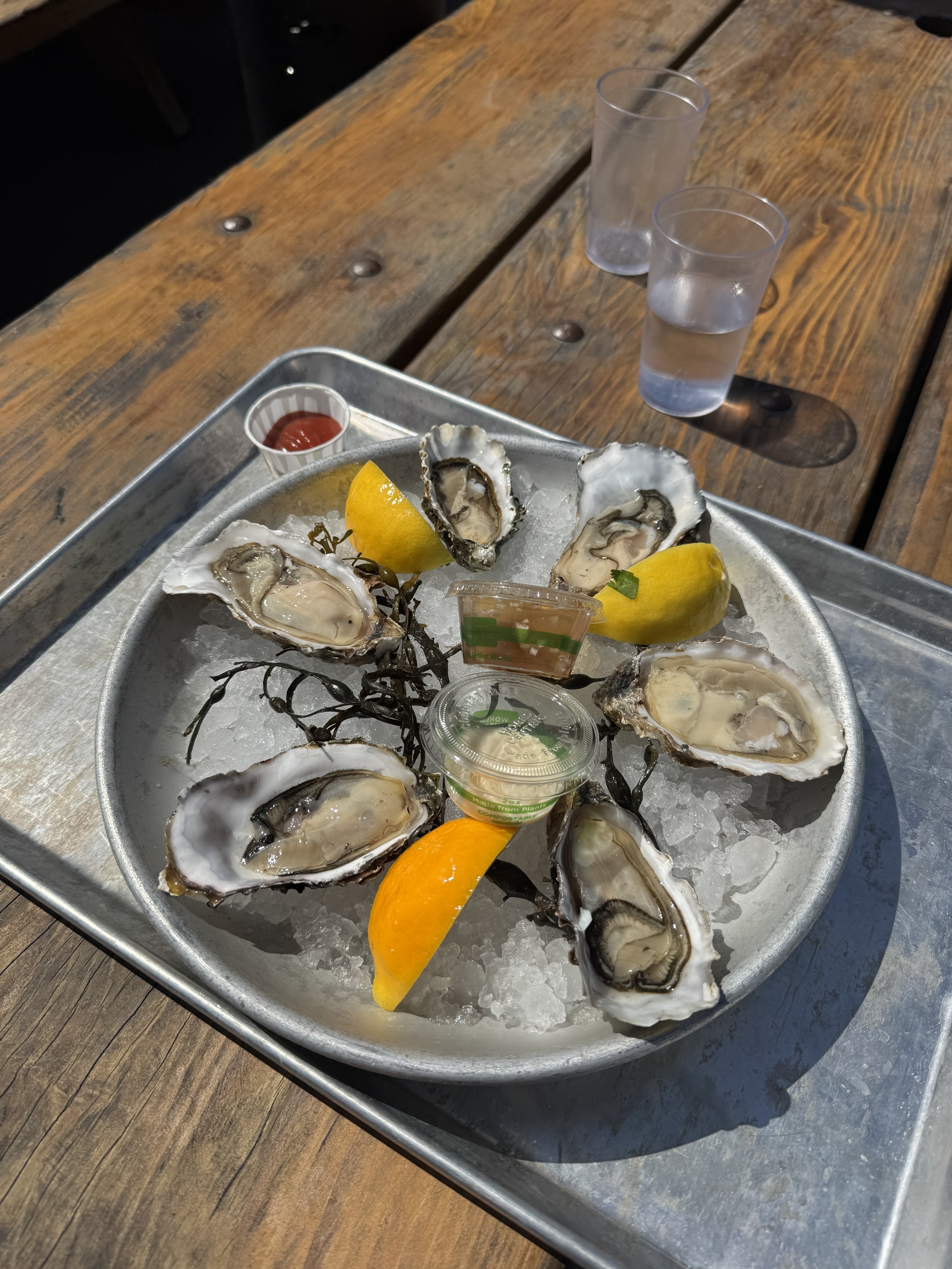
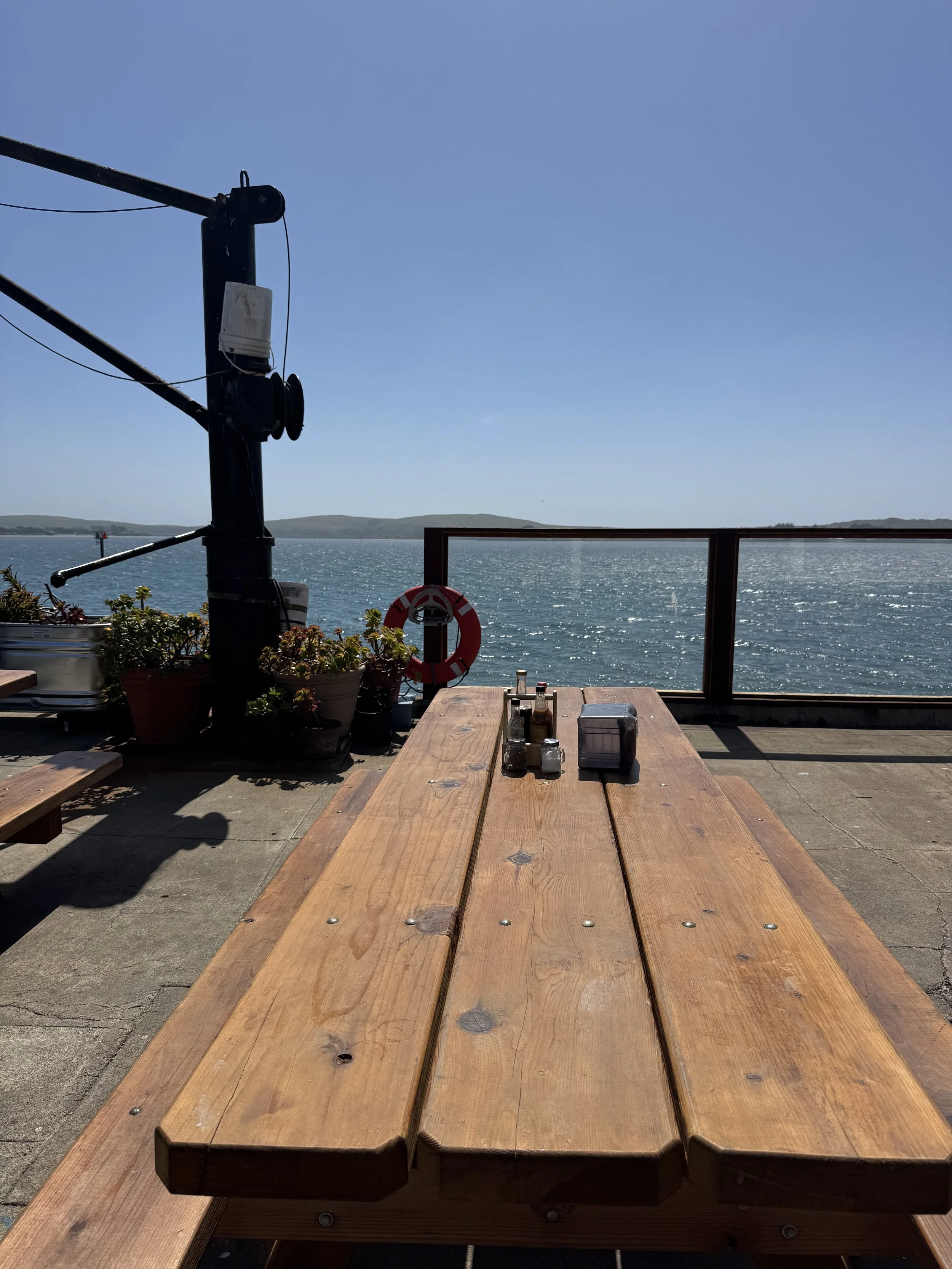
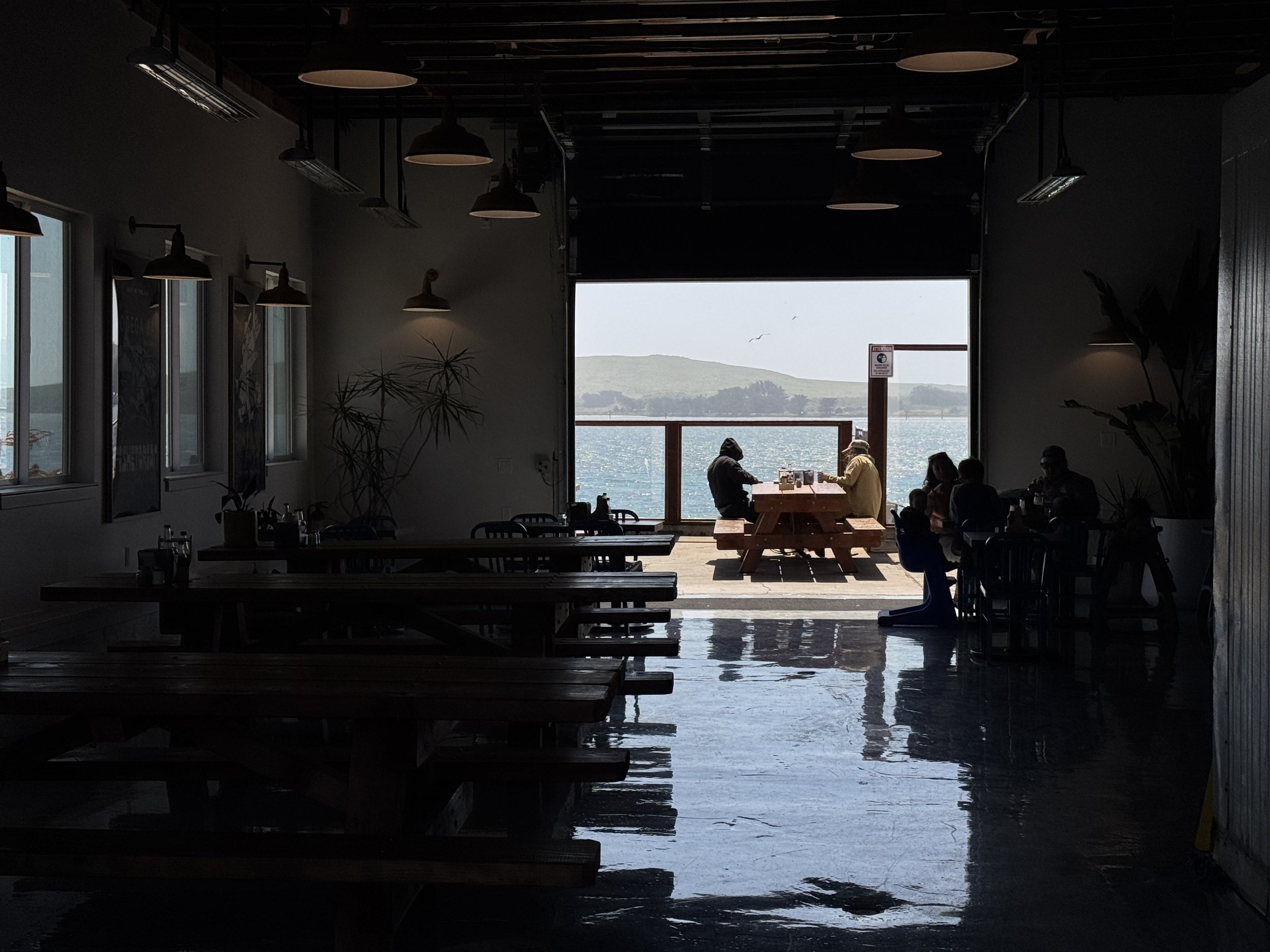
Great outdoor seating with views and we found it to be a more relaxed setting slightly back from the coldest part of the coast. You can get coffees, oysters, pastries, sandwiches, anything you want here - so pick your poison!
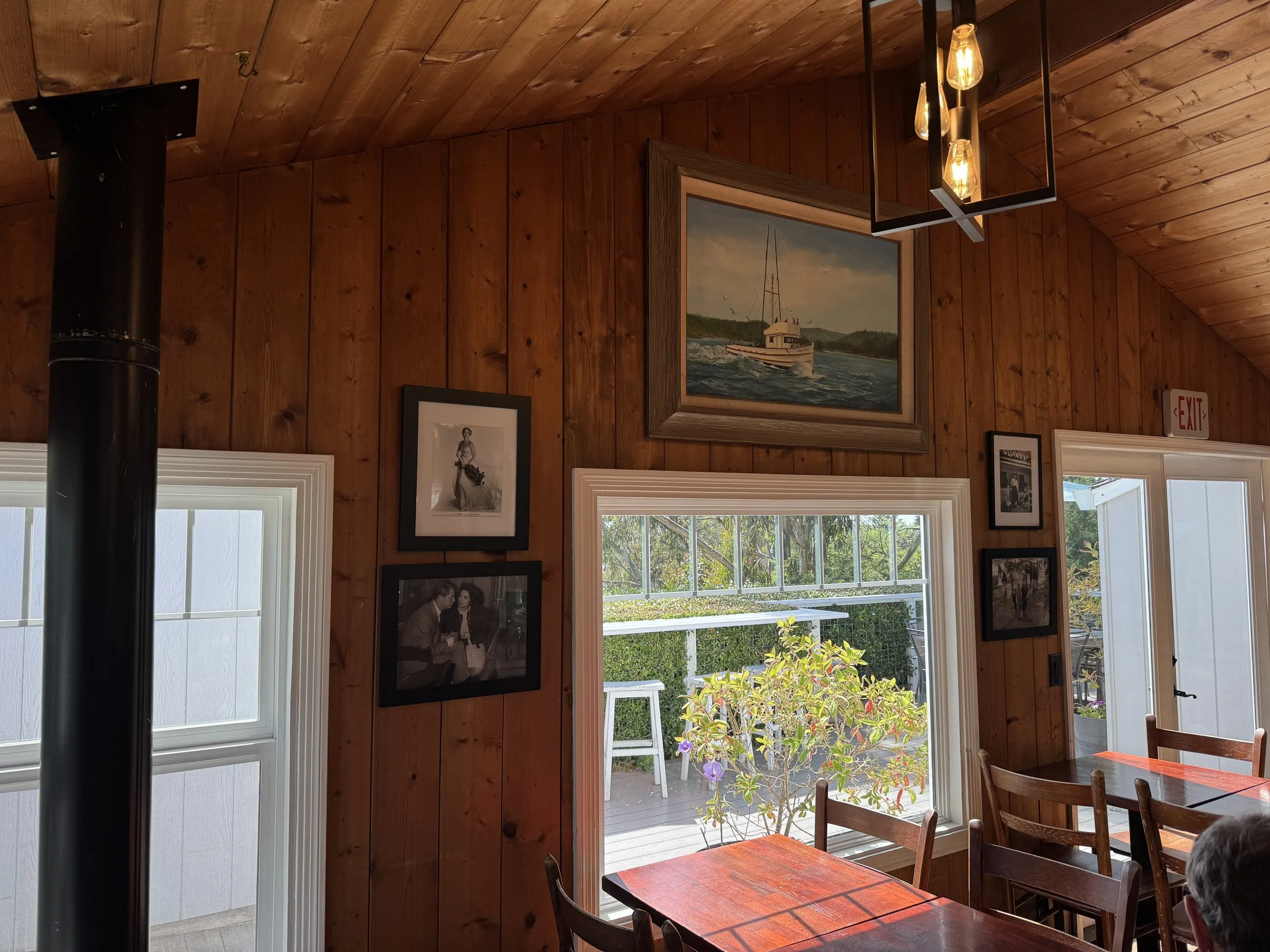
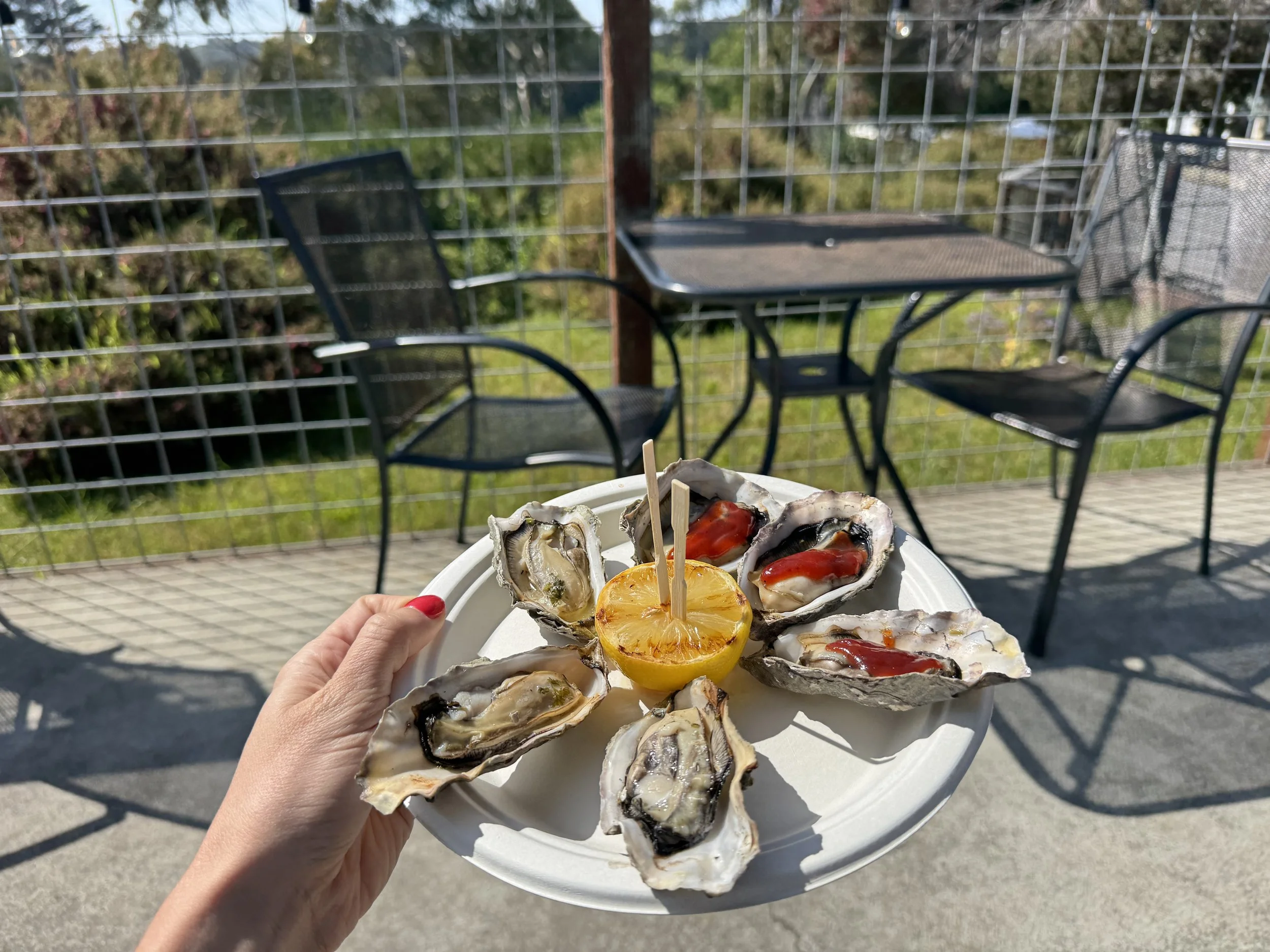
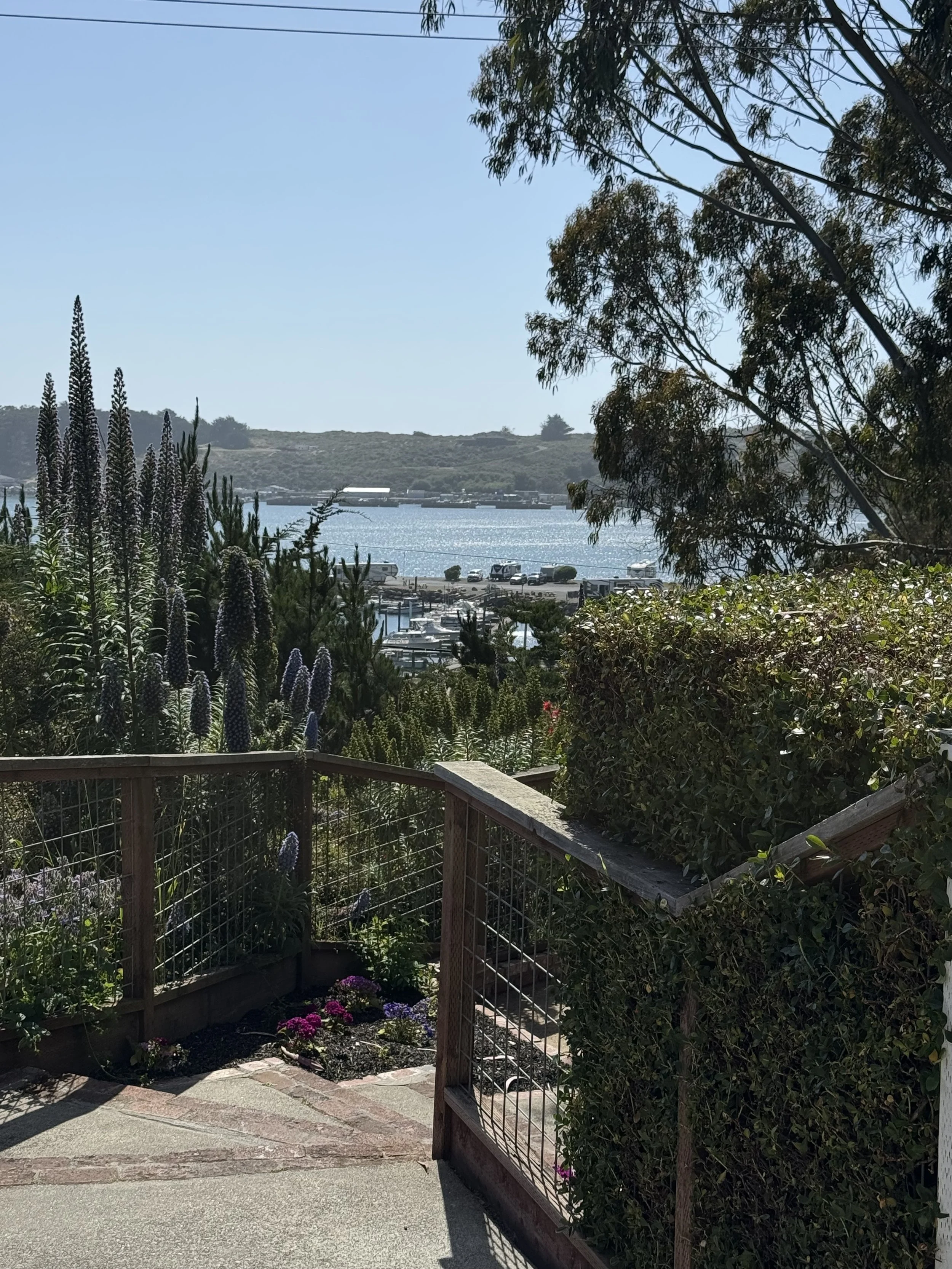
A truly stunning part of the coast, especially if you happen to catch it on a sunny day. Make sure to bring a jacket as the sea breeze can be unpredictable and at times a bit chilly, even when in the 70’s inland!
Dawn Ranch: the Best Place to Stay Near the Russian River
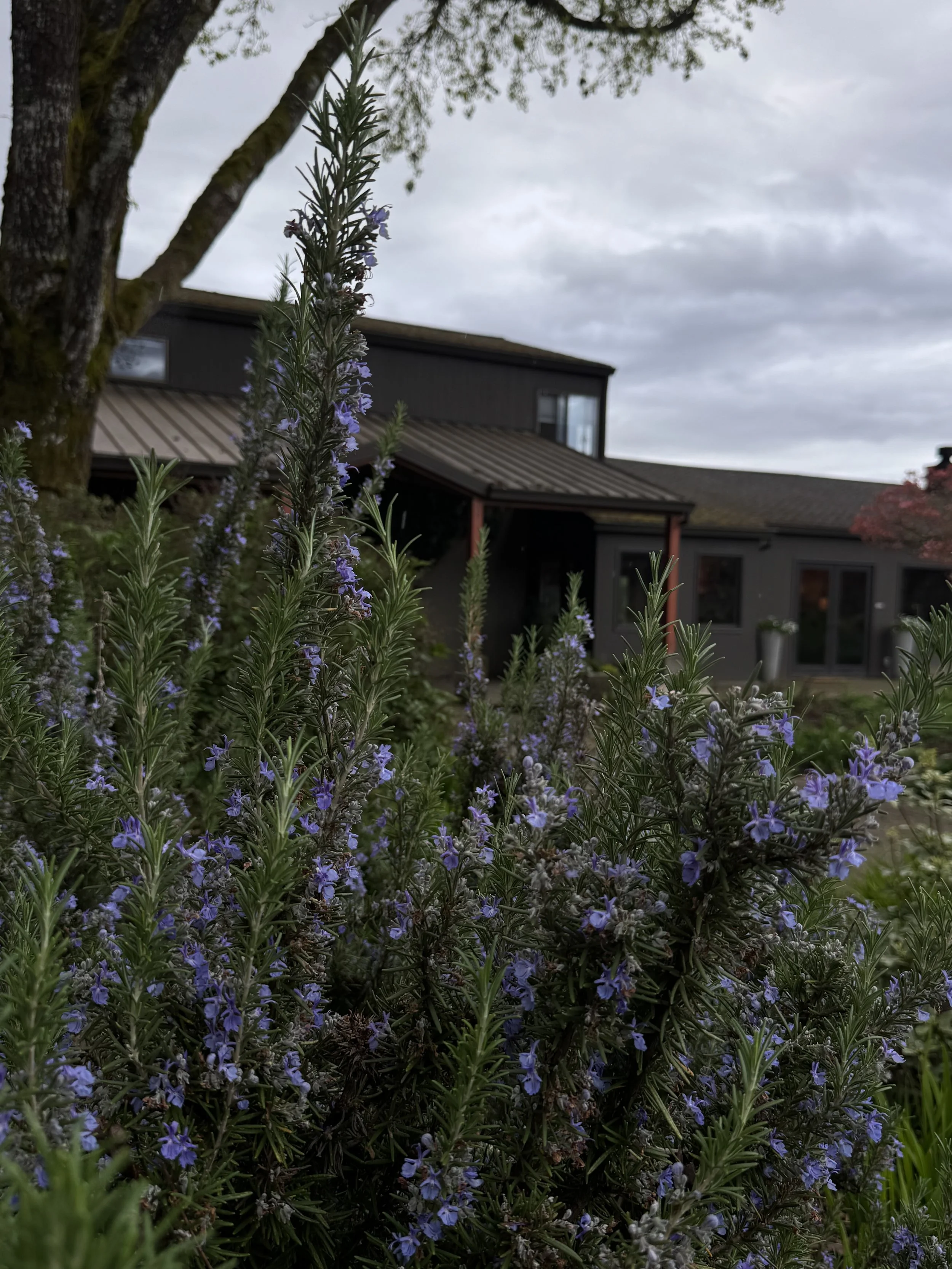
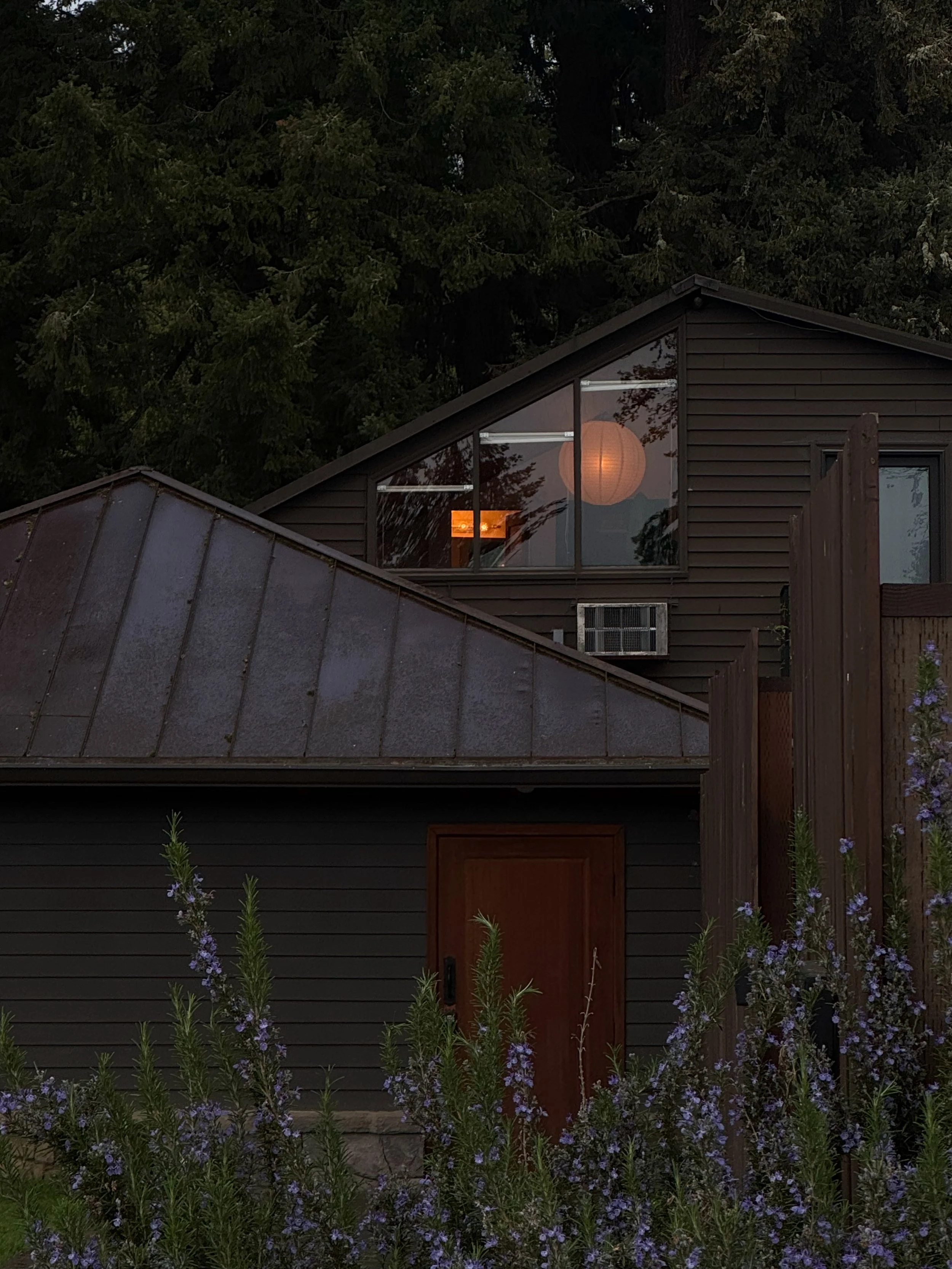
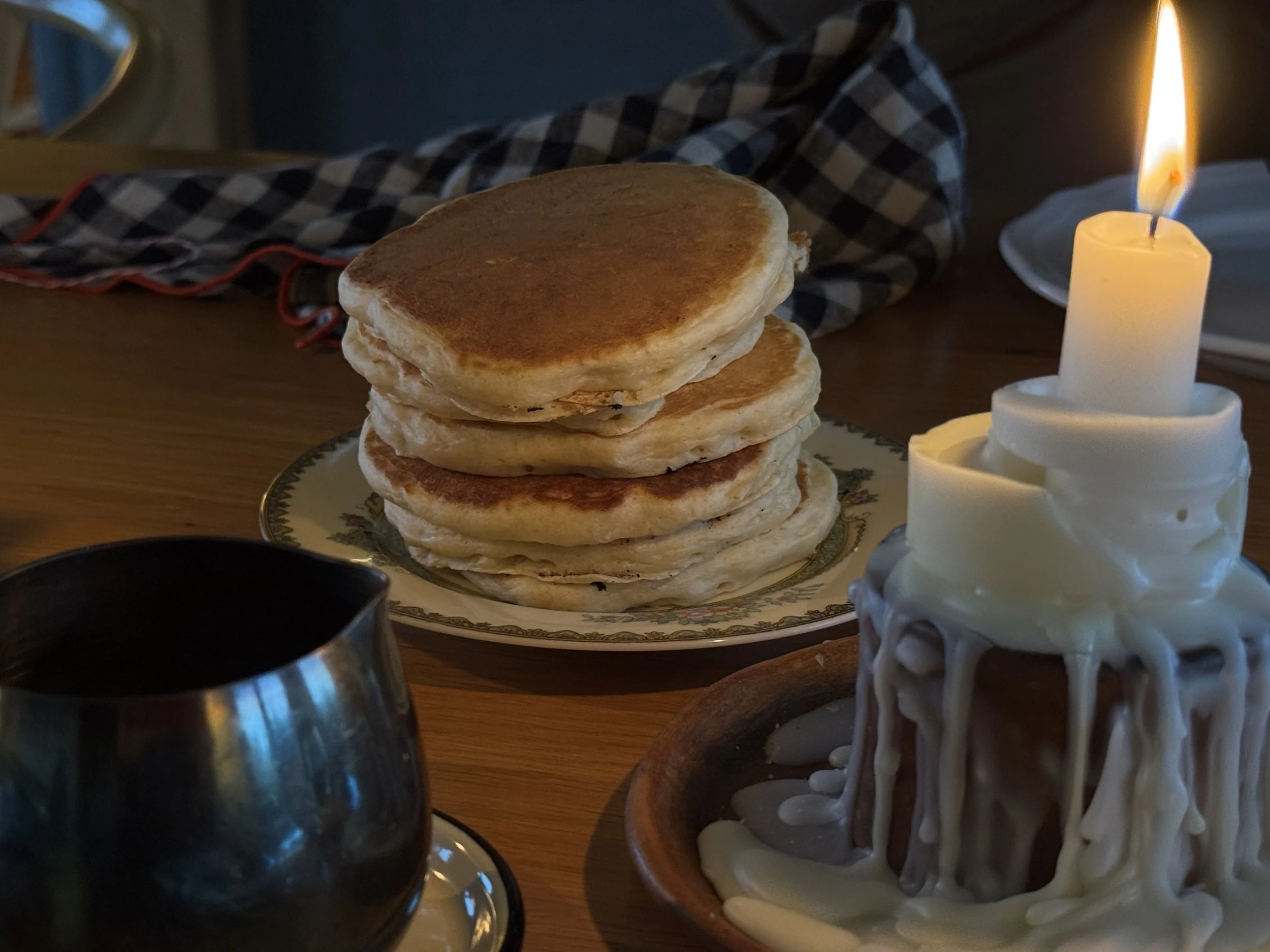
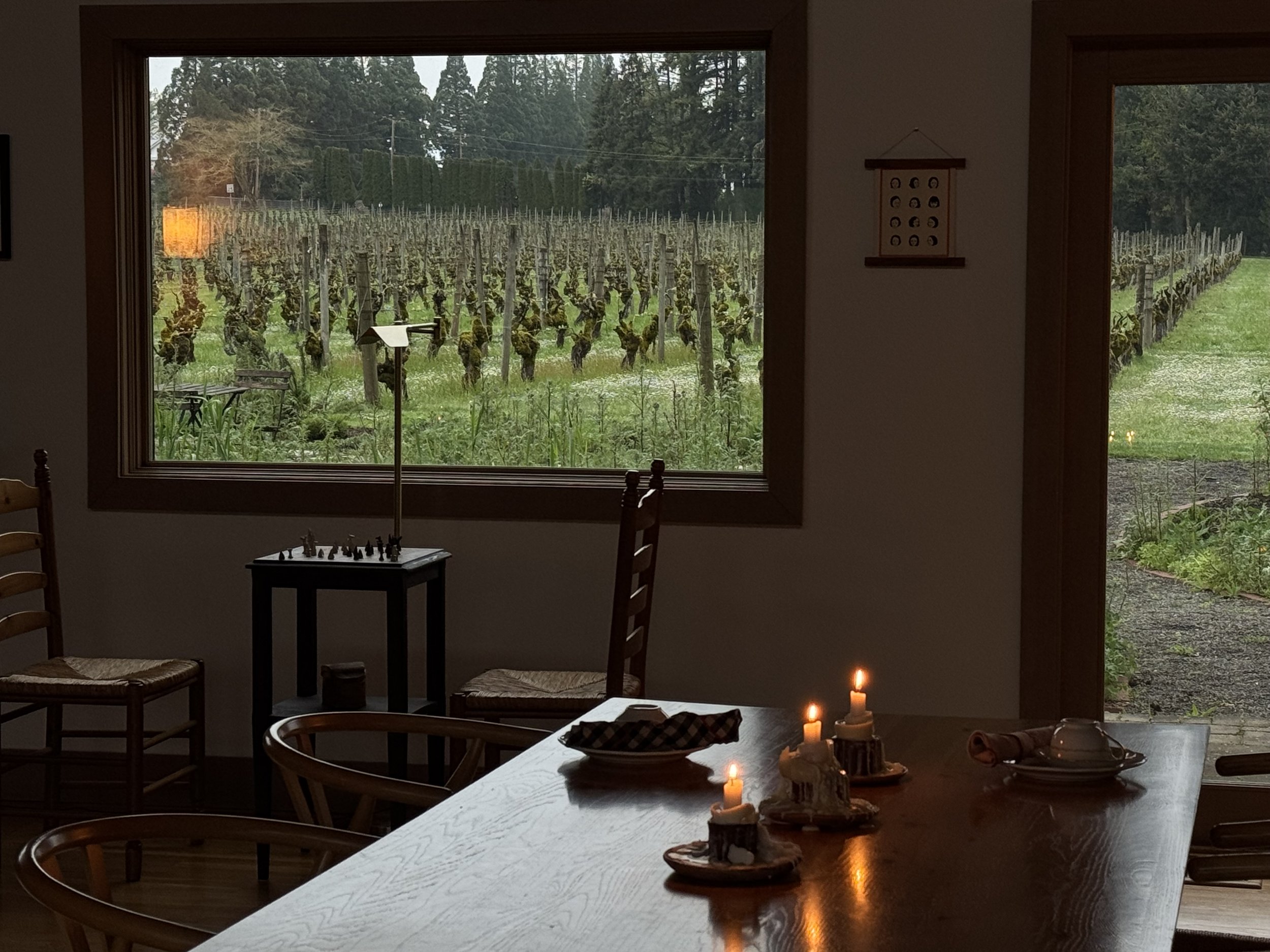
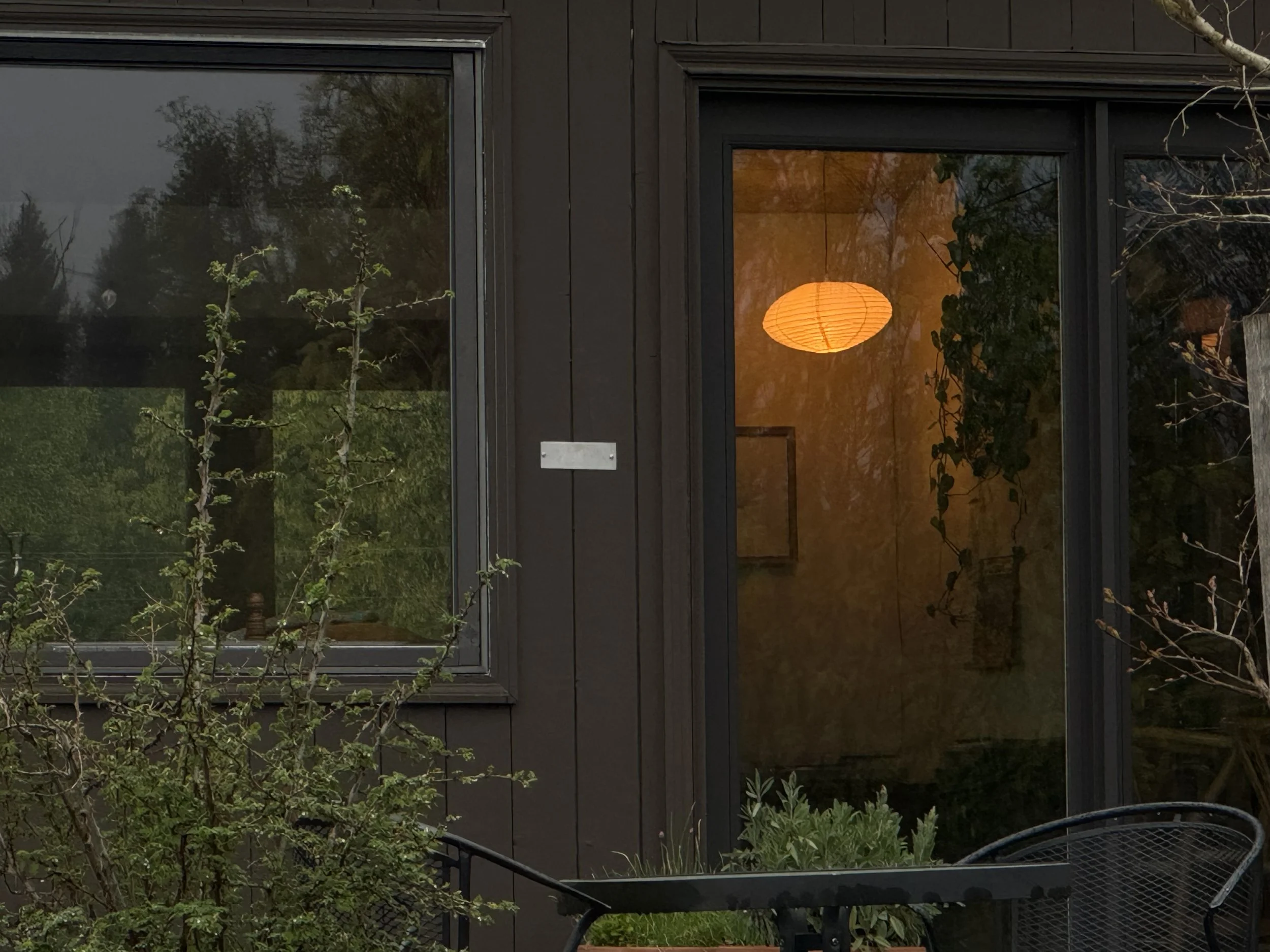
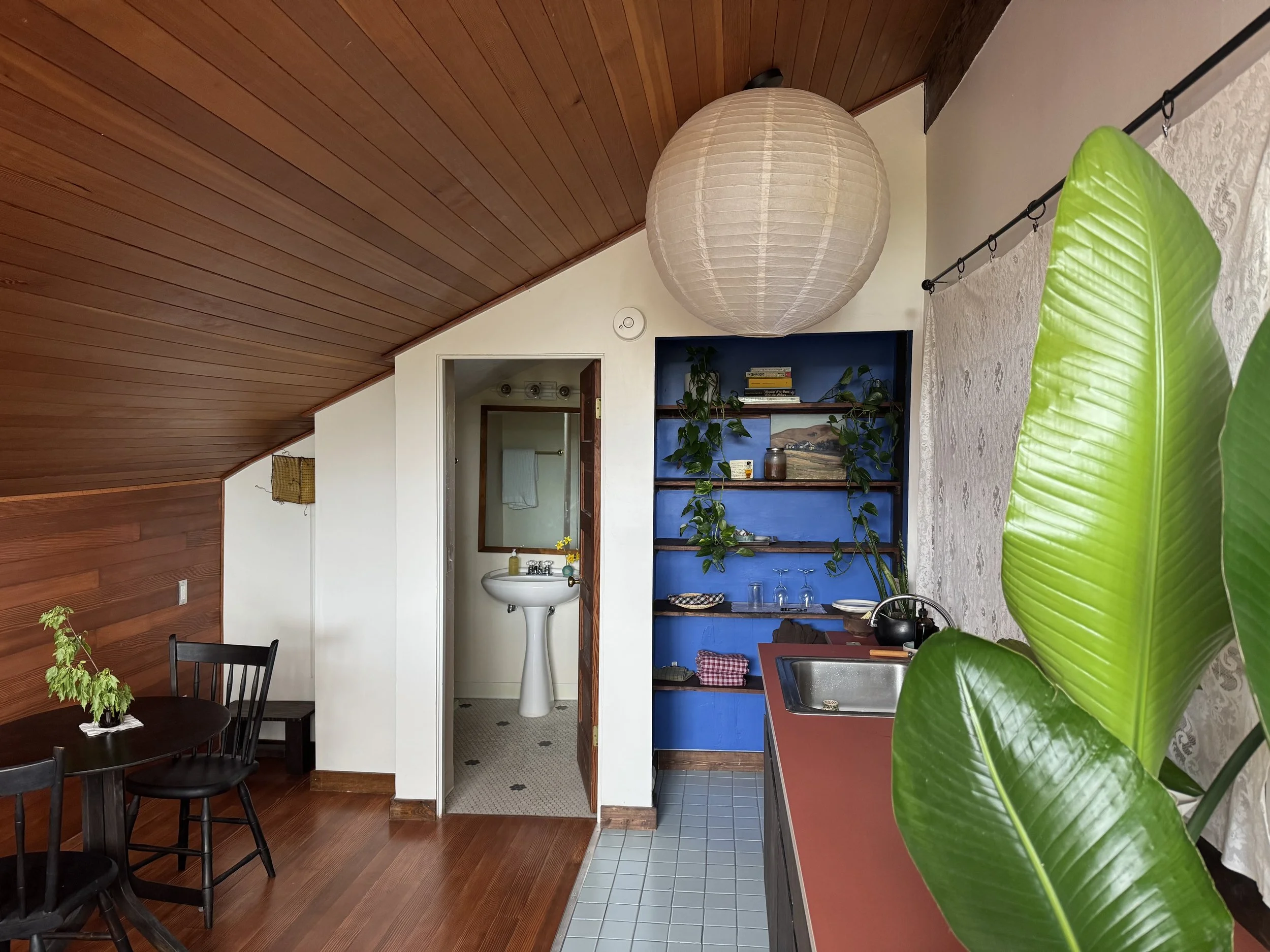
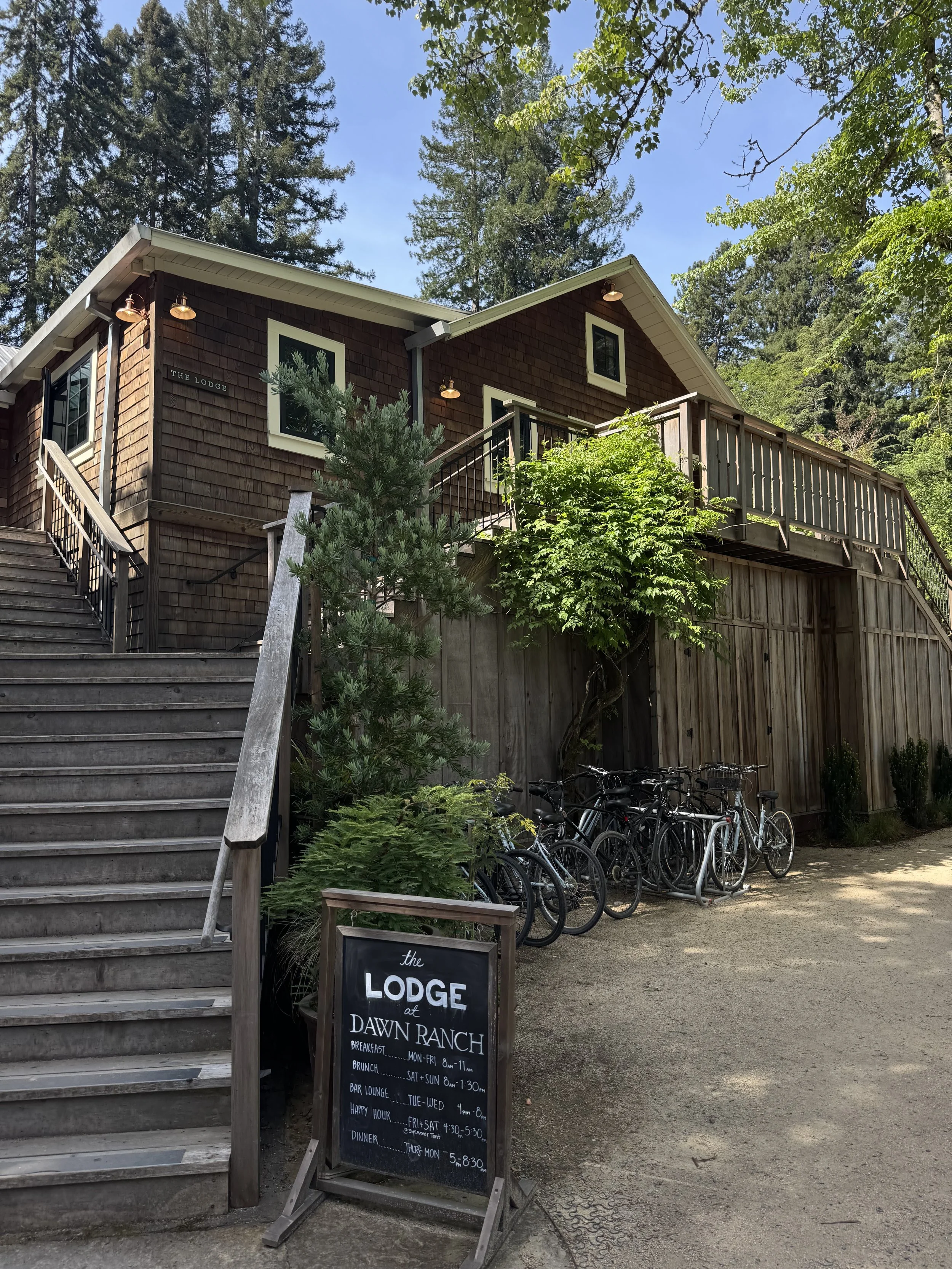
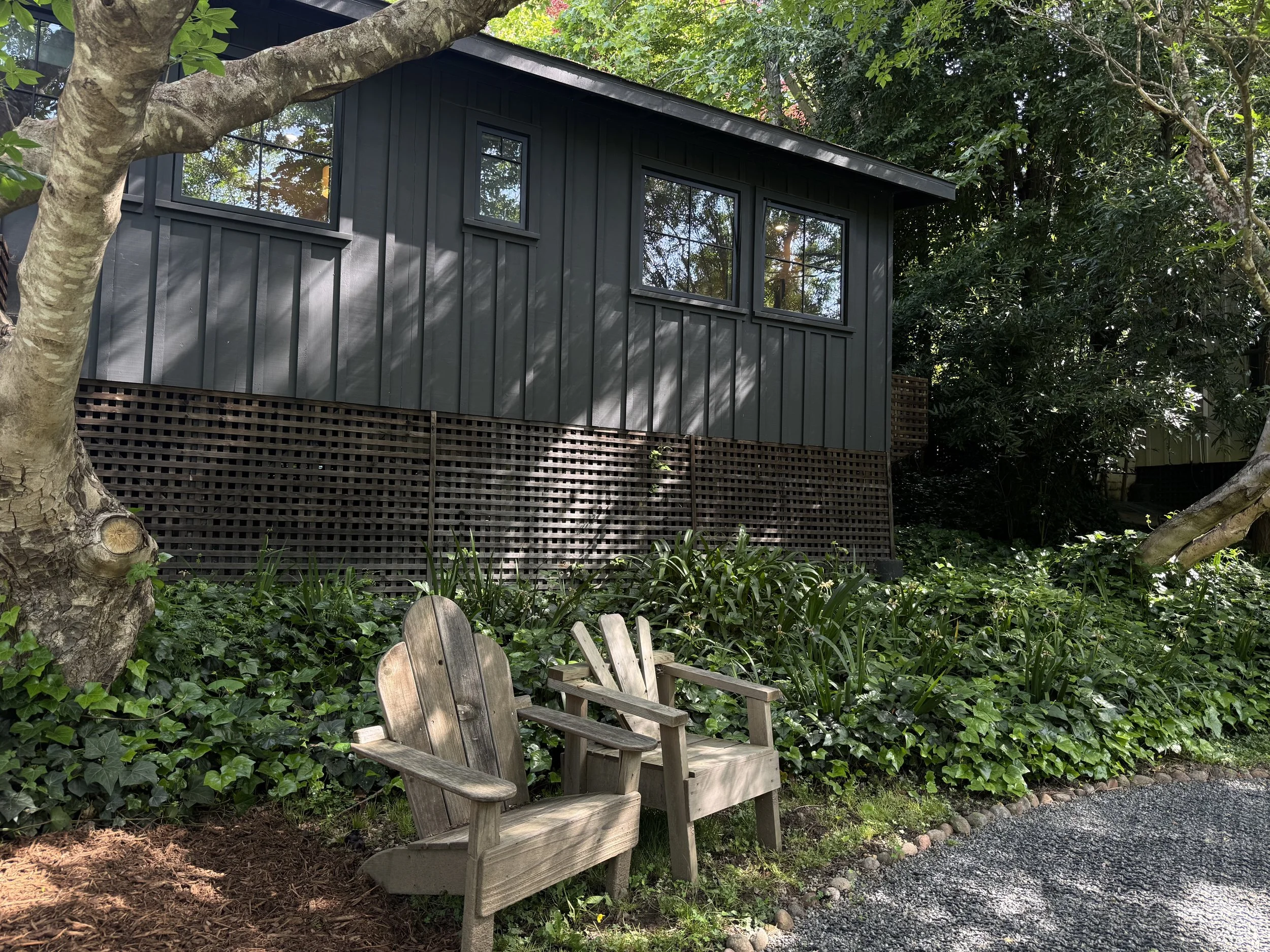
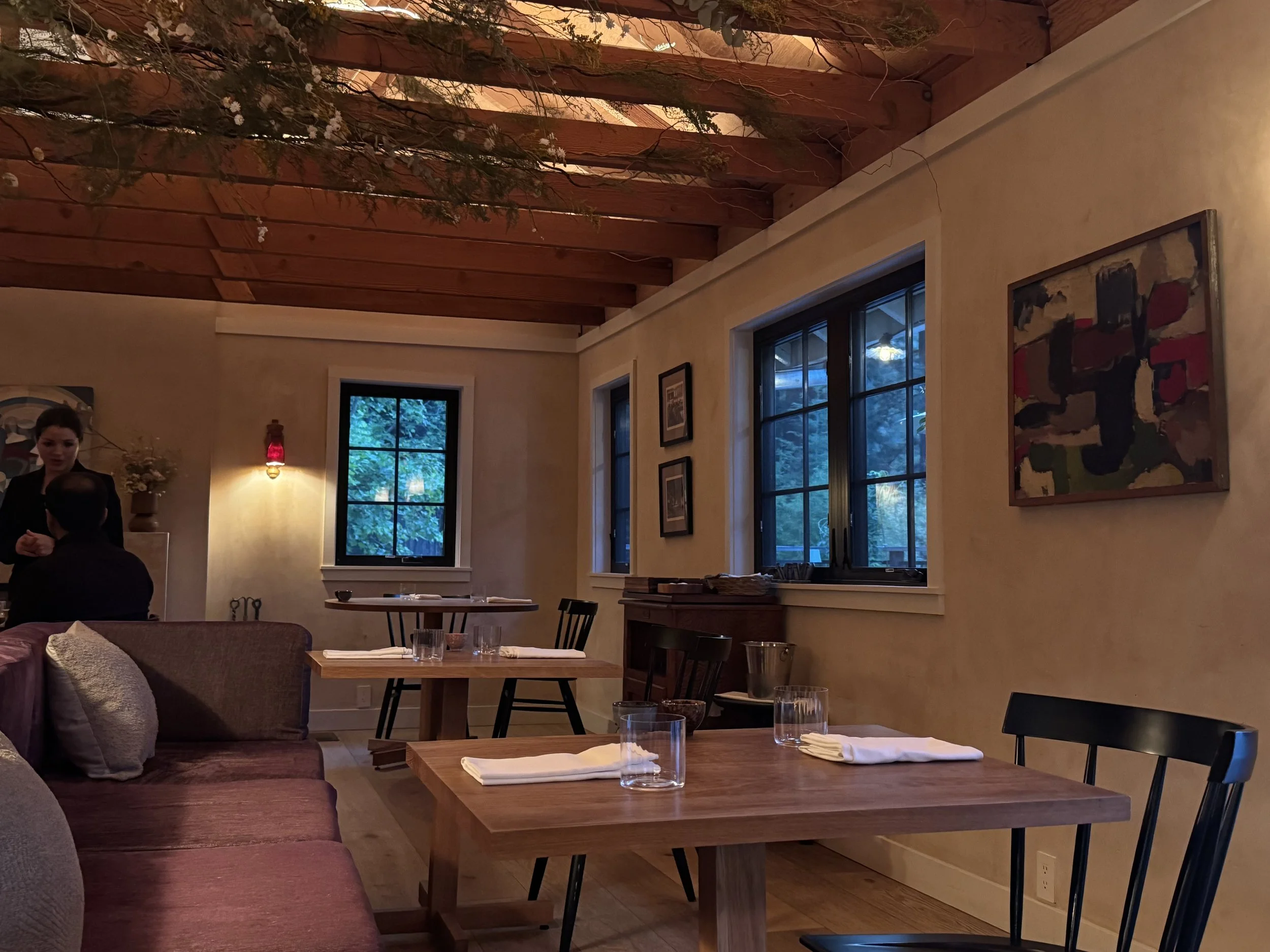
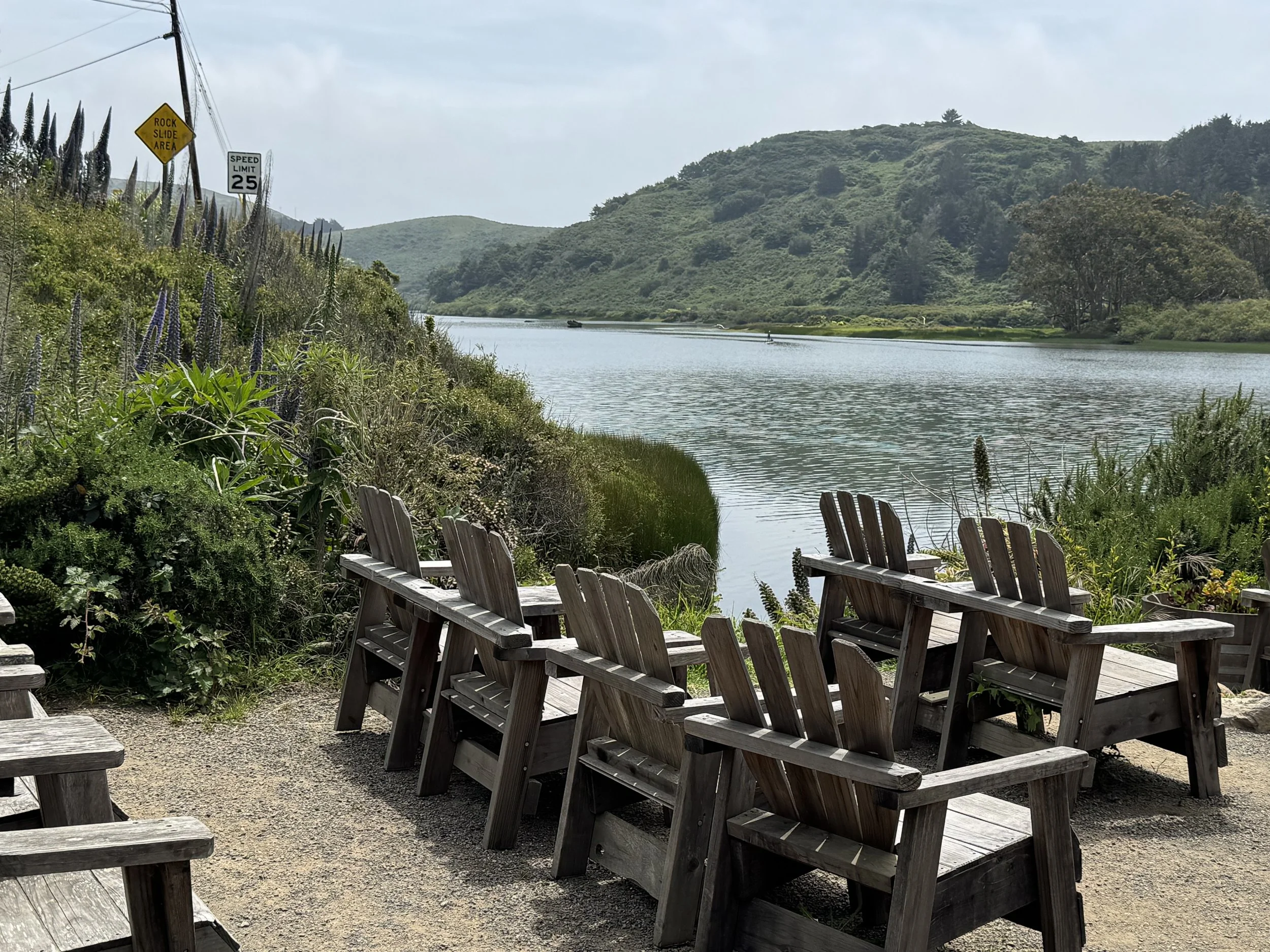
Dawn Ranch ended up being one of the strongest hotel experiences of the trip. It is an impeccably cute setting with cabins layered across the property, and a pool plus gorgeous dining room (more on that later). You can walk into Guerneville within 3 minutes, which makes it feel both removed but also incredibly connected to the buzz of the town.
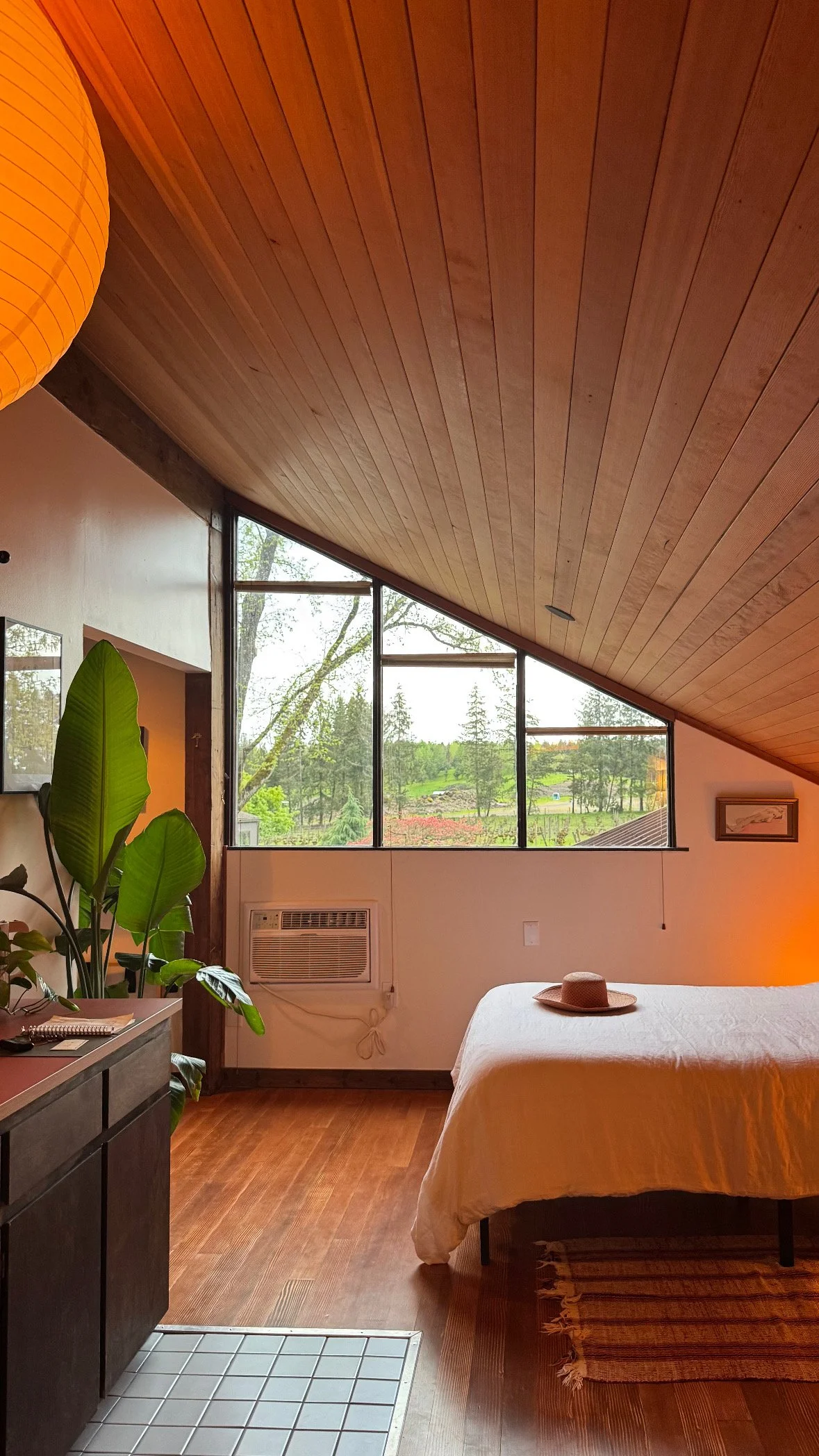
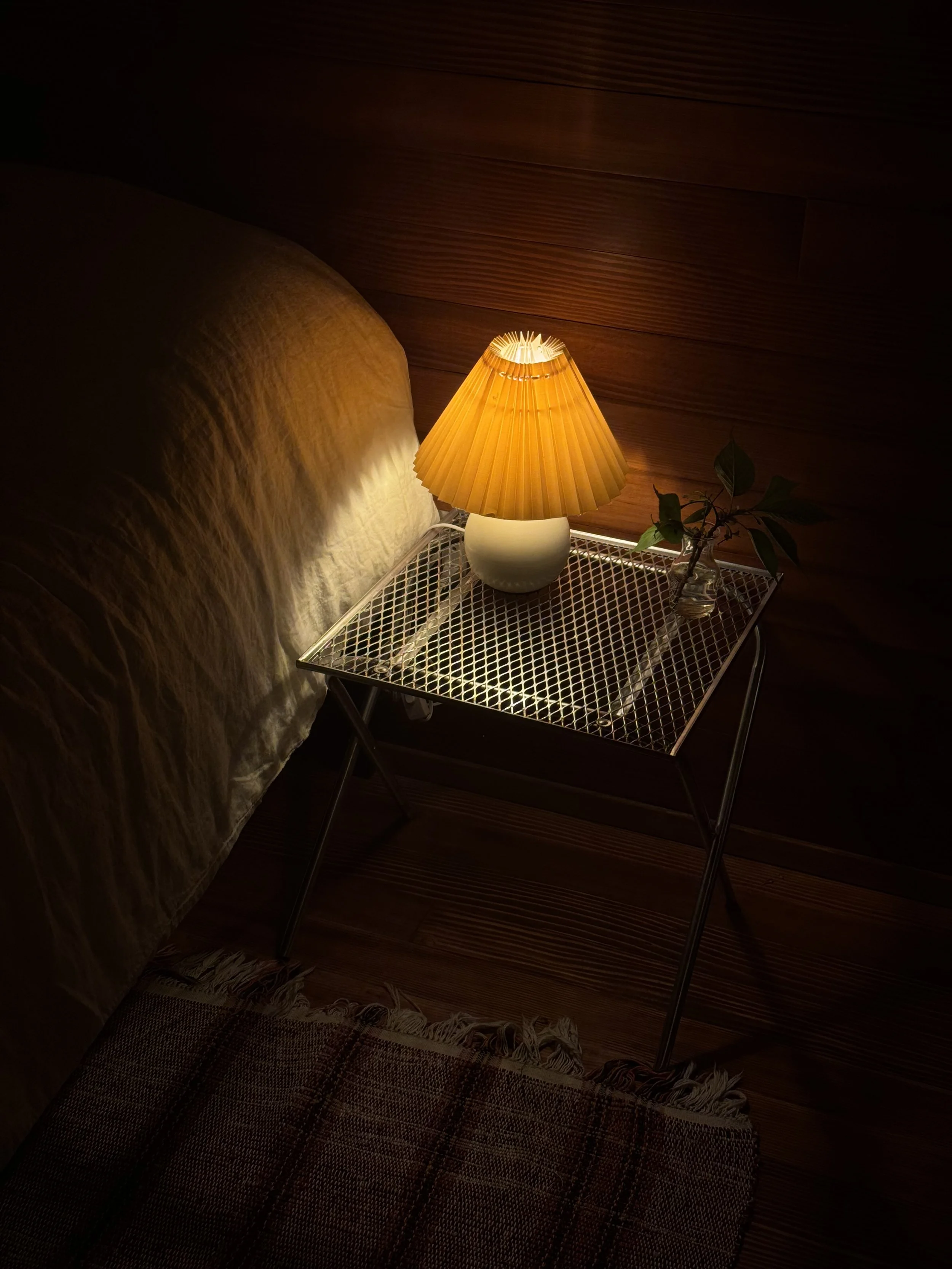
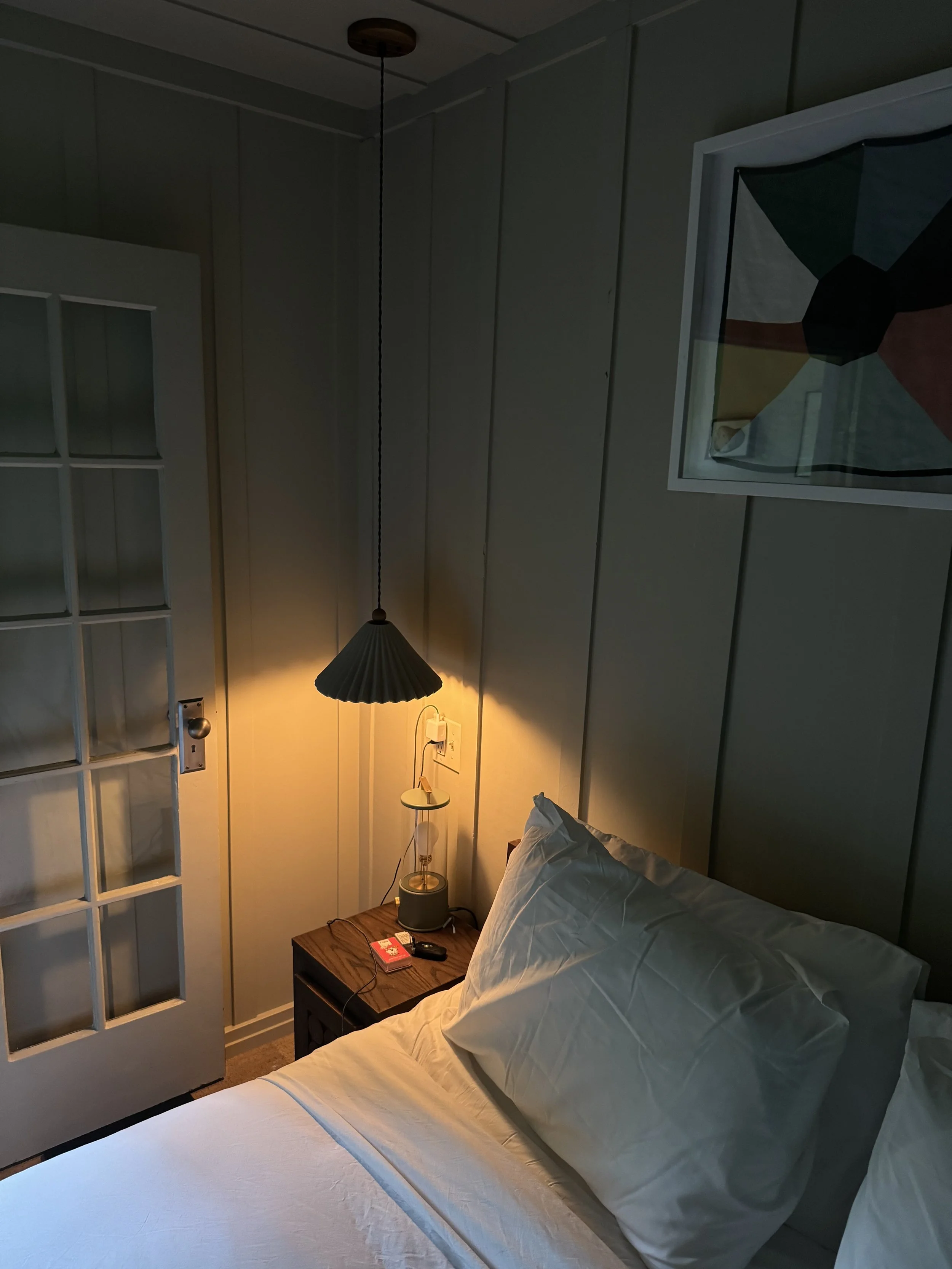
Upon arrival, you park your car and can then take a plant cart like you’d see from a garden center and bring your luggage to your cottage. The cottages are cozy, polished and quaint and have everything you need: fridge, coffee, bed side lamps, a small porch w/ chairs, and a good cooling system for warm days. Beds are comfortable and cozy and there was plenty of space in our cabin for evening relaxation and games.
Walking around, you quickly see how small you are around the towering redwoods. The juxtaposition of the cabins amongst these giants is a powerful contrast of mother nature’s immense strength and time. I appreciated the integration into the forest, as it creates a unique experience unlike any other. Again, it has remnants of Frank Lloyd Wright’s approach in that the property feels built *into* the Earth rather than on it. The integration with nature is evident from the moment you walk on its campus. The pool is incredibly nice and clean, and the spa retreat even better.
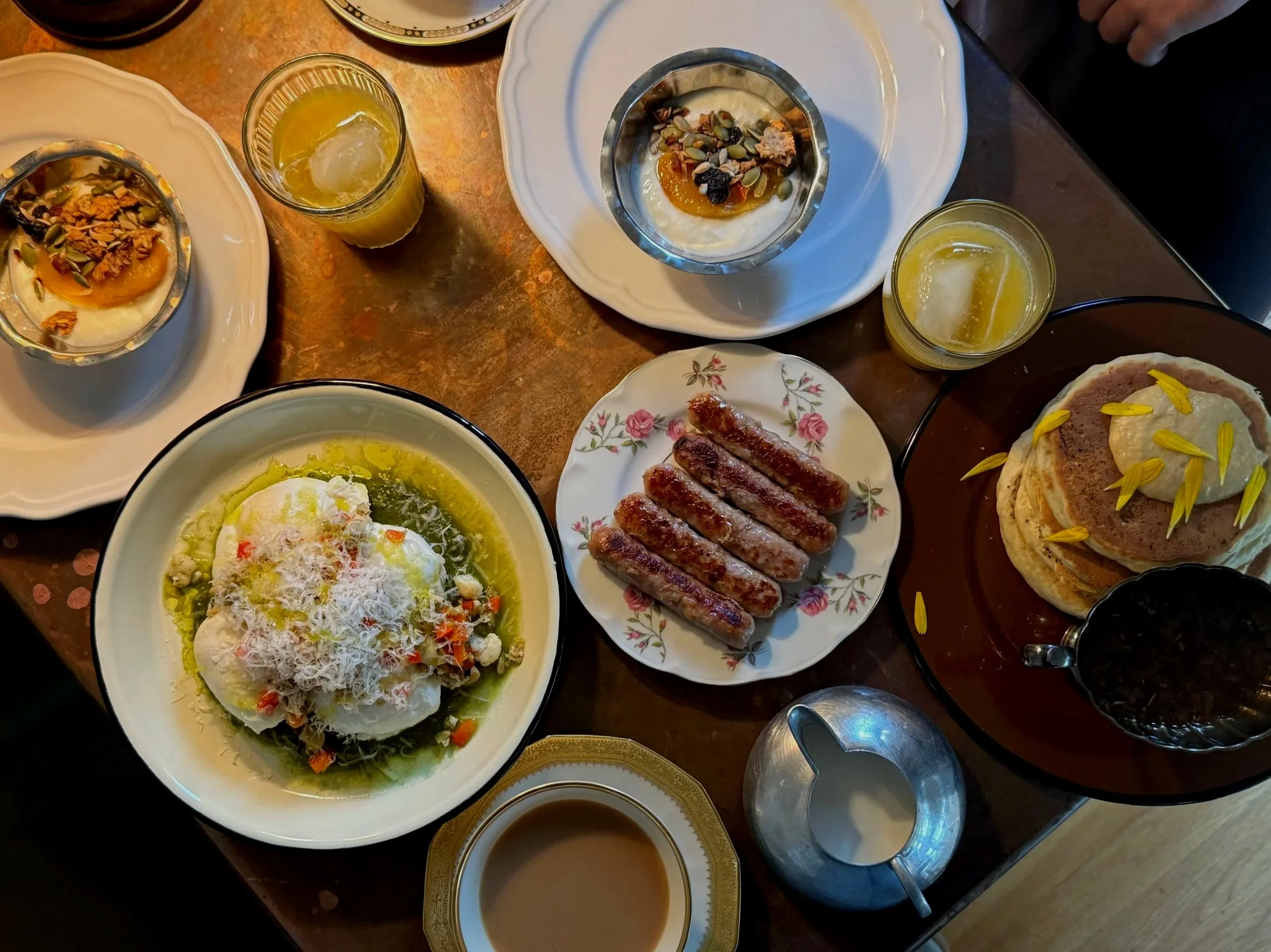
Dawn Ranch also offers a culinary experience that blew us away. We enjoyed it on our second night and haven’t stopped talking about it since.
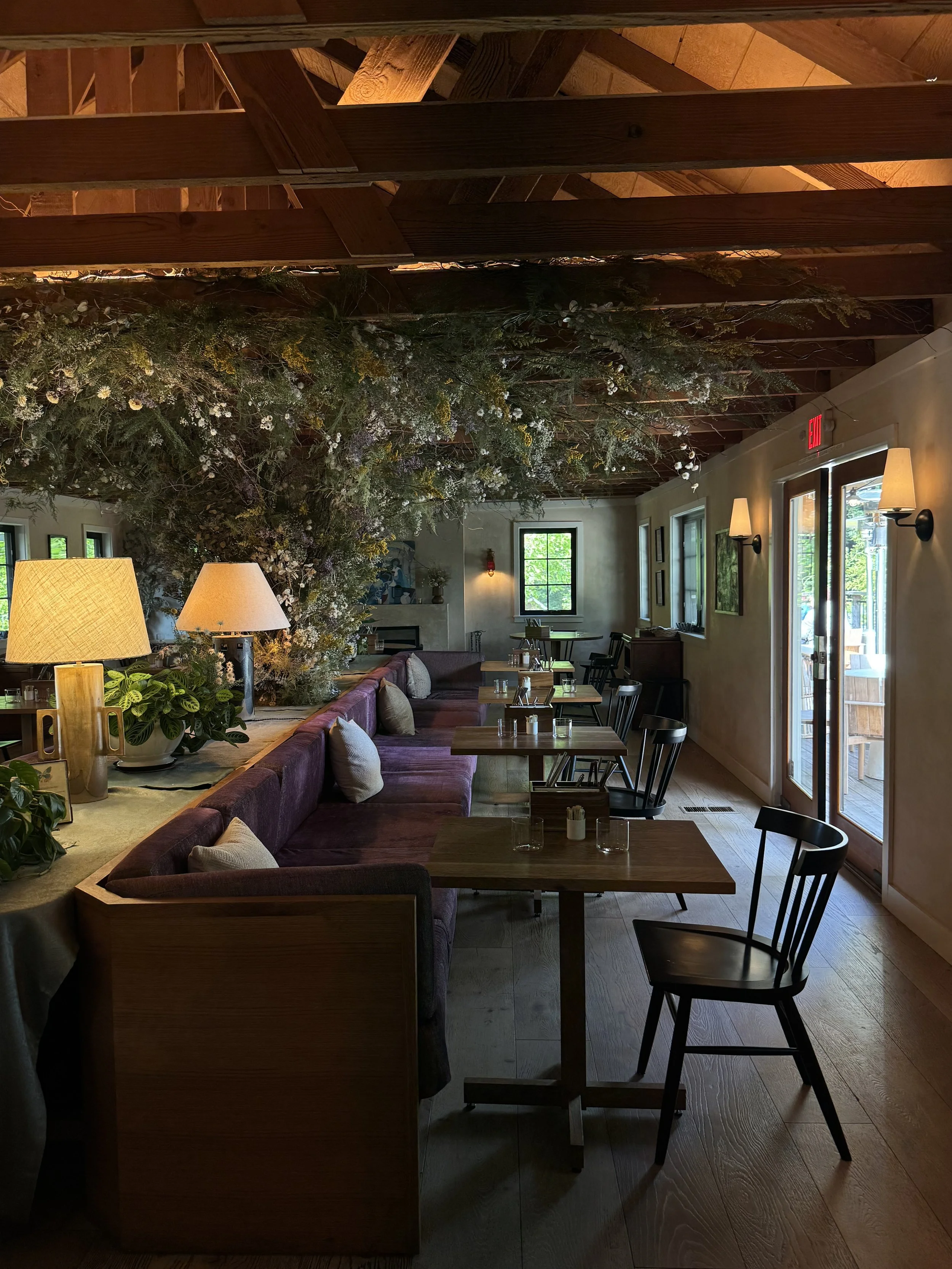
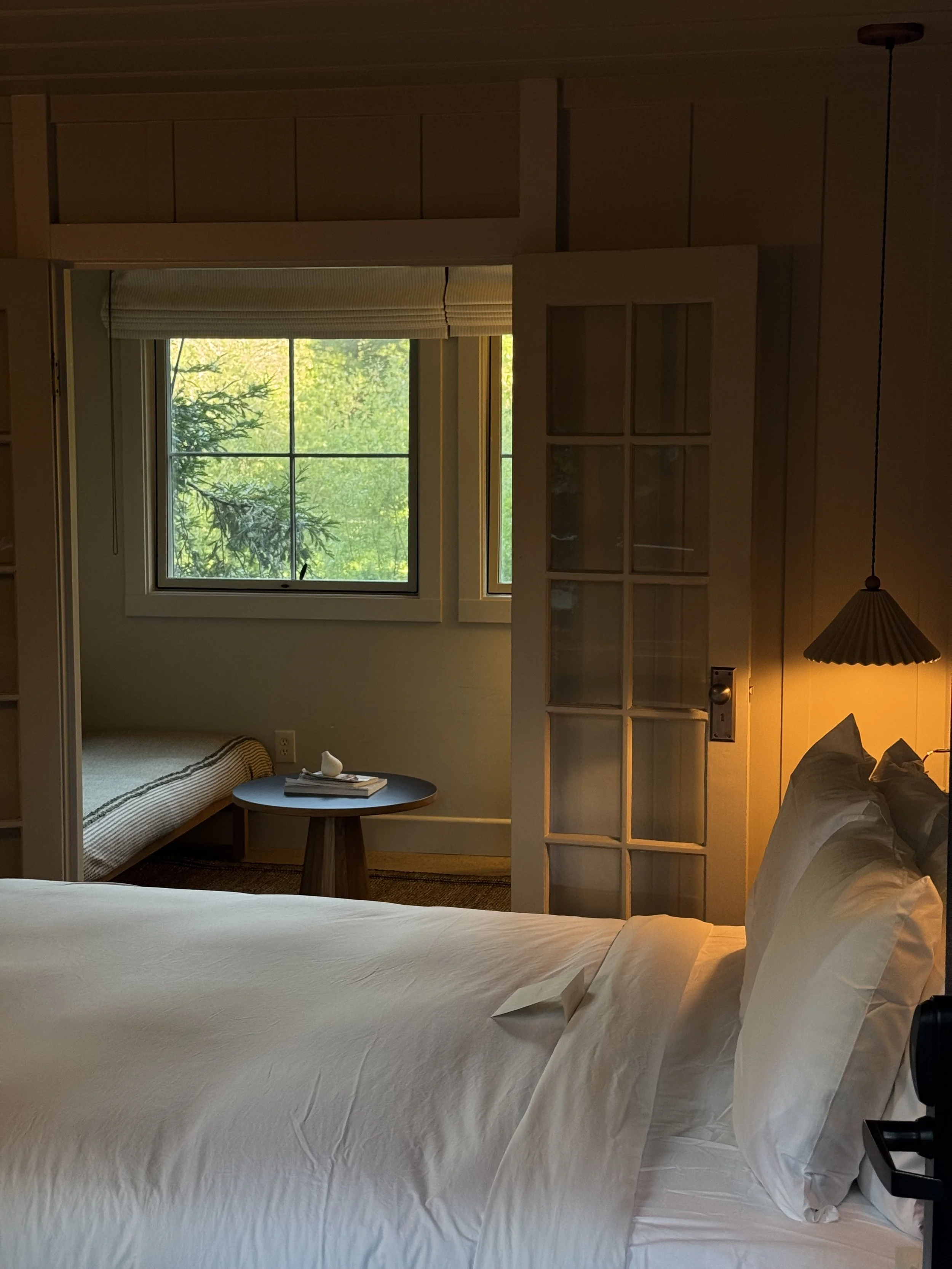
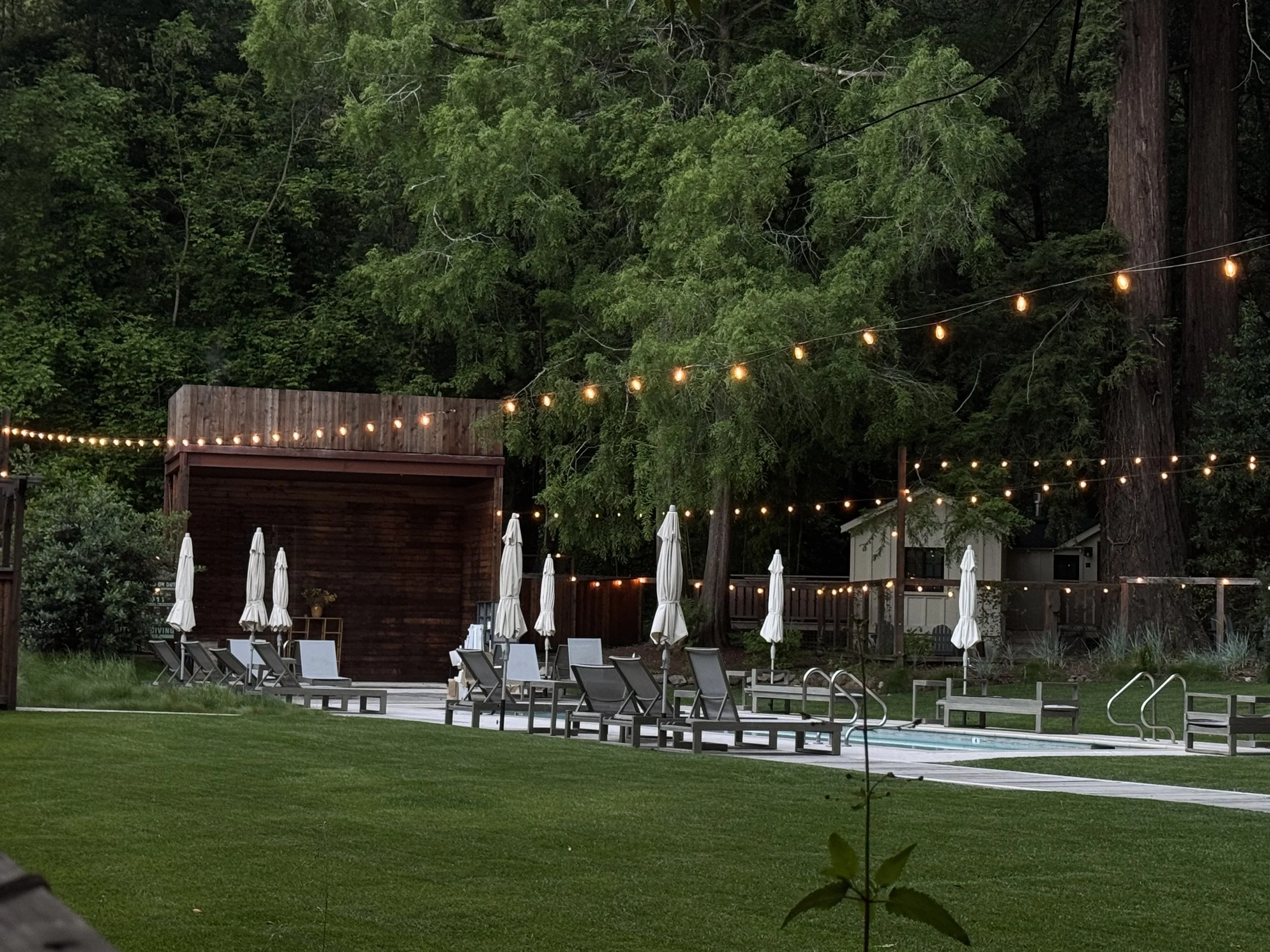
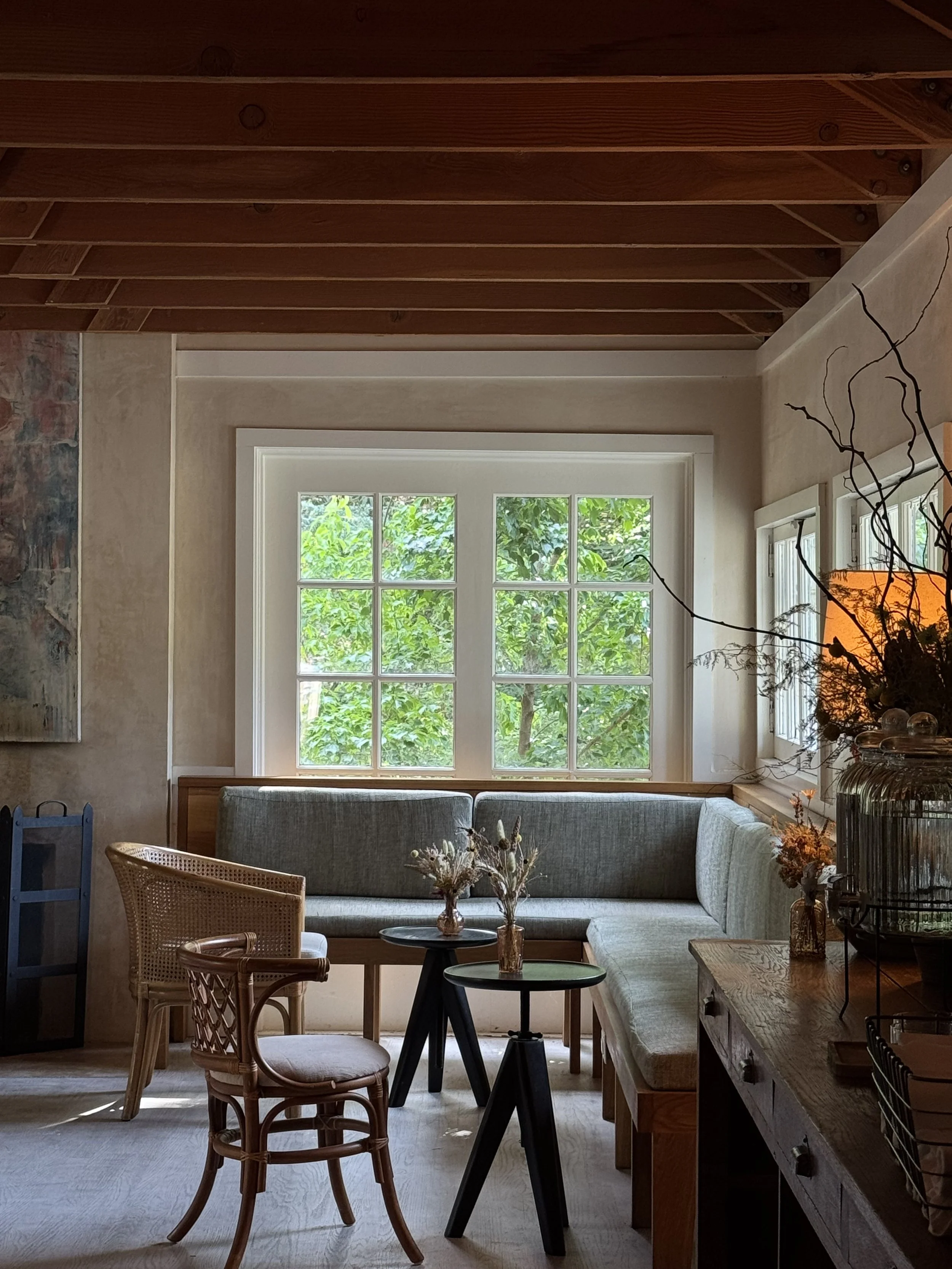
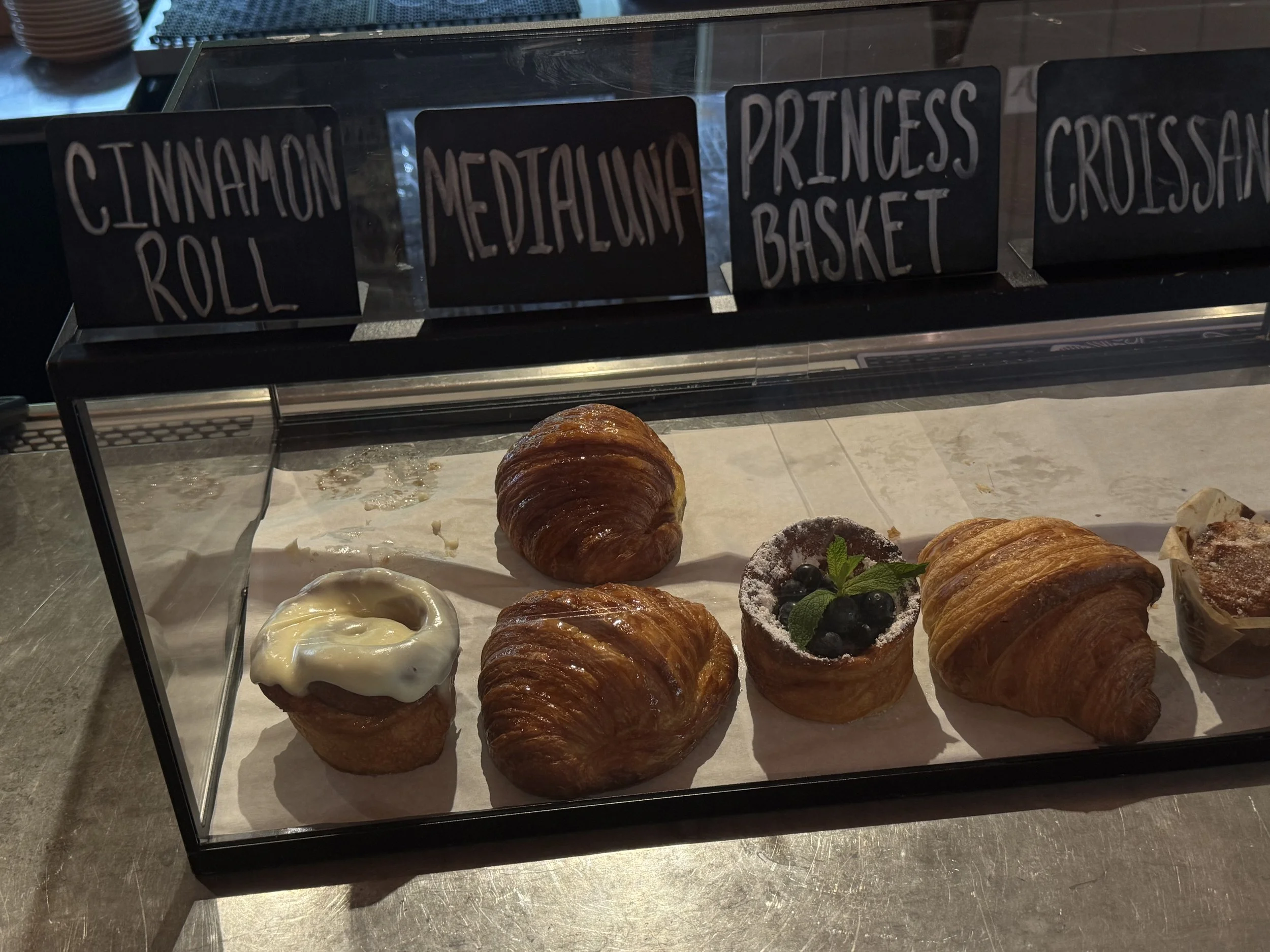
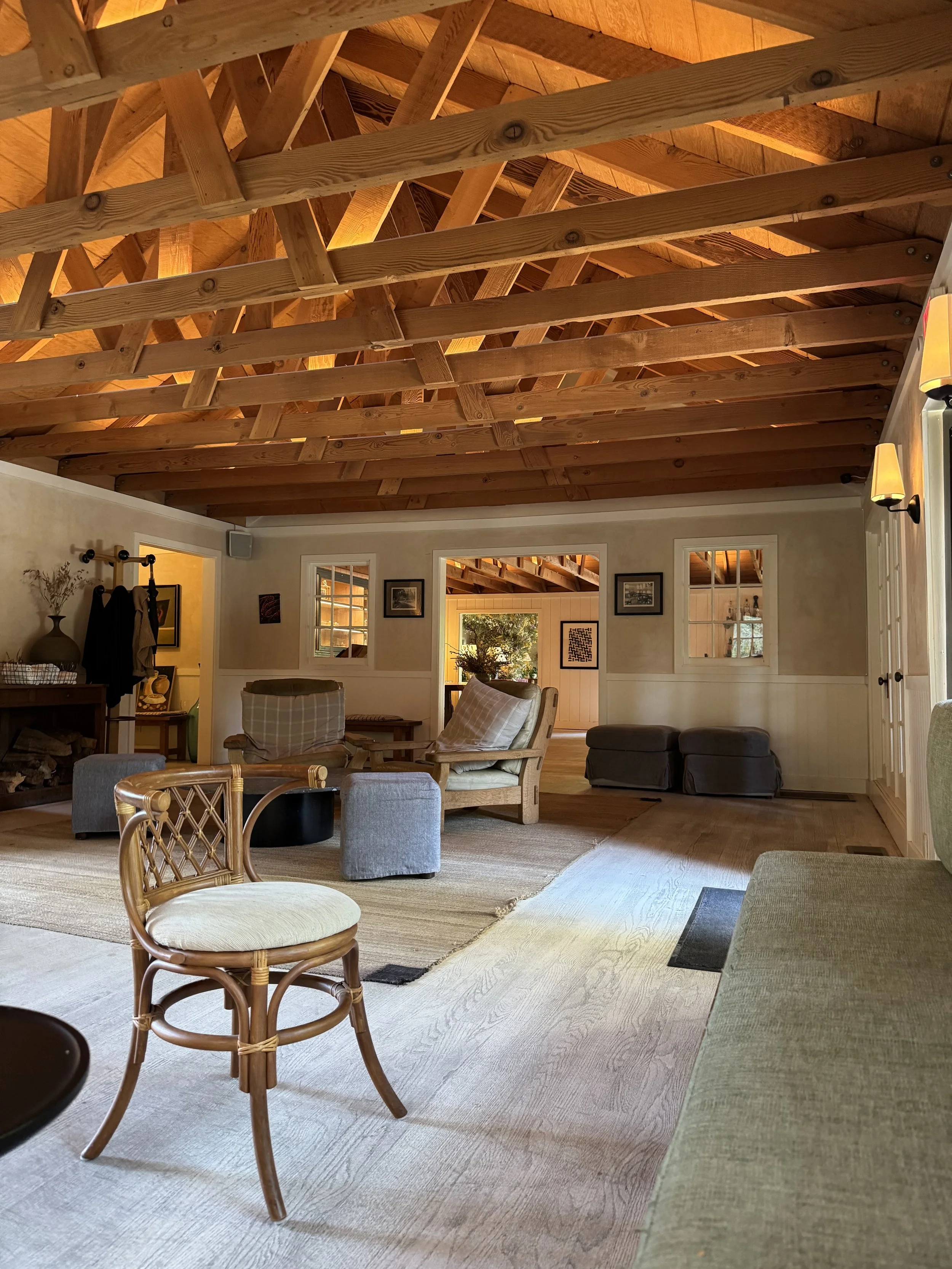
Don’t Sleep On: Dinner at Lodge at Dawn Ranch, the Best Meal of the Trip
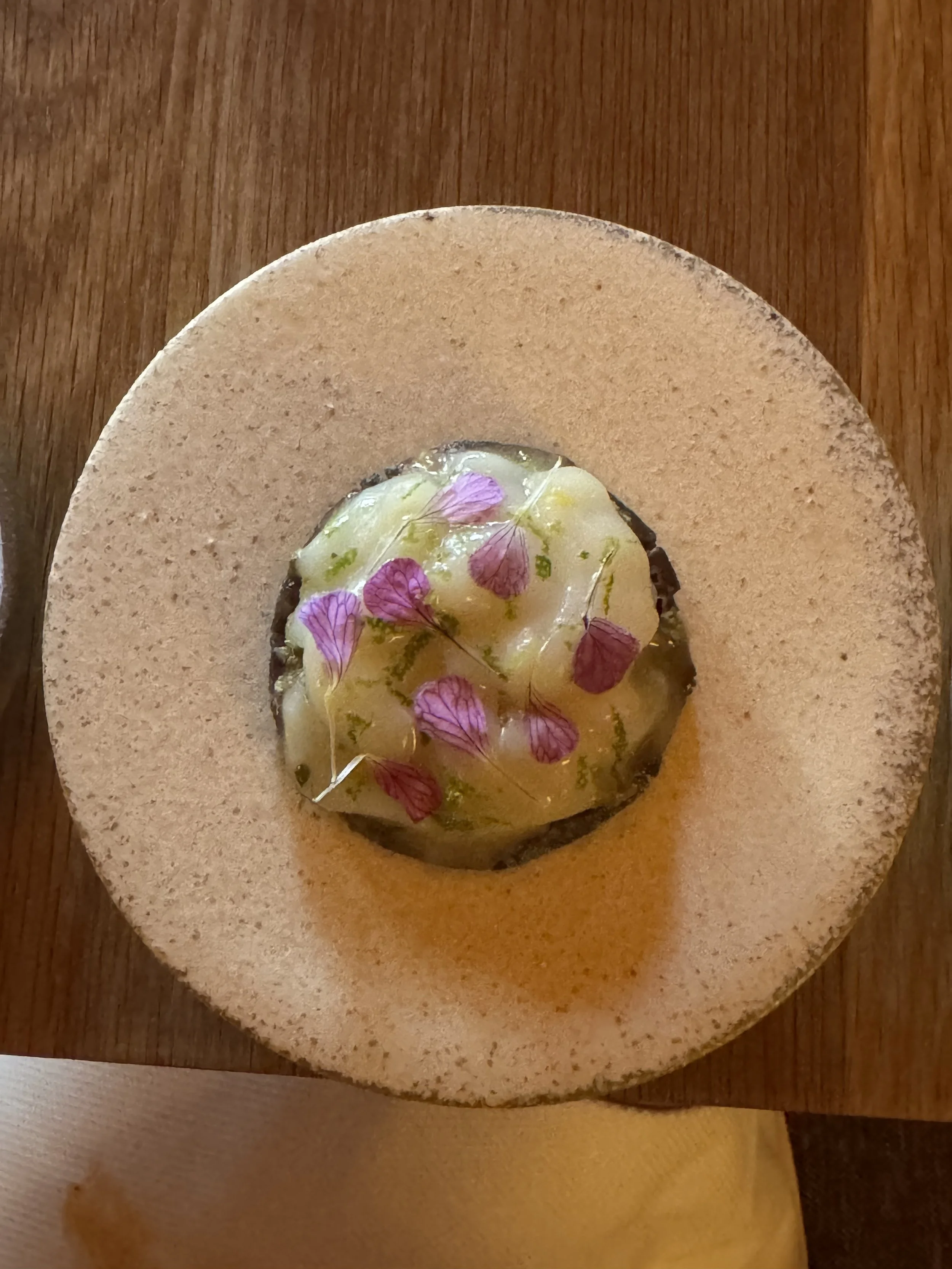
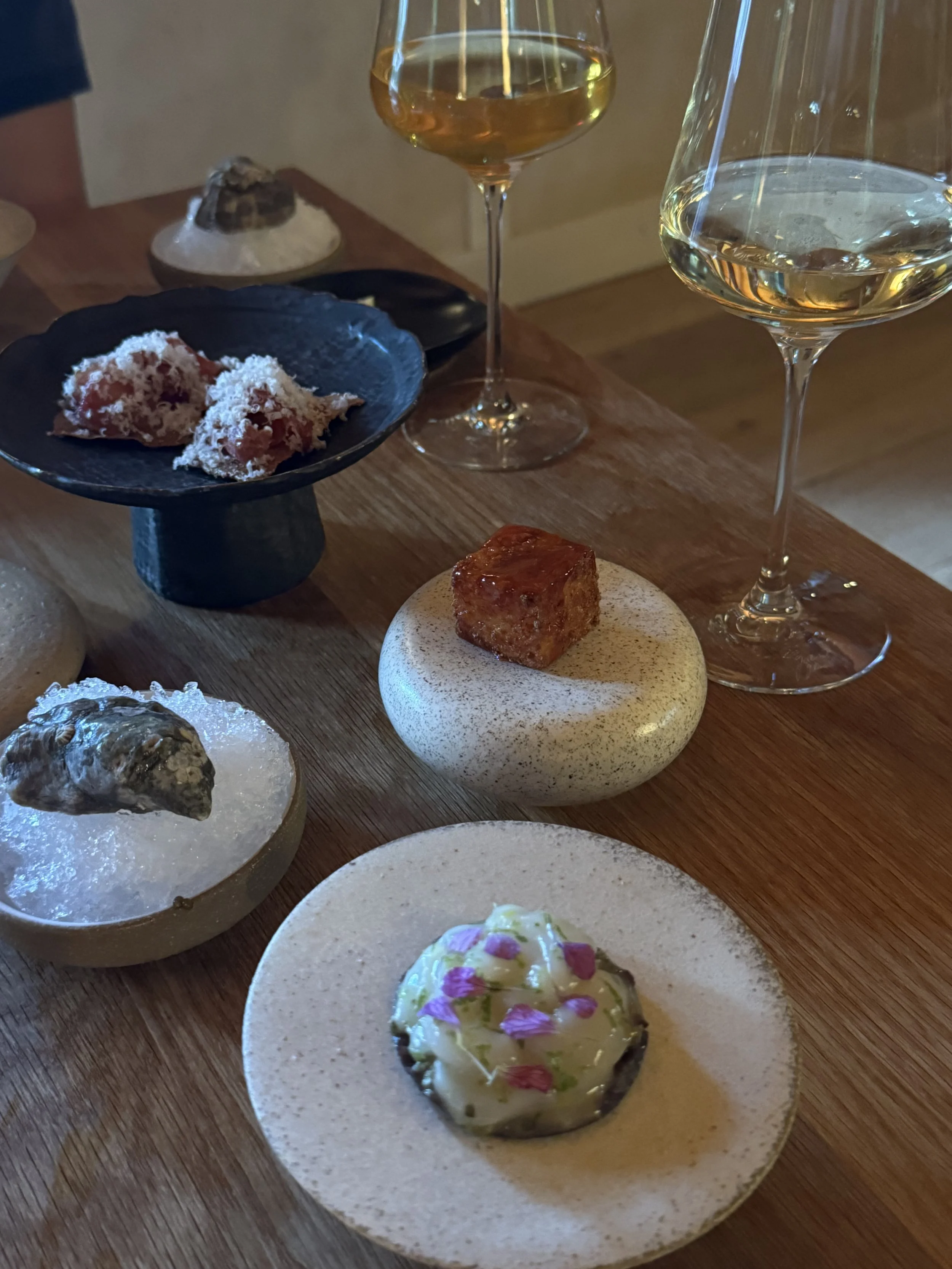
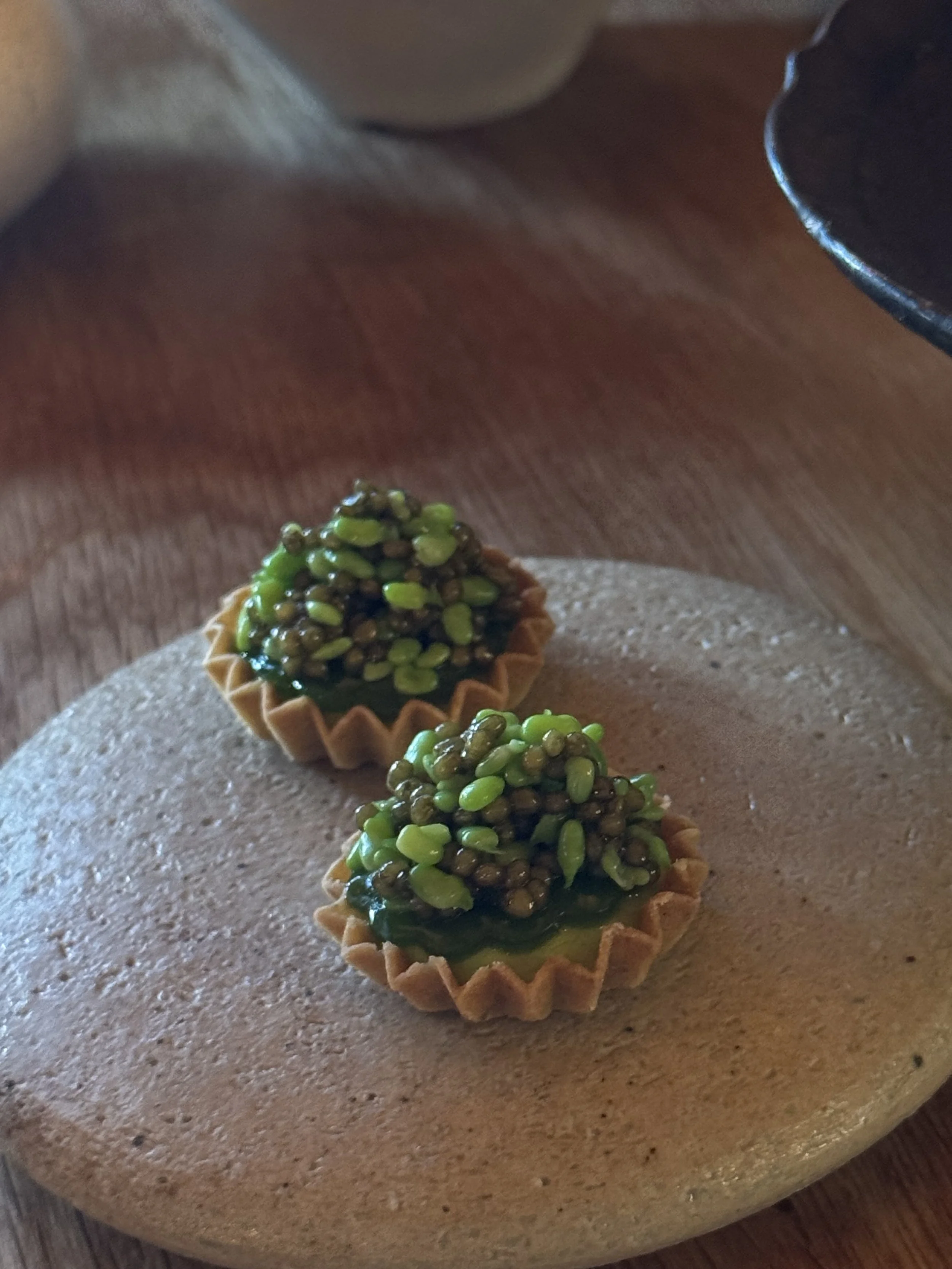
The biggest surprise at Dawn Ranch was dinner. This was not just good hotel dining. It was one of the most complete meals of the trip: precise, well-paced, generous, and memorable without trying too hard. Courses arrived all evening long with confidence.
Oysters with kiwi. A scallop tostada with yuzu vinaigrette. Peas with prosciutto. Tapioca with chili jam. Iberico ham on rye cracker with shaved Brazil nut. Asparagus. Dungeness crab with moqueca and plantain. Trout. Snake River beef with chimichurri. Meyer lemon sorbet. A date dessert that just melted into itself.
The food was thoughtful. The pacing was excellent. The service was sharp without becoming ceremonial. The sommelier listened carefully and steered the wine in a way that made sense for our taste rather than simply leaning on the list. Erick greatly appreciated the somm working with his preferences of a more “natty” leaning wine and found the perfect chilled red to accompany the second half of his meal. He fully understood the assignment, and we are hopeful we will see more and more of those wines making future lists!
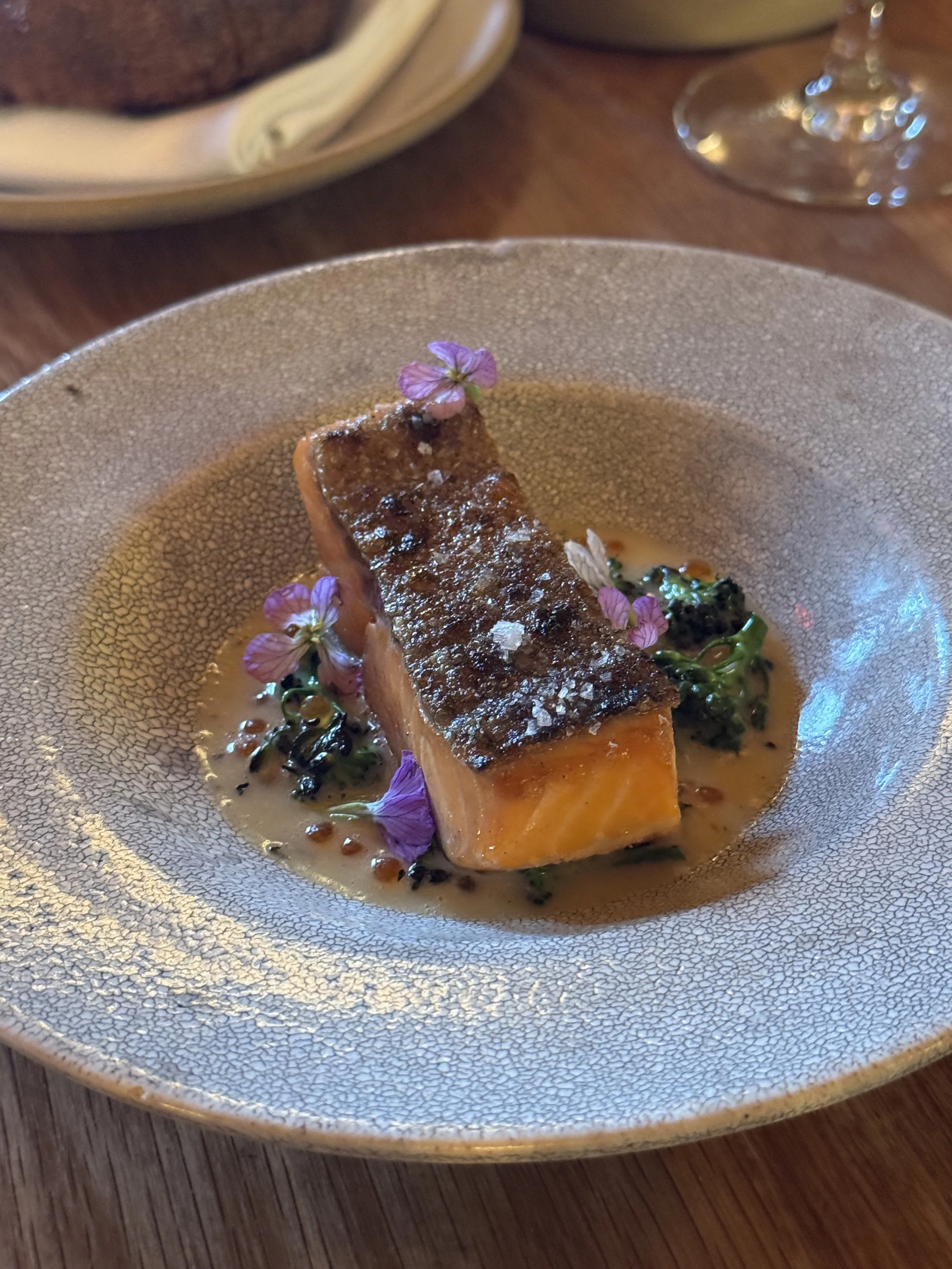
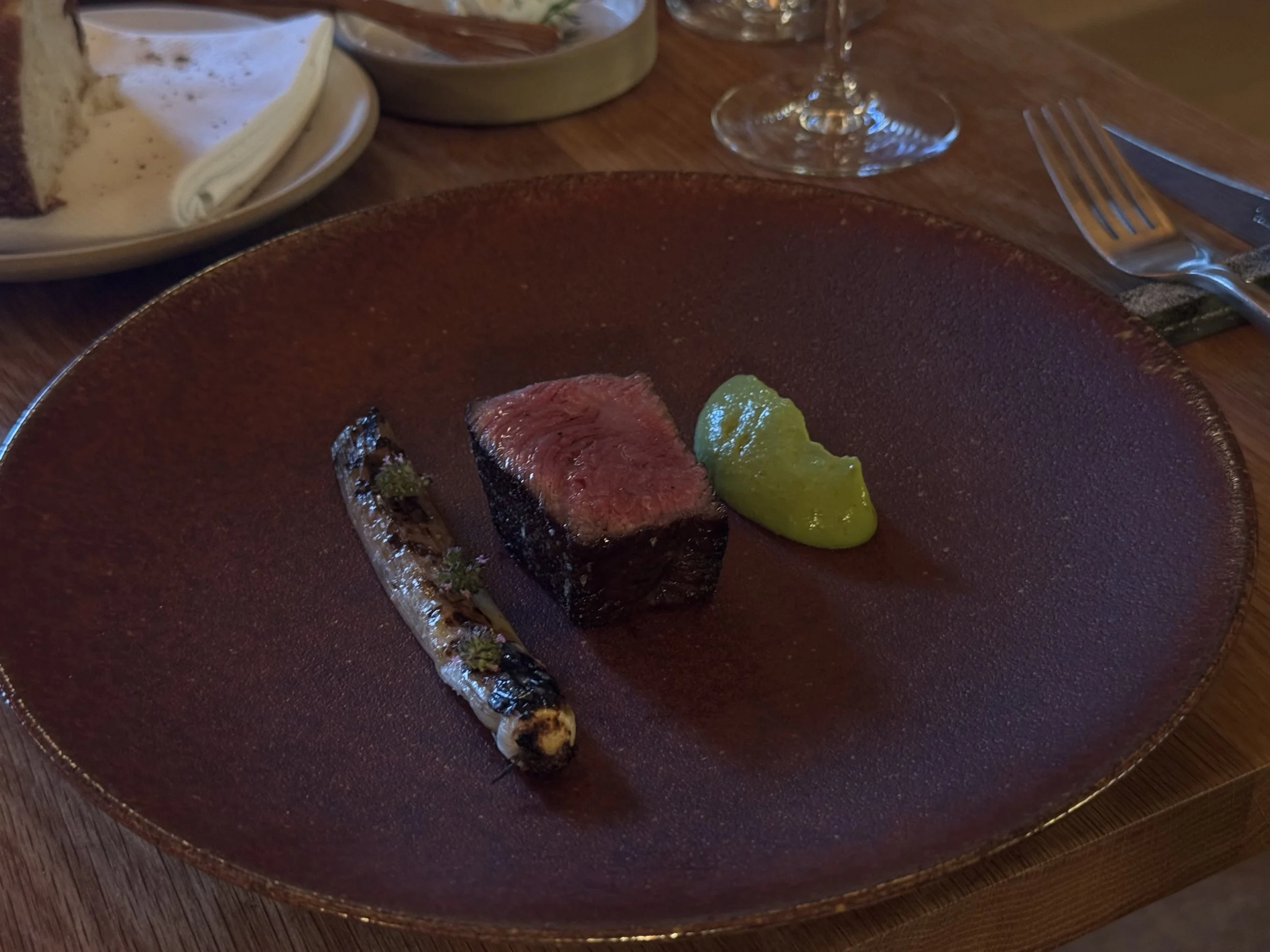
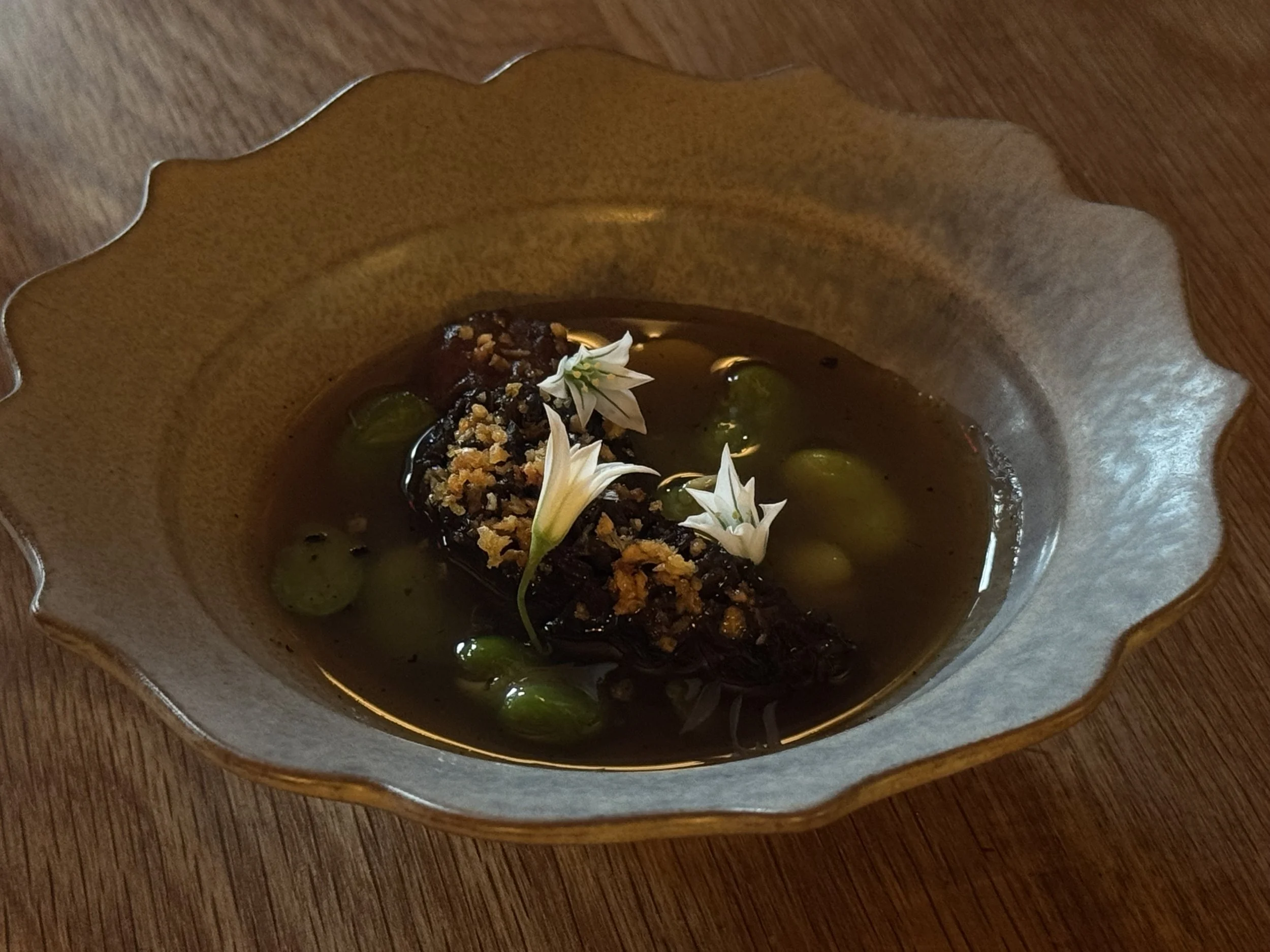
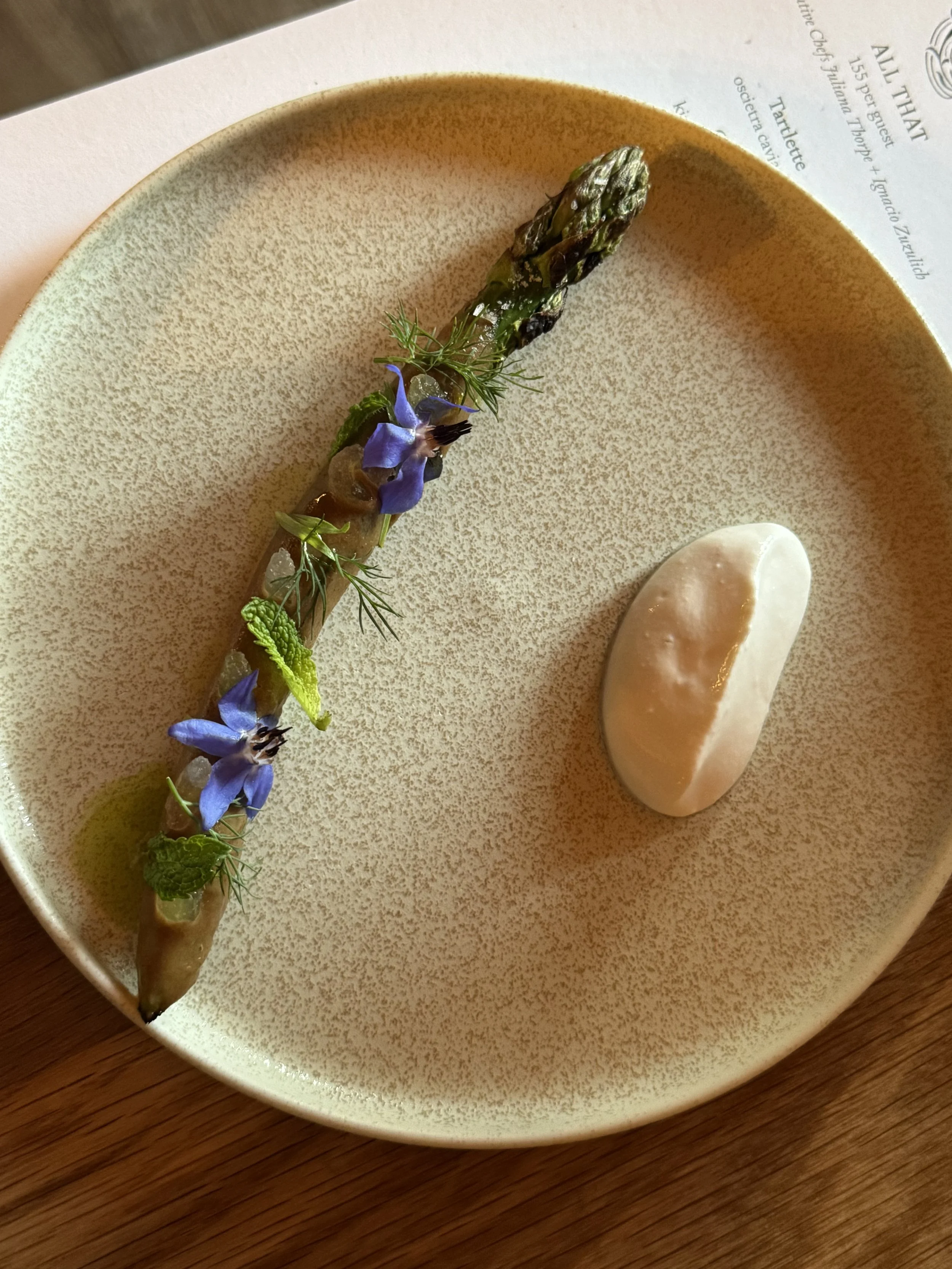
We both agreed that we would’ve traveled to Dawn Ranch for a meal alone. It’d be a crime to visit here and *not* indulge so be sure to add it to your itinerary the moment you book.
Worth Noting: Guerneville is a Worthwhile On Its Own
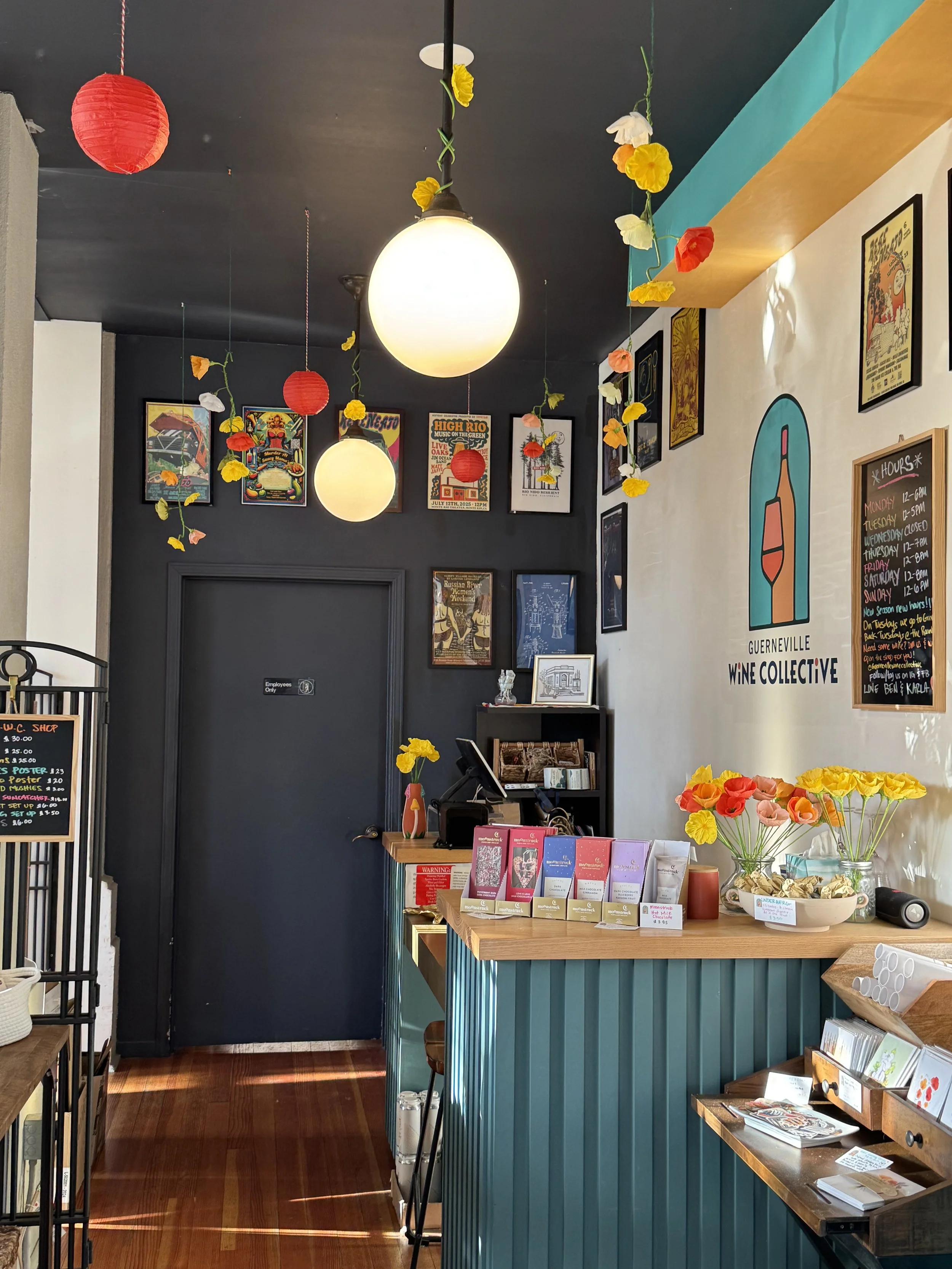
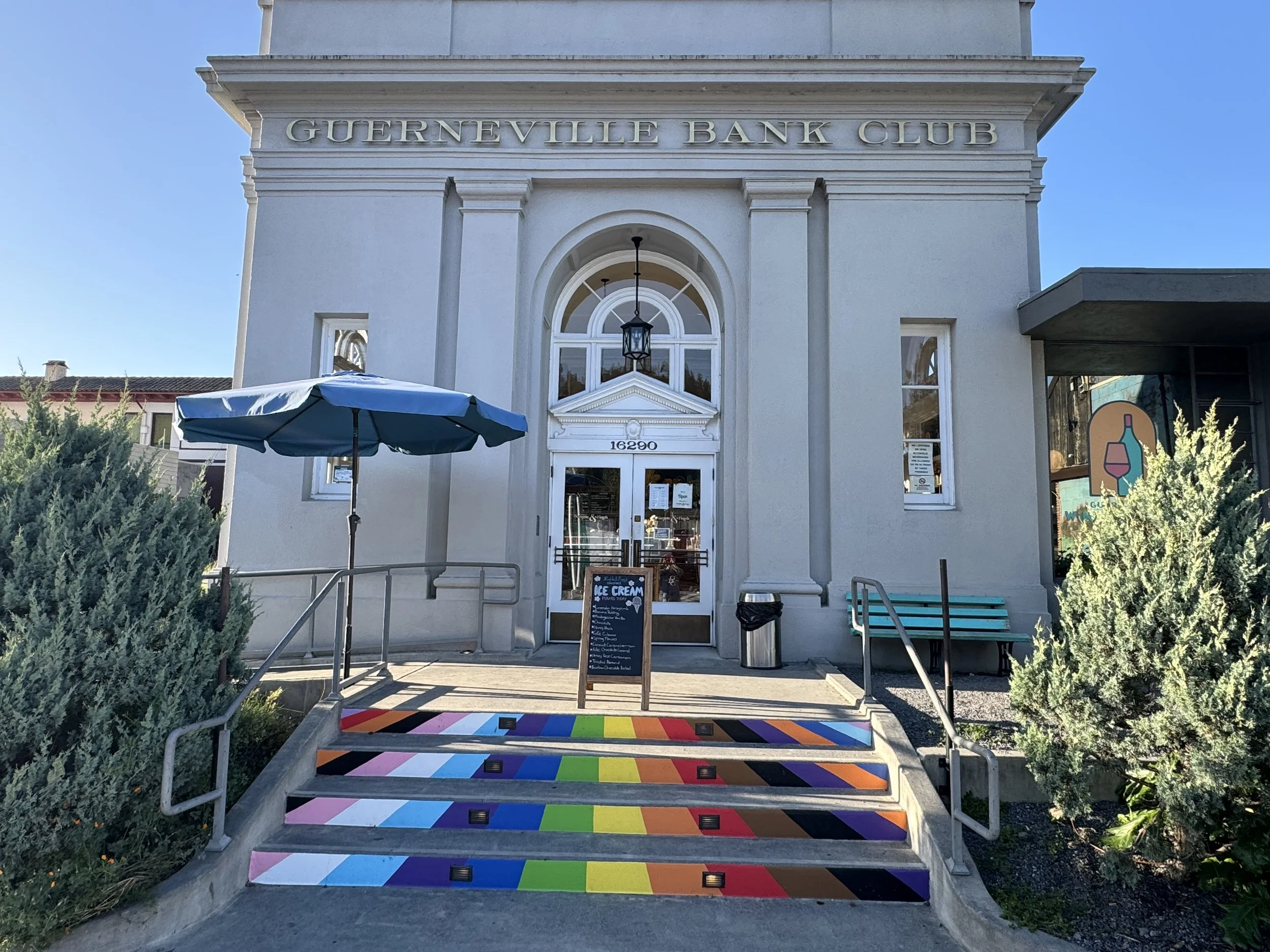
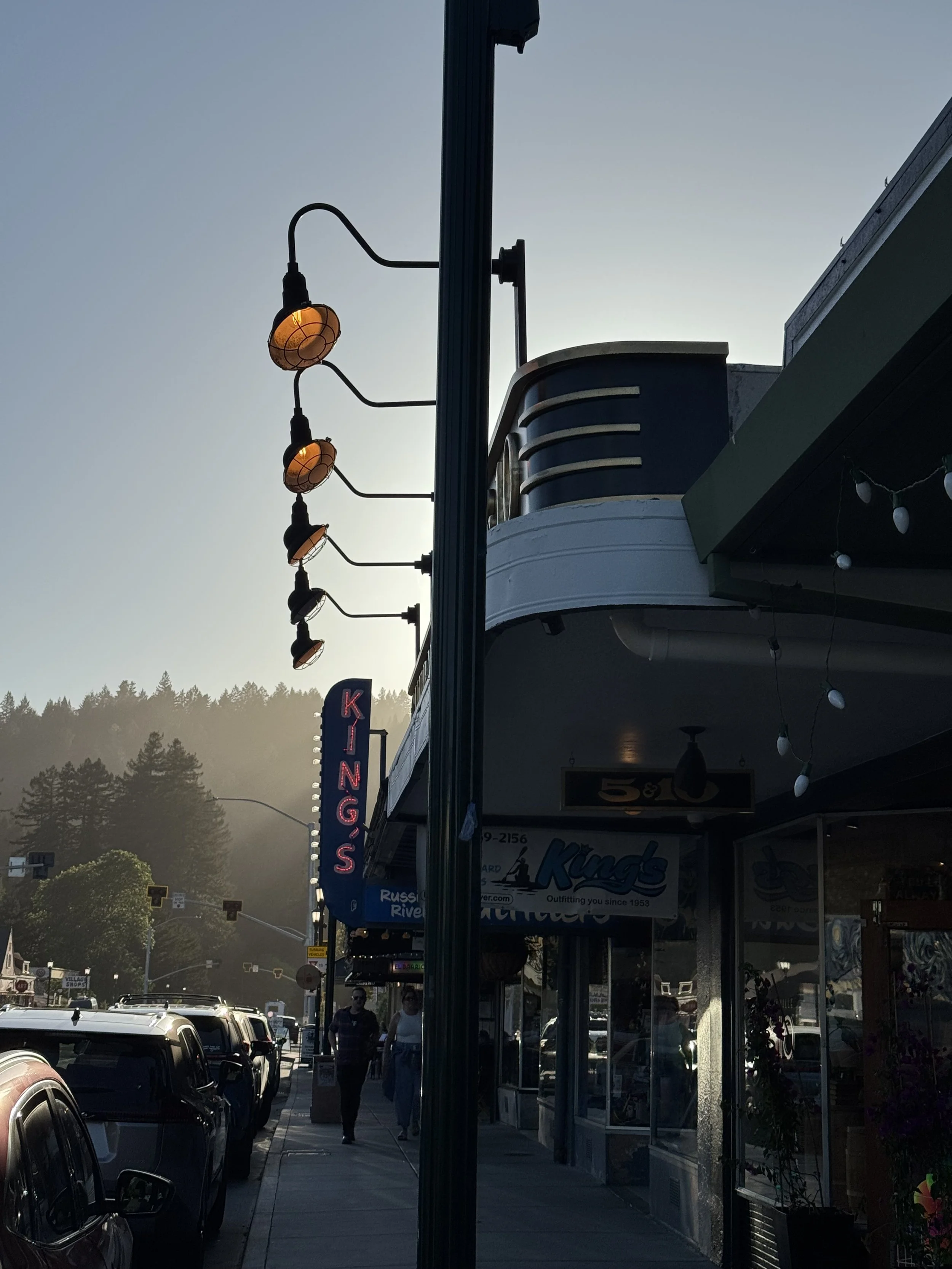
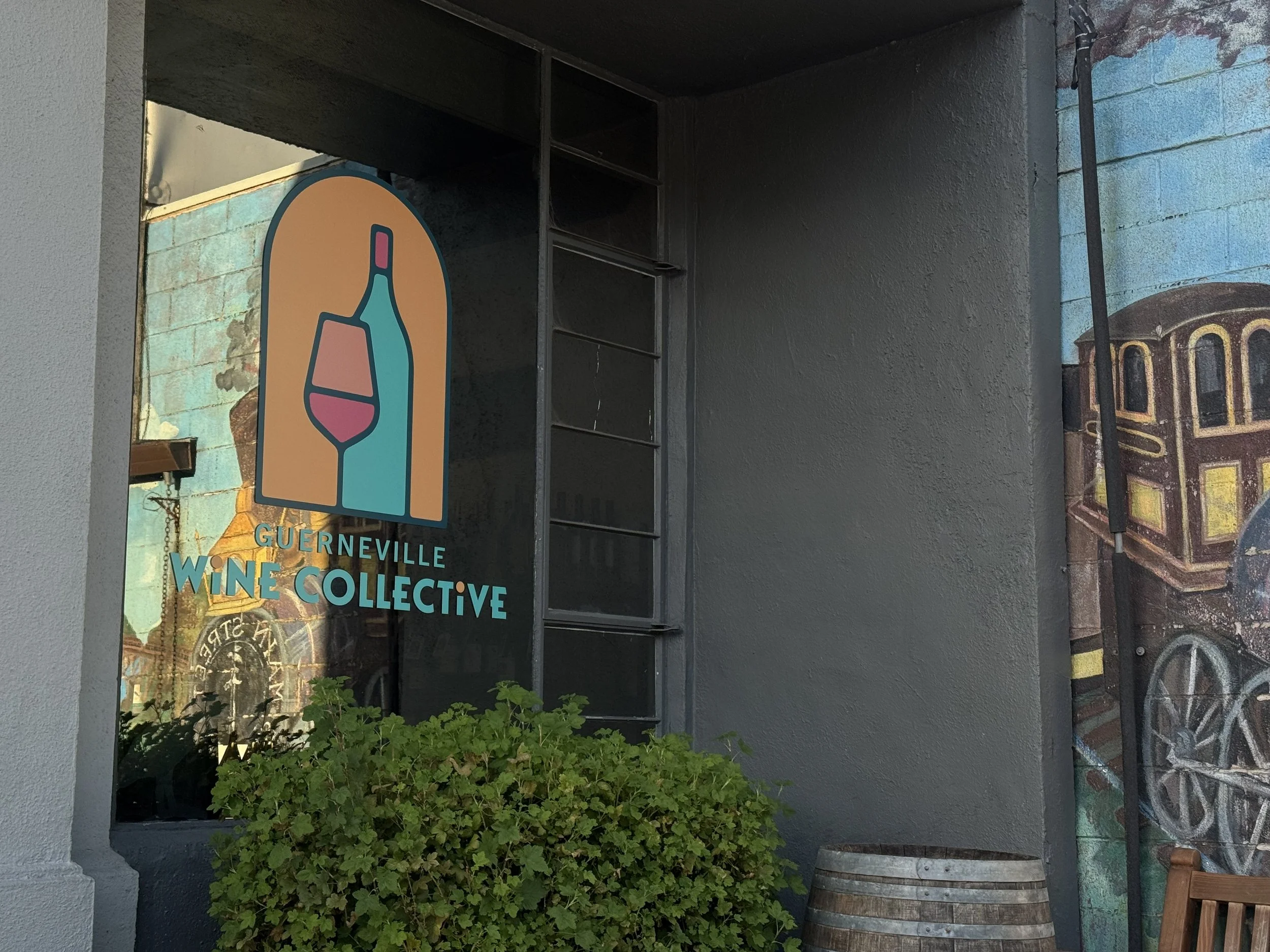
We’ll let you explore the town on your own, but there are a few great little spots worth visiting including the Guerneville Wine Collective, some artisan shops, and a great sushi and taco place. There’s plenty to do here between sleeps!
Stops Along the Way: Jenner, Forestville, and Inbetween
The Russian River side of the trip gave us some of the most memorable smaller moments.
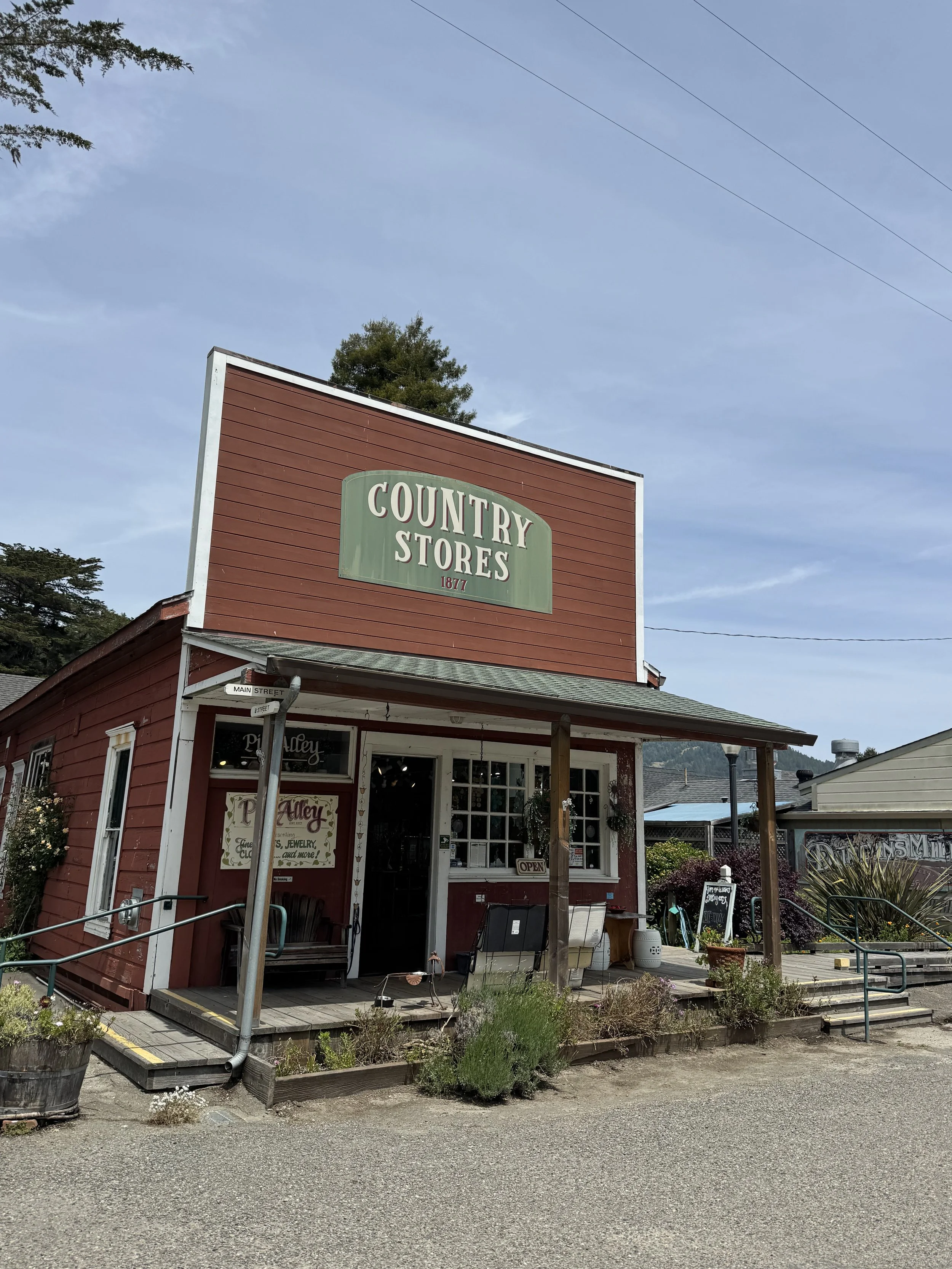
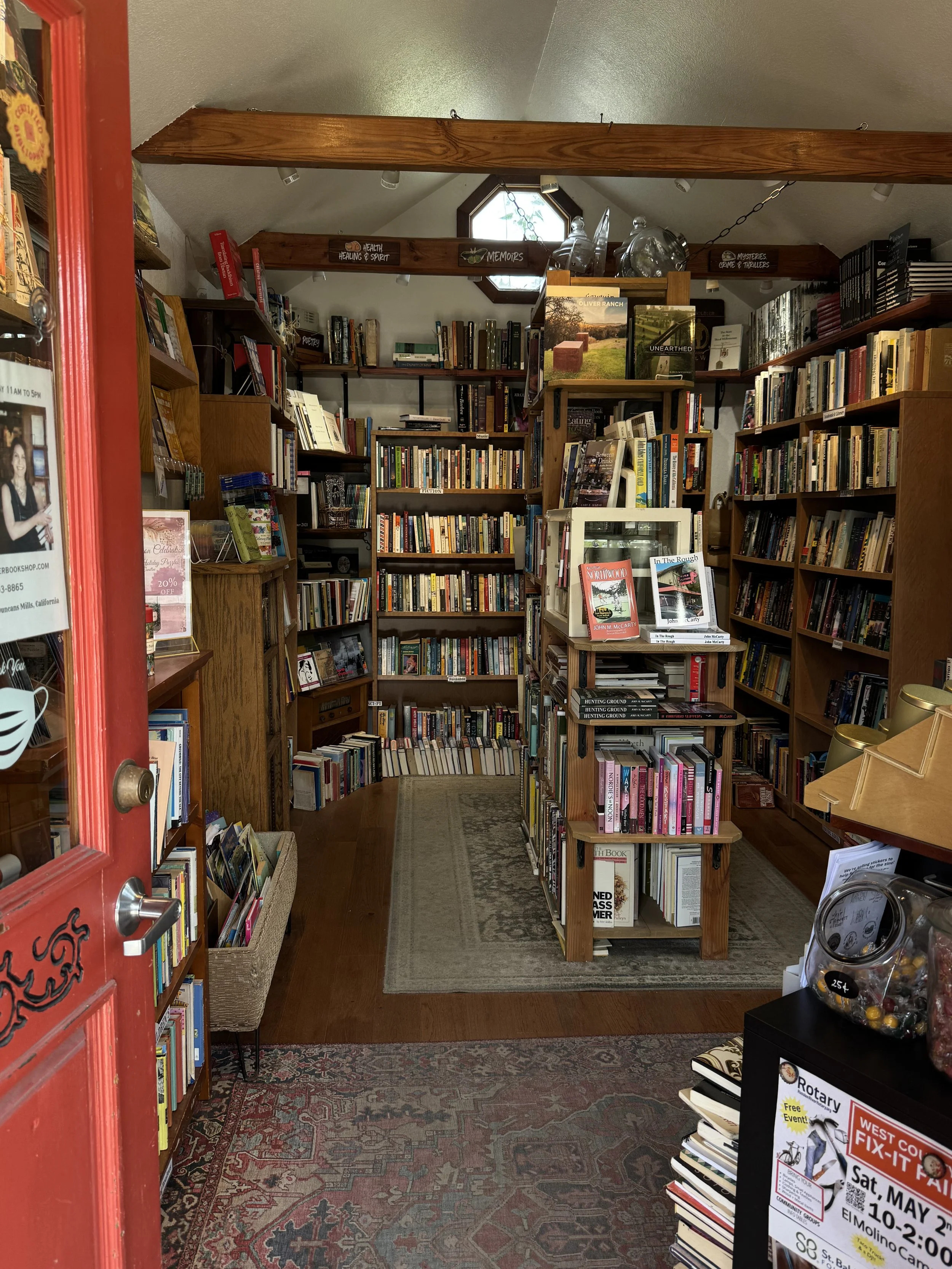
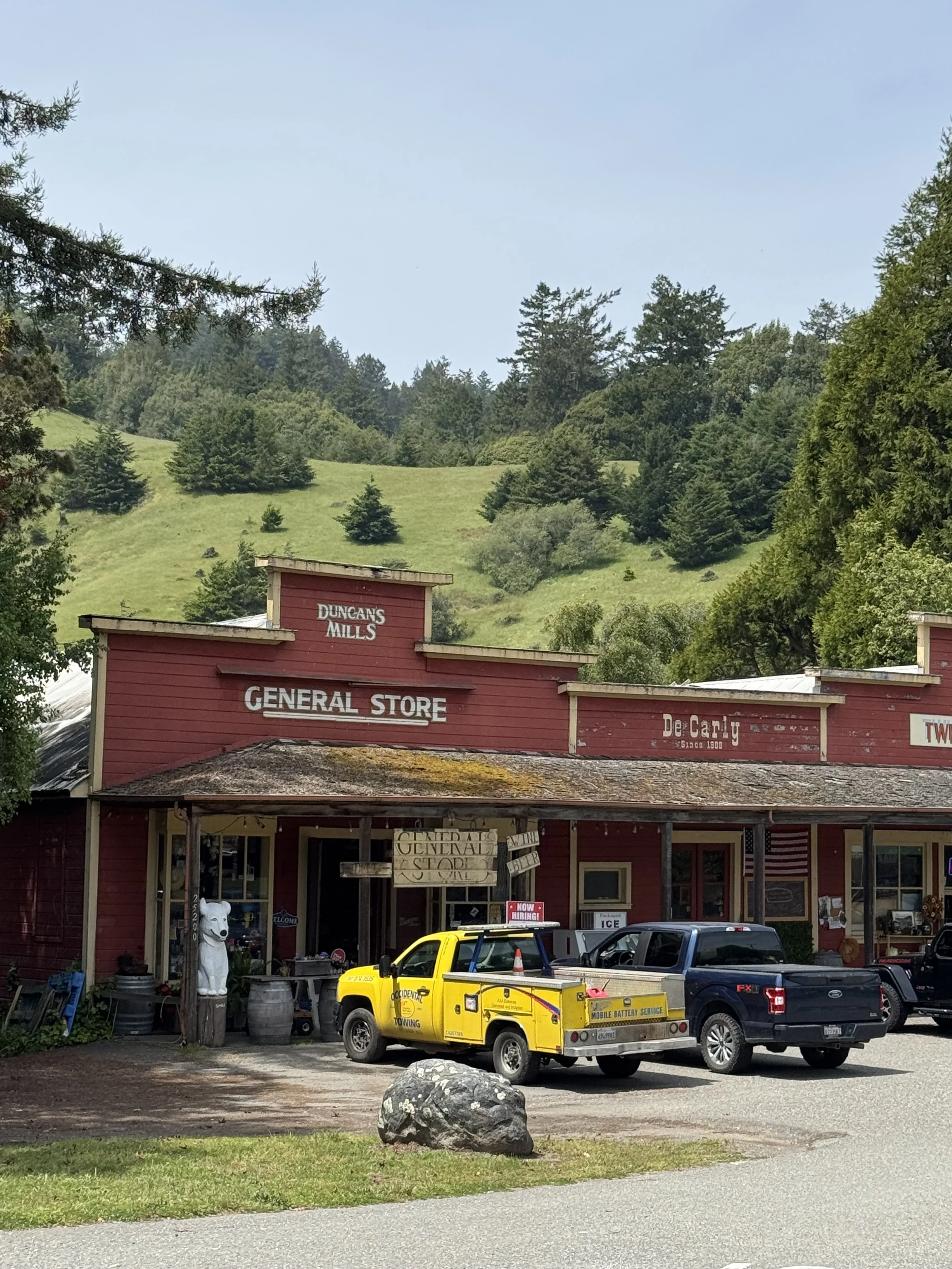
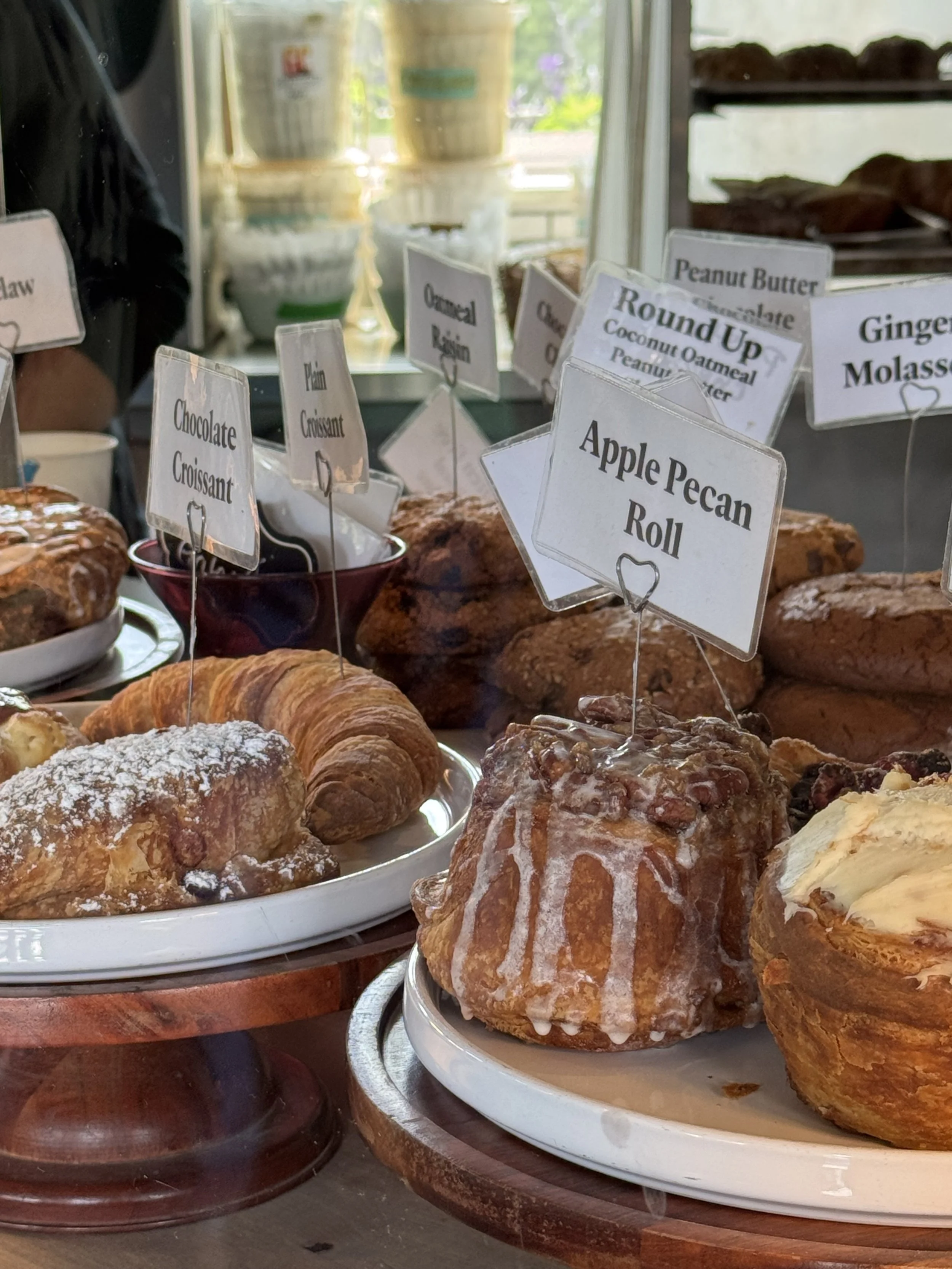
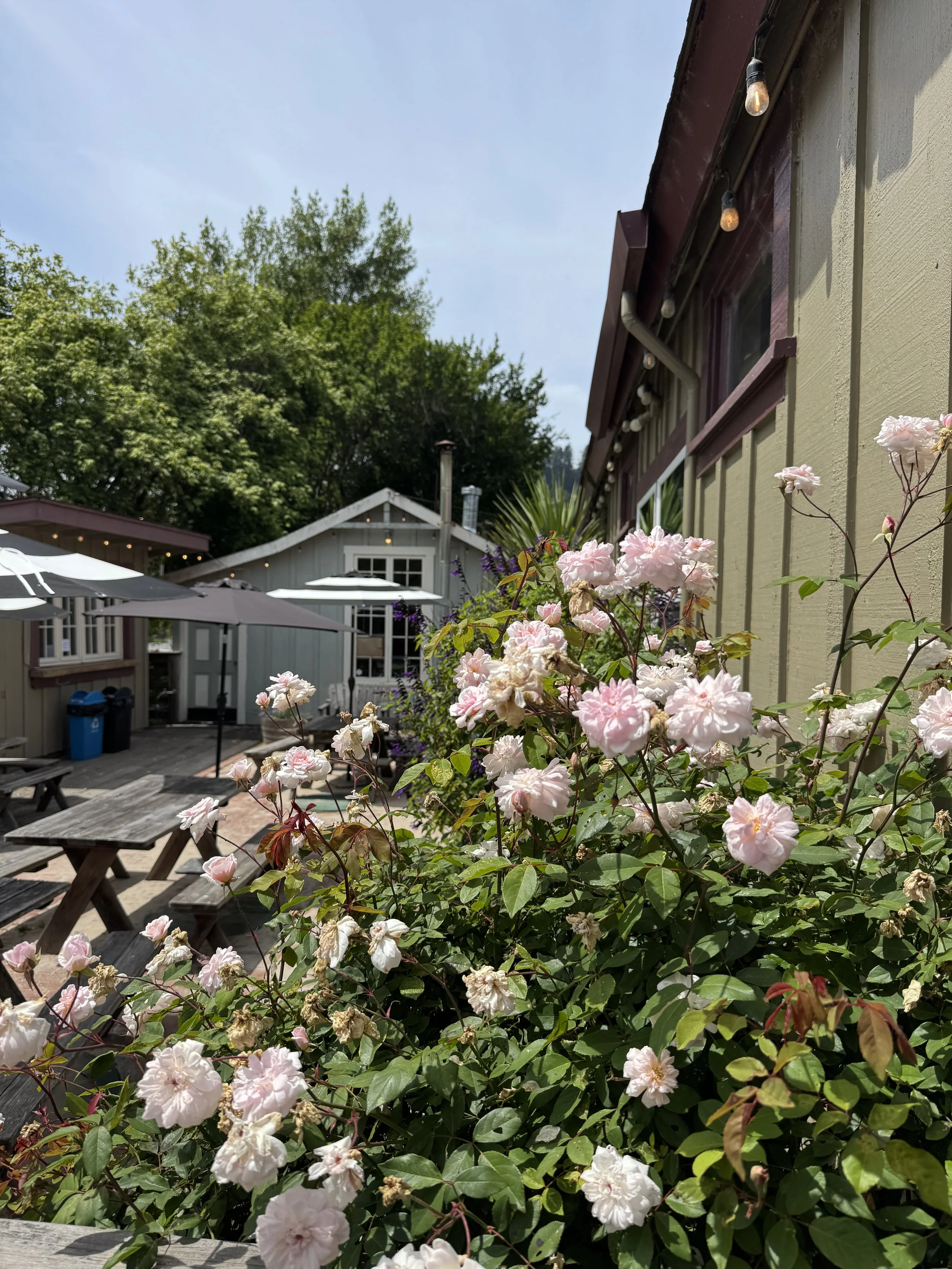
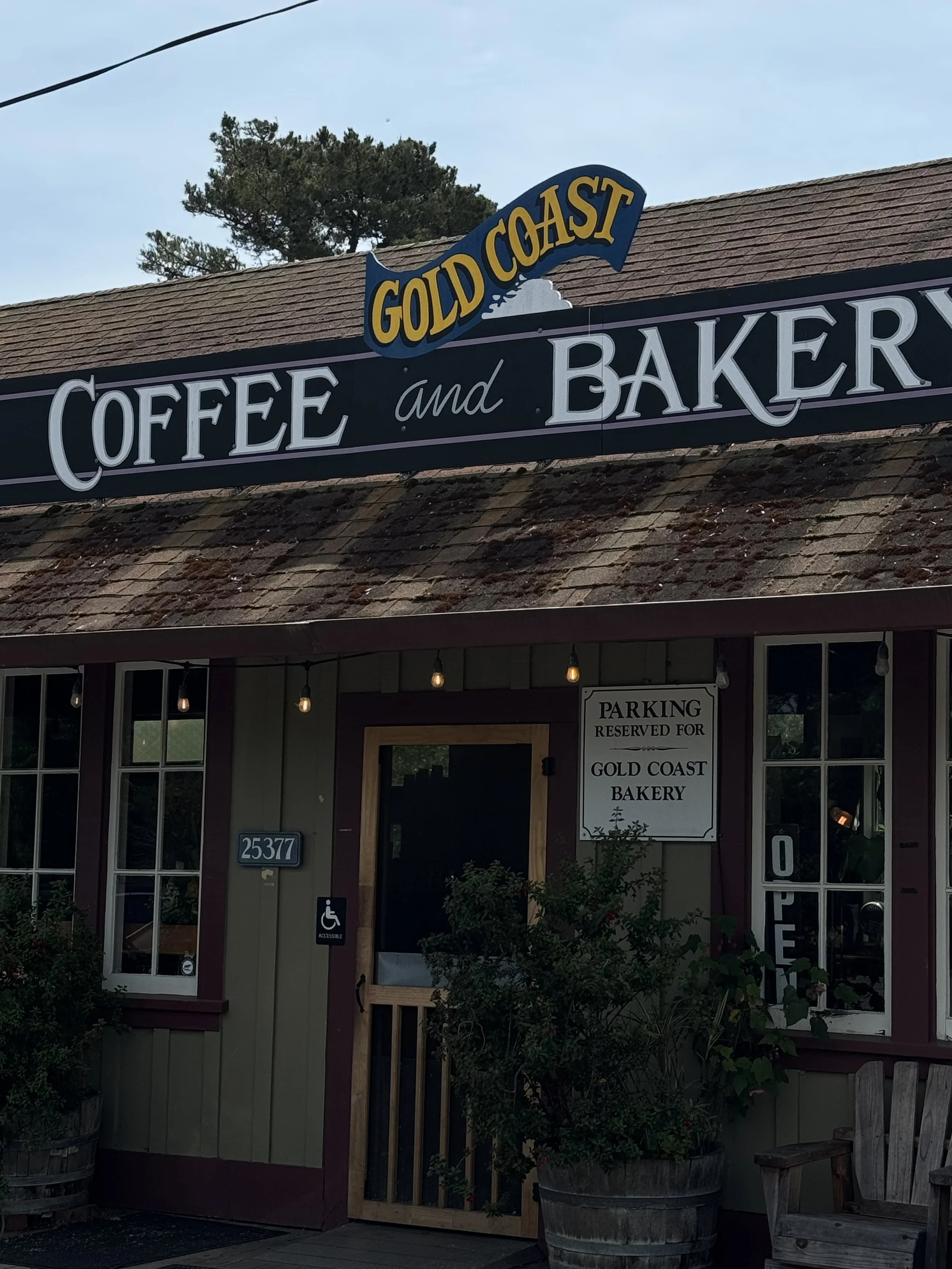
This is the ultimate old town energy, with antique shops, with lots of history. It’s cute and quaint but has a modern touch as well. The Gold Coast Coffee & Bakery is a must.
Jenner and Cafe Aquatica
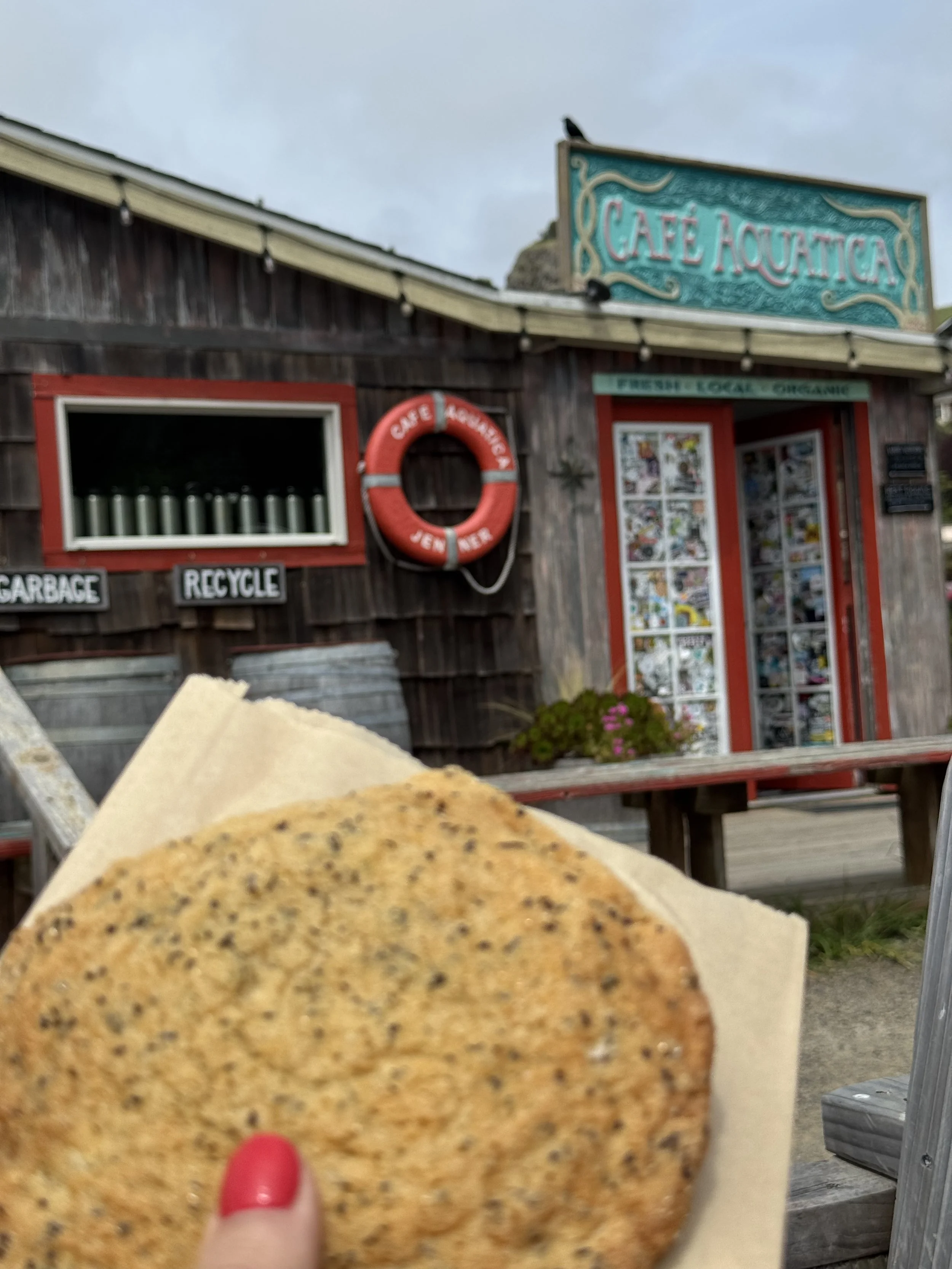
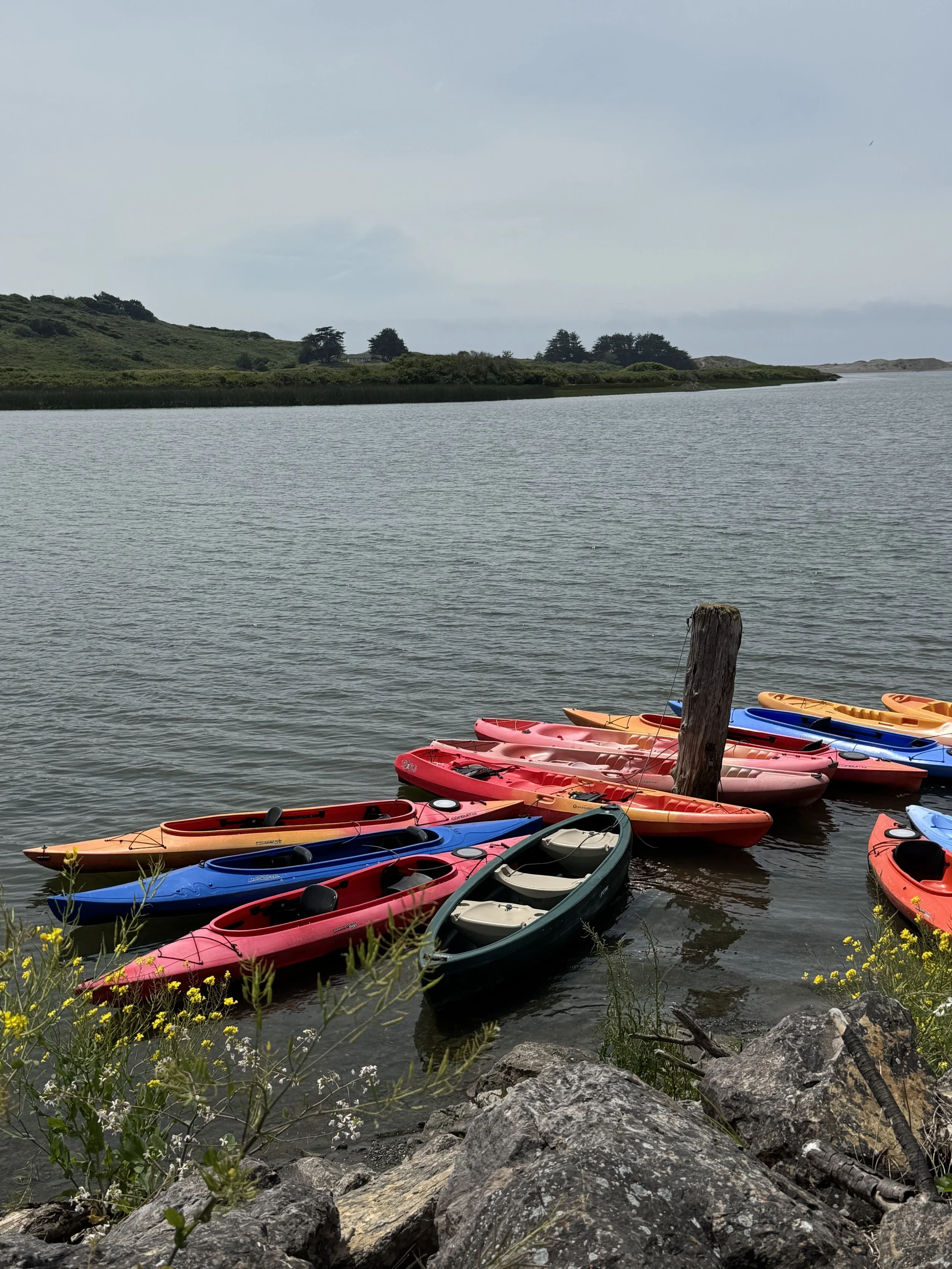
Jenner was tiny and excellent. Upon the strong advice of a good friend, we popped by Café Aquatica which turned out to be one of the very best casual stops of the trip: a strong crab roll, a very good Earl Grey cookie, an attached market, outdoor seating with a view, and small town coastal energy. We learned that they are soon to open an adjoining wine bar next door which will be a great addition to this cute part of town.
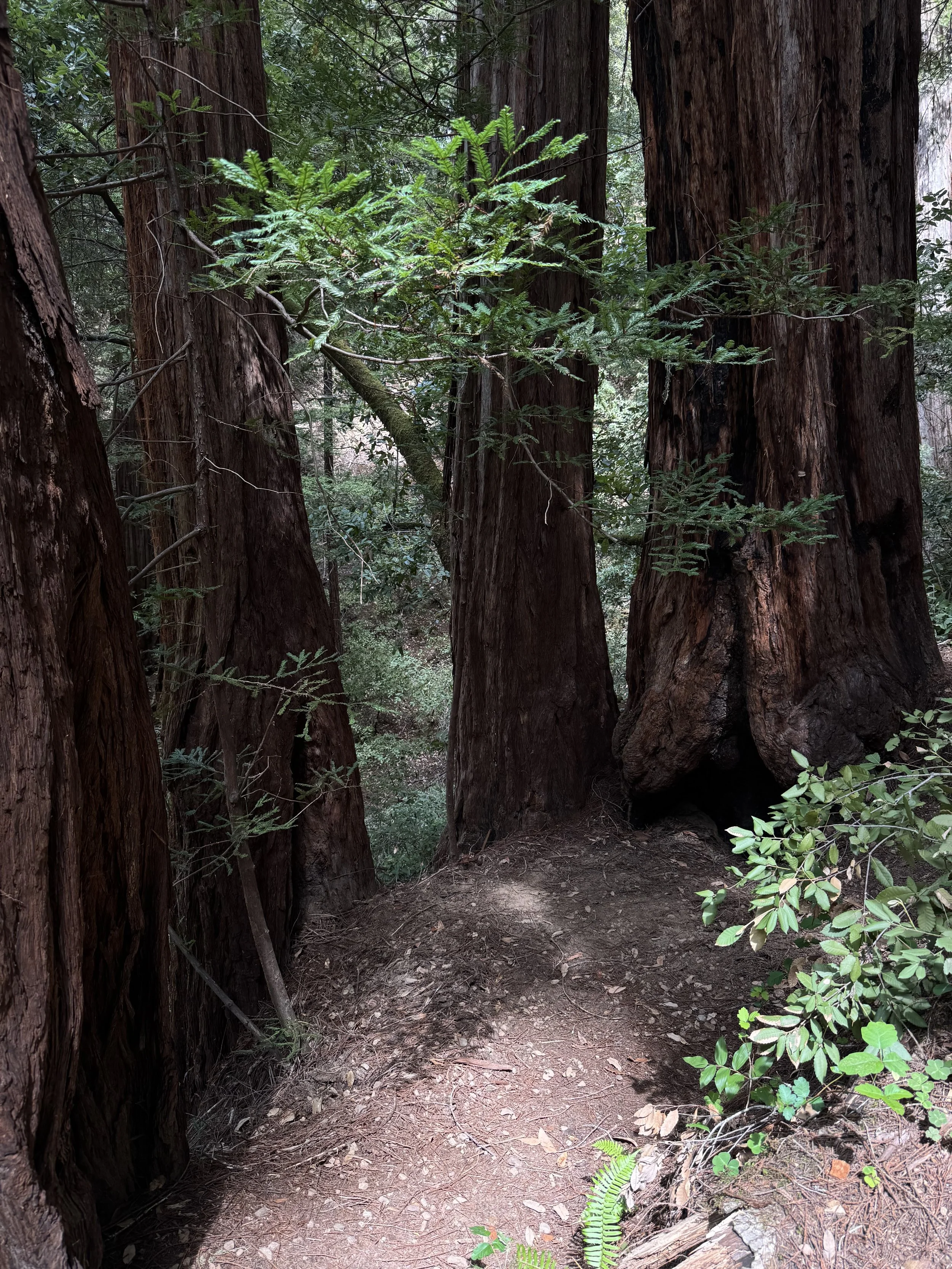
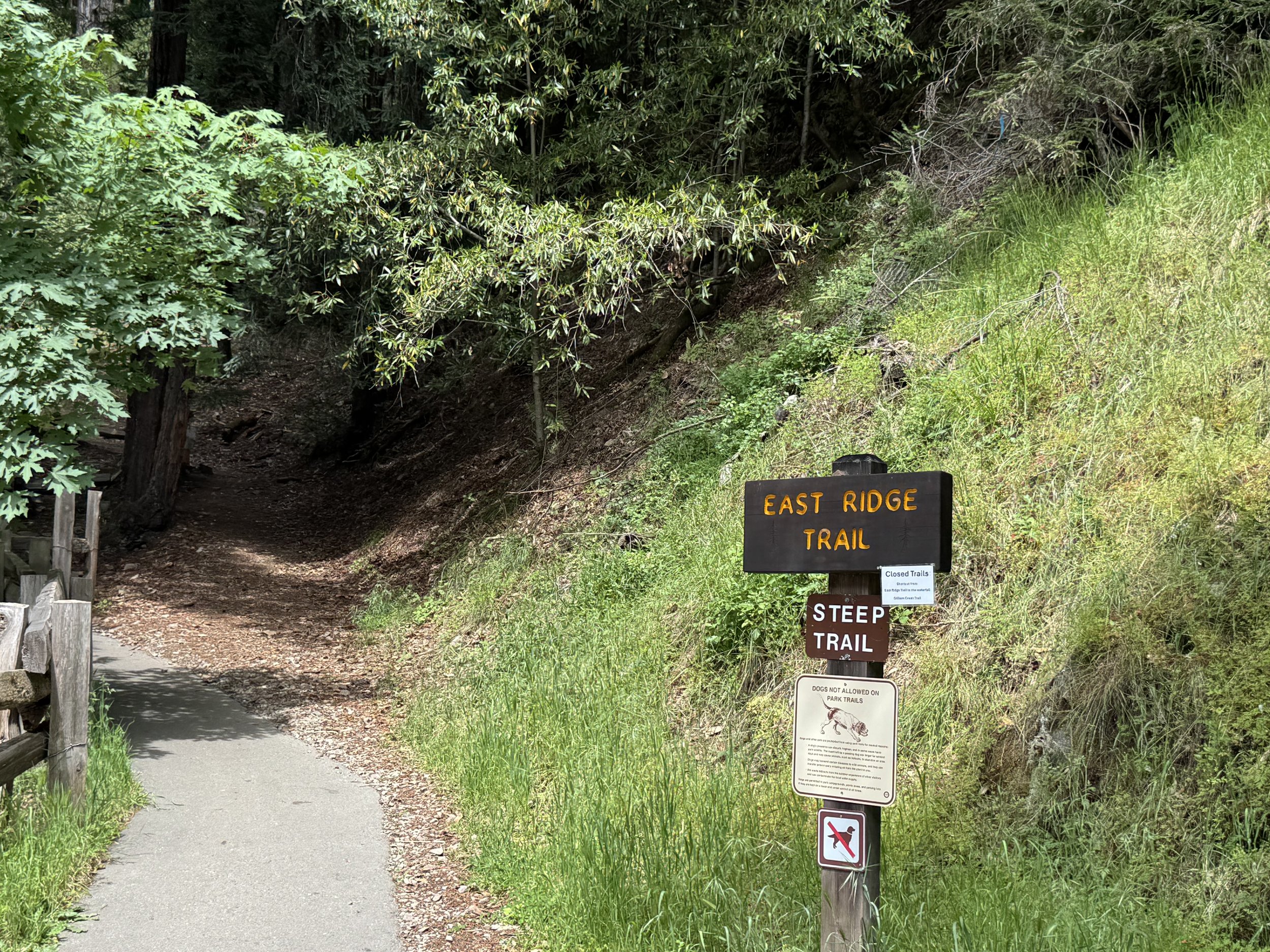
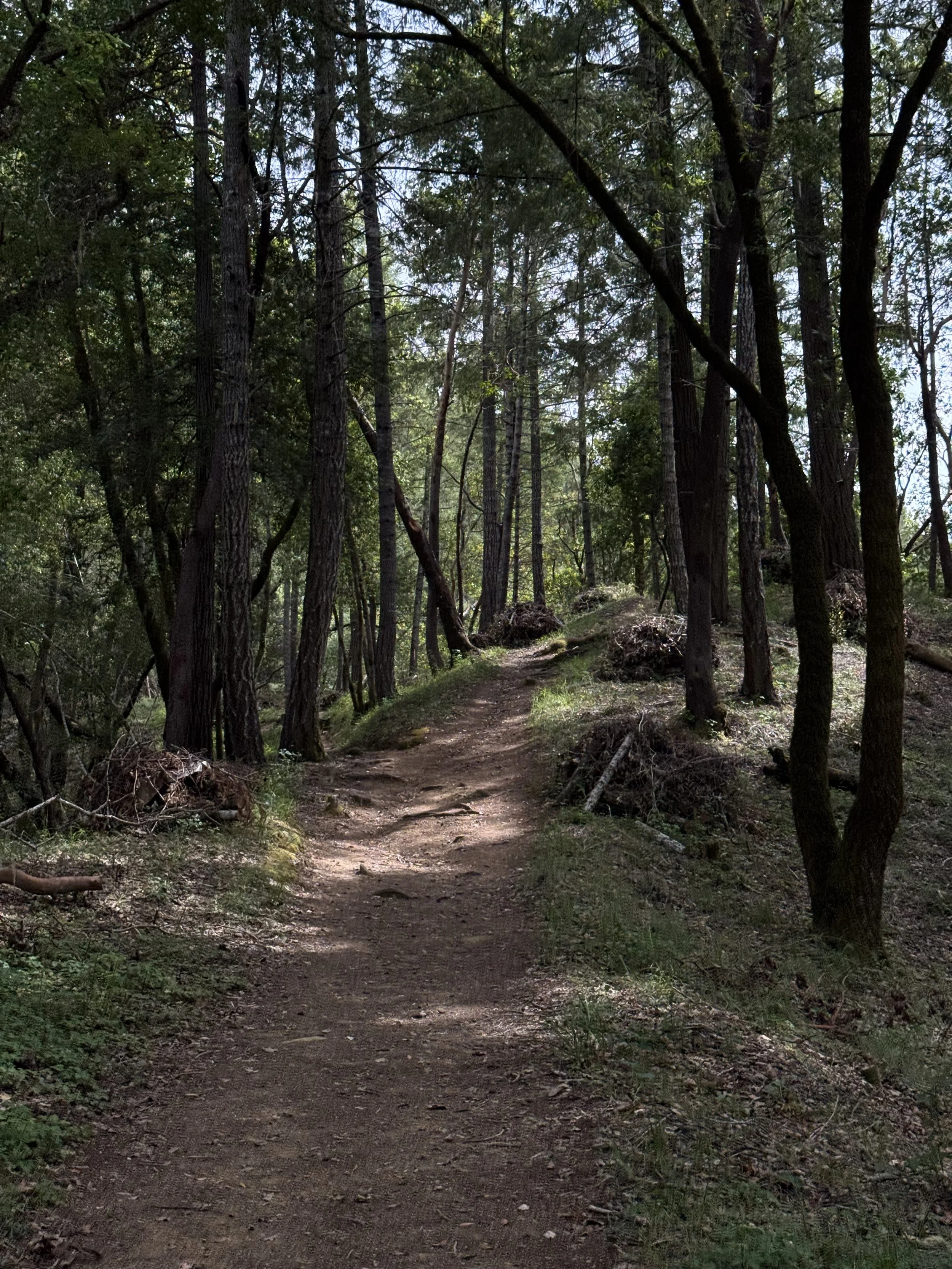
Even with some closures and shorter hiking options, it was worth it. Walking through redwoods always helps us reorder our brain and meet our step counts on a trip.
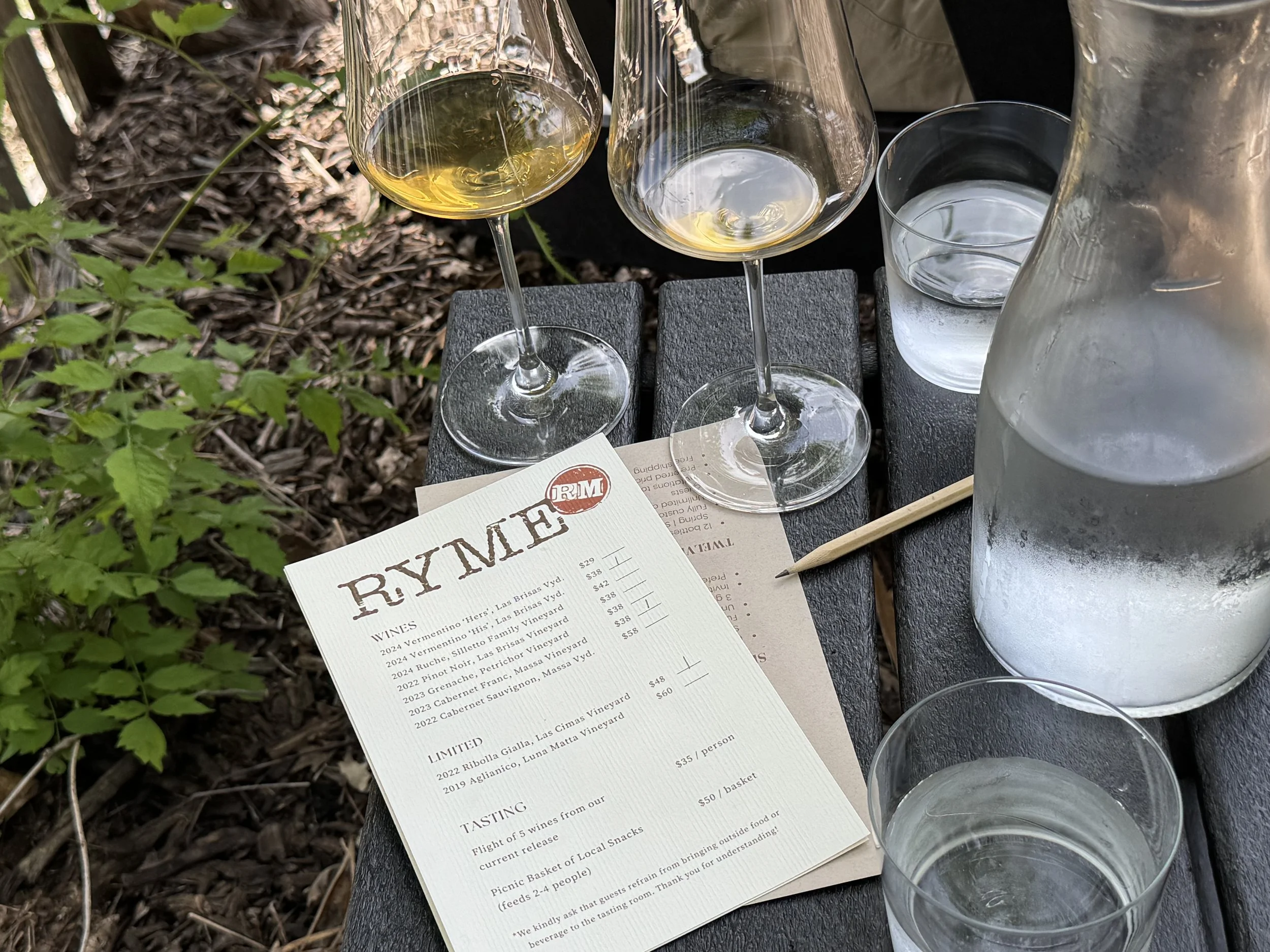
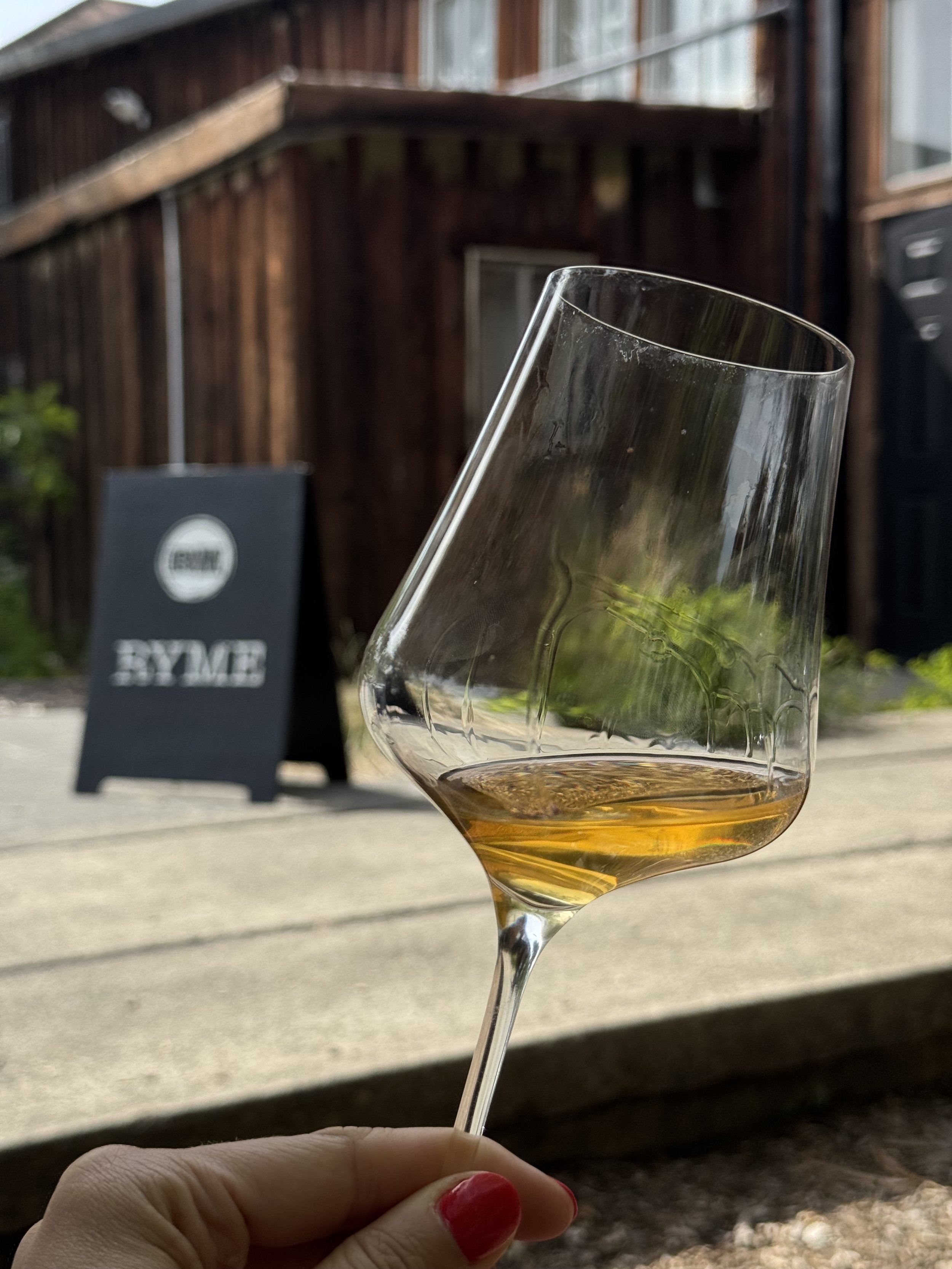
Ryme has 5 stars on Google reviews and for good reason; this was one of the best wine stops of the trip. The standout was an aged Ribolla from California that managed to tap into some of the structure and seriousness we usually chase in Slovenian and Friulian wines. Not a copy of Radikon or Klinec. Not trying to be. Just a genuinely good bottle with herbaceous lift, grip, and time in it. The Cabernet Franc was also excellent and had real character. They offered a very clear and compelling point of view. No need to over-explain it.
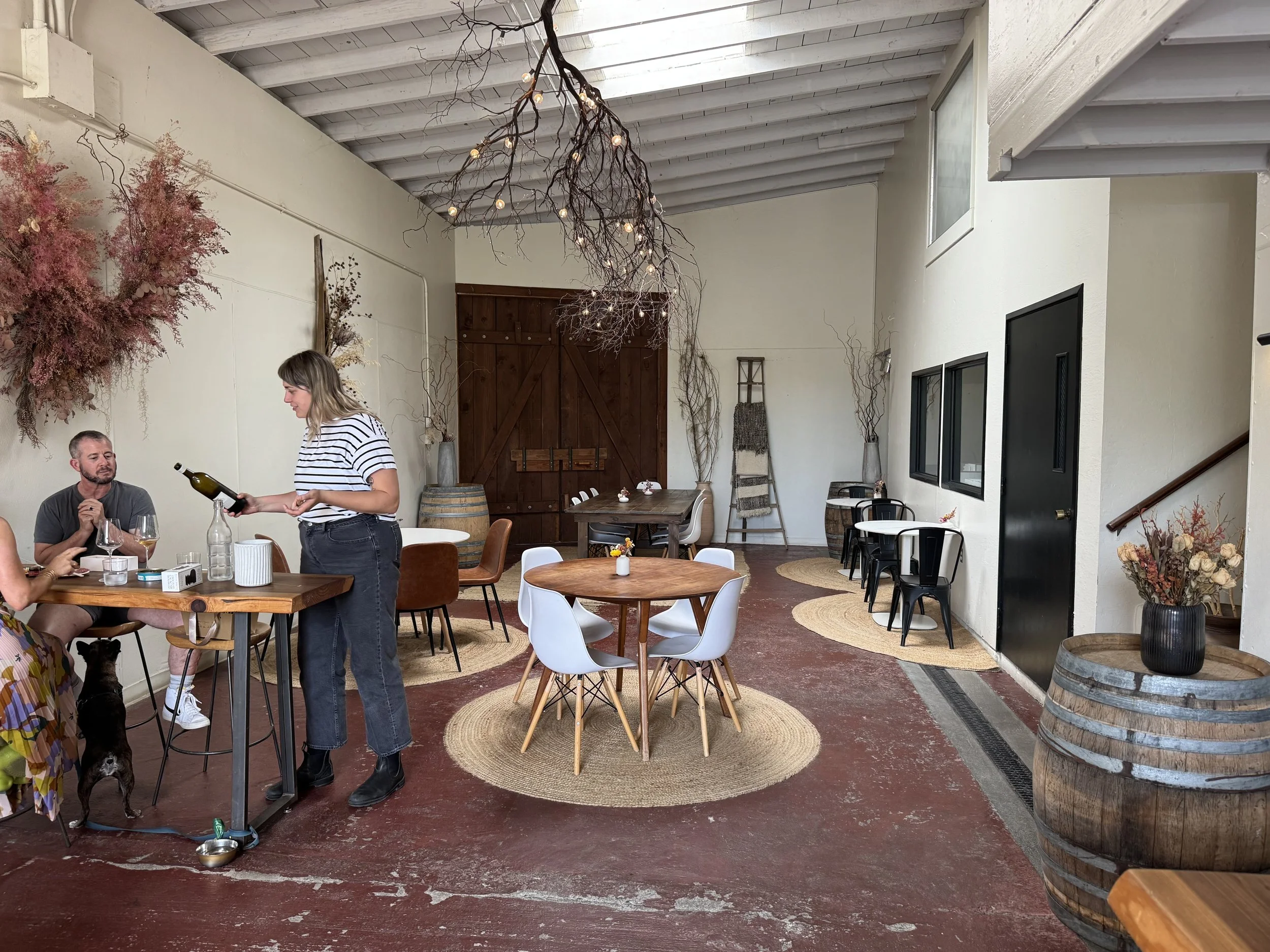
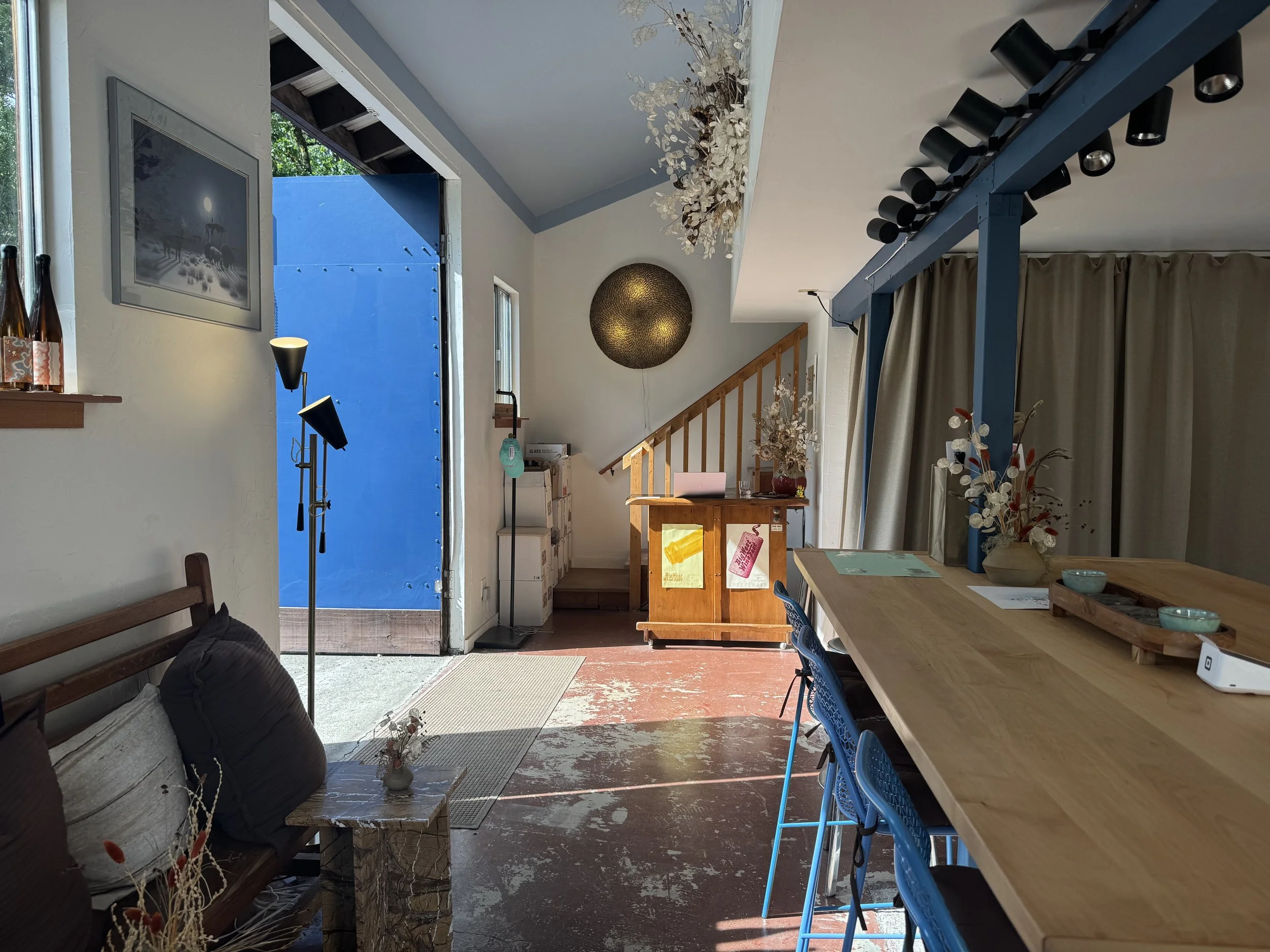
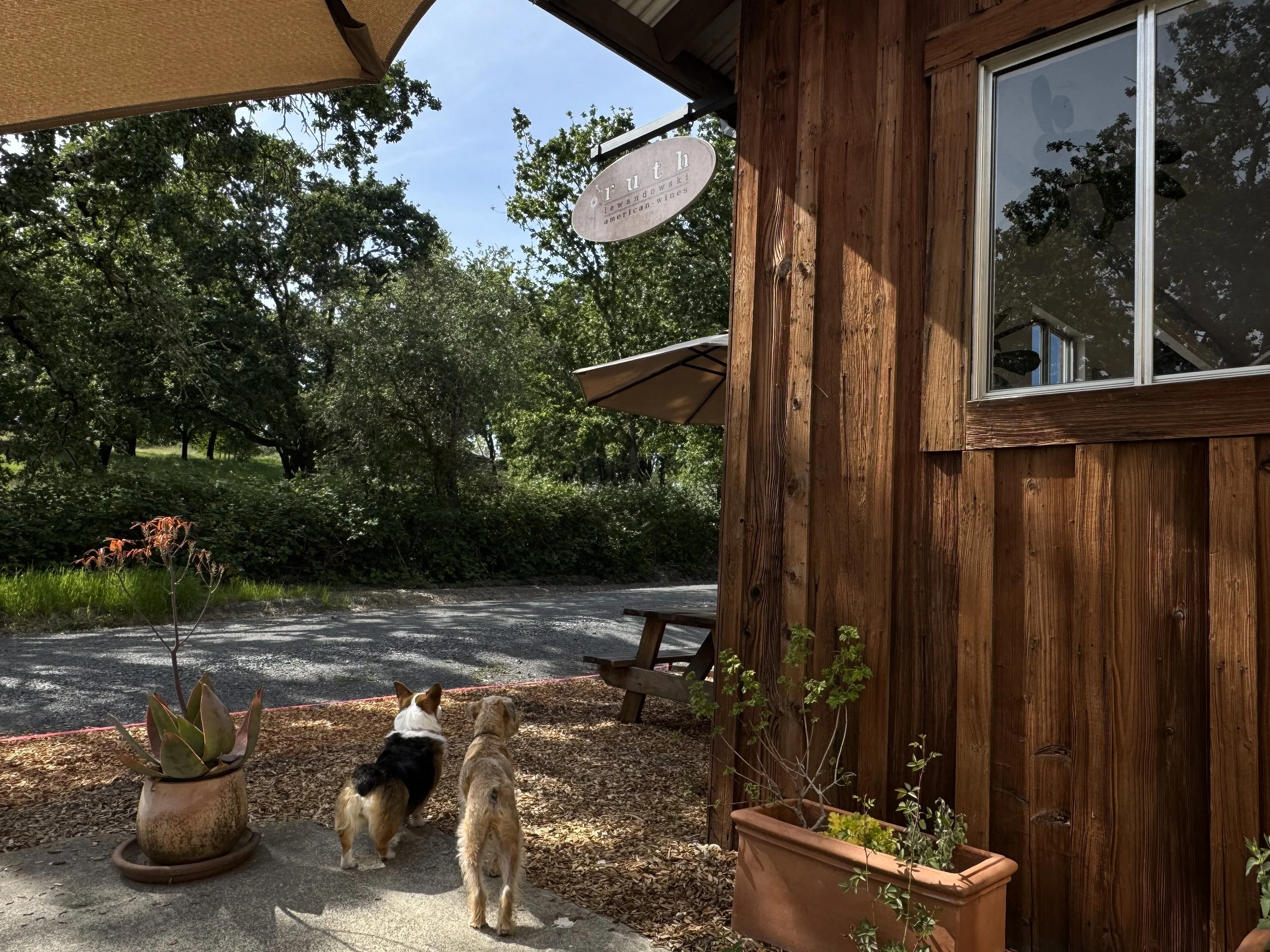
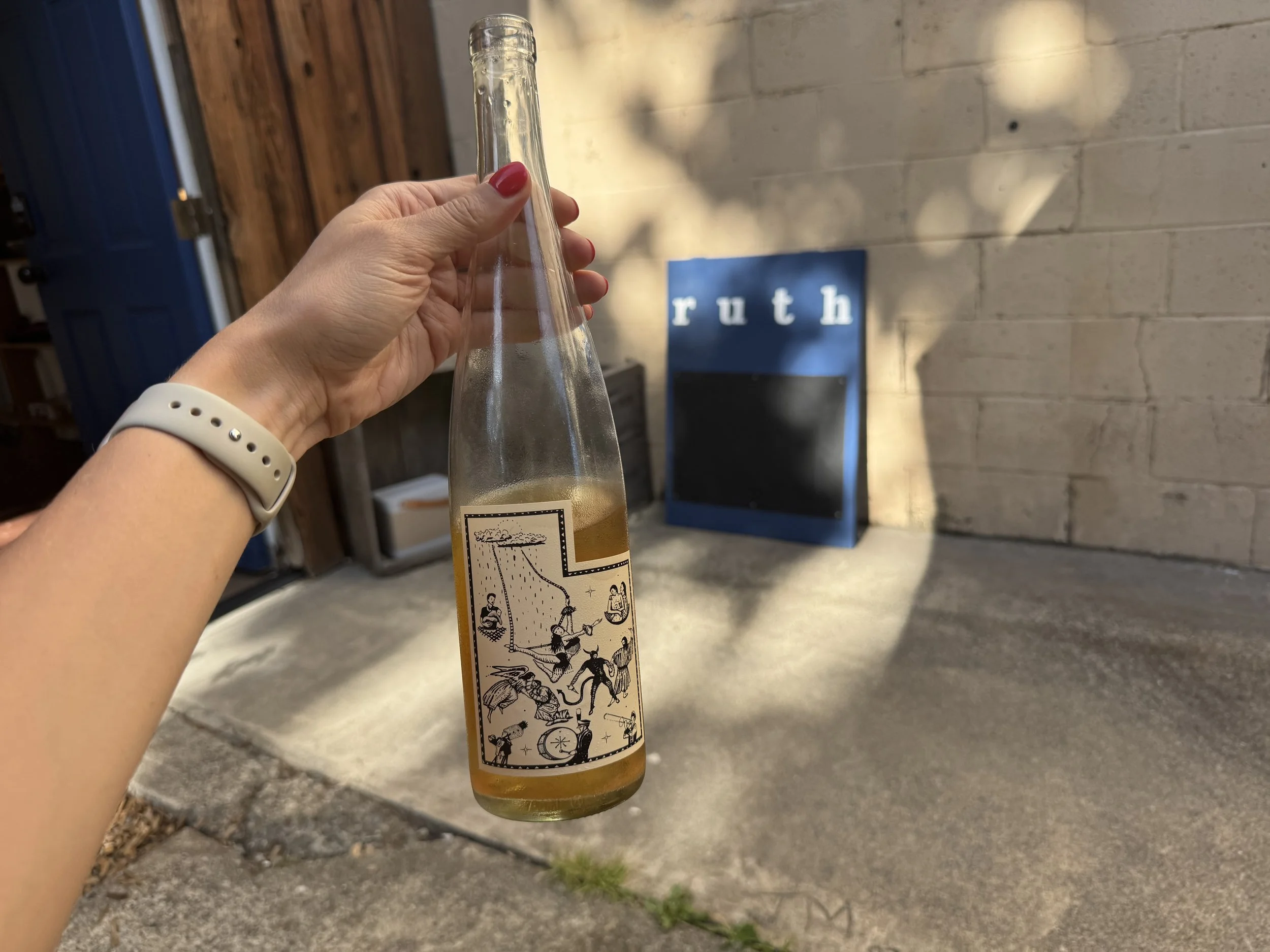
For us, this was the most memorable stop (with Martha Stoumen just about on the same level for us!) Evan showcased a lineup that felt distinct, broad, and fully coherent. The wines were playful when they needed to be, serious when they needed to be, and always grounded in a real palate behind them. This stop felt 100% aligned with how we like to drink and experiment with our palette. We enjoyed their Stock Pot wine, their Obed, Tetra. Every single one was perfectly executed and matched to our profile. We brought a few home and can’t wait to buy a few more in the near future. Ironically, a friend of ours was recently visiting from New York right after we returned from this trip. He started telling us about the “best wine I’ve ever had” that he had recently enjoyed at a local NYC wine bar and pulled up a picture of it on his iPhone; sure enough, it was a Ruth Lewandowski chilled red.
If that’s not a ringing endorsement and confirmation of just how good they are, I don’t know what is.
Santa Rosa, Sebastopol, Point Reyes, and the Coastal Drive South
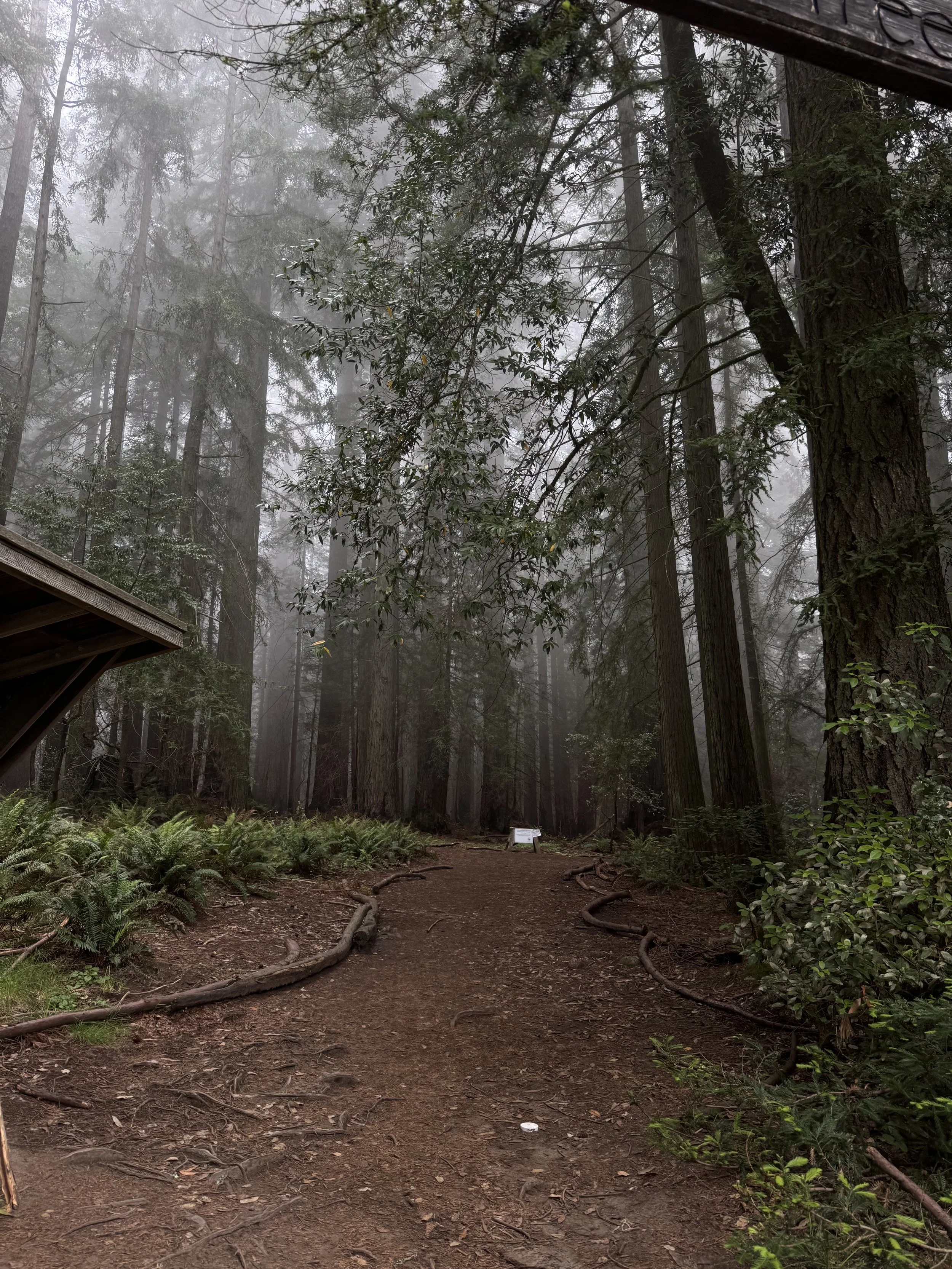
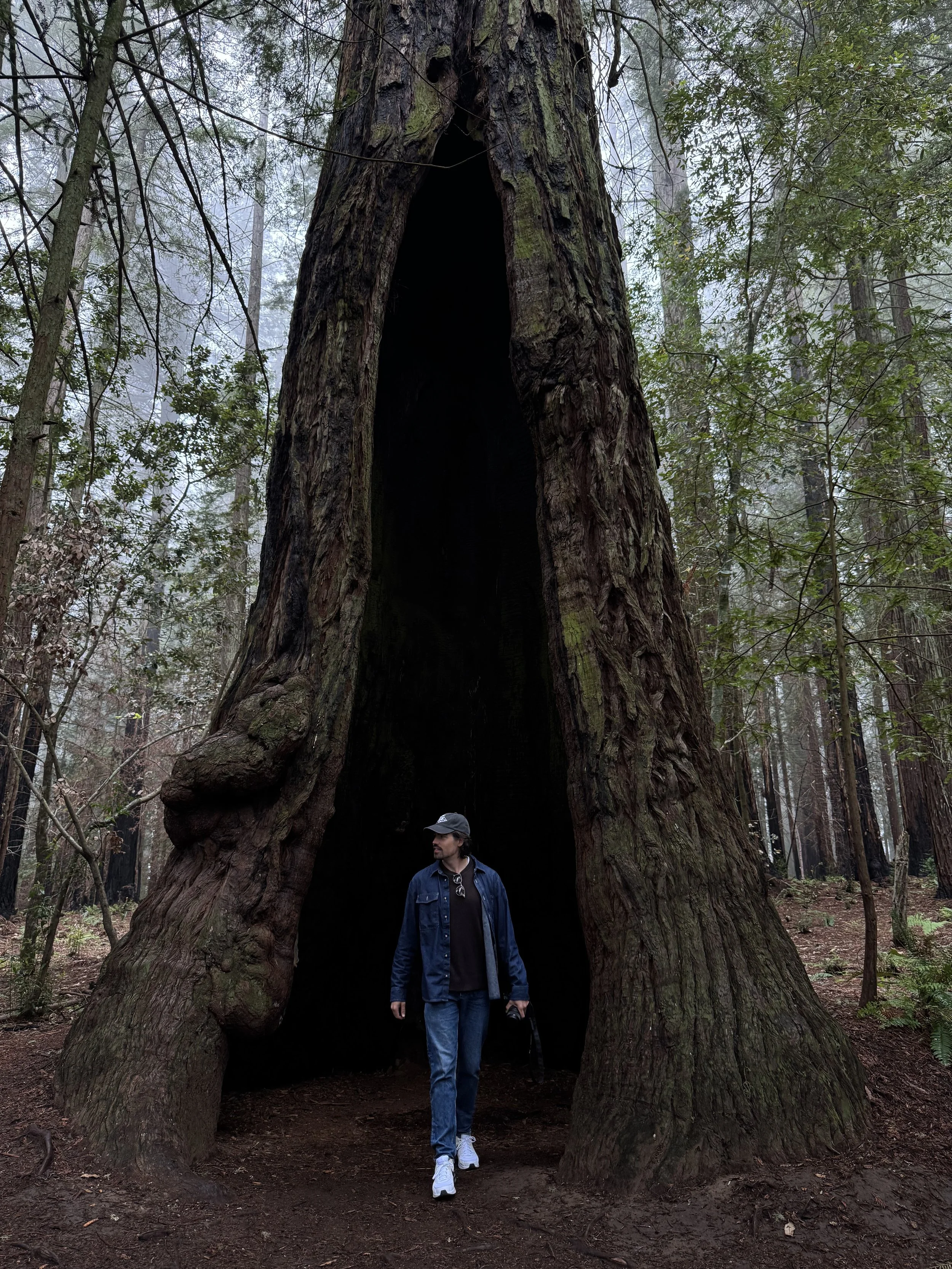
A friend had also recommended we go here for an otherworldly forest escape and it sure did not disappoint. We walked through mist and some of the largest trees I’ve ever seen and it made me forget my troubles for a couple of hours. Very few crowds compared to other places, and equally majestic and impressive scenery.
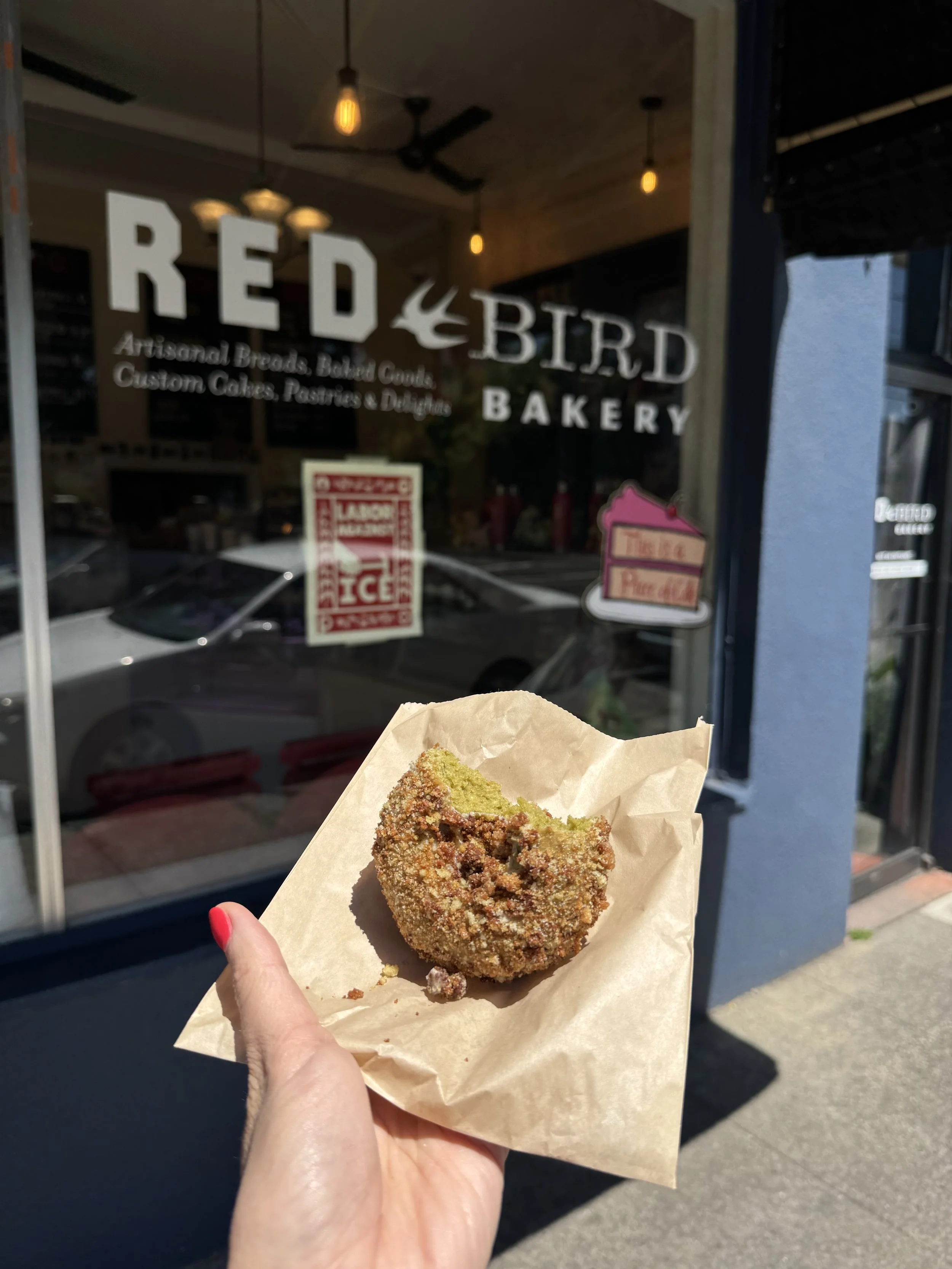
Excellent little versatile bakery that tends to sell out. They are incredibly thoughtful about their baked goods. We arrived late morning when most things were already gone so I took a “risk” on their matcha donut and it may now be one of my absolute favorite things. Who would’ve thought! Earthy gritty goodness + sugar = my kryponite.
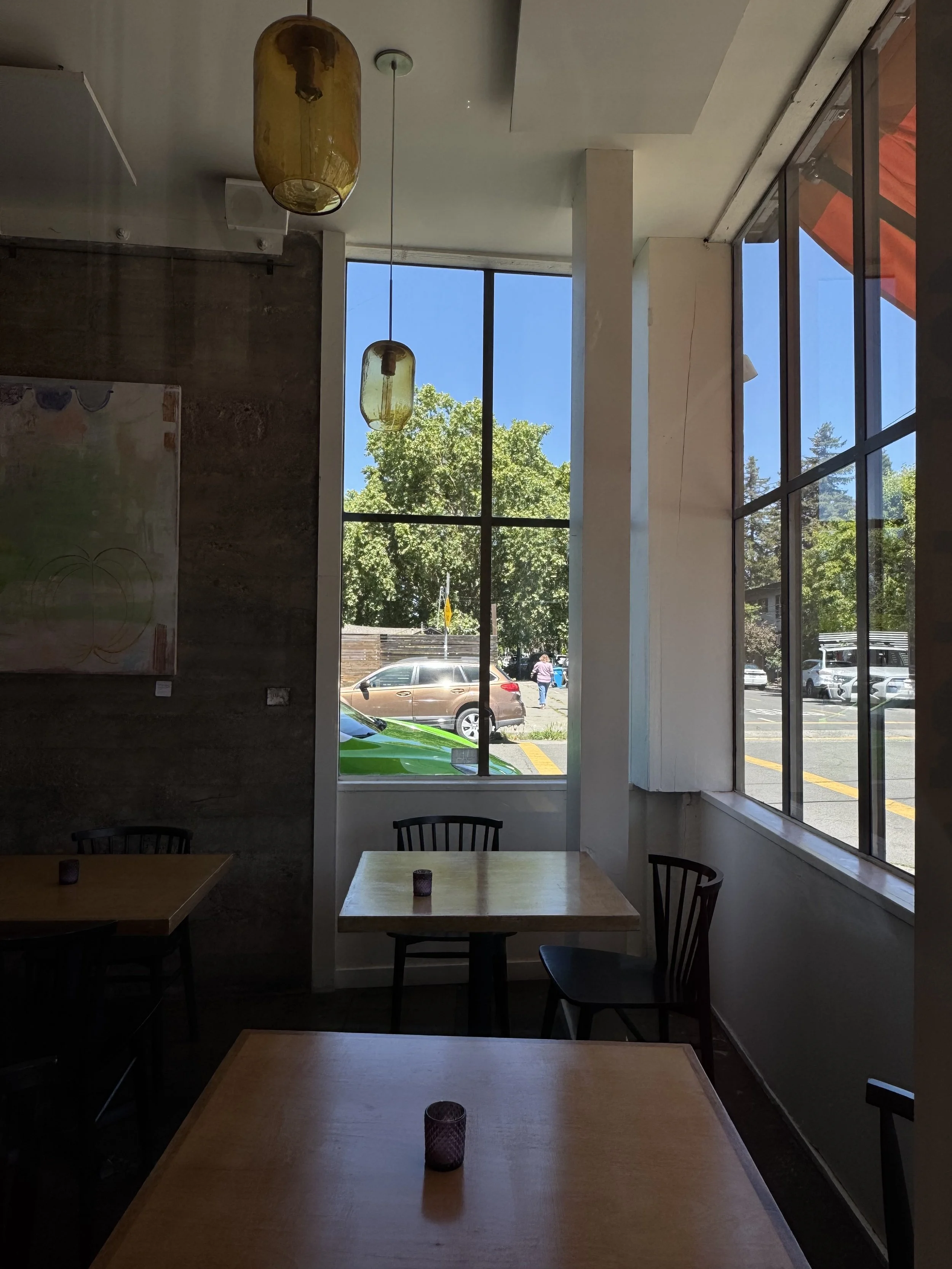
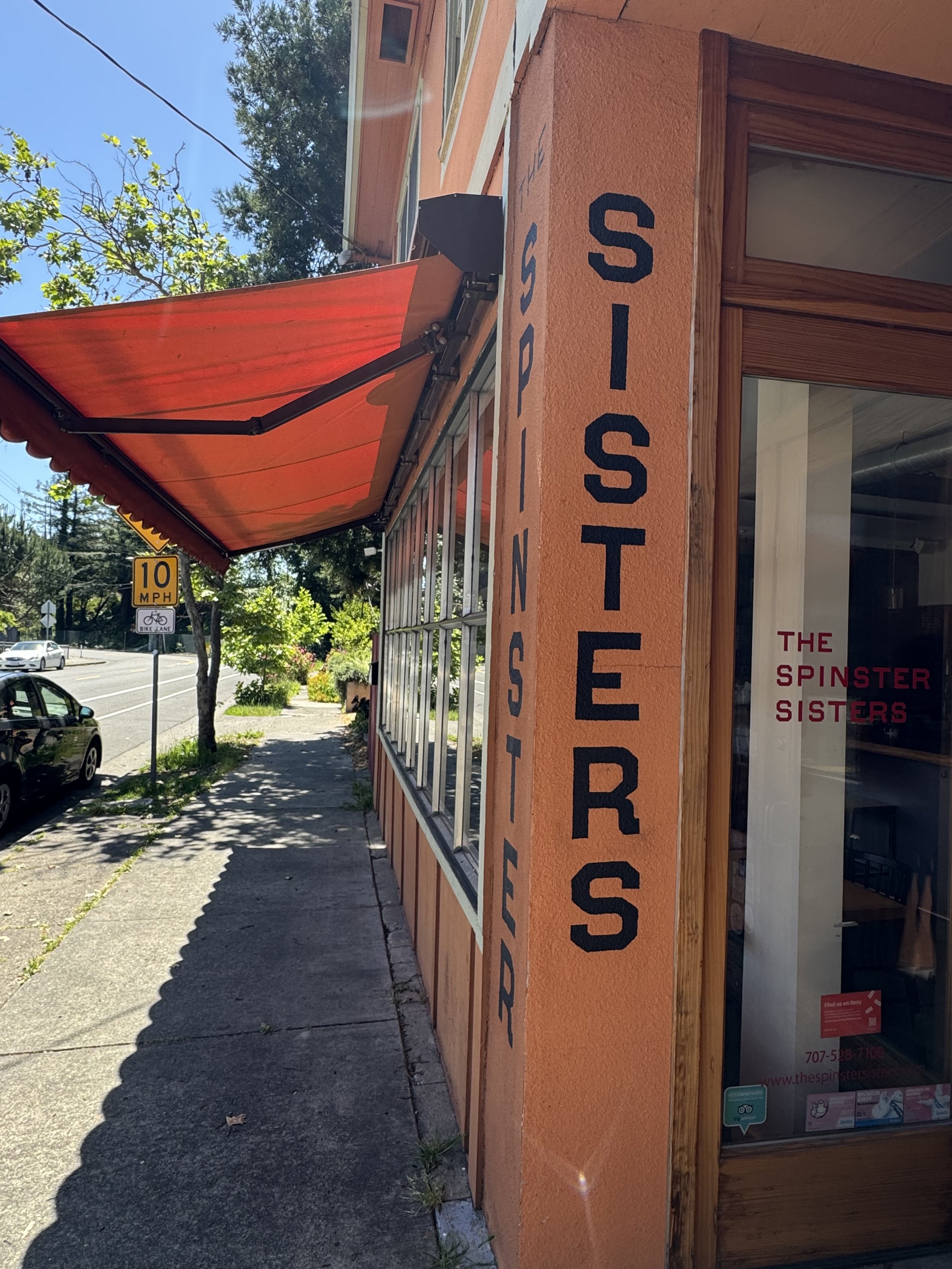
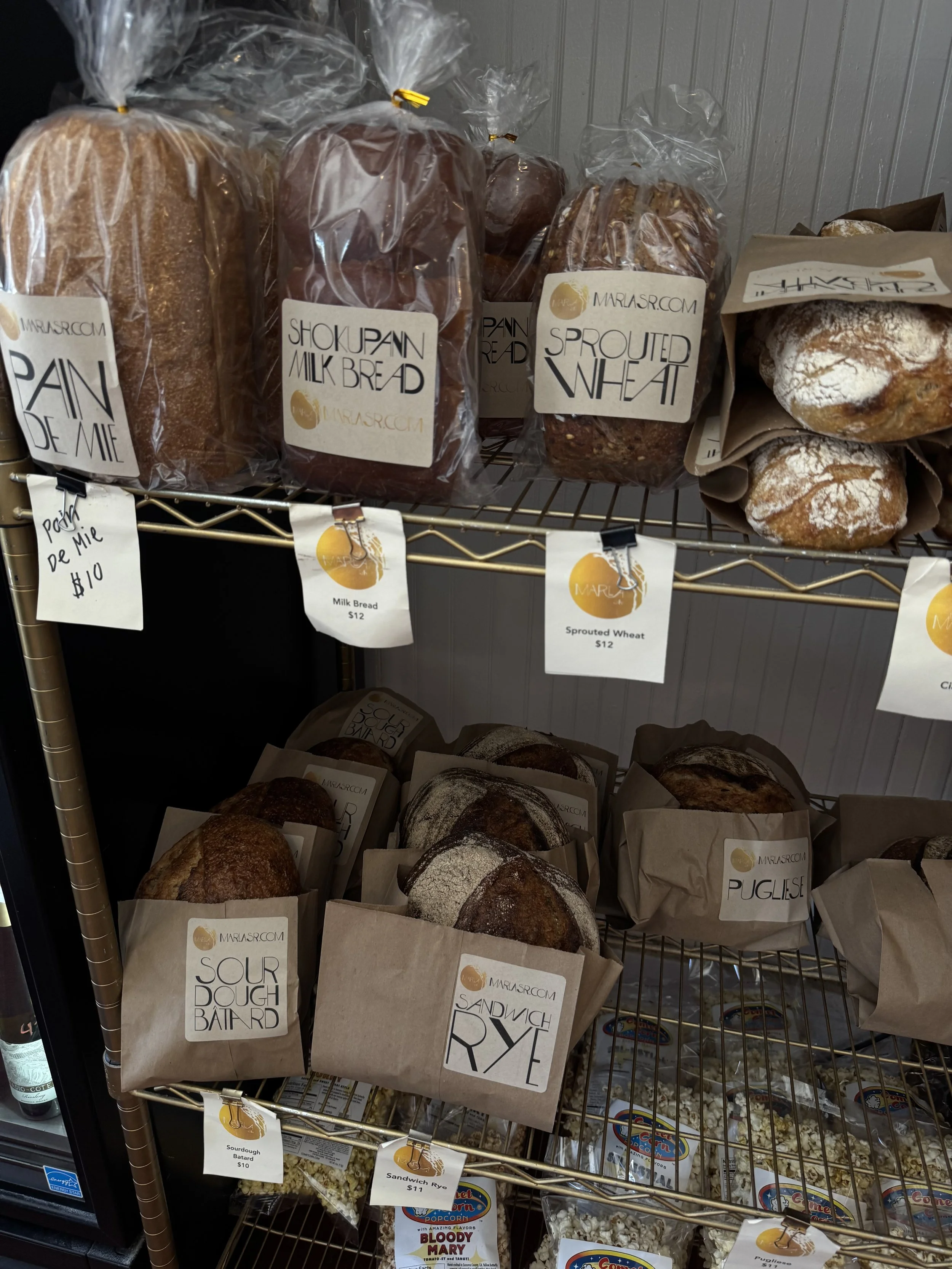
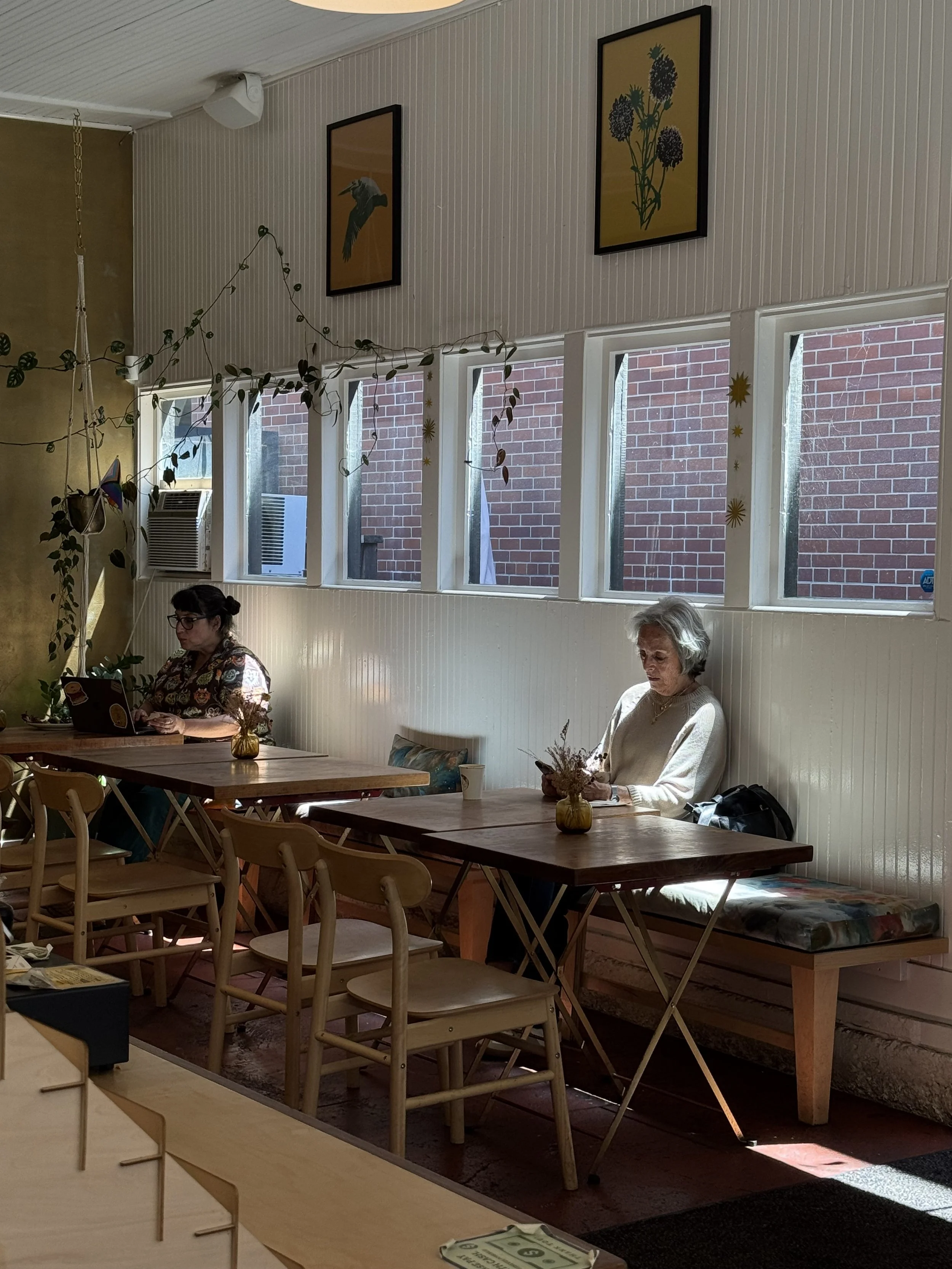
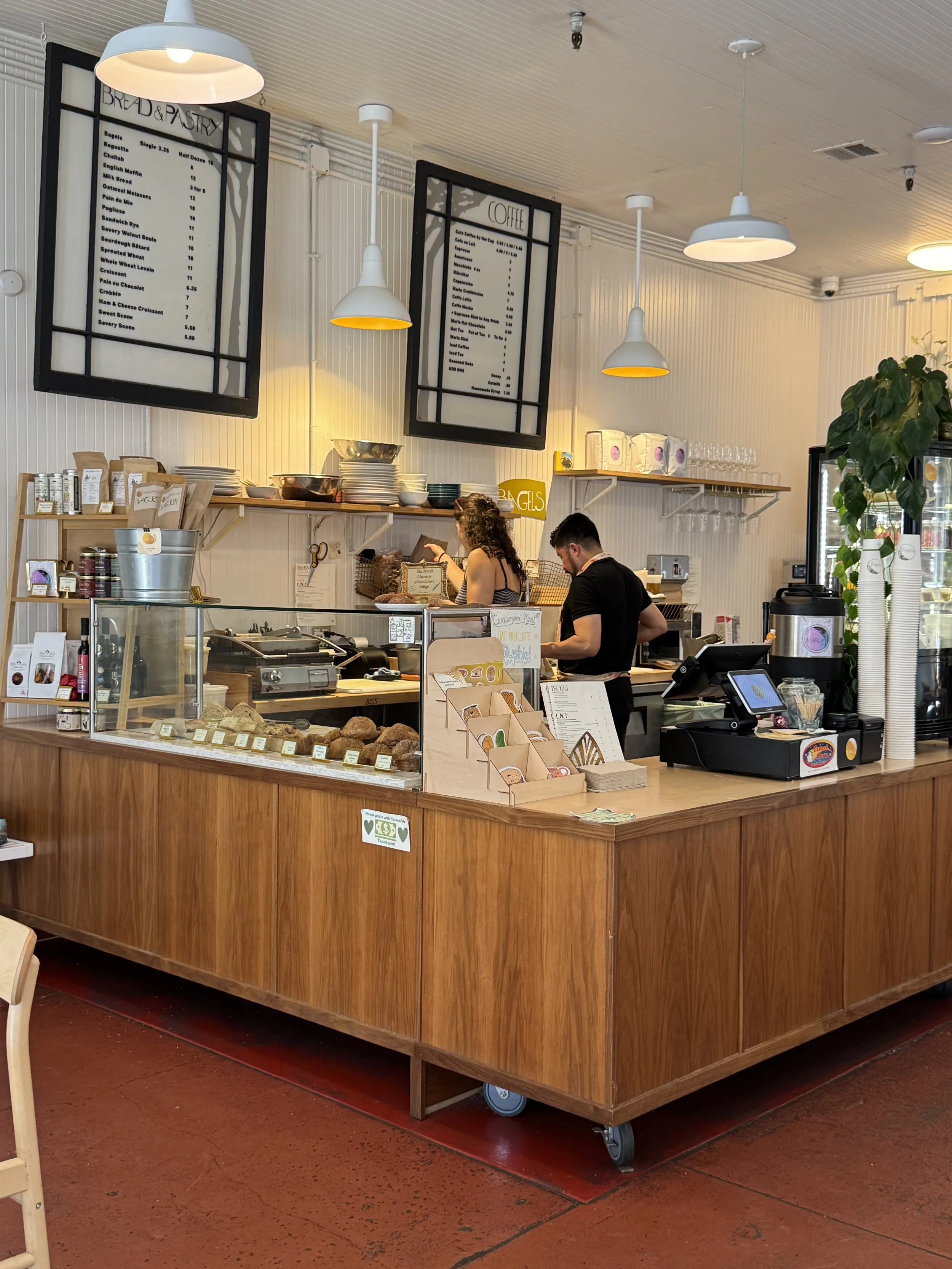
Marla is your go-to place for fresh baked breads, pastries and catering for events large and small. Old World recipes made with New World ingredients, a ton of bread for takeaway, and a small but mighty wine selection. Also just a great, well-lit gathering place for catching up with a friend or doing work for a few hours.
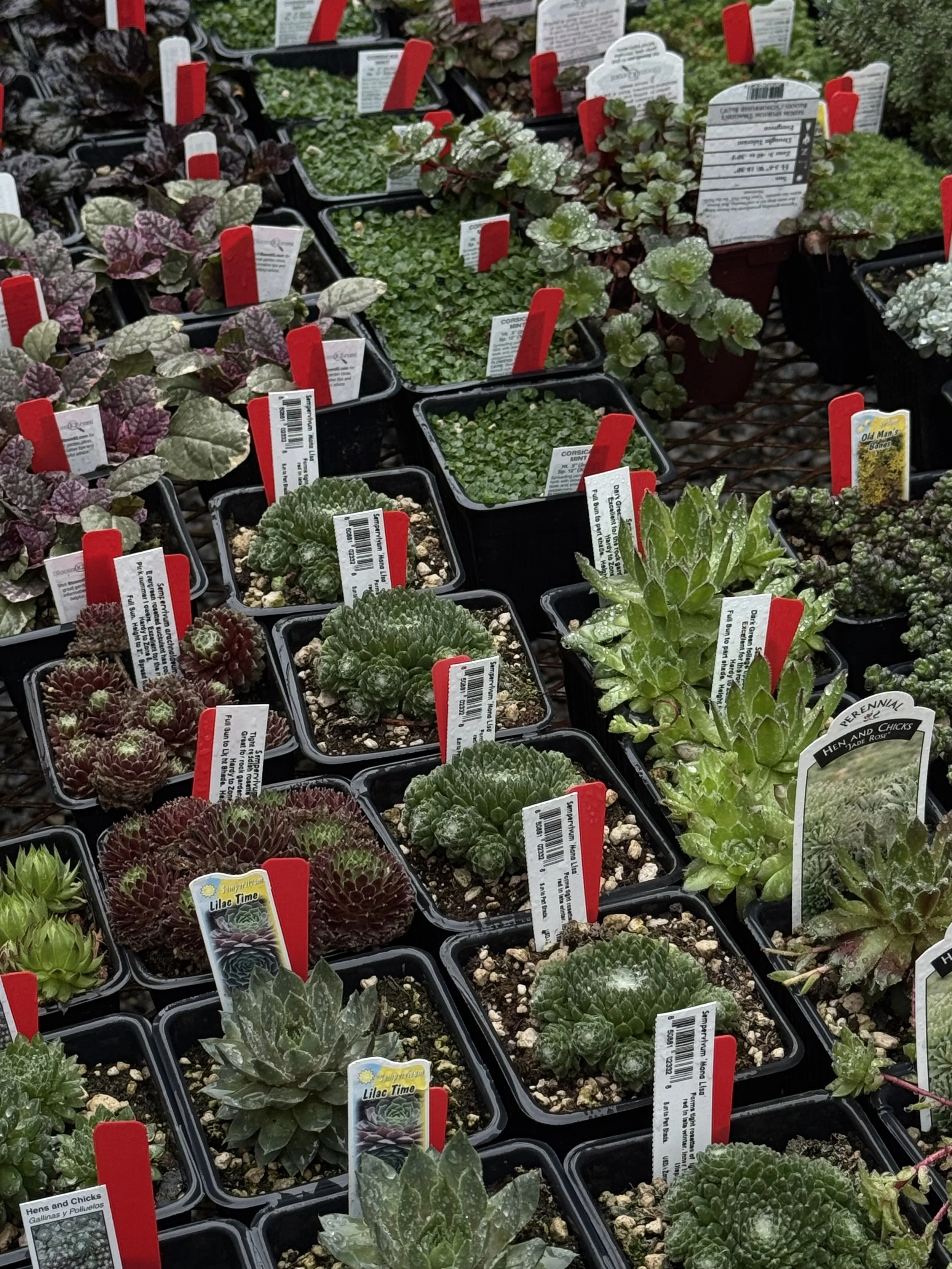
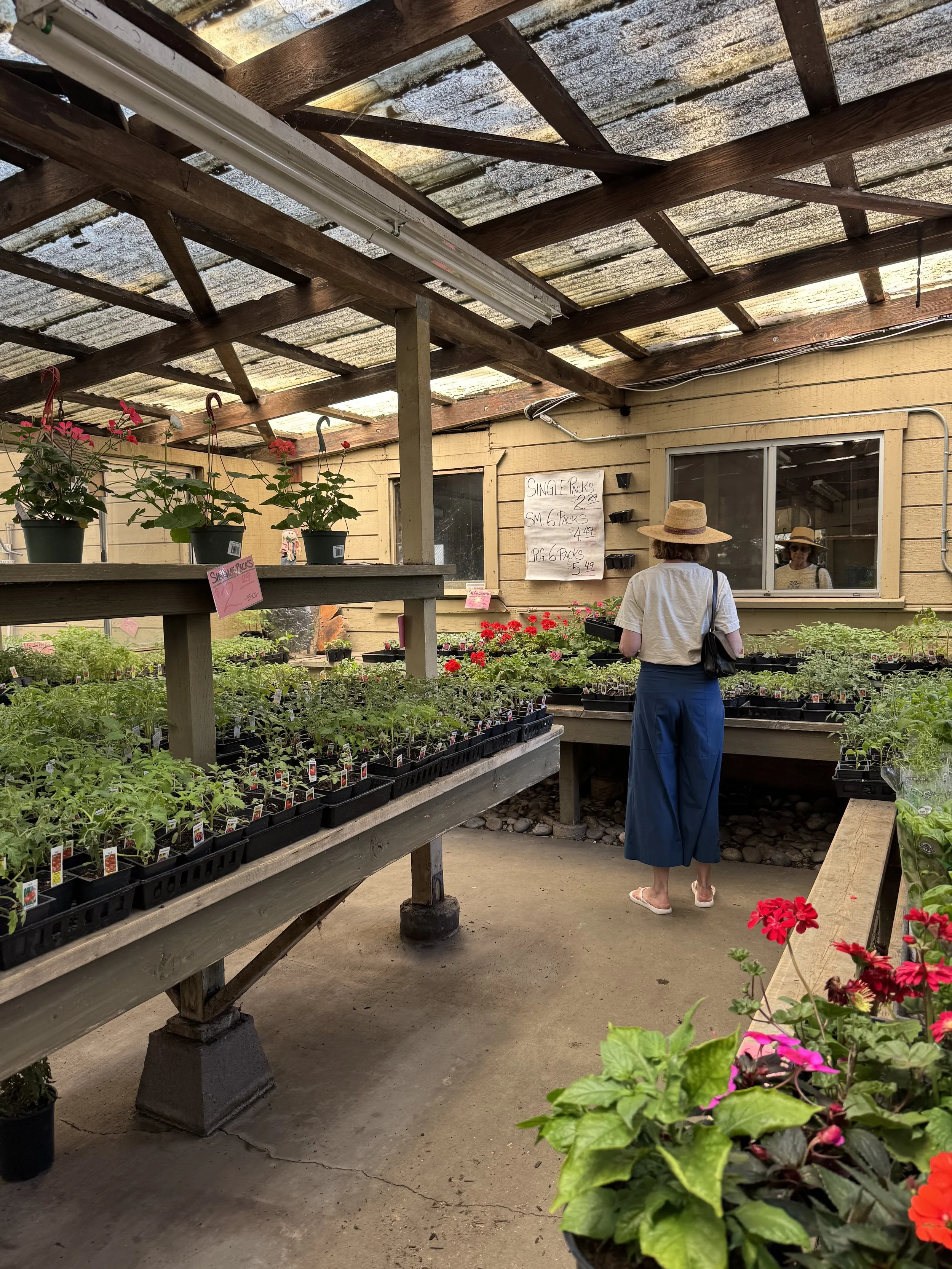
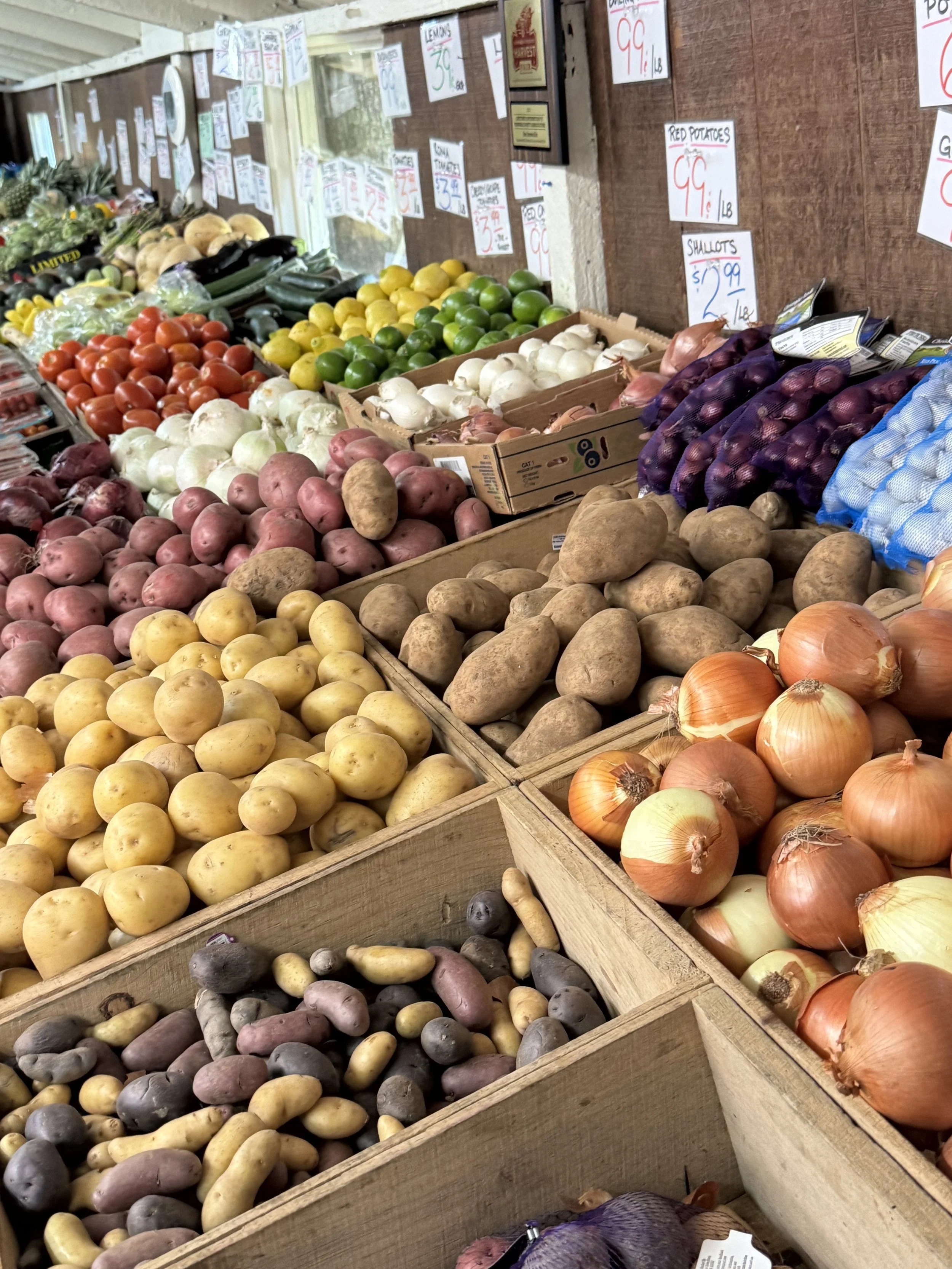
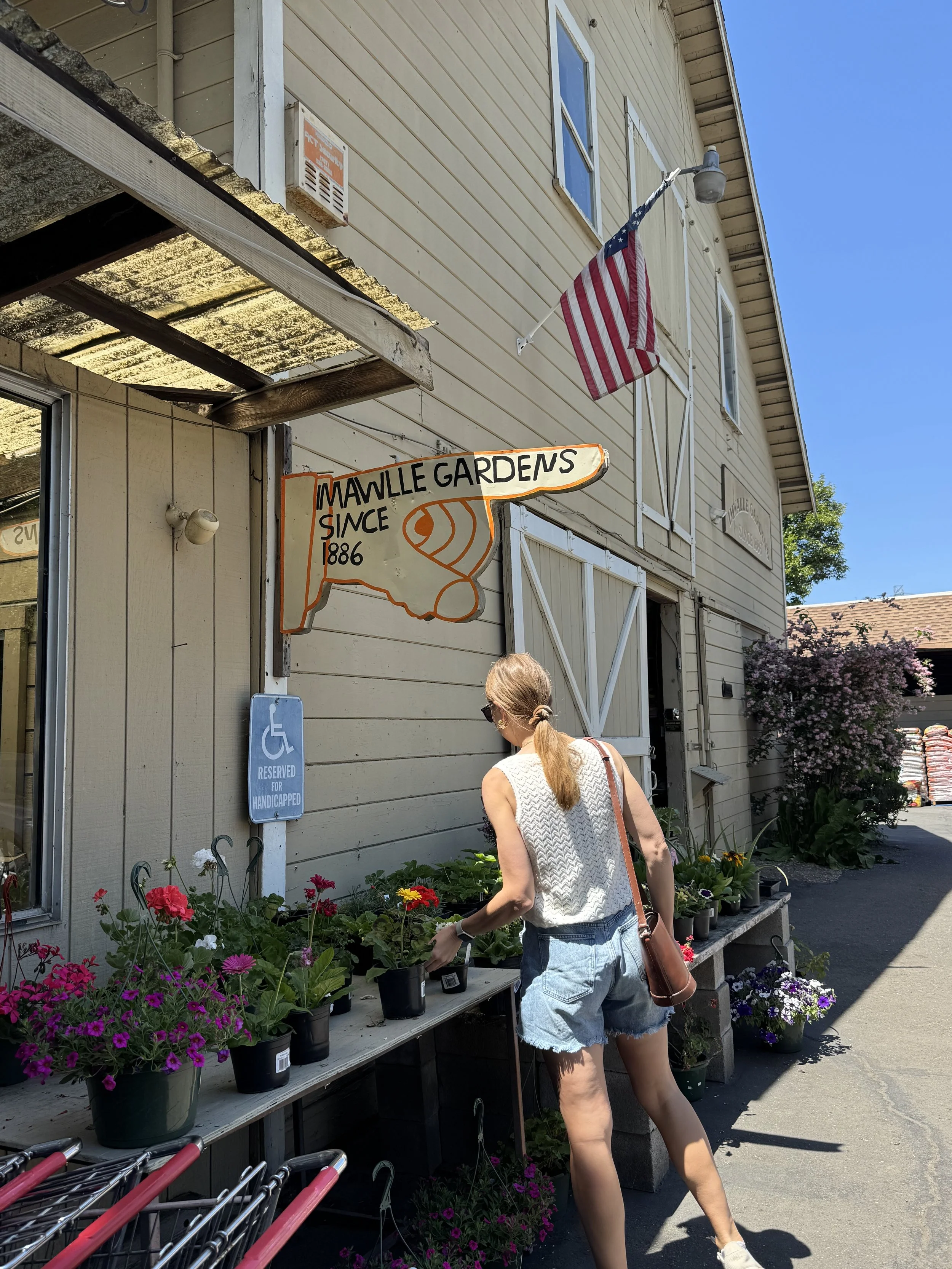
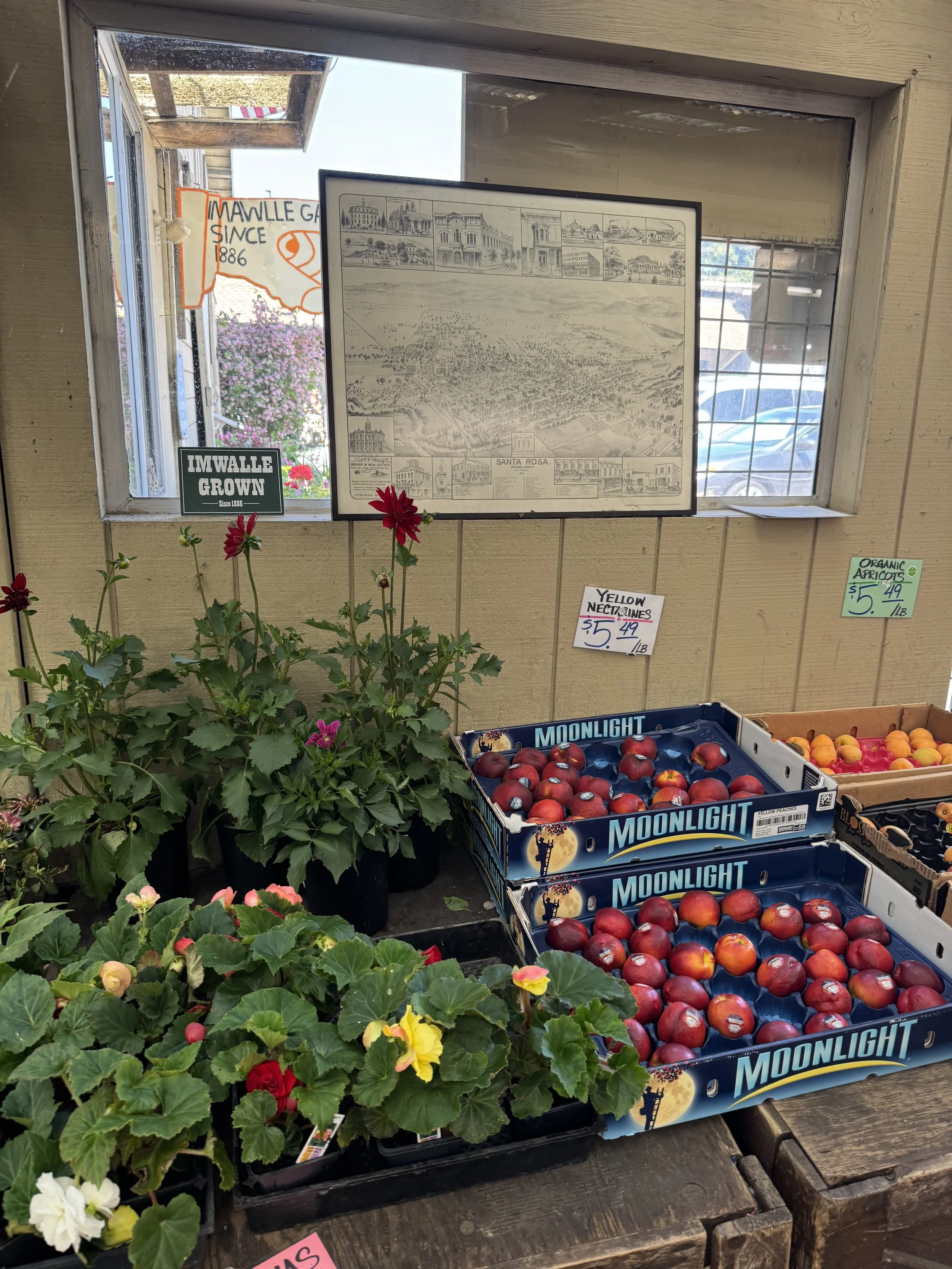
Imwalle Gardens is a historic, family-owned farm and nursery in Santa Rosa, California, operating since 1886 as an agricultural oasis in the city. Located at 685 W. Third St., it offers locally grown seasonal produce, bedding plants, and seeds, serving as both a retail stand and a wholesale supplier to local restaurants. Founded by German immigrant Joseph Imwalle, it has been run by four generations of the family. The 17-acre property operates as a "farm in the middle of the city," growing tomatoes, squash, kale, cucumbers, and more. Such an enjoyable place to have a browse!
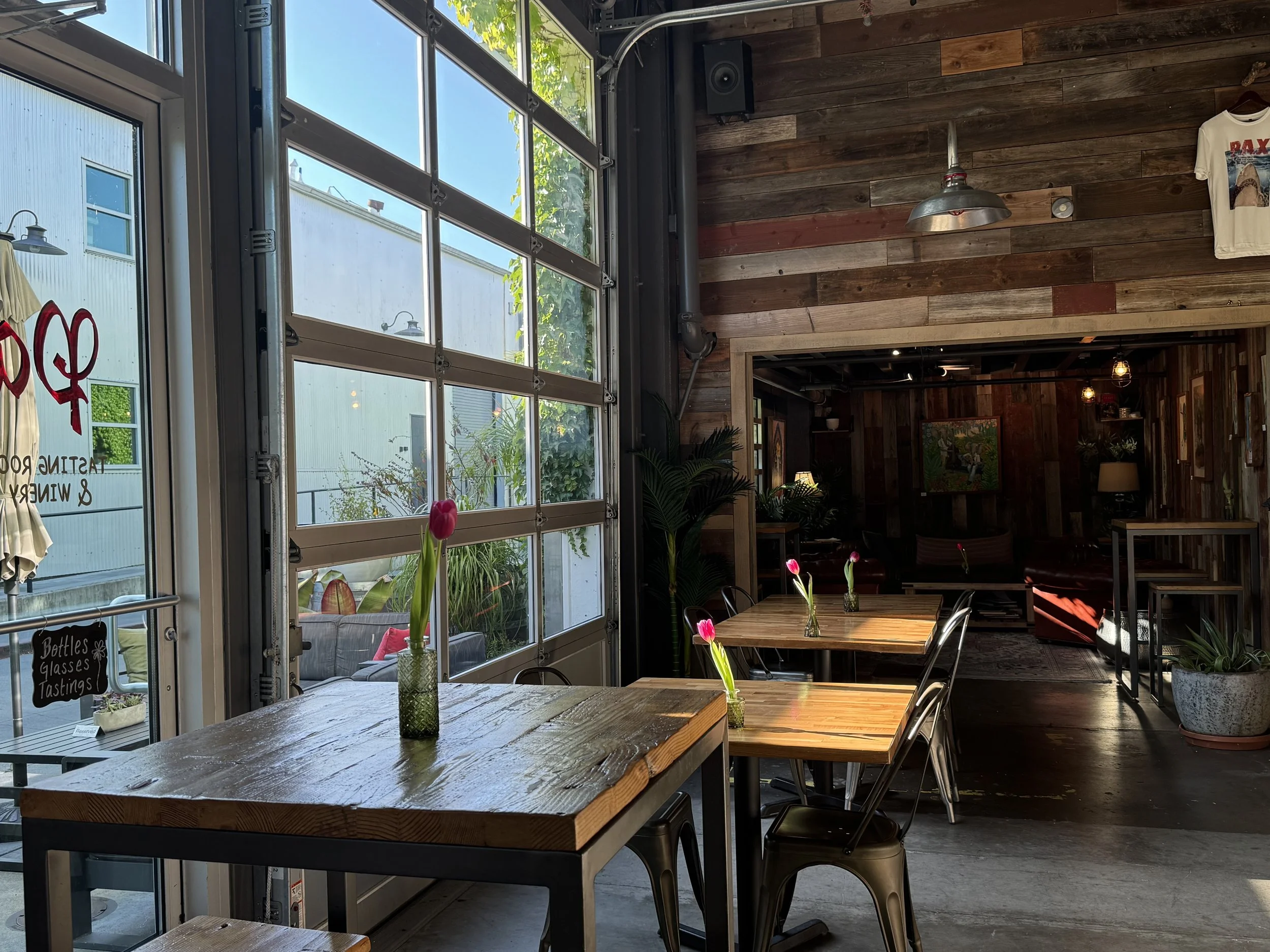
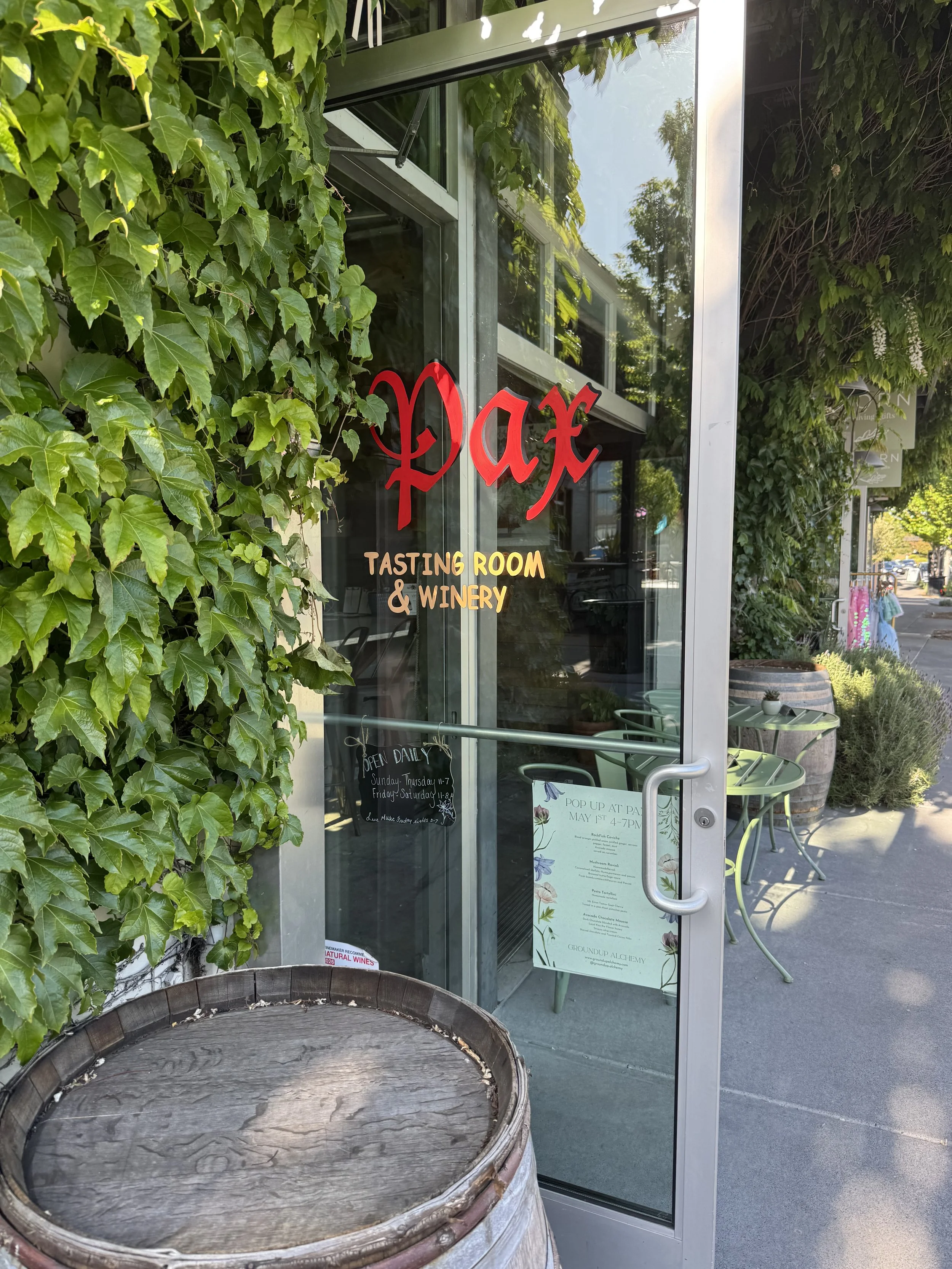
Pax Wines is a small, family-owned and operated winery in West Sonoma County producing globally renowned cool climate Syrah and esoteric varieties. Following a classic & minimal winemaking philosophy, each wine is foot-stomped, fermented using only ambient yeasts, aged primarily in Neutral French Oak and concrete, and bottled with no unnatural additions in order to purely express the unique and ephemeral quality of each vintage and site. Rugged and laidback FTW.
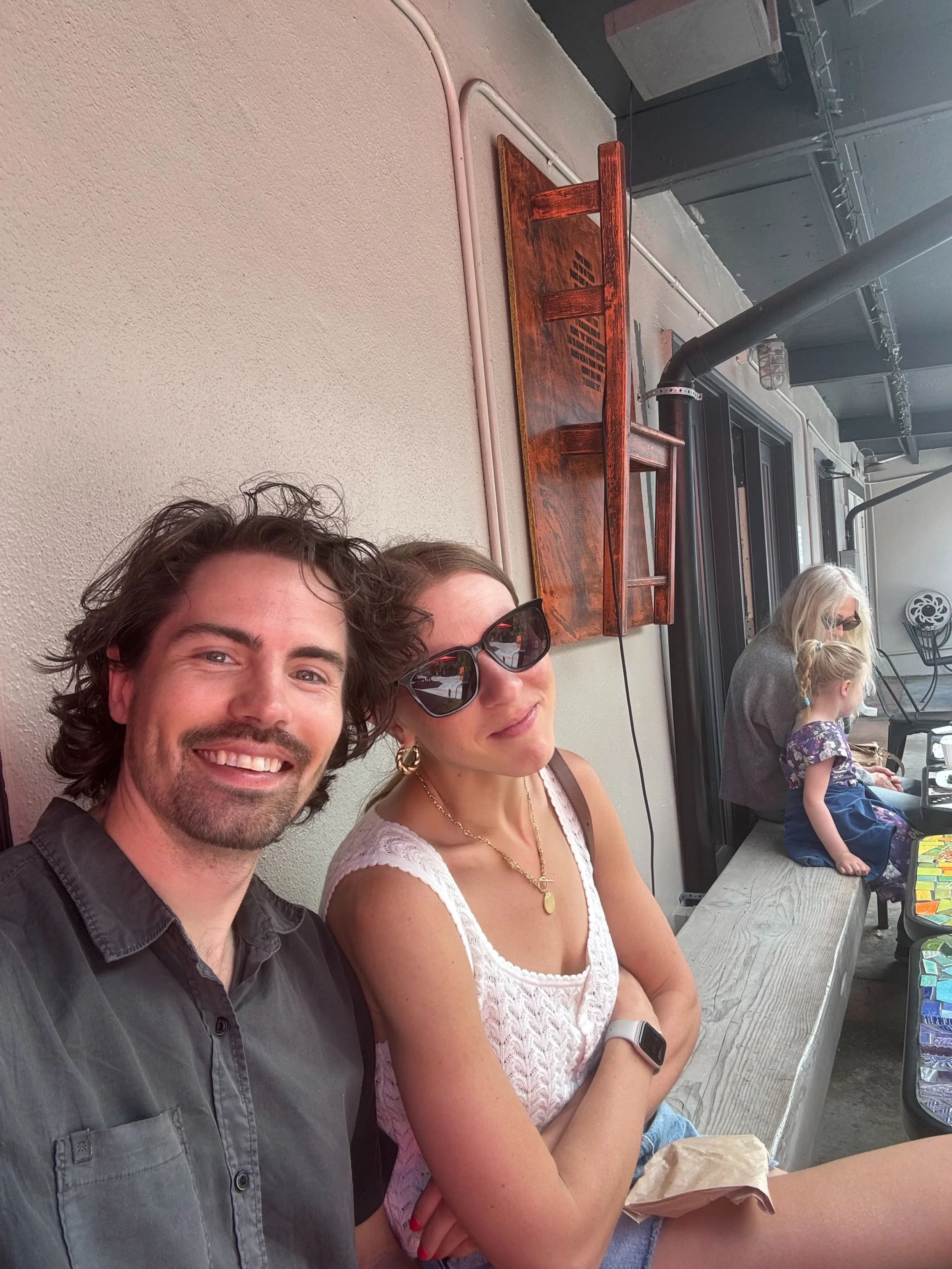
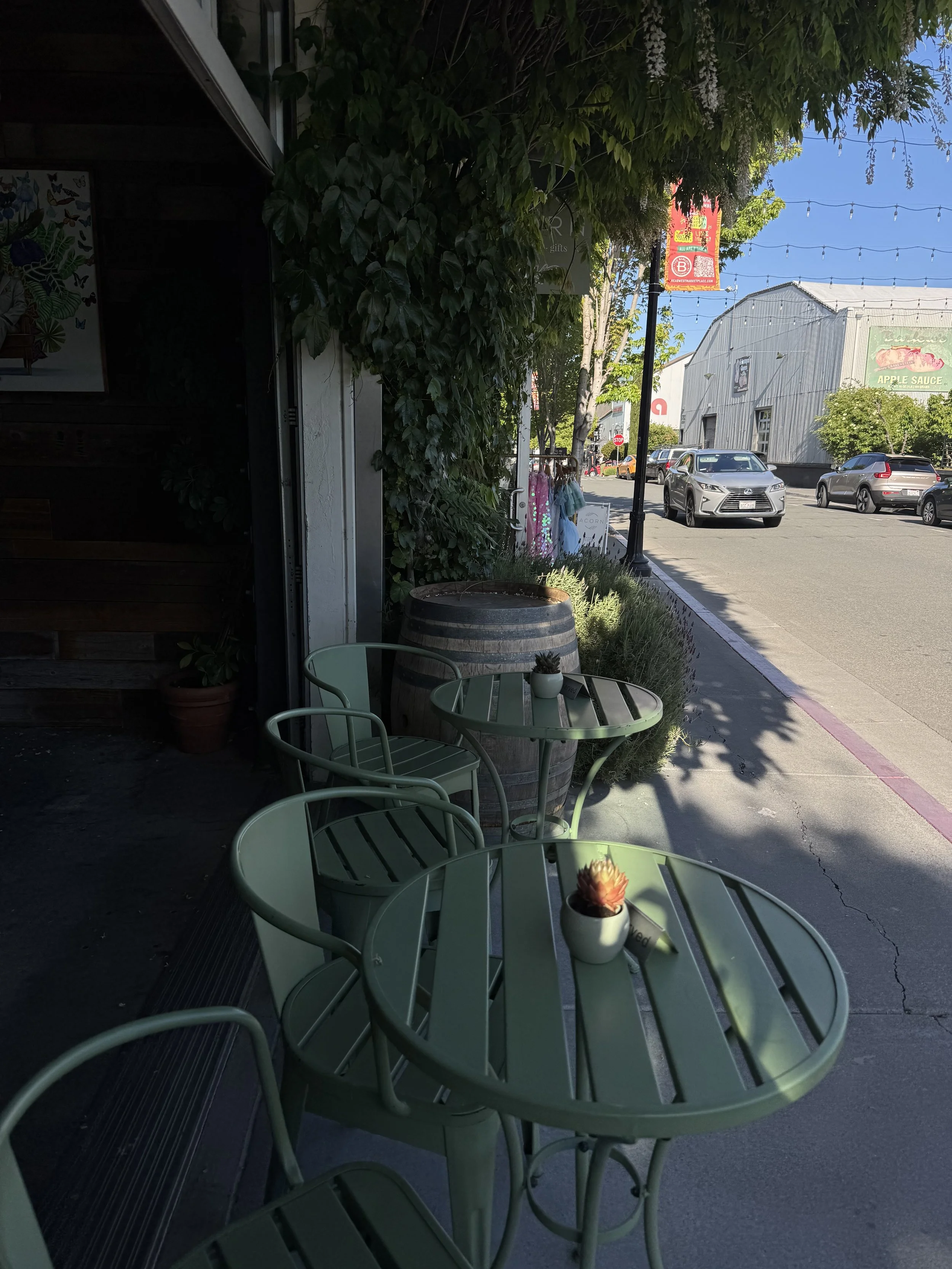
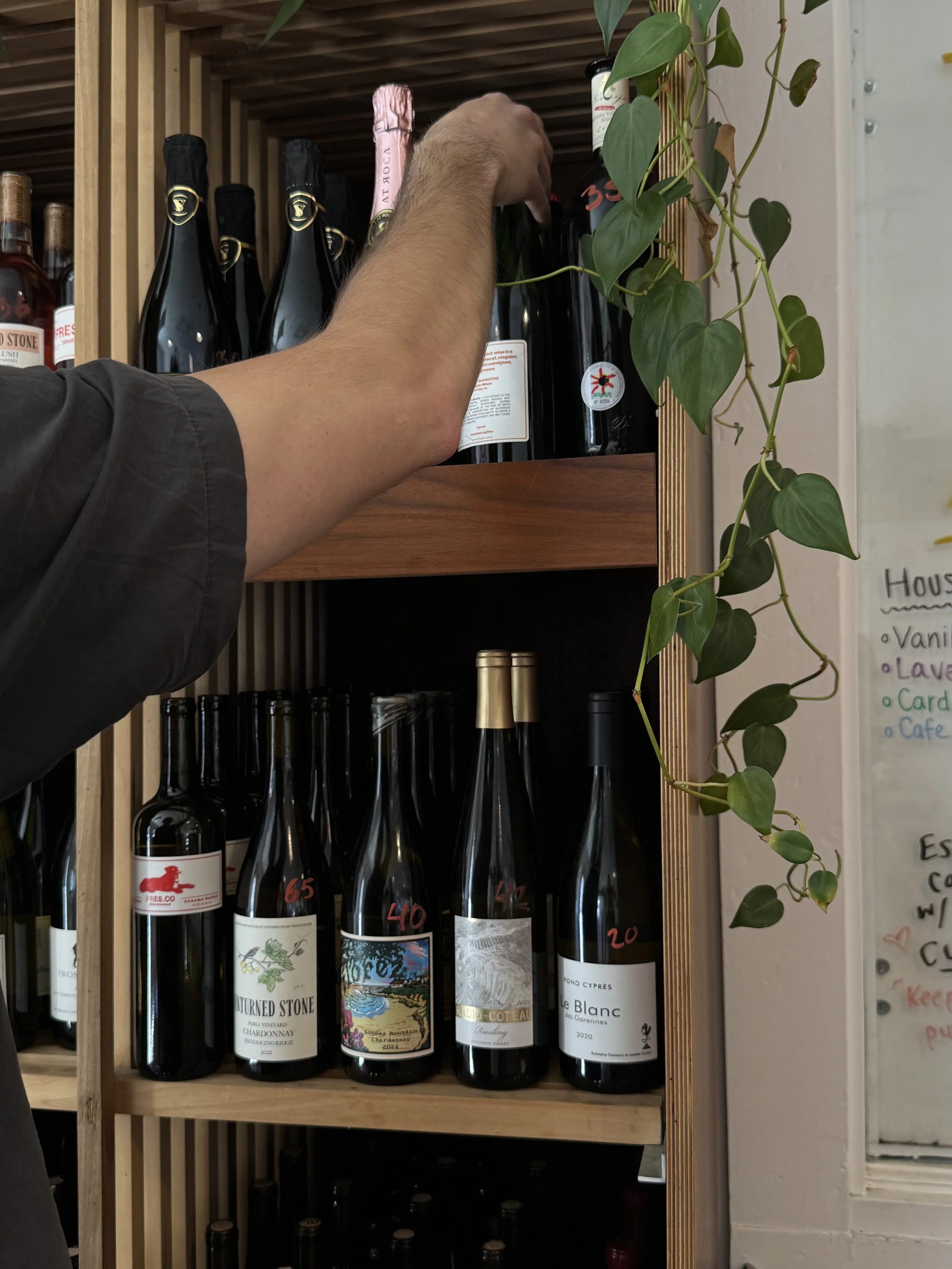
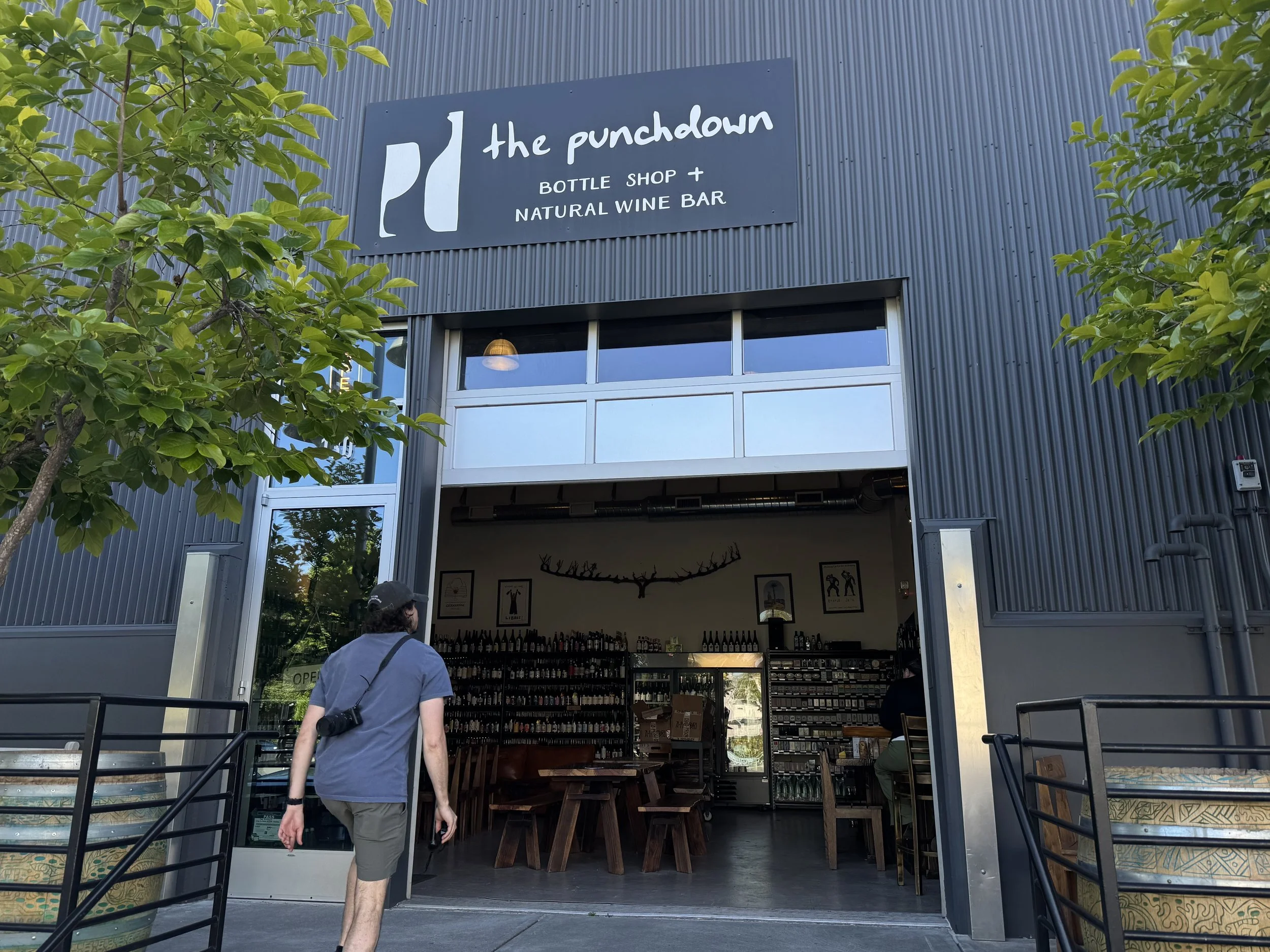
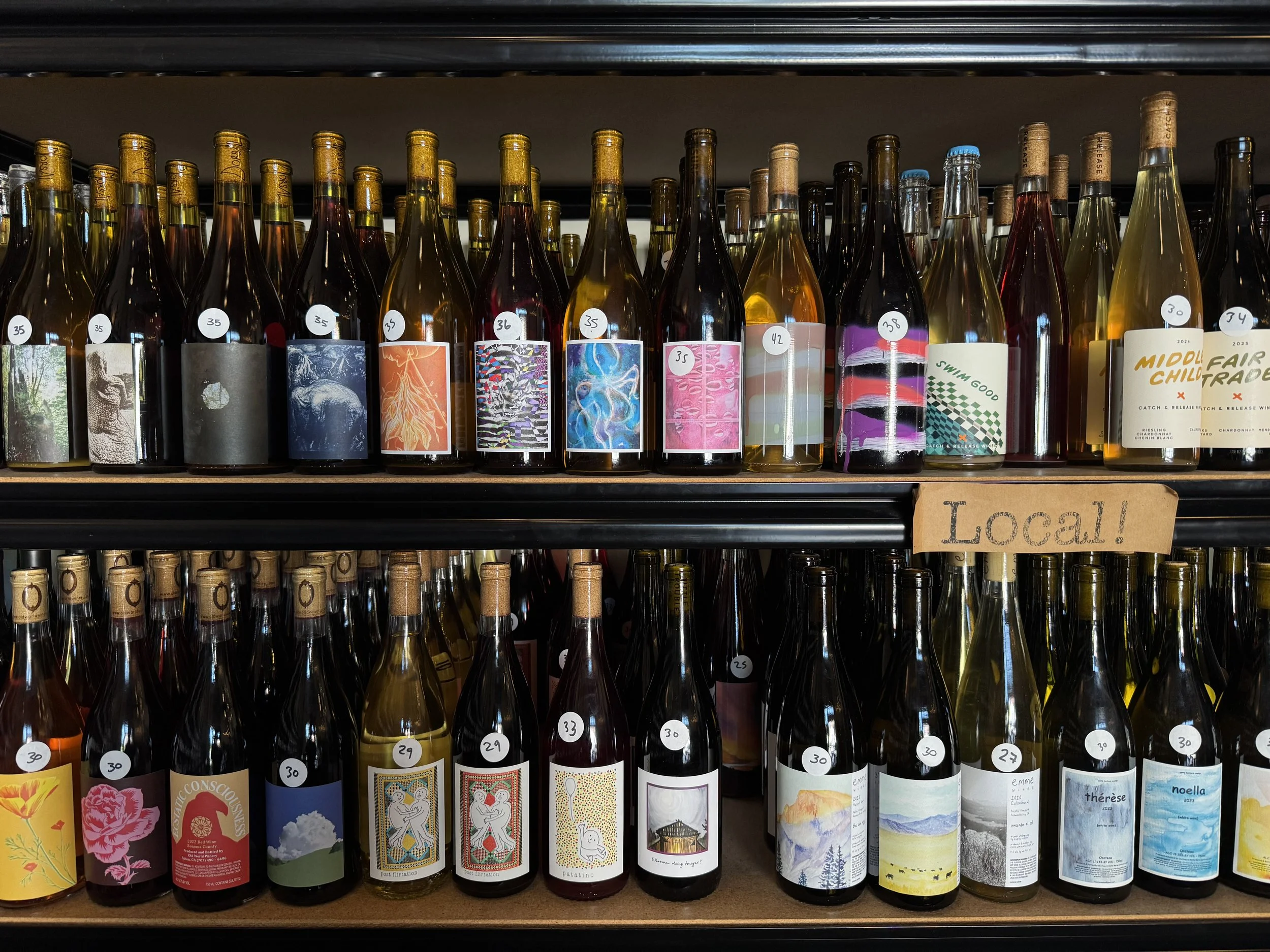
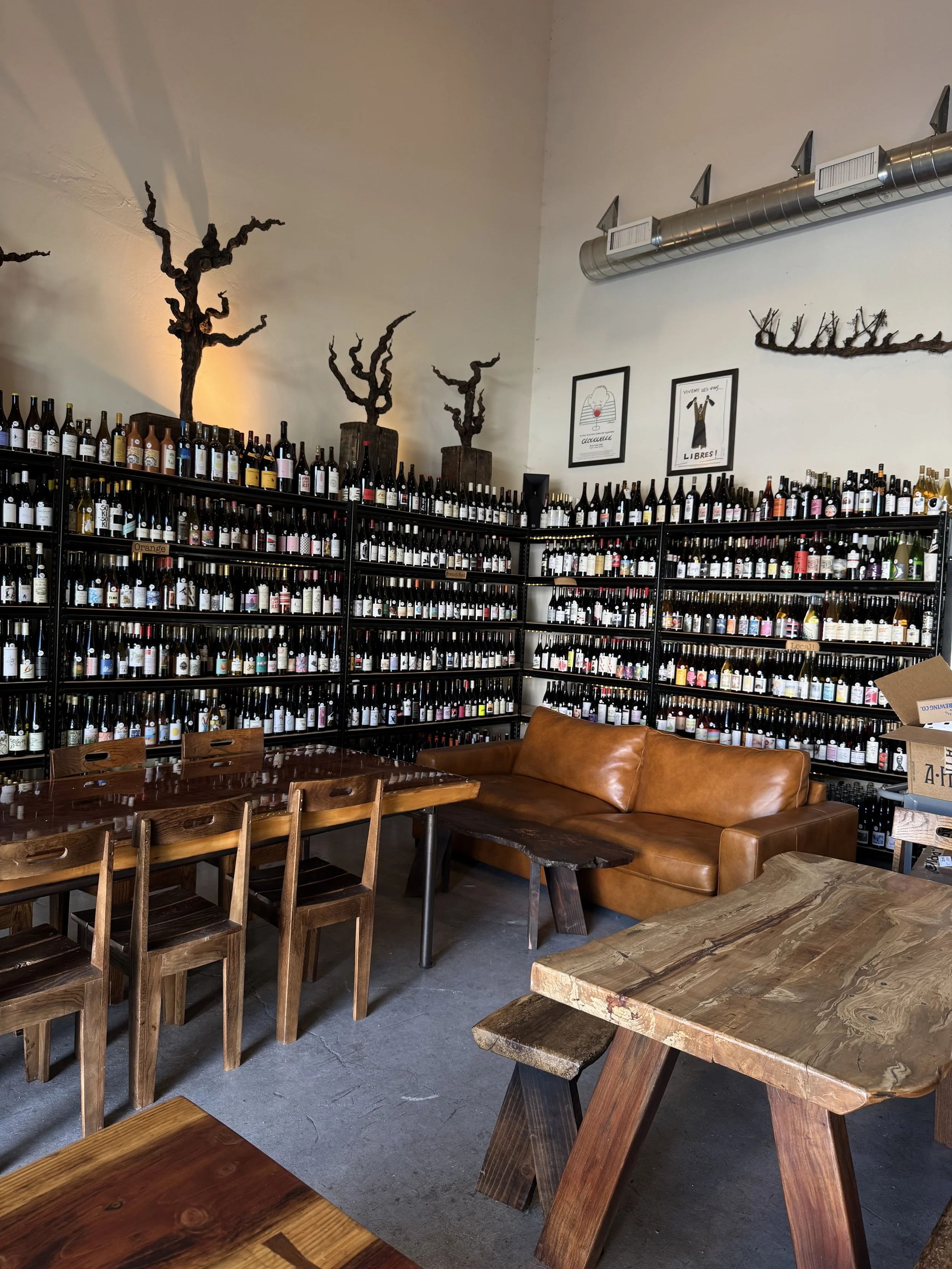
An offshoot of the original Oakland location, this is a popular venue specializing in natural, organic, and biodynamic wines, founded in 2023 by DC Looney and Lisa Costa. This is the best wine shop we’ve been to in California by a long shot. We brought home a bunch of bottles and discovered a bunch of new to us producers from both near and far. The staff here are super friendly and helpful and educated us on local producers.
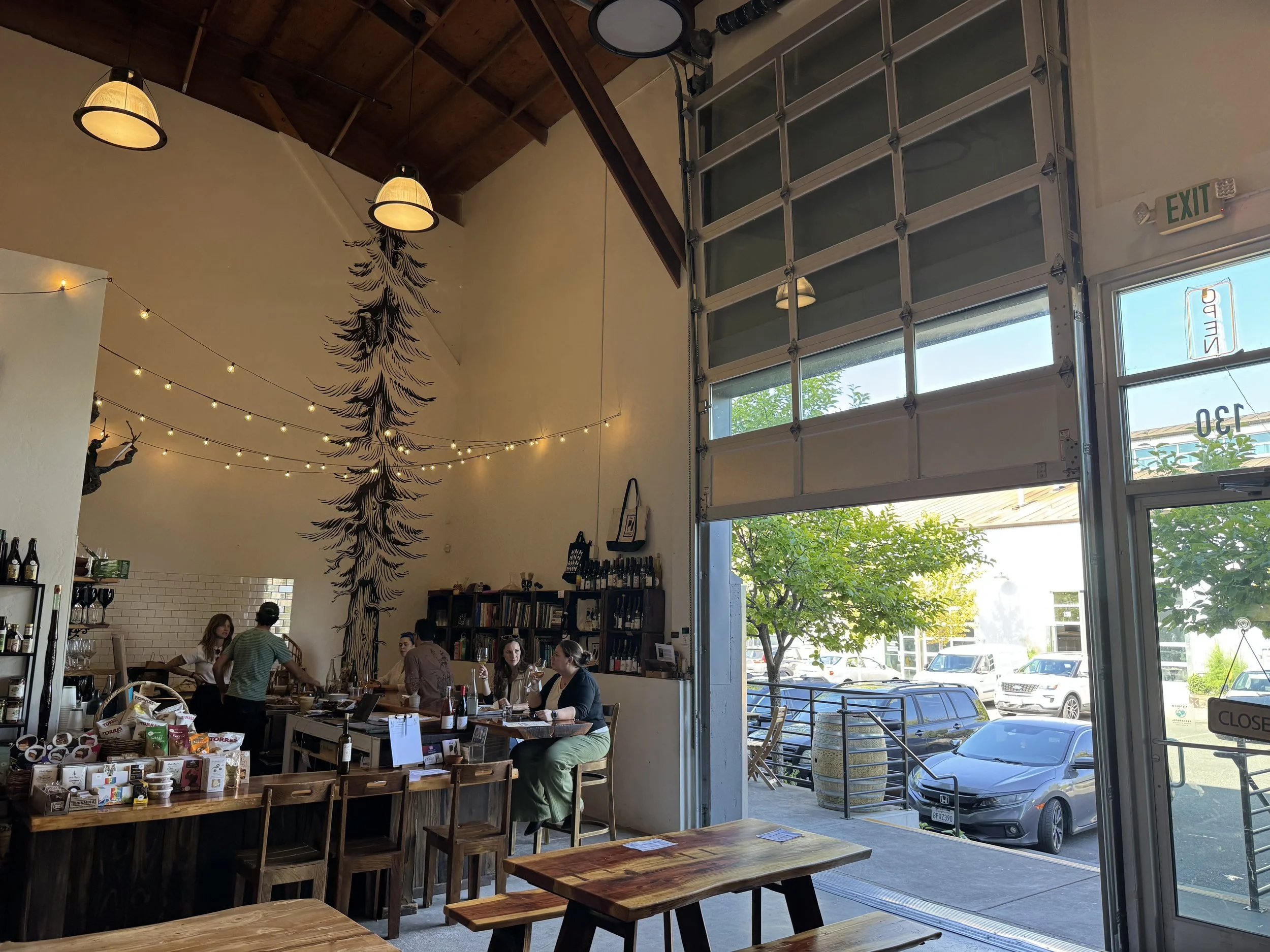
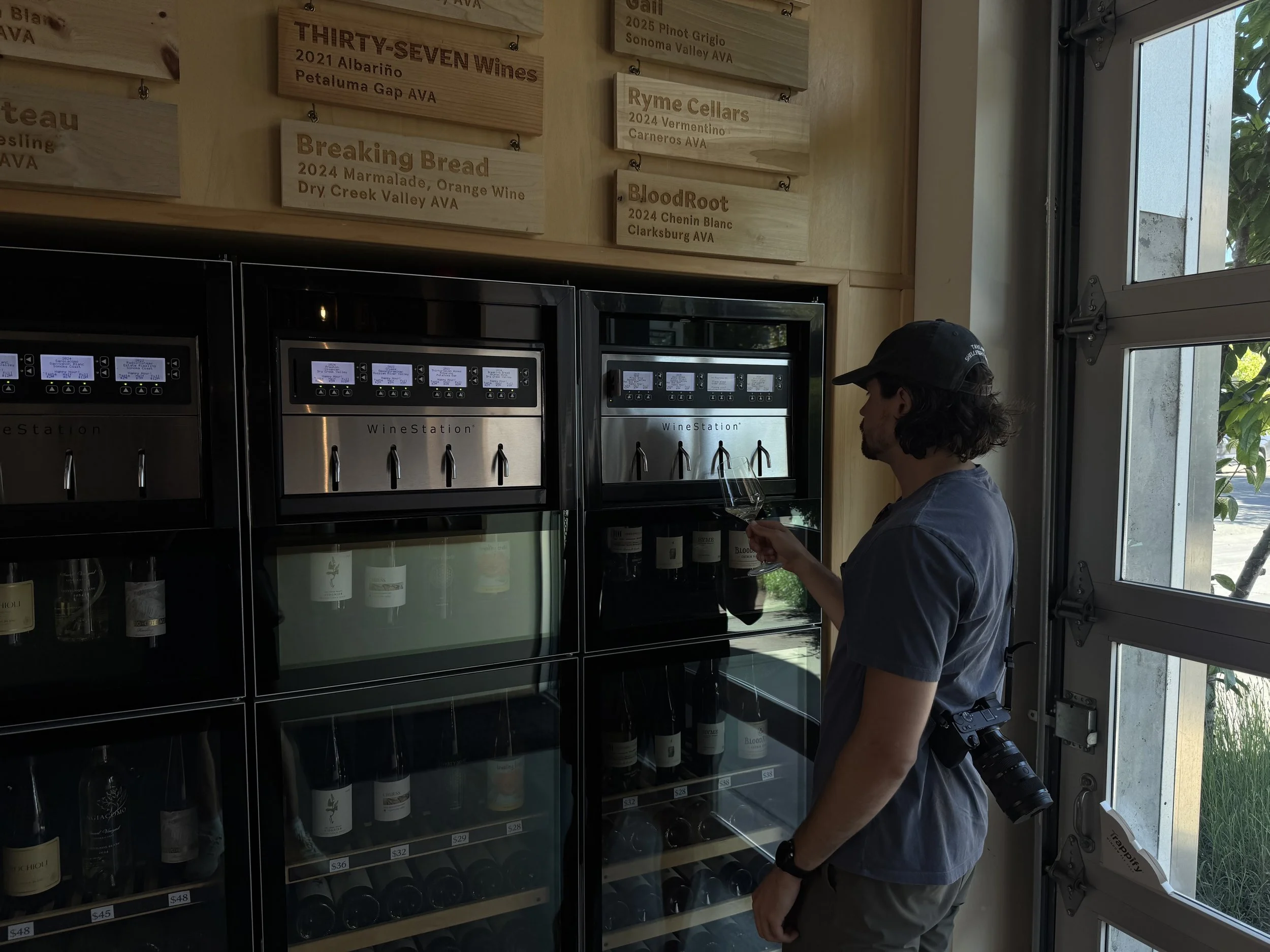
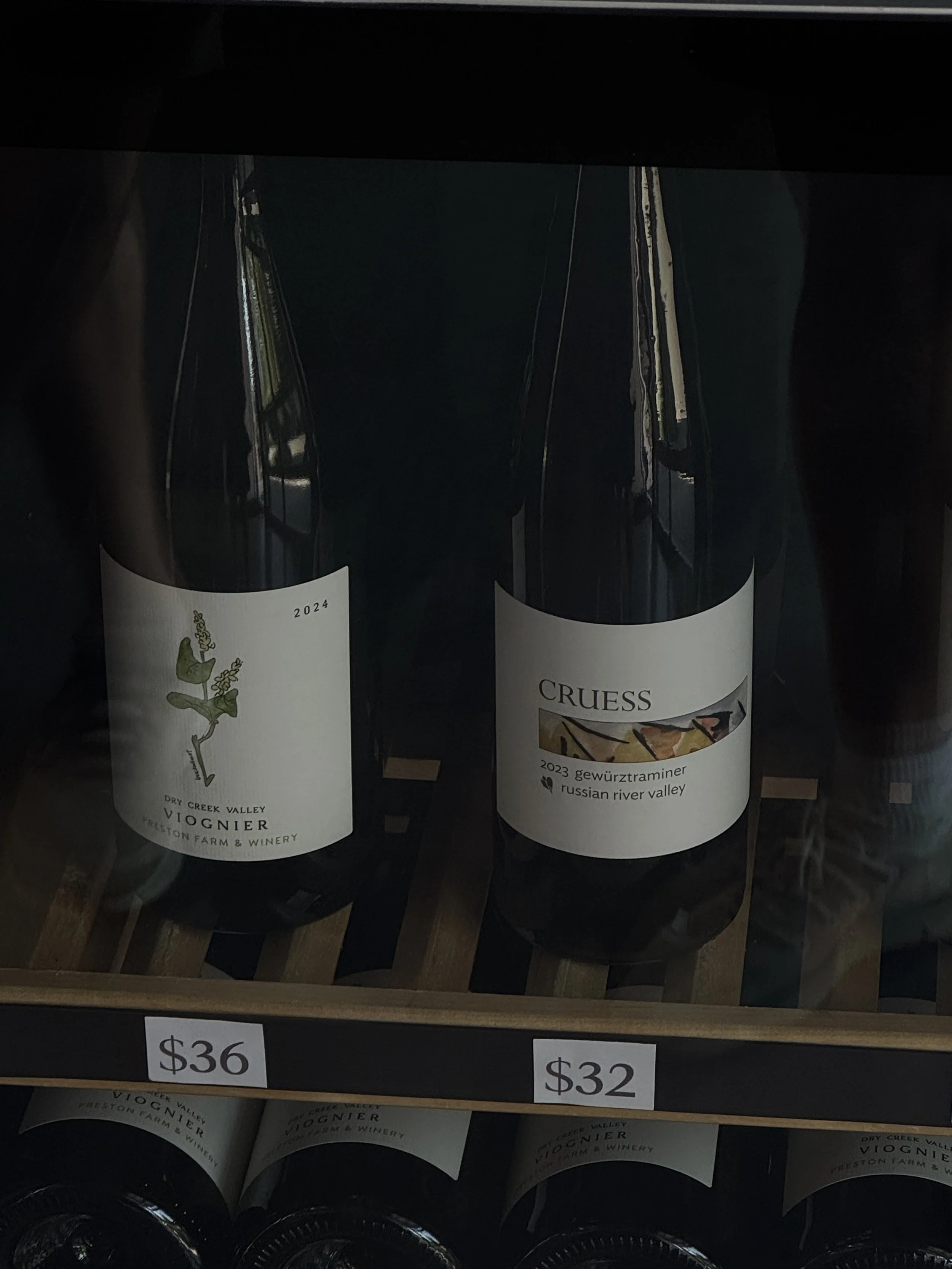
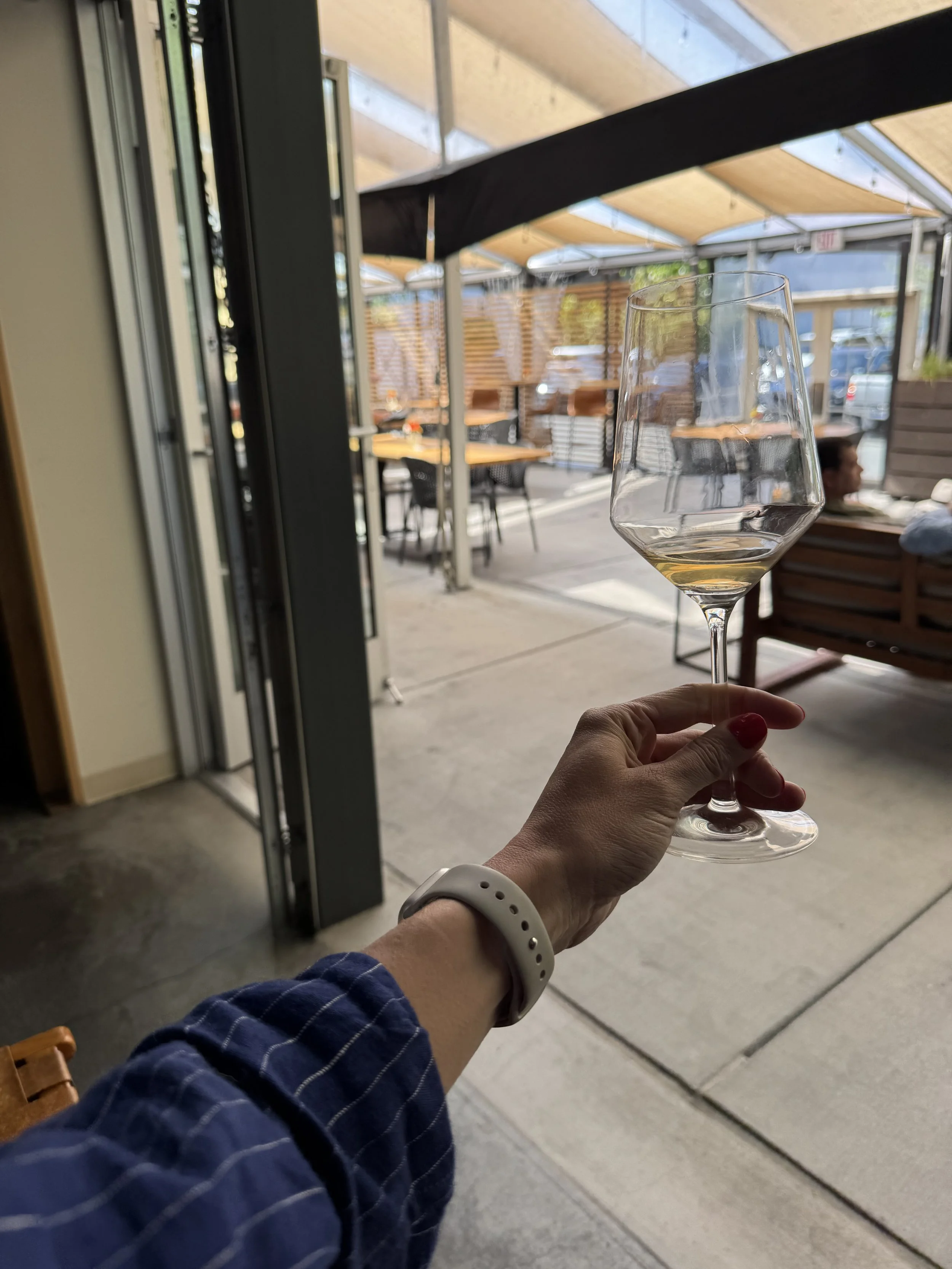
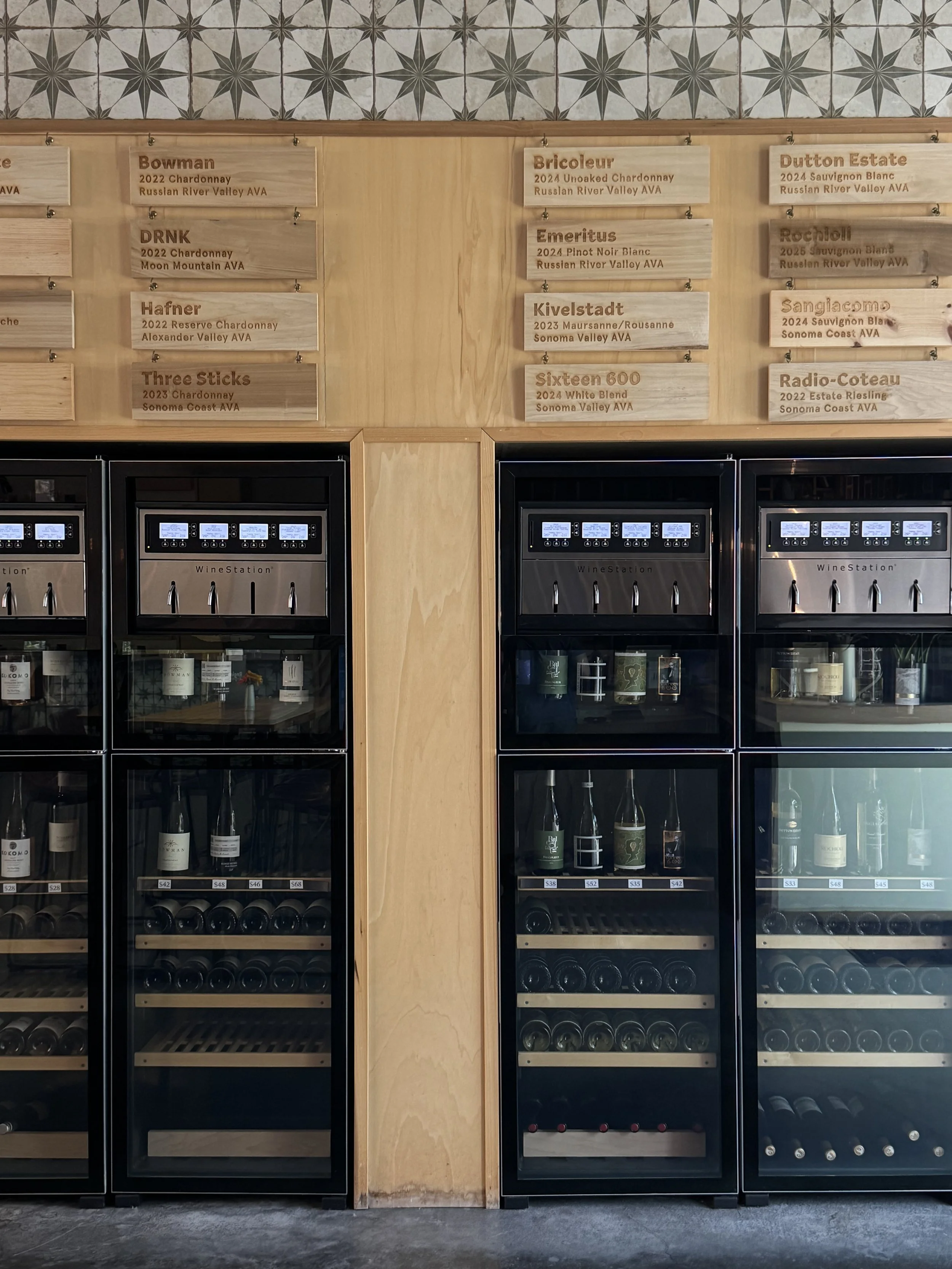
A new-to-us concept that we are very into, Region is a modern, self-serve wine bar and tasting room located at The Barlow. It offers over 50 small-production Sonoma County wines via automated dispensers, allowing guests to choose pour sizes (1, 2.5, or 5 oz). Region serves as a hub for exploring local, independent wineries in a casual setting. Though slightly more modern than we are used to, we really appreciated the chance to try many things without having to gas an entire afternoon in each place. A great way to get acquainted with the “region”!
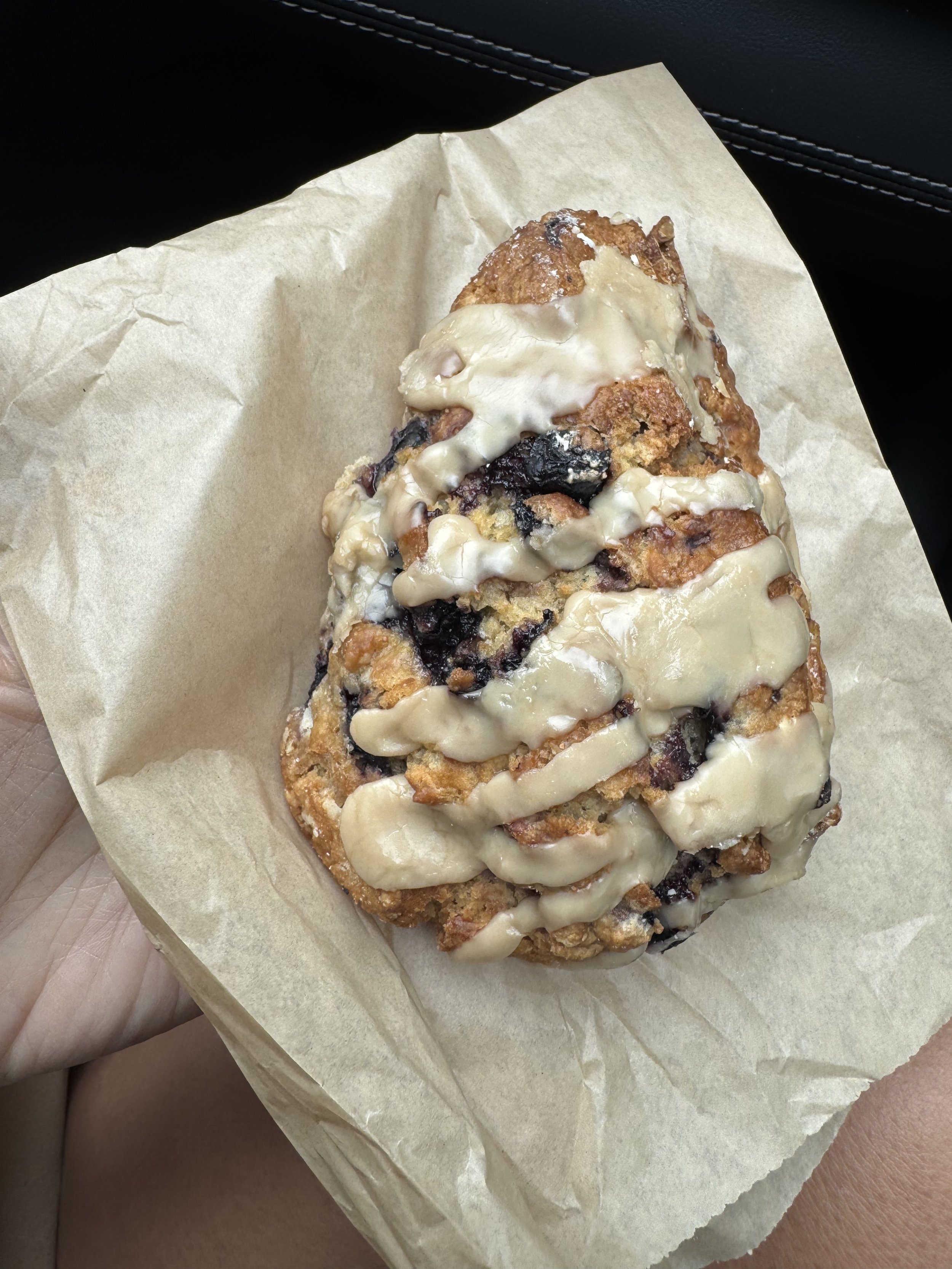
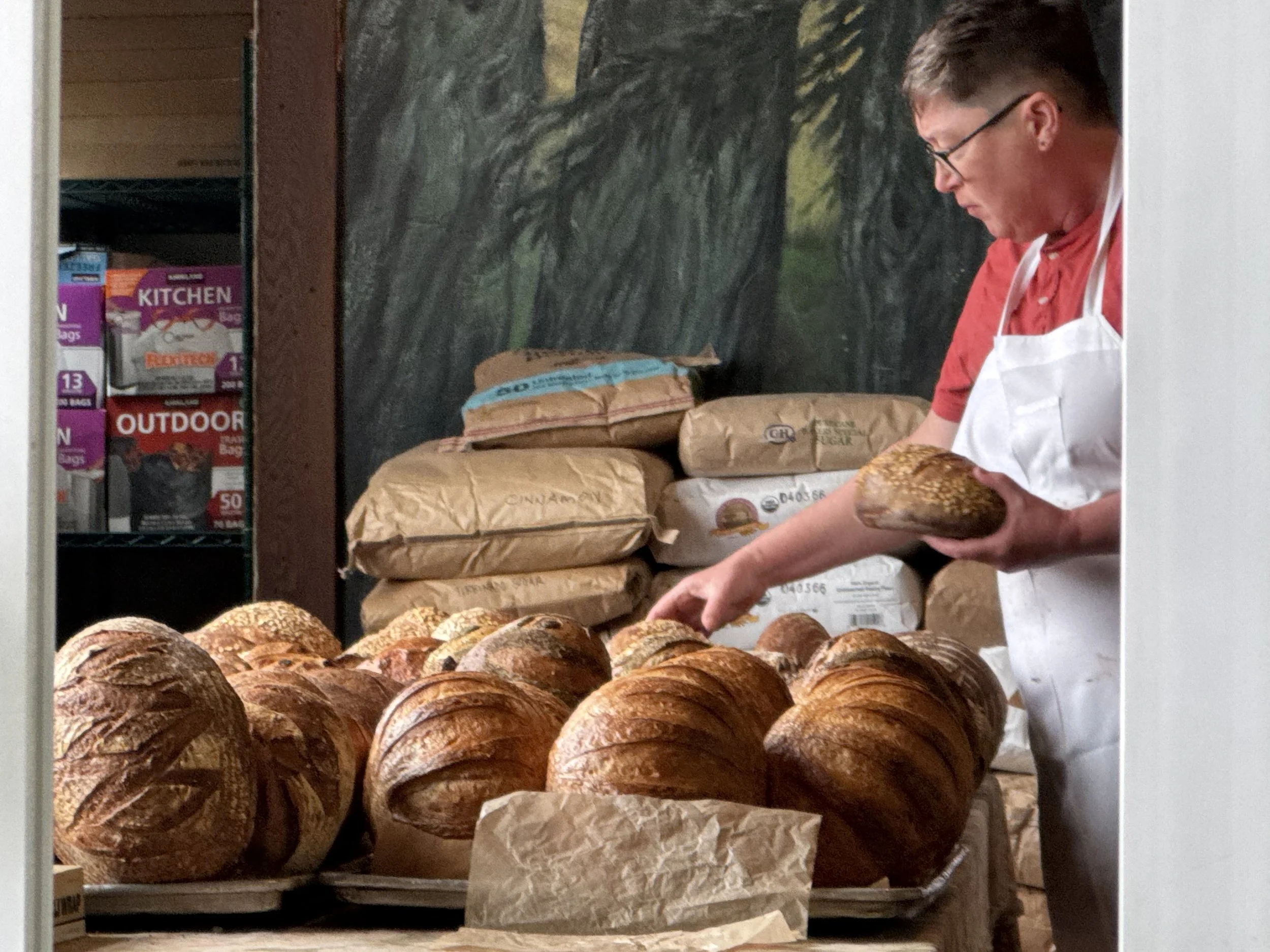
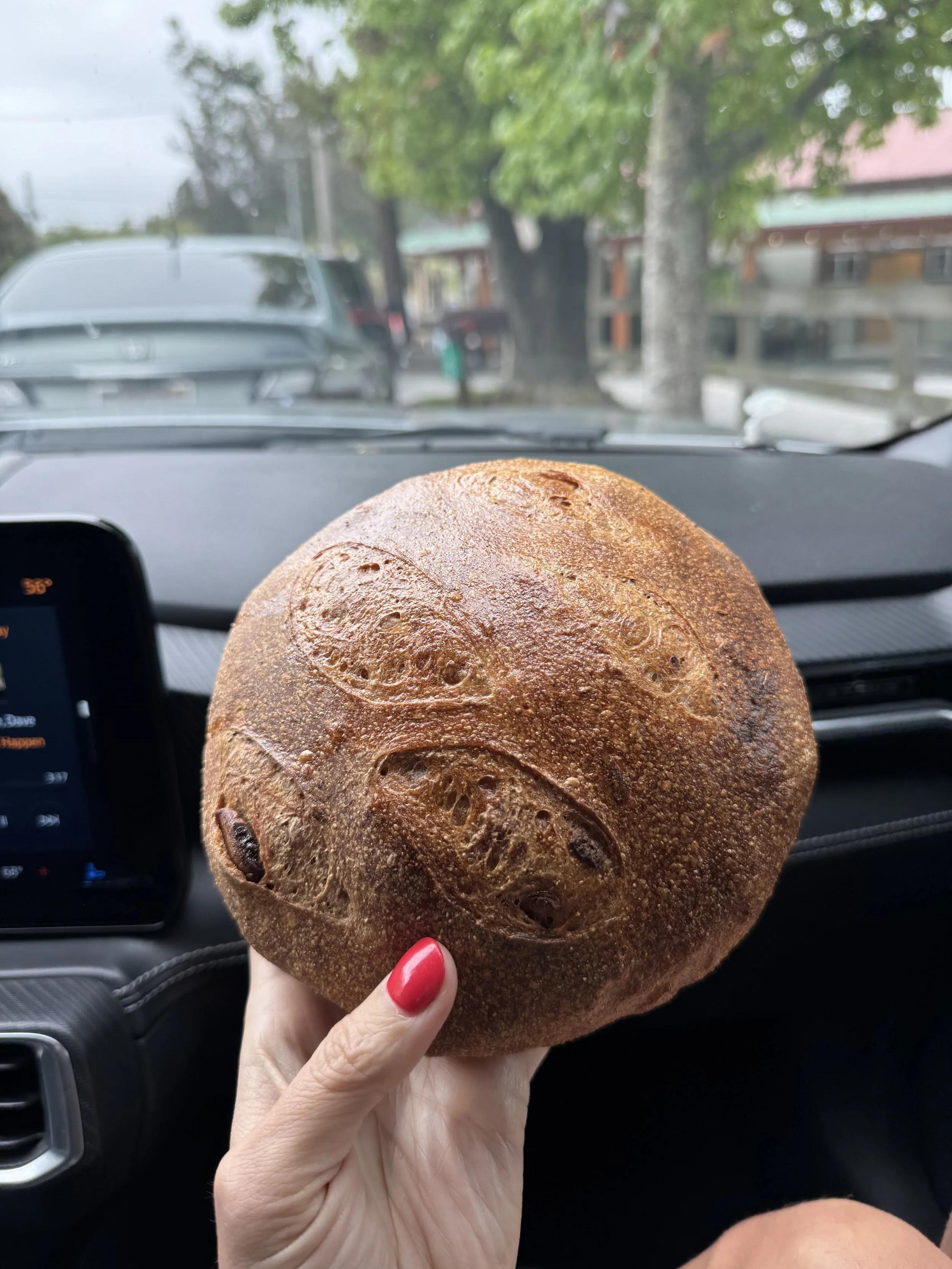
Wildflour is a renowned rustic bakery famous for its wood-fired, brick-oven sourdough breads and seasonal scones. Founded in 1998 on the Bohemian Highway, it is an institution of sorts and a very popular stop for tourists and locals, offering a cozy atmosphere with a picturesque, fragrant garden. There are literal “lanes” for the wait lines here, so get there early and come with a good attitude in case you need to wait. It will be worth it.
Madeline Sone Wildlife Preserve
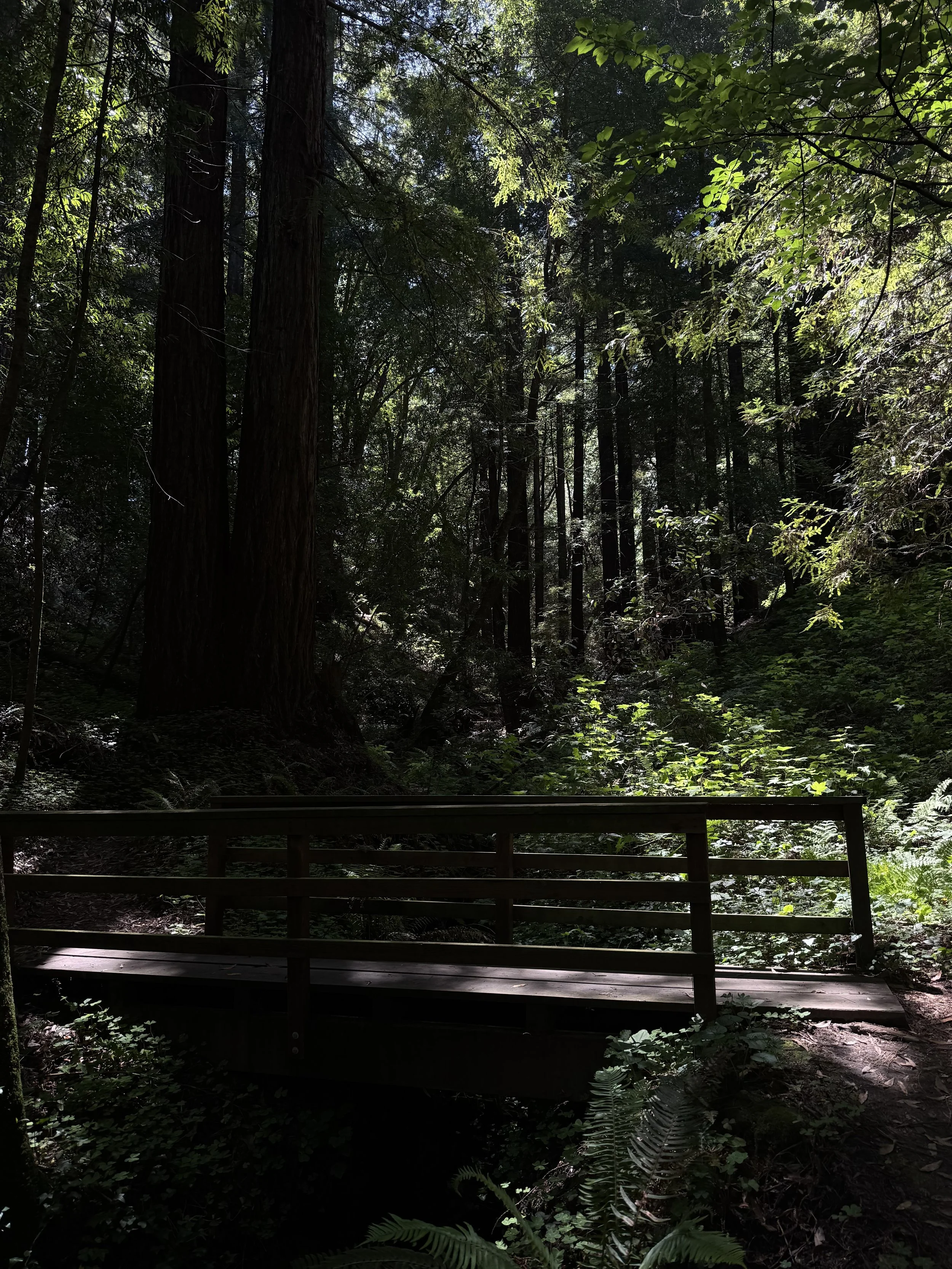
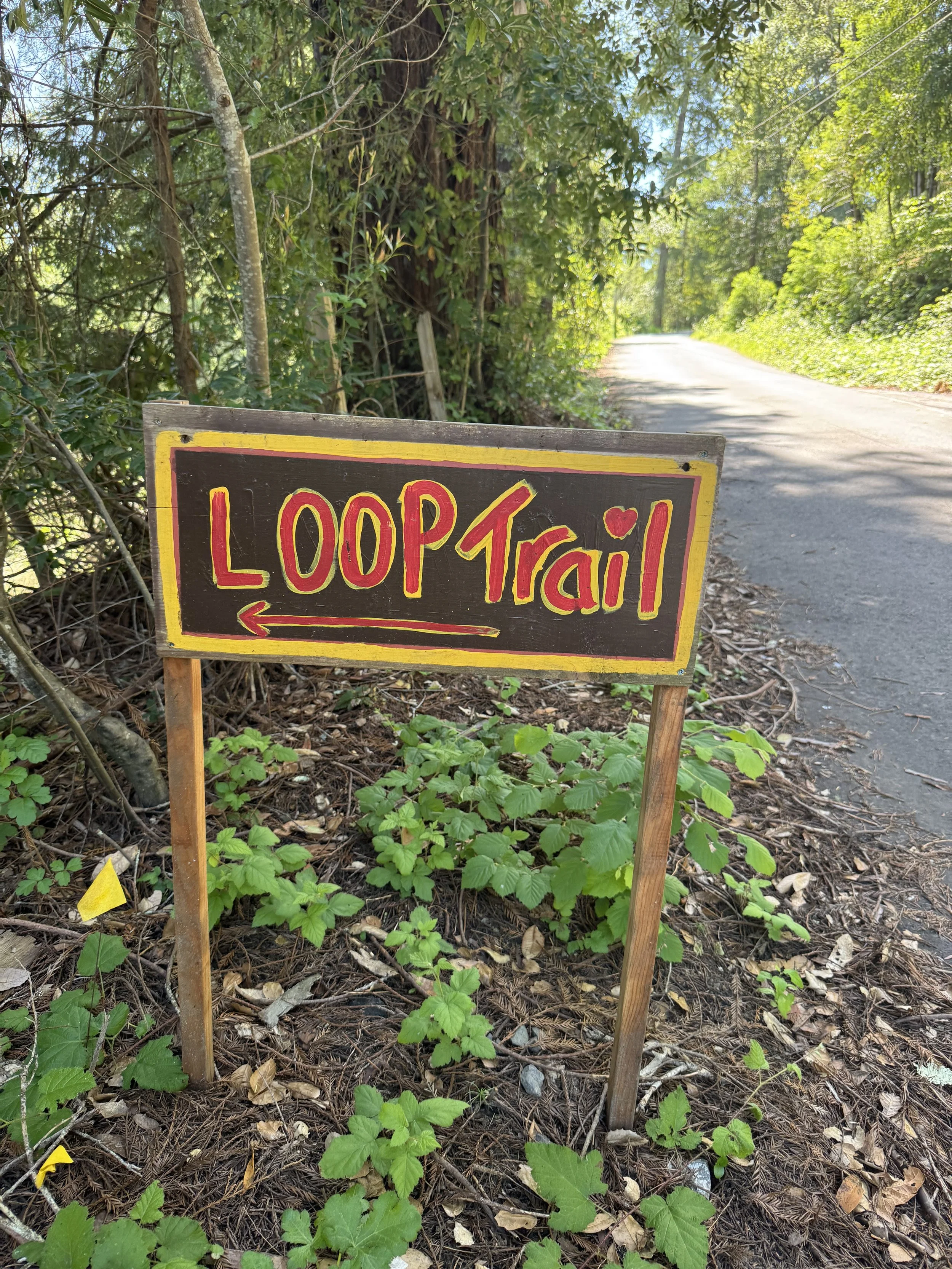
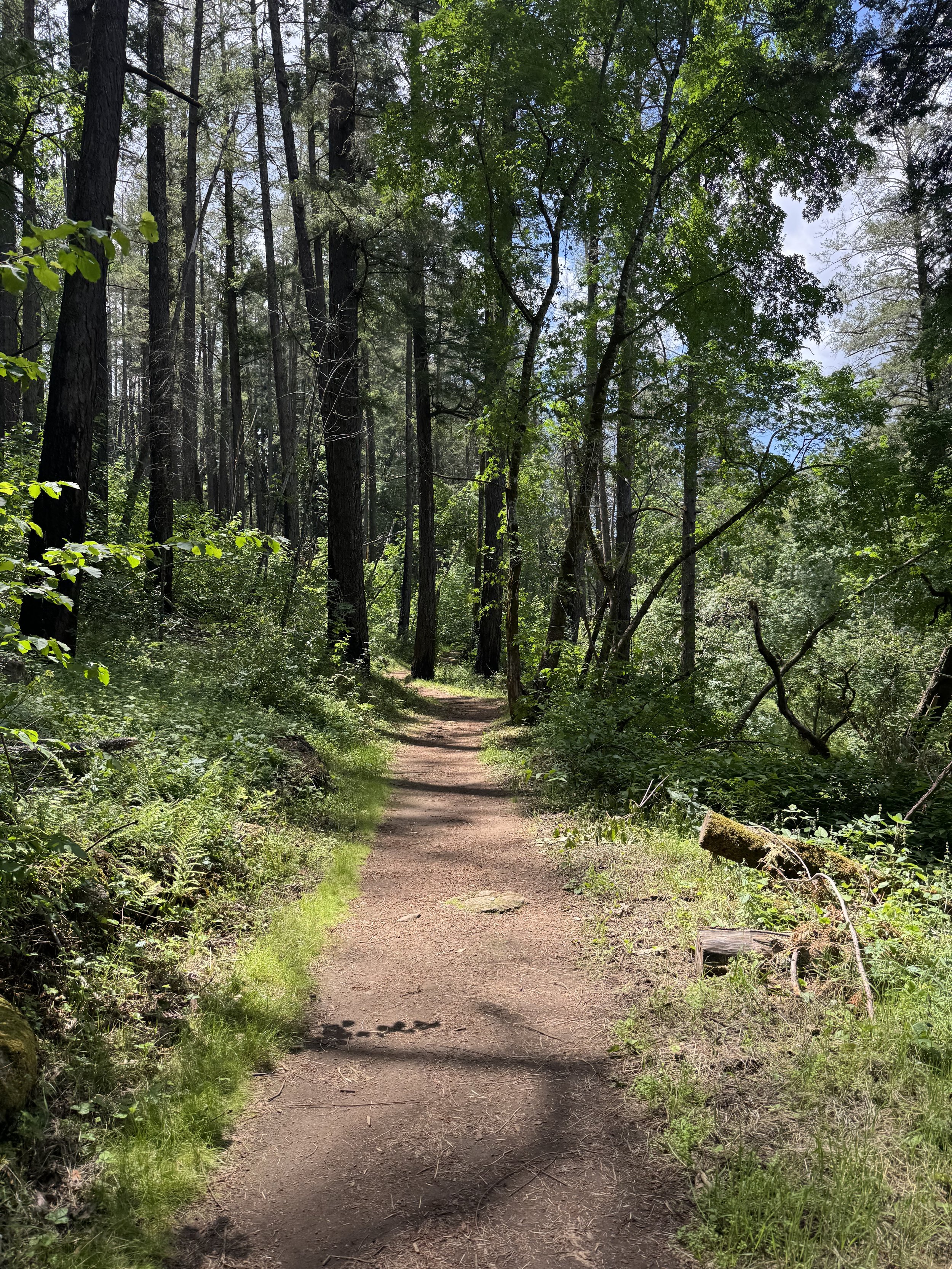
A quiet surprise. The Madeleine Sone Wildlife Preserve is a 24-acre non-profit sanctuary in Sebastopol, California, founded to “promote harmony between people and nature.” It was established in 2016 by Madeleine Sone and features a public 1-mile loop trail through redwoods and ponds, dedicated to environmental conservation, wildlife protection, and the preservation of rural Sonoma County scenery. Good bang for your buck!
Point Reyes
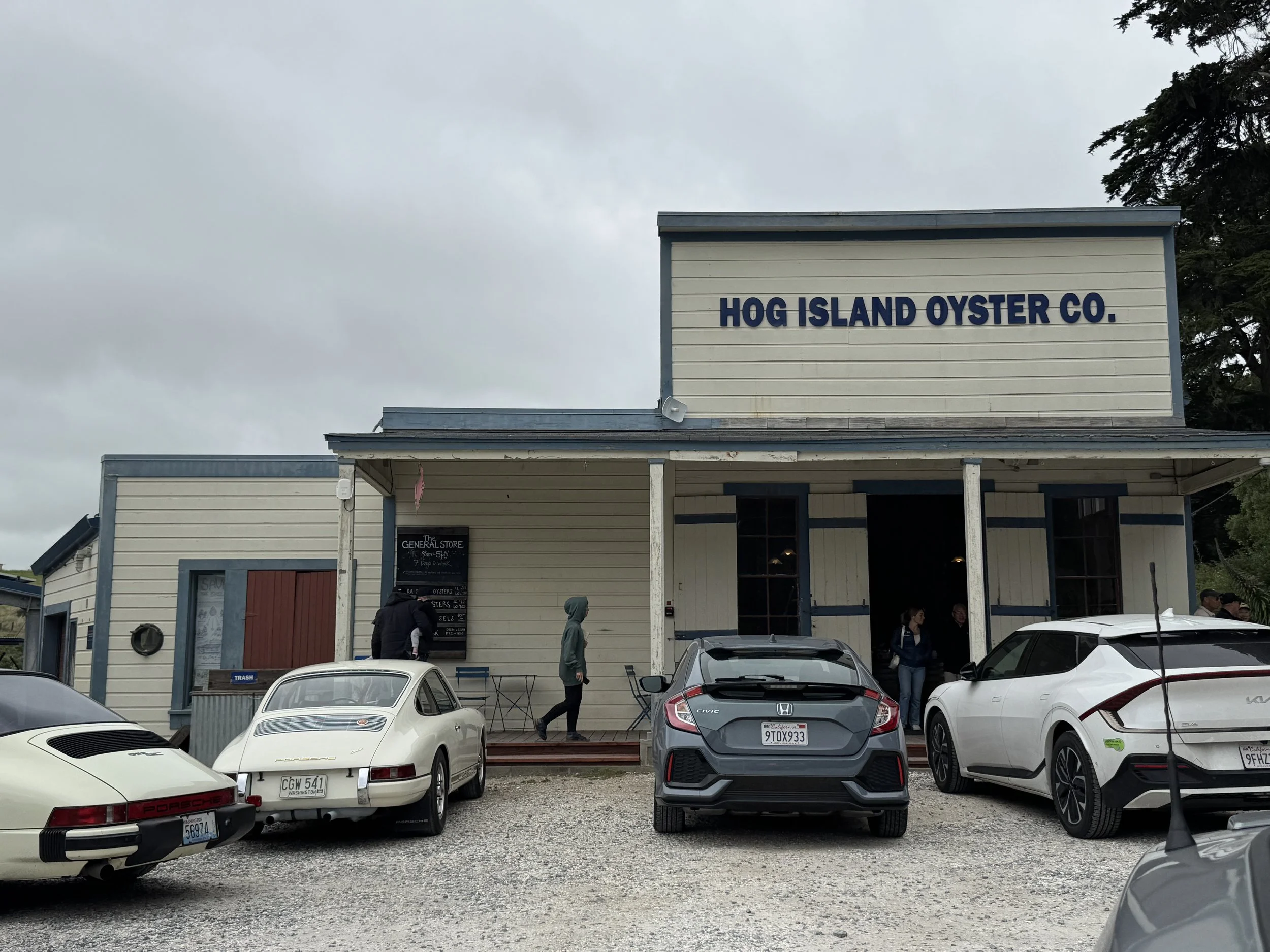
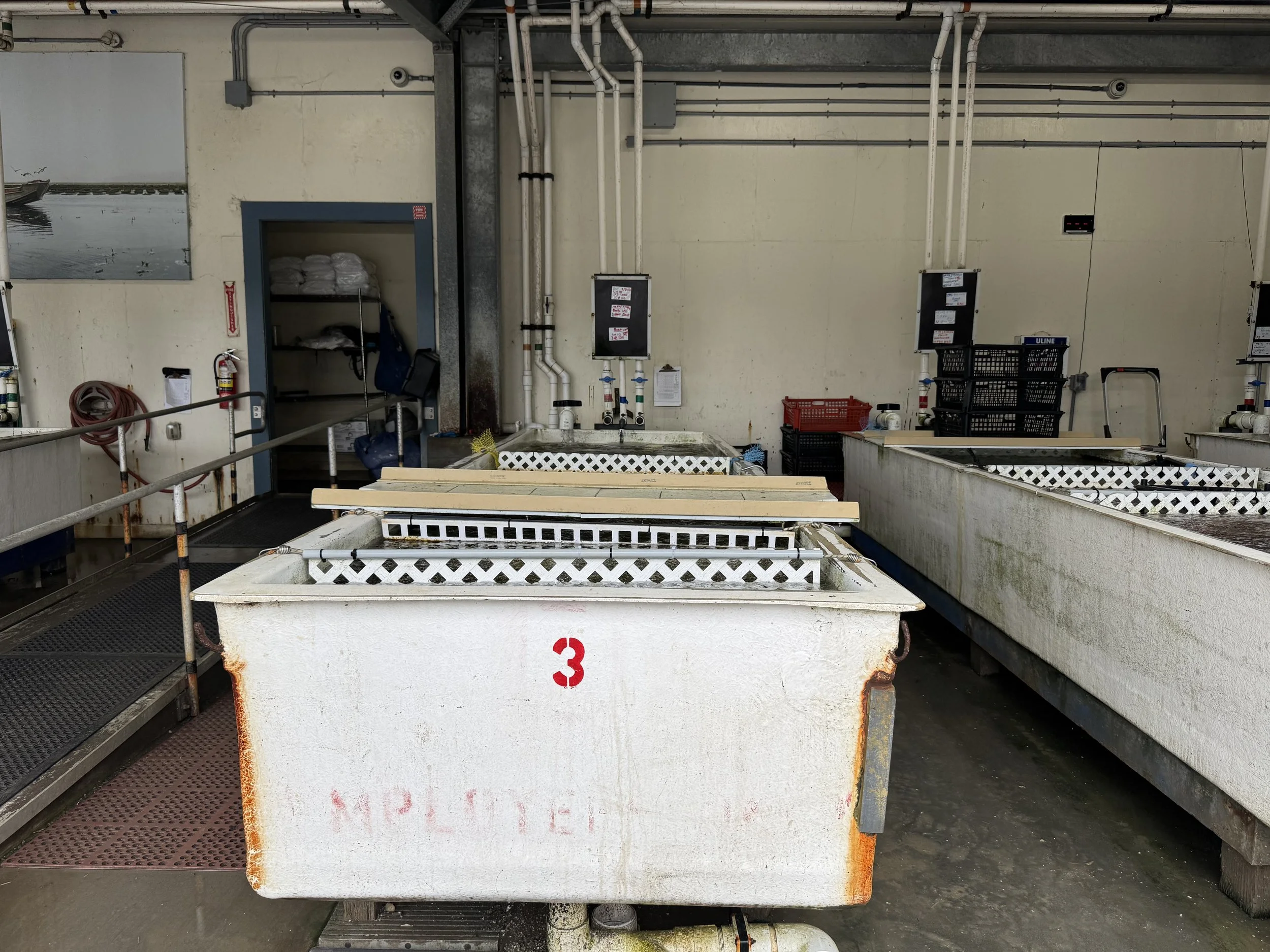
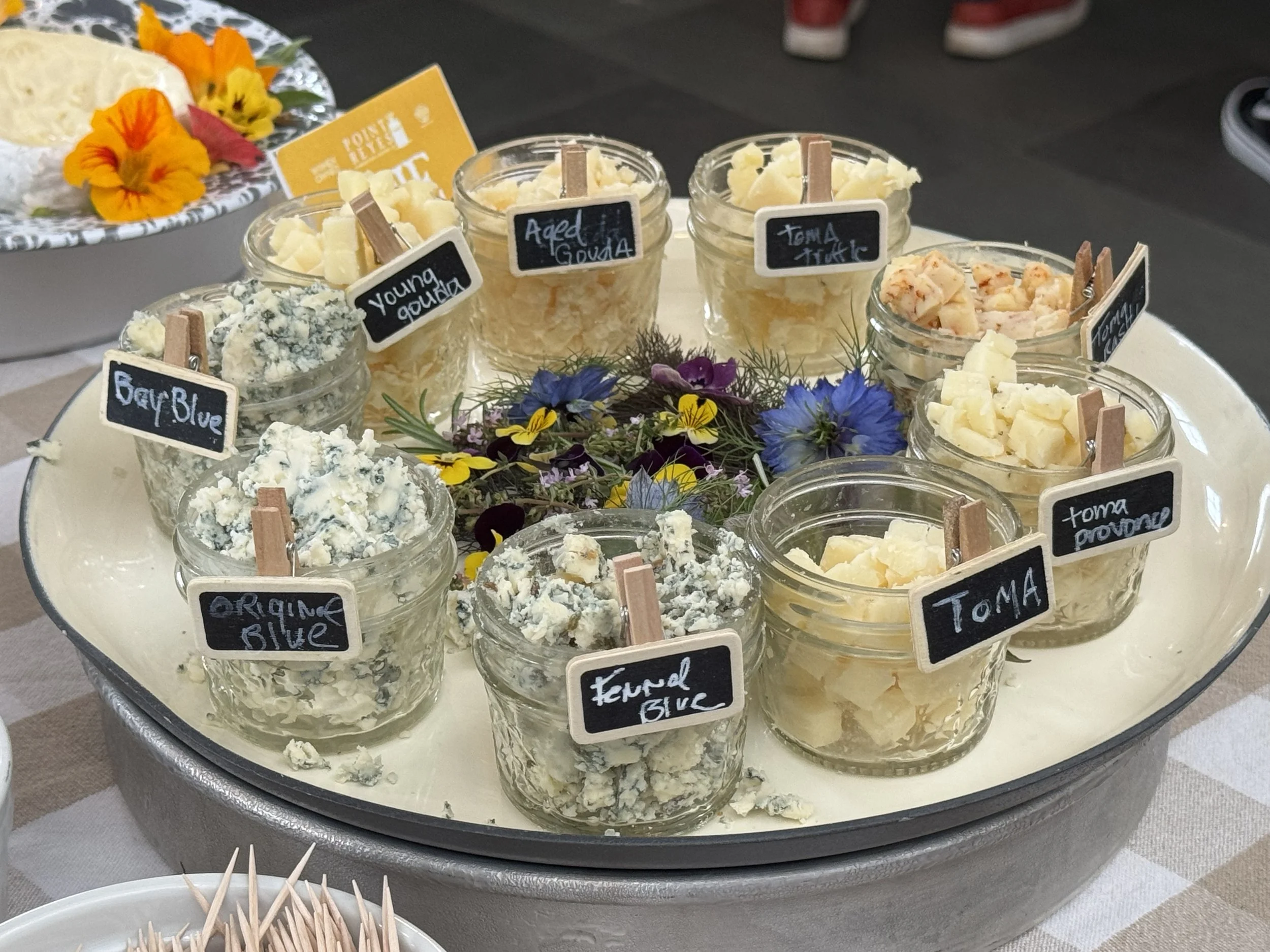
Hog Island Oyster Co was packed (no thank you, to a two hour wait!), so we kept moving but not without first getting out to take a few pictures, as it is a pretty killer location and spot to hang out if you’ve got the time to spare. We carried along our way to Point Reyes Farmstead Cheese Co. which was modern, appealing, and worth a stop for the samples of cheese and jams alone.
From there, we drove Route 1 south back toward San Francisco, which turned out to be one of the best decisions of the trip. The coast gave the whole thing a stronger ending than another valley tasting ever could have.
Point Reyes Station
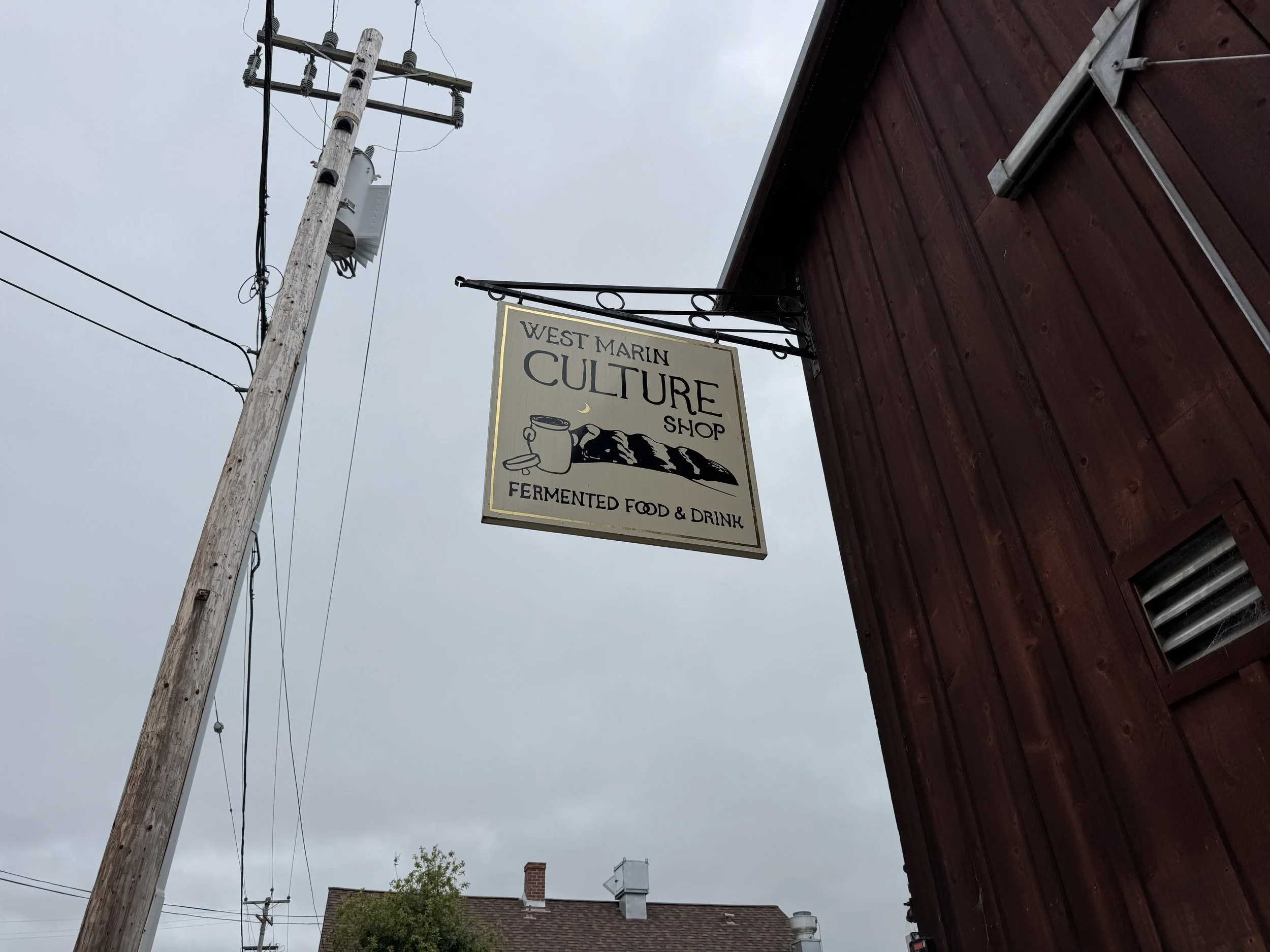
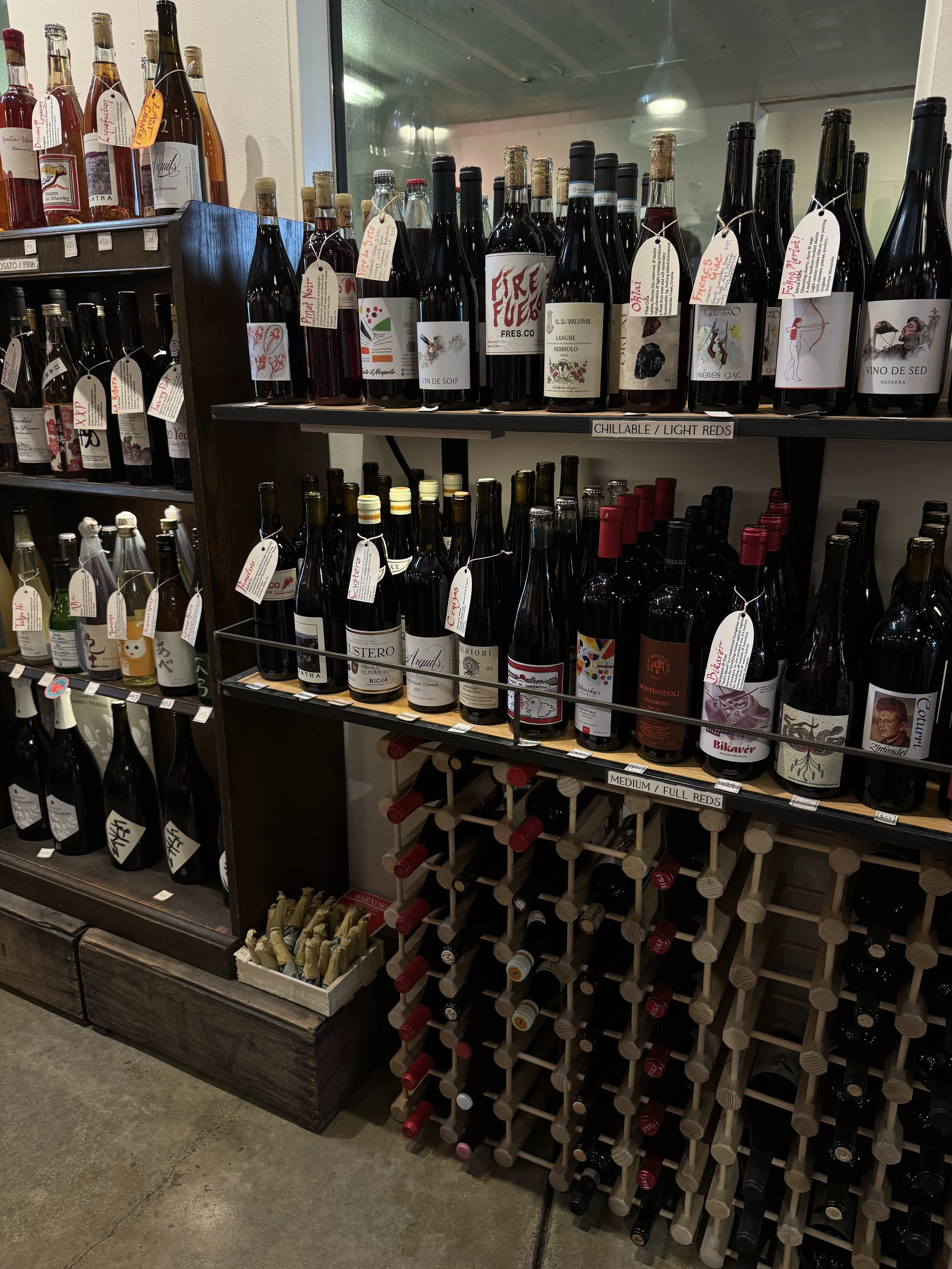
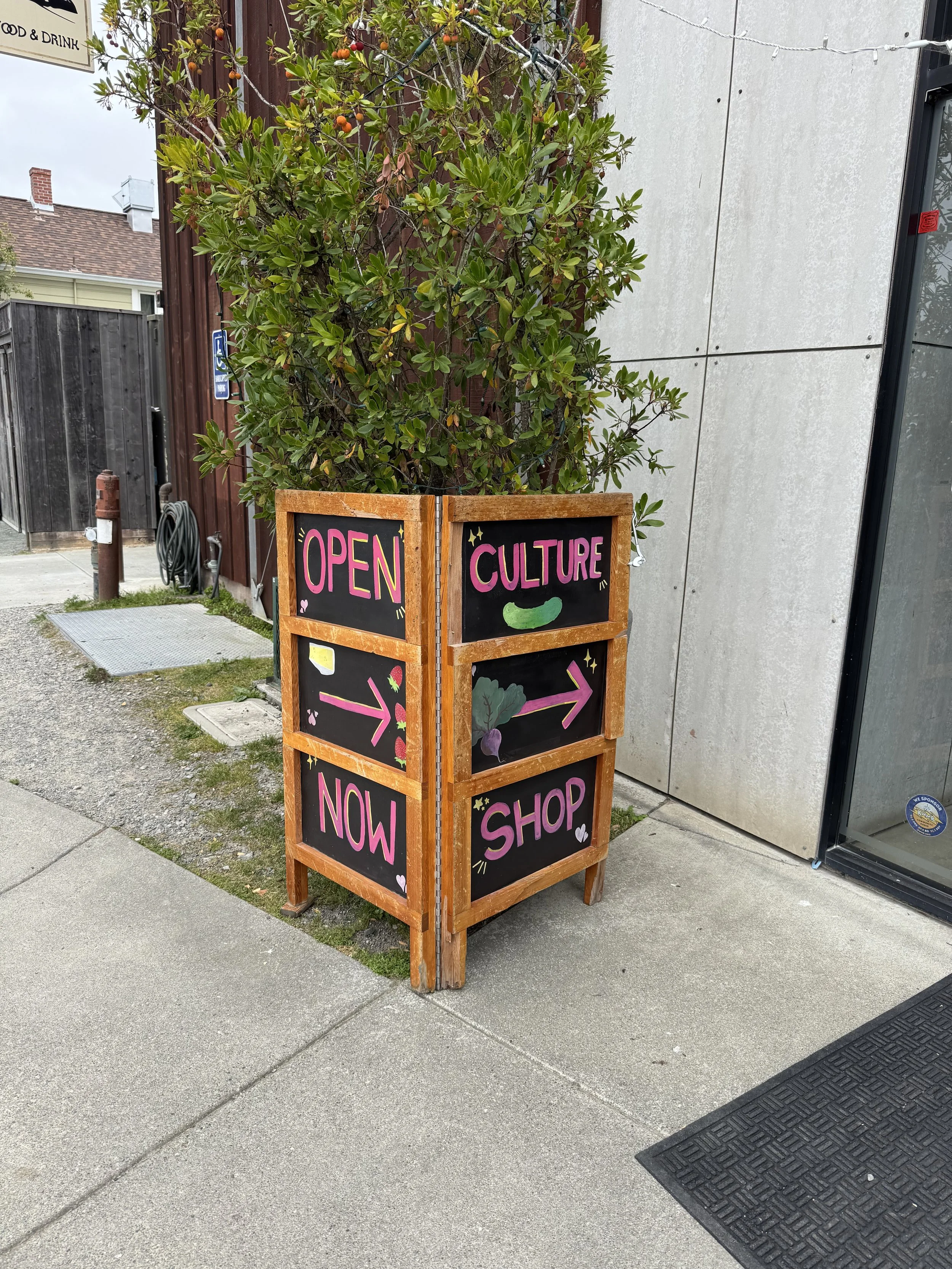
This is a fabulous boutique shop containing picnic and pantry items with a focus on preservation and fermentation. They also have a nice lunch counter with prepared as well as grab & go items. We found a couple great local natty wines here and loved the fermentation emphasis. A health nut’s dream shop!
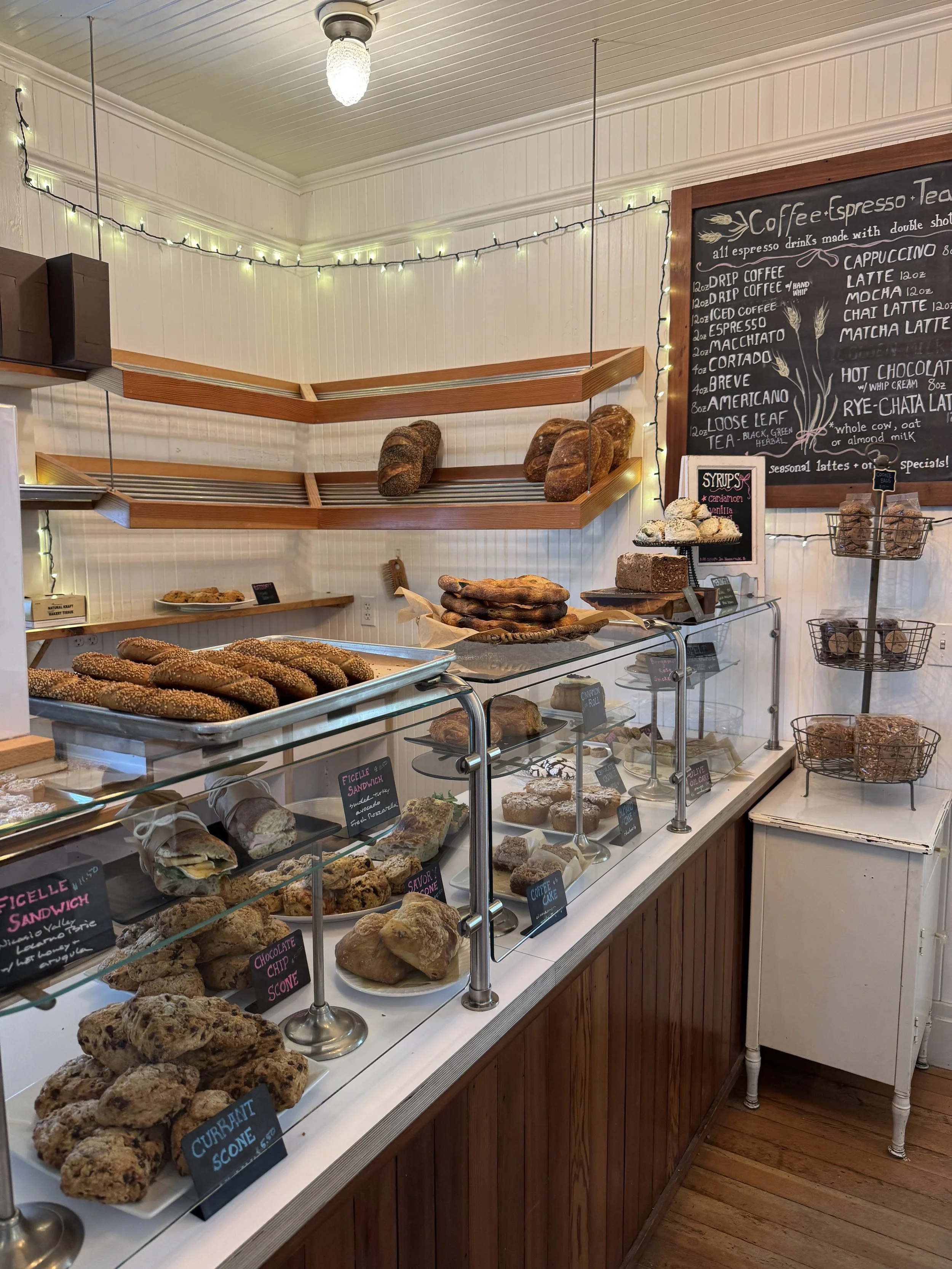
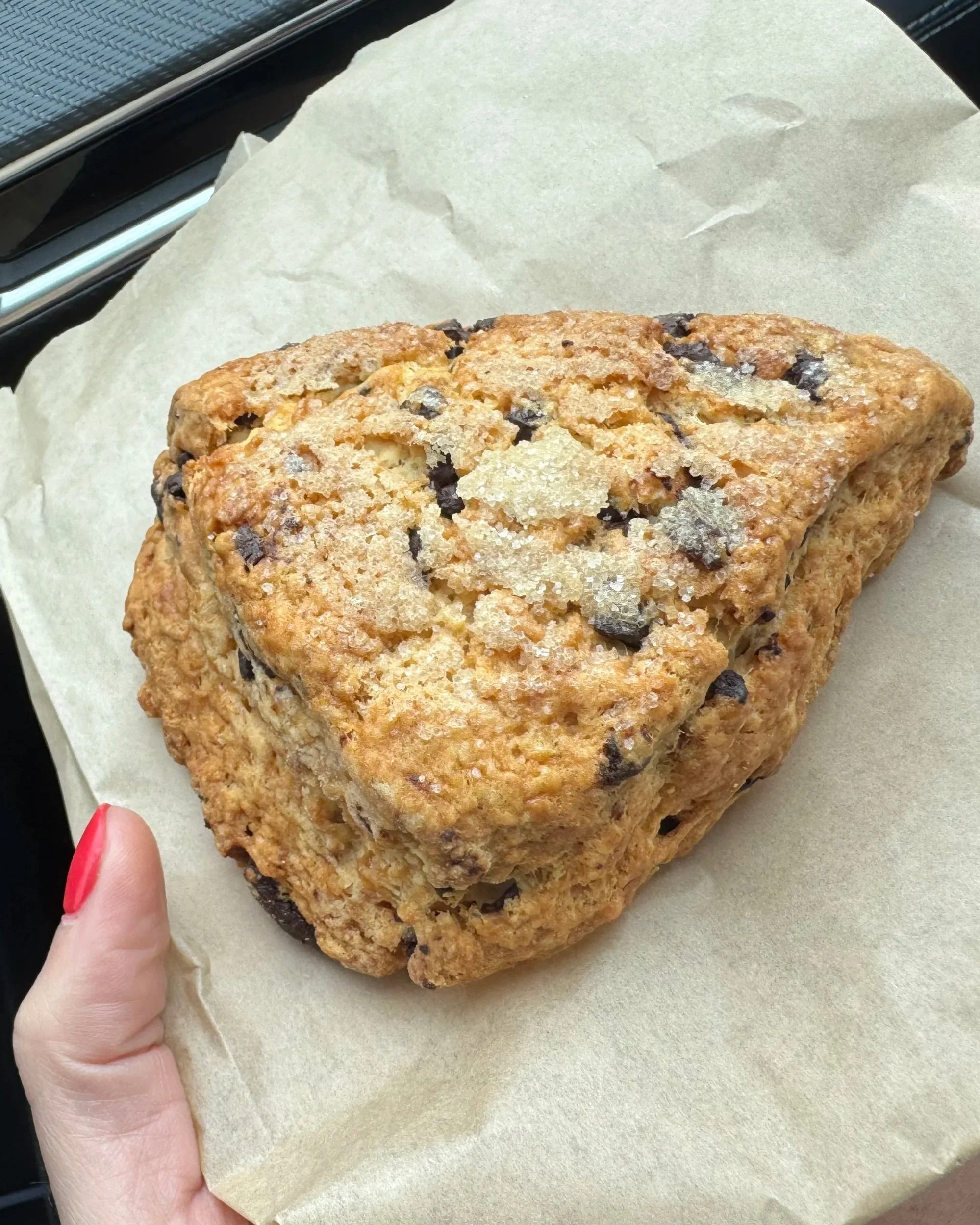
Brickmaiden is a lovely artisan bakery in Point Reyes Station, CA, established in 2000 by Celine Underwood to create organic, wood-fired sourdough and pastries. Located in a cozy cottage, it focuses on sustainability, local grains, and community, offering favorites like spelt chocolate chip cookies, olive bread, and pastries in a charming garden setting.
Some Closing Thoughts
If I were planning this again, I would do less Napa and more Marin, Healdsburg, Russian River, and coast.
I would keep the architecture detours.
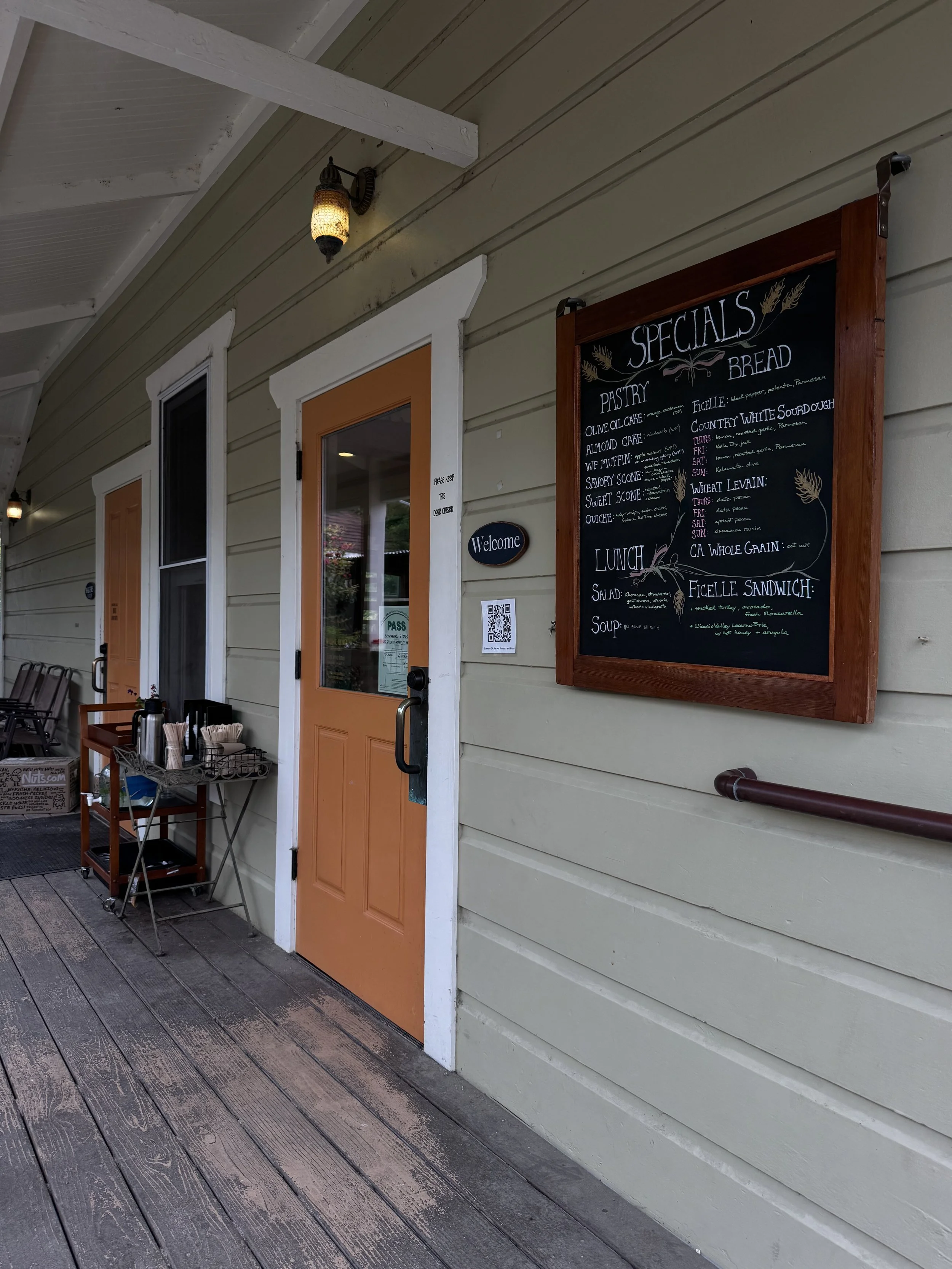
I would keep the bakeries.
I would keep the farm stops and all of the wineries
I would stay at Dawn Ranch again.
I would return to Healdsburg without question.
I would make more time for Ryme and for the smaller corners of Sonoma County - there is still so much left to explore.
Redwoods, coast, farms, old roads, good pastries…this is the way to see the region and is the one worth roadtrippin’ for.