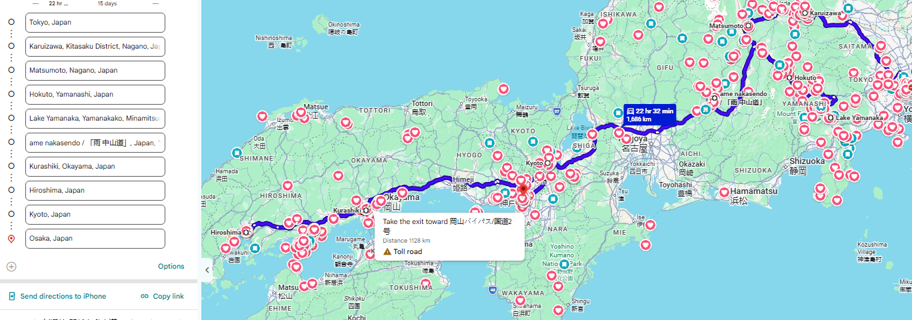
We spent a wonderful three weeks in Japan following our curiosity, which turned out to be a very good guide. Some days that meant wandering Tokyo (in a typhoon nonetheless!) until our feet gave out, others took us into a woodworker’s shop or across a bridge toward an island covered in citrus groves. We went looking for beautiful places and good food, but the people who welcomed us every step of the way made each place hard to leave. This is our guide to the stays and small discoveries we’re still thinking about, with plenty of room left for you to find your own. Without further ado…
TOKYO
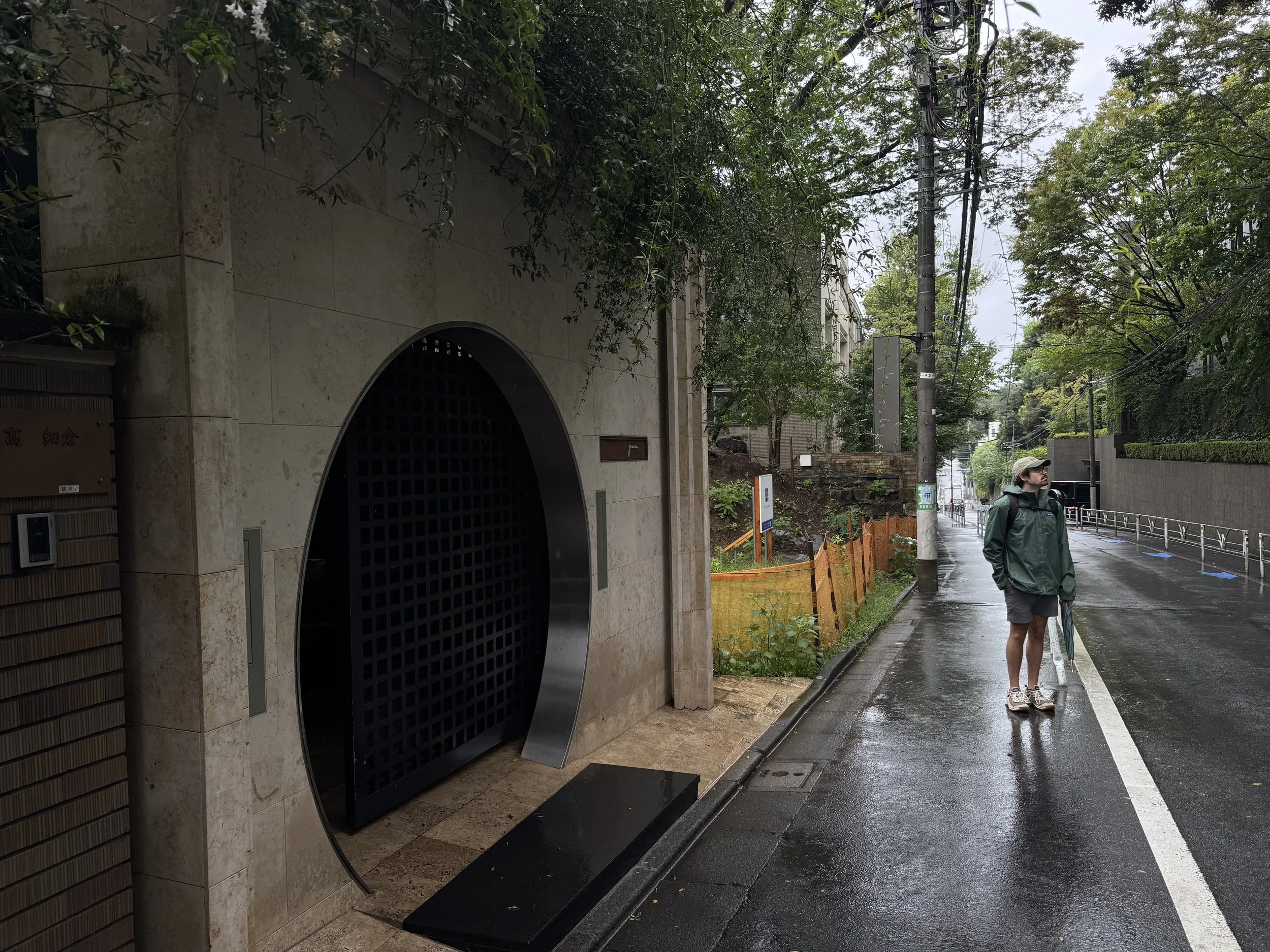
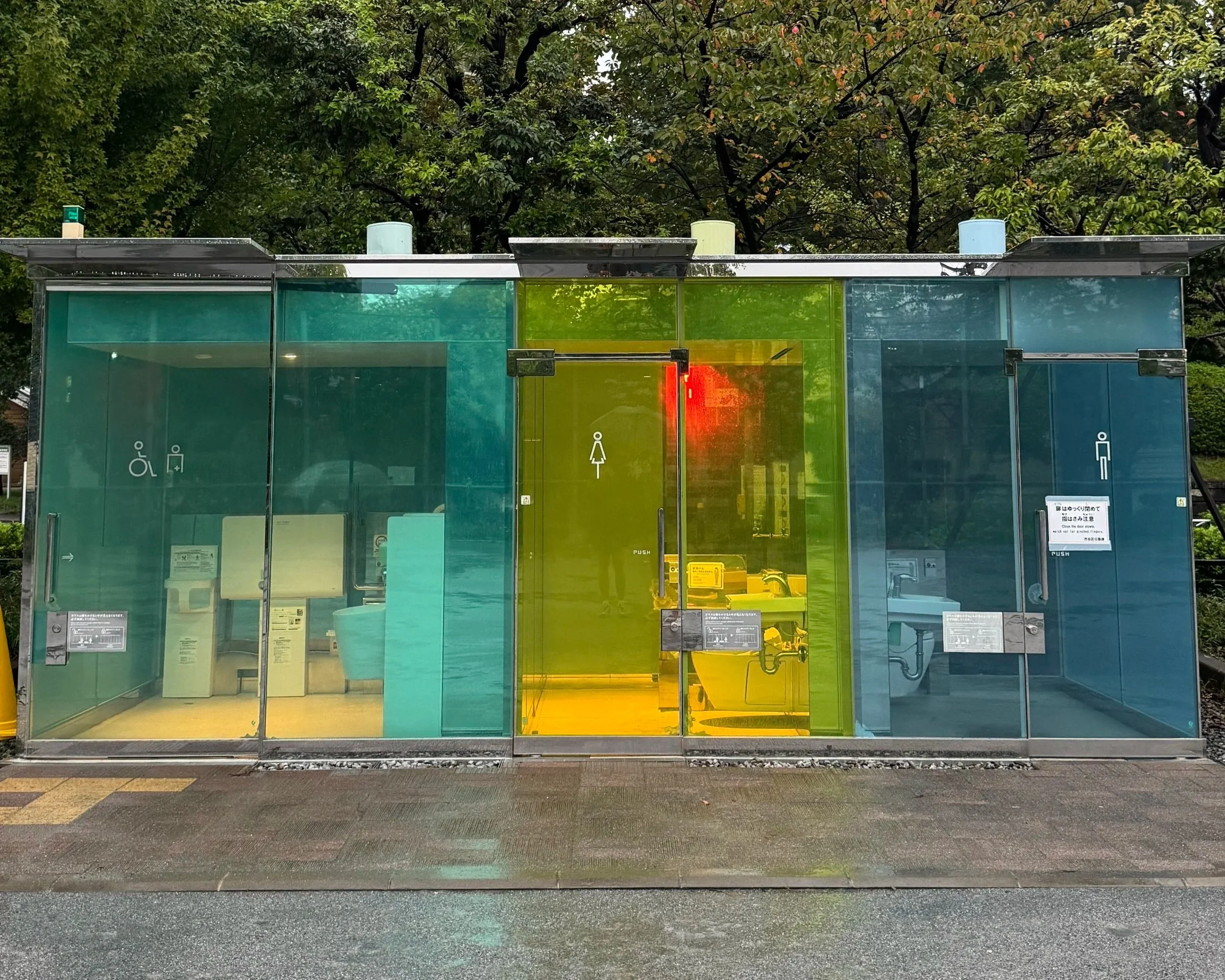
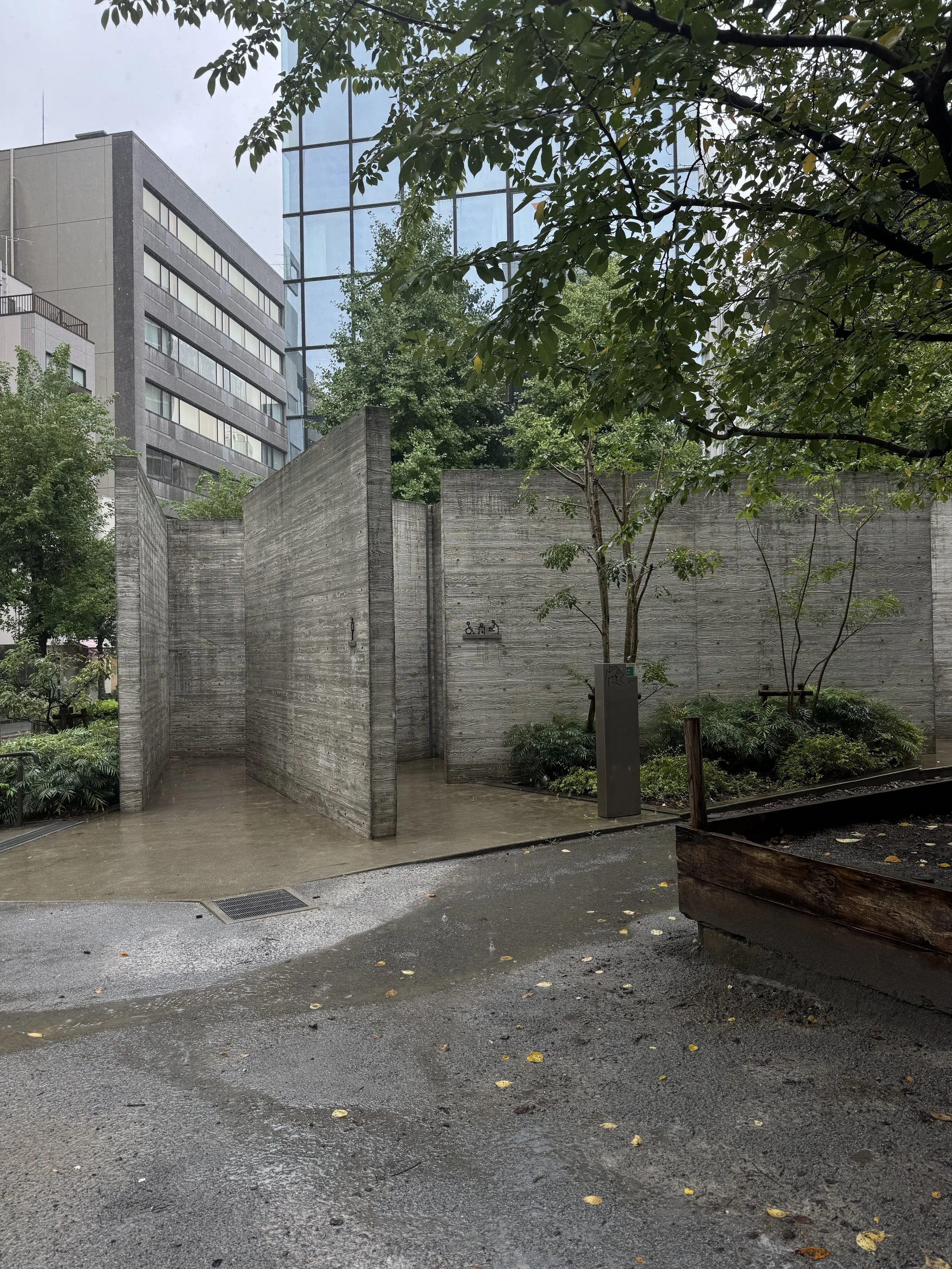
Tokyo is one of those cities where the best itinerary is honestly kind of anti-itinerary. Pick a neighborhood (there are so many!), start walking, and allow yourself to get drawn into the strange and wonderful things that draw you in whether that be a tiny bookstore, an interesting piece of architecture, or a public toilet designed by a Pritzker Prize-winning architect. Tokyo rewards curiosity and the possibilities are endless.
Where to Stay: Look no further than the Fairmont Hotel Tokyo.
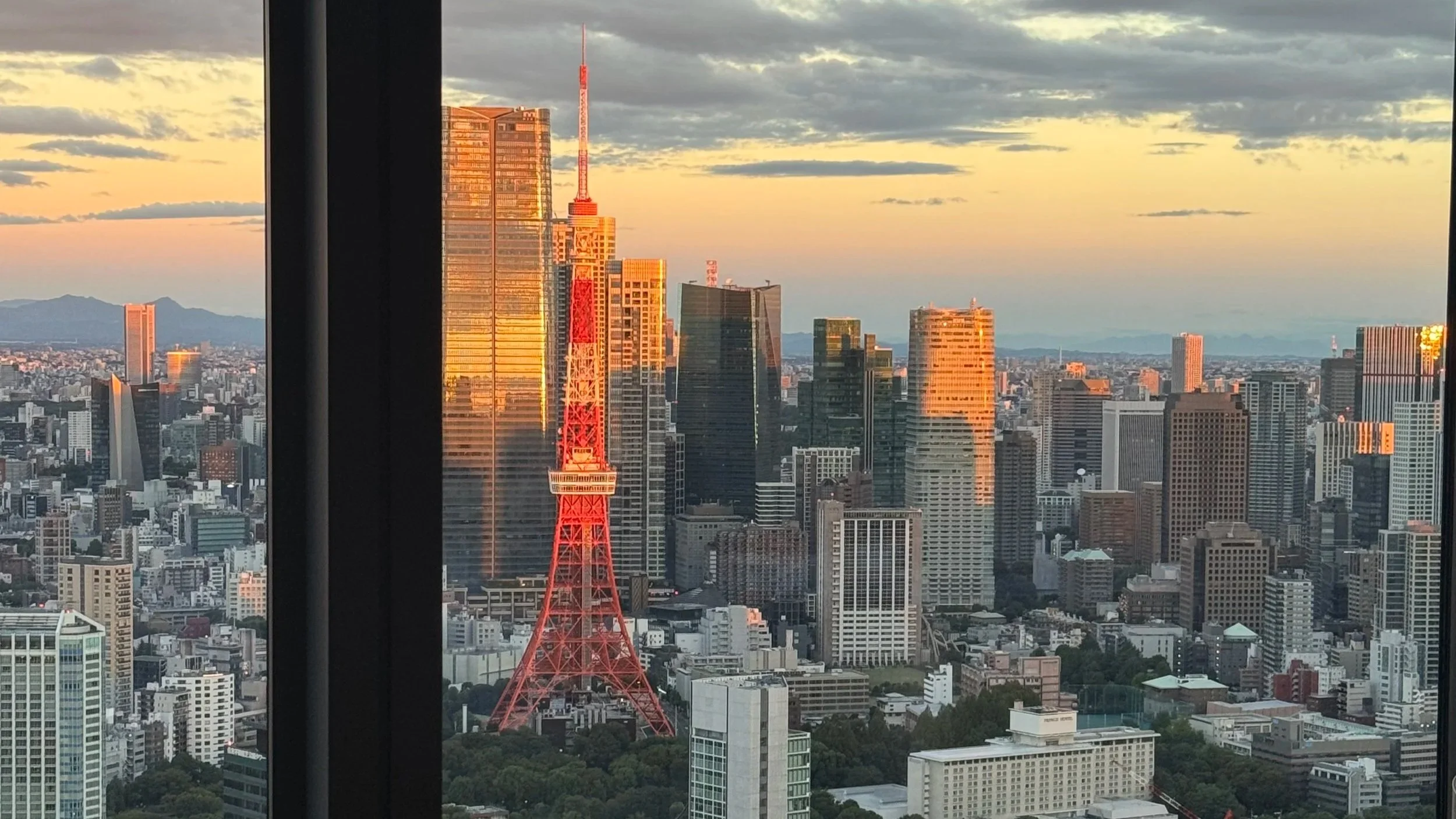
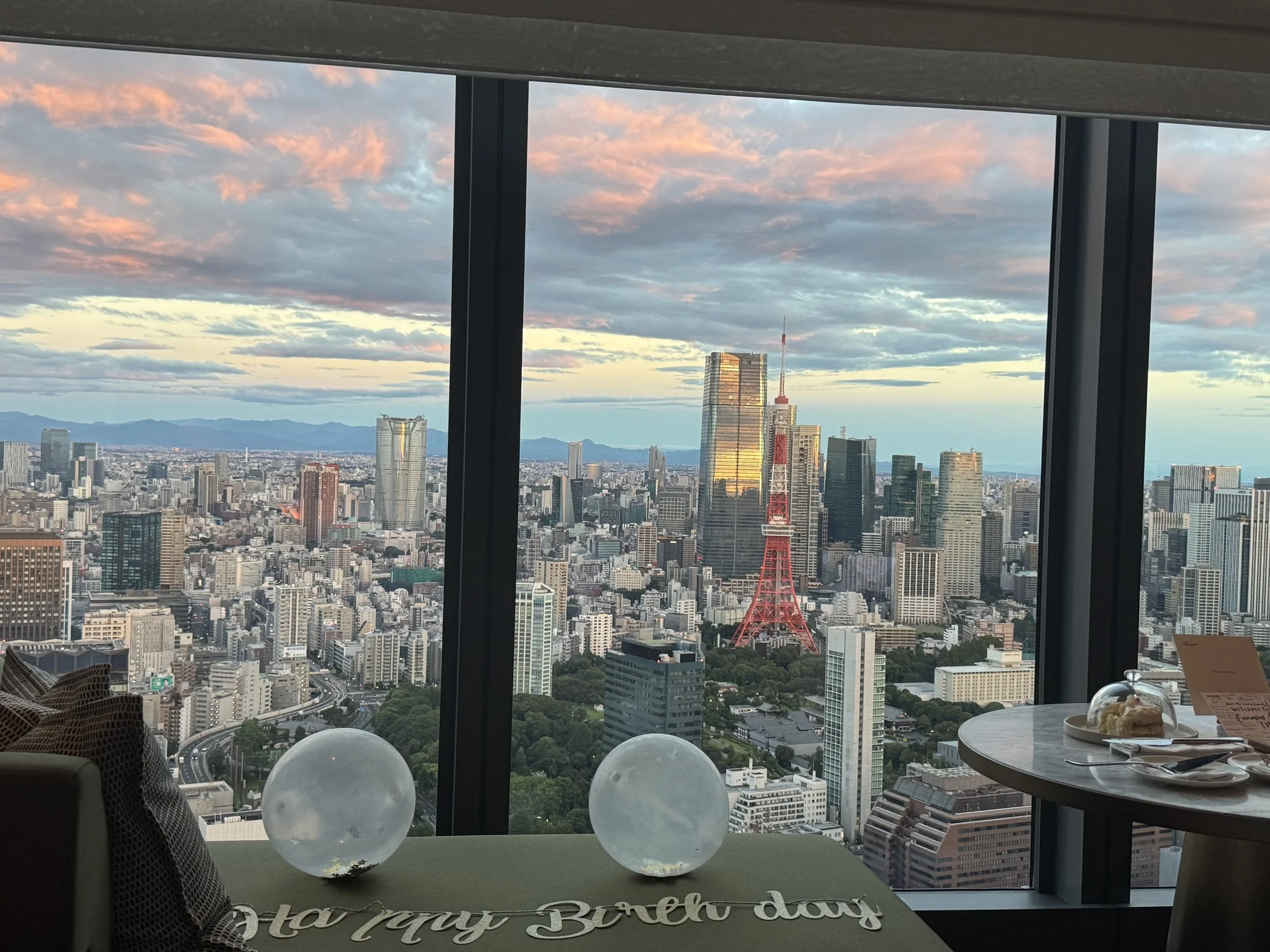
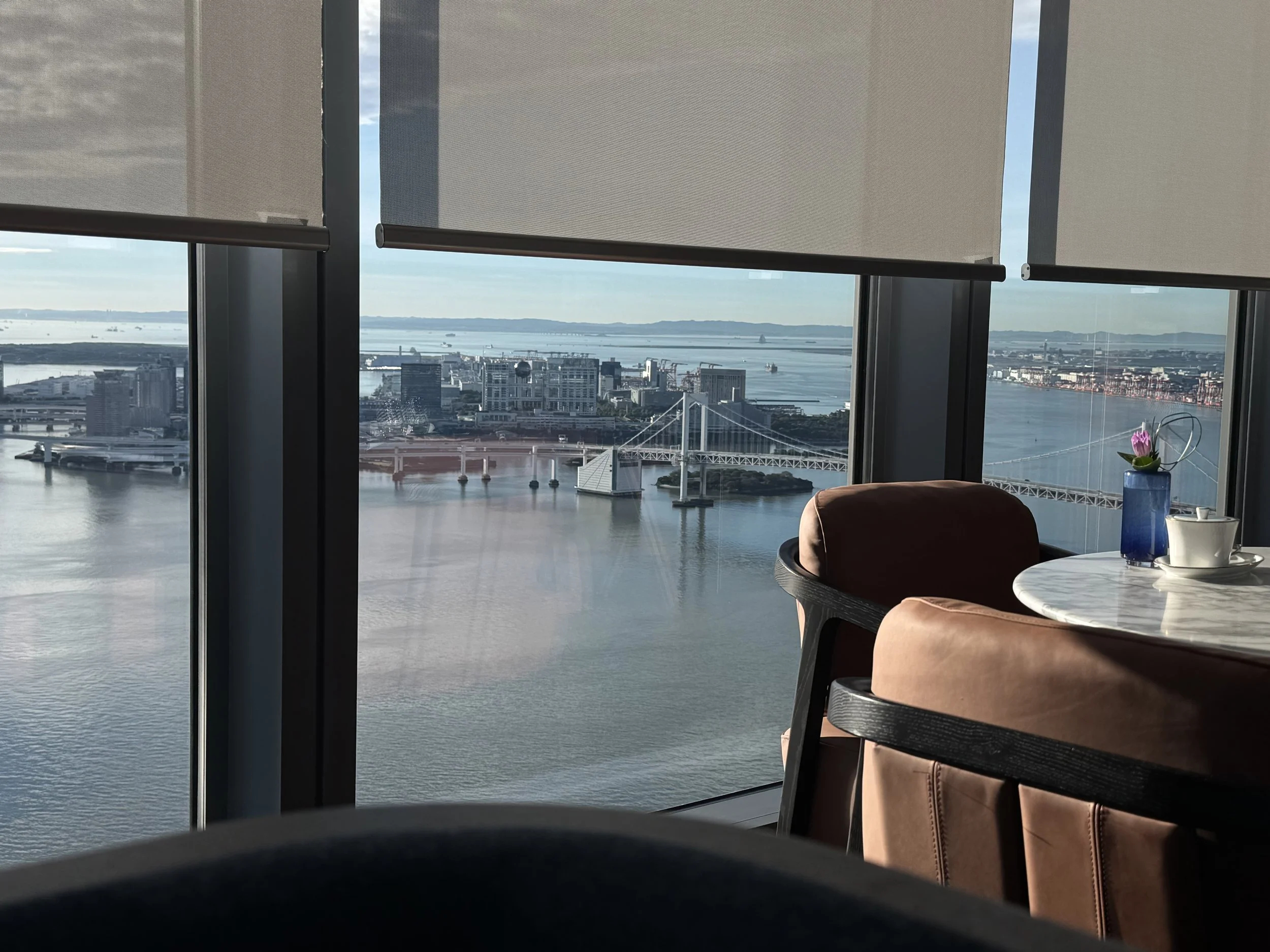
We absolutely loved everything about our stay at the Fairmont Tokyo. The hotel only opened in July 2025, and it feels like a very modernized version of Tokyo luxury. It’s a polished and stunningly beautiful oasis but without losing the sense that you are in the actual city. The views are spectacular. From high above Tokyo Bay, you are treated to an enormous panorama of the city, water and skyline that changes completely from morning into night. After long days of walking Tokyo, coming back to the Fairmont felt like coming “home,” rather than simply returning to a hotel.
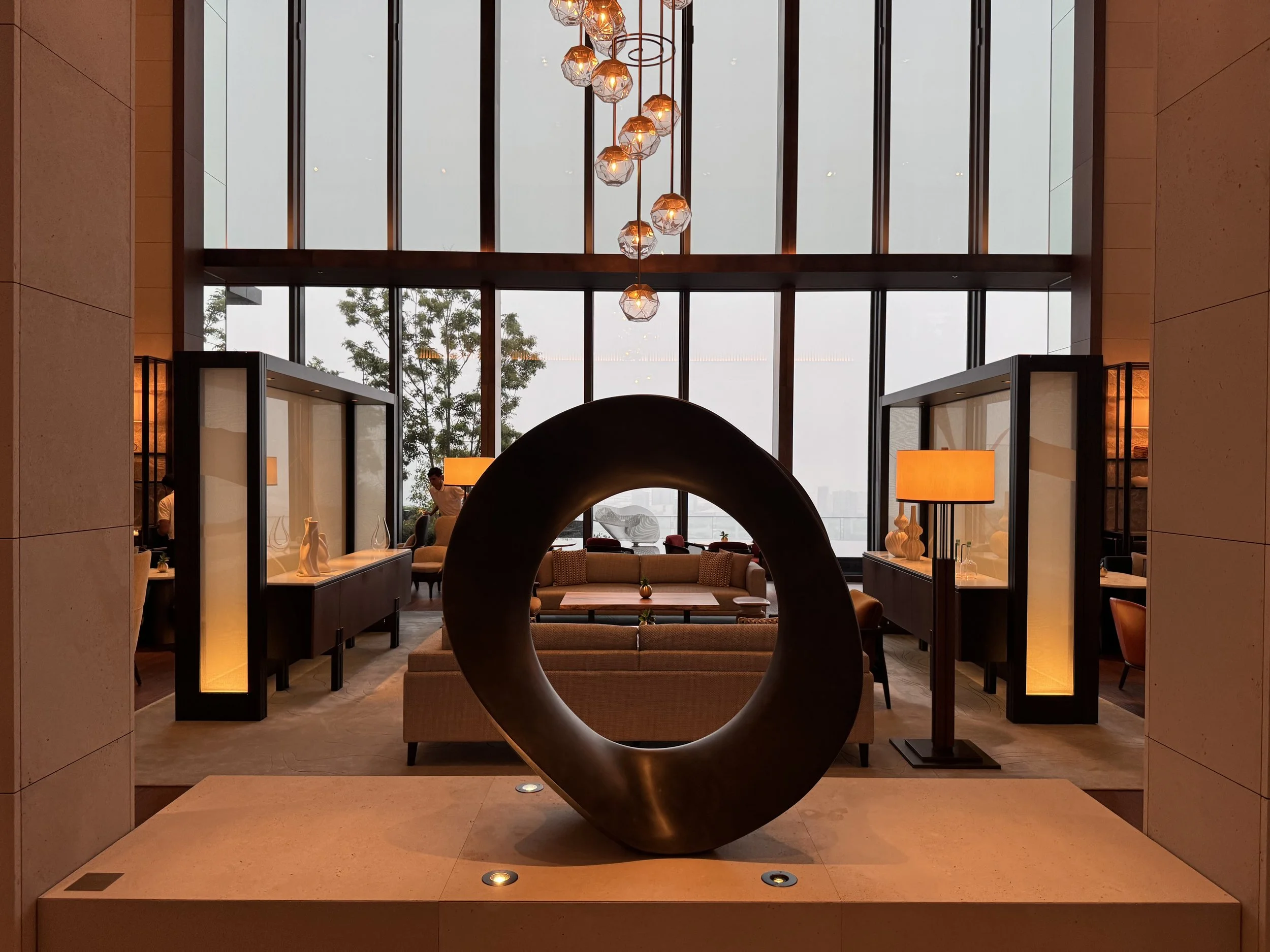
One of the biggest reasons we’d absolutely stay again is the wellness area. The 35th floor spa & wellness center has an indoor infinity pool with huge windows overlooking Tokyo, plus a sauna and other areas to just veg out. Not too many places where you can swim laps while hovering over one of the world’s largest and coolest cities.
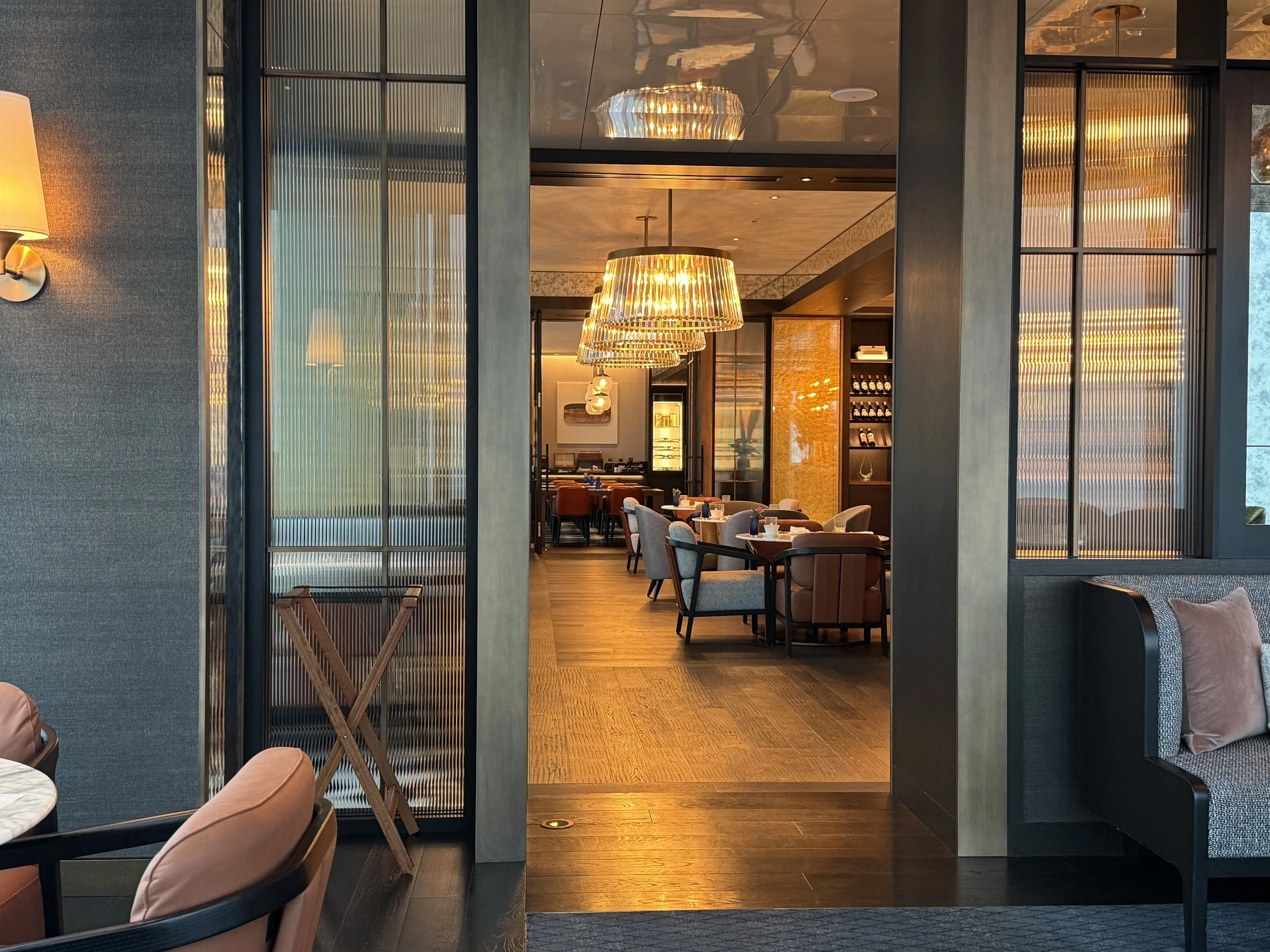
If your room includes Fairmont Gold as ours did, take full advantage. Gold guests have access to the private Fairmont Gold lounge, which includes breakfast, evening drinks, and a gorgeous tea set up when you check in. I really valued having a quiet, hearty breakfast high above Tokyo to prepare my nervous system for the sensory overload that lie ahead each day. It became one of the rituals I loved most when reflecting back on our 3 week trip.
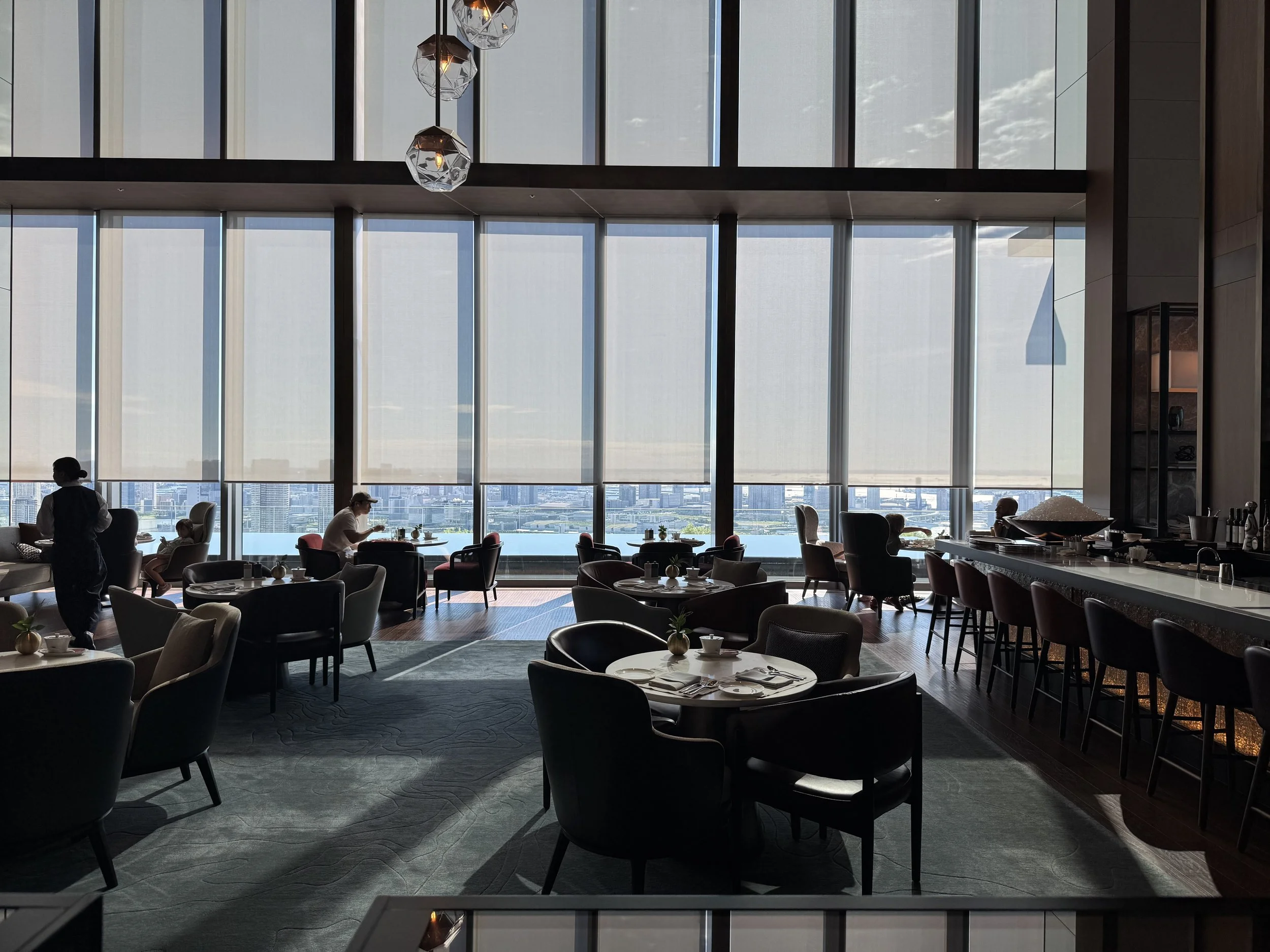
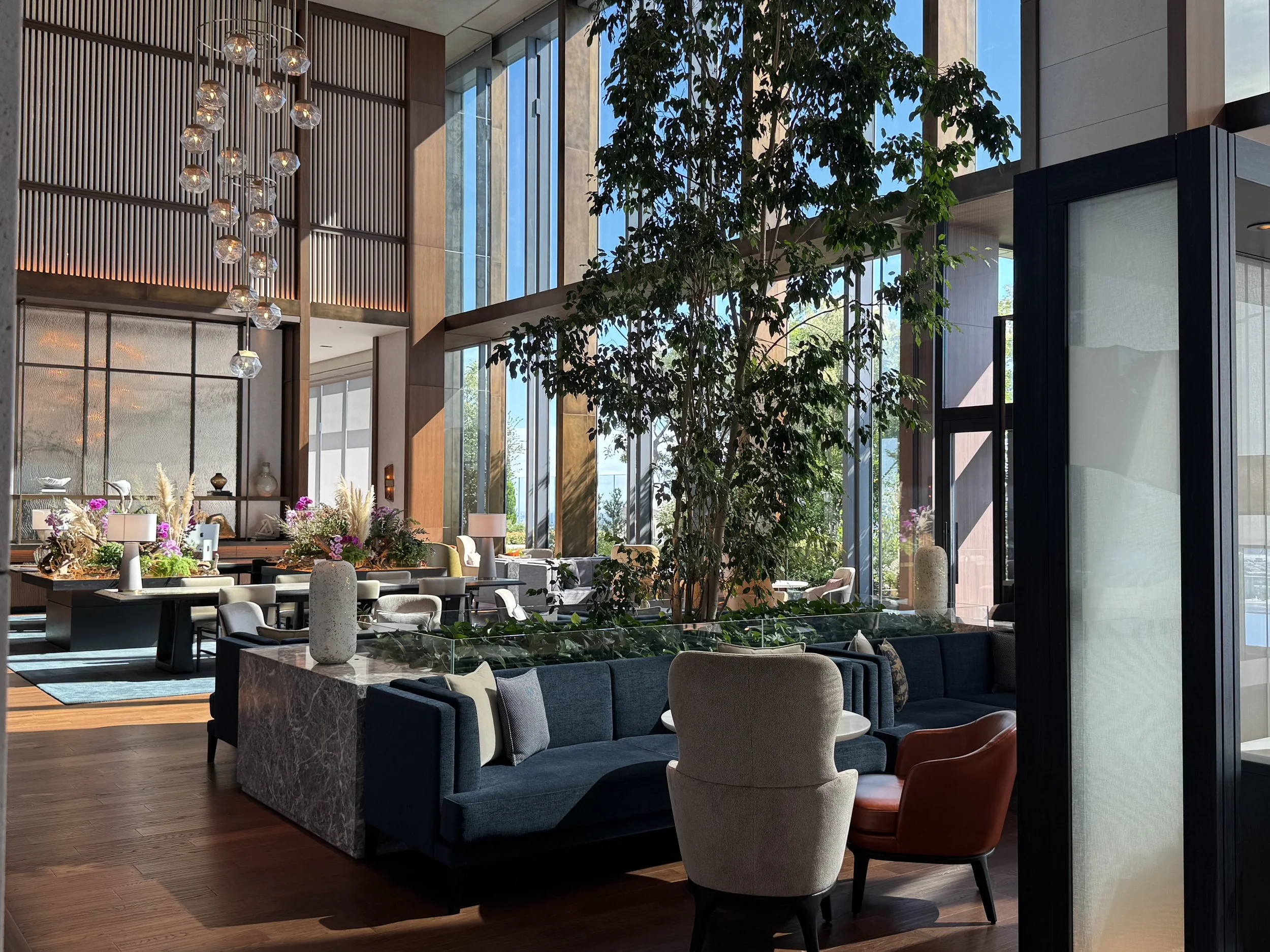
The service was also top notch and everyone was incredibly kind, from the front desk staff, to the breakfast team, right down to the concierge that handed us our umbrella everyday as we headed out into typhoon conditions (which honestly were not that bad, as long as you came prepared!)
Overall, worth it for: a splurge, a first few jet-lagged days in Japan, skyline views, the pool & spa for relaxation, and having somewhere calm & restorative to return to after 20,000 step days. I should also add that I turned 40 on our trip and they went above and beyond to make me feel special - so the hospitality is second to none!
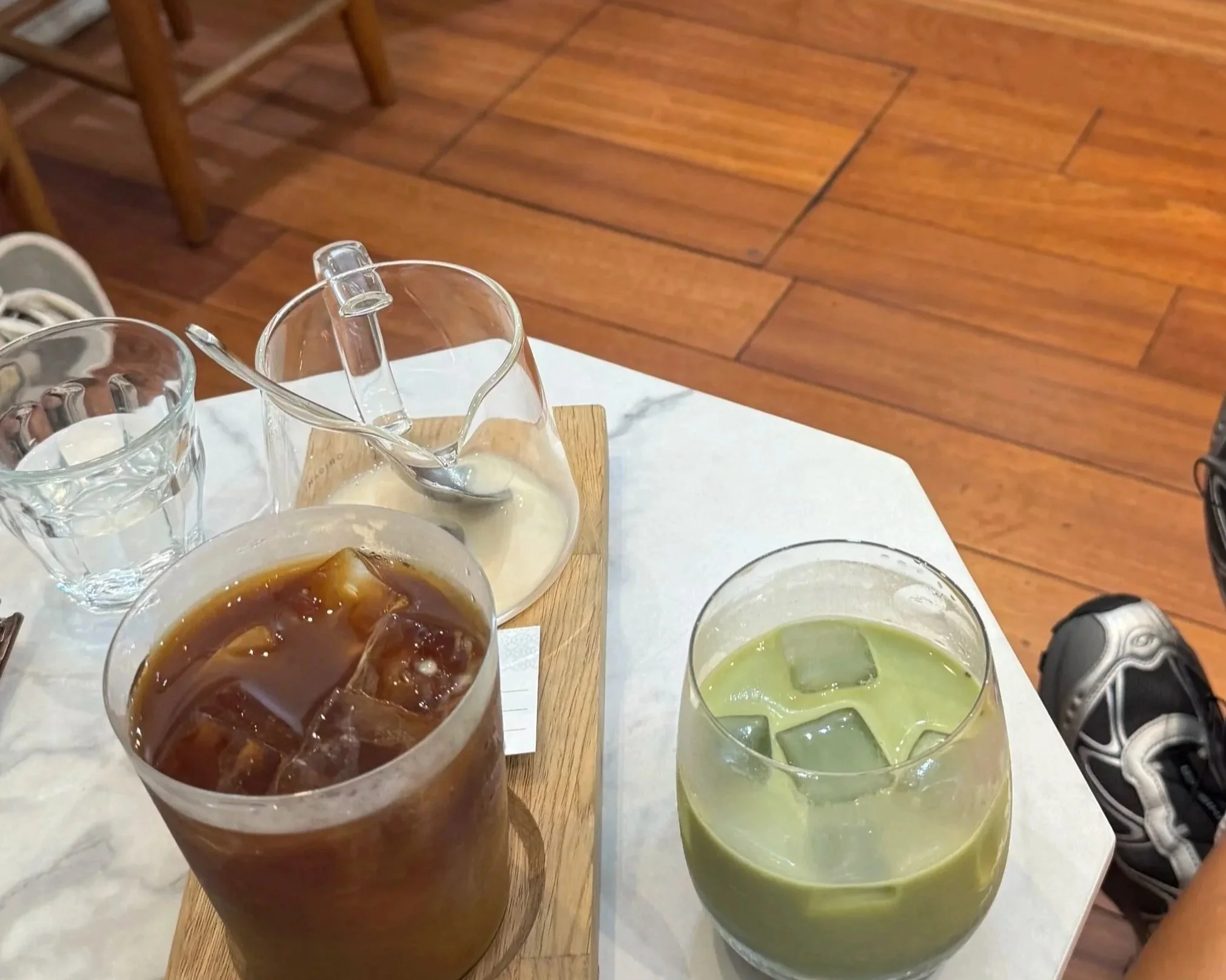
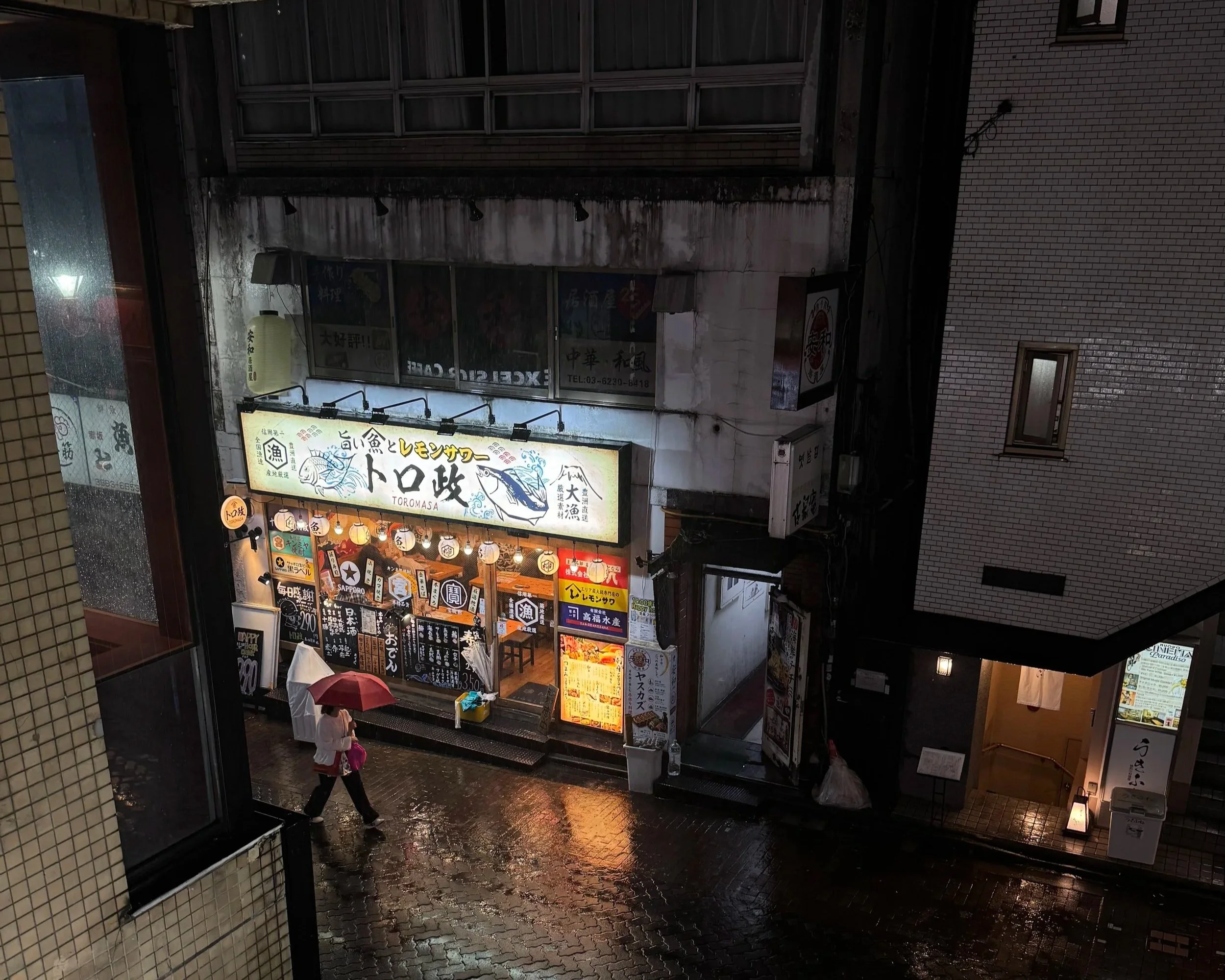
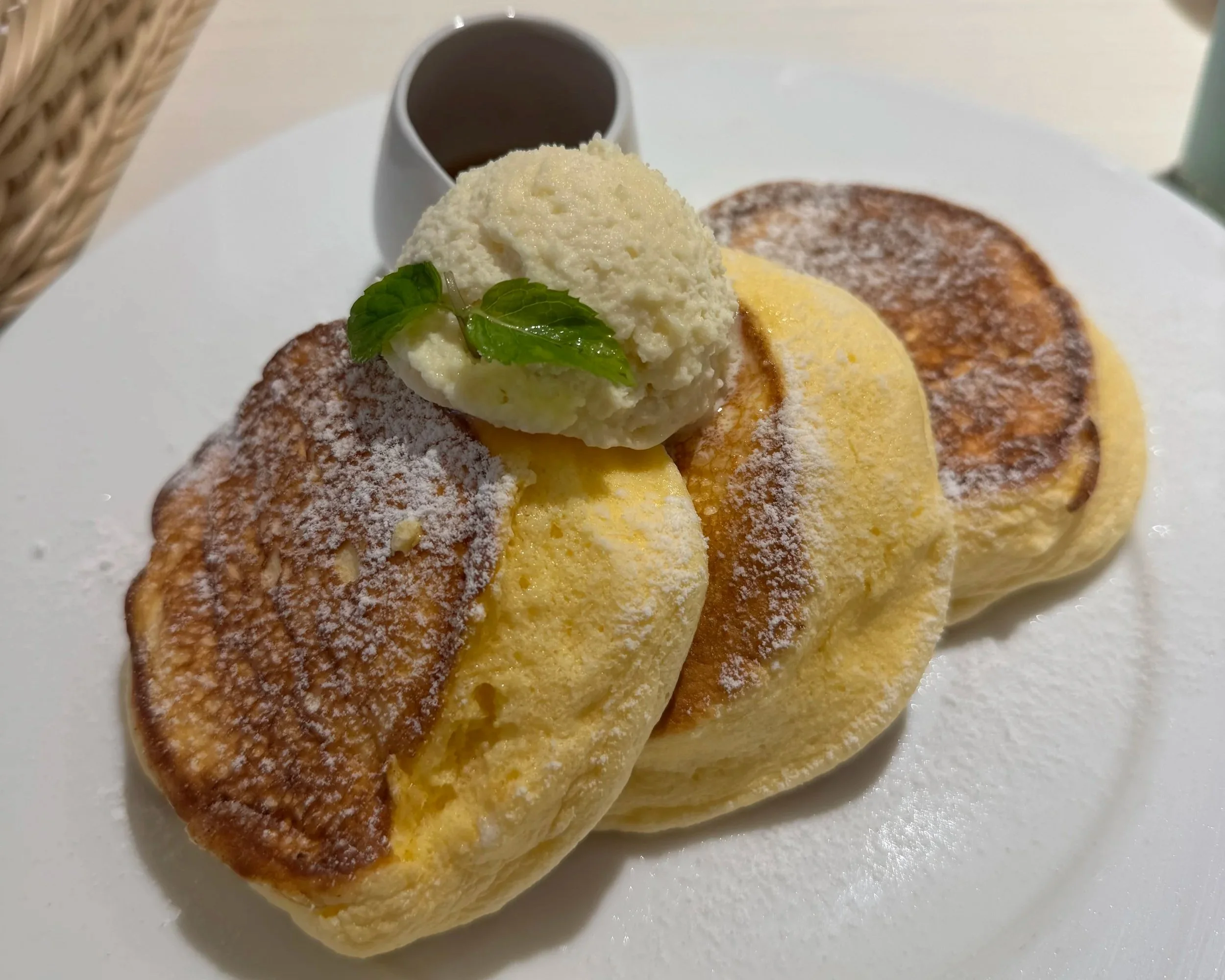
Where to Eat/Drink: Tokyo isn’t a city where I would build your entire days around only resto reservations but you do want to make some, as the most popular ones can and do book up - especially on the weekends. But I should add that some of our favorite food experiences mostly came from wandering food halls, tiny counters, and little grocers. And obviously, anywhere you can get a great matcha and ricotta pancakes (new to me, and certainly a revelation) always float to the top of my list.
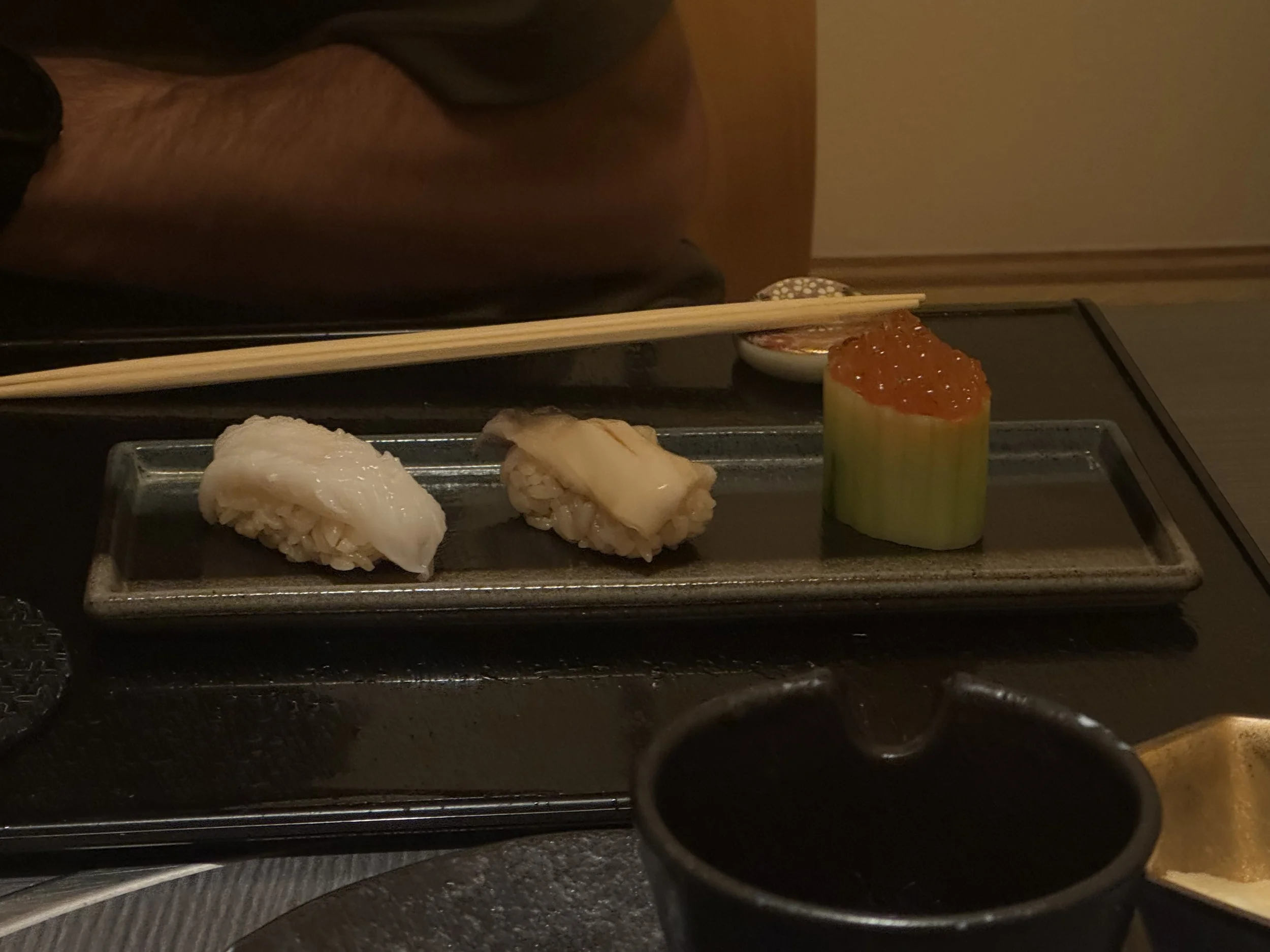
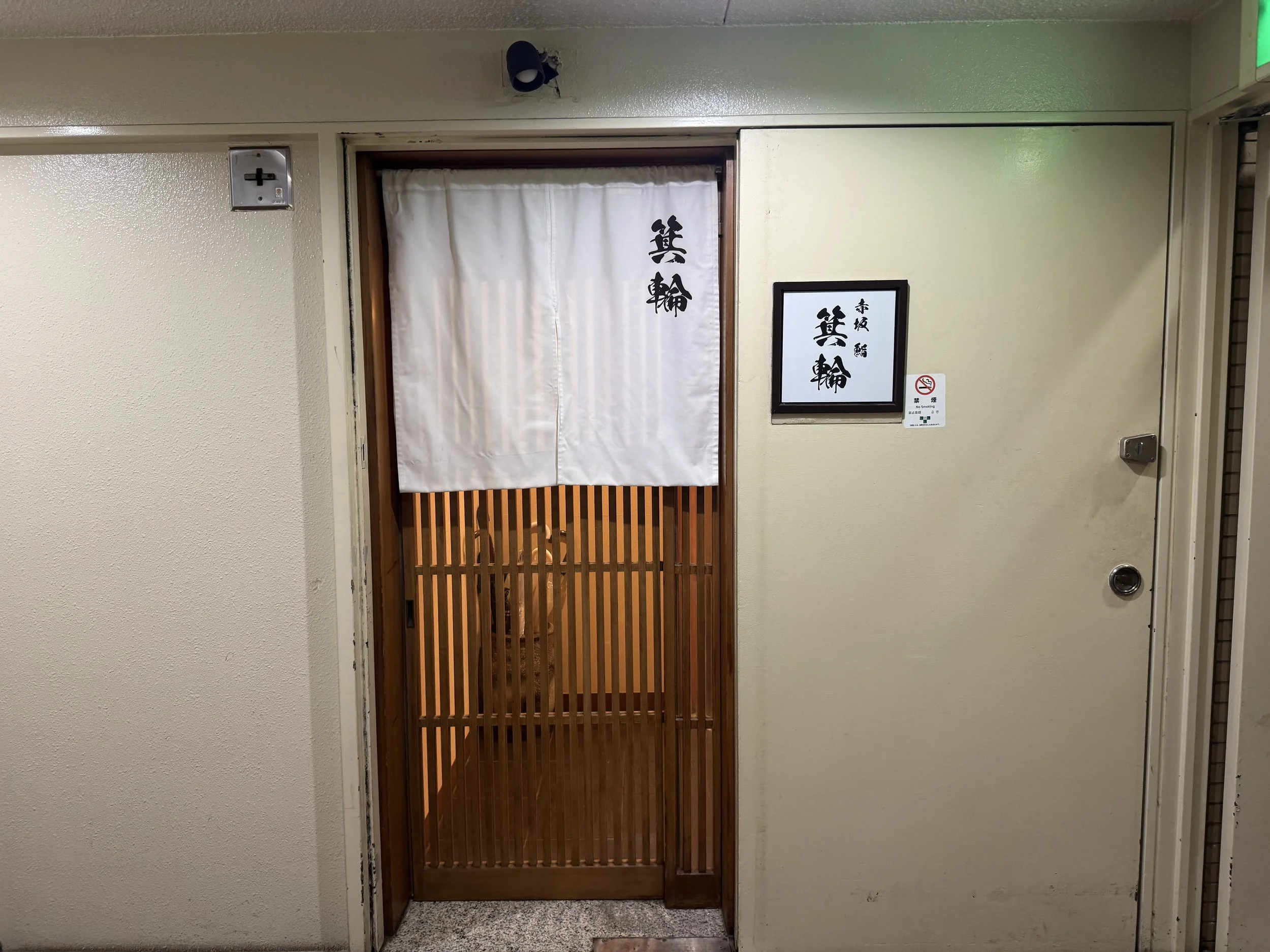
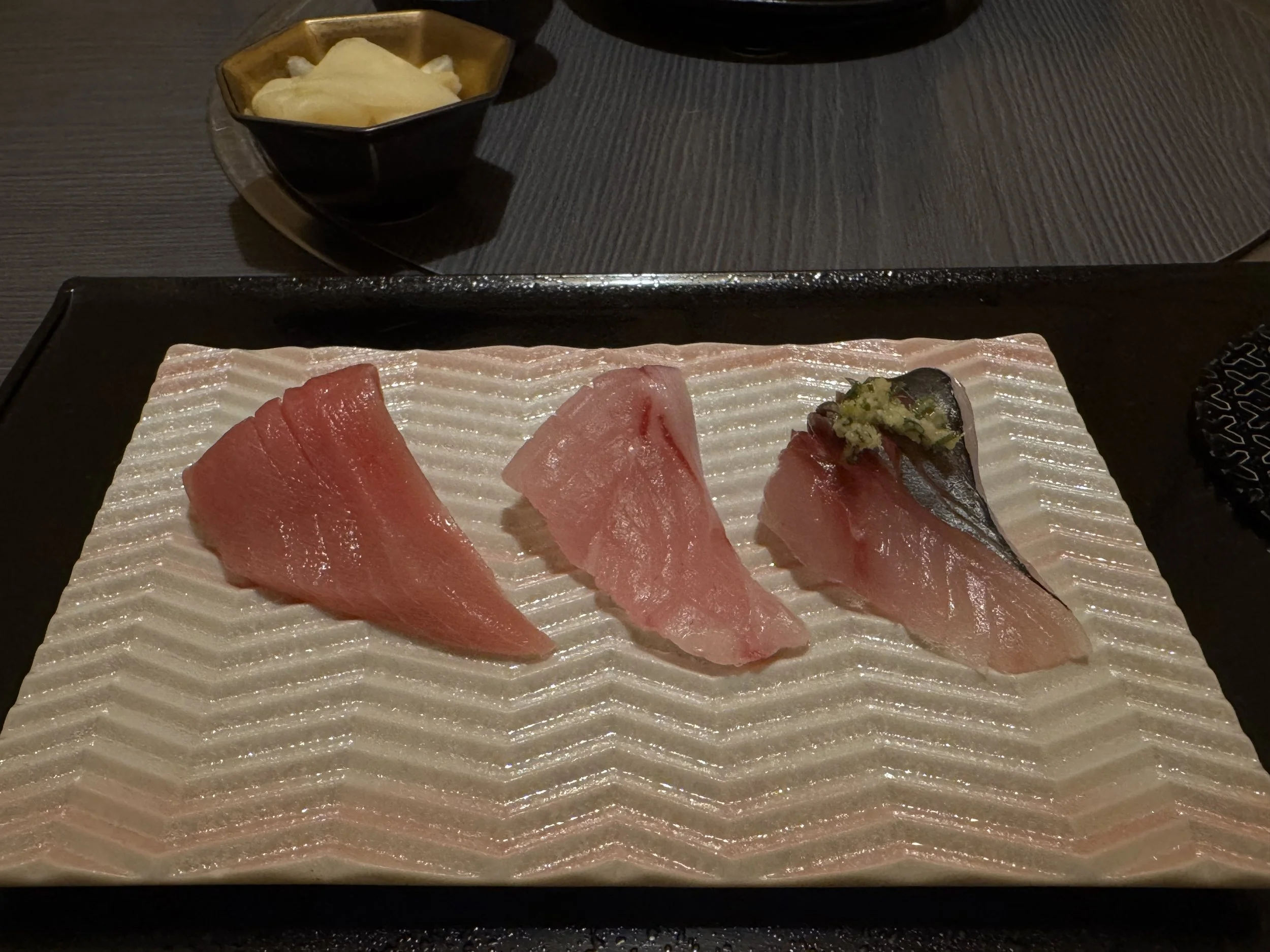
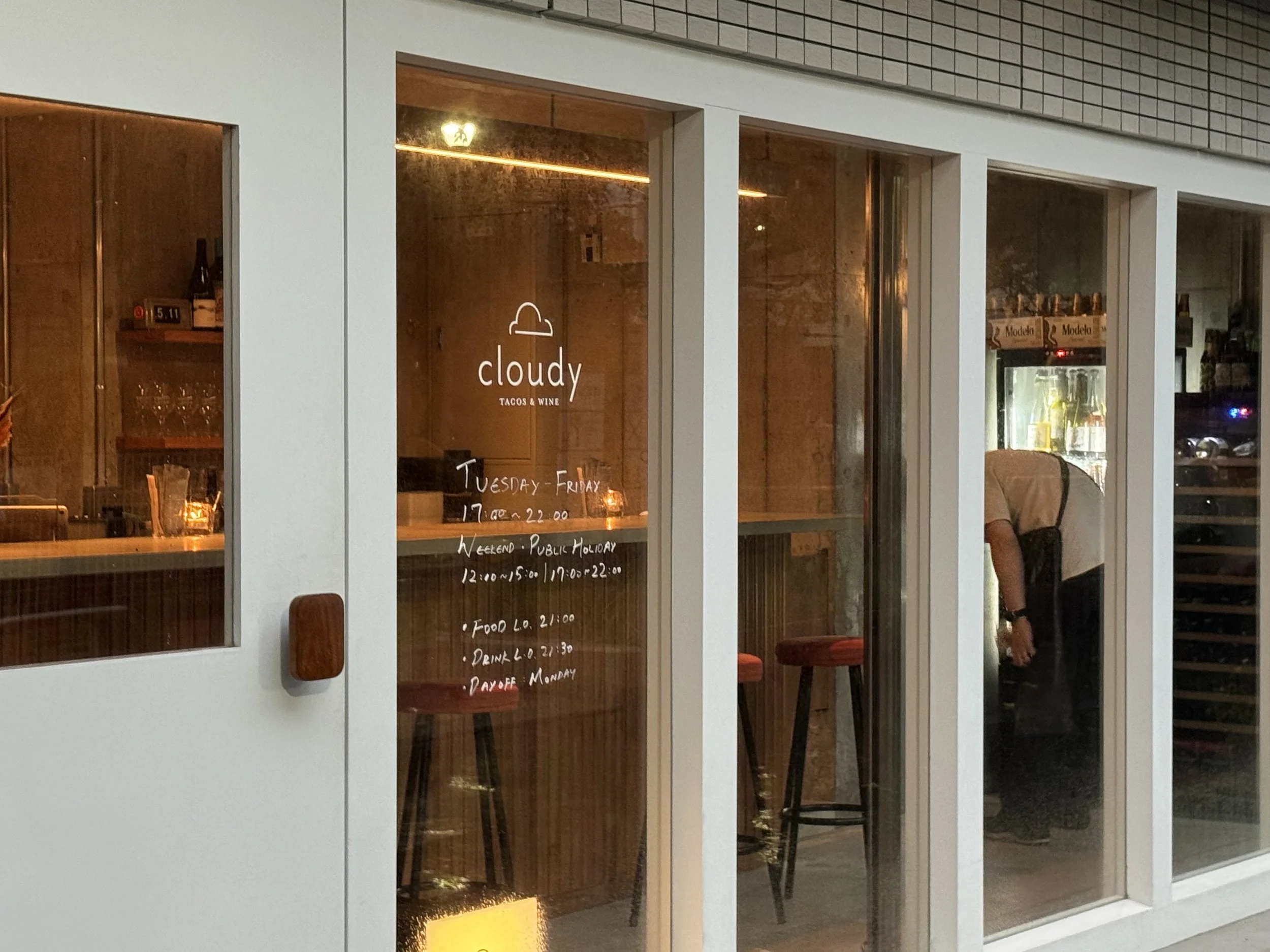
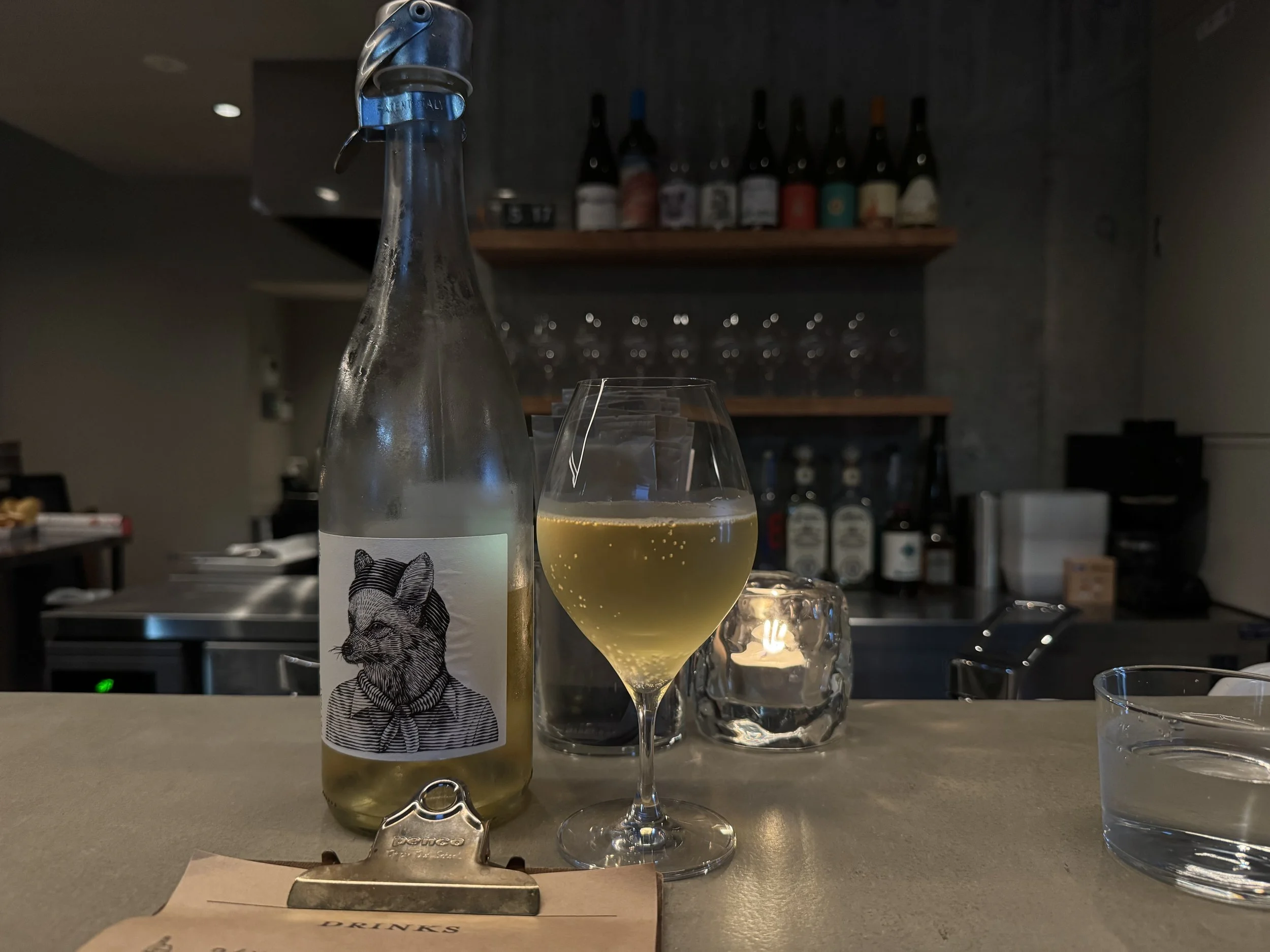
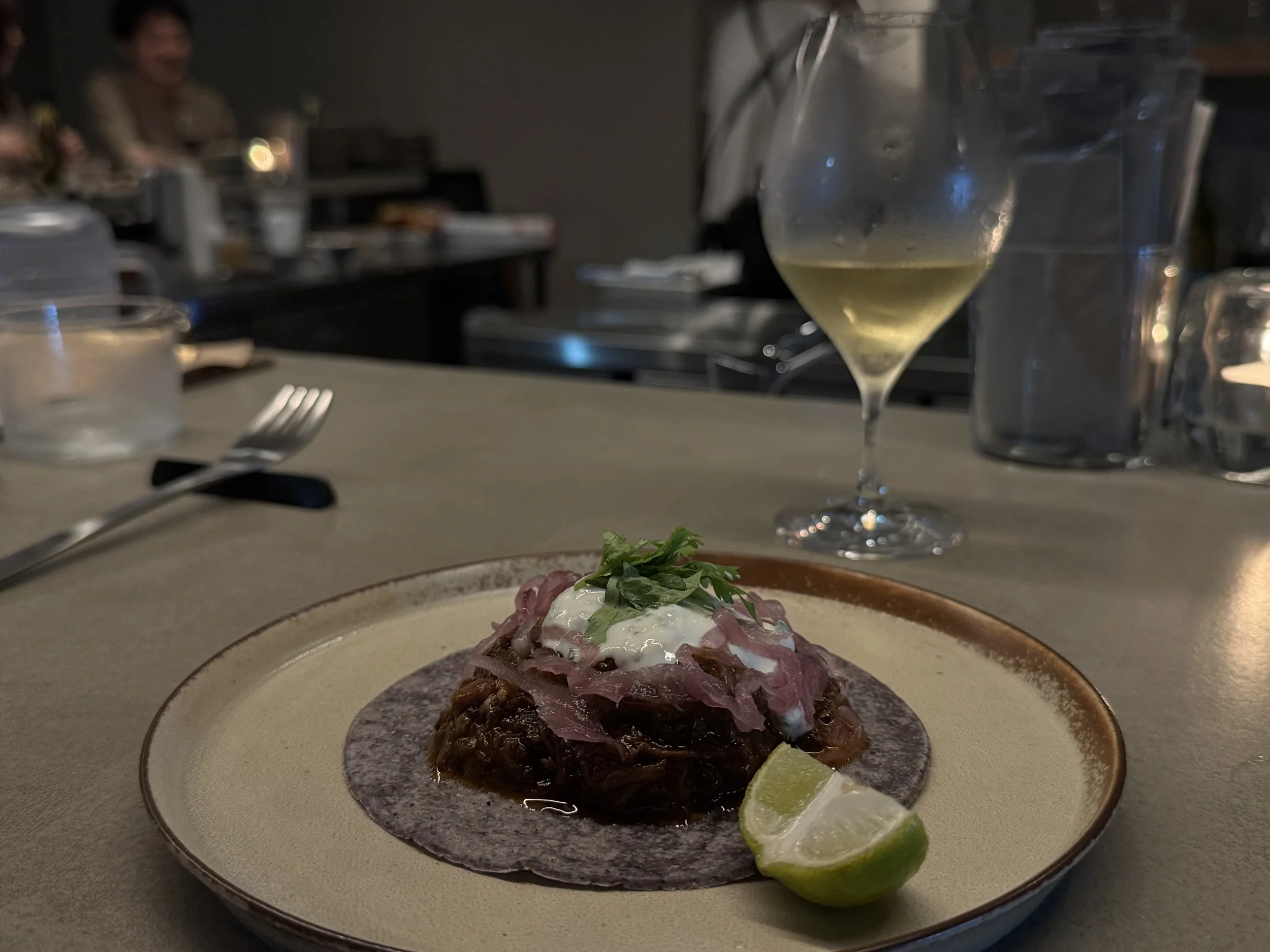
Some favorite spots visited were: For breakfast: Happy Pancake (best place to get Ricotta pancakes, in my opinion!), Ome Farm Kitchen, On the Pond, Cloudy (tacos + natty wine, what more could you ask for?), Driftwood (convenient and reliable if you are staying at the Fairmont, as it is on site), and we enjoyed an excellent sushi omakase meal at Sushi Minowa Akasaka. One word to the wise for Americans: do not trust a Google review score in Japan. I know we are used to seeking out the 4.7 and above back at home, but if it’s above a 3.0 in Japan, it’s actually quite good. The ratings scale is entirely different and some of our best finds were in the 3.3 - 3.8 range!
Design Shops/Bookstores:
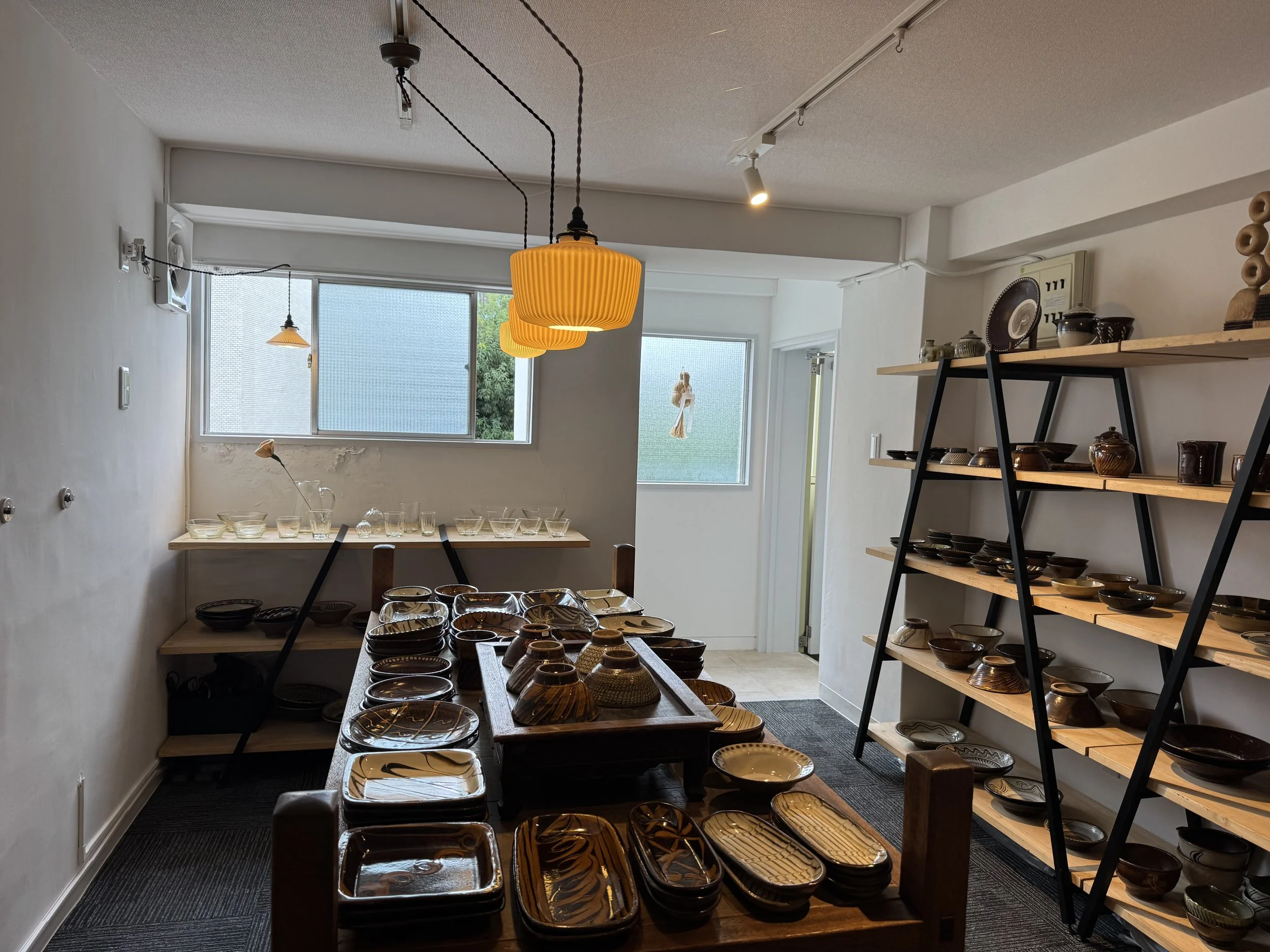
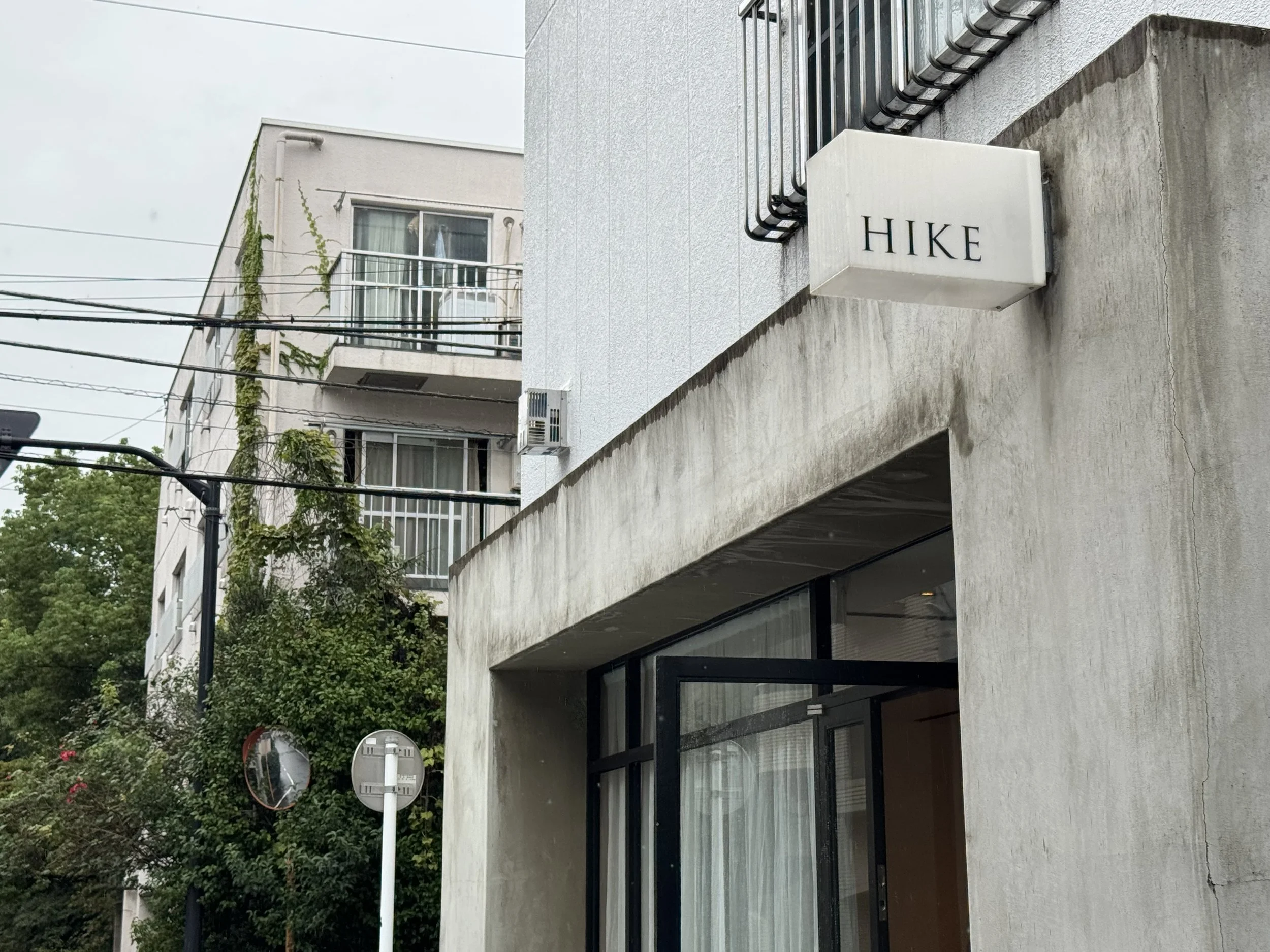
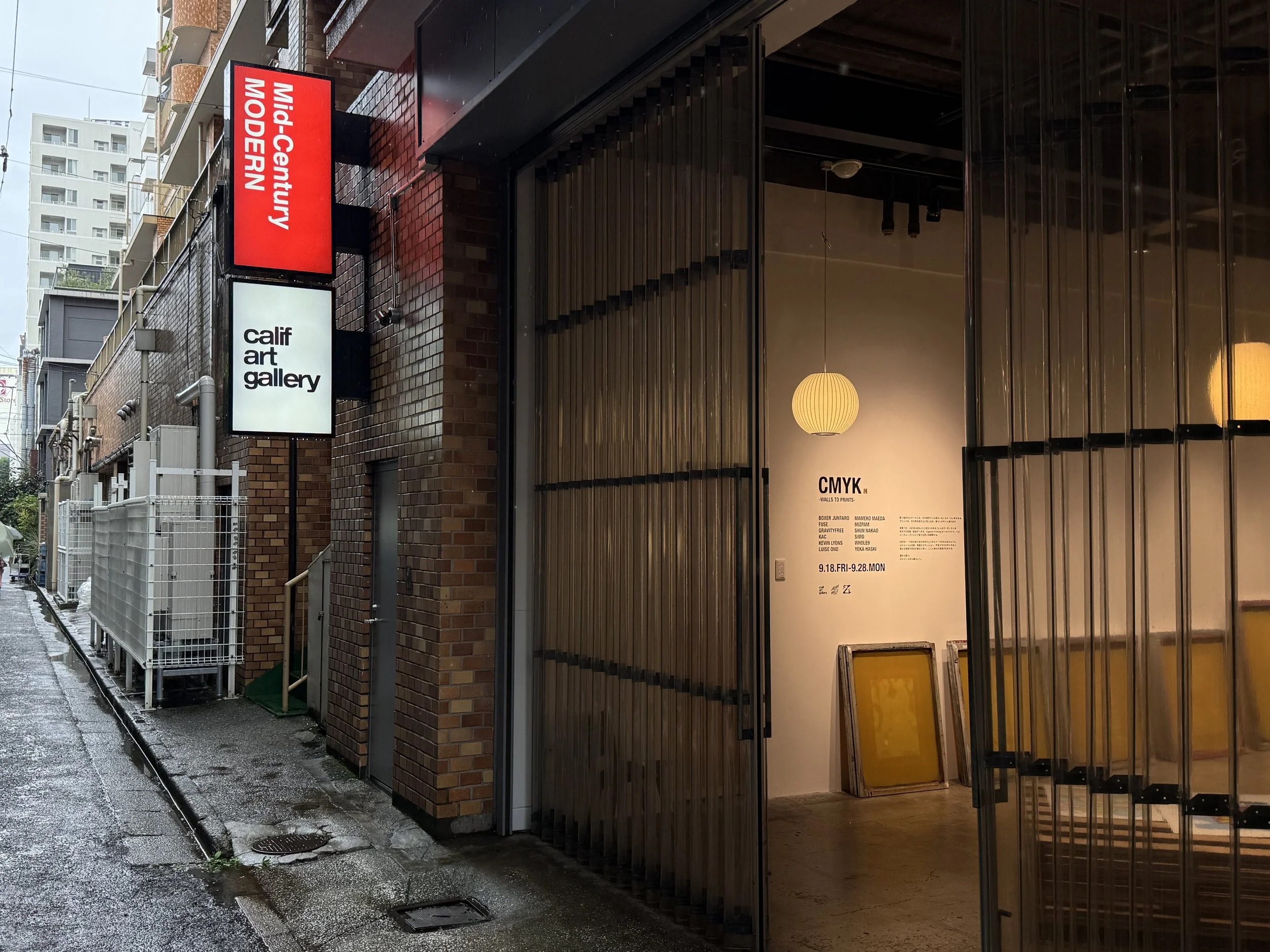
Tokyo is a stunning place to be if you like beautifully designed ordinary objects. It’s also one of the world’s great cities for people who still like physical things (hi, it’s me) like books, magazines, ceramics, records, etc. We truly could have spent weeks exploring all of the shops in Tokyo (and likely at some point will), but some of our favorite places to spend time were: Daikanyama T-Site / Tsutaya Books, Jimbocho Book Town, D&Department Tokyo, SML Design Shop, CIBONE, Spiral, Found MUJI. We also foraged around to find a few excellent midcentury modern stores like Camori, Mid-Century Modern, and HIKE - all of which are worth a visit.
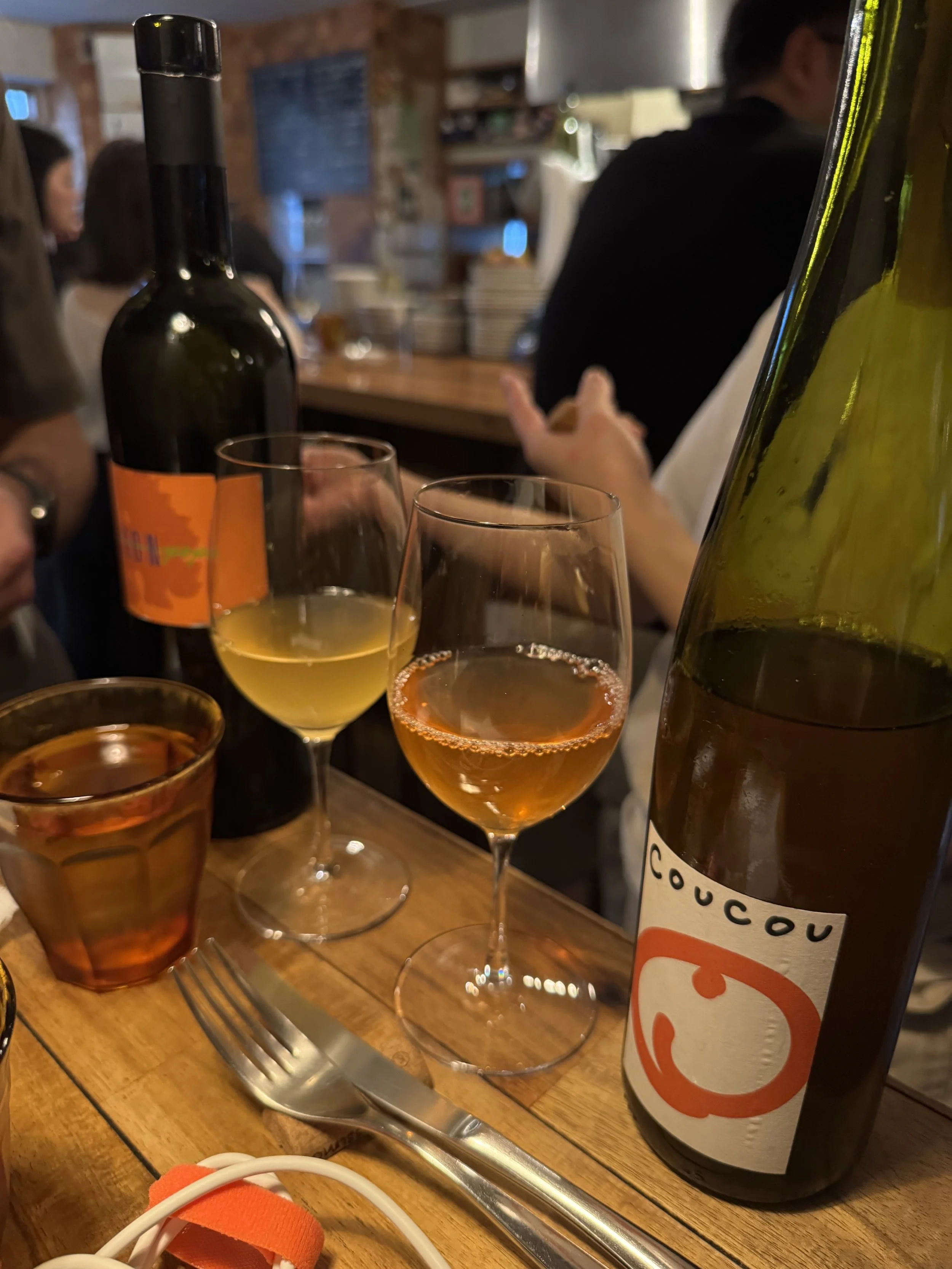
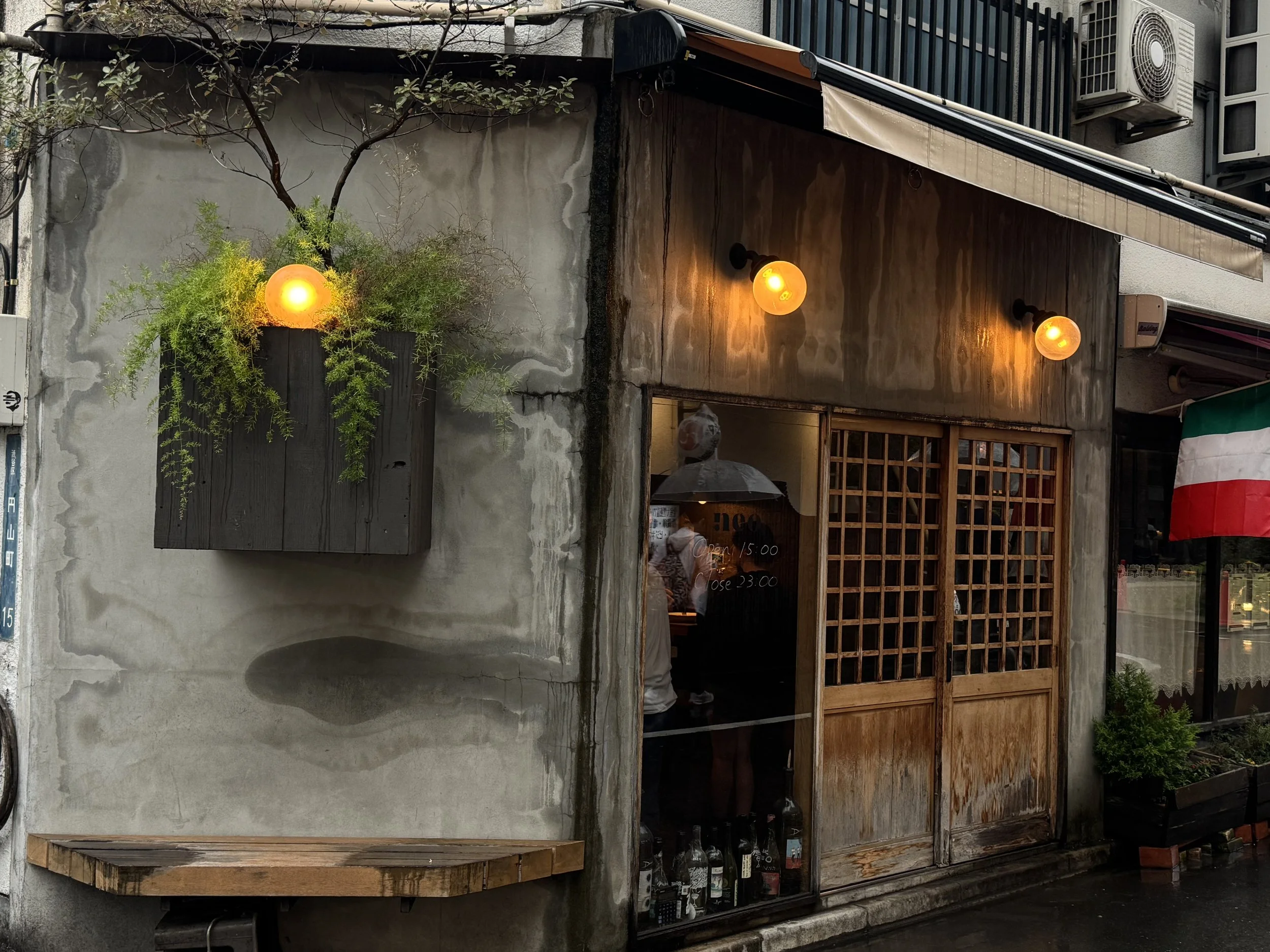
Wine Bars: Tokyo’s natural wine scene is so phenomenal that it’s actually problematic because there’s no way you can cover as much ground as you’d like. What we loved most is how casual most of our favorite spots were, as the best bottles tend to be poured in tiny standing bars, neighborhood restaurants and tiny tasting rooms. No-fuss but intimate, just how we like it.
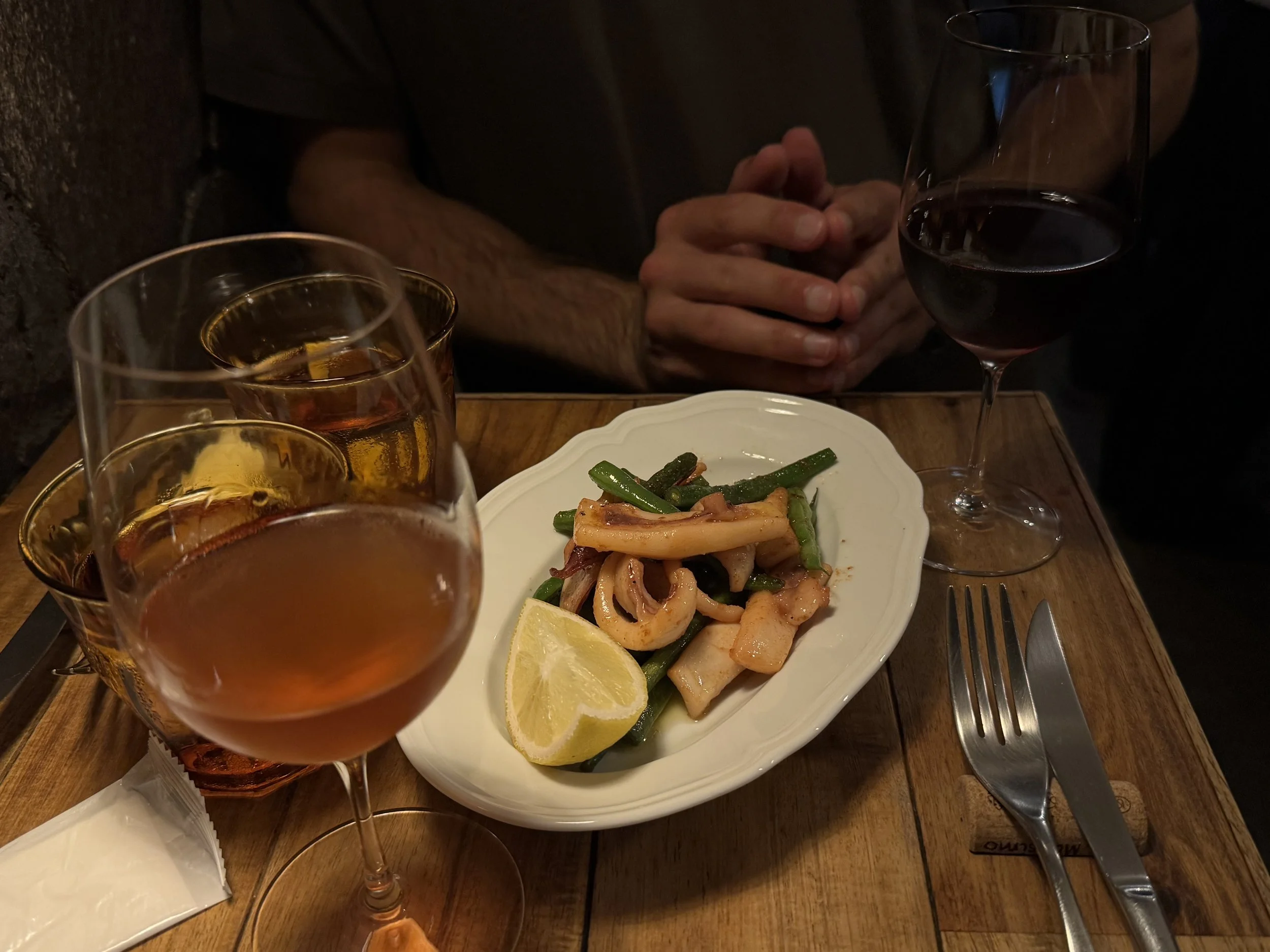
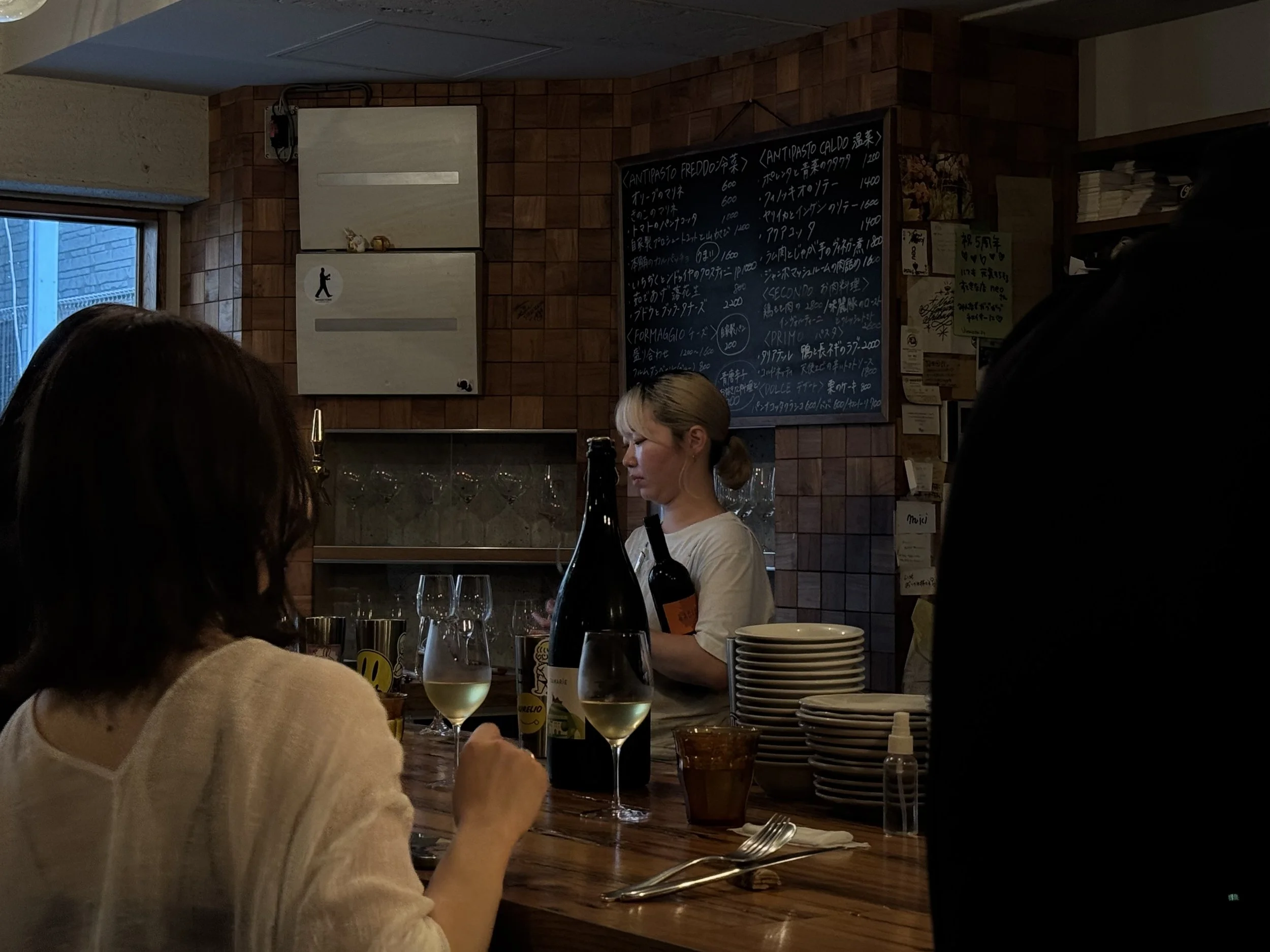
NEO - Shinsen was one of our favorite examples of Tokyo wine culture. It’s a tiny standing room only natural wine bar hidden on a backstreet in Shibuya. It’s the casual sibling of the acclaimed Italian restaurant Aurelio and the premise is simple: stand around the counter, drink really interesting wine and eat delicious home style food (we absolutely loved our squid appetizer!). The wine program leans heavily towards Italian natural and minimal intervention producers with many pours available by the glass. We entrusted our server to surprise us with pours after briefly describing our tastes and they absolutely nailed it with bringing over two bottles we had not yet tried but had on our radar. 10/10 recommendation. We appreciated the casualness of being able to tell them what we liked and let them pour to our tastes. Field note: go early (4-5pmish) as the tiny room can fill quite quickly.
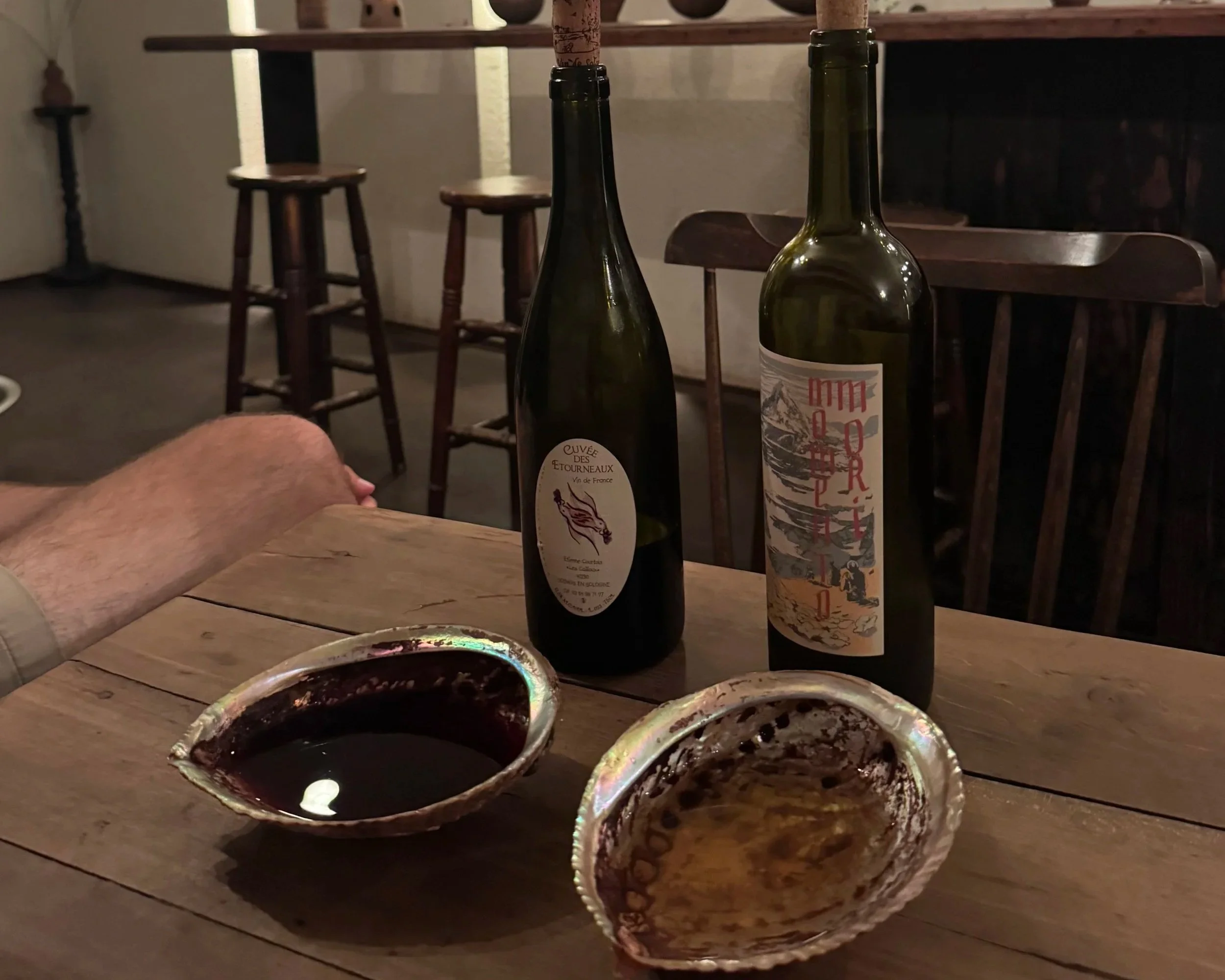
Vineria Il Passagio was another favorite. It’s a tiny 13-seat natural wine bar hidden on a quiet street in Nihonbashi Hamacho. The wines are natural as well, but what makes this place unique is the vessel: abalone shells, handmade earthenware and other unusual vessels instead of conventional wine glasses.
The owner isn’t doing it to be “out there” or to deliver on an aesthetic; the idea is that the material and shape of the vessel change your perception of the wine. One Japanese media piece explains that the owner believes natural wines with pronounced acidity and umami can be particularly expressive from a natural material such as a shell. The experience is cozy, quiet, peculiar… and very Japanese. Cash only, so come prepared.
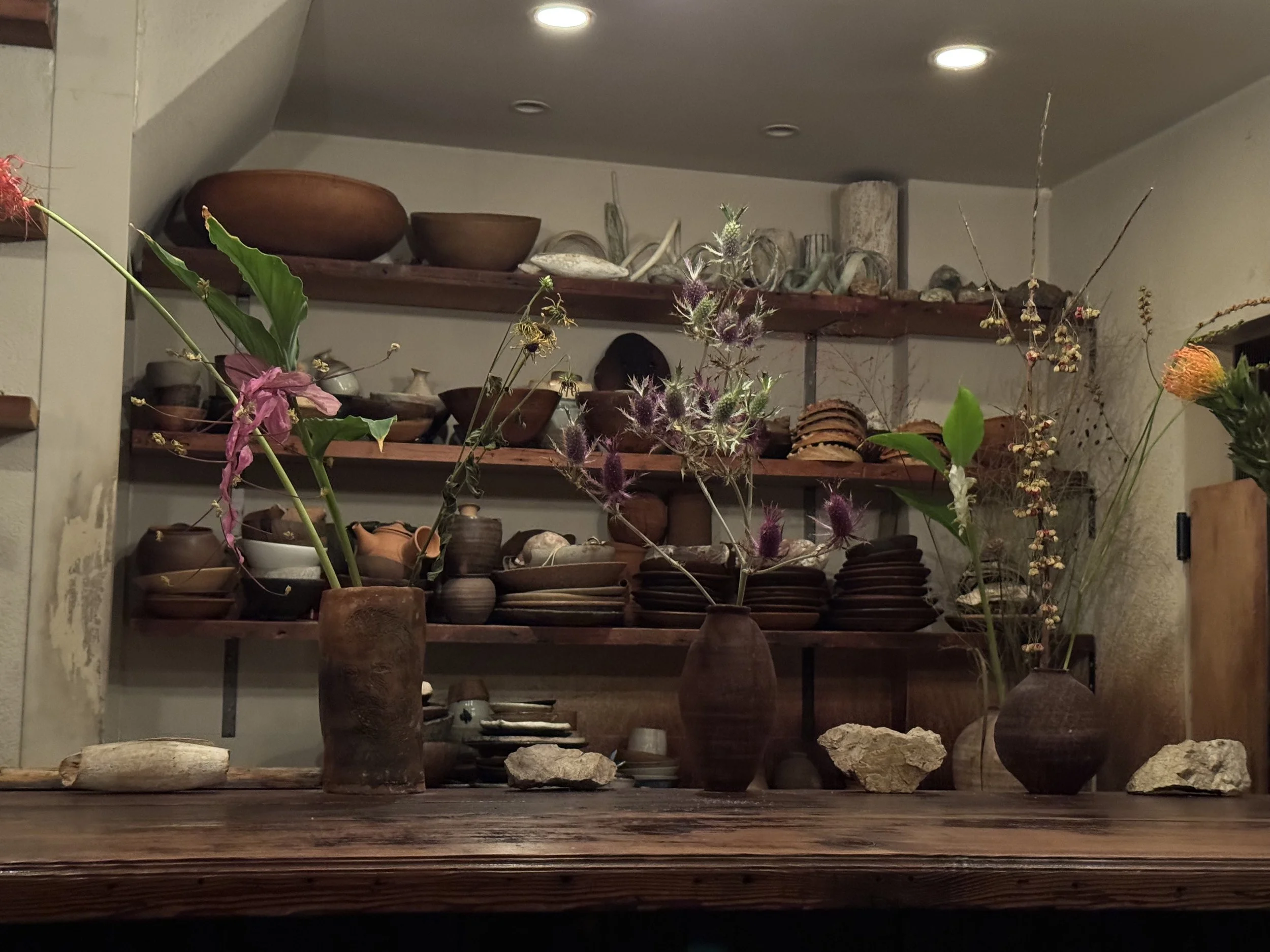
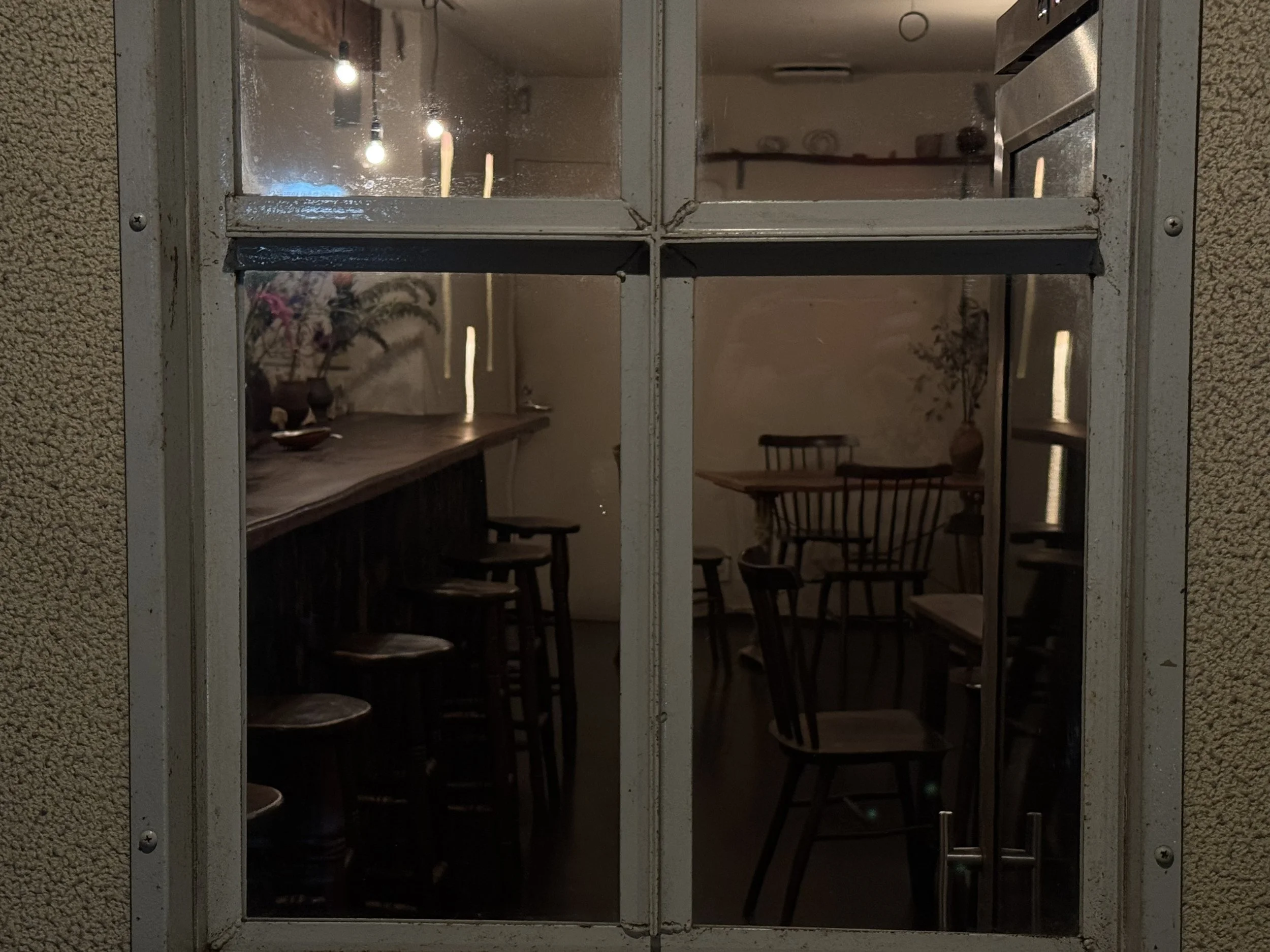
Ahiru Store is one of the Tokyo natural wine institutions that I will always include in any guide. It’s tiny, casual and very neighborhood oriented, with natty wine as the main event and food geared towards drinking. It’s close quarters, good food, and very little fuss.
no. 501 is a great natural wine bar combined with bottle shop. The selection moves through European natty wines with some Japanese bottles mixed in, and you can drink there or buy something to take away.
Wineshop Cornerbar Blanco was also a great pre-dinner stop to sample a glass. They had quite an extensive selection in their chilled cellar which we enjoyed perusing even before selecting a glass to enjoy.
Things to Do: Don’t make it your personal mission to “finish Tokyo” as it is never going to happen. Walk Daikanyama and Nakameguro for design, books and markets. Wander Jimbocho for books. Go hunt down a place with traditional Kobe beef. Head to Kappabashi Street which is the famous kitchen town, an 800m long street filled with 160 shops selling cookware, specialty knives. Highly recommend buying an extra duffle bag for carry-ons for all the souvenirs you’ll inevitably buy along the way.
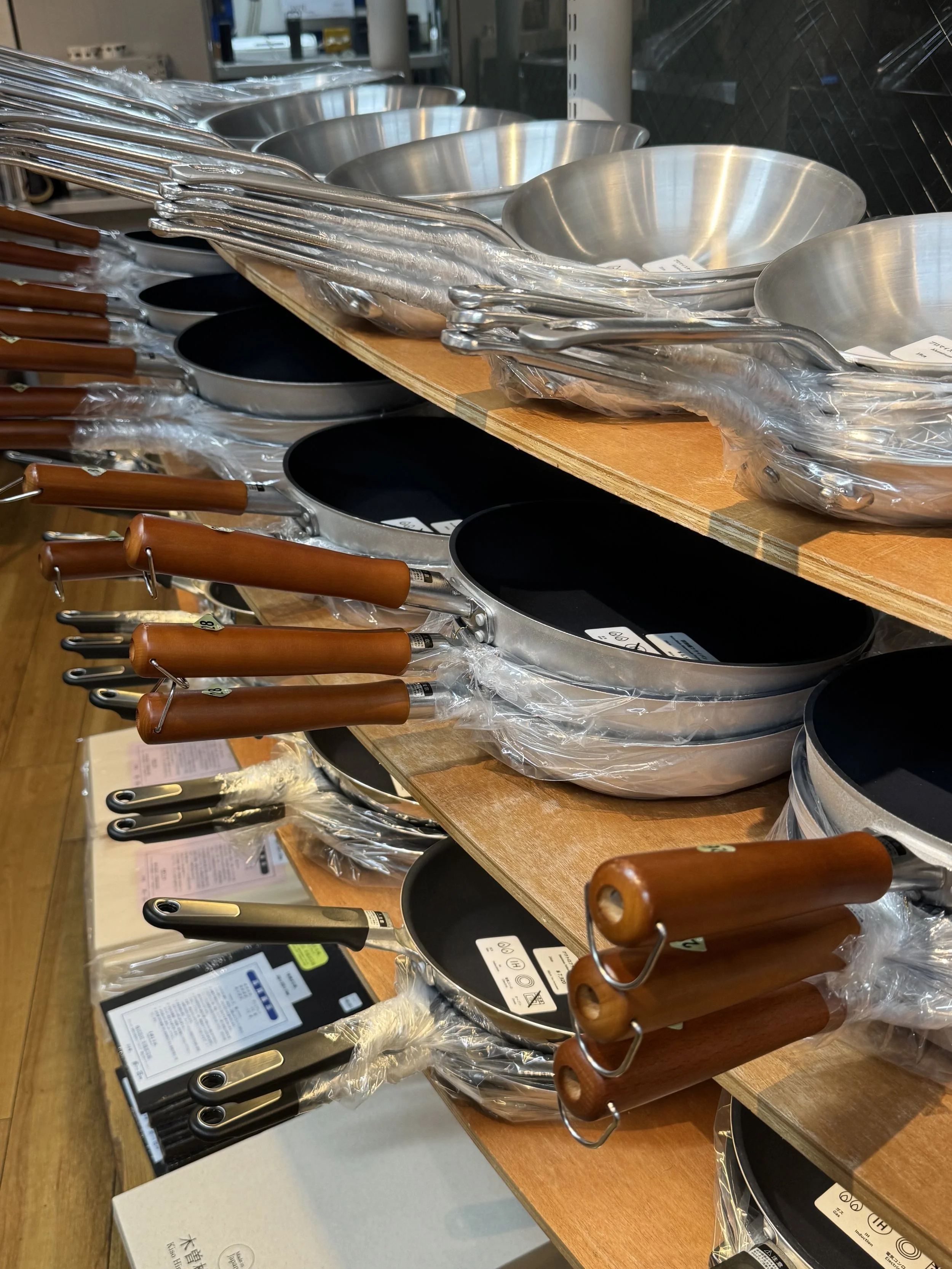
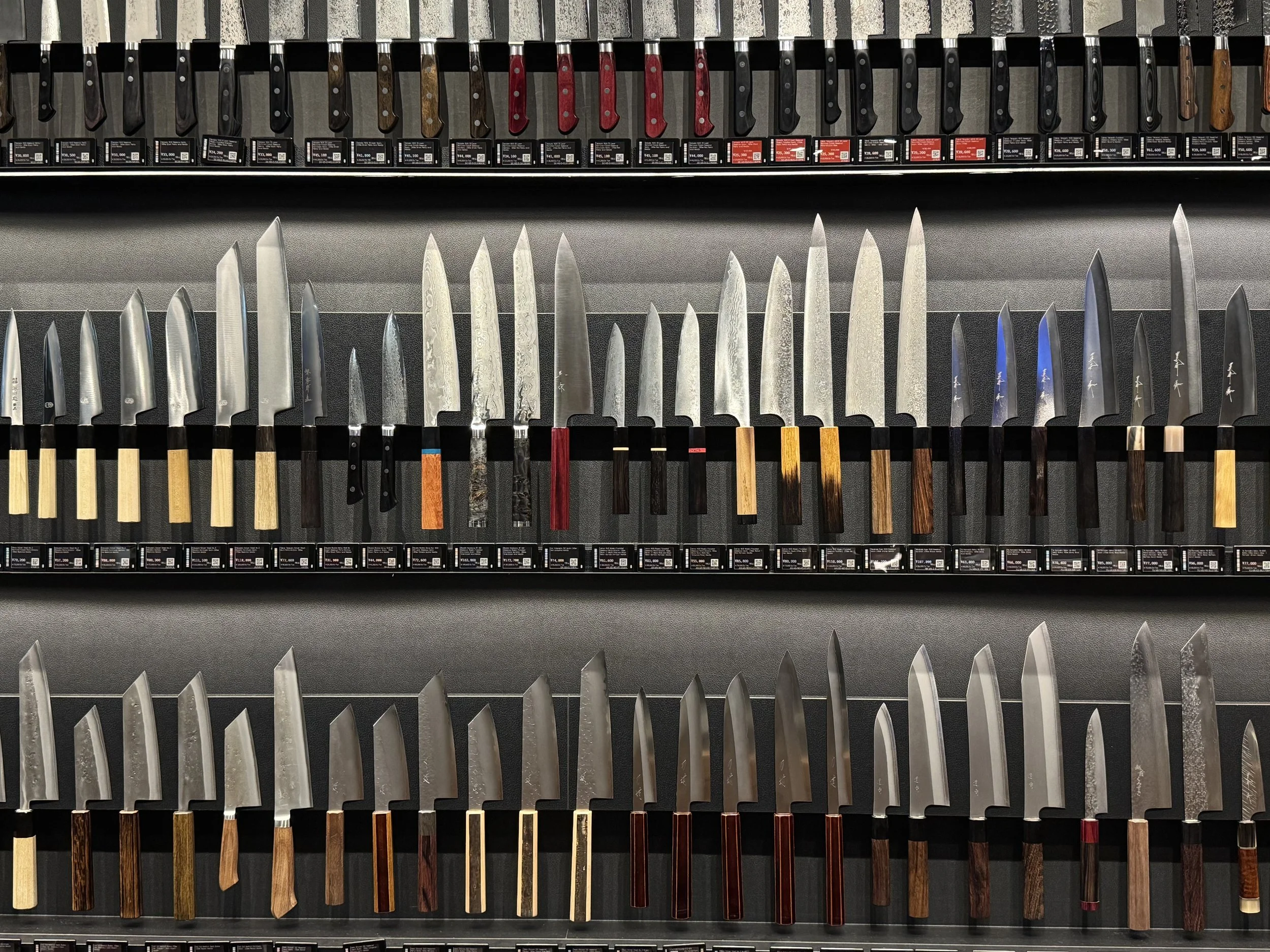
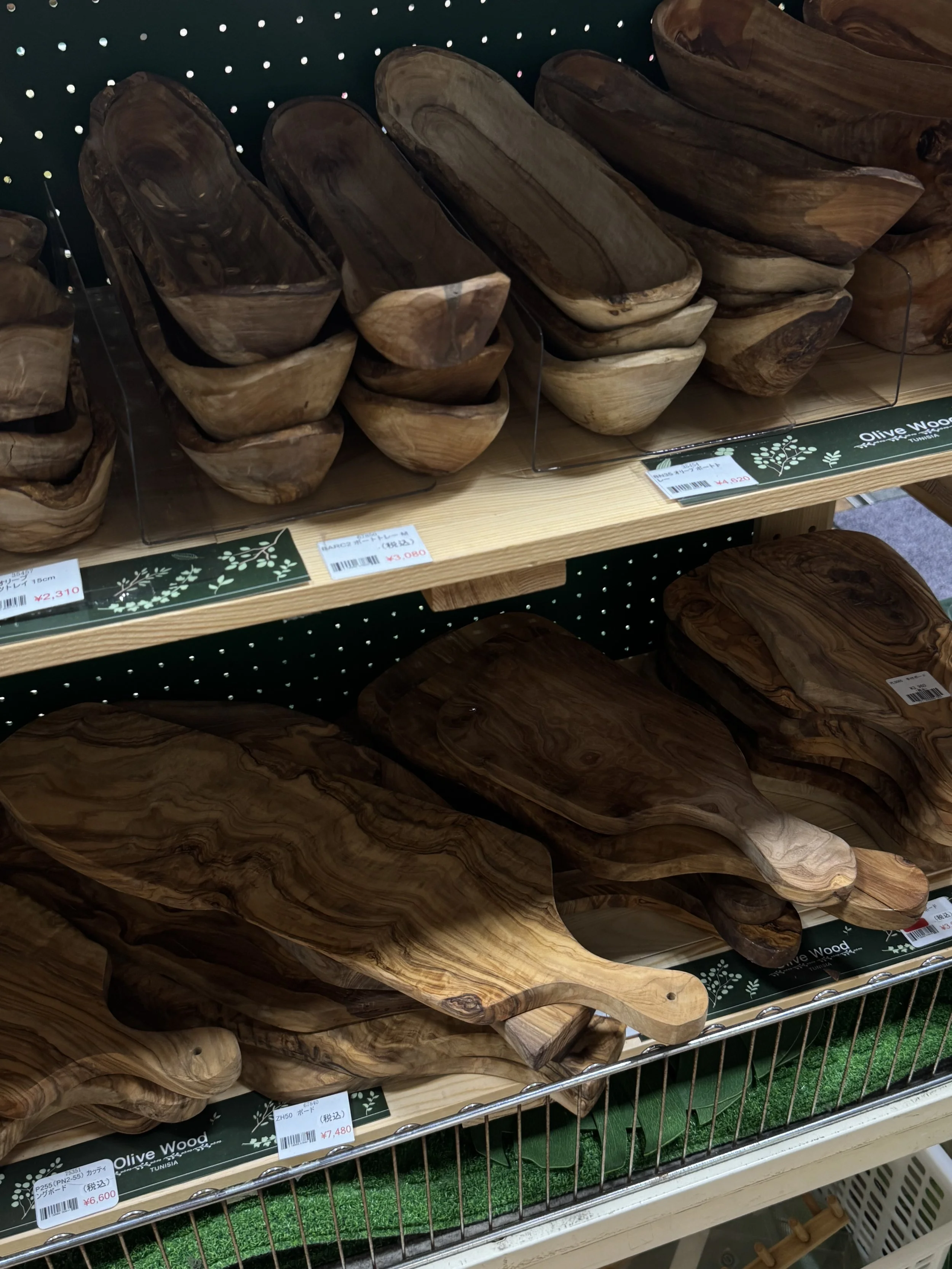
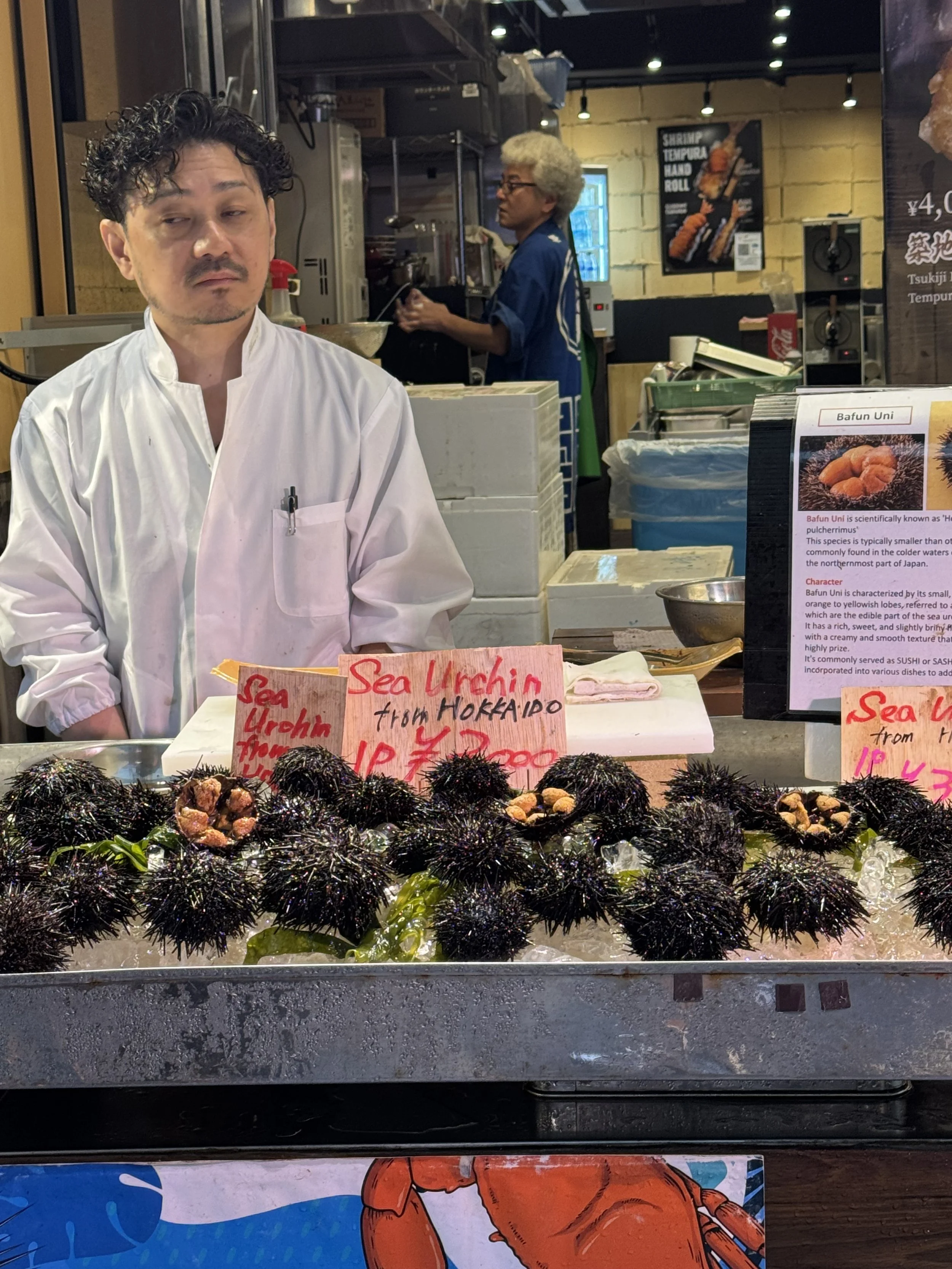
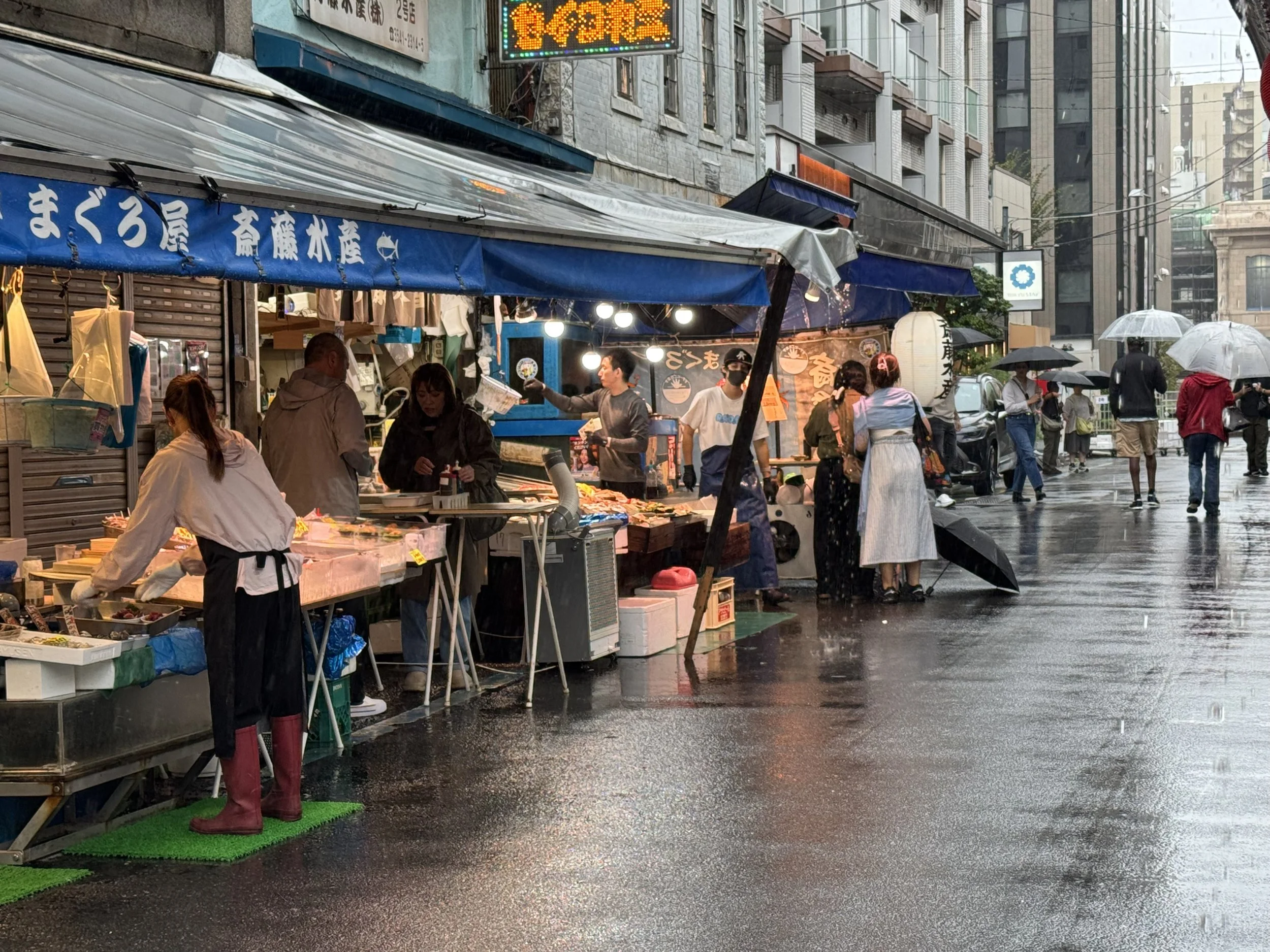
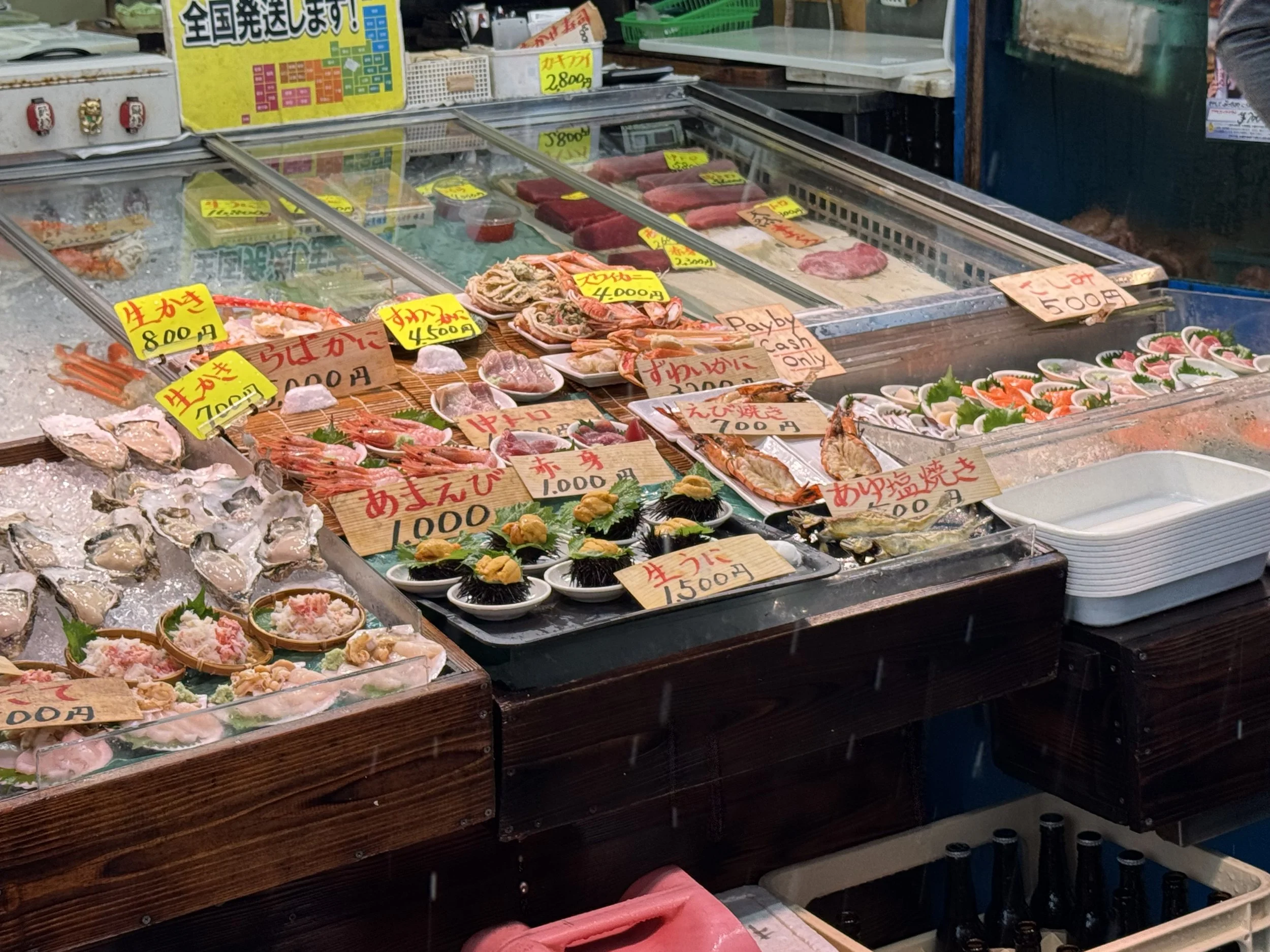
Check out the Tsukiji Fish Market (Anthony Bourdain was a big fan!), visit the many art museums, take yourself on a Tokyo Toilet tour (and watch the movie Perfect Days before you go, for context!), check out the many design and furniture stores, visit one of the many cat cafes.
And always, always keep looking down alleys and up staircases… you’d be surprised what’s hiding just immediately off the well-trodden path.
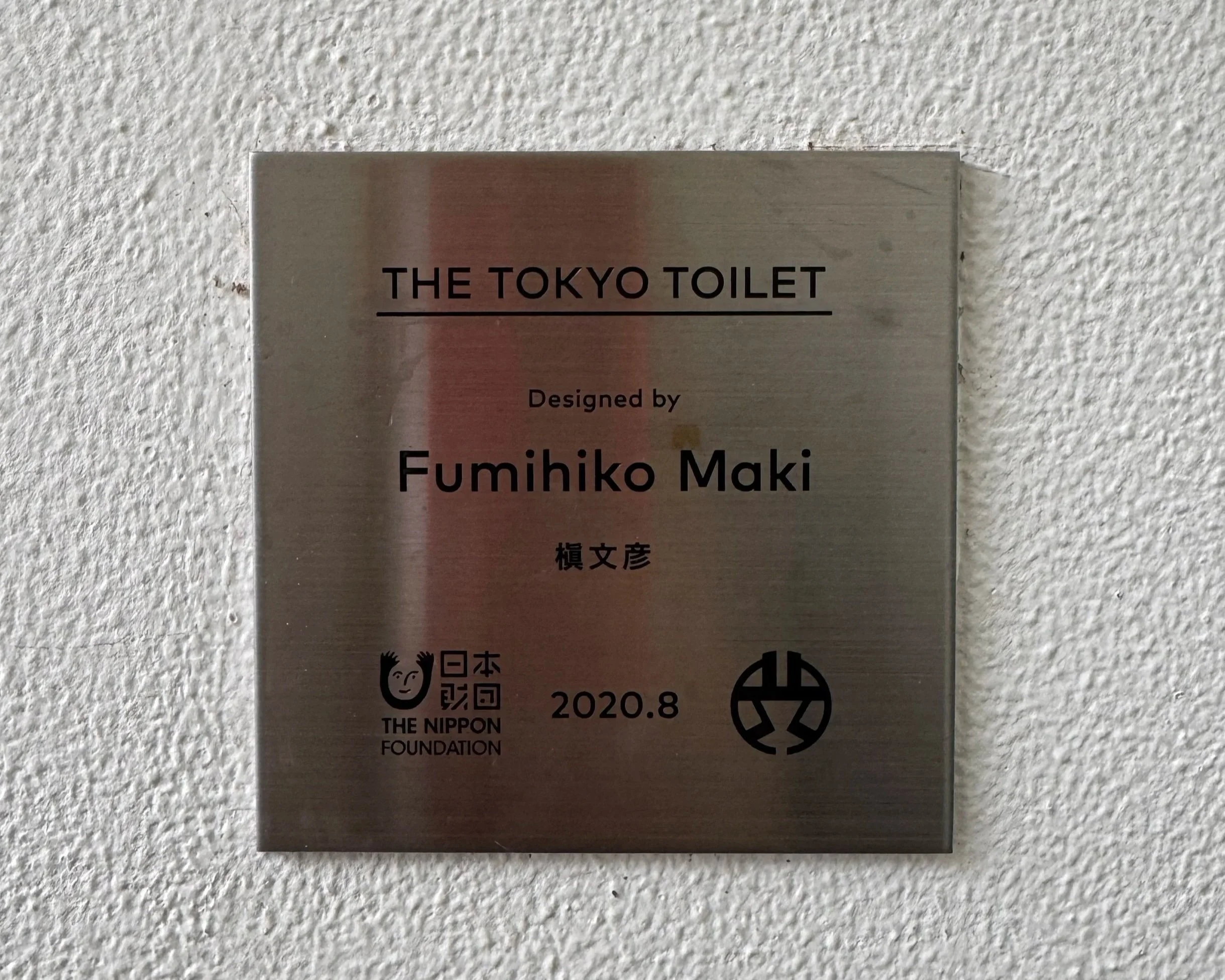
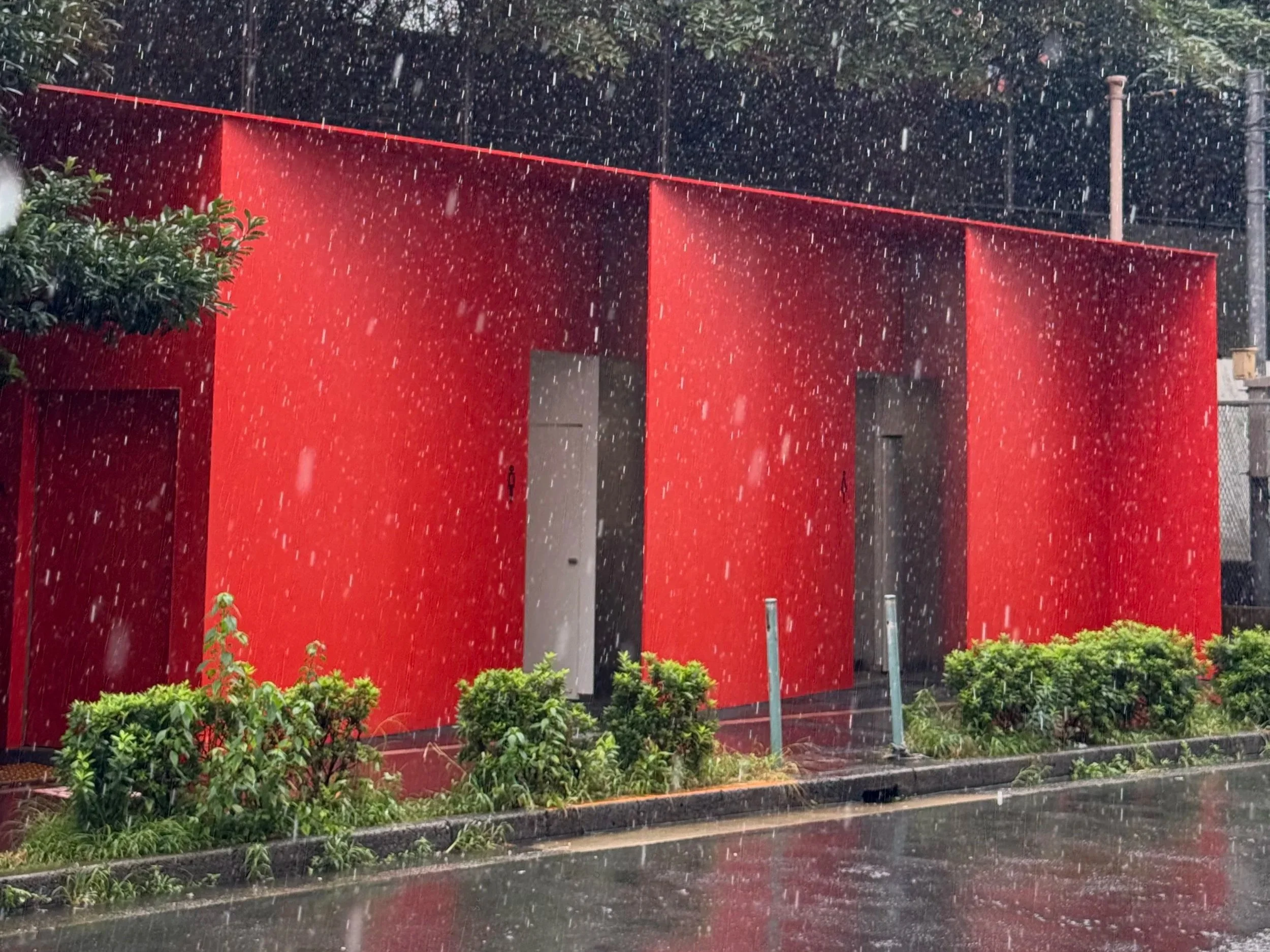
A special shoutout to the Tokyo Toilet Project, which we loved intensely. Backstory: Shibuya commissioned some of Japan’s most important architects and designers to rethink 17 public toilets scattered around the district. Instead of putting them together in an architecture park they are trickled throughout ordinary Tokyo neighborhoods. Ones to keep an eye out for: Fumihiko Maki (Ebisu East), Tadao Ando (Jingu-Dori Park), Shigeru Ban (Haru-no-Ogawa Park), Kengo Kuma (Nabeshima Shoto Park), and NIGO (Jingu-mae).
KARUIZAWA/NAGANO
Where to Stay:
Peanuts Nest is our top recommendation in Nagano.
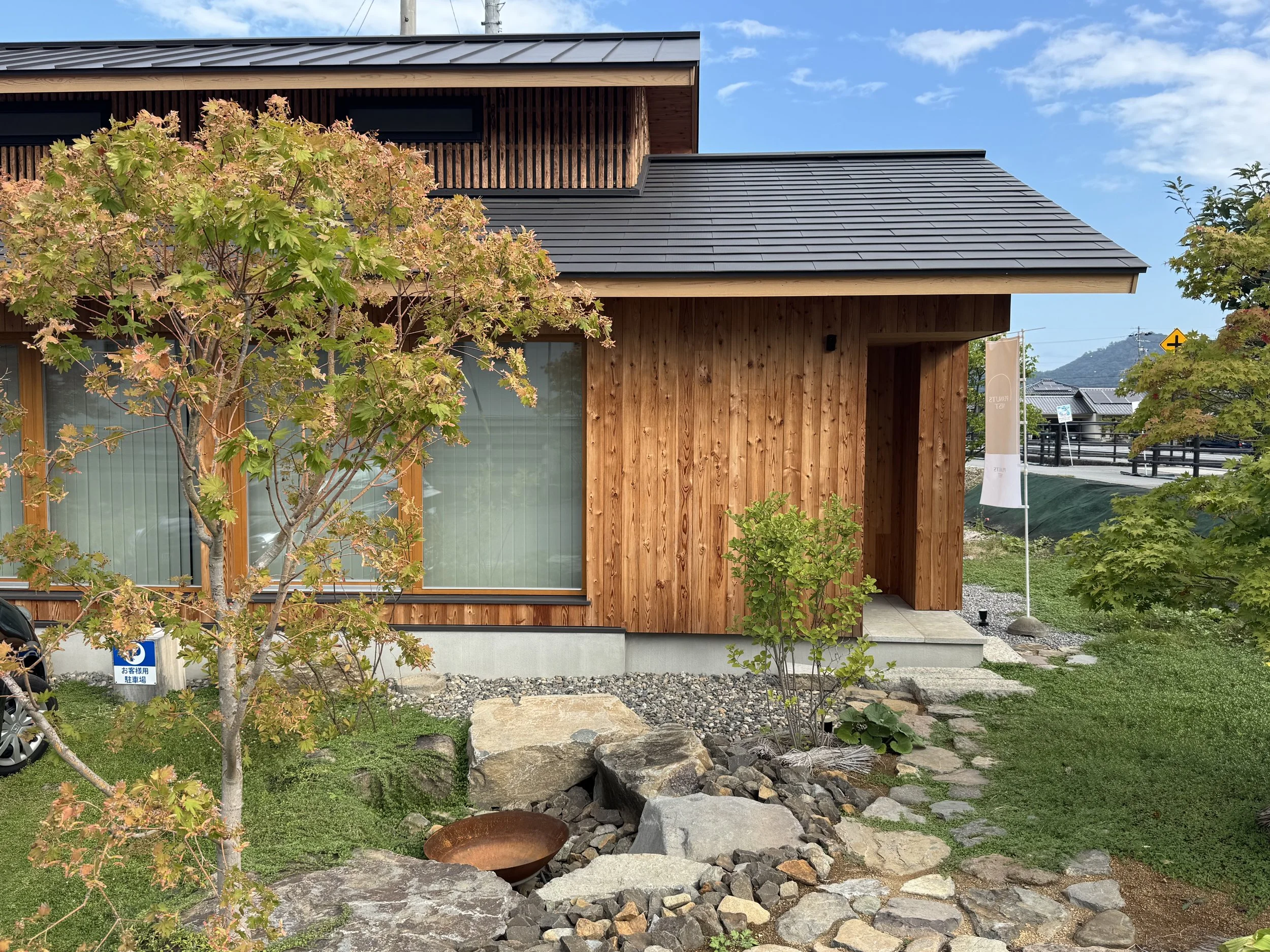
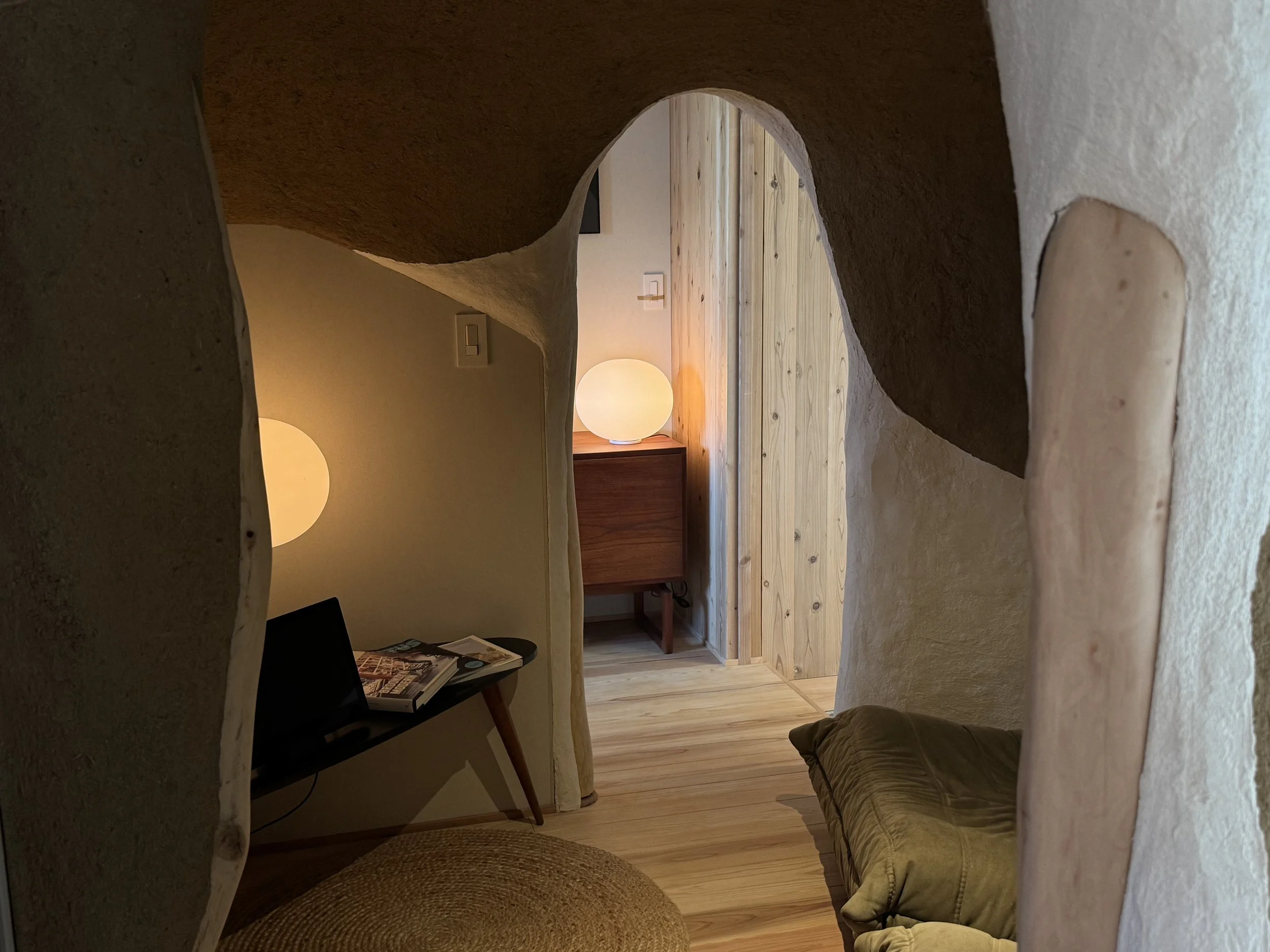
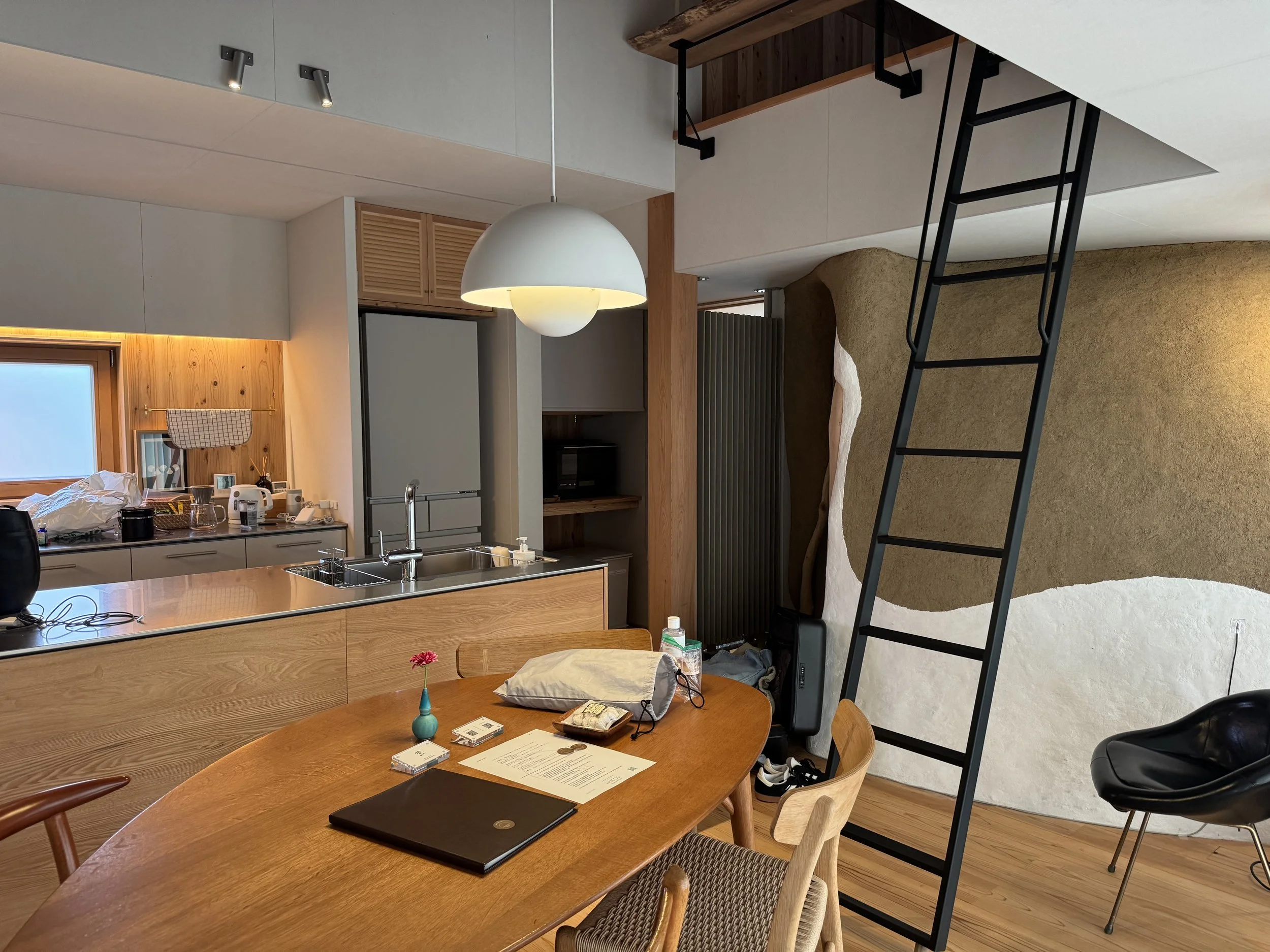
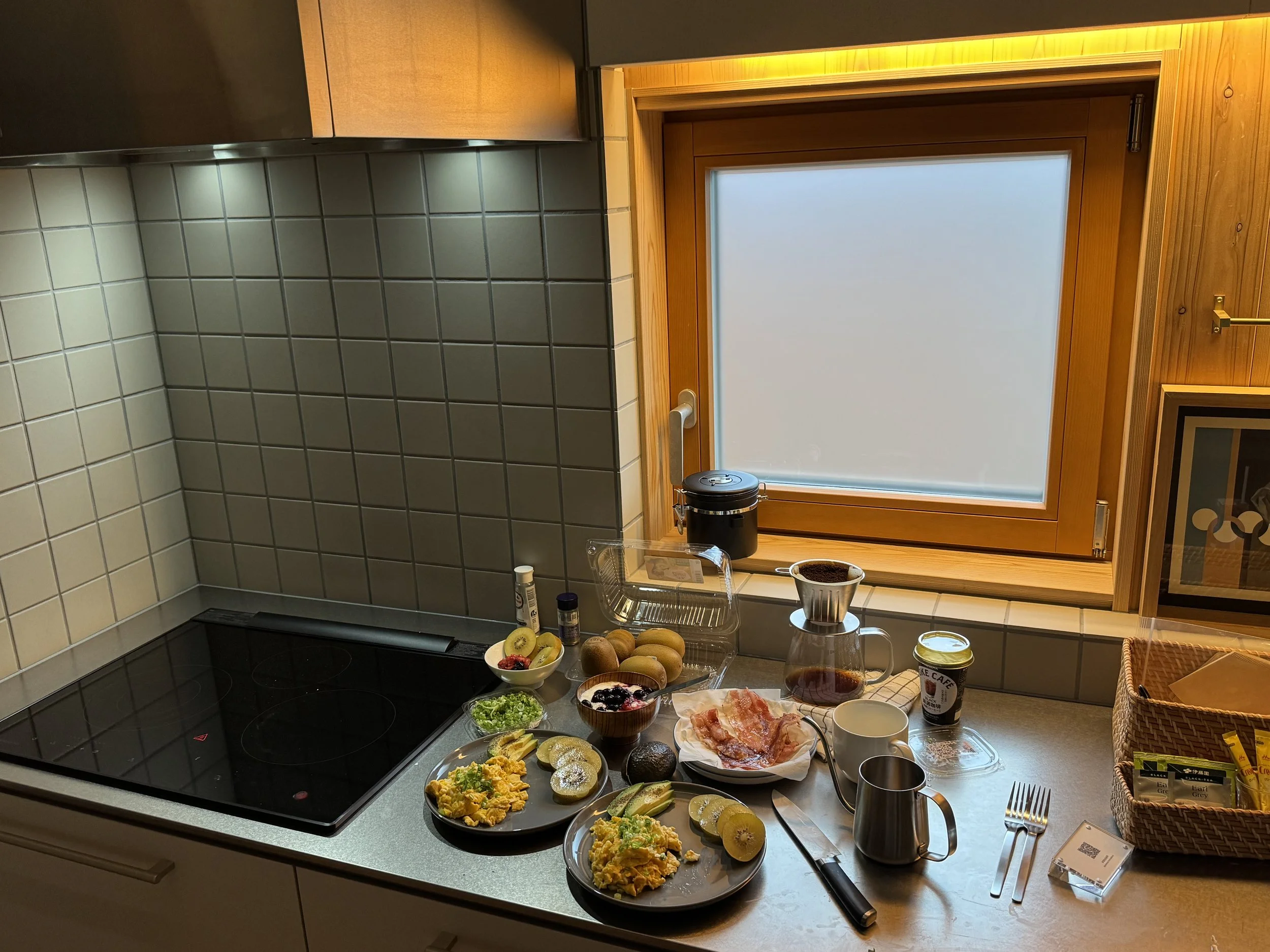
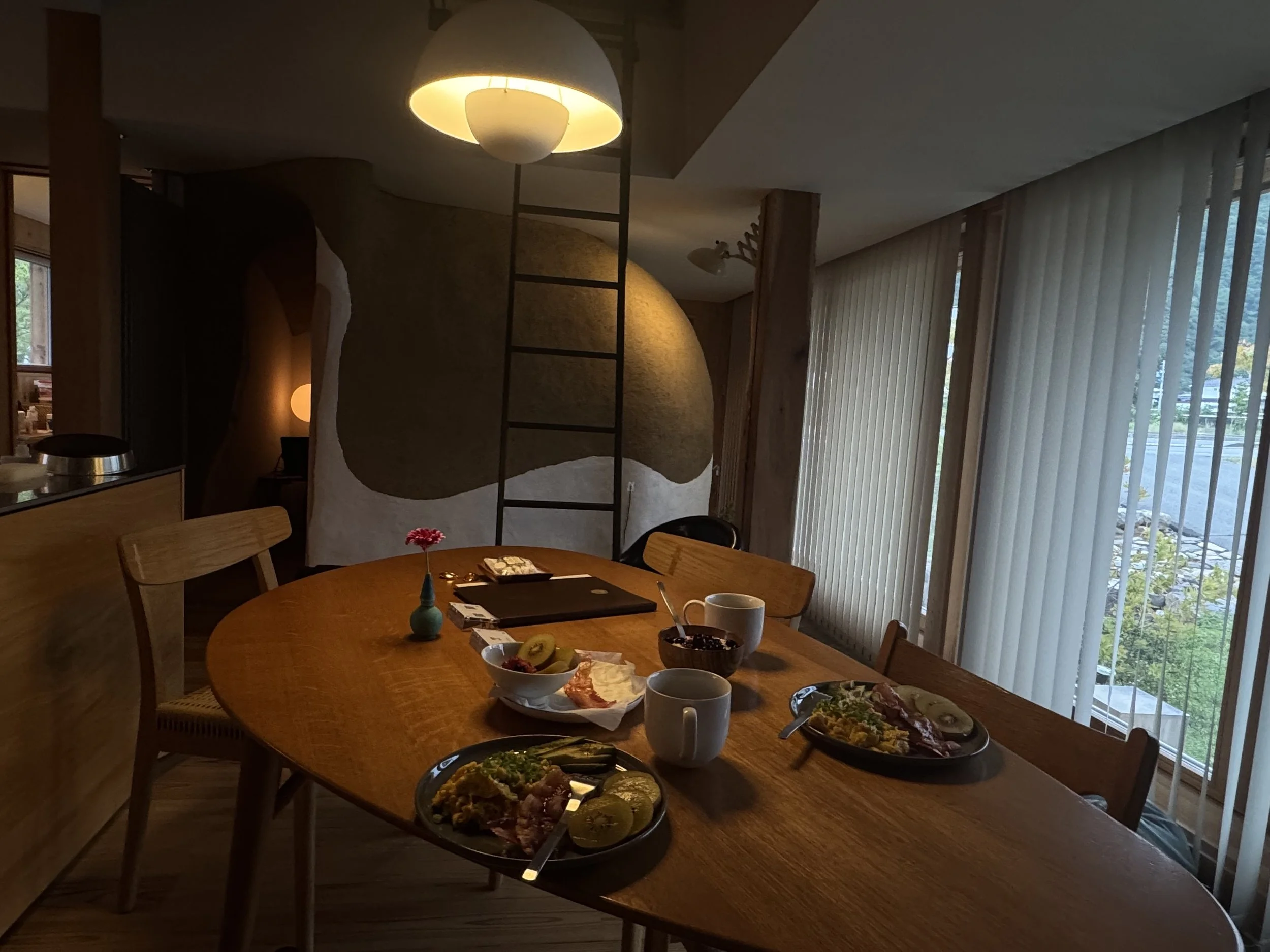
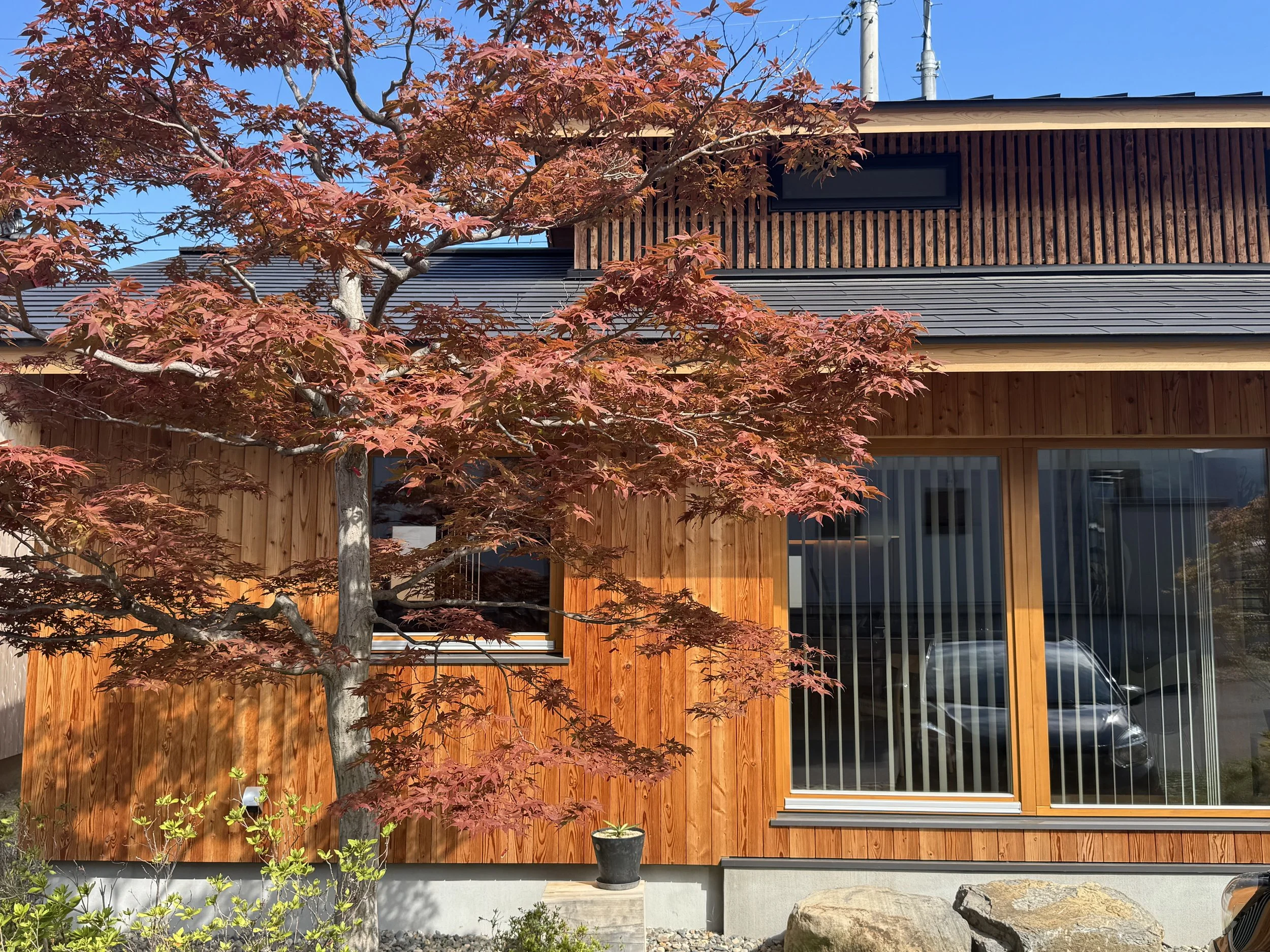
This is an entire house built around an interest of mine: how the materials we live with affect the way a space feels. Peanuts Nest combines earth, stone and wood + vintage Scandinavian furniture. There is an earthen dome for reading or doing very little, plus a large family-sized kitchen for cooking whatever you picked up that day. It sleeps up to four, with a Japanese-style bedroom and additional sleeping space up in the loft. The building uses radiant heating and cooling and its design draws on the materials’ ability to store heat. A particularly interesting stay if you like your architecture with something to investigate - and if you want a quiet, cozy place that feels like home away from home. The proximity to both Karuizawa and Nagano was also incredible and it served as an excellent home base for exploring both areas all in one stay. (Bookable on AirBnB here: https://www.airbnb.com/rooms/1549761499680947751)
An alternative lodging option is Shishi-Iwa House. We did not stay here, but had it on our radar & did cruise by to take a glance for future stays and would recommend it.
If you have ever planned a trip around a building, Shishi-Iwa House makes a compelling case. Its three houses were designed by Pritzker Prize winners Shigeru Ban and Ryue Nishizawa. Before designing the first, Ban had more than 260 trees mapped so the building could curve around them. Nishizawa’s house brings a different approach, with hinoki interiors and interconnected pavilions inspired by traditional teahouses. There is an architecture library to disappear in for awhile and Shola serves Japanese-French cooking using seasonal and local ingredients. If you do decide to stay, I would leave enough time to enjoy the buildings themselves, as they are a substantial part of the reason to come. The architecture has been featured widely from local publications to Vogue Japan.
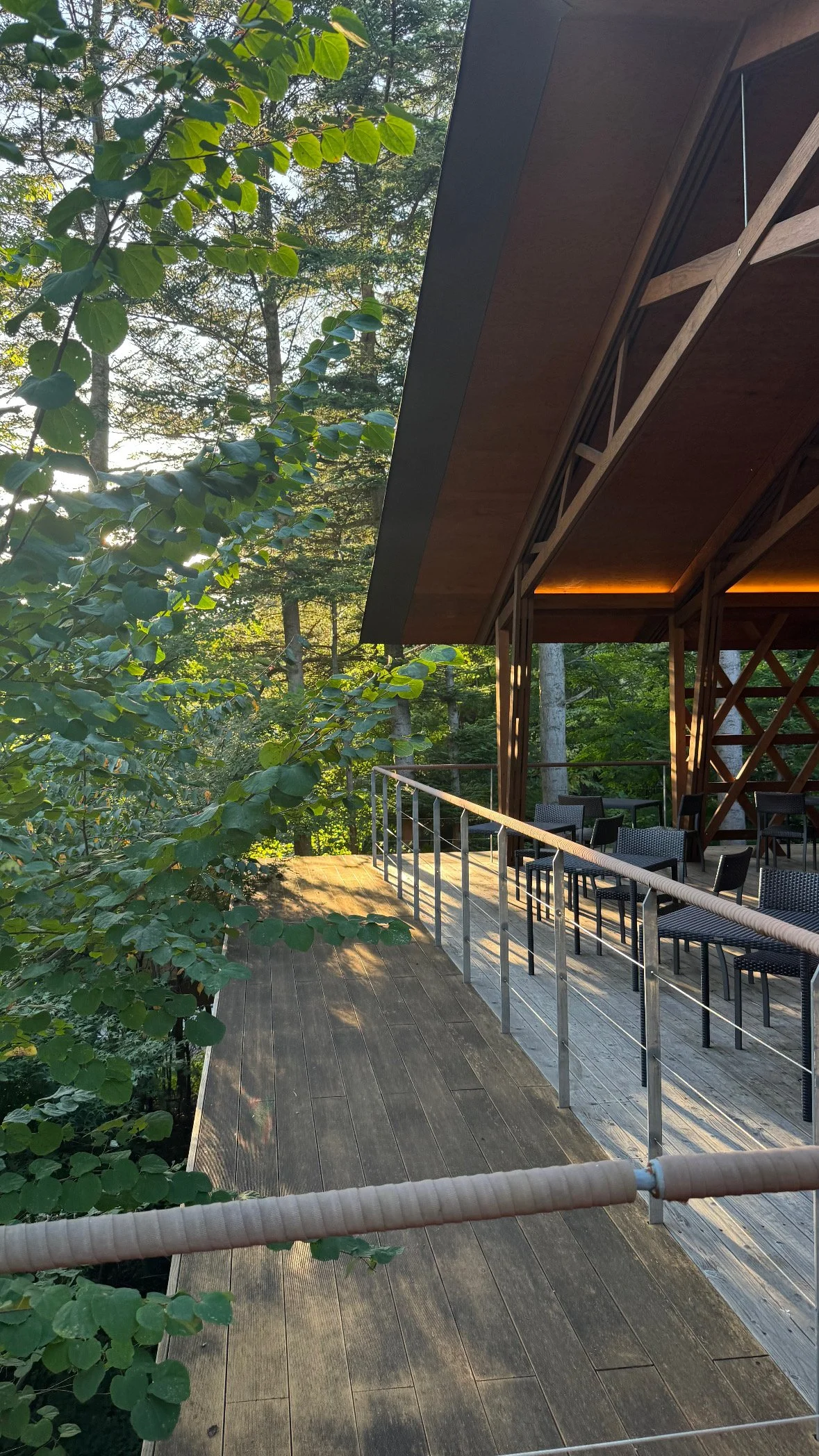
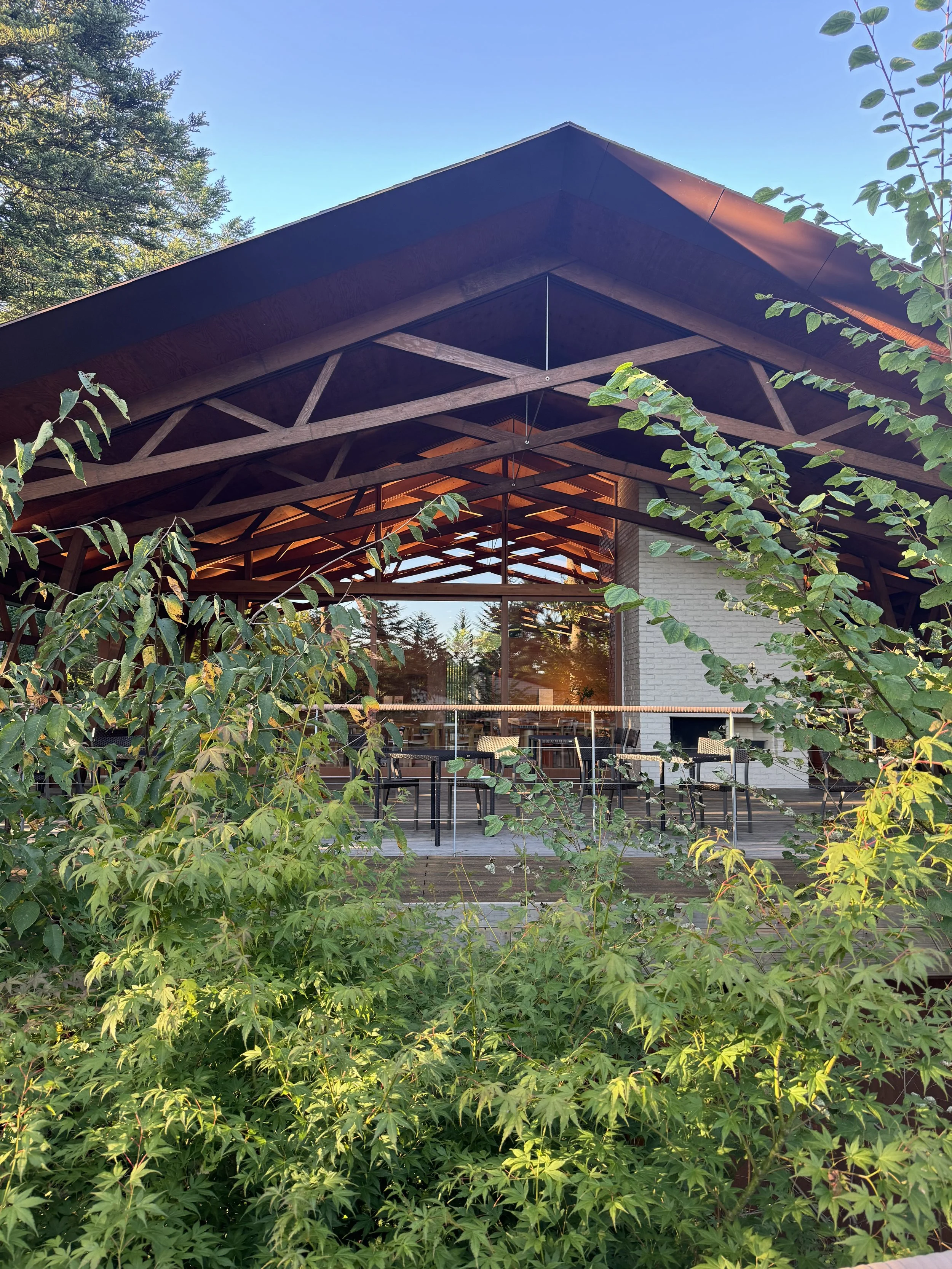
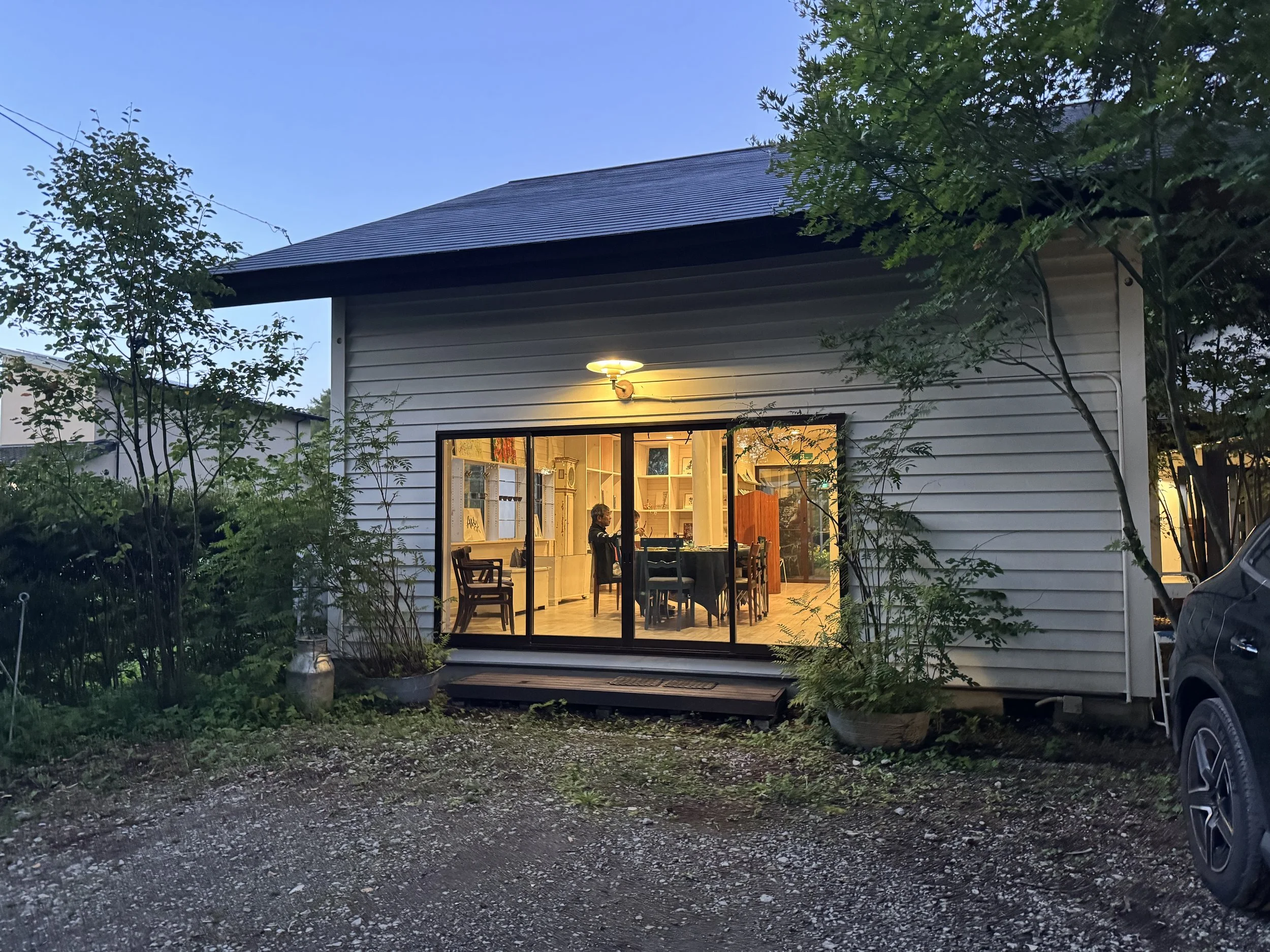
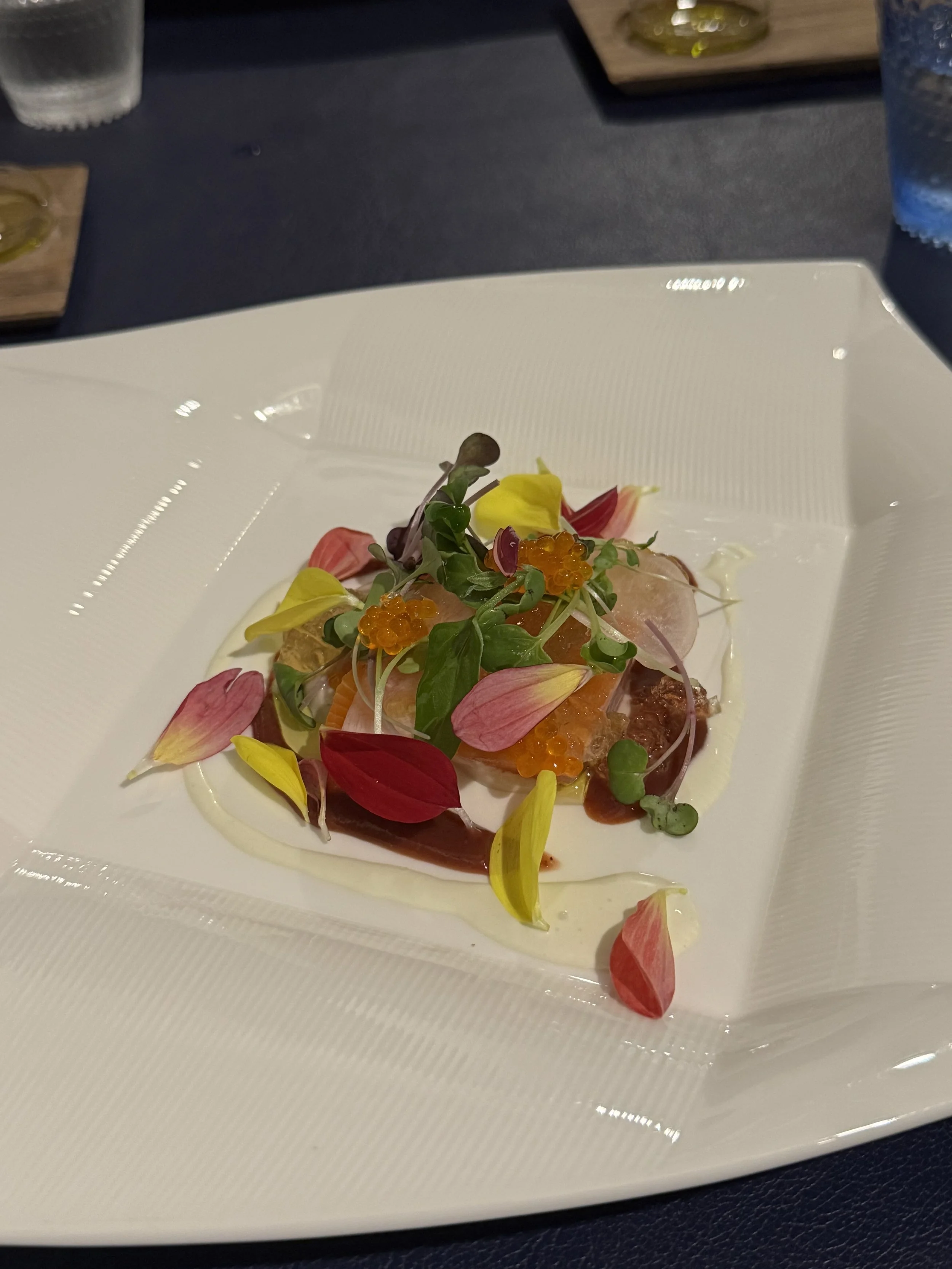
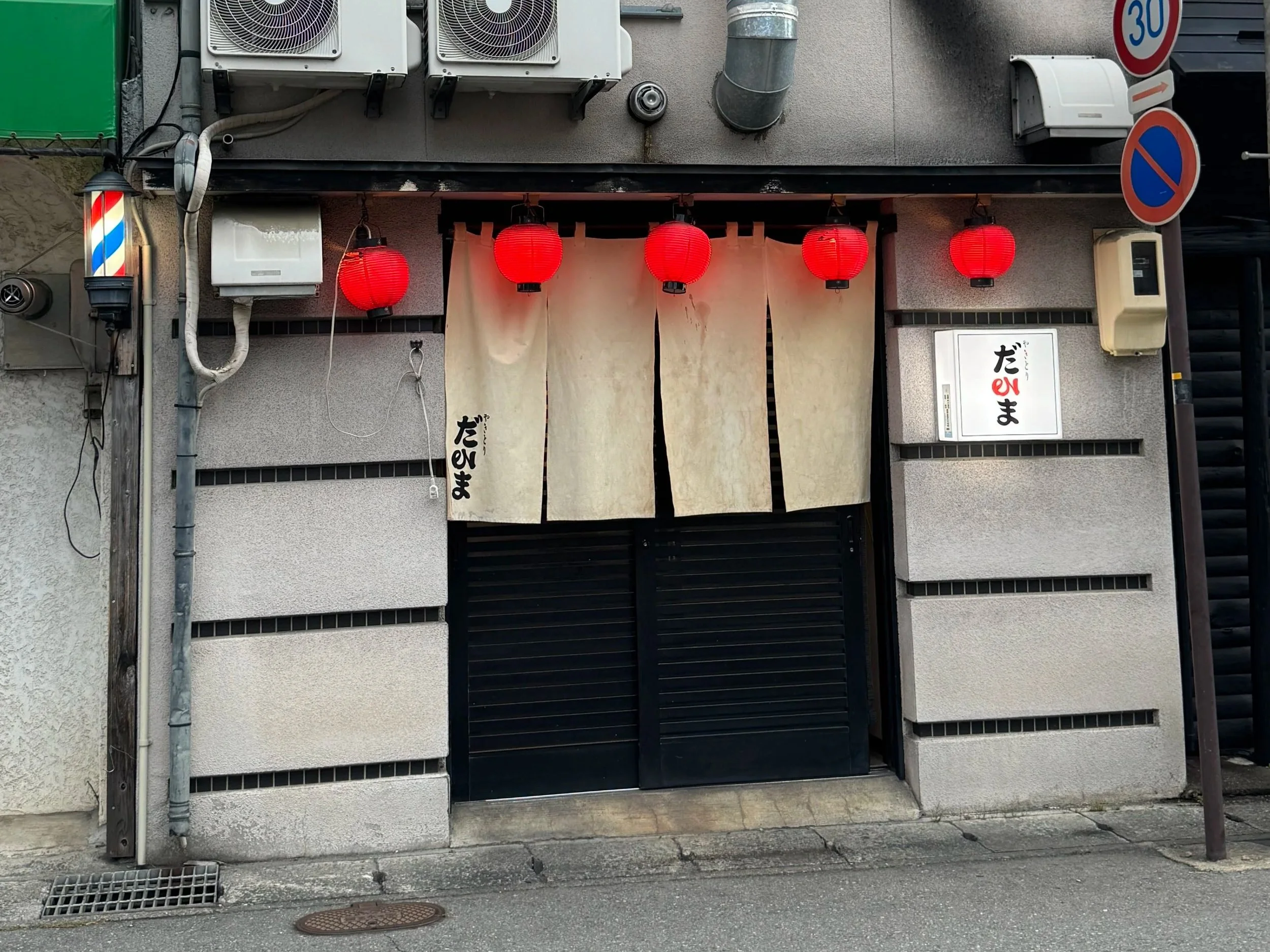
Where to Eat/Drink: We were mostly passing through to quickly scout out this region so are short on actual restaurant recommendations, but a farm dinner at Ristorante L’ombra was our top and favorite find for the area. There’s also plenty additional to explore in Karuizawa and Nagano (including great yakitori options like the one we popped into!) if you have the time, but this is a great place to start.
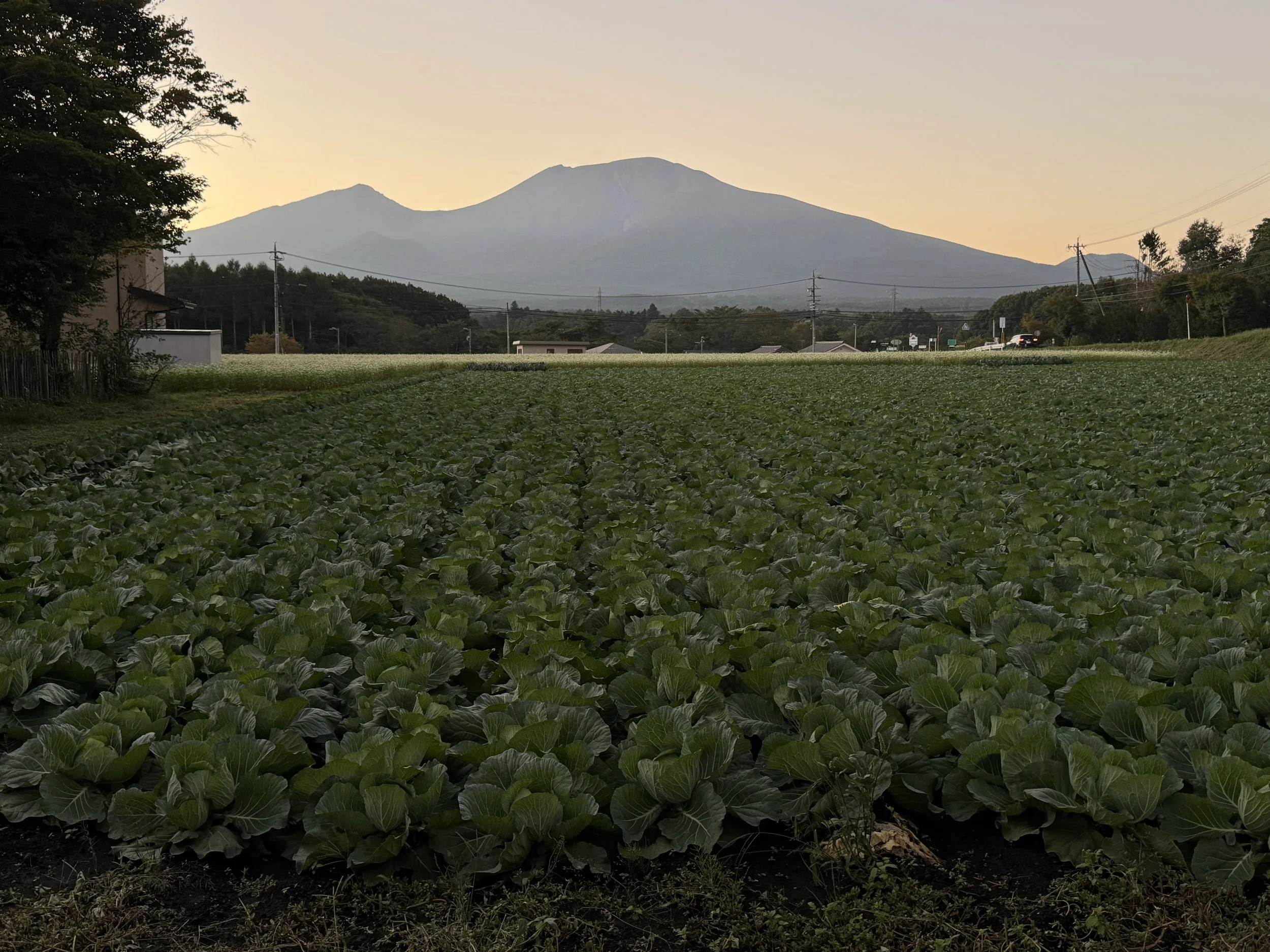
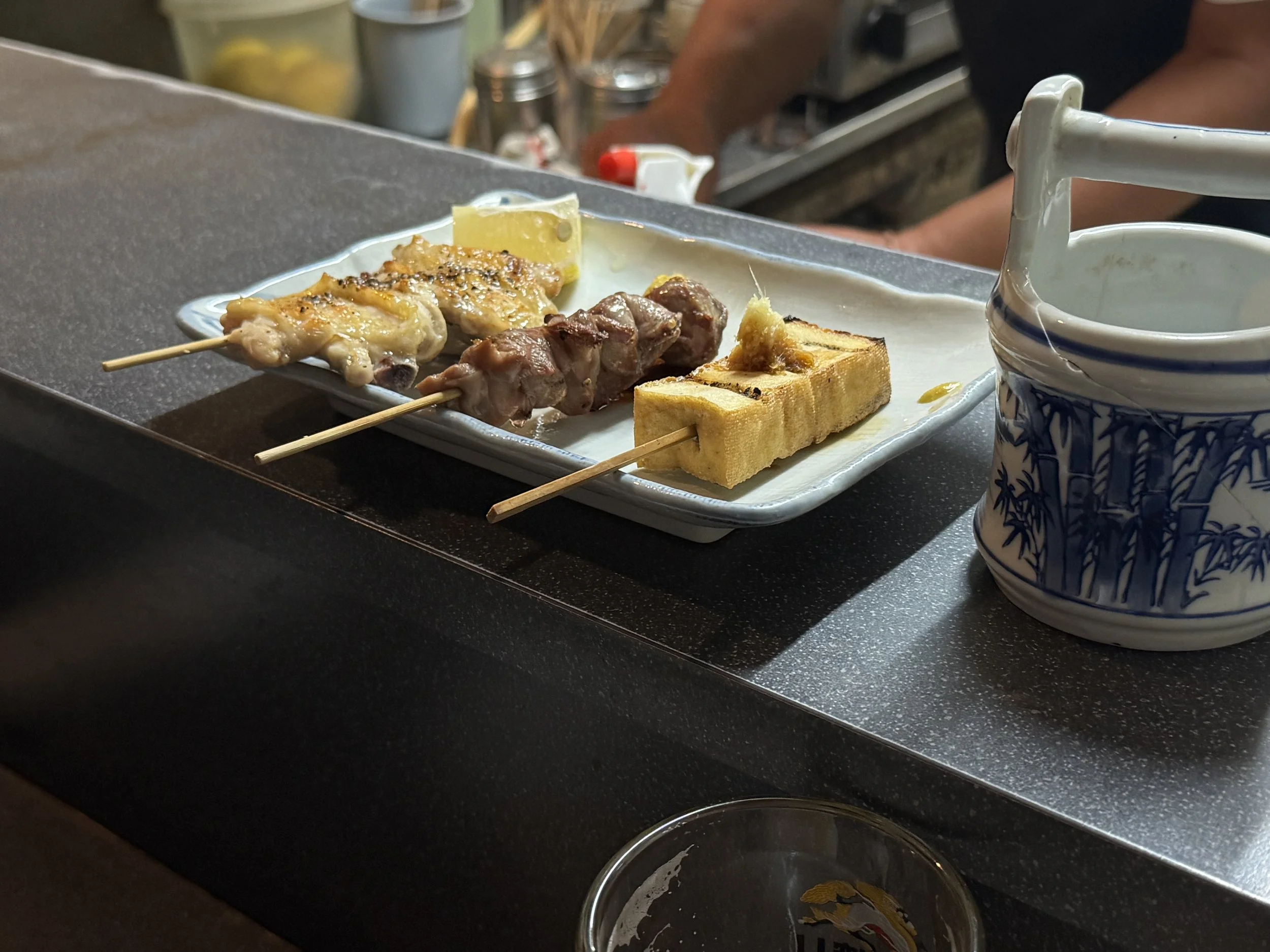
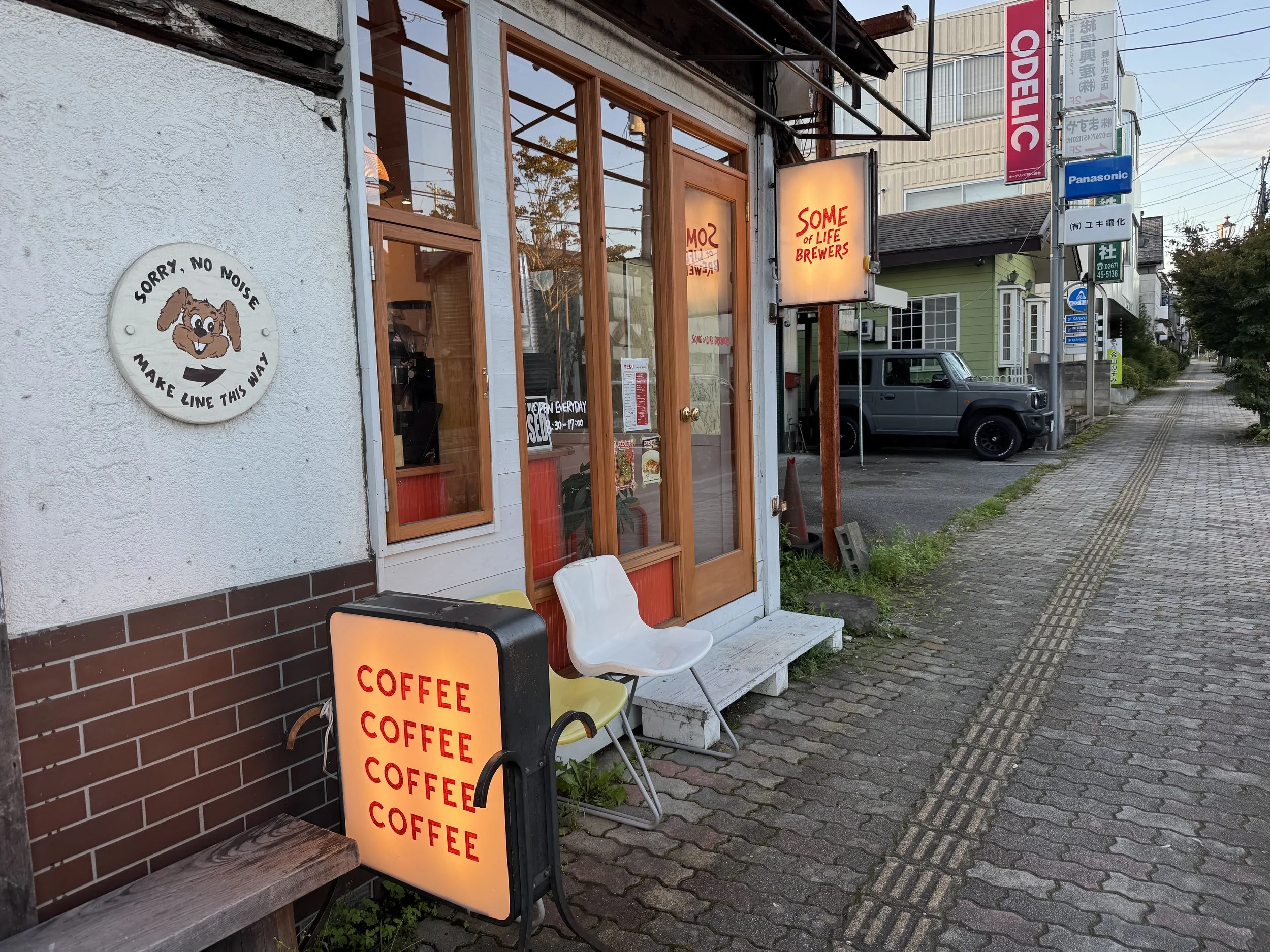
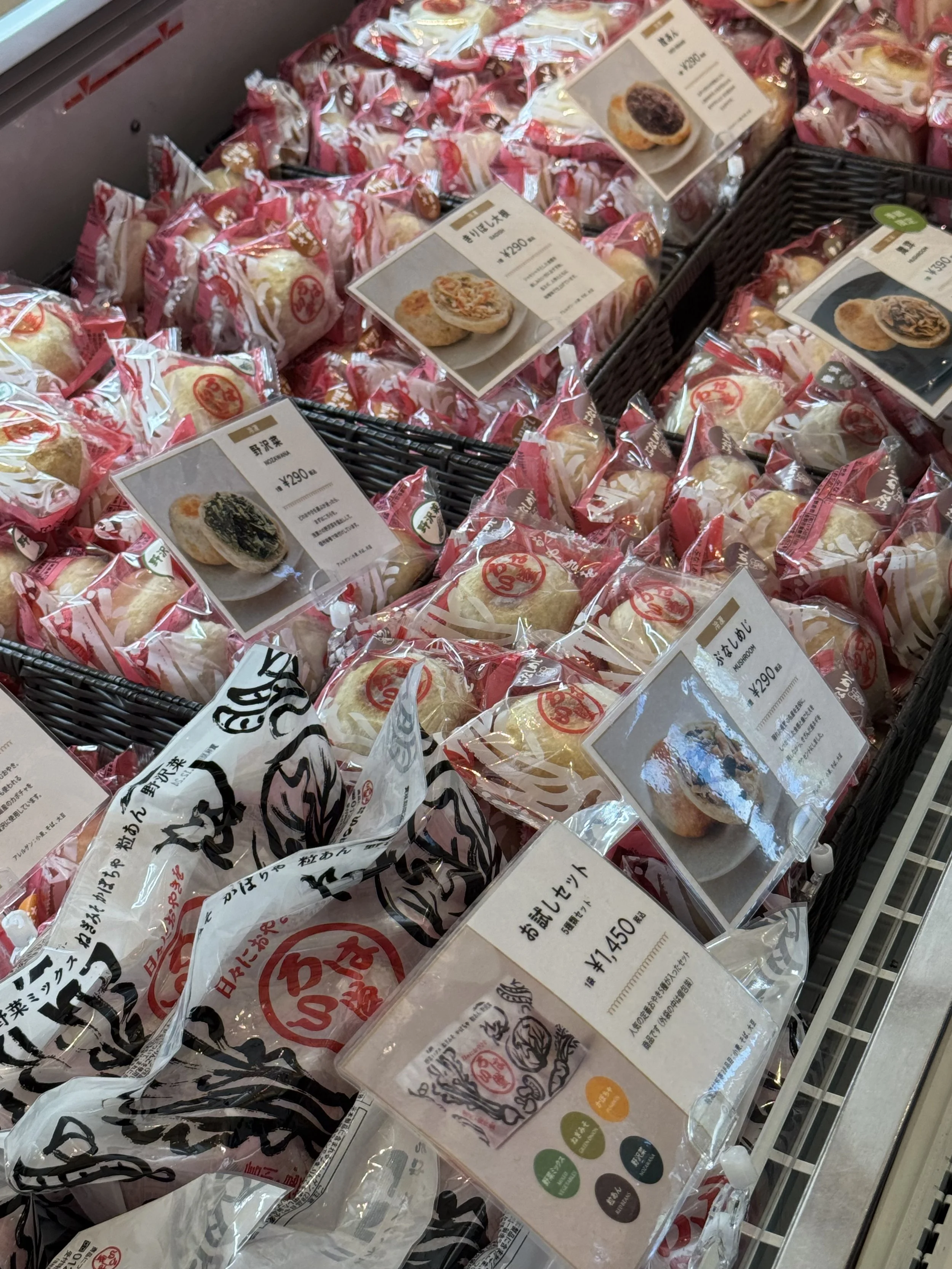
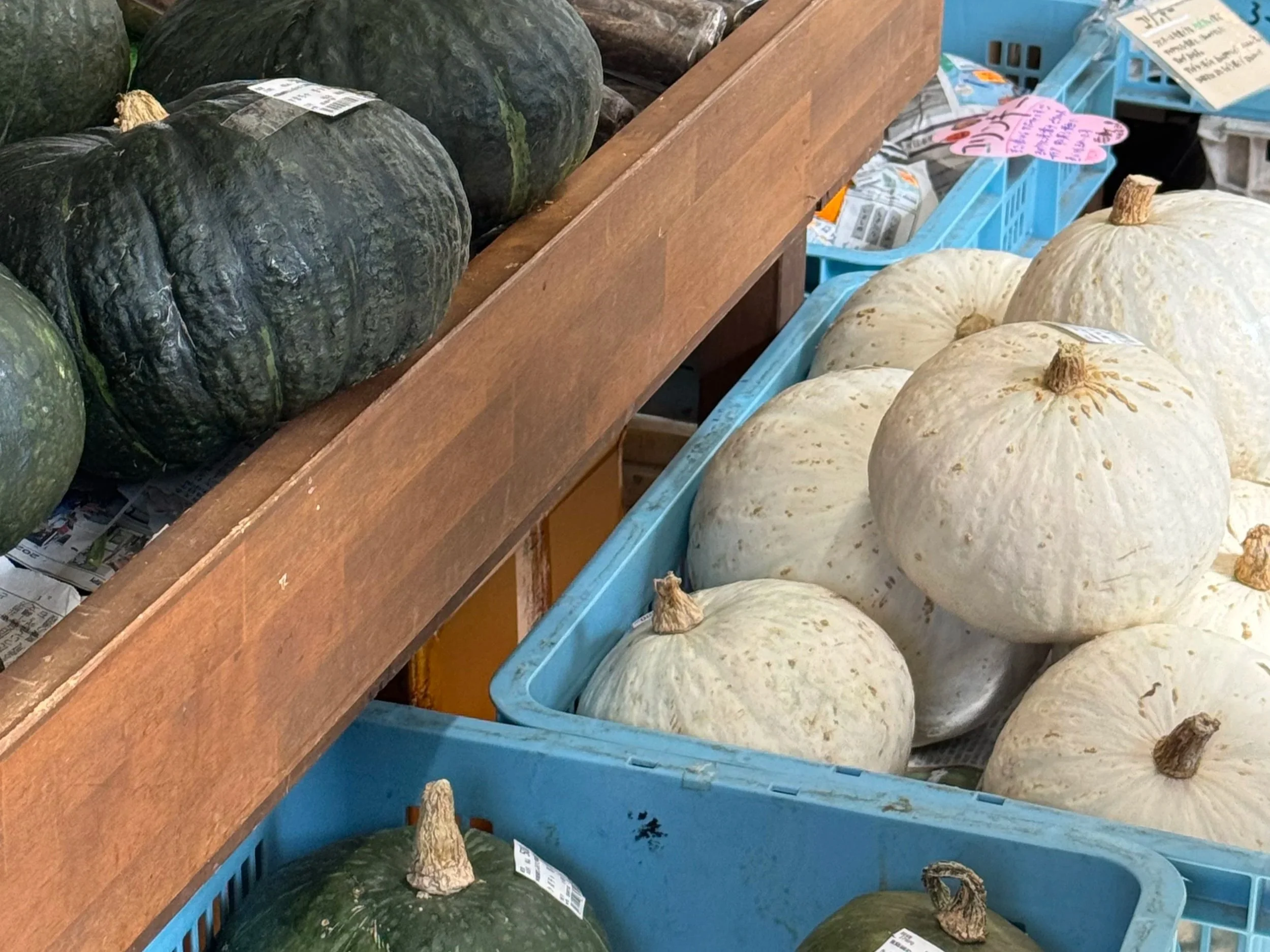
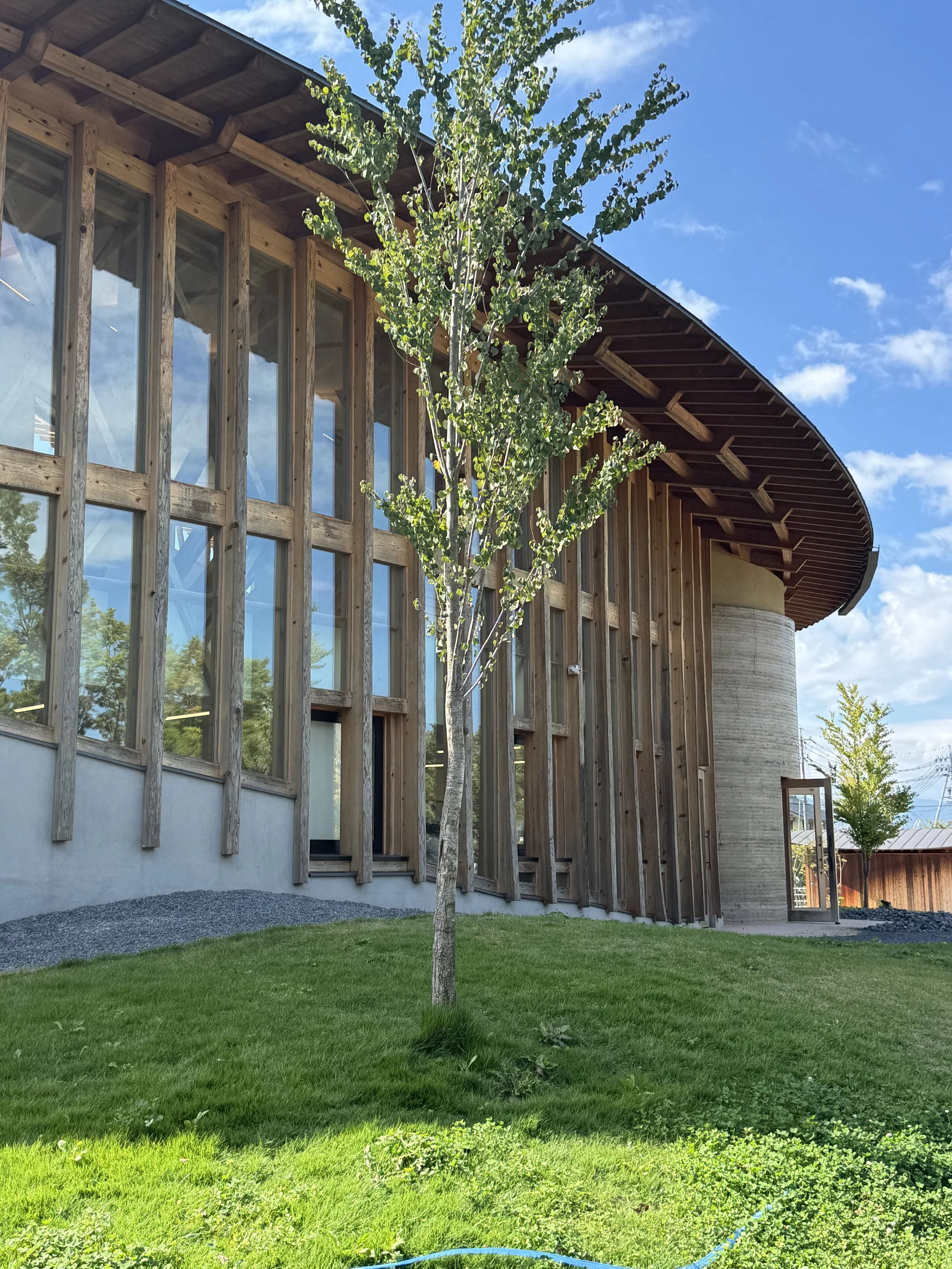
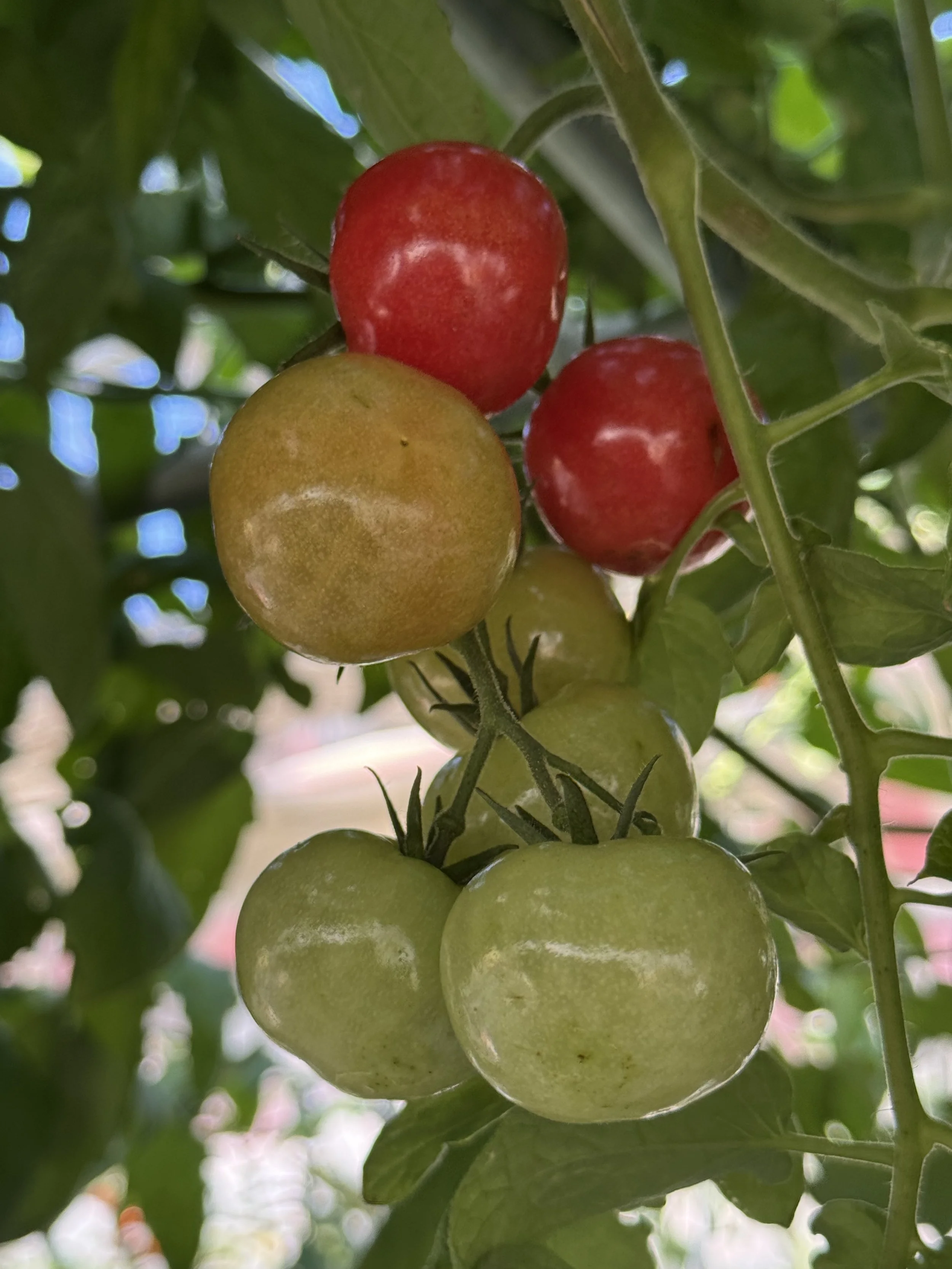
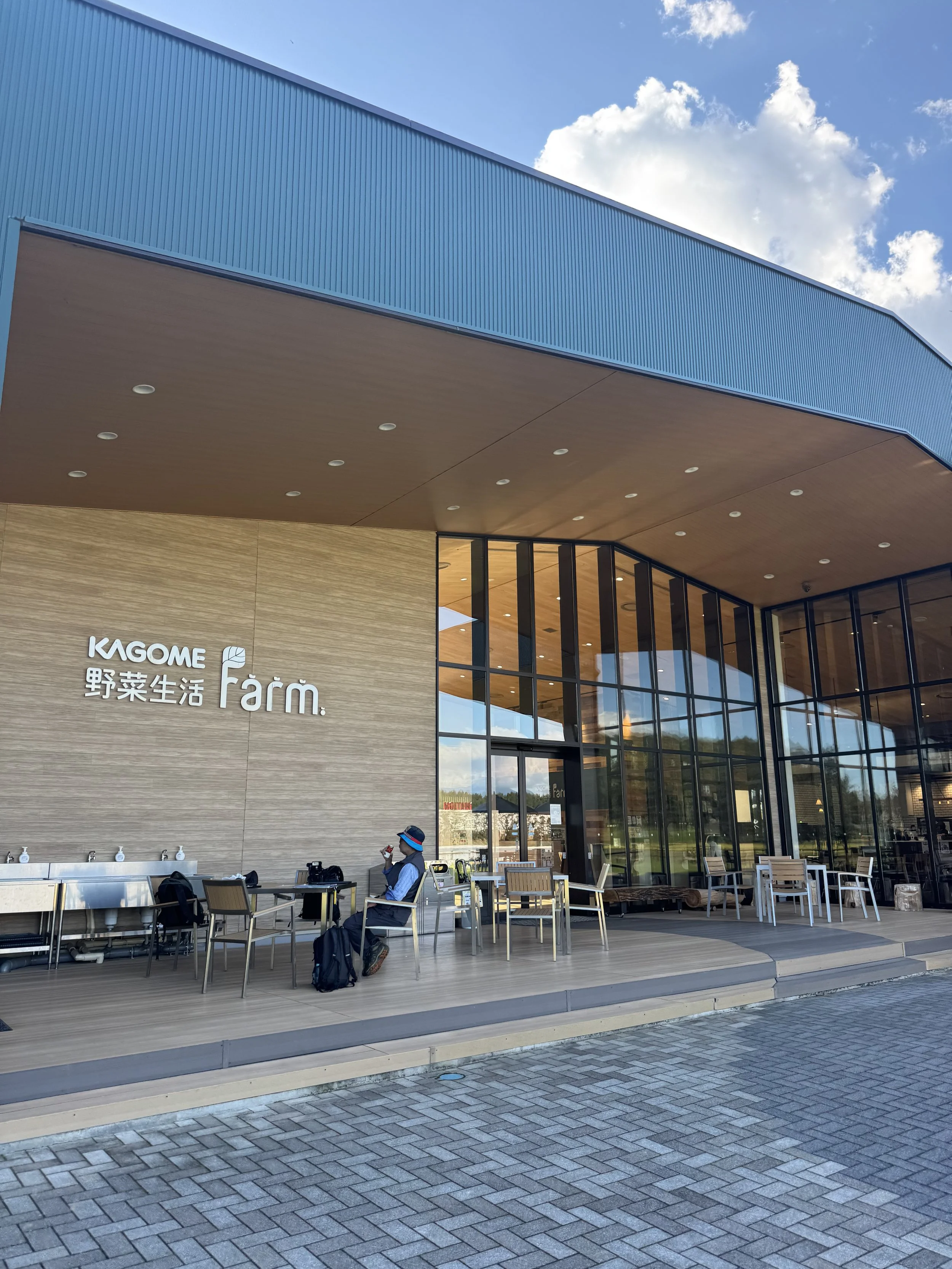
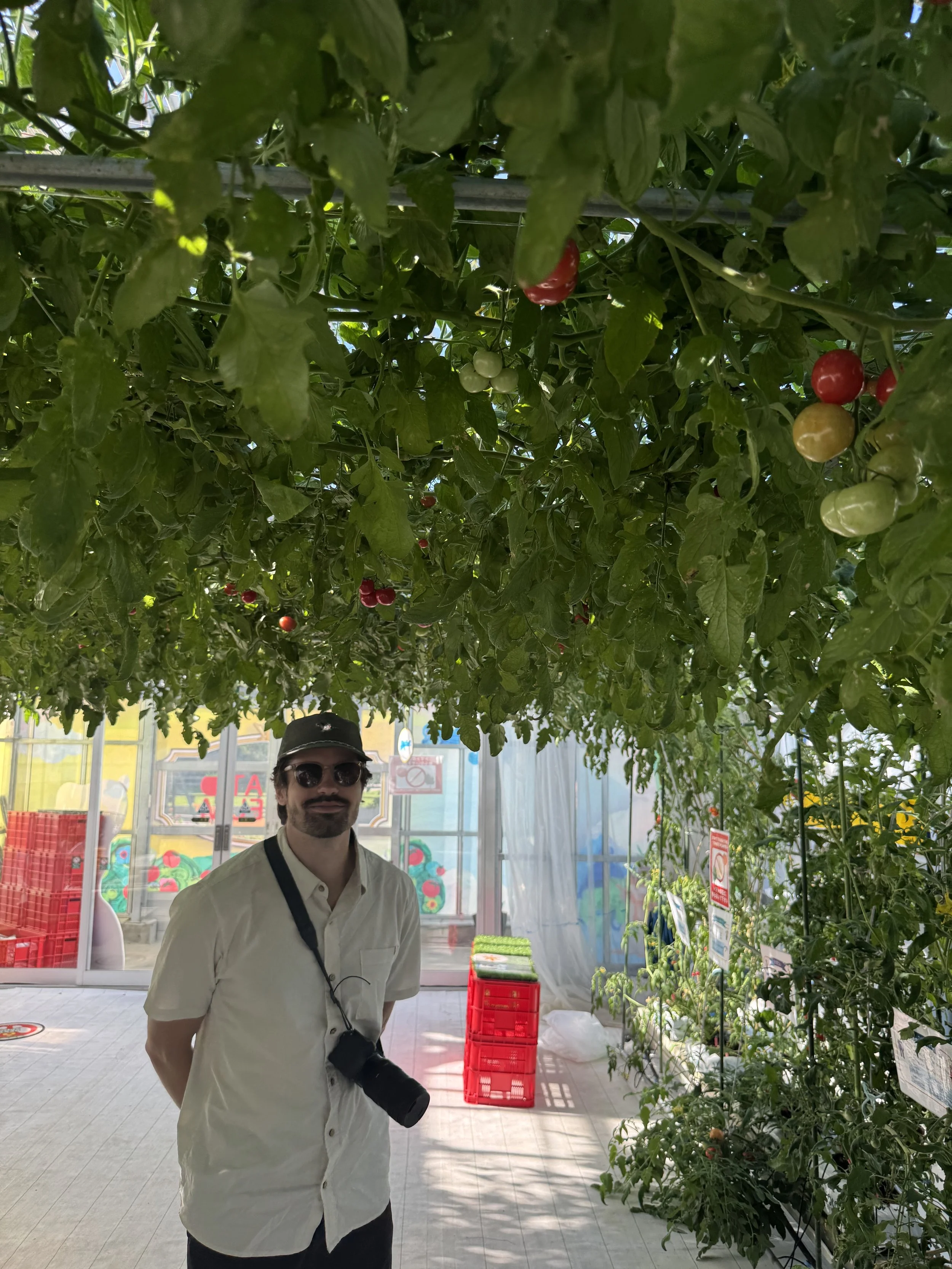
Things to Do: Give yourself time to browse Karuizawa’s smaller shops and stop for coffee before heading into the countryside. Walk around Kumoba Pond, where the trees reflect beautifully in the water particularly as the seasons change in the fall. Visit Shiraito Falls for its wide curtain of spring-fed water. Harunire Terrace is another lovely stop, with shops and restaurants connected by wooden walkways beside the trees. Beyond Karuizawa, leave time for country roads and farm stands, where the produce is an excellent entryway into what grows in Nagano. Further southwest, Kagome Yasai Seikatsu Farm in Fujimi offers seasonal vegetable harvesting and a tomato greenhouse, with factory tours available by reservation. Stay for lunch at IL FAGGIO, its Italian restaurant serving veggie focused dishes and wood-fired pizza. On a separate outing toward Nagano City, visit OYAKI FARM by Irohado to try oyaki, the region’s filled dumplings. The building itself is an architectural masterpiece, made of local wood and earth. The complex combines a working production facility with a shop and cafe, so its as interestinig for the behind the scenes architecture and production as it is the food. I’d say its smart to treat these as stops across a wider Nagano road trip, with enough time between each stop to pull over whenever a little bakery or farm shop catches your eye.
MATSUMOTO
This was a swing through town for us, so we don’t have all of the accommodations scoped out. I’m also not sure you can’t cover it in an afternoon as more of a drive by destination, so will leave it at that. With that said, Matsumoto is an easy place to spend an afternoon on foot, with a castle to anchor the visit and plenty of smaller streets to explore afterward.
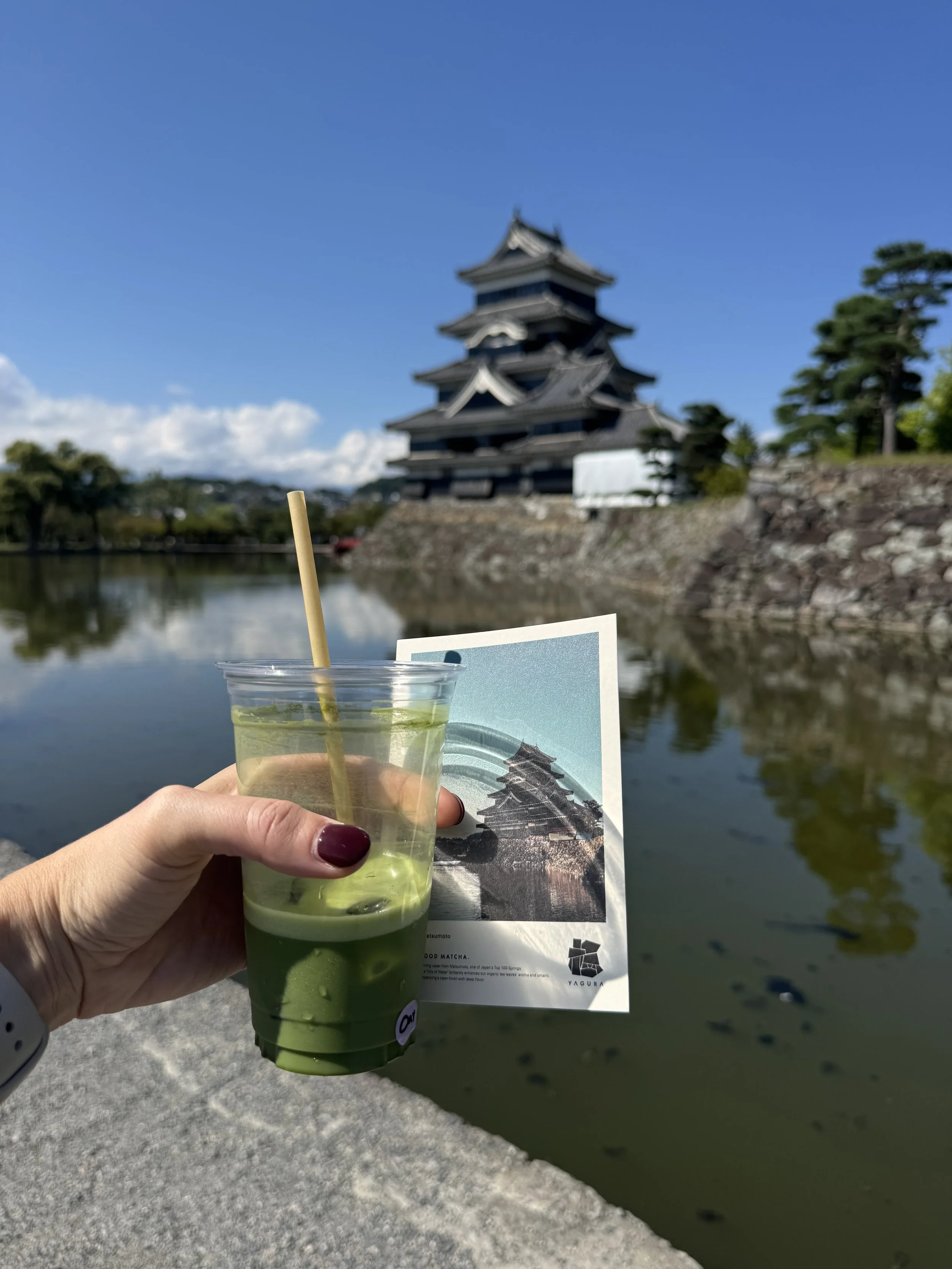
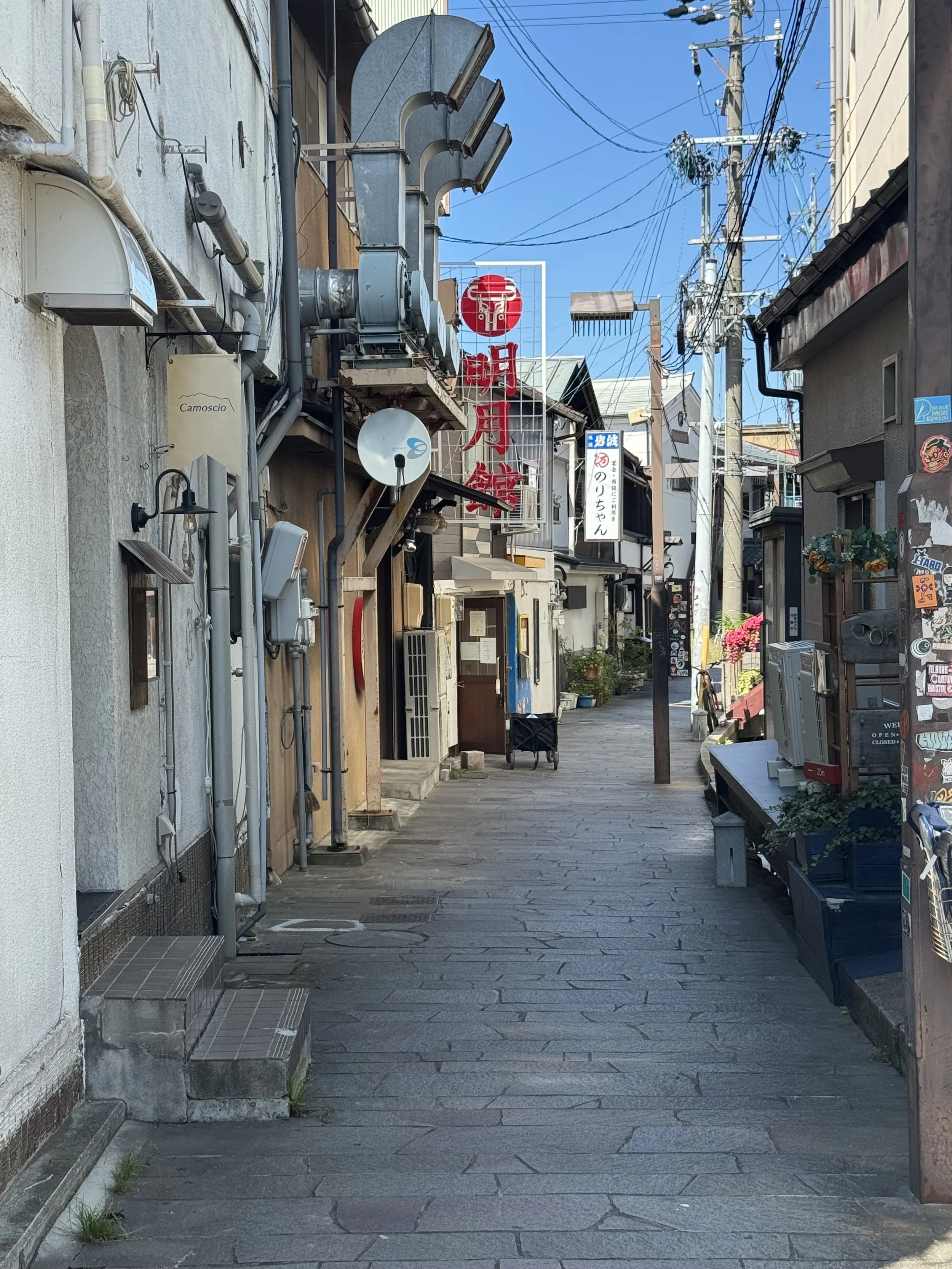
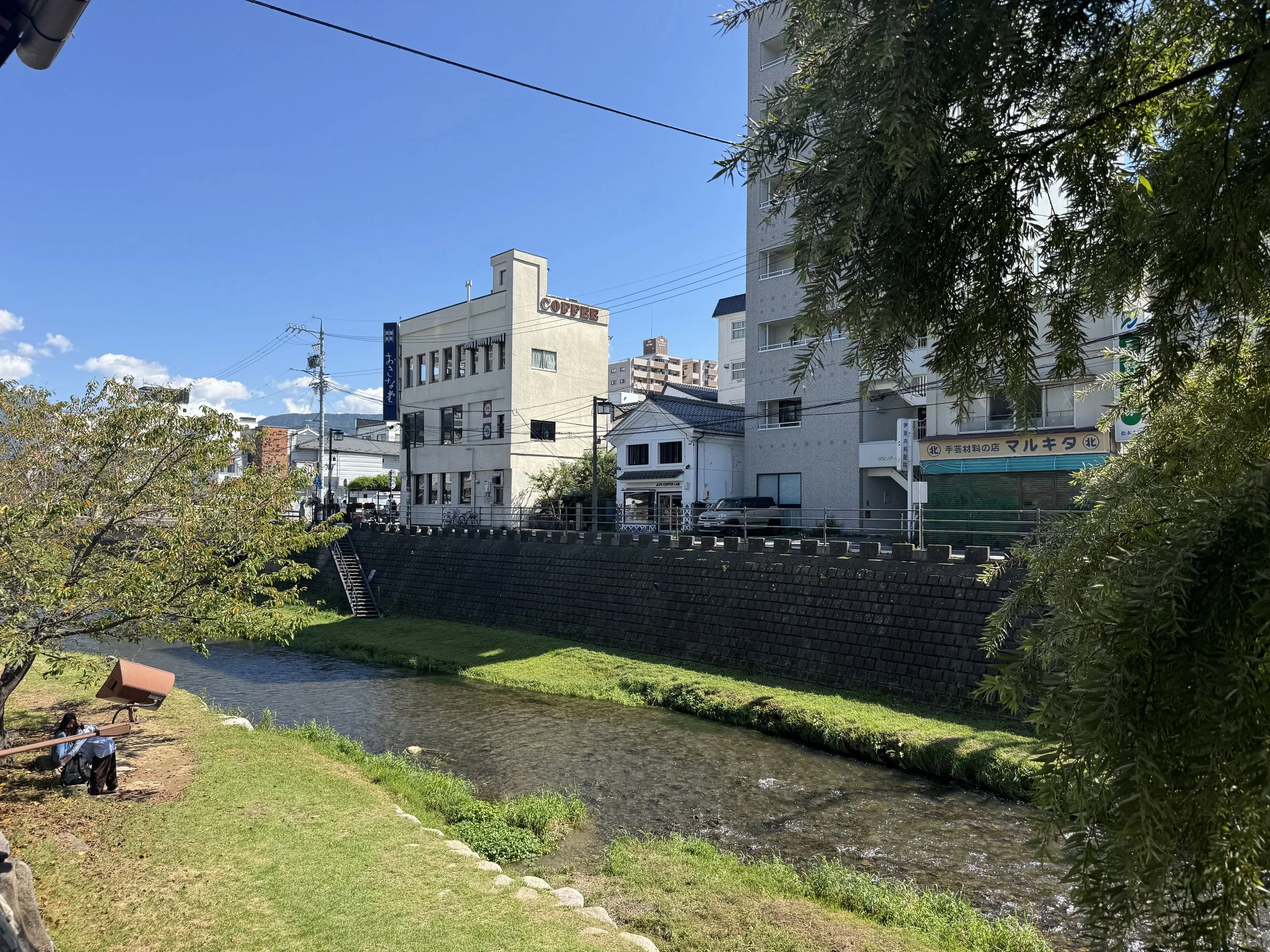
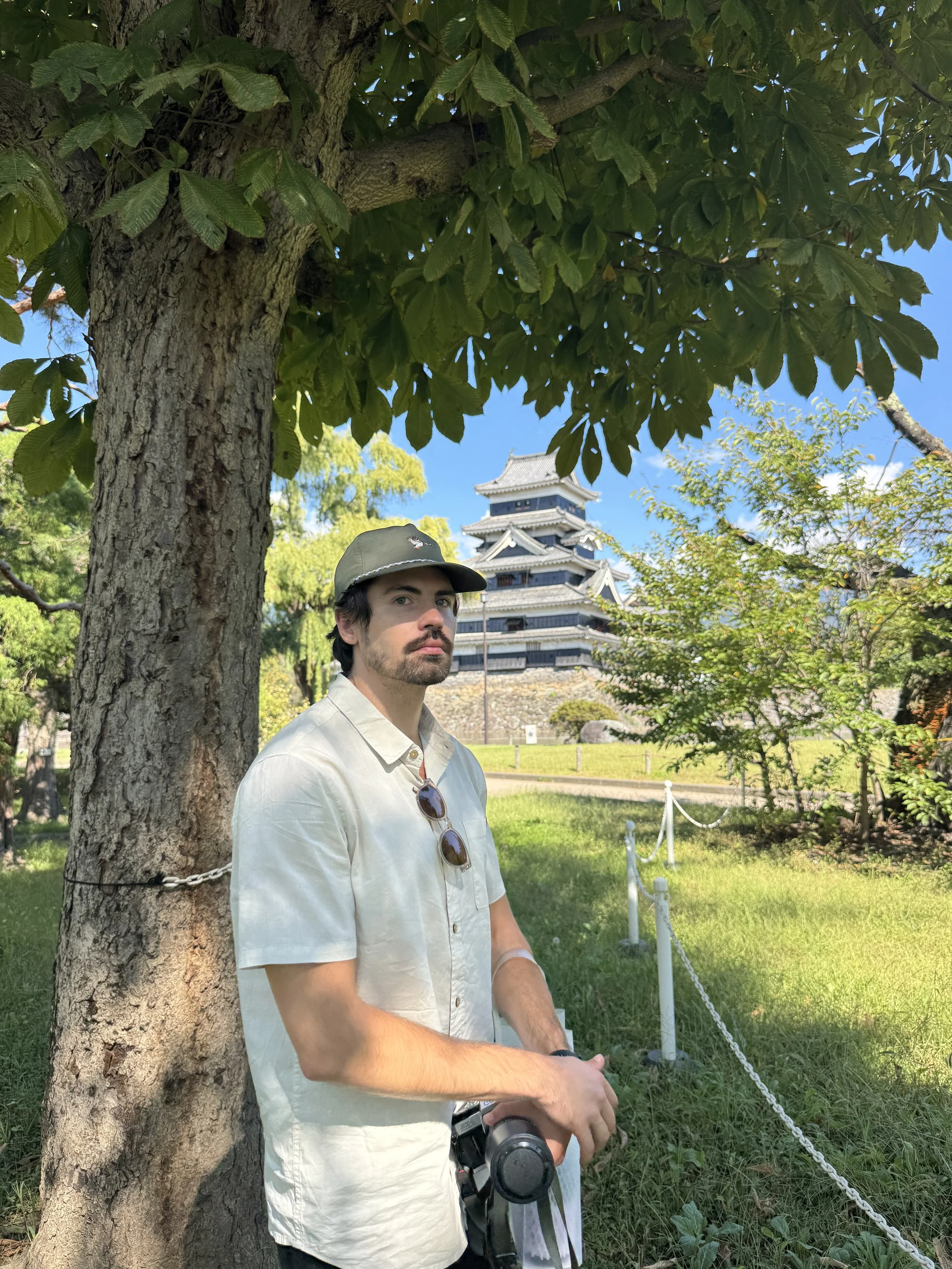
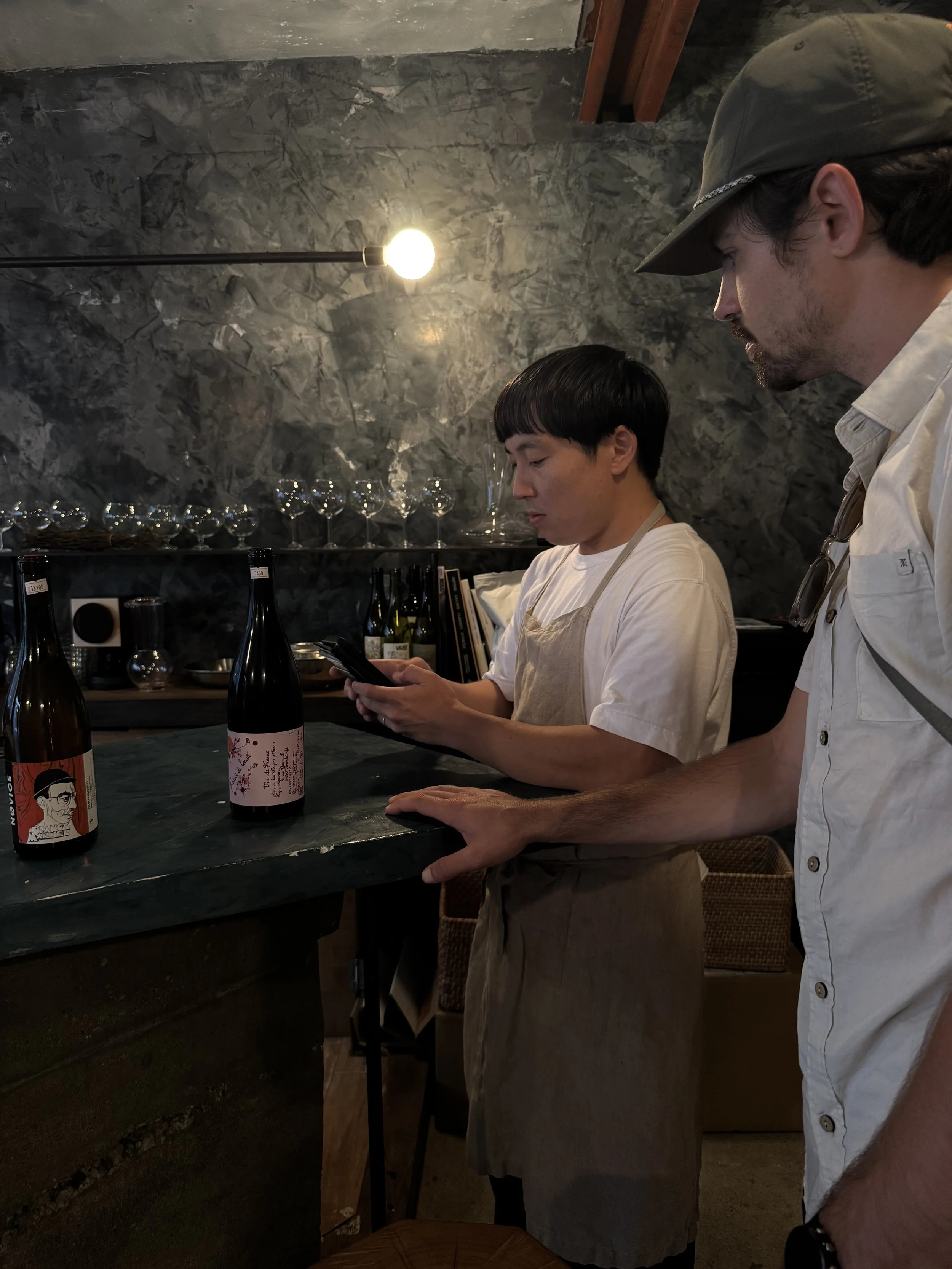
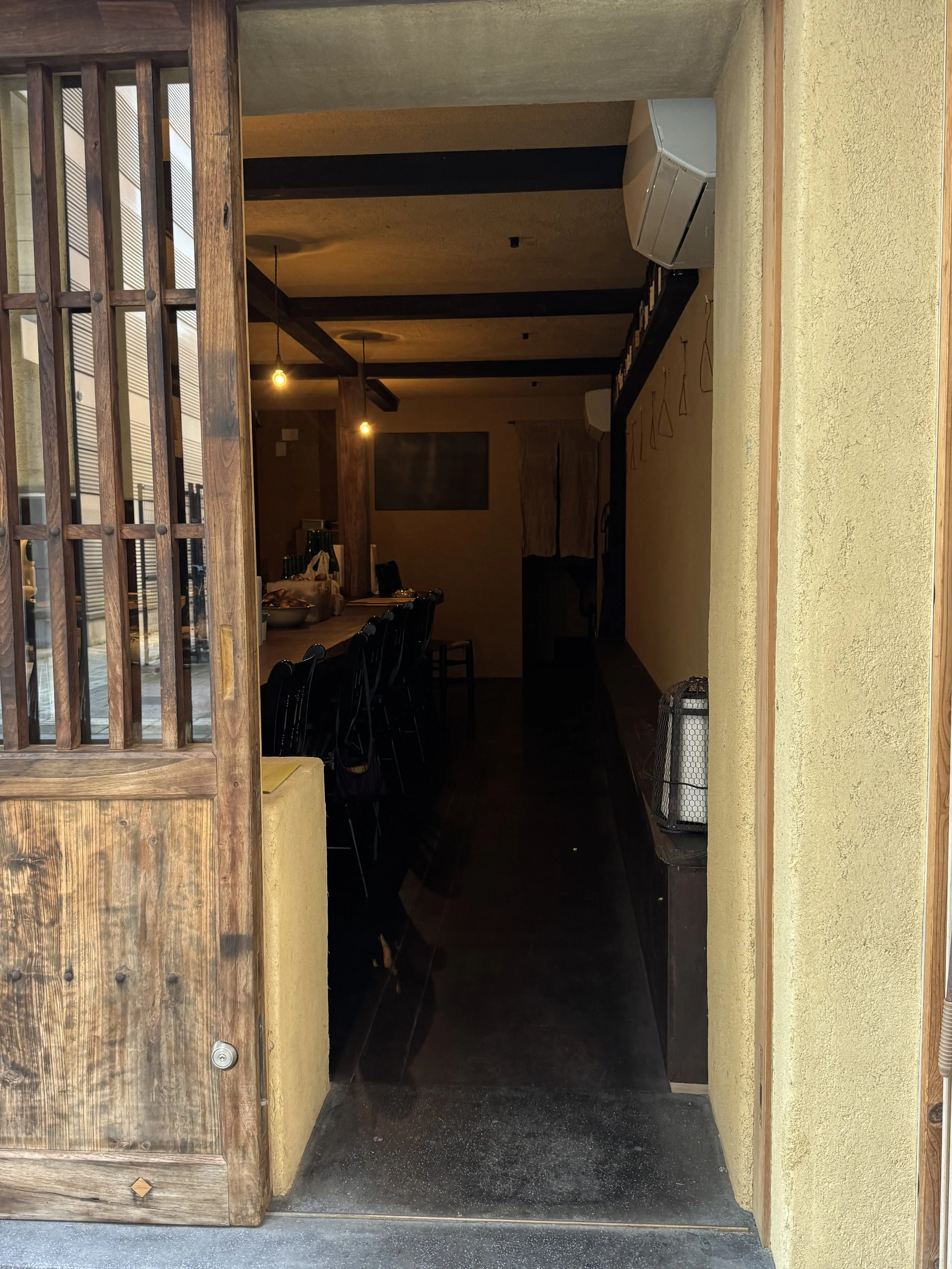
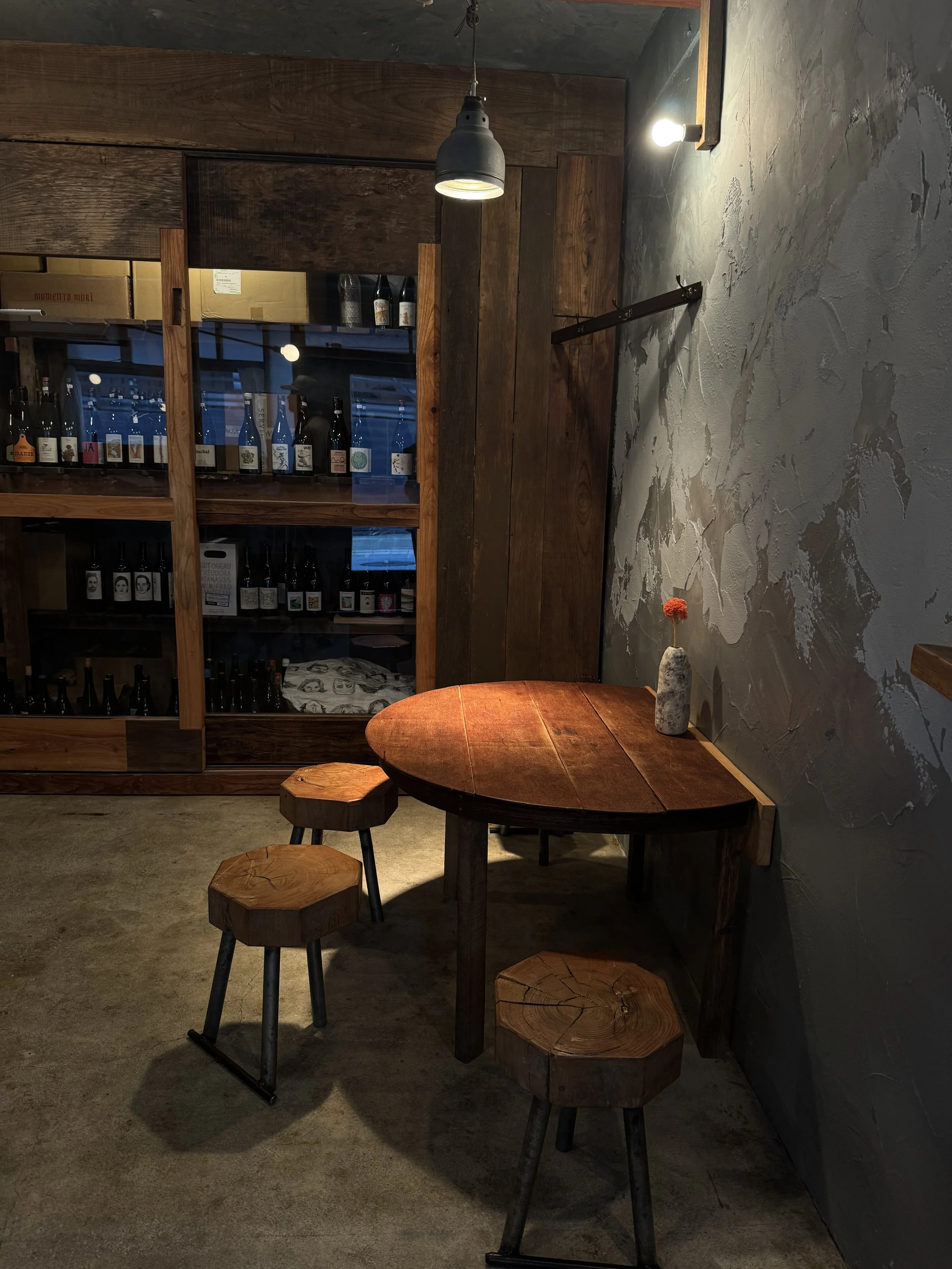
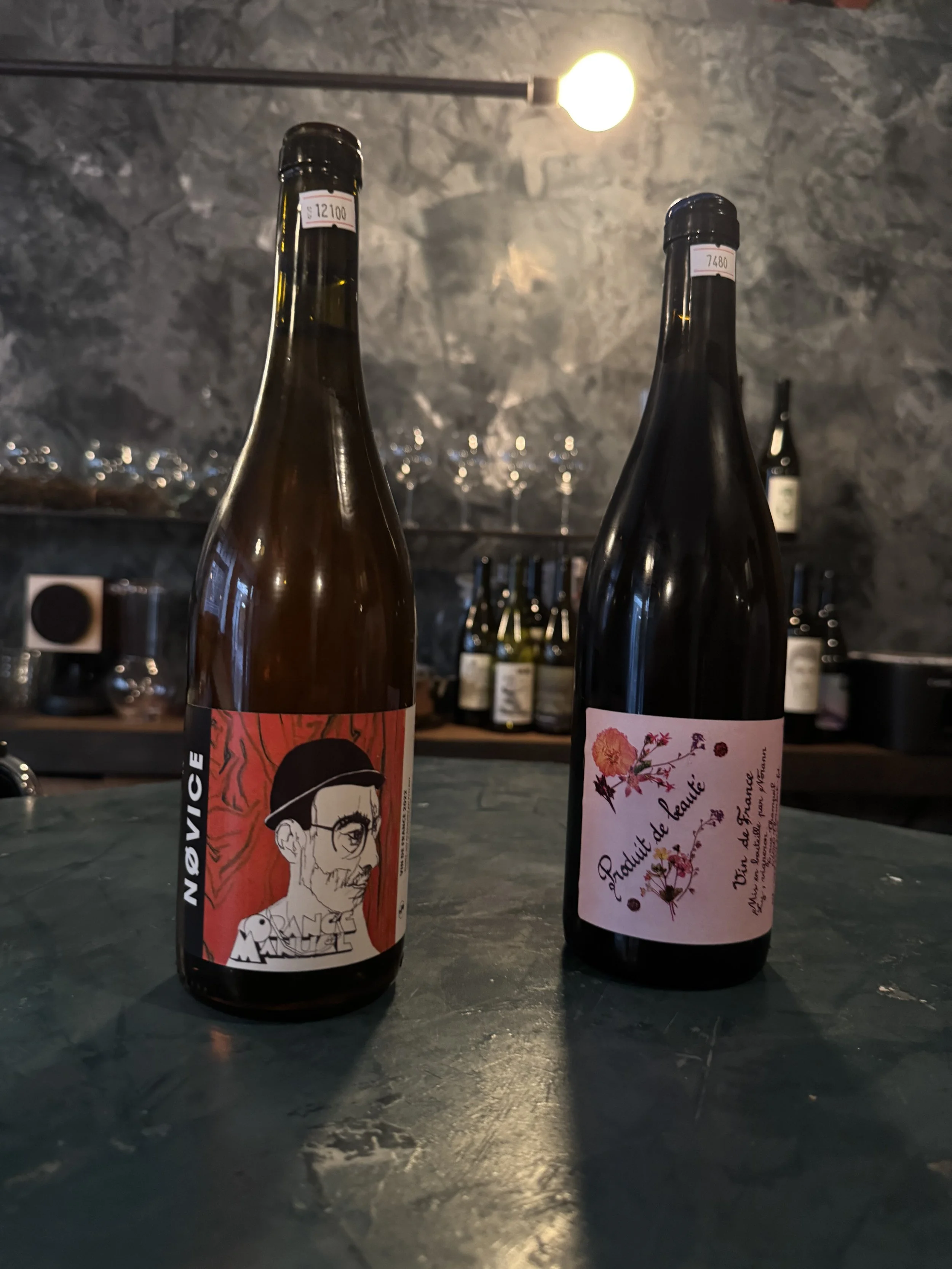
Start at Matsumoto Castle, its black and white exterior reflected in the moat, then wander toward Nawate Street beside the river and Nakamachi, known for its historic storehouses. There is no shortage of matcha stands and cute little shops to poke your head into. My favorite and probably the best matcha I had all trip was from Matcha Stand YAGURA, which had newly opened when we were there in October 2026. Its owner was lovely and very enthusiastic and they even gave me a little postcard to take on our way. Very cute spot and even better vibes, 5 stars. We also accidentally stumbled into the absolutely charming little natural wine bar called Ca Va. It had also recently opened and the owner was pulling a cheesecake out of the oven as we perused their wine selection. Easy to see ourselves spending a lot more time there had we not been needing to get on our way!
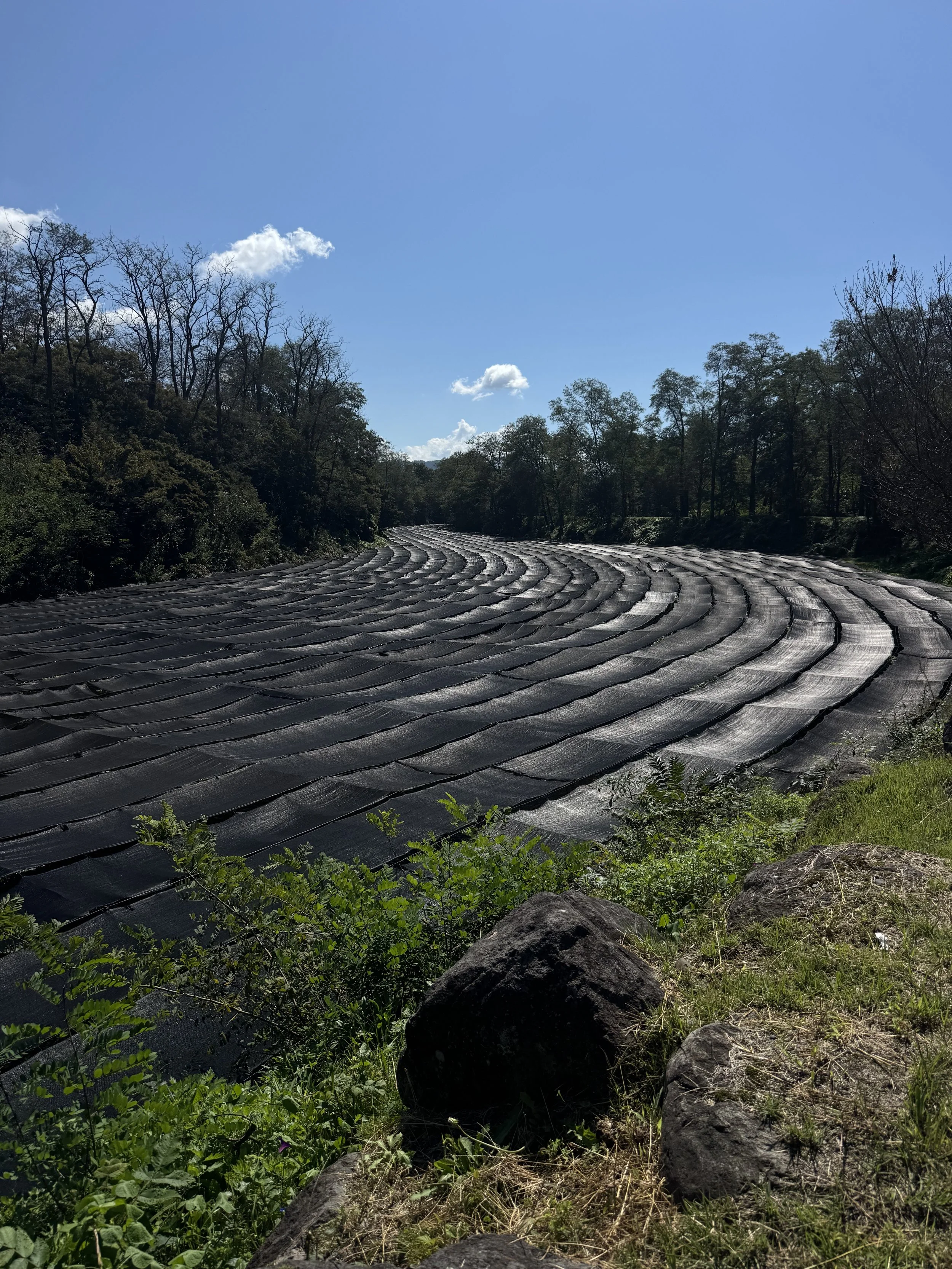
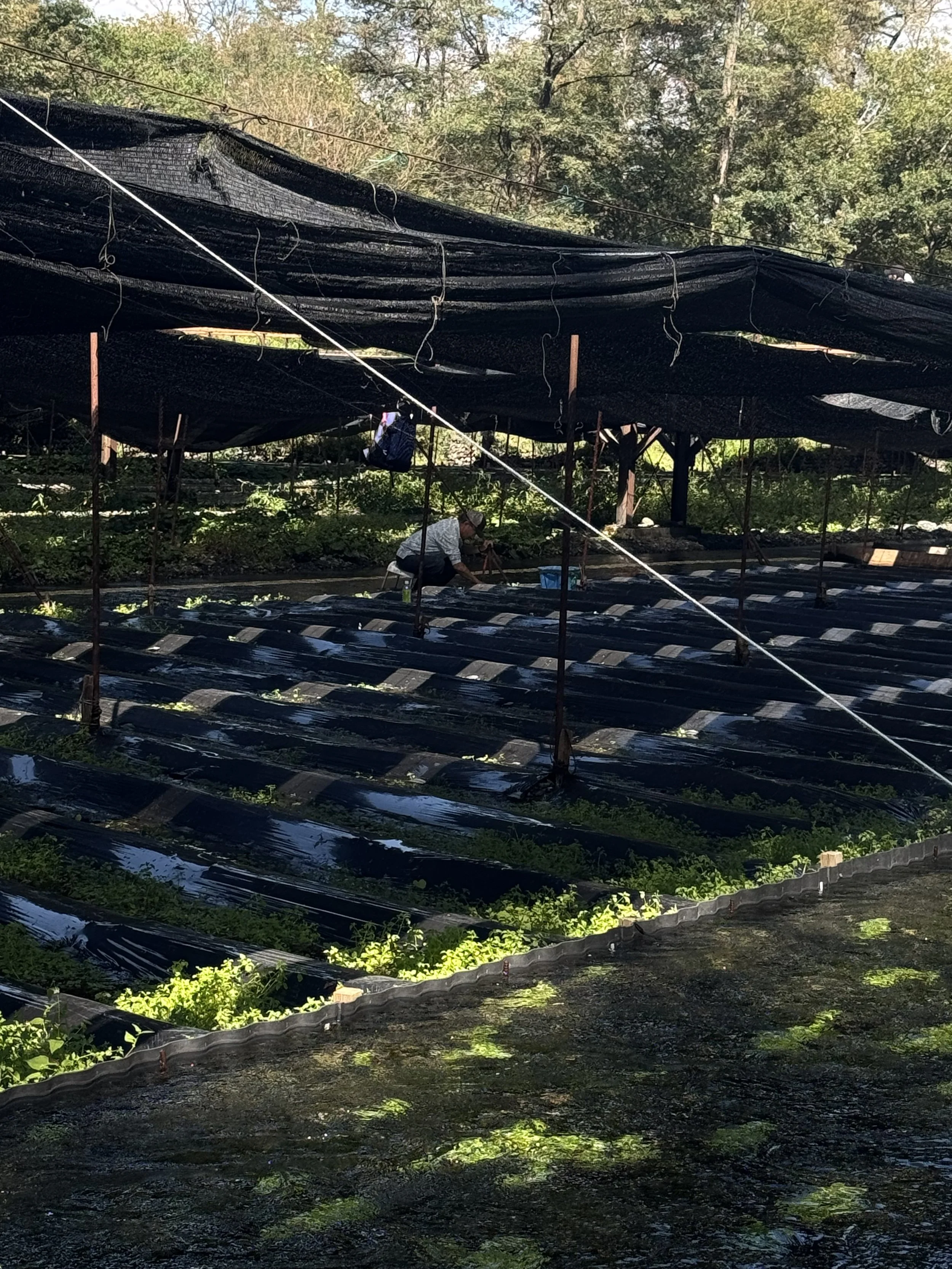
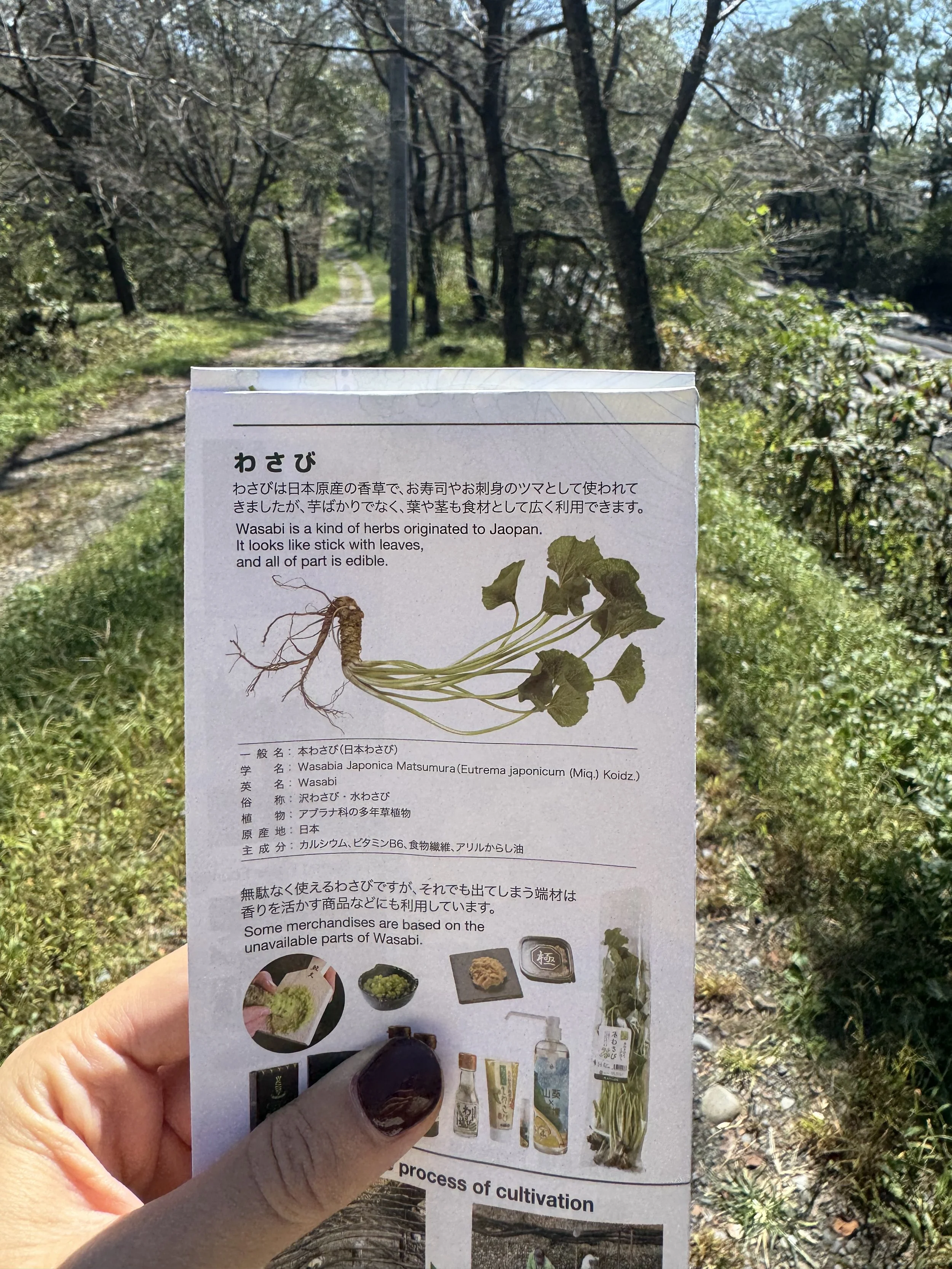
Nearby, in Azumino, is the Daio Wasabi Farm, which is my kind of detour.
I am absolutely fascinated by seeing how something grows when I have spent years encountering it only on a plate. Here, long beds of wasabi grow in clear, flowing water supplied by the surrounding Japanese Alps. The growing conditions are demanding, which is much easier to appreciate when you see the beds and waterways up close.
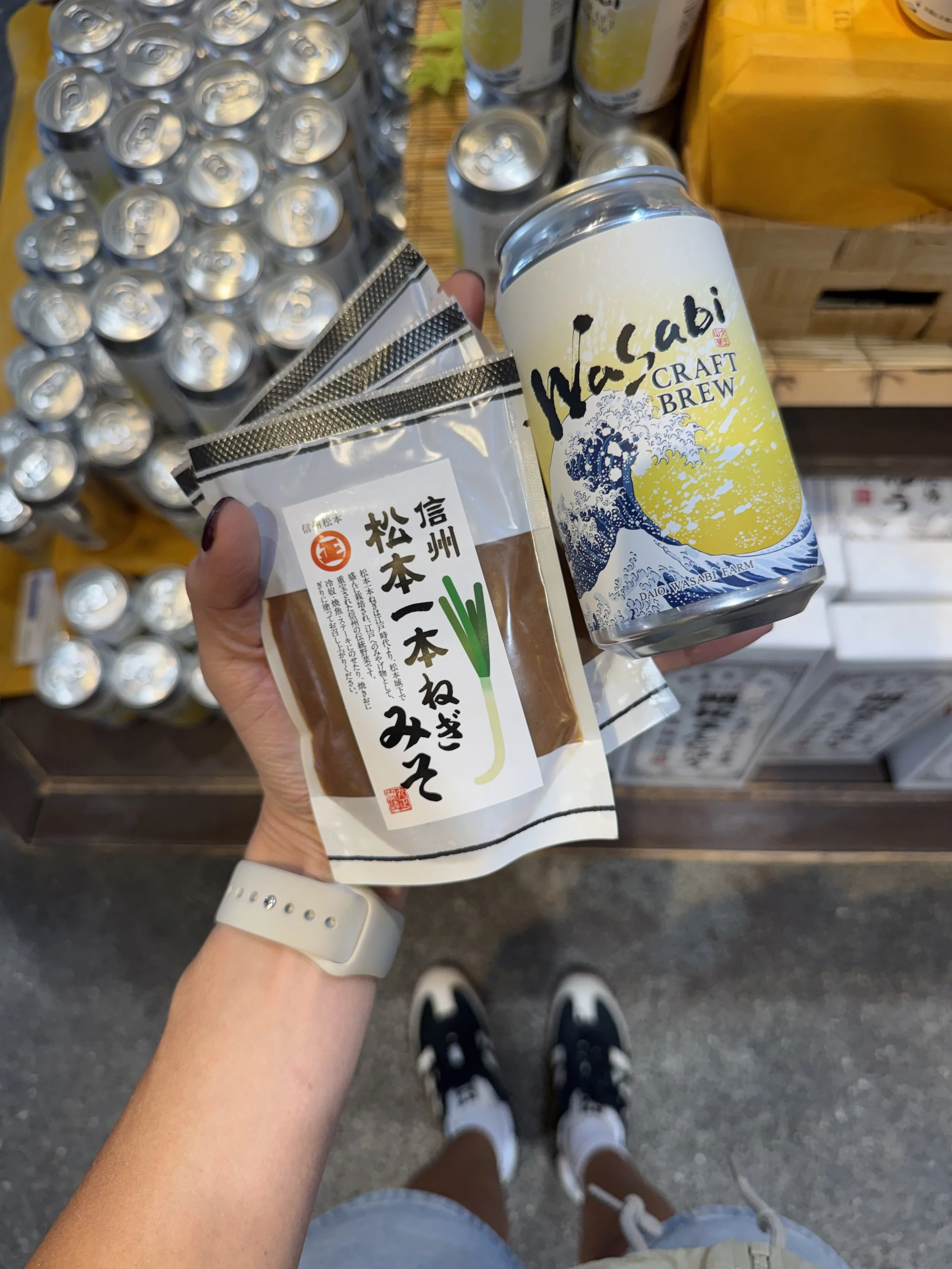
We walked beside the beds, looking beneath the shade cloth at plants that we usually only see once they’ve been formed into a small green mound next to our sushi. It is a beautiful place to wander, but the agricultural side was what drew me in. If you are curious about where your food comes from as we are, give this stop some time - and bring back loads of unique and weird wasabi items, including wasabi beer, cheese + miso!
HOKUTO/YAMANASHI
Where to Stay:
Yato Shintou combines a small sushi restaurant with dome-shaped glamping accommodation on the forested grounds, hosting just two overnight groups each night. Dinner is the reason to build a stay around it. One practical detail: each group has its own shower room, but these are in the separate restaurant building rather than inside the accommodation. More on the dinner experience below.
Sanu 2nd Home is an appealing option if you want a little house in the woods and the freedom to make yourself at home. Its Yatsugatake properties have private cabins with kitchens, giving you somewhere to cook the produce you may have spent the day acquiring. The cabins pair warm wood interiors with large windows facing the forest, and some have private saunas. I would leave a morning free for coffee and looking out the window.
Where to Eat/Drink: Yato Shintou, Truffle Bakery, Cami Lota
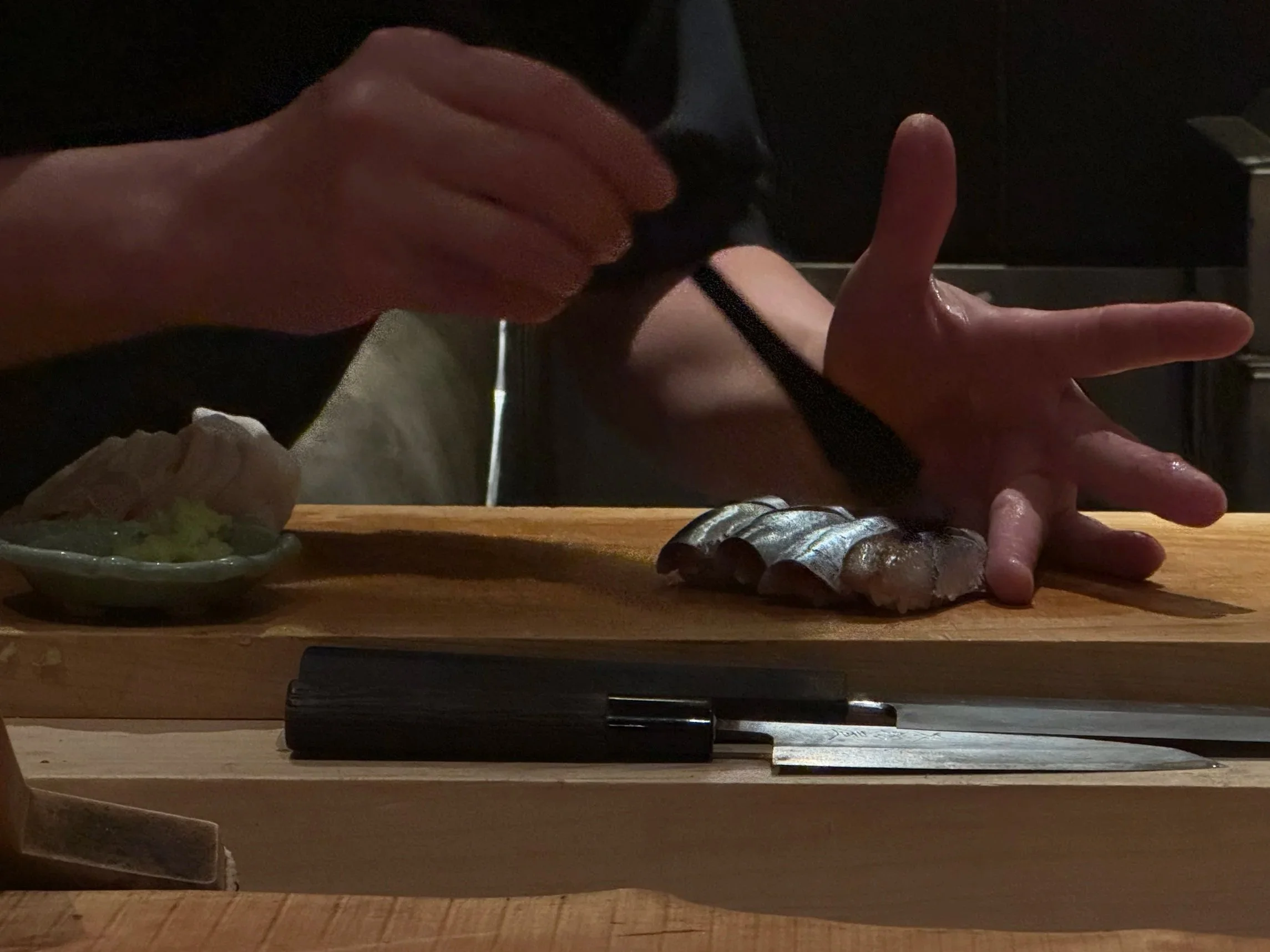
Yato Shintou - a great place to have sushi & a night in the forest. It’s in Hokuto beneath the Yatsugatake mountains.
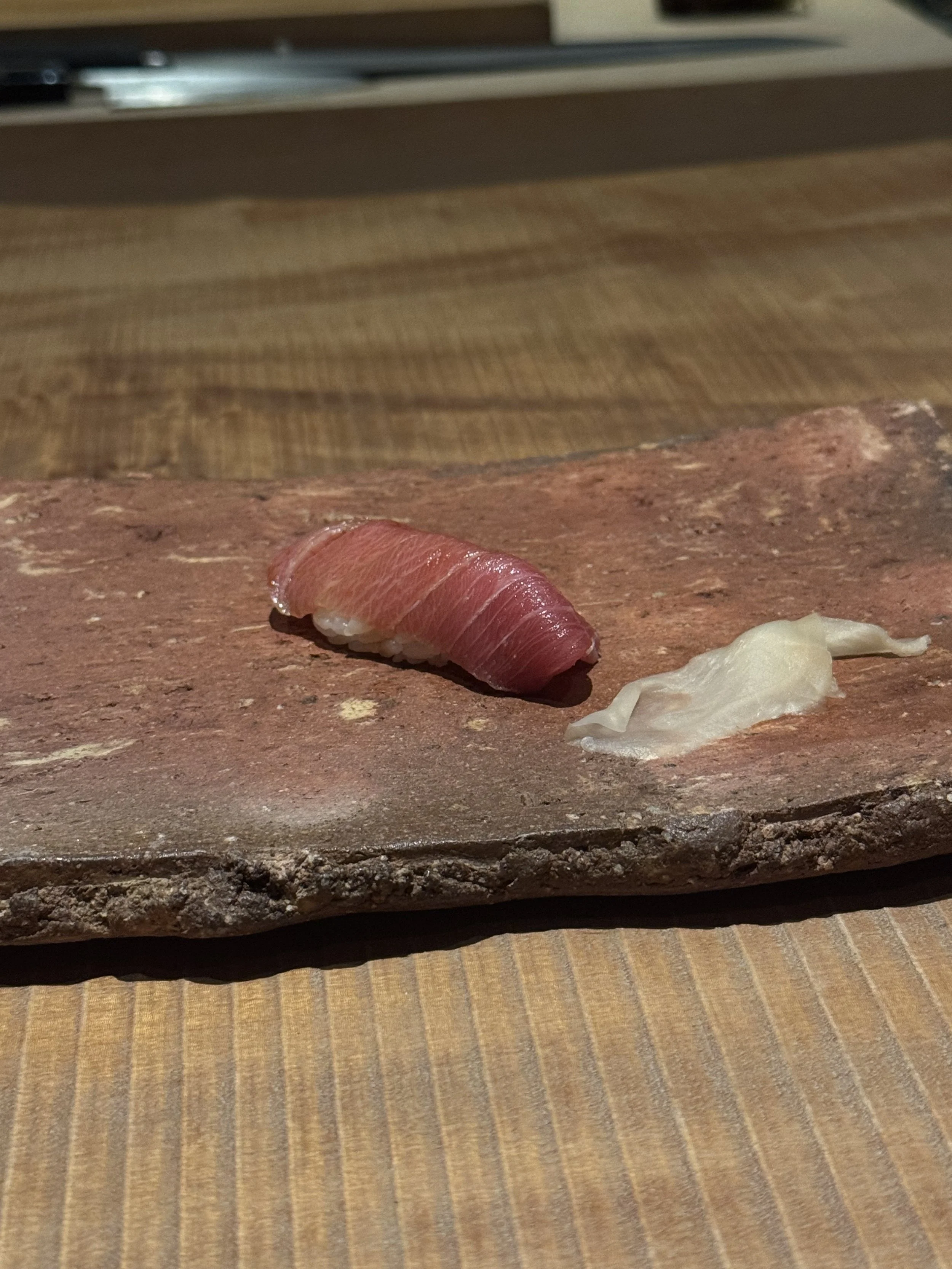
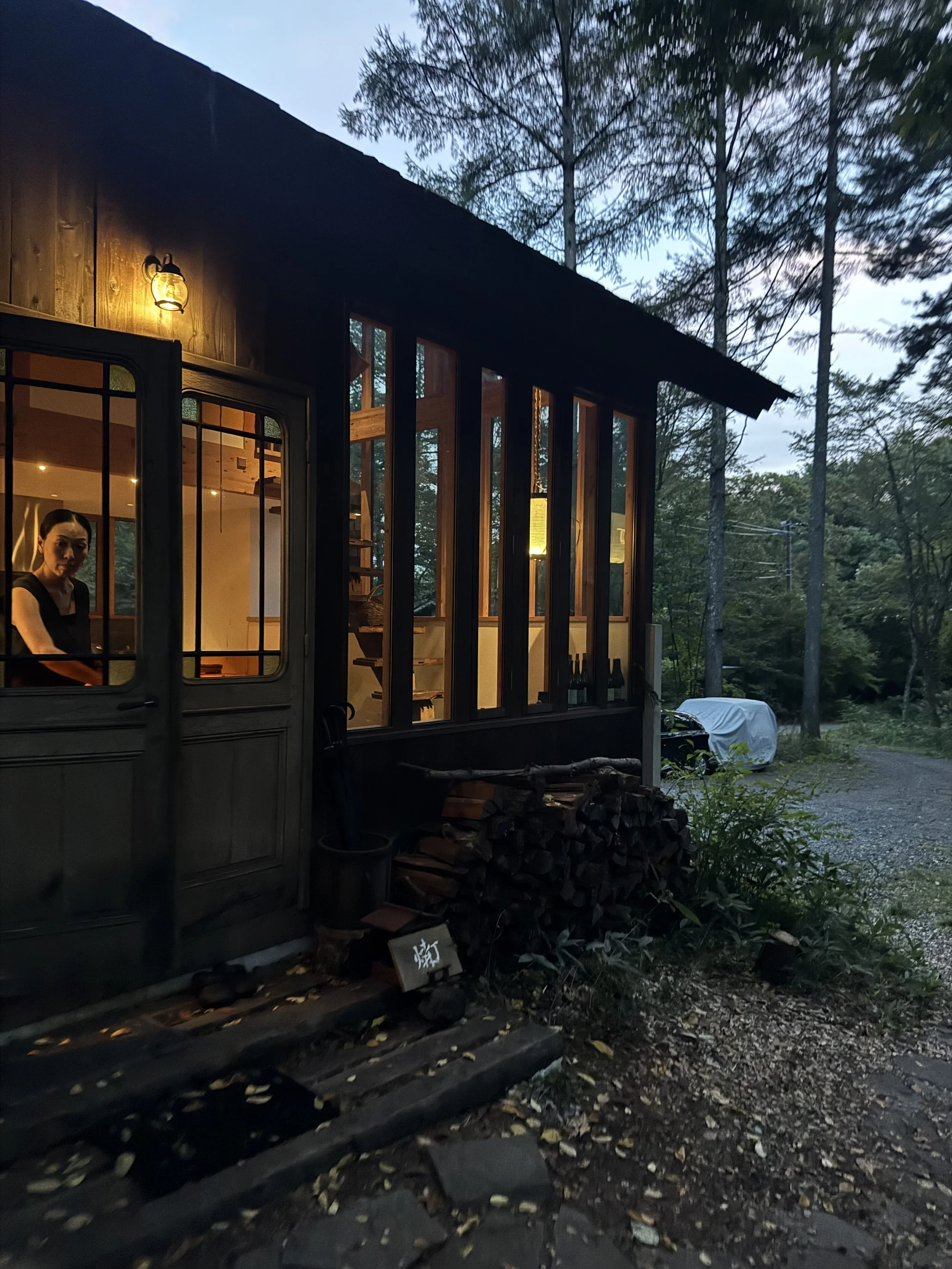
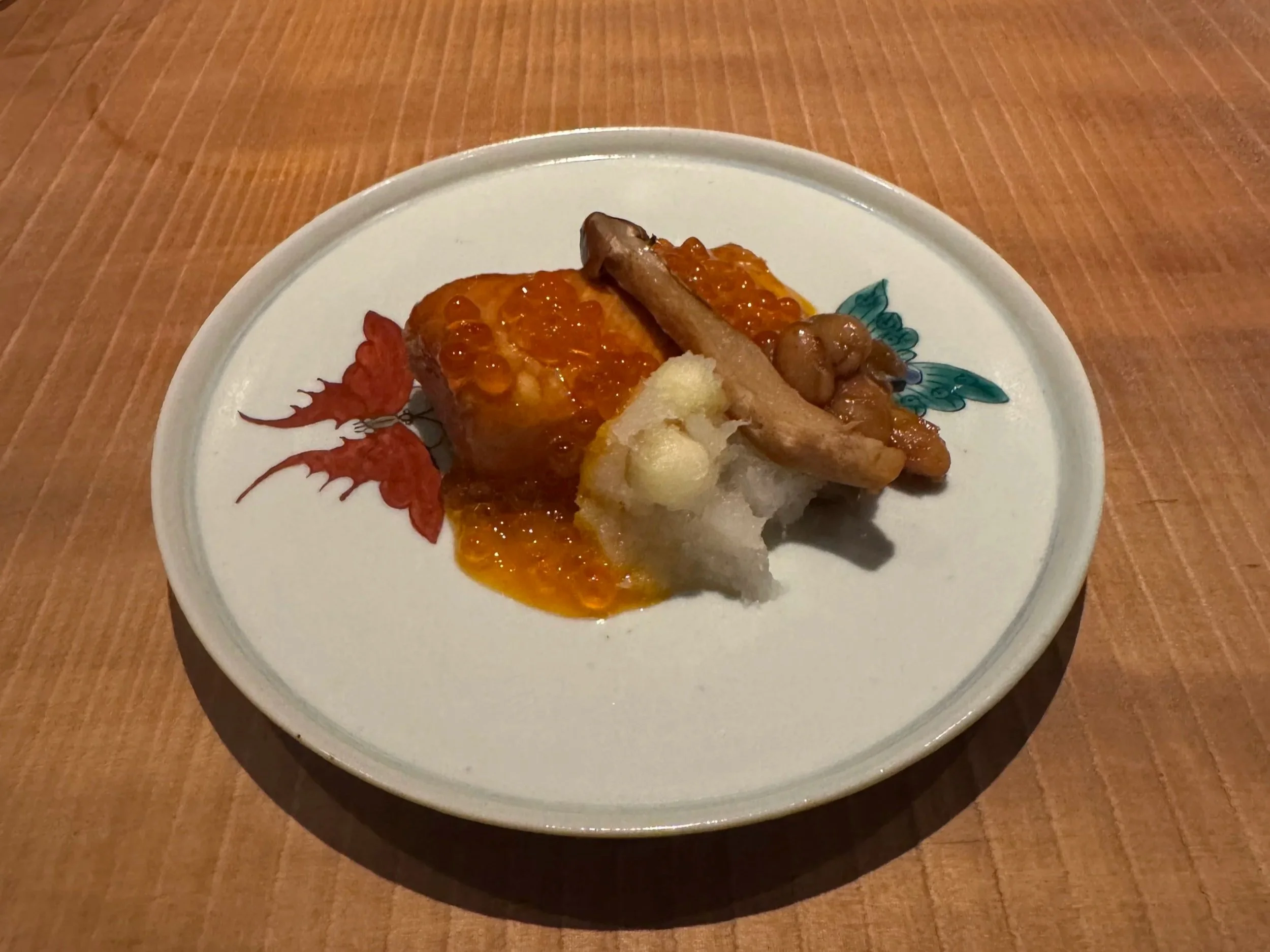
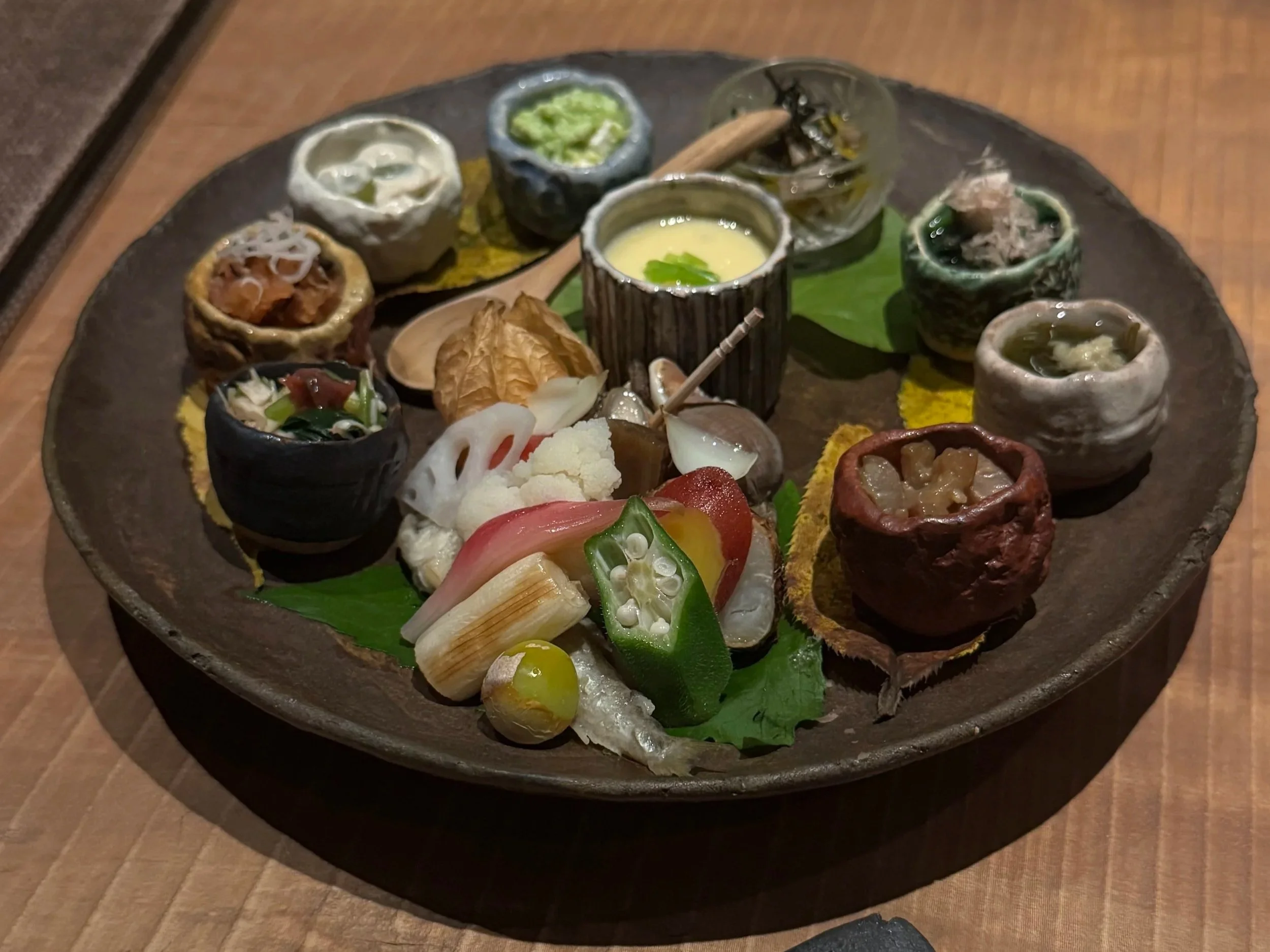
This was one of the most phenomenal experiences of our trip! You drive up to a charmingly lit building in the woods, and are seated at a sushi counter that only accommodates 6, so immediately it feels intimate. The dinner that then follows slowly brings the surrounding mountains into a sushi meal. Seasonal veggies, wild mountain greens or mushrooms appear alongside daily imported seafood, depending on time of year. The chef uses touches such as homemade yuzu kosho and garden-grown sansho, while the slightly sweet sushi rice follows his father’s recipe. It is the kind of detail I love to learn and enjoy: a family history manifested onto the plate. Divine. Made all the better with a brilliant selection of natty wines. We were hugging our hosts by the end - that’s how you know it was good.
Bonus: you can also stay on the grounds in a dome-shaped glamping tent among the trees. The appeal is straightforward: make dinner the evening’s main event, then retreat into the forest without having to drive anywhere. There is also the option of a bonfire afterward. Not sure you could ask for much more from an experience.
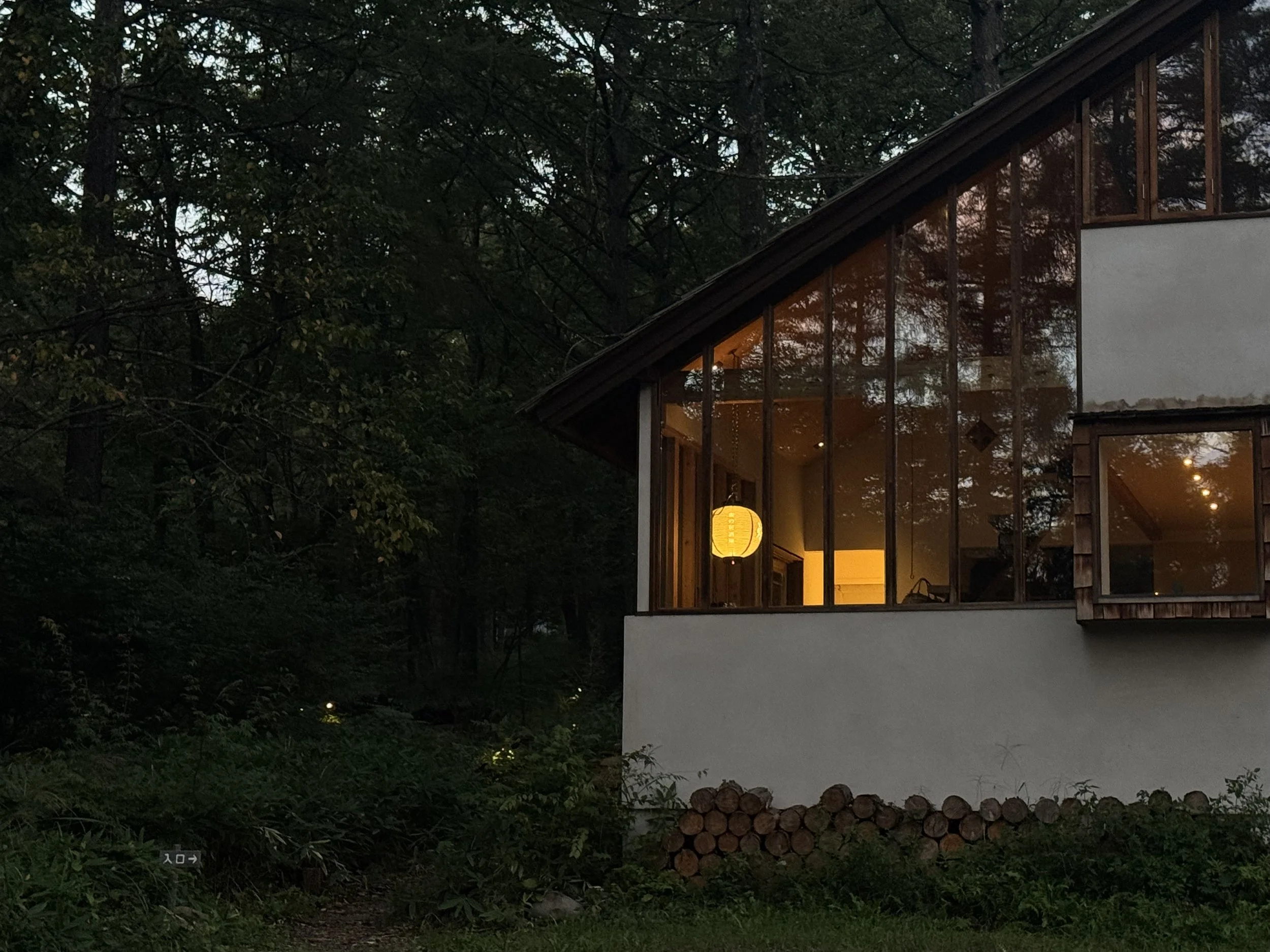
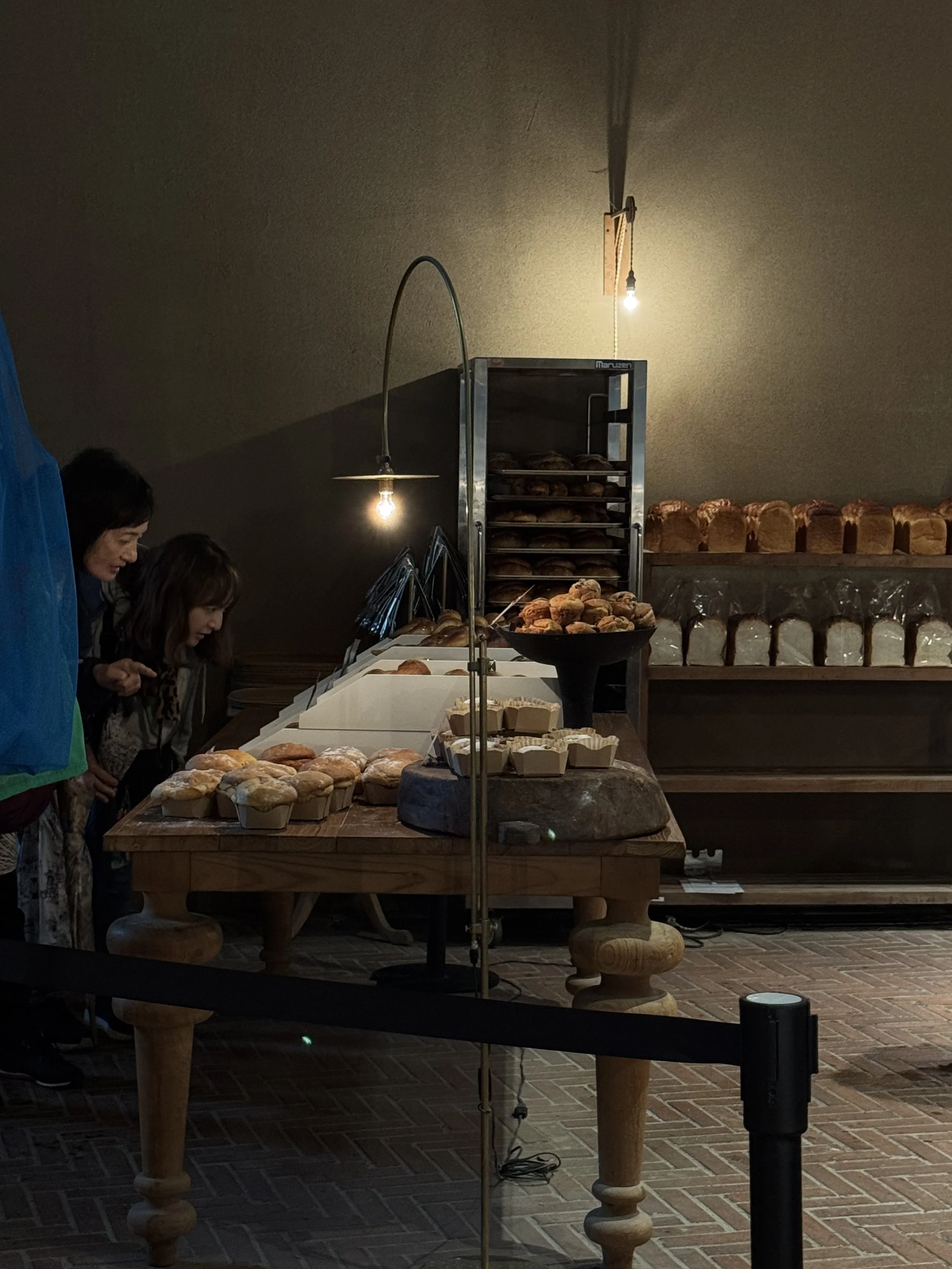
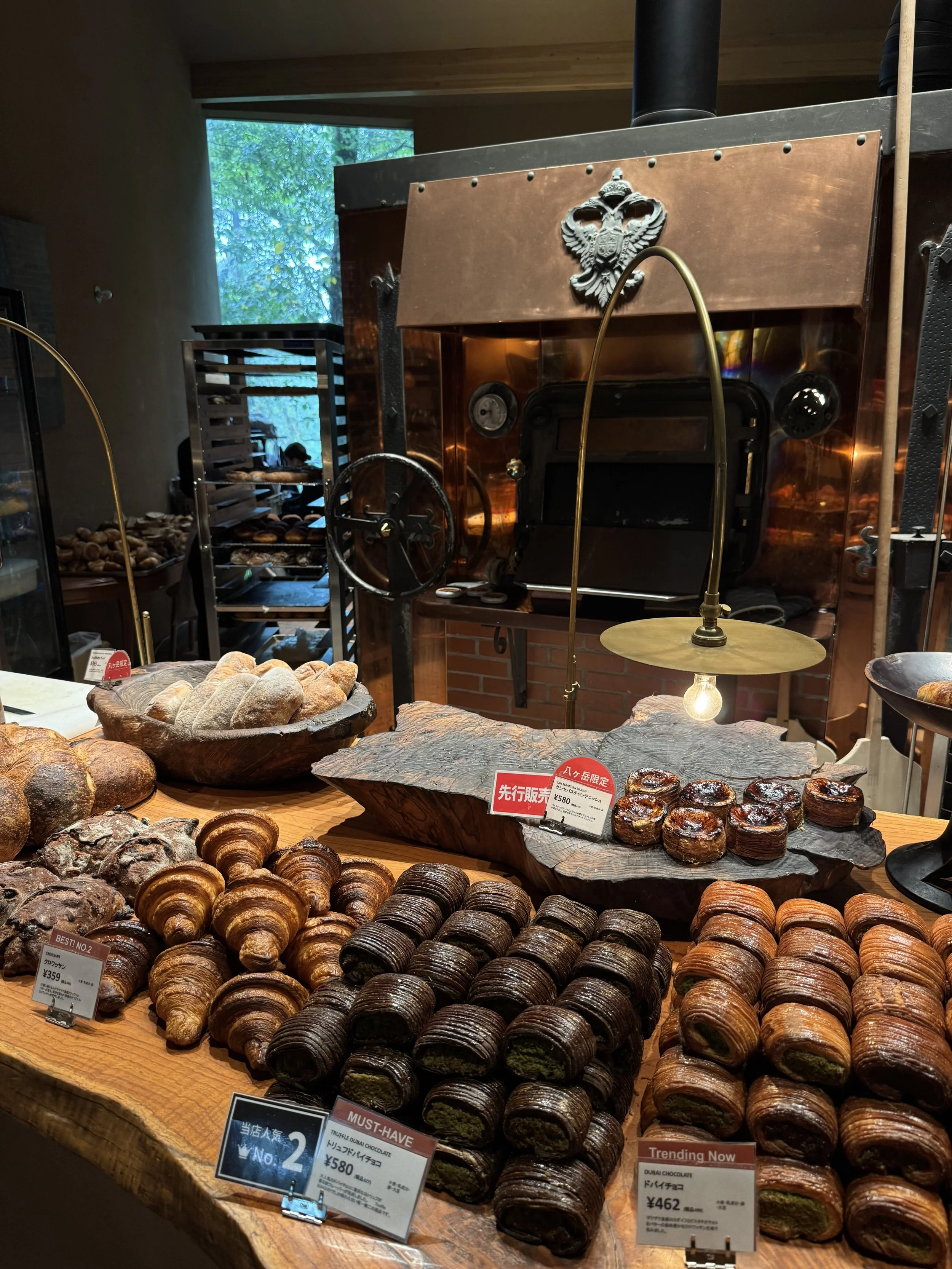
Truffle Bakery was one of our other standout experiences of the region. It’s a bakery with a research lab devoted to bread and water. Once I learned this… obviously, I was interested. This location doubles as its development center, with a bakery and cafe where you can try what the team has been working on. The signature white-truffle salt bread gets its own Yatsugatake version here, alongside breads and pastries that draw on regional ingredients. Come for coffee, great design, and something very buttery, then leave with a handful of bread for later. Absolutely loved the model of grabbing a tray upon entering the hearth of the bakery, and loading up on everything your heart could ever desire. Quite a few people told us that this place was a hot spot that was blowing up, and I can see why.
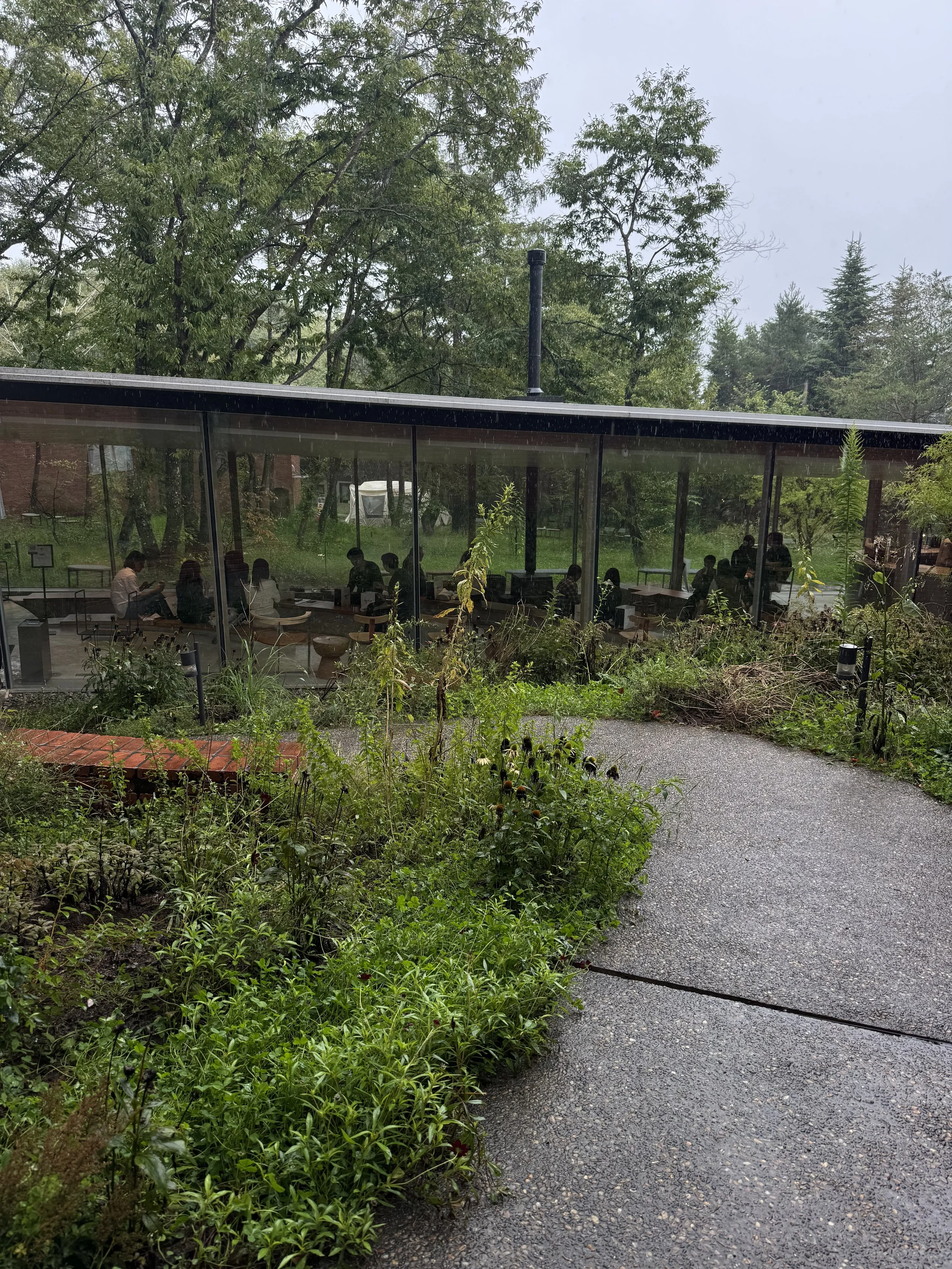
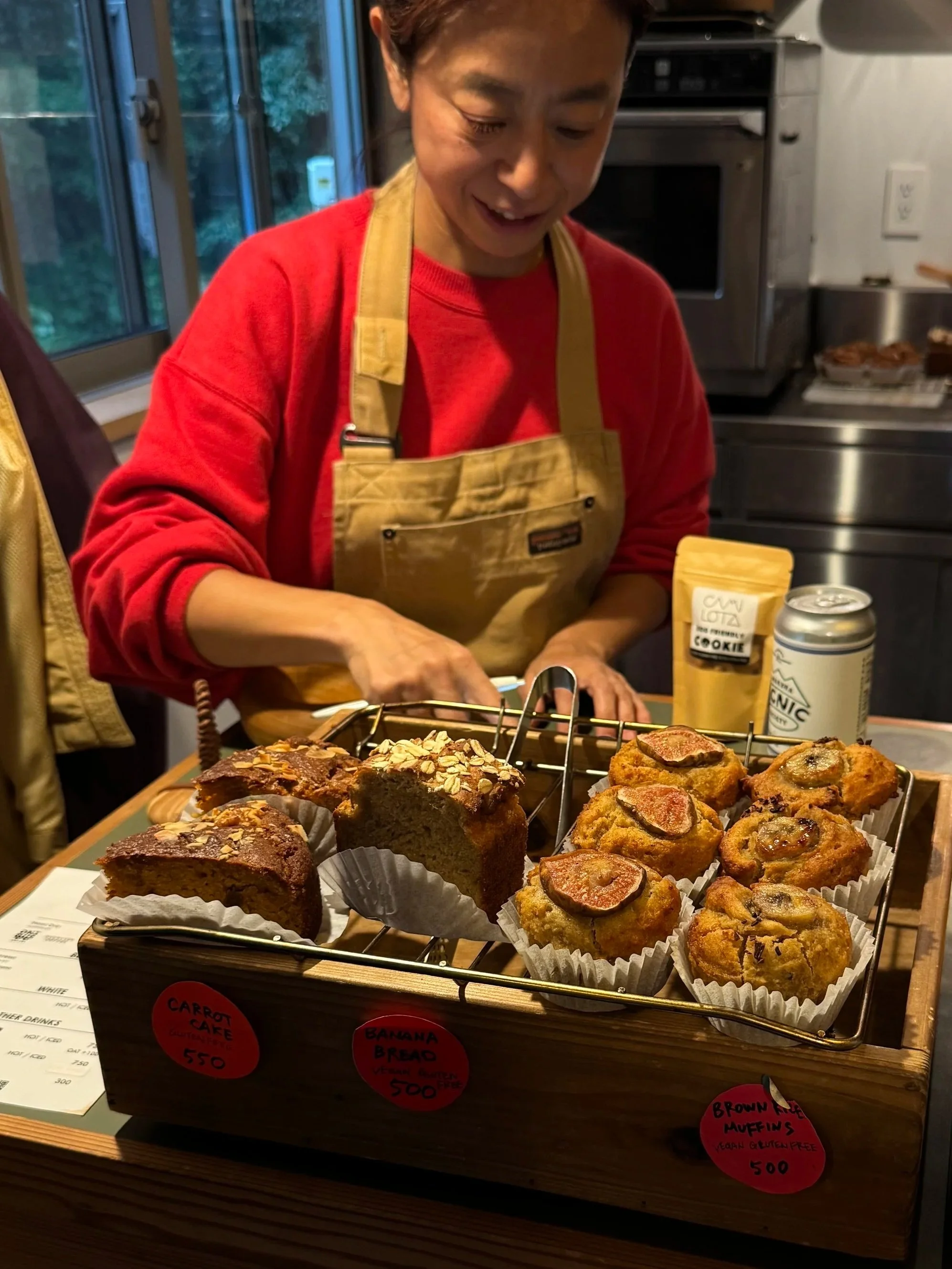
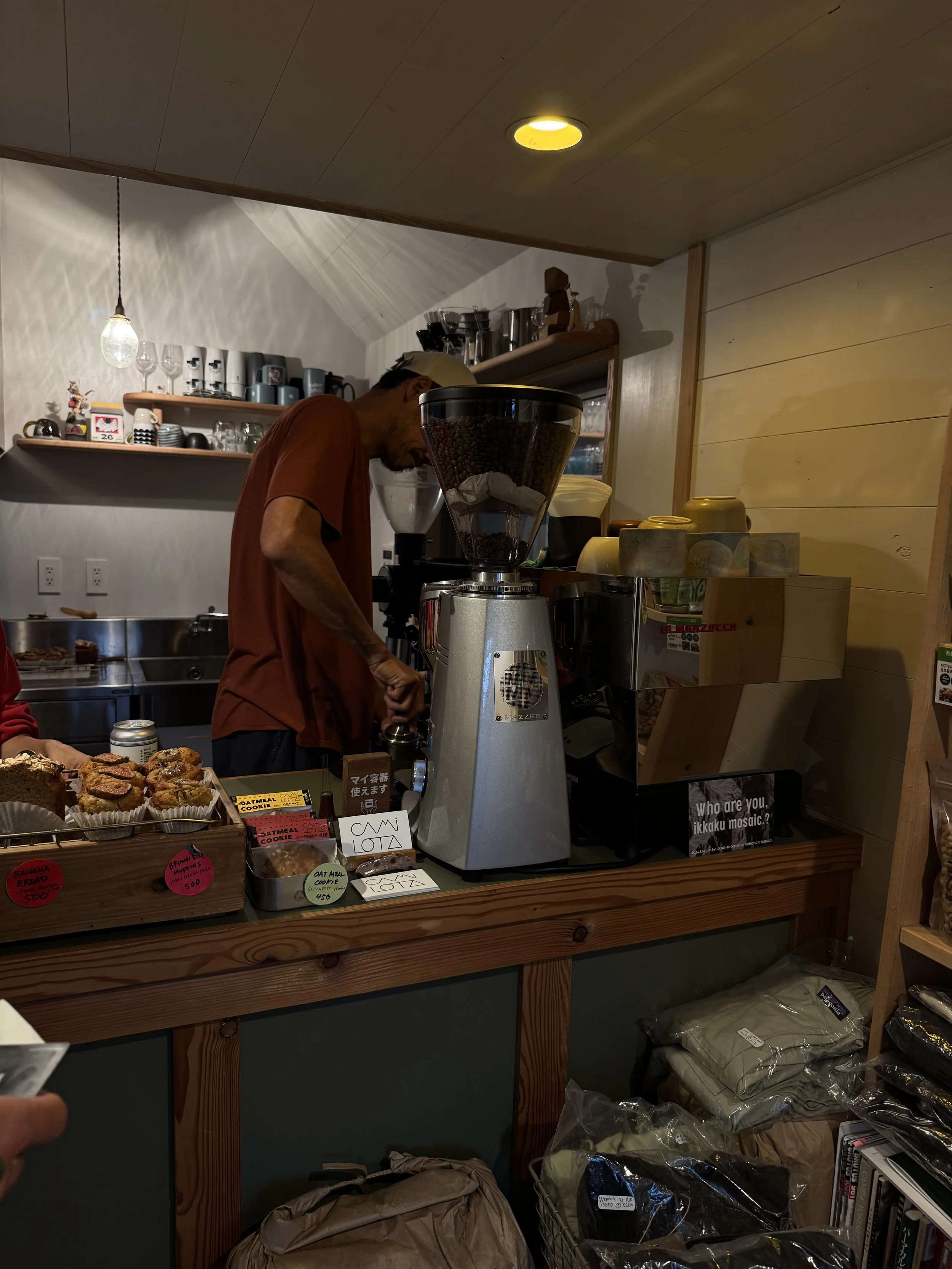
We also wanted to give a nod to the humble Camilota coffee stand here as it made for an absolutely perfect pit stop in the woods and we highly recommend you swing by.
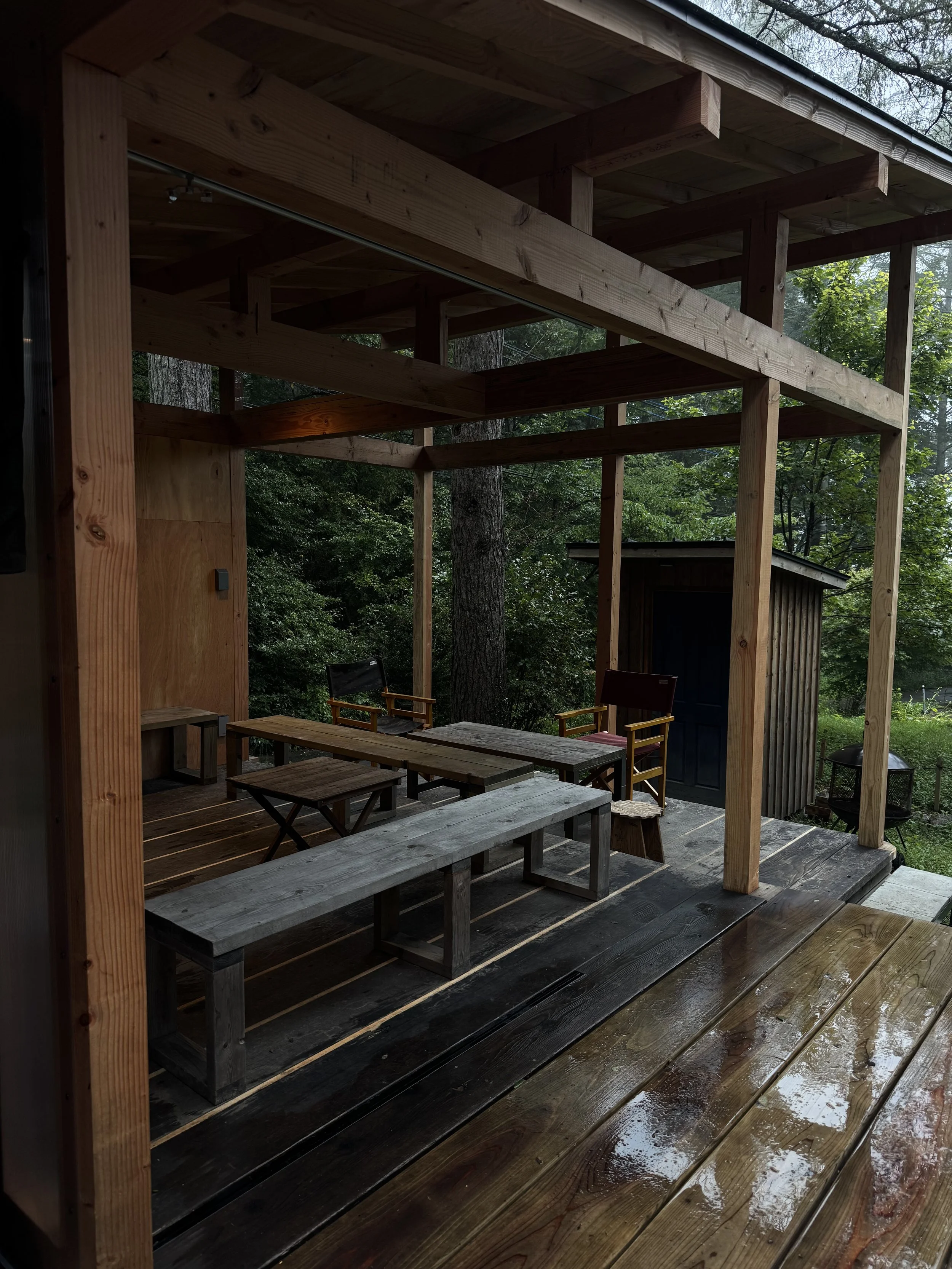
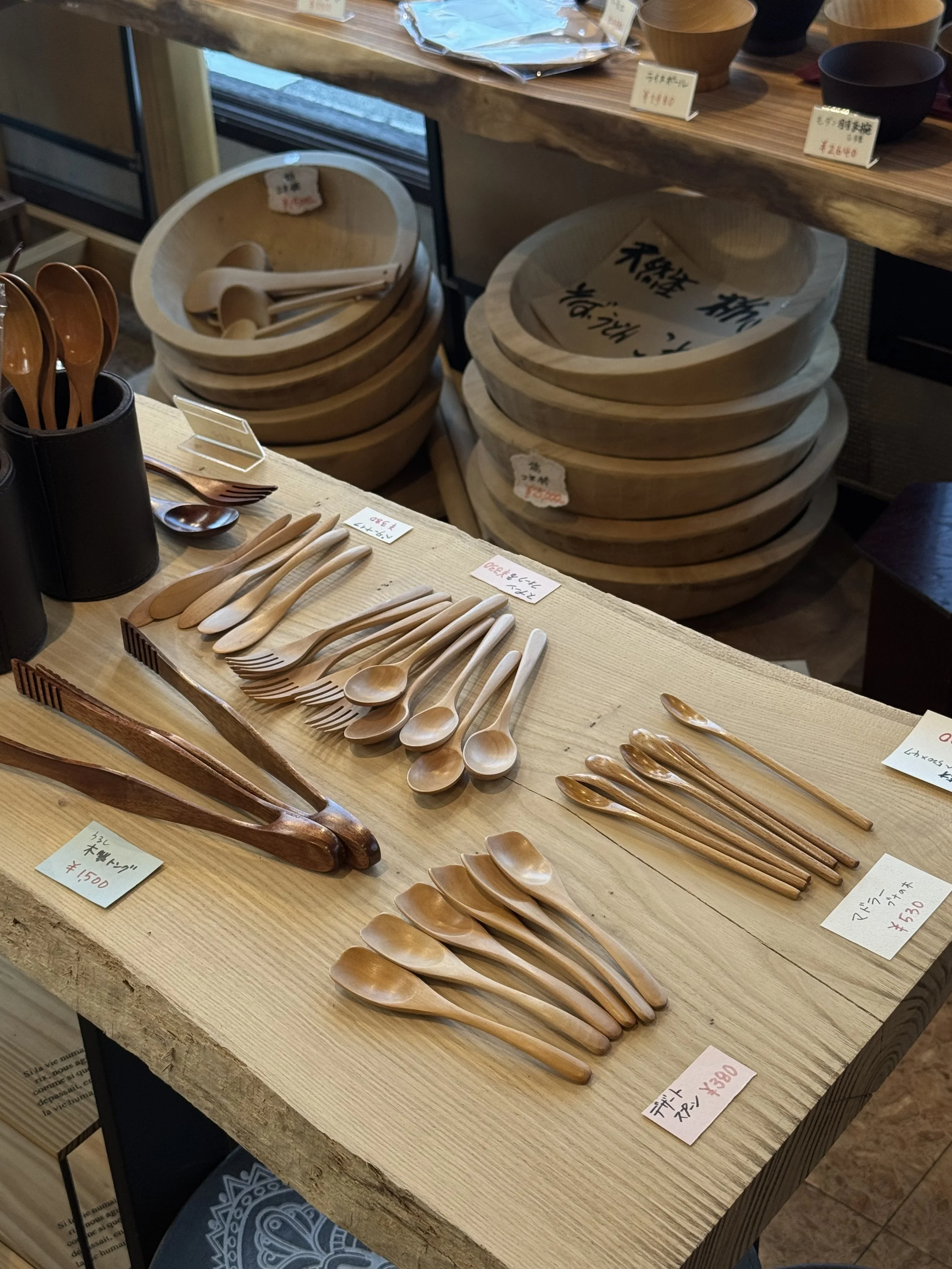
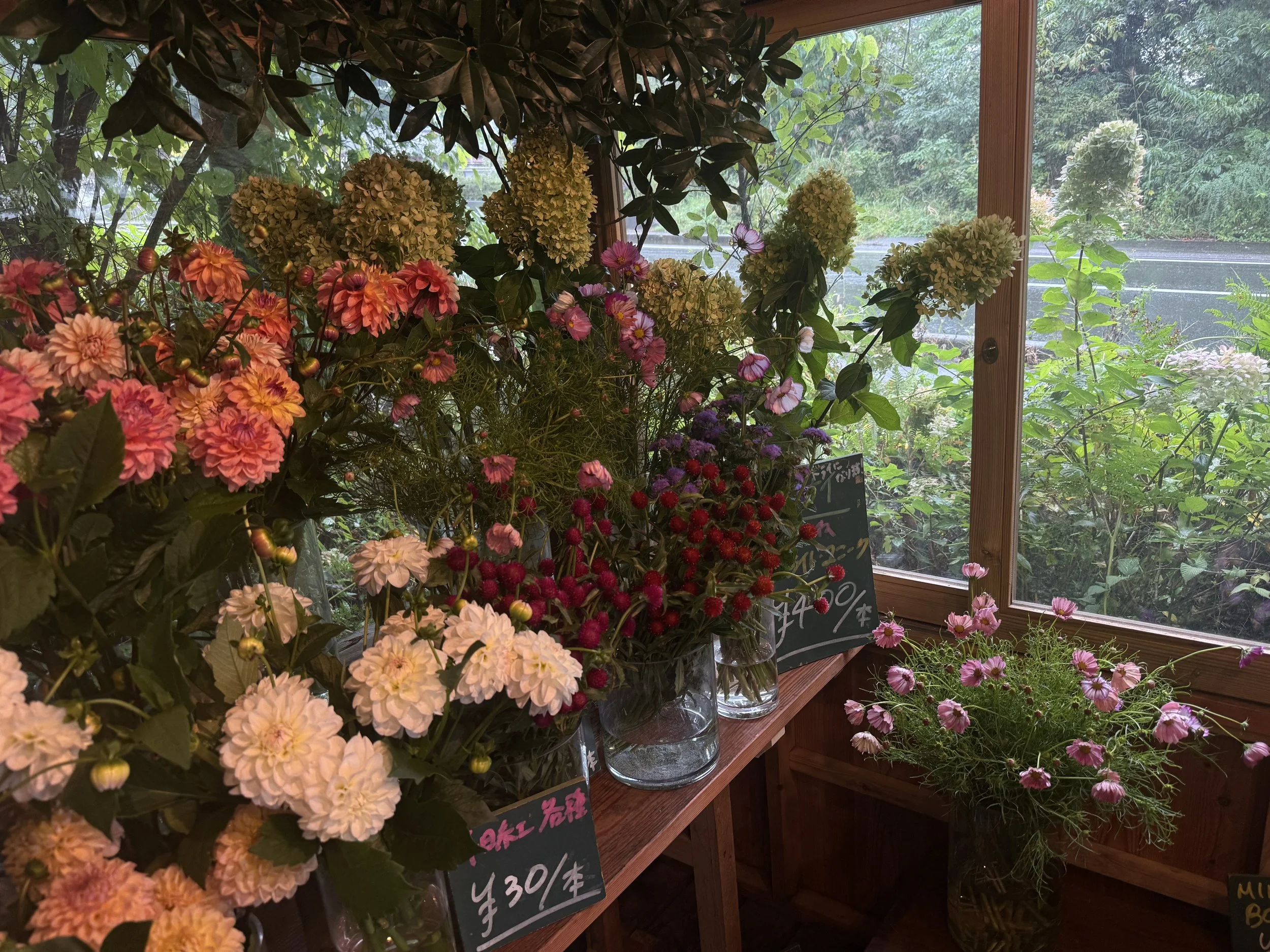
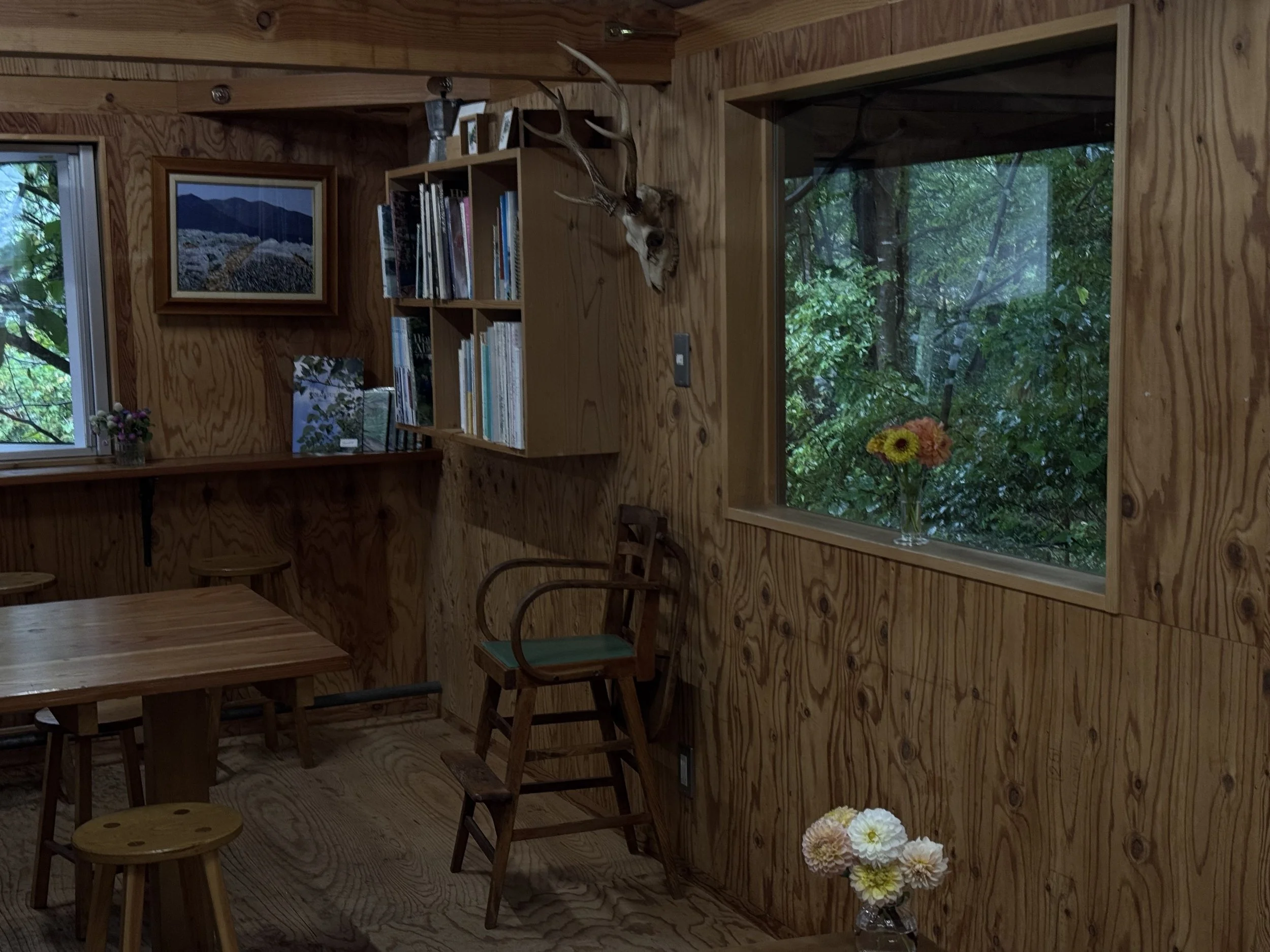
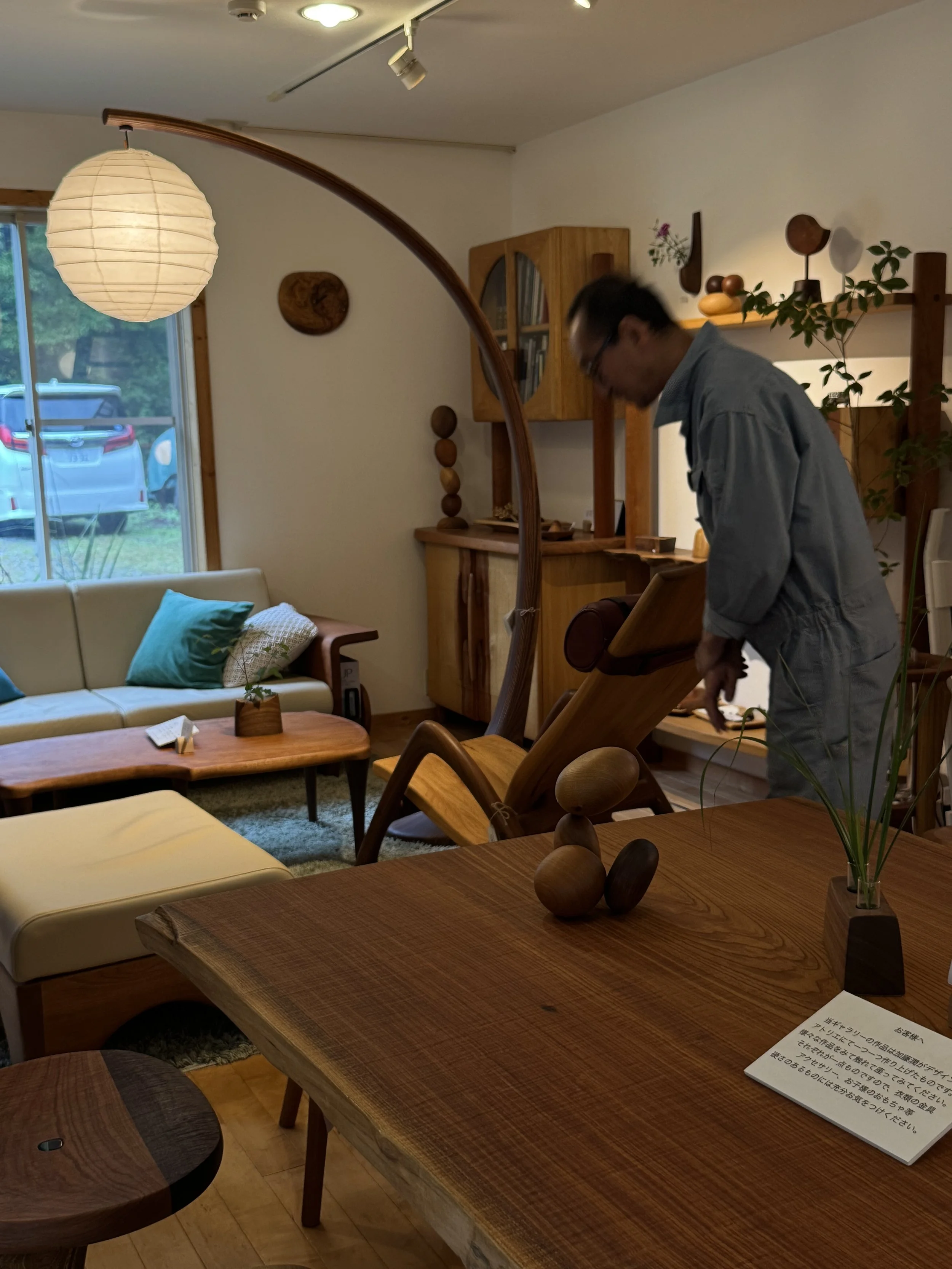
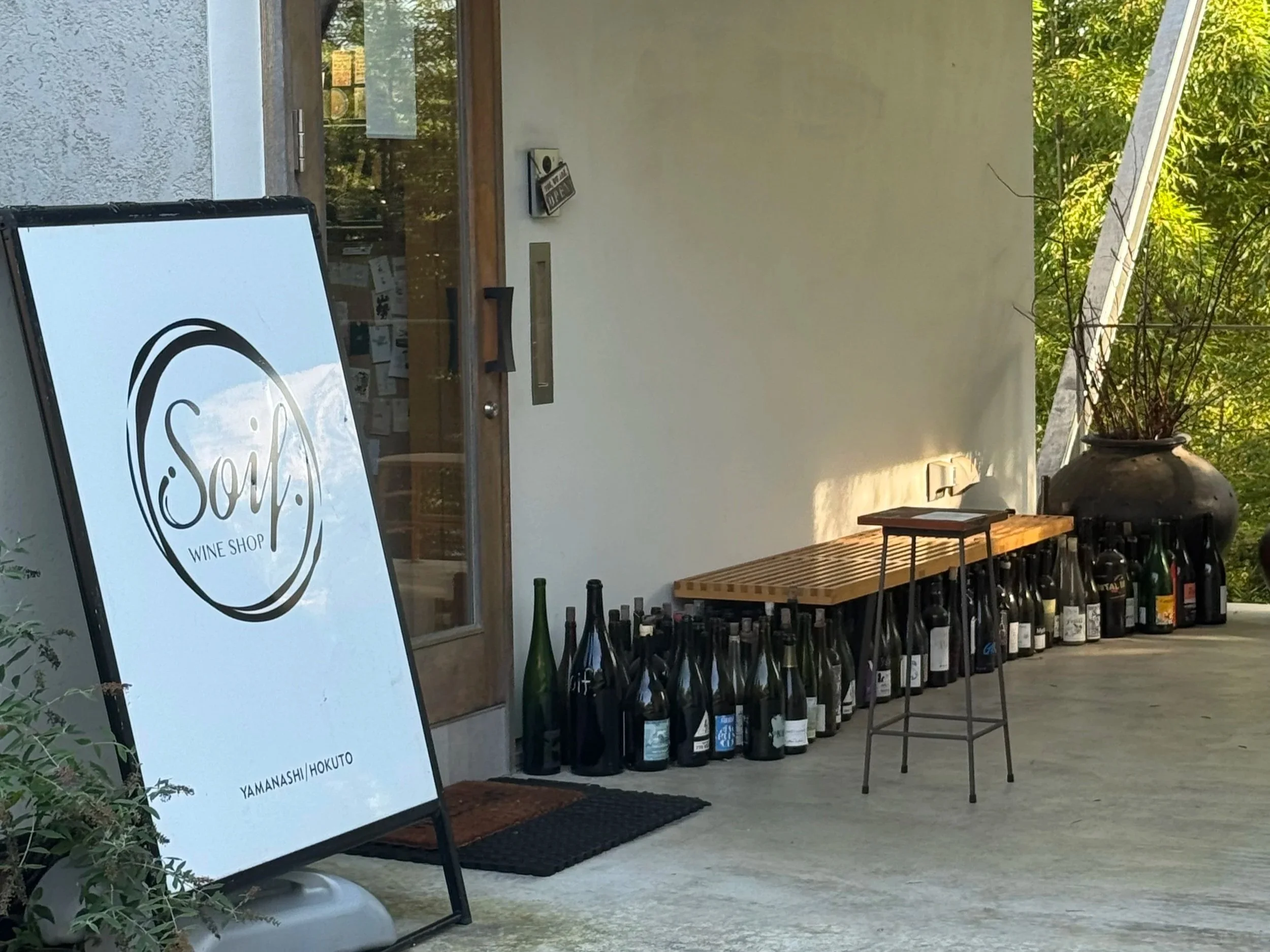
Where to Explore: Soif wine shop (one of the best wine cellars we visited in Japan), Ippin Kobo woodwork shop, BIO MART 八ヶ岳 RYOMI-YA, Zu For Rena (Flowers for Lena). Special shout out to Zu for Rena which may have been one of the most charming shops I’ve ever been in with endless amounts of gorgeous flowers but also an entire multiple building giftshop with local wares. The Ippin Koba woodwork shop will also stay with us for a long time as their hospitality and kindness - as well as craftsmanship - were second to none. We brought a few pieces home which we thoroughly enjoy admiring every day!
MT FUJI & LAKE YAMANAKA
There is something slightly ridiculous about going about an ordinary day with Mount Fuji just hanging out outside your passenger window. You find yourself buying groceries or heading out for breakfast and then the clouds move and there it is. No photograph quite prepares you for its scale. We loved staying in Yamanakako because it gave us ample time for those peekaboo encounters. Rather than arriving for the sole purpose of a well-documented viewpoint and hoping the weather cooperated, we wanted to spend a few days exploring the breadth of the area, with the mountain appearing and disappearing as we went.
Lake Yamanaka is the largest of the Fuji Five Lakes and the highest, sitting approximately 980 meters above sea level. It lies northeast of Mount Fuji, with a highland setting that makes it appealing for lakeside walks and time spent outdoors. The lake also has a history beyond its scenery: Fujiko pilgrims once used its waters for purification before ascending the sacred mountain. Knowing that adds another dimension to a place that is so often presented purely (and dare I say flatly) as a simply photograph.
Despite being close to one of Japan’s most recognizable landmarks, our stay felt wonderfully spacious. We found room to wander and enjoy the landscape without every outing feeling like a major sightseeing tourist trap. I would happily return for a few days of walking, good breakfasts, and slowly checking in to see what Fuji was doing as a side quest.
Where to Stay:
Koti Yamanakako is our top recommendation, and the owner Allen’s hospitality is a substantial part of the reason.
After moving between hotels, we appreciated having a proper home for a few days. Unlike many Japan accommodations, there was ample space to spread out and settle in, with the comfort and practical conveniences that make a longer stay easy. For me, the accommodation is part of the trip, particularly when the surroundings are this beautiful. I want to stay somewhere that I am excited to return to as much as I am to leave on the day’s adventure.
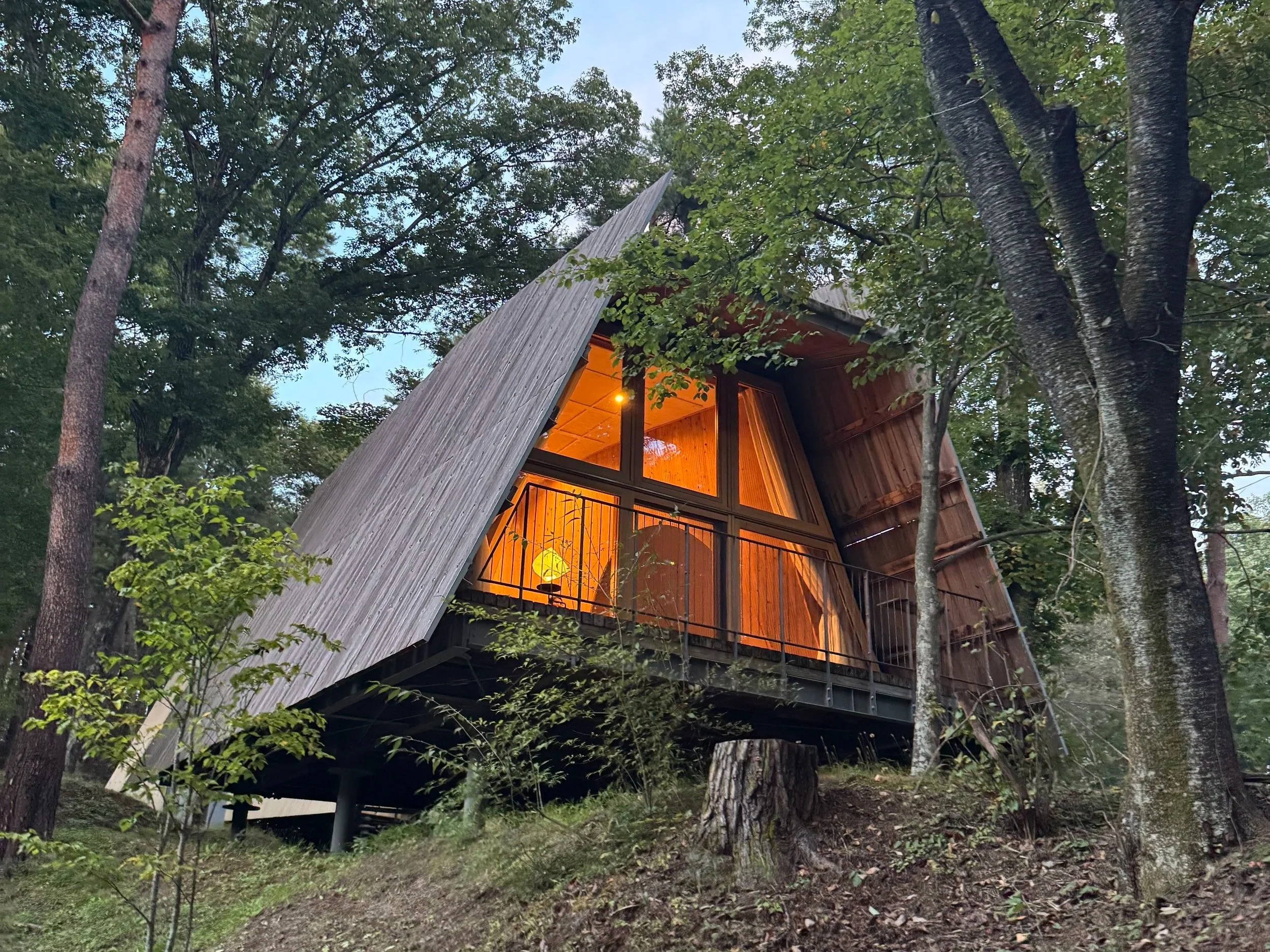
Koti offers several individual vacation houses, including striking A-frames among the trees and larger homes suited to families or friends. Each has a covered barbecue deck, and the layouts differ… so it is worth choosing the particular house that suits your trip. The A-frames are especially appealing if, like me, you have strong feelings about steep roofs, cozy lofts, and warm light coming through windows (how could you NOT love this, is the better question).
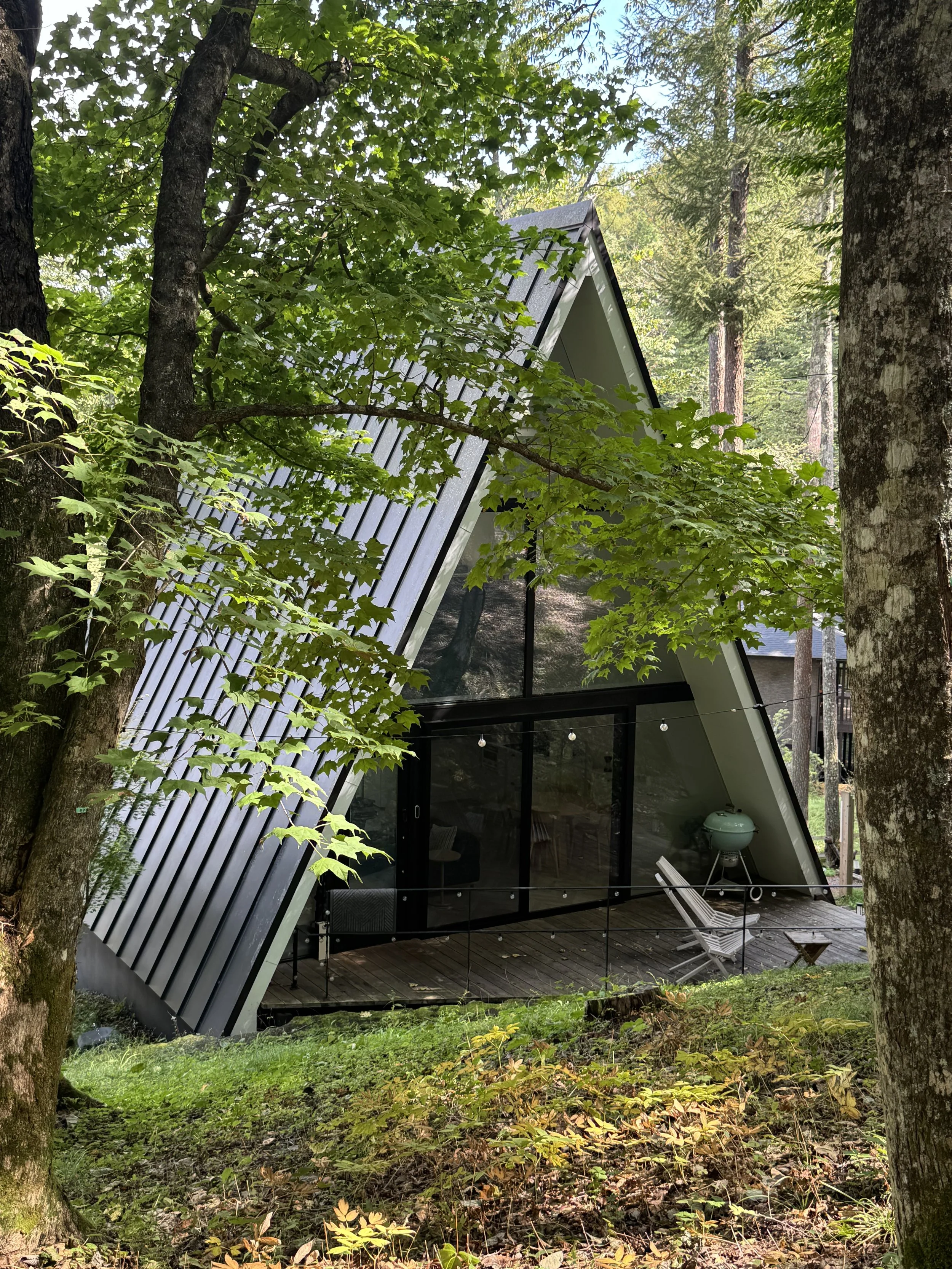
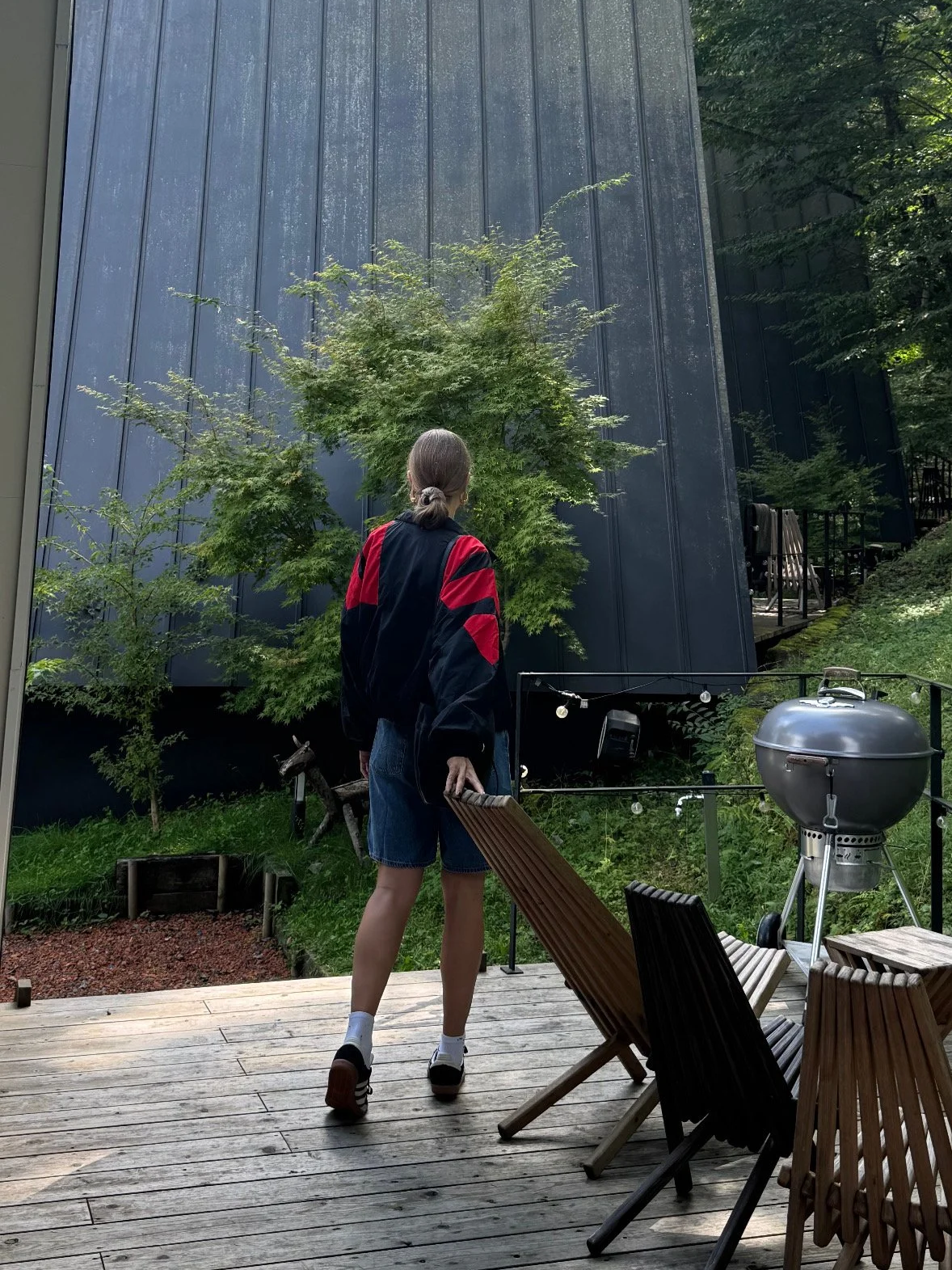
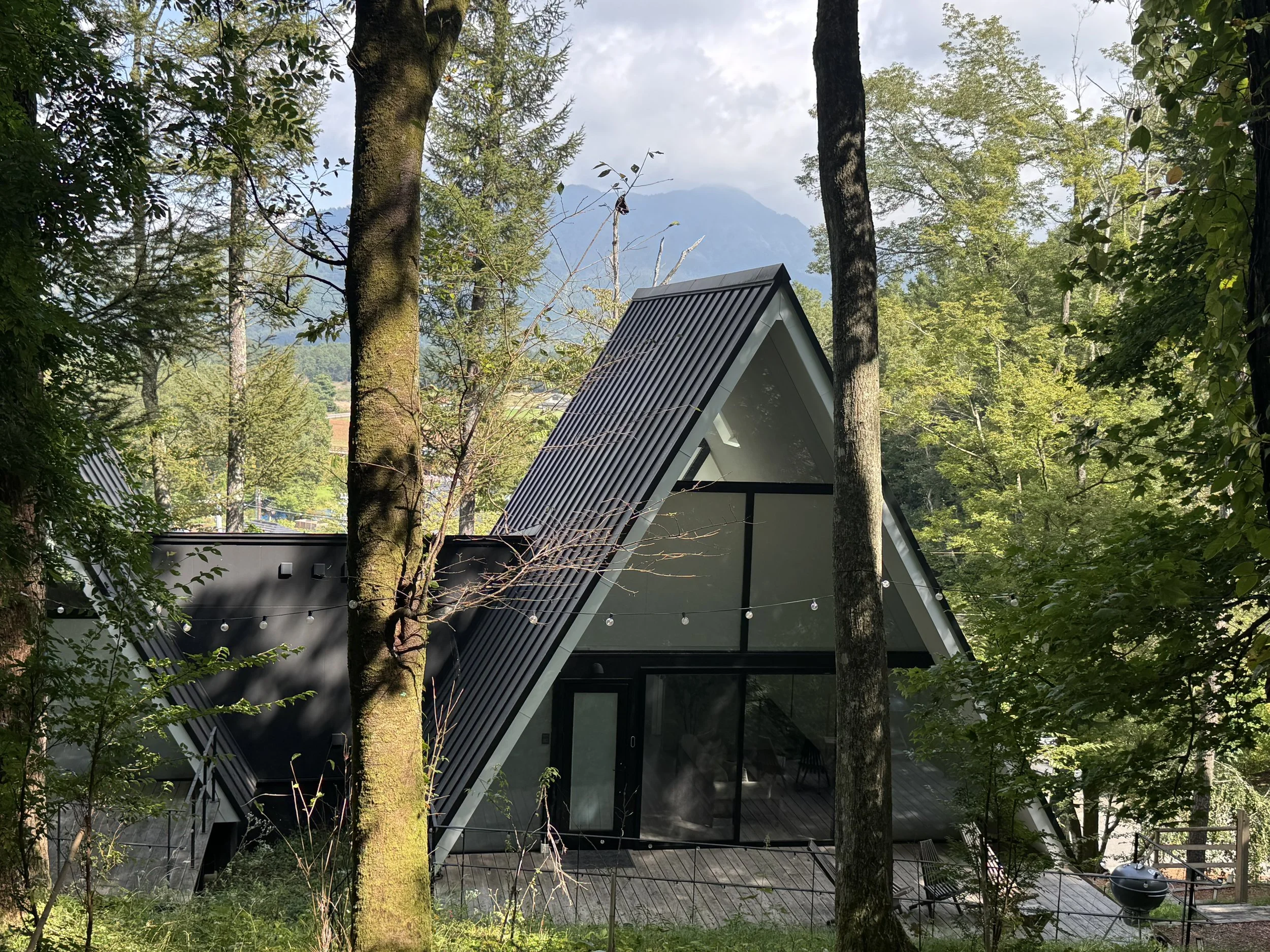
The original Koti house, for example, has approximately 93 square meters of space, two bedrooms and can hold 6 people, with a kitchen and in-house washing machine. I find these to be incredibly useful details when you are several stops into your 3 week Japan trip and would like a place to unpack, cook something simple and most importantly, do laundry. We certainly took full advantage of every amenity, including the high end toaster!
The accommodations also sit beside Hana no Miyako Park, with its flower fields and views toward Fuji. Shops and supermarkets are close by, making it easy to enjoy the setting while also still picking up what you need for dinner - particularly useful given the enormous kitchen in our abode.
What made Koti feel particularly personal, though, was Allen. He was a lovely host, and his knowledge of (and passion for!) the area surpassed any guidebook. He helped us understand how to explore it with more care and curiosity than your average tourist. He grew up in Taiwan and spent more than 20 years living in the United States before moving to Japan and running his hospitality business. That experience, along with his ability to speak several languages, brings an international perspective to the welcome. We cannot say enough about his hospitality.
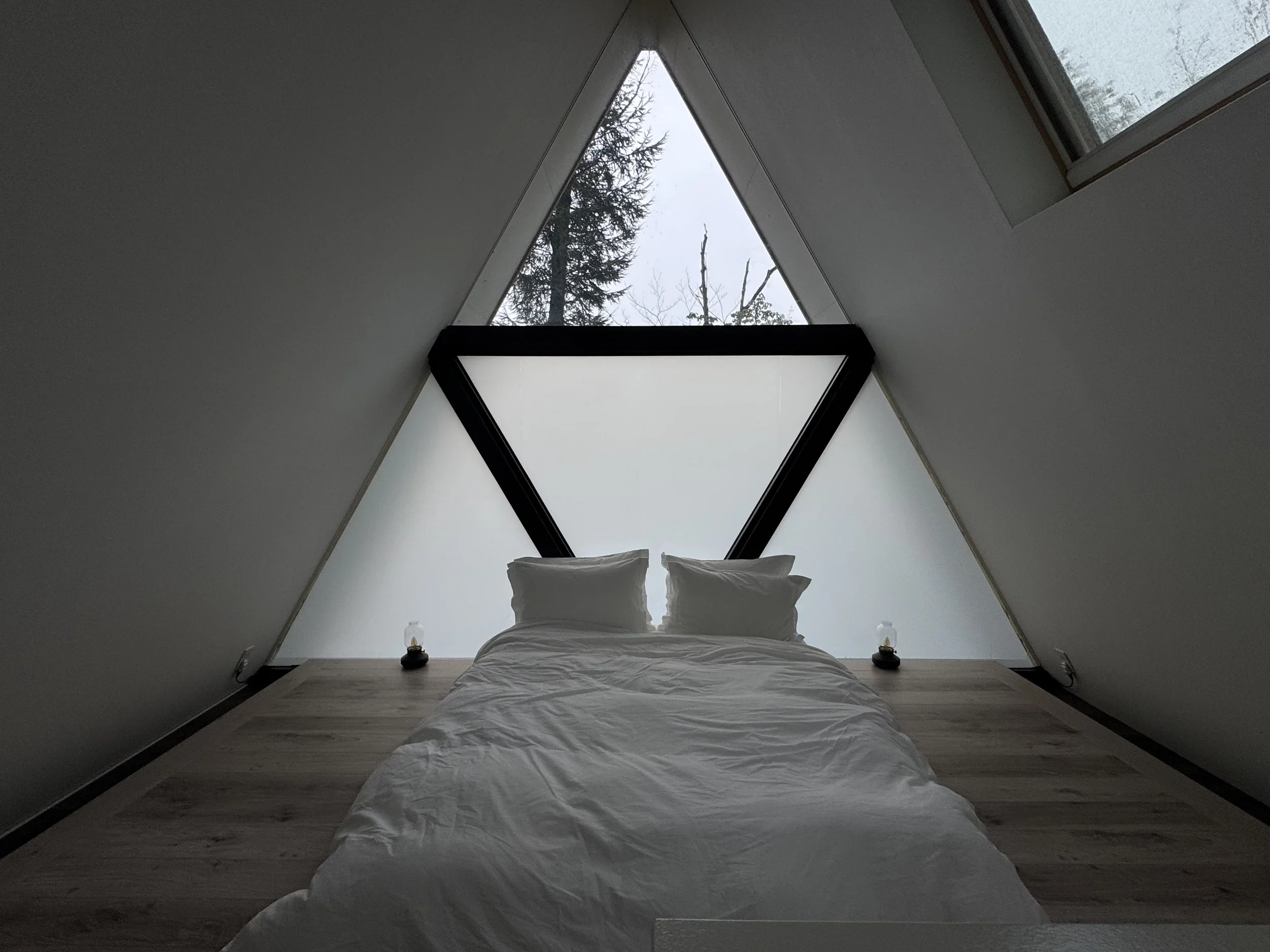
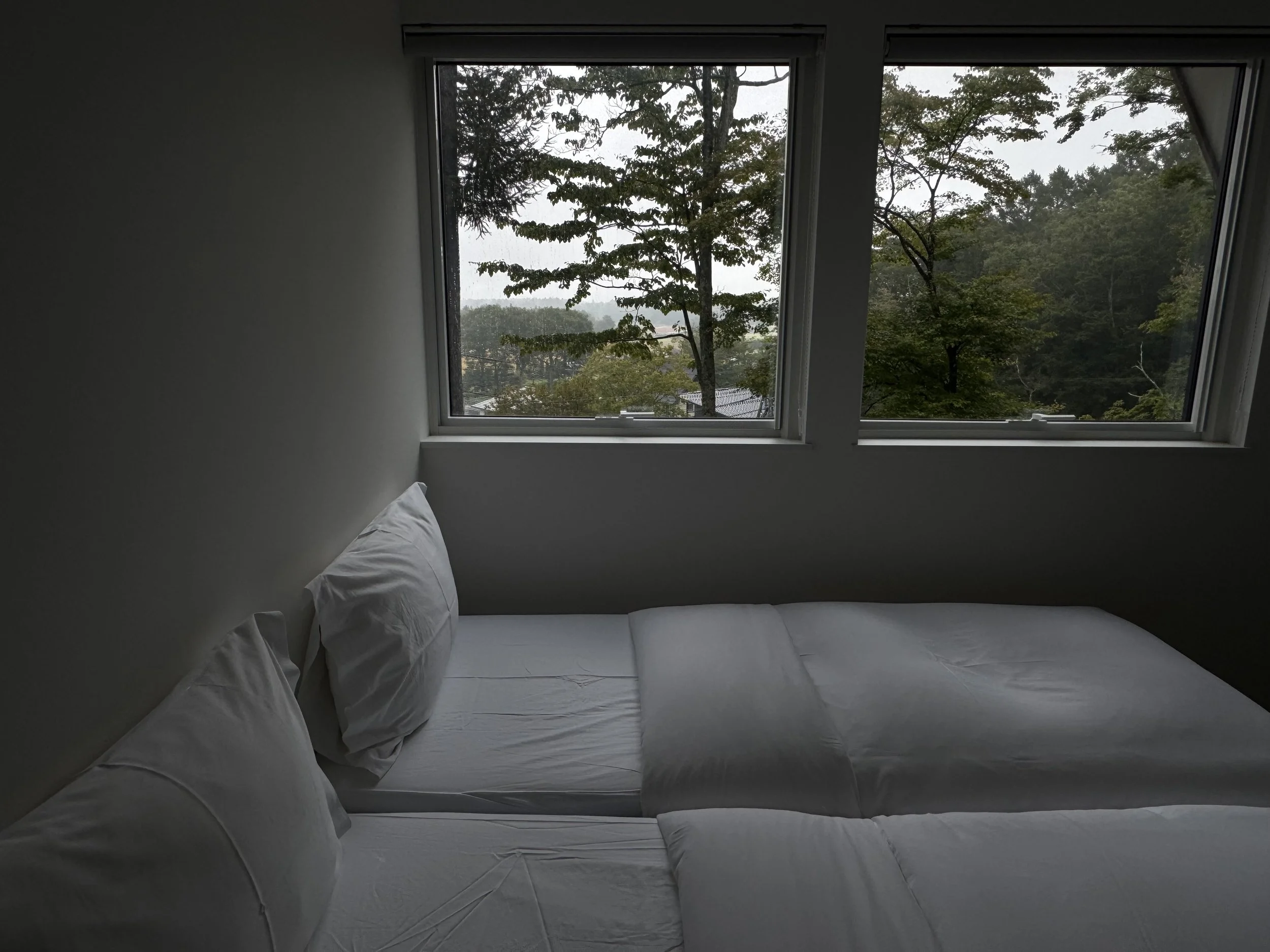
I would give Koti several nights if you can. There is enough nearby to fill your days, but part of the pleasure is having time at the house itself.
Where to Eat: We absolutely loved Auberge KOKI (which by the way, is an excellent alternative place to stay).
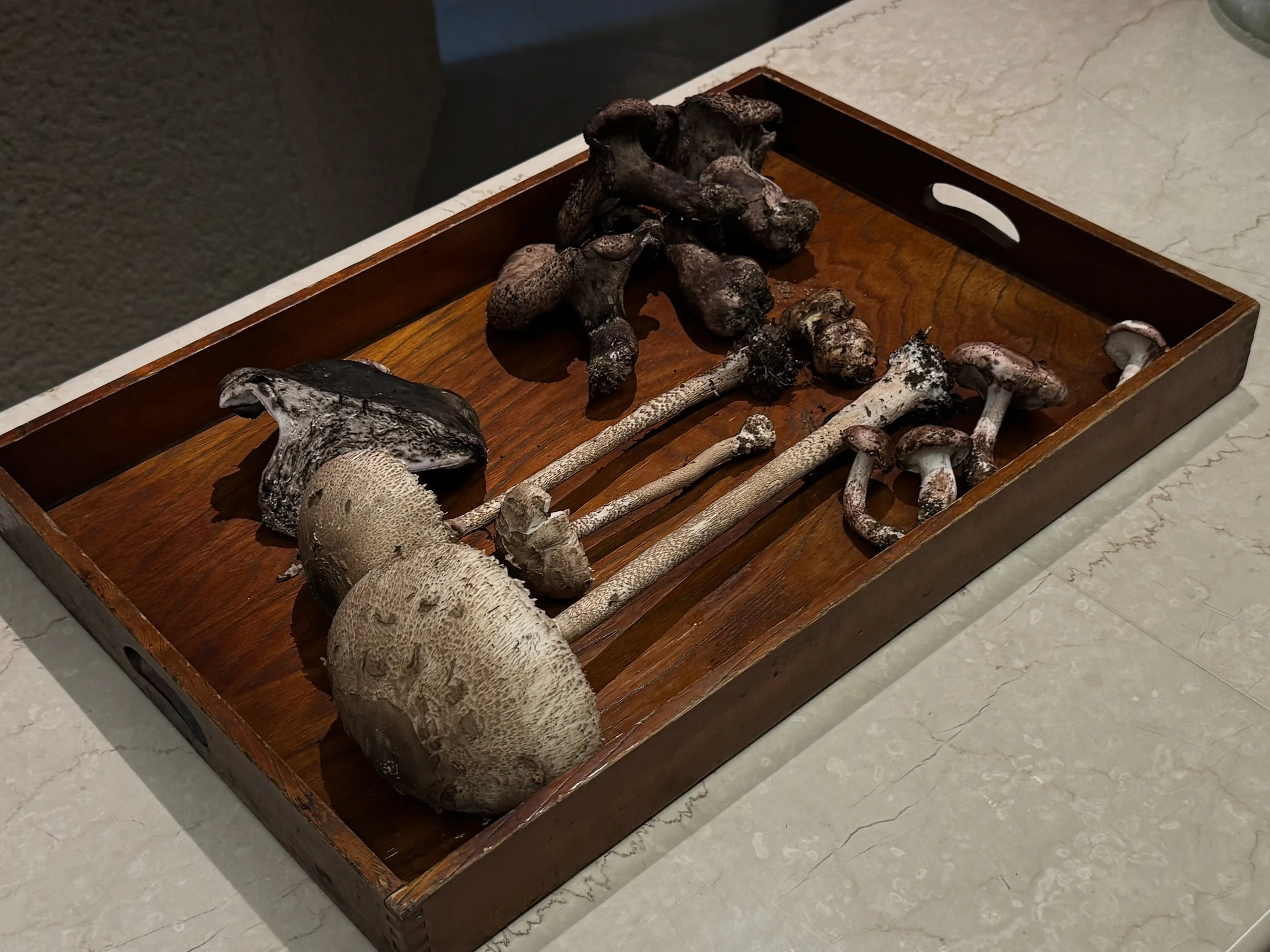
KOKI is the rebirth of the of the family bistro, opened in 2024 after a full renovation from it’s previous form known as HORO HORO long running bistro in the Doshi valley. Led by Soul Sato, he brings his life long experience exploring the Doshi valley to the plate. Every possible ingredient is sourced within 500m of the kitchen, with the only exception being the boar he hunted just over 2km away. The multi course tasting menu was not only delicious, but felt a bit like watching a story unfold in front of your eyes. He would bring out the ingredients, proud of what he found/foraged that morning, weaving a story between each bite.
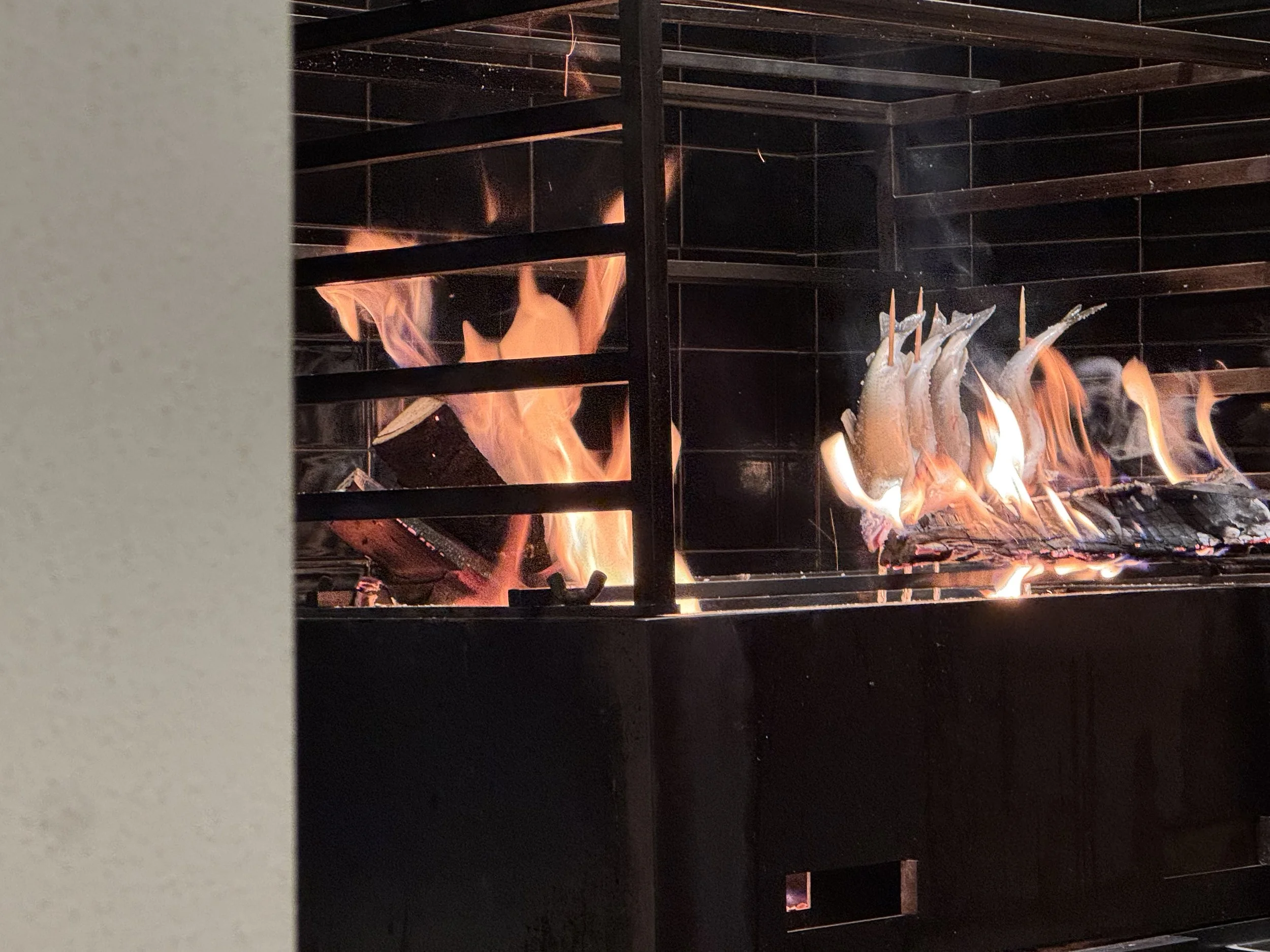
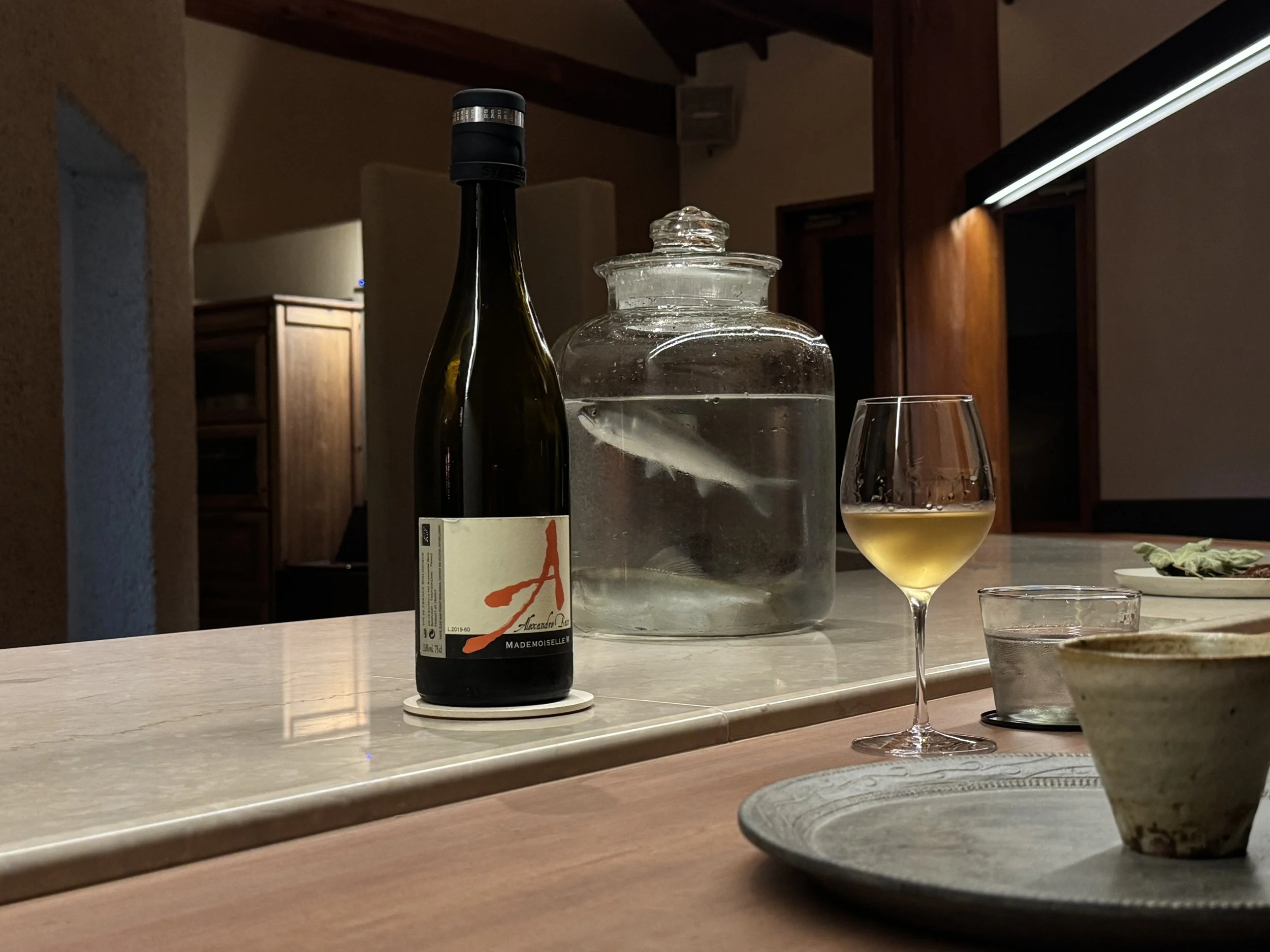
The most intriguing part of that story was the Ayu fish, which Soul places in front of you (alive, to be clear) at the beginning of the meal, fished from behind KOKI and stored in a holding pond until ready for primetime. Through each course, they were brought back out in a new form until they were placed over the fire, slow cooked over an open fire, slightly smoked.
KOKI brings the complete picture to the sense, from a beautiful dining room, elaborate tasting menu changing from day to day, an elite wine list, and two rooms available for the weary traveler. The Doshi valley is slightly off the beaten path, but it is worth the adventure. Take the day to wander and taste the valley.
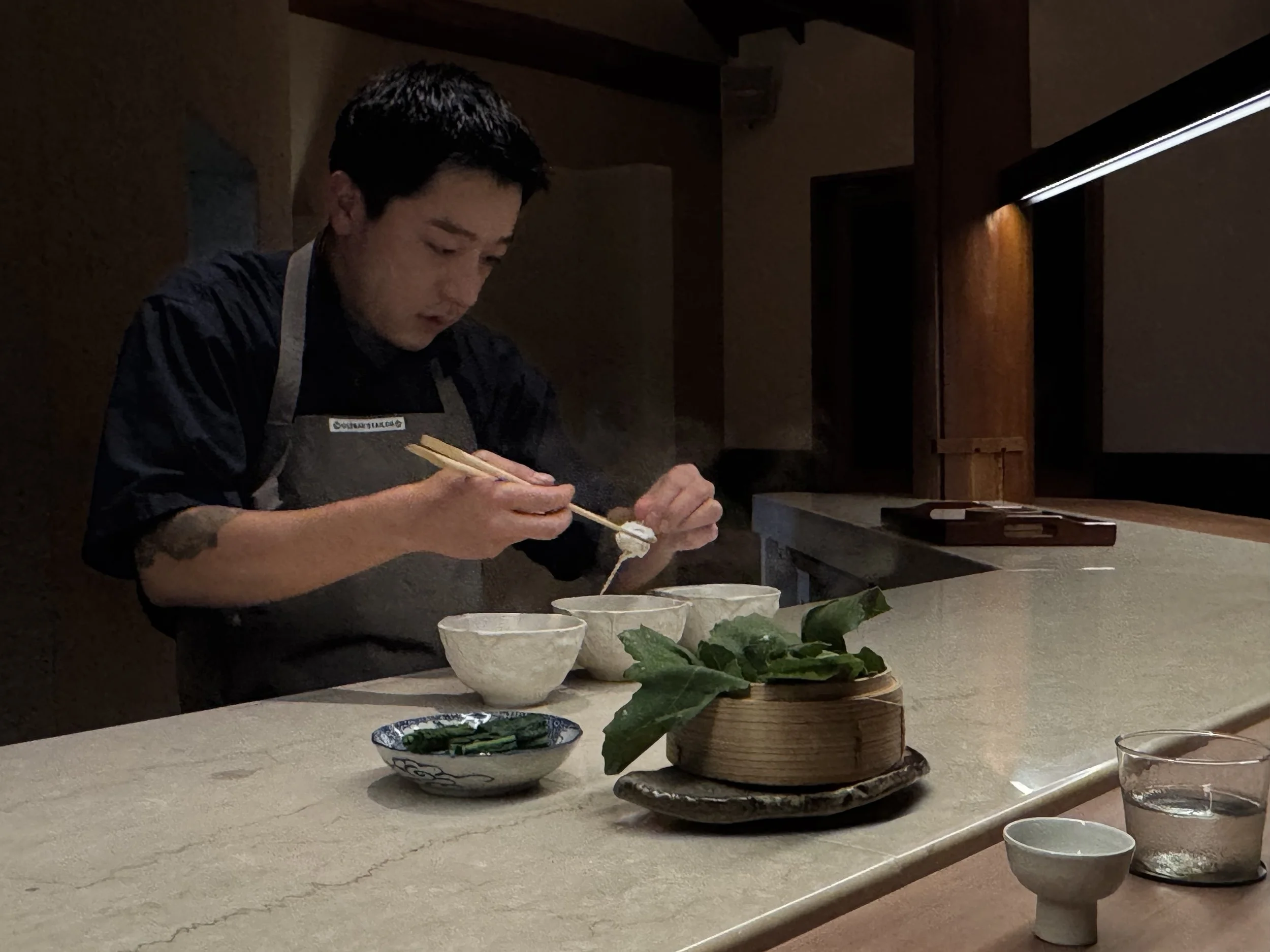
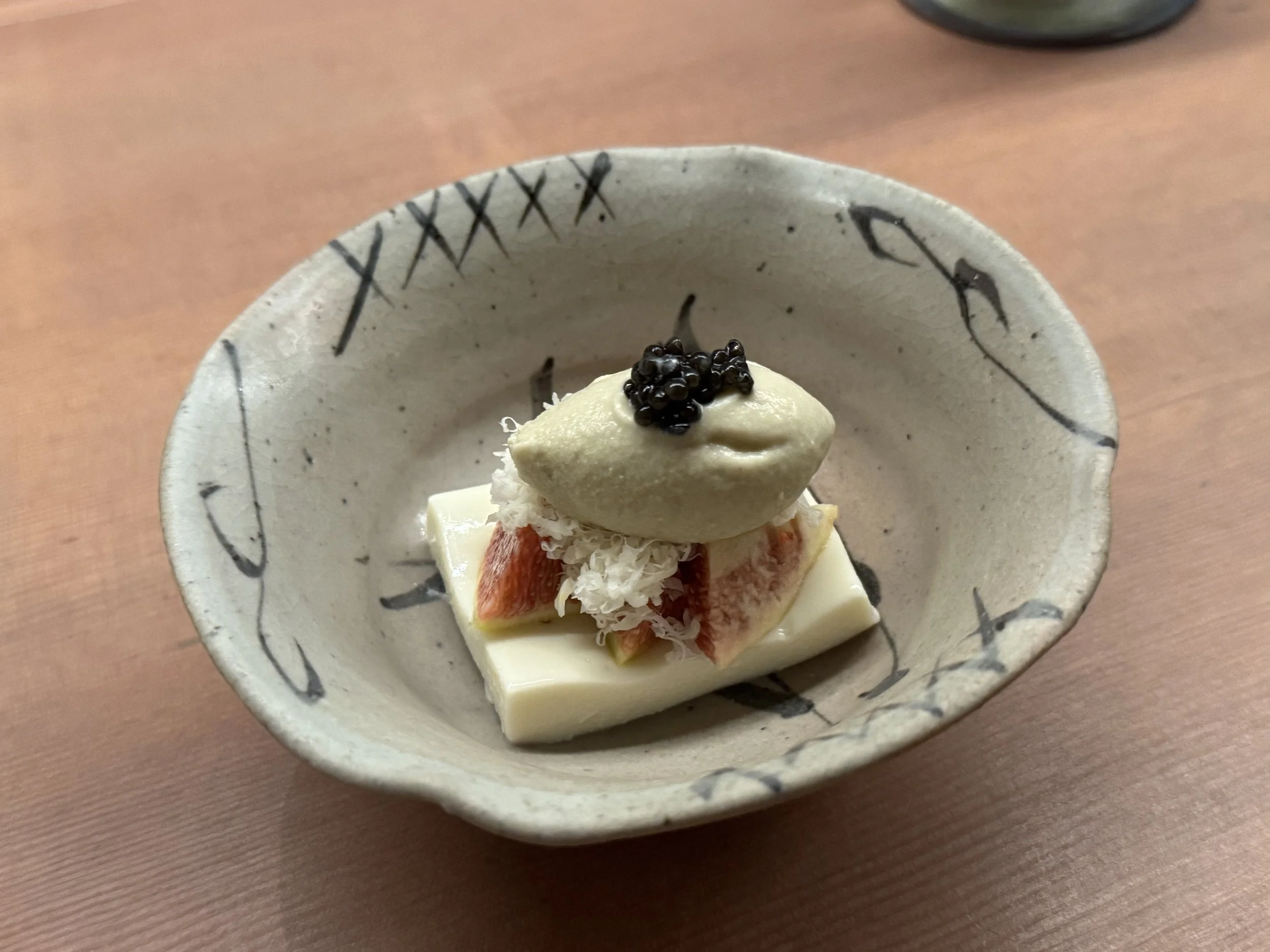
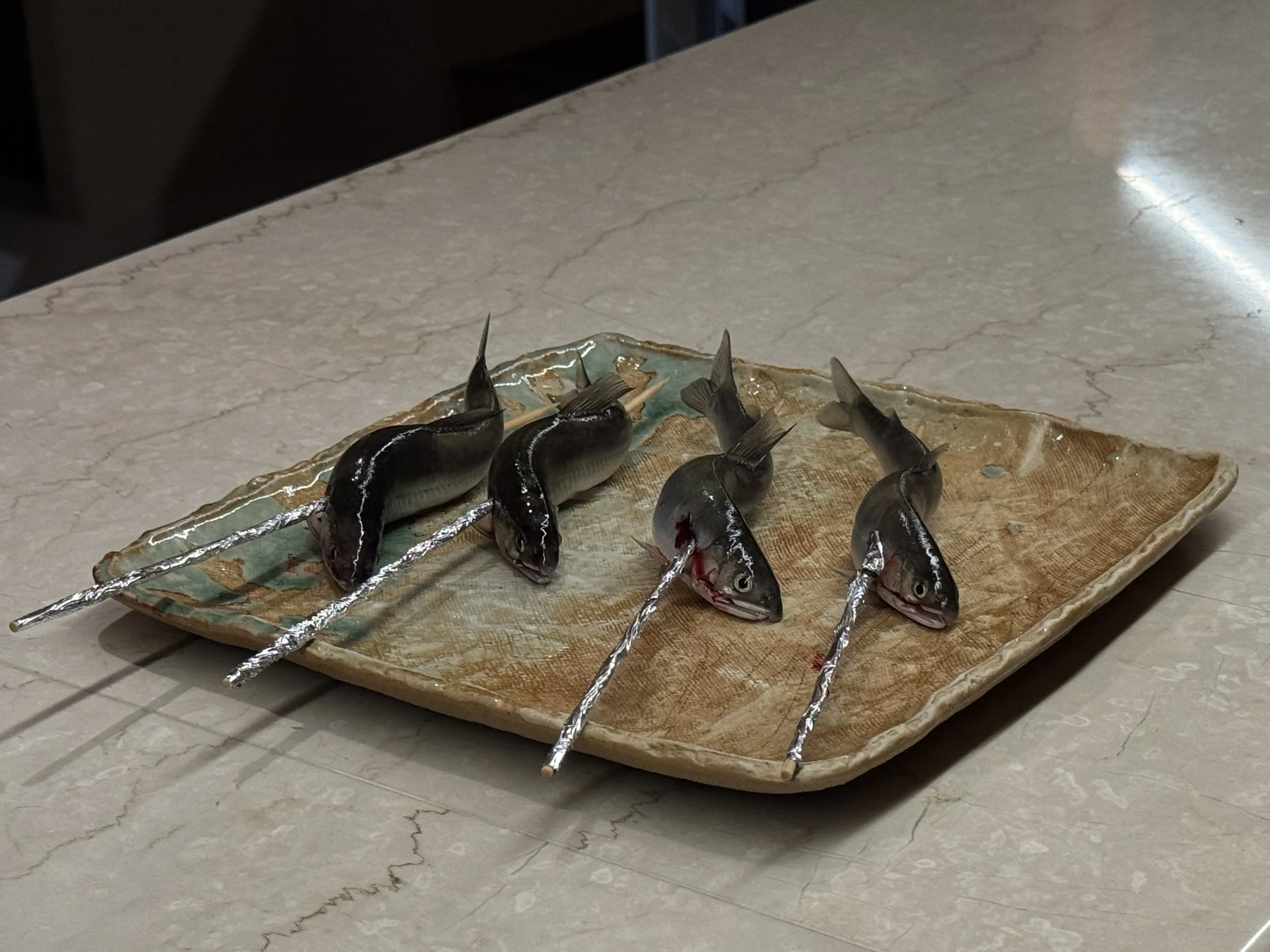
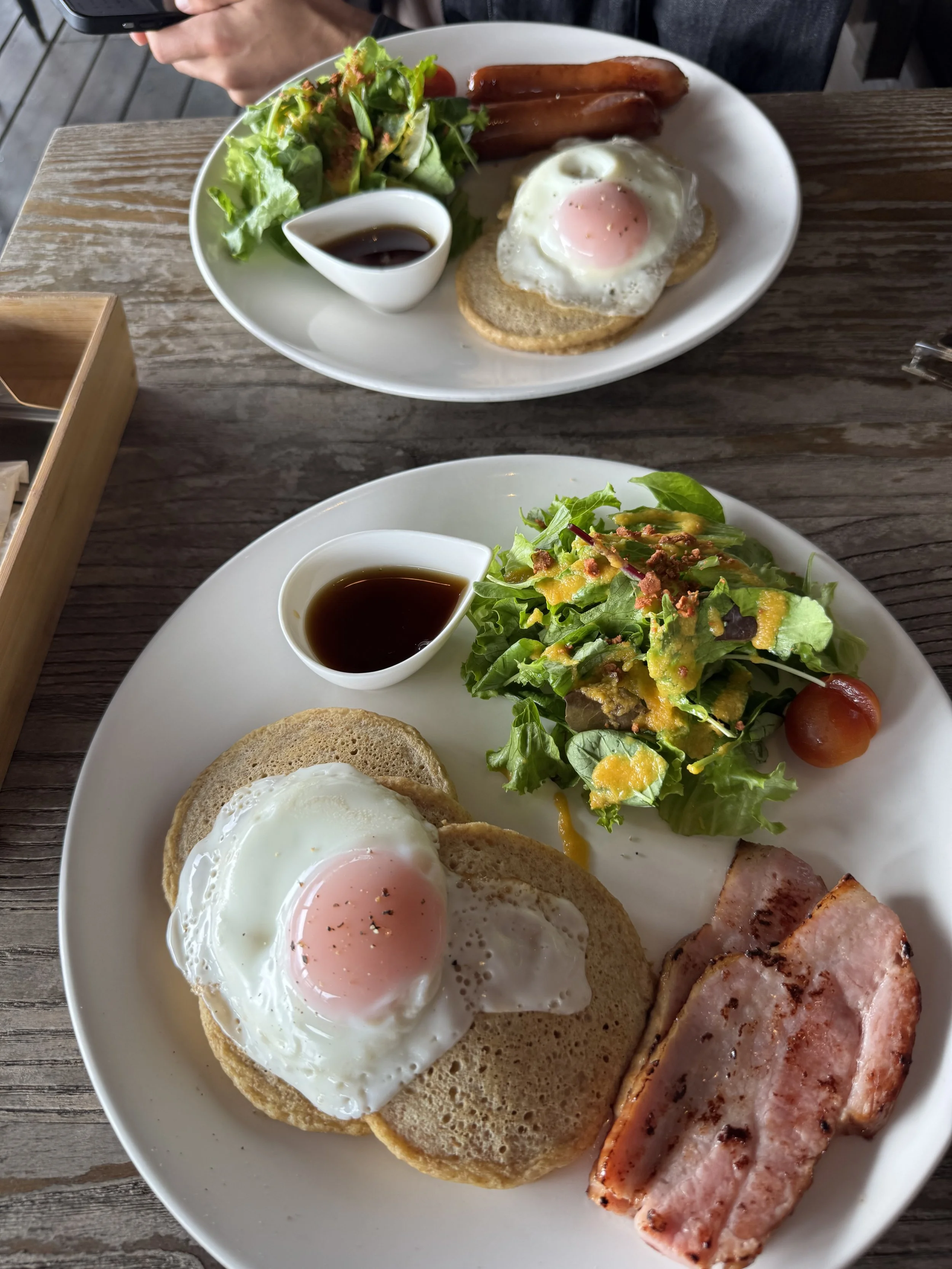
We were also thrilled by the community cafes in the area like Yamanaka Terrace. This was a stop that I had long coveted after seeing it on Instagram months prior to our trip and it did not disappoint. It is a thoughtfully designed cafe and refill shop in a wooded setting about a five minutes’ drive from Lake Yamanaka. On a clear day, you can see Mt Fuji from its grounds, making it a lovely stop between exploring the lake and the surrounding countryside. The best part about this special place though is its ethos. Its founders left corporate careers to create a business rooted in their love of nature, with a focus on community and more sustainable everyday habits. That ethos extends beyond the setting to food sold by weight and efforts to reduce disposable packaging, alongside solar power and composting initiatives. A special, thoughtful place, indeed.
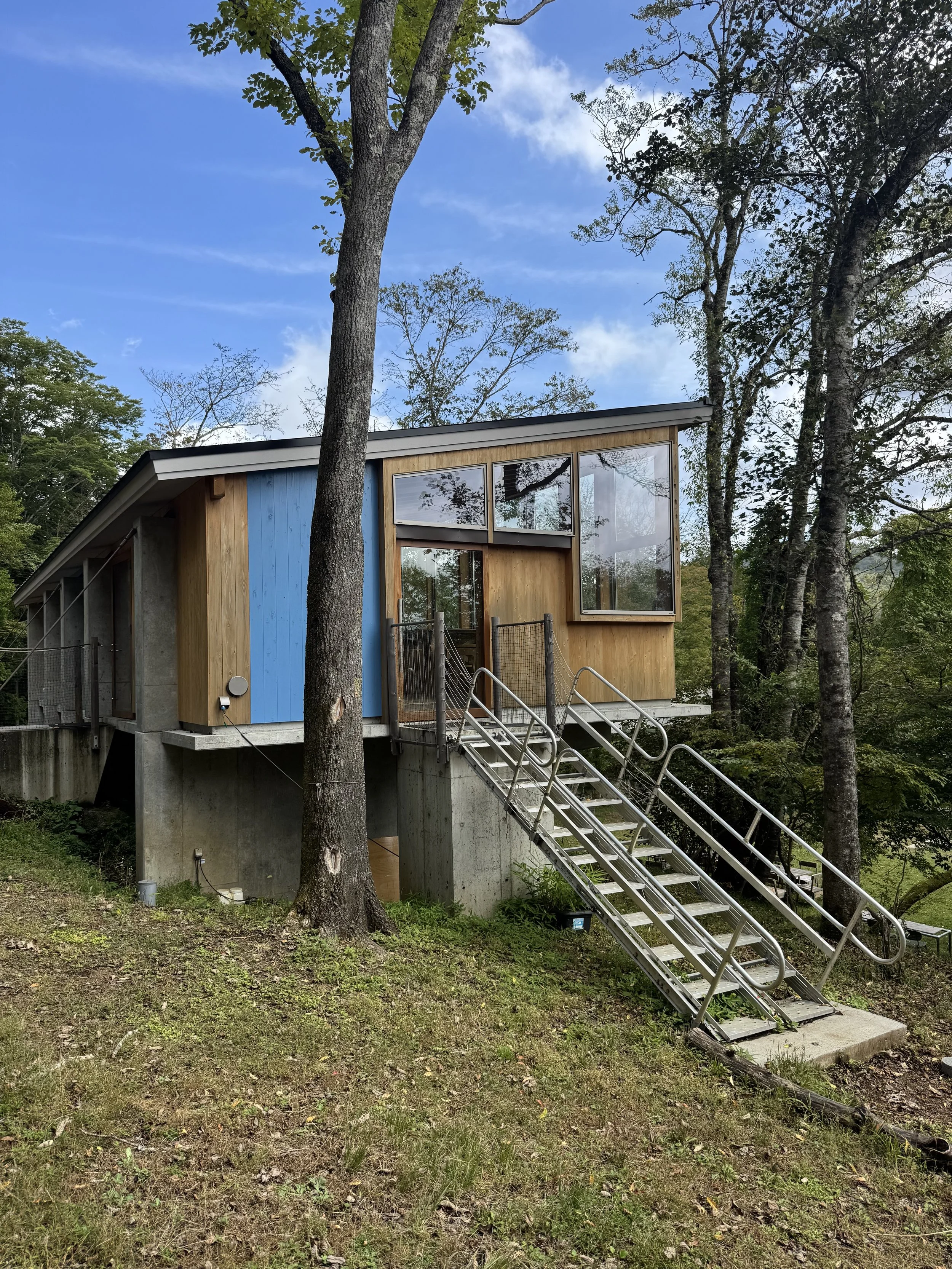
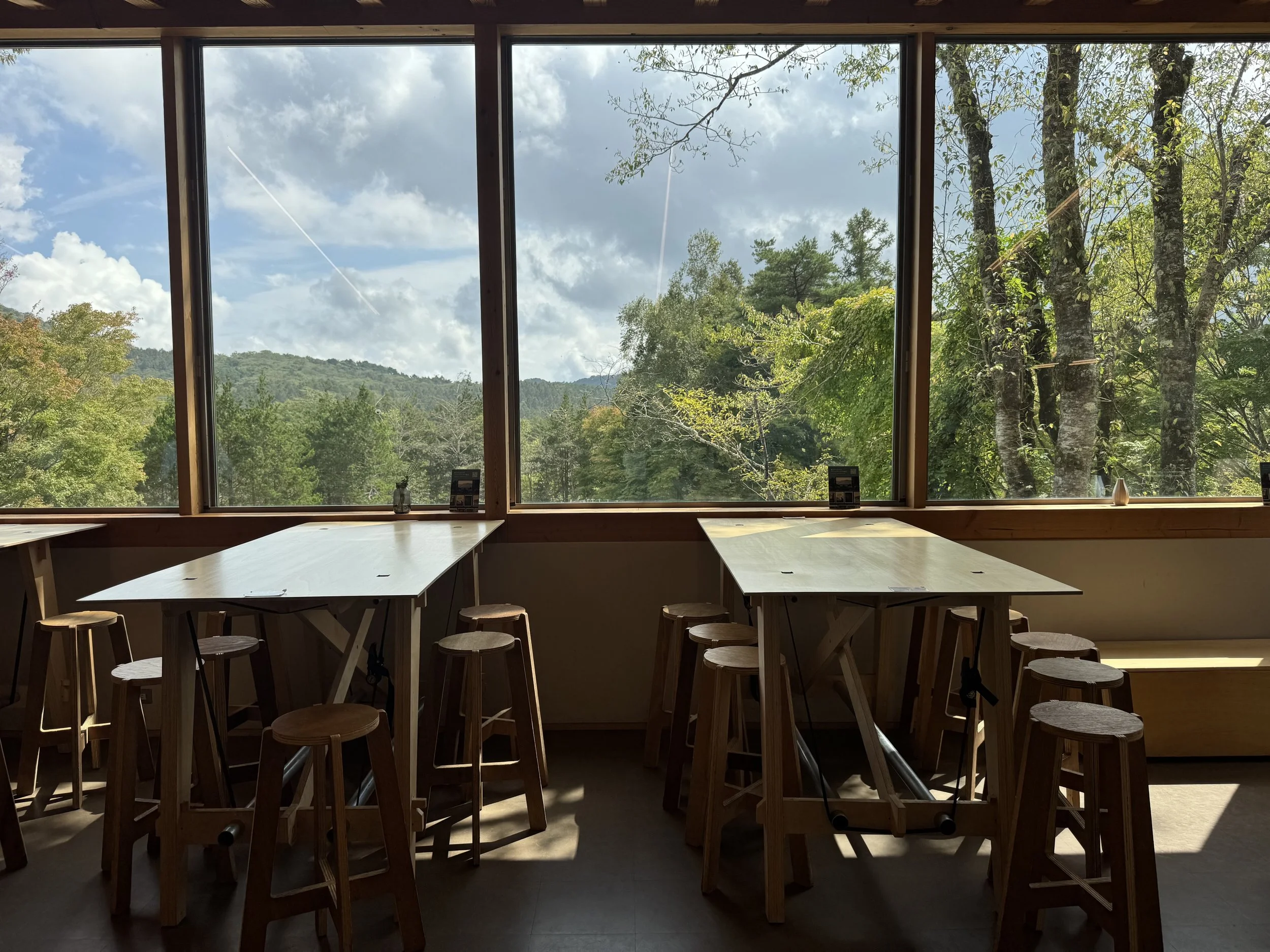
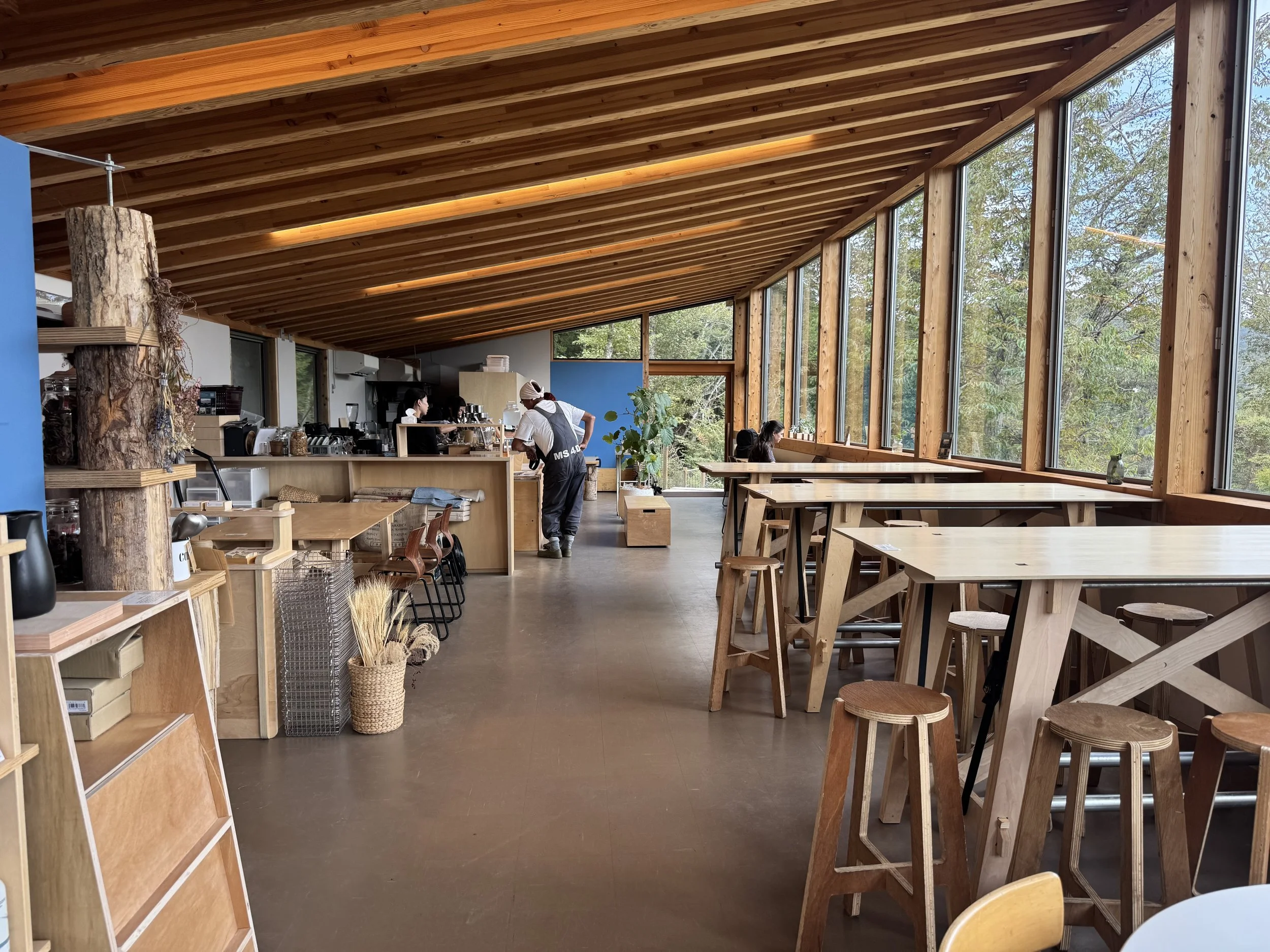
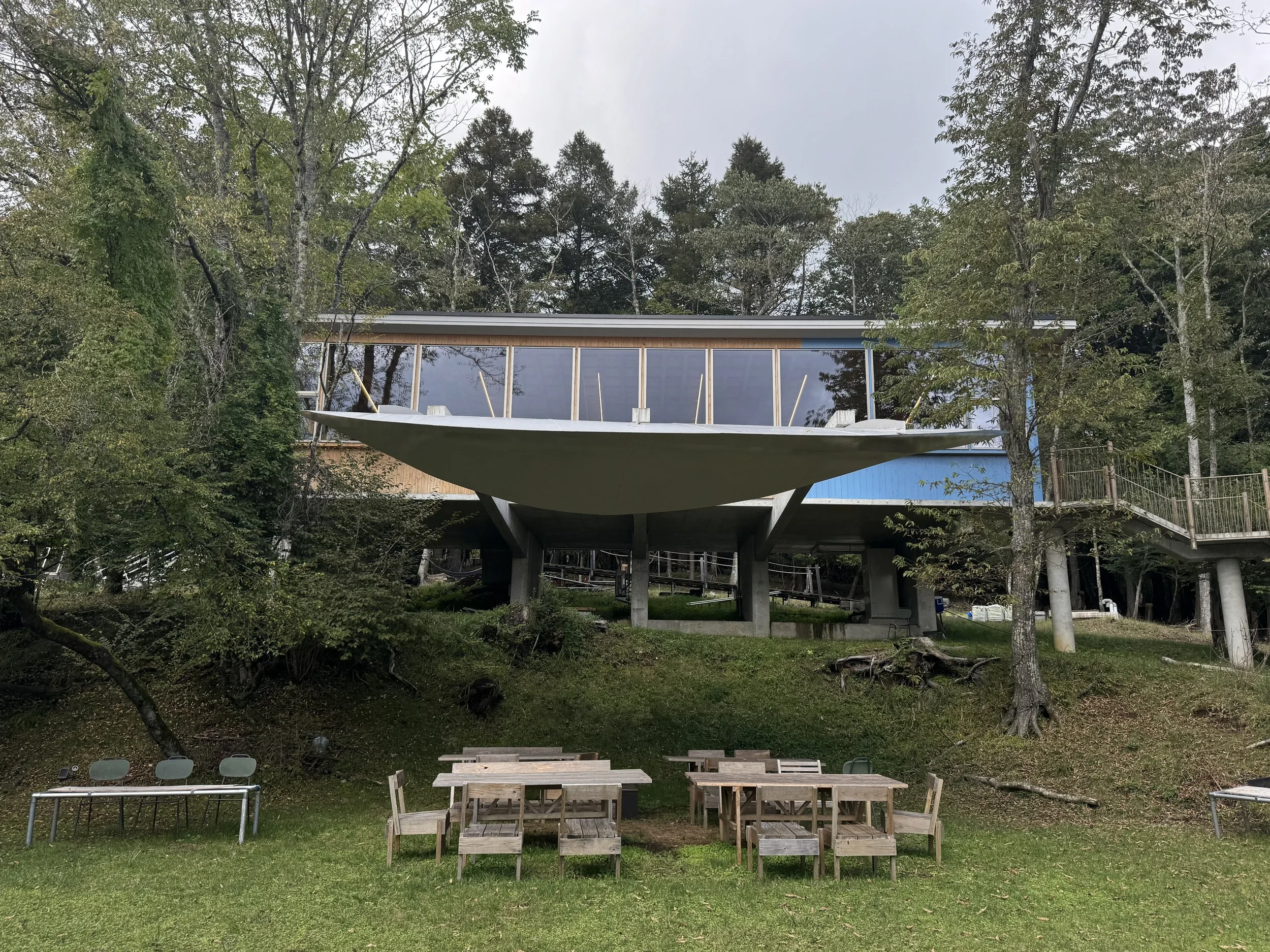
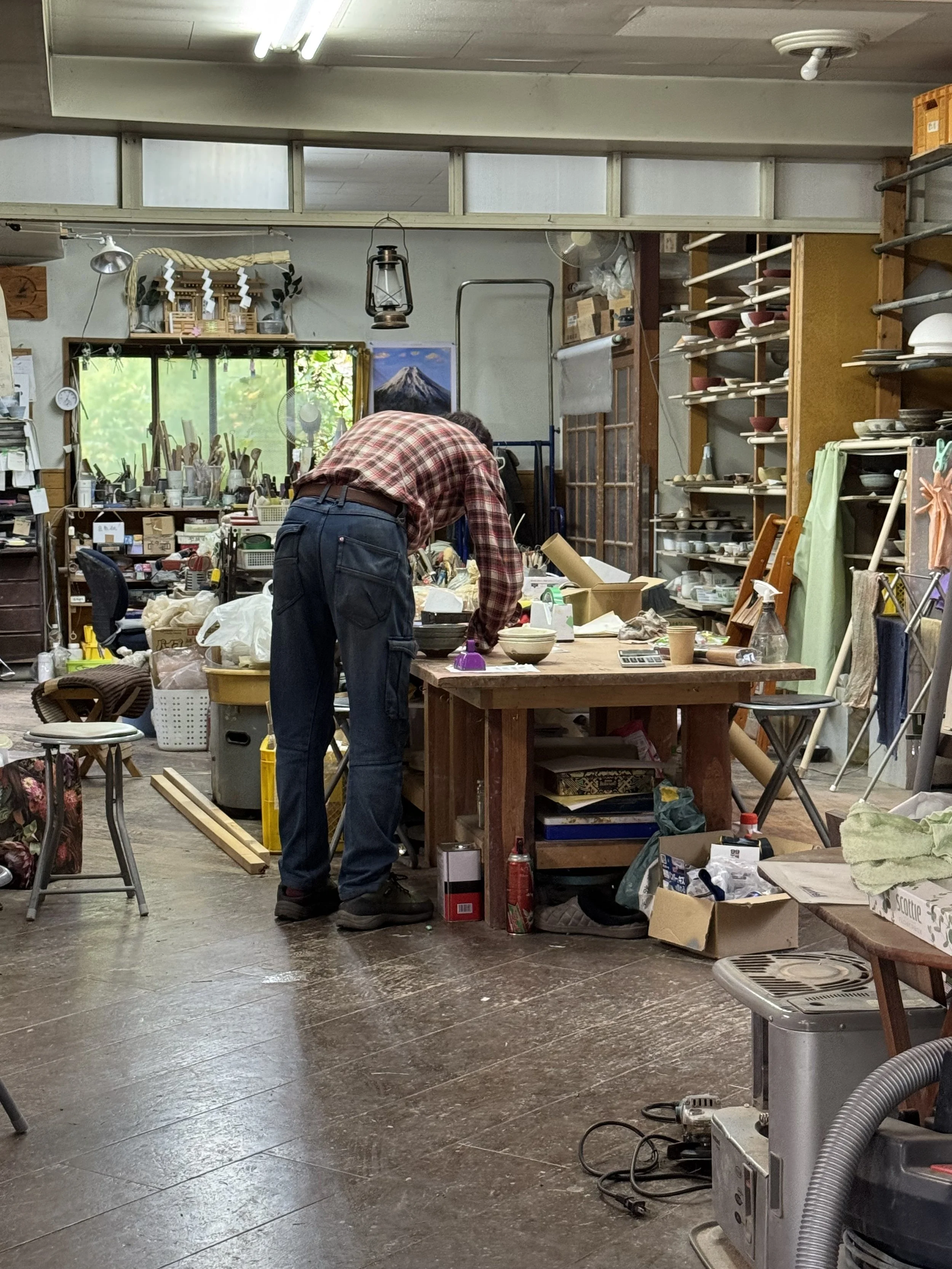
Things to Do: Give yourself time to explore beyond the obvious Fuji viewpoints. Some of our favorite stops involved a pottery studio or a farm stand, with the mountain appearing between errands. Start close to Lake Yamanaka, then plan a separate day further into Yamanashi for grapes and wine.
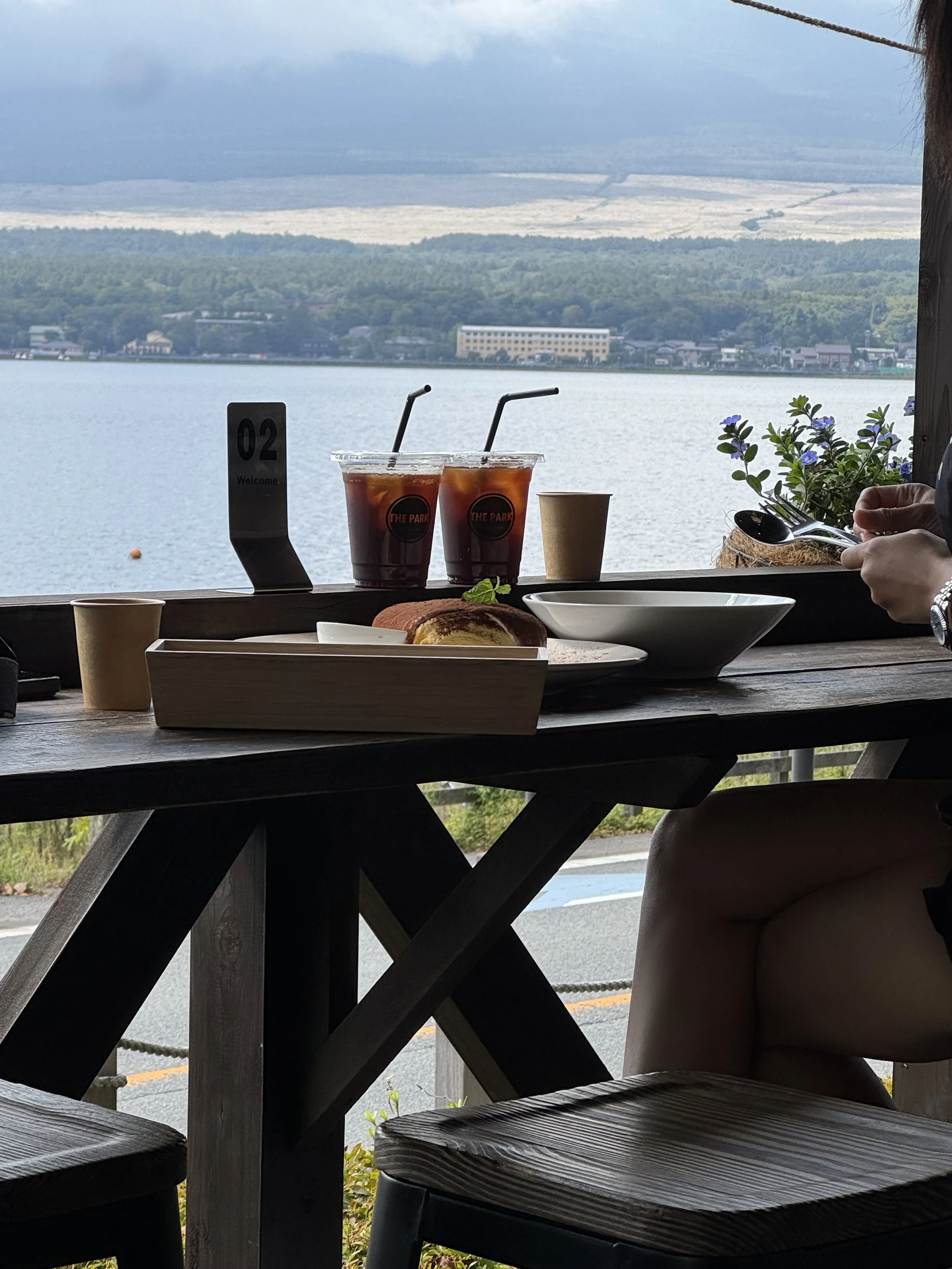
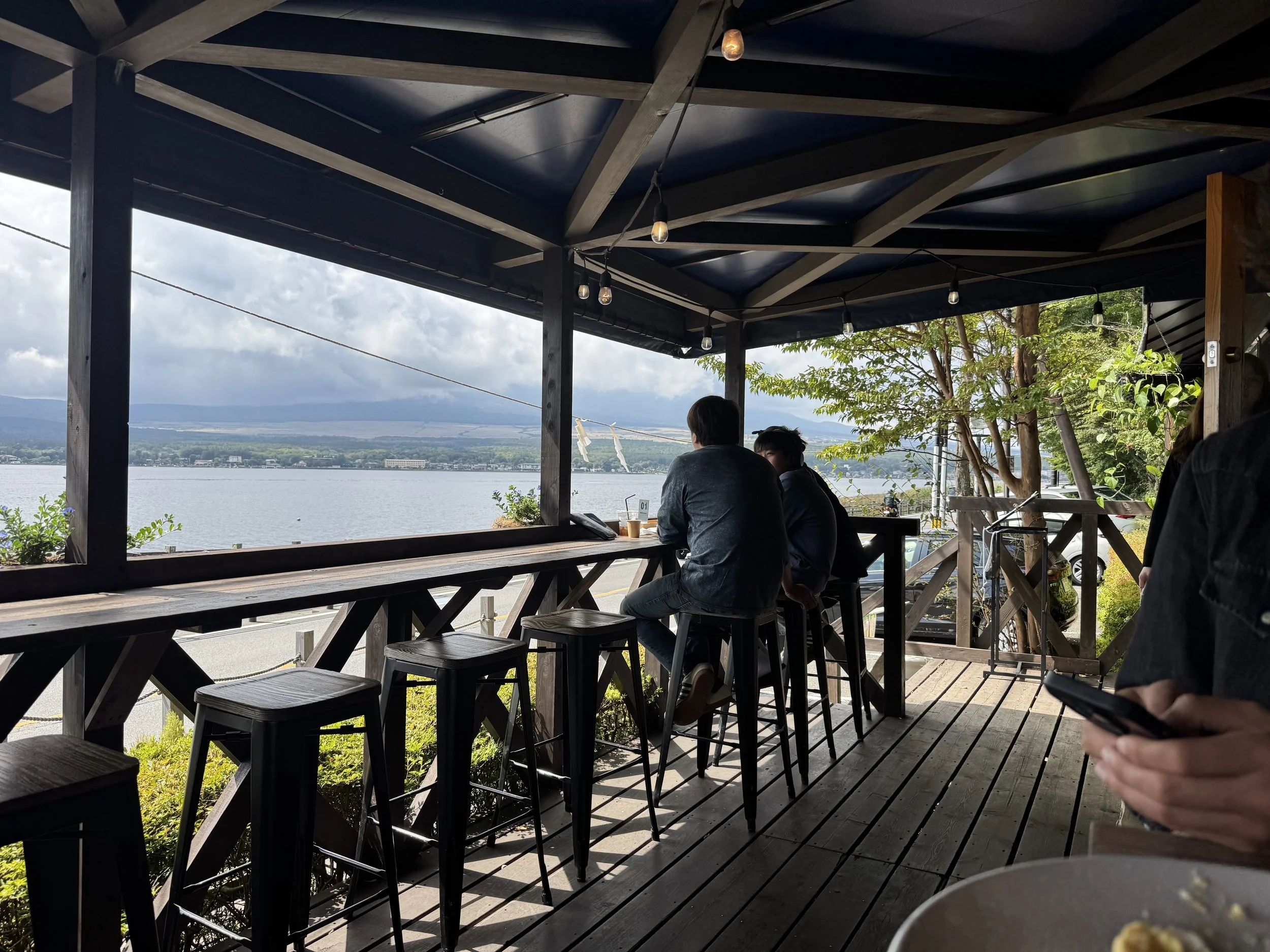
Explore the lake and its shrines. Walk a stretch of the lakeshort or rent bicycles to cover more ground. Much of Lake Yamanaka’s roughly 14-km shoreline has a dedicated cycling path, with plenty of reasons to stop along the way. For a broader view, head up to Panorama-dai, overlooking the lake toward Fuji. Leave time for the local shrines too. The mountain has a long history as a place of pilgrimage, which gives these visits more context than simply another beautiful building to photograph.
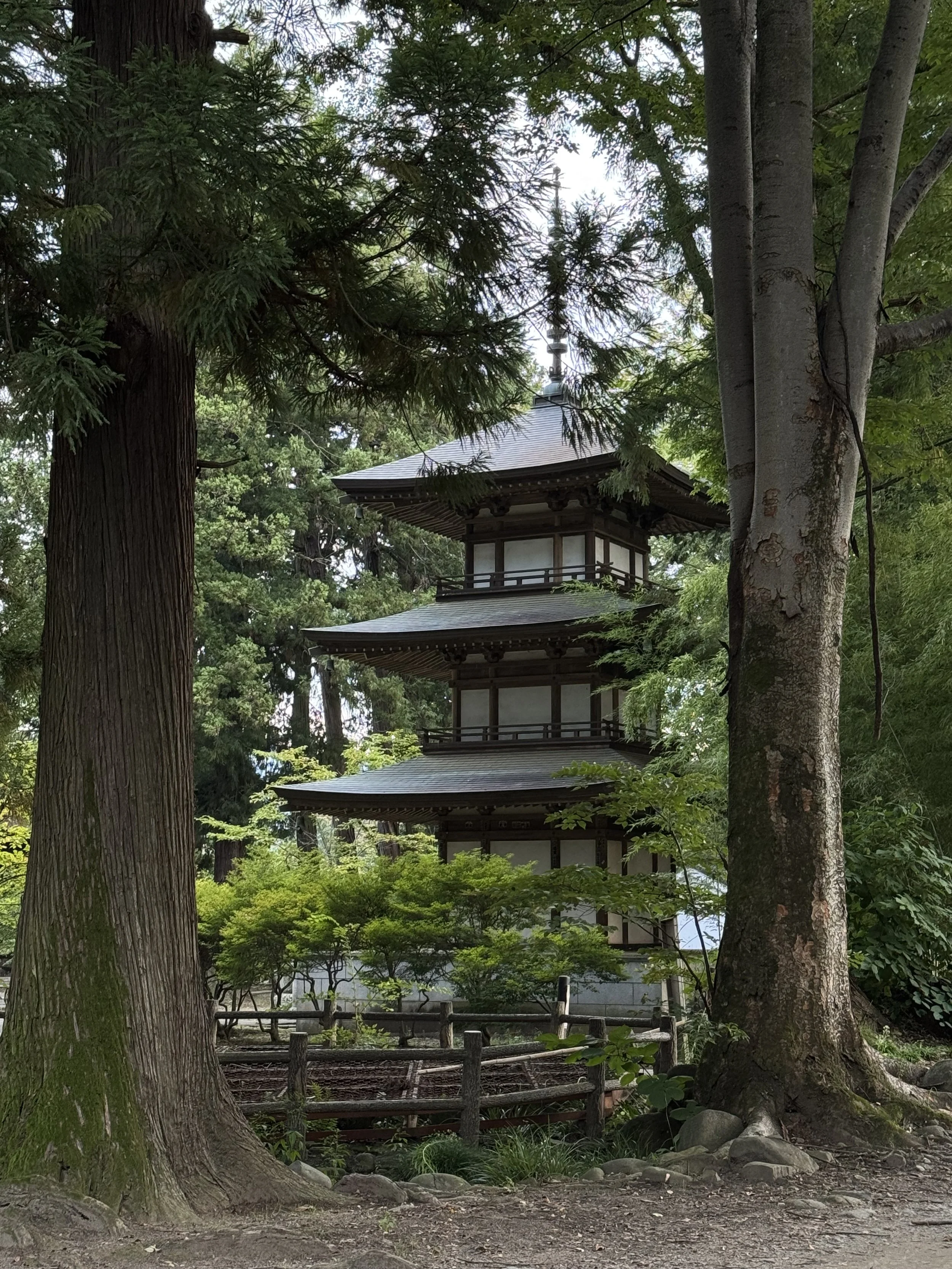
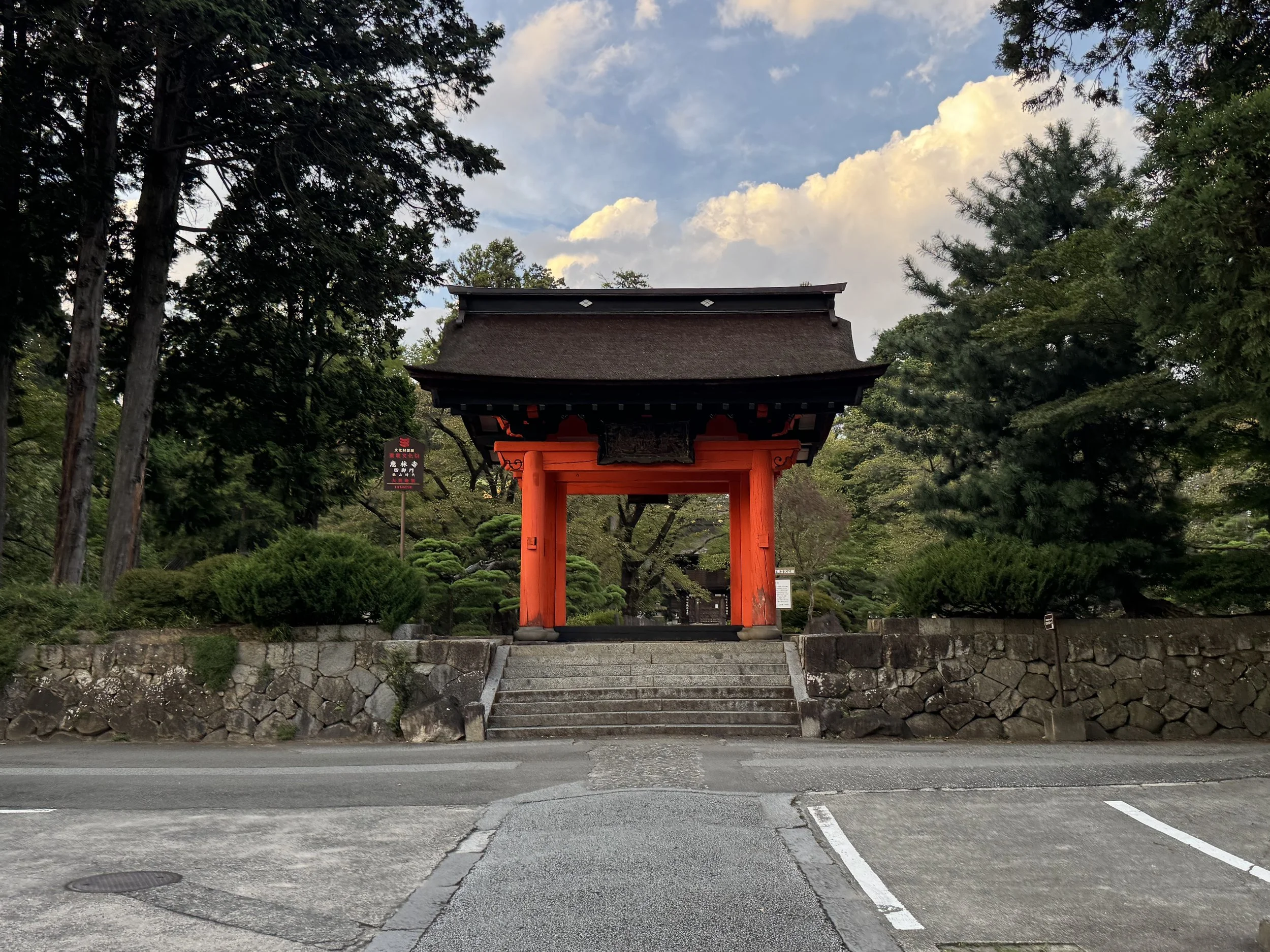
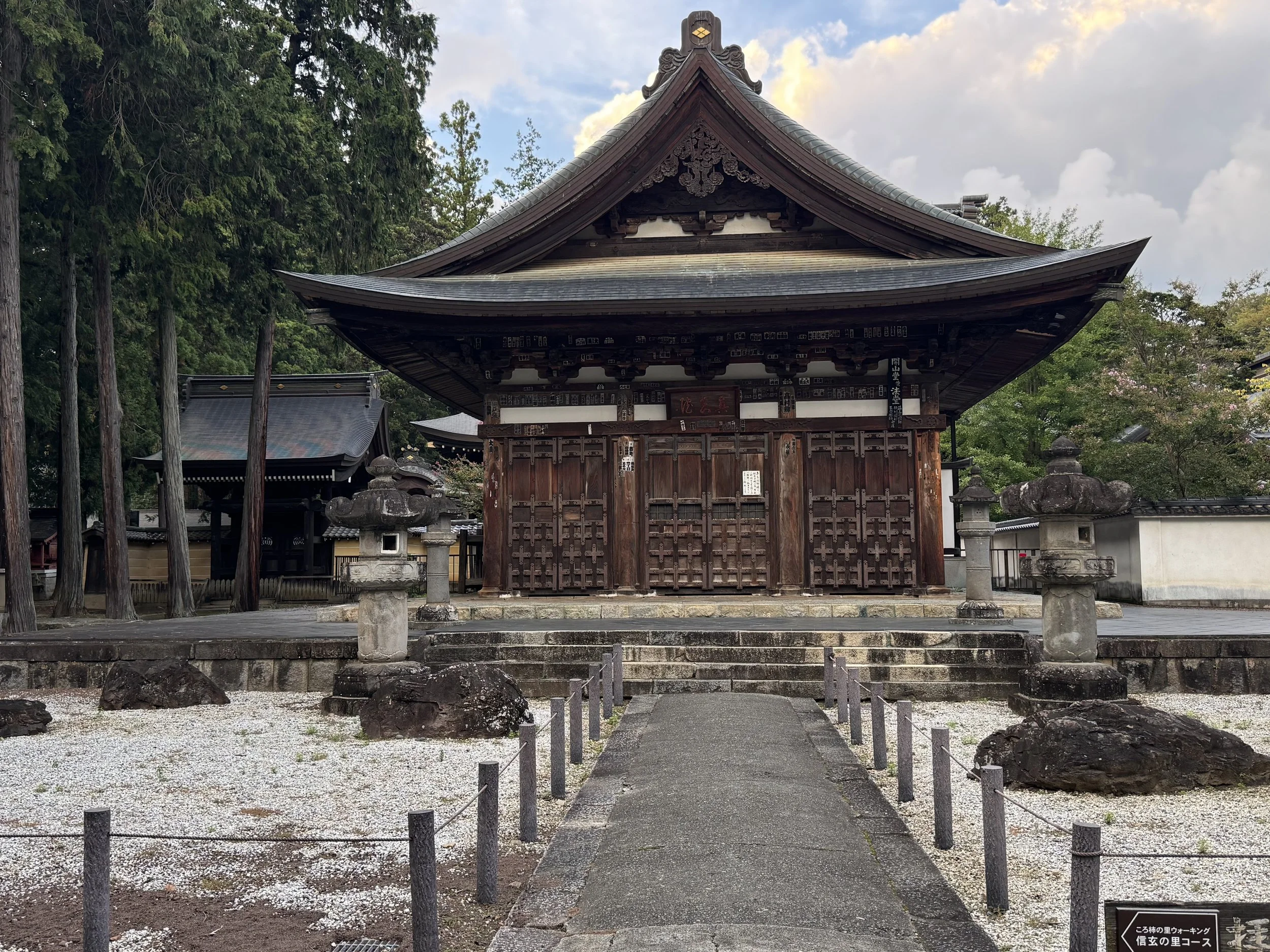
We also visited Erin-Ji temple, built in 1330 and chosen as the ancestral home of the legendary Samurai Takeda Shingen in 1541. It is one of the unique remaining Samurai temples, and it is worth wandering the grounds. The architecture is stunning, and walking through the gates, you are passing through history.
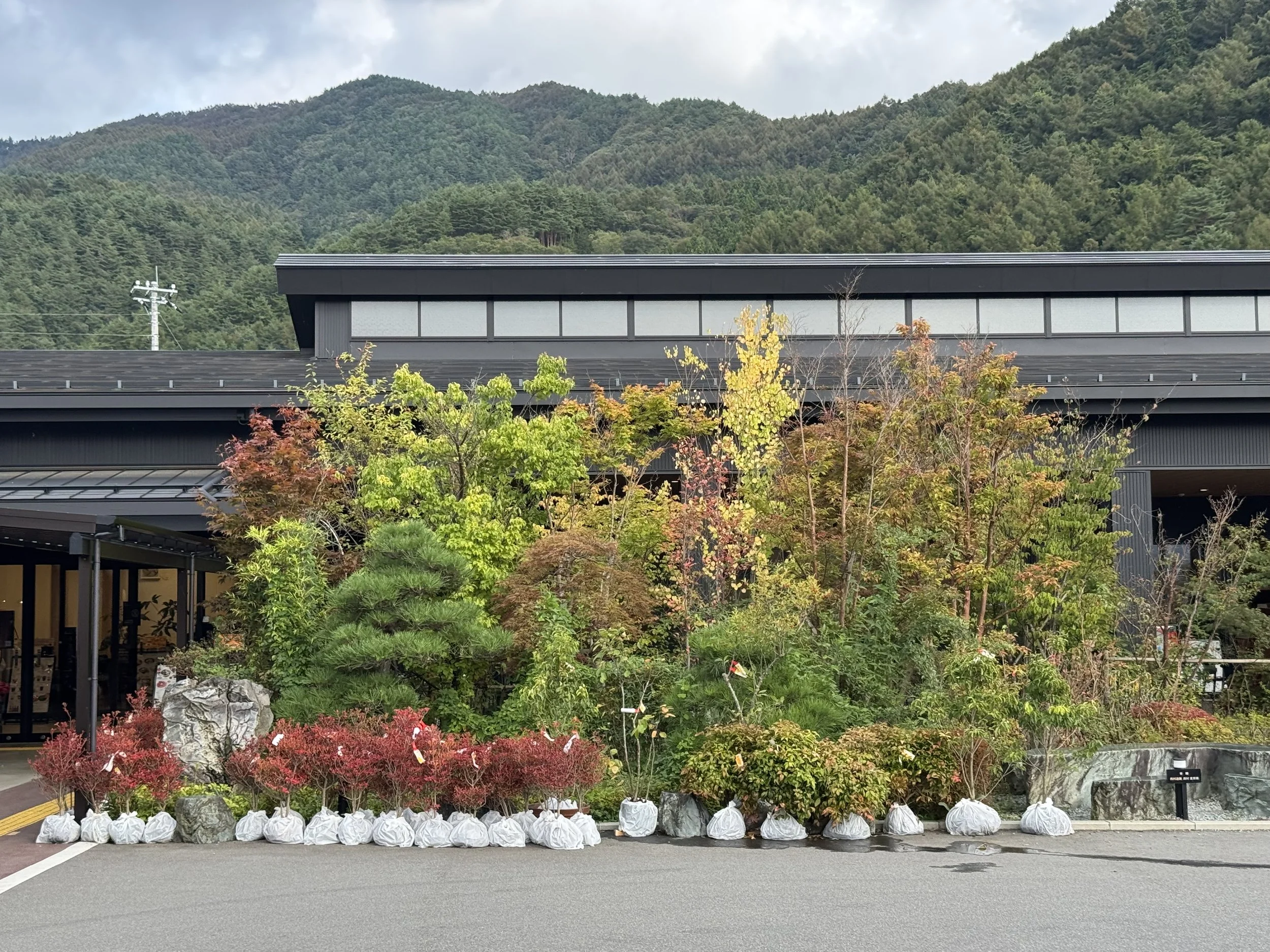
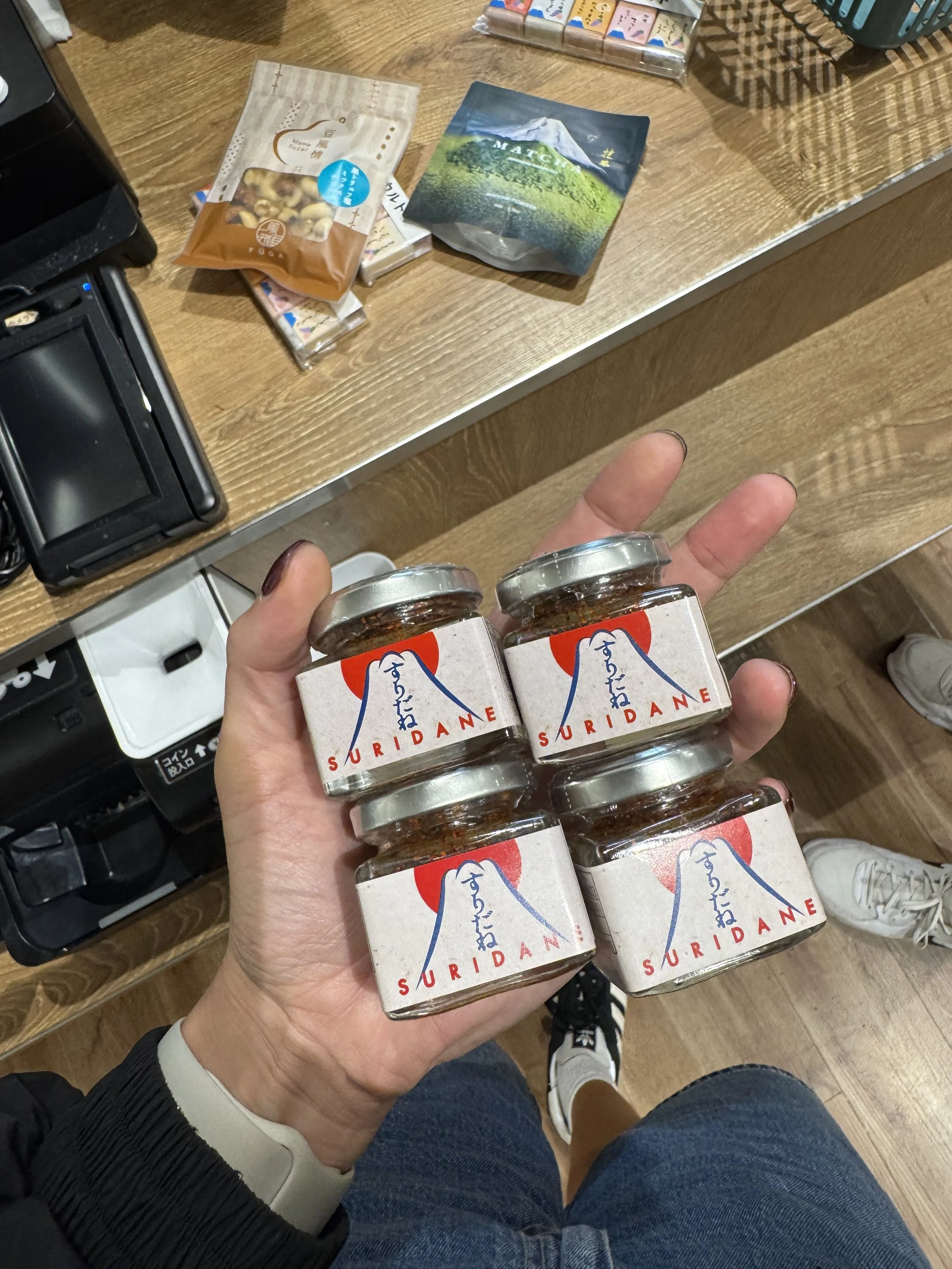
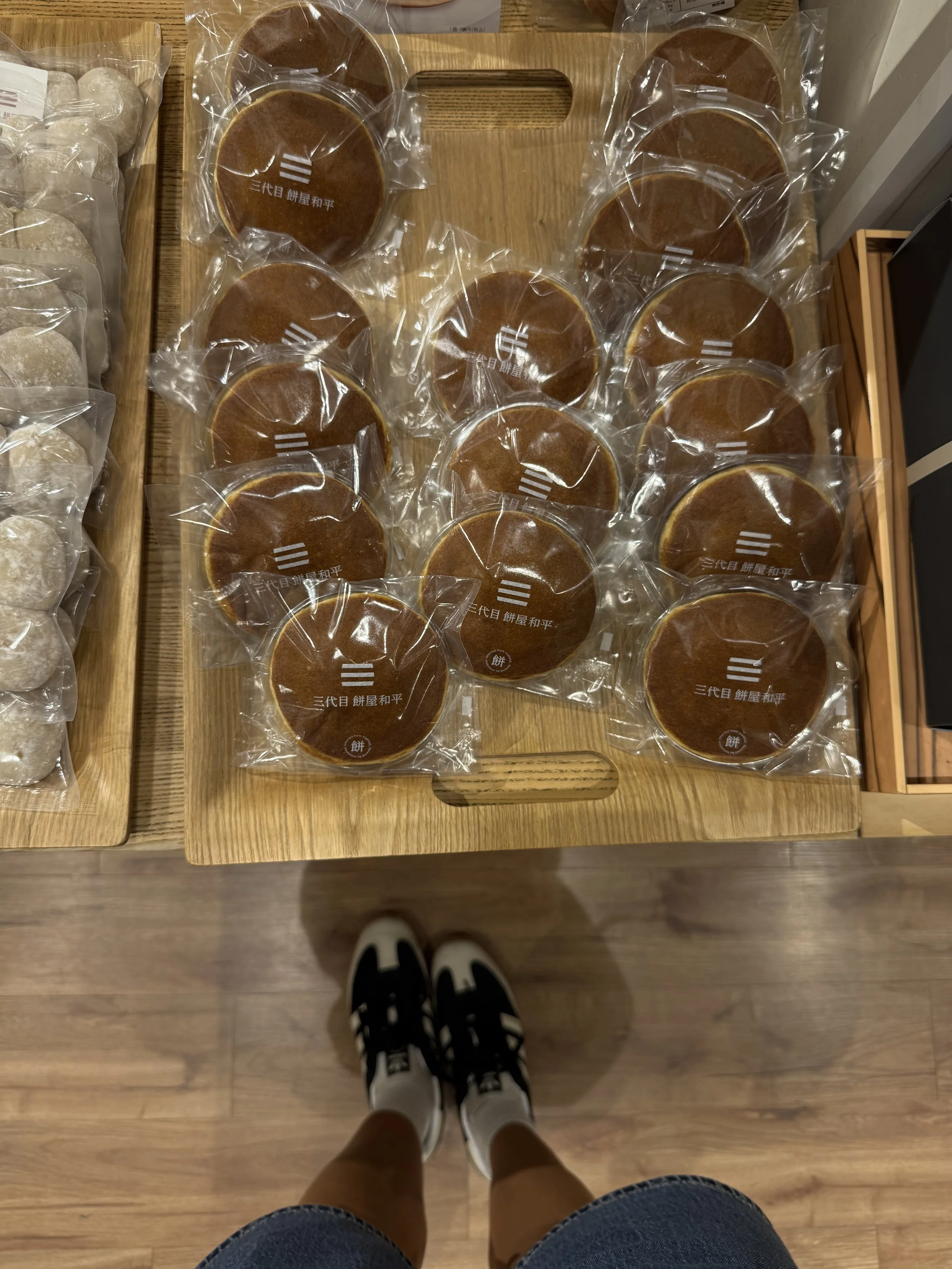
Browse Kawaguchiko Base. Over toward Lake Kawaguchi, Tabi no Eki Kawaguchiko Base is a generous introduction to the region’s local food. Its market brings together local produce and hundreds of specialty products, with a restaurant serving dishes also made from regional ingredients. I absolutely love a stop like this early in a stay, as you get an immediate sense for what grows nearby, find things that you may have never seen before, and inevitably acquire something for a late night snack. Allow more time than you would for a quick grocery run. Such a lovely place that we were so grateful to have had recommended to us, and otherwise so easy to miss!
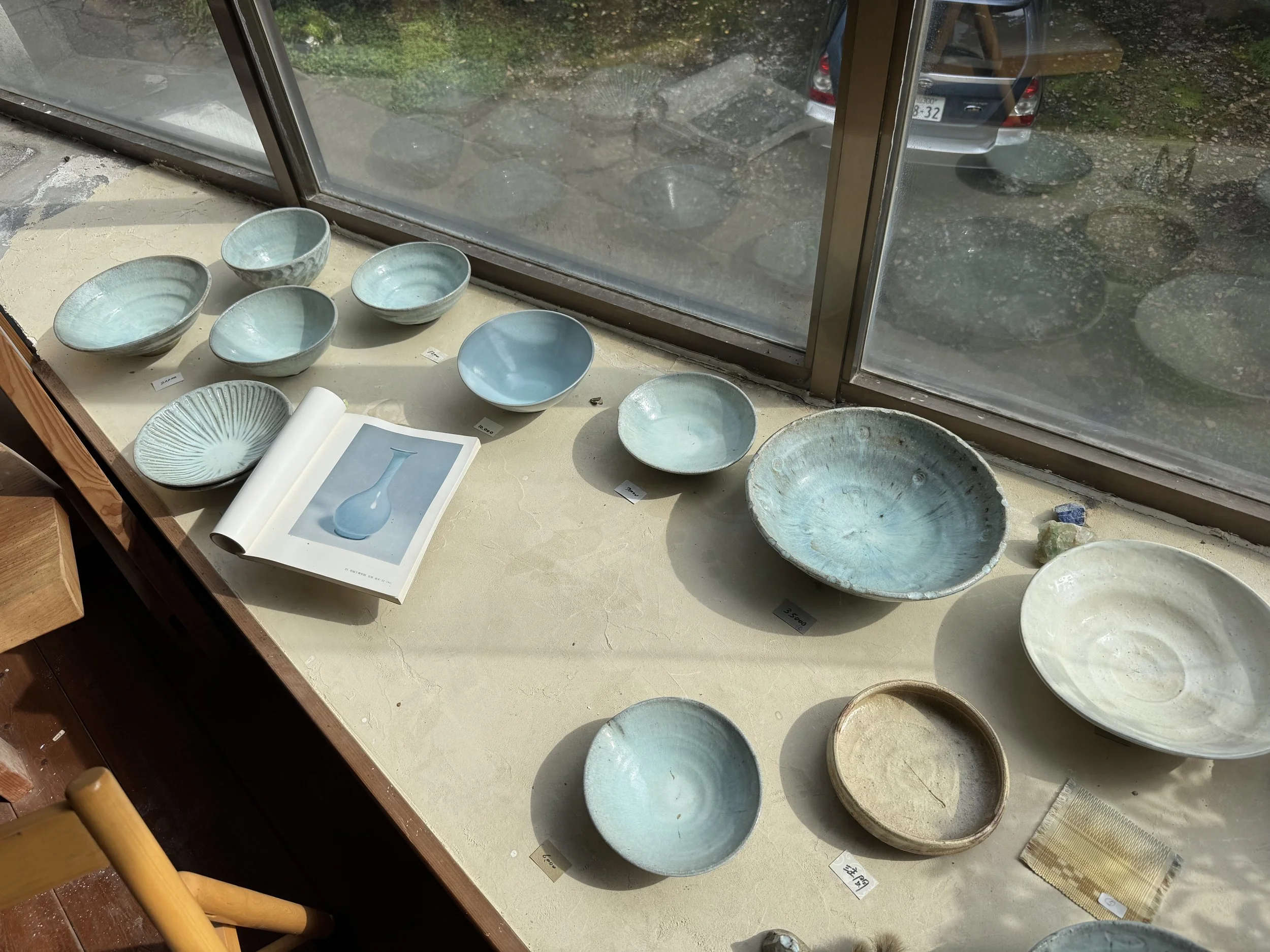
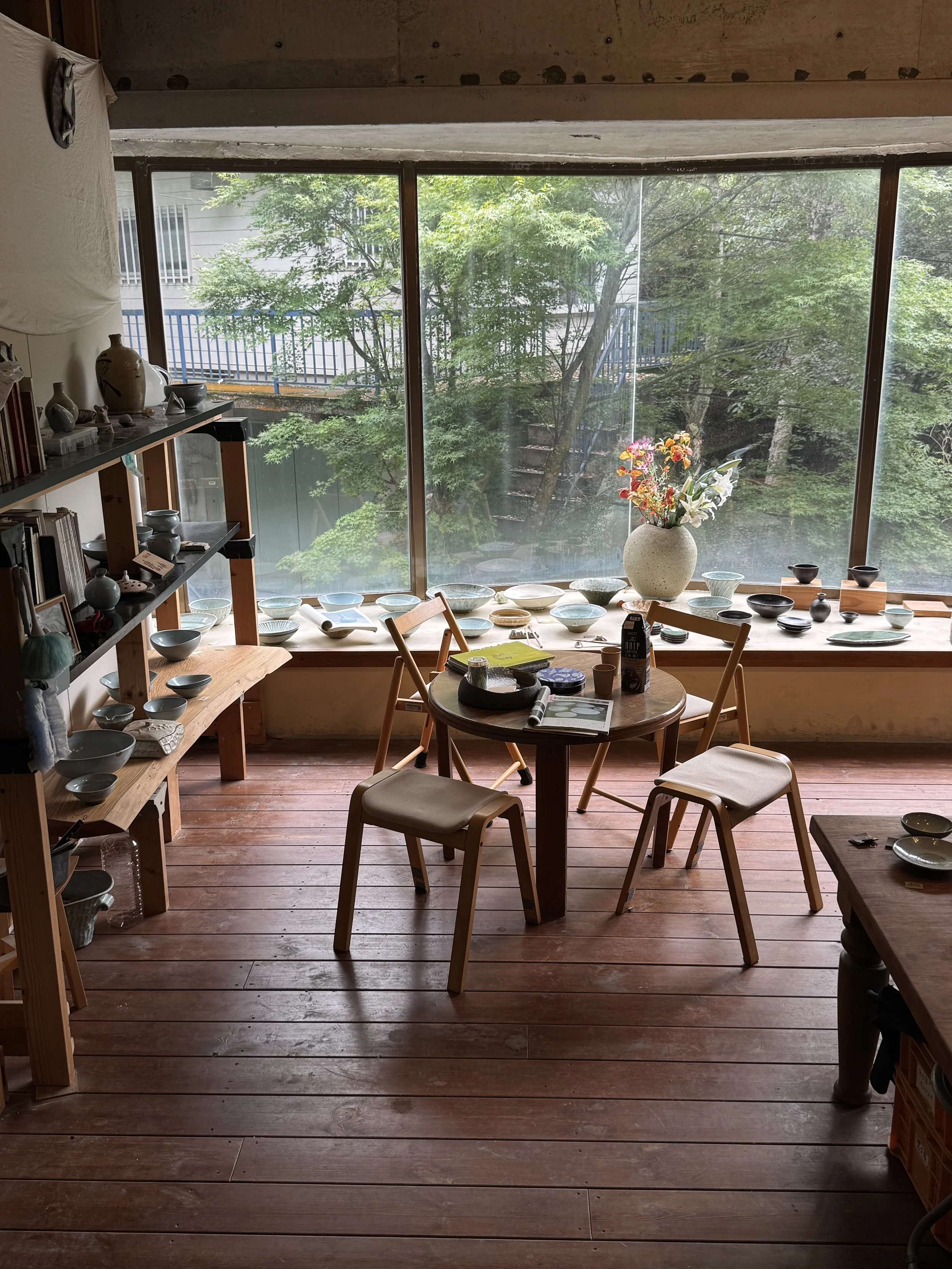
Find Ao Koubou pottery studio. Near Hana no Miyako, Ao Koubou is a working pottery studio and gallery known for its “Fujisan Blue” ceramics, inspired by the mountain’s colors. You knock on the door and simply see if the owner is there, and hope that they are. That makes finding it part of the pleasure. Browse the handmade pieces slowly and pick out something special to bring home. Shockingly, they do take card!
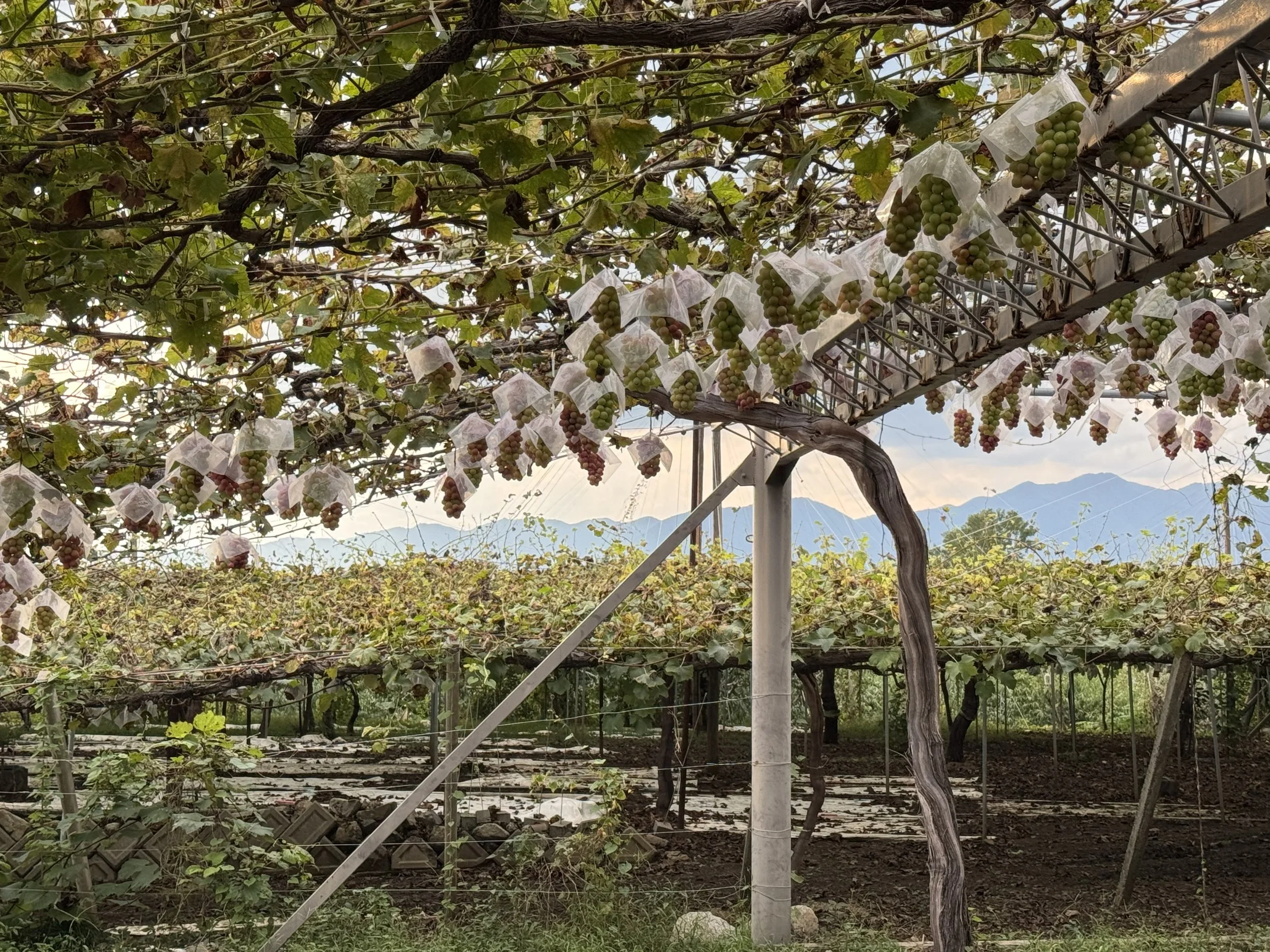
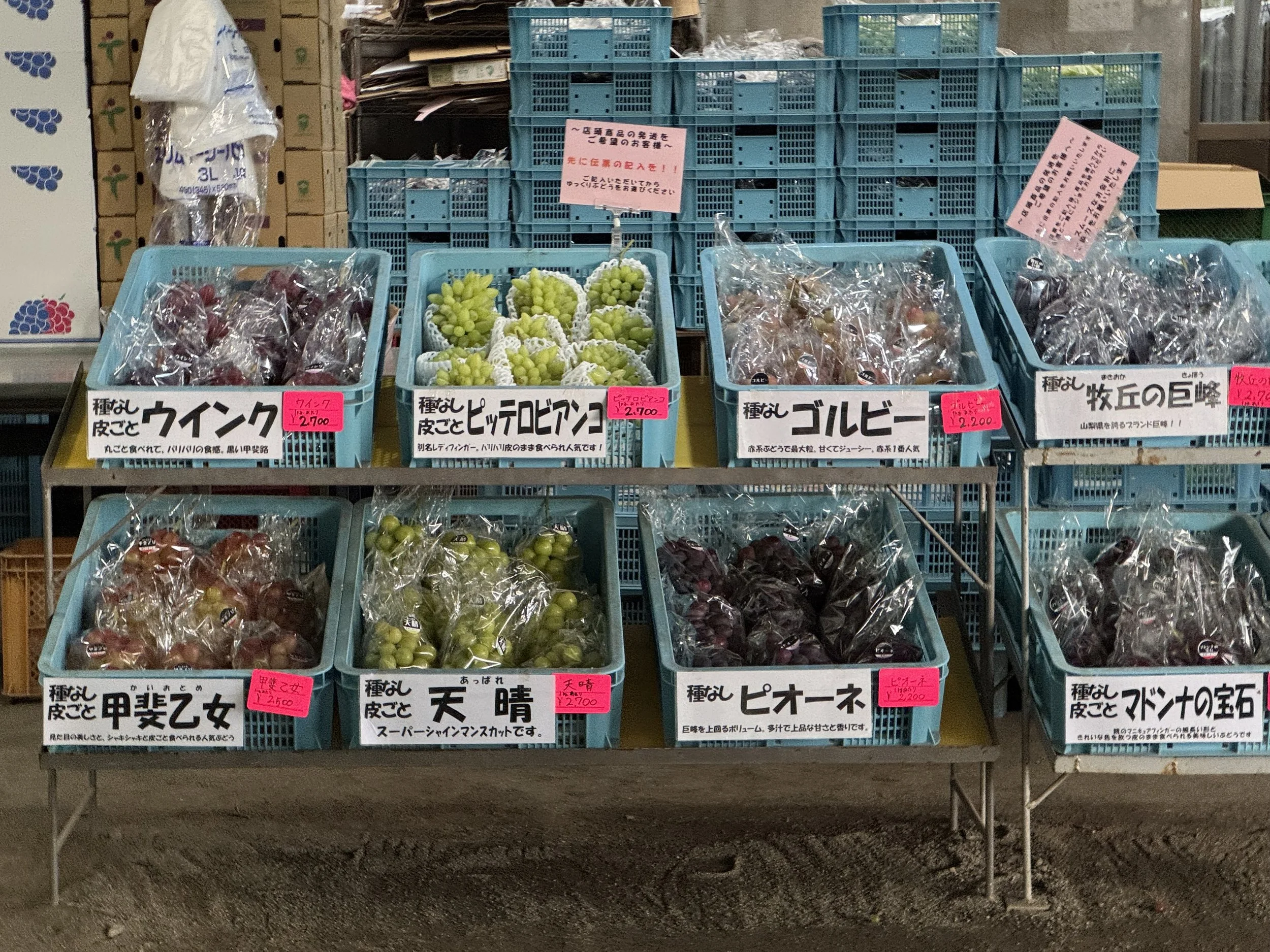
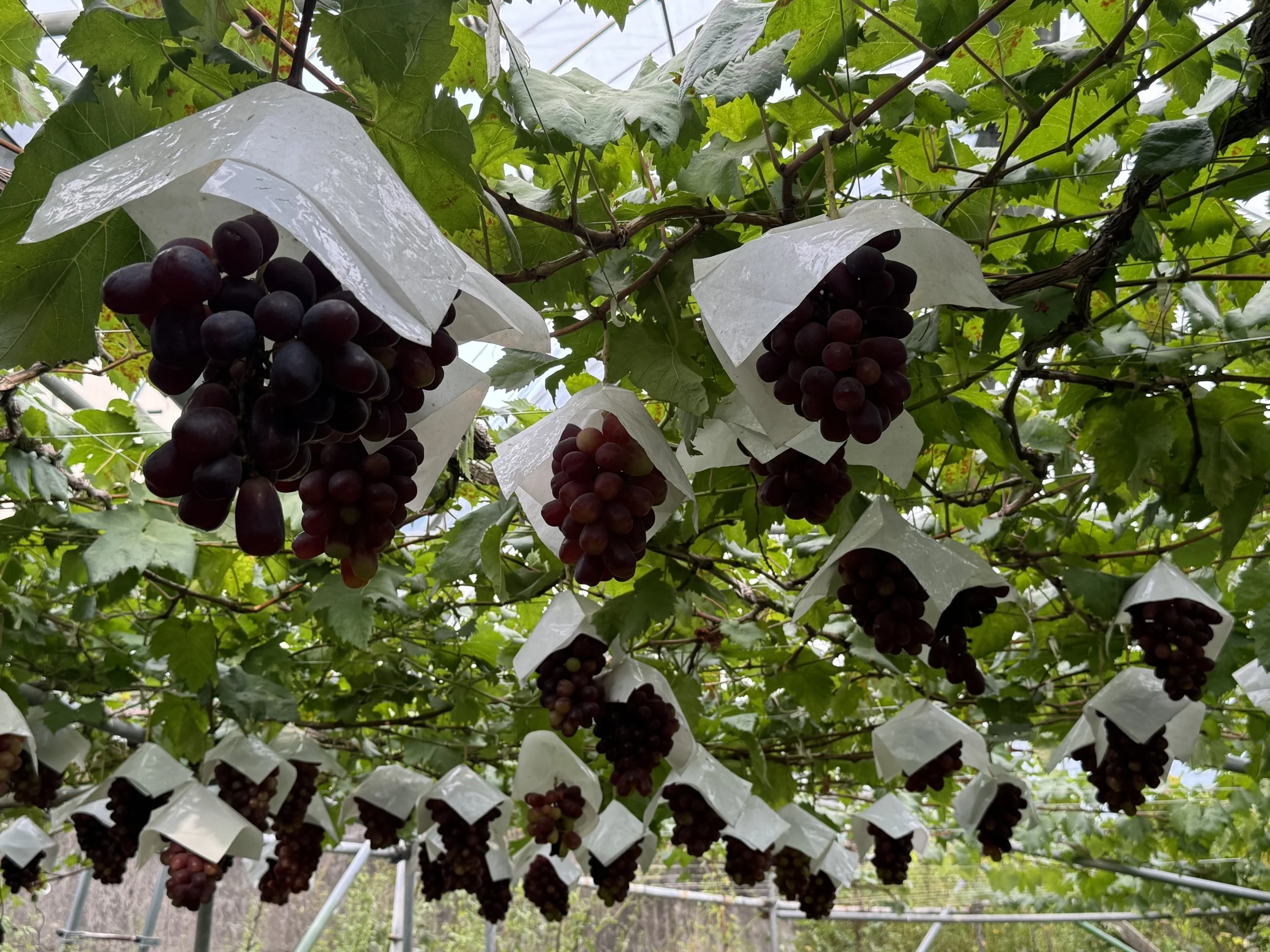
Spend a day among the grape farms. Further into Yamanashi, around Katsunuma and the Kofu Basin, the landscape changes to orchards and vineyards. We visited during peak grape season, when bunches hung beneath overhead trellises in individual protective bags and farm stands displayed tens if not hundreds of varieties (with plenty of samples to try!)
Yamanashi is Japan’s leading grape-producing prefecture and the variety is part of the attraction. There are dark, richly flavored Kyoho grapes and small, sweet Delaware, alongside pink-skinned Koshu, which is also important to the region’s wine. The prefecture’s outdoor grape harvest generally runs from late July into late October, depending on the variety and farm. Many growers offer picking experiences, but simply stopping to buy fruit and compare what is available makes it a worthwhile afternoon.
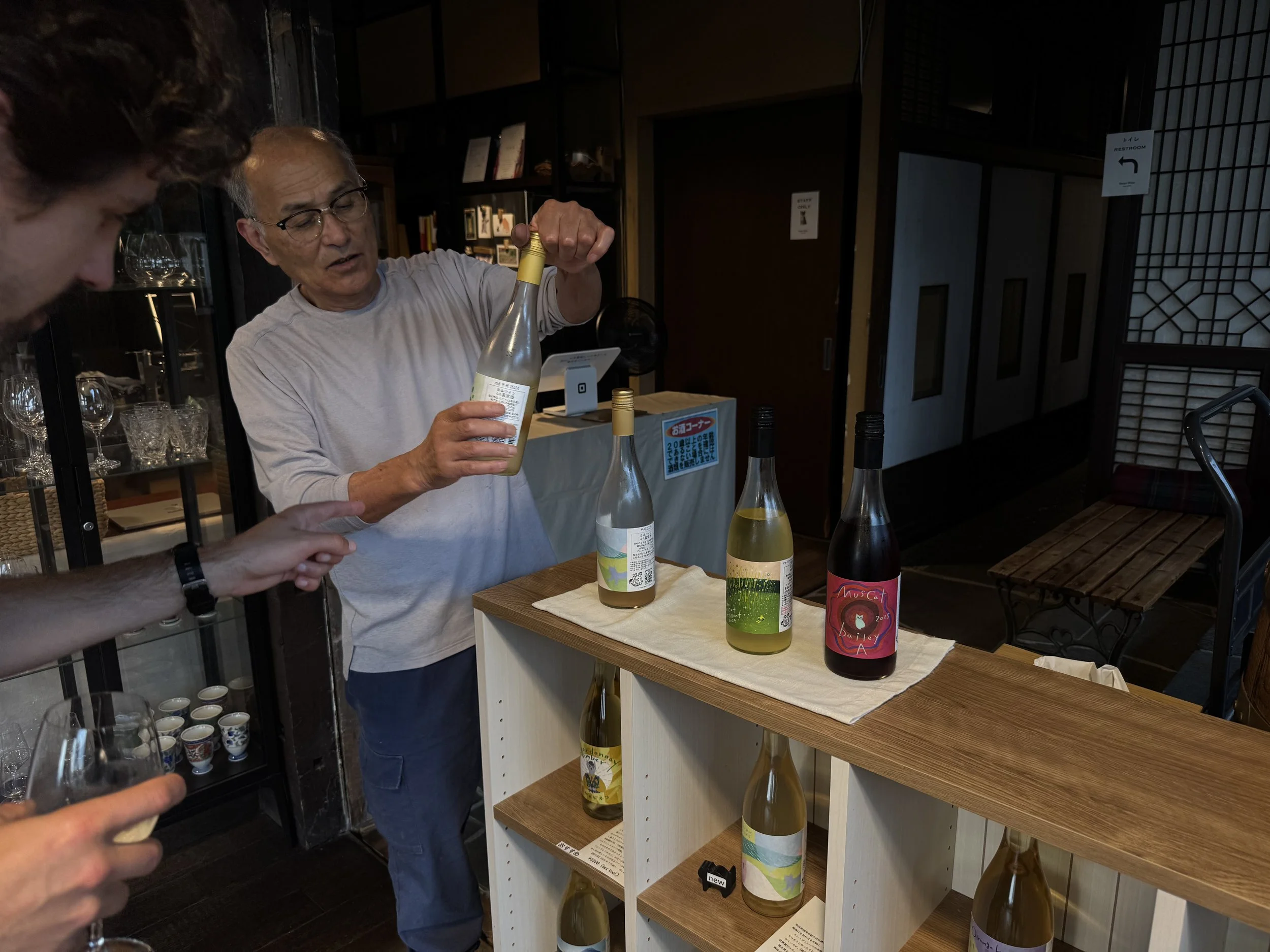
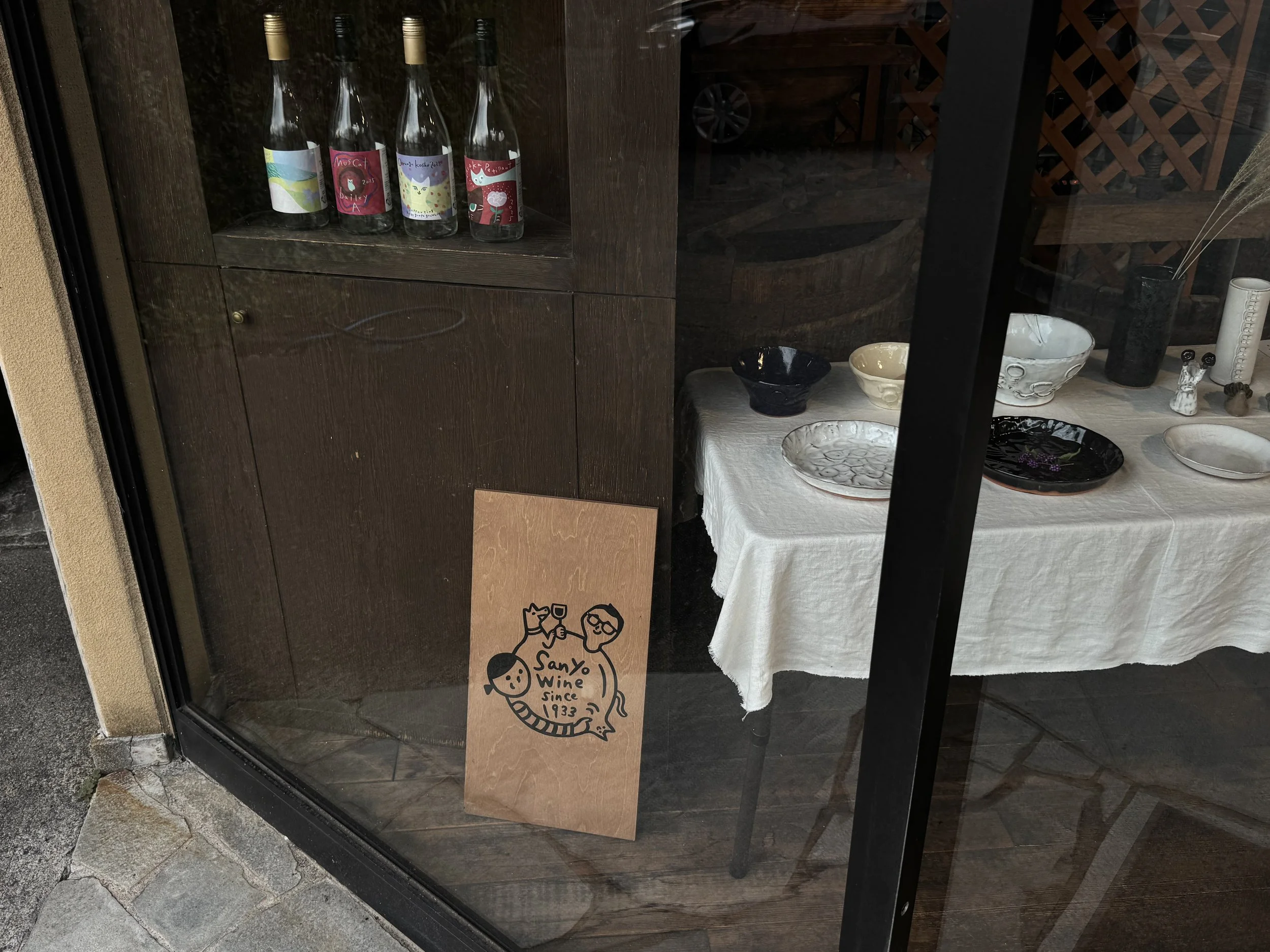
Visit Sanyo Wine in Makioka. Sanyo Wine, also called Sanyo Jozo, makes a great anchor for the wine country excursion. Founded in 1933, the wintery works with Yamanashi grapes, including fruit from its own vineyards. Its range includes Koshu wines and field blends, with red and white varieties grown together and fermented together. Some bottlings are made without added sulfites, making it mostly “natty”. There is another detail I loved about this winery: they ask visitors to support animal welfare through charity tastings. The cat labels become all that much more cute when you learn that fact. Check visiting arrangements before you go, as their hours can be spotty!
KISO VALLEY, NAGANO
Where to Stay:
Ame Nakasendo, a private 150-year old renovated kominka stay… with monkeys!
Ame Nakasendo was one of those places I knew I wanted to visit before we had worked out the rest of our trip itinerary. You might even say that it partly dictated this chapter of the trip - a fact with which I was perfectly fine. It is a roughly 150-year old kominka, or traditional Japanese house, lovingly restored as a private rental in Nagiso, and sits along the historic Nakasendo within a neighborhood where people still live. You are staying in a small mountain town, with the old walking route outside and the forest close by. It is also a useful base for exploring the preserved post towns of Tsumago and Magome.
The renovation gives you plenty to look at inside the house. Heavy timber beams stretch overhead, while tatami bedrooms and views toward the bamboo grove etain the character that makes an old Japanese house so appealing. Local craftsmanship continues that story: Kiso woodworker Nobuaki Tsuchiya made the kitchen furniture and dining table, and a large, plant-dyed curtain hangs through the open living space. Even the bathroom incorporates an old sewing-machine base, repurposed beneath the basin.
I loved having time to notice these details. The house is beautiful enough to warrant an afternoon of its own, especially if your usual travel problem is booking somewhere lovely and cute but then spending absolutely zero time there. With two Japanese-style bedrooms accommodating up to 6 guests, it would work for a family or friends, through we also thoroughly enjoyed having the space to ourselves.
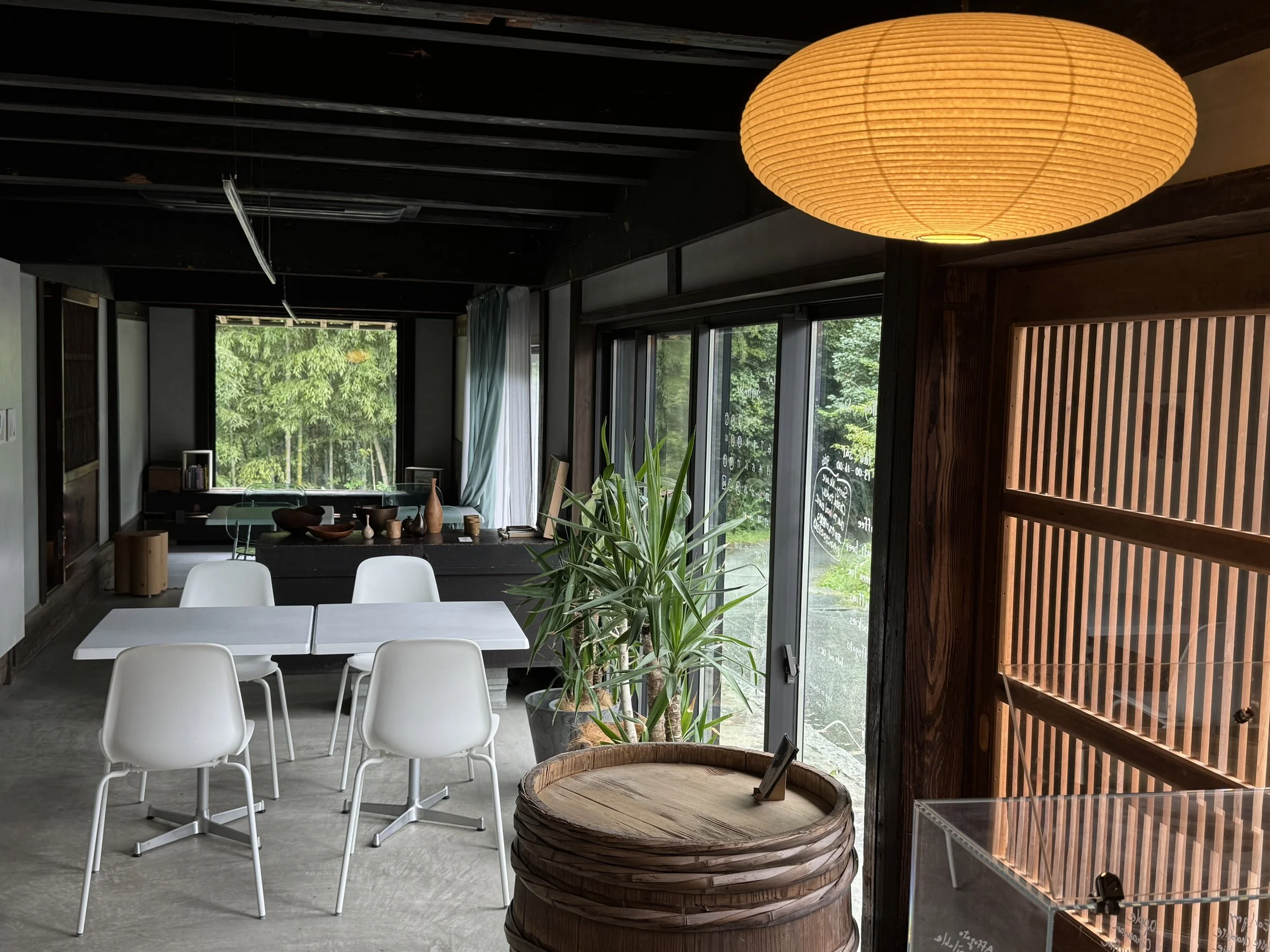
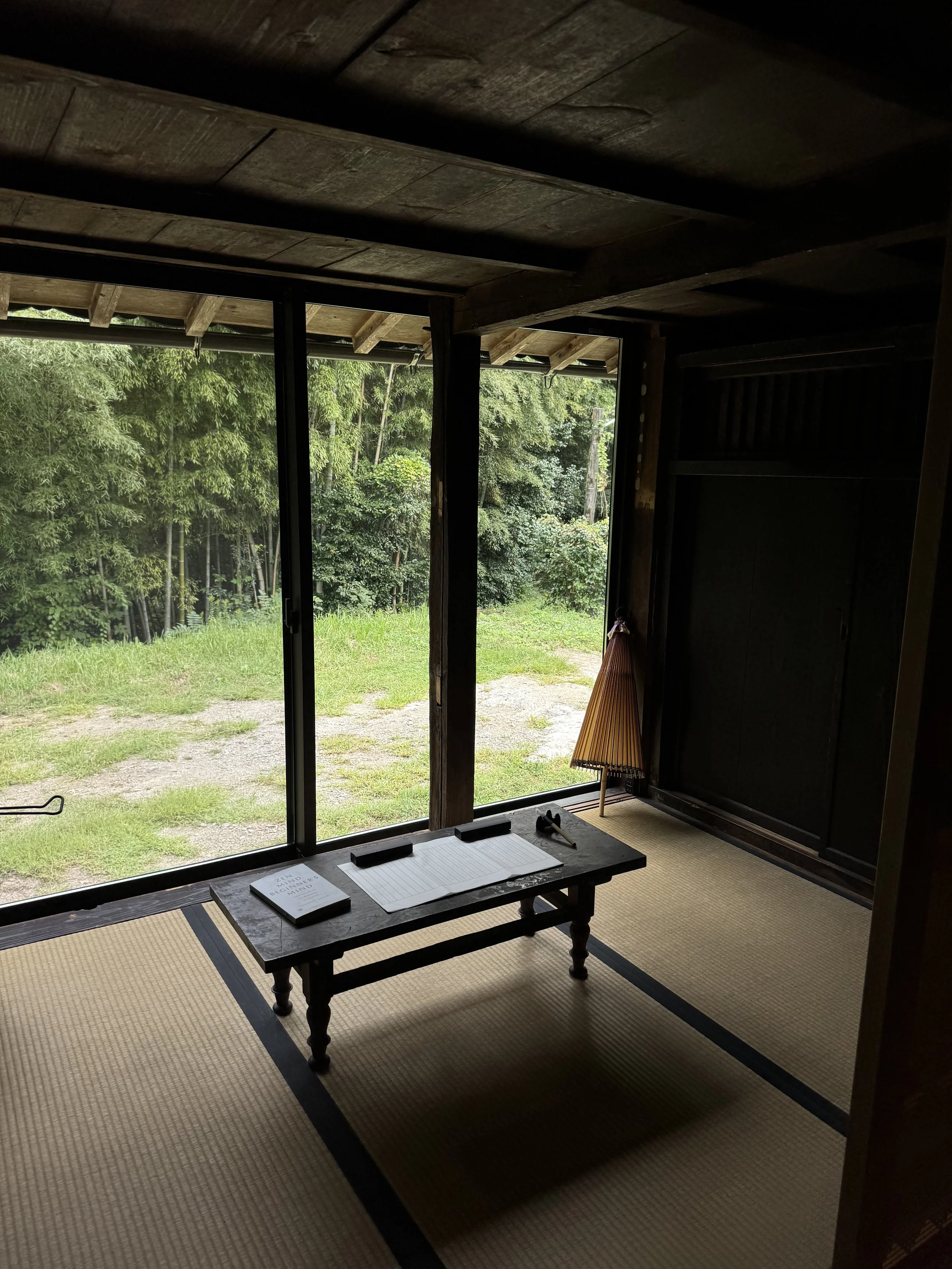
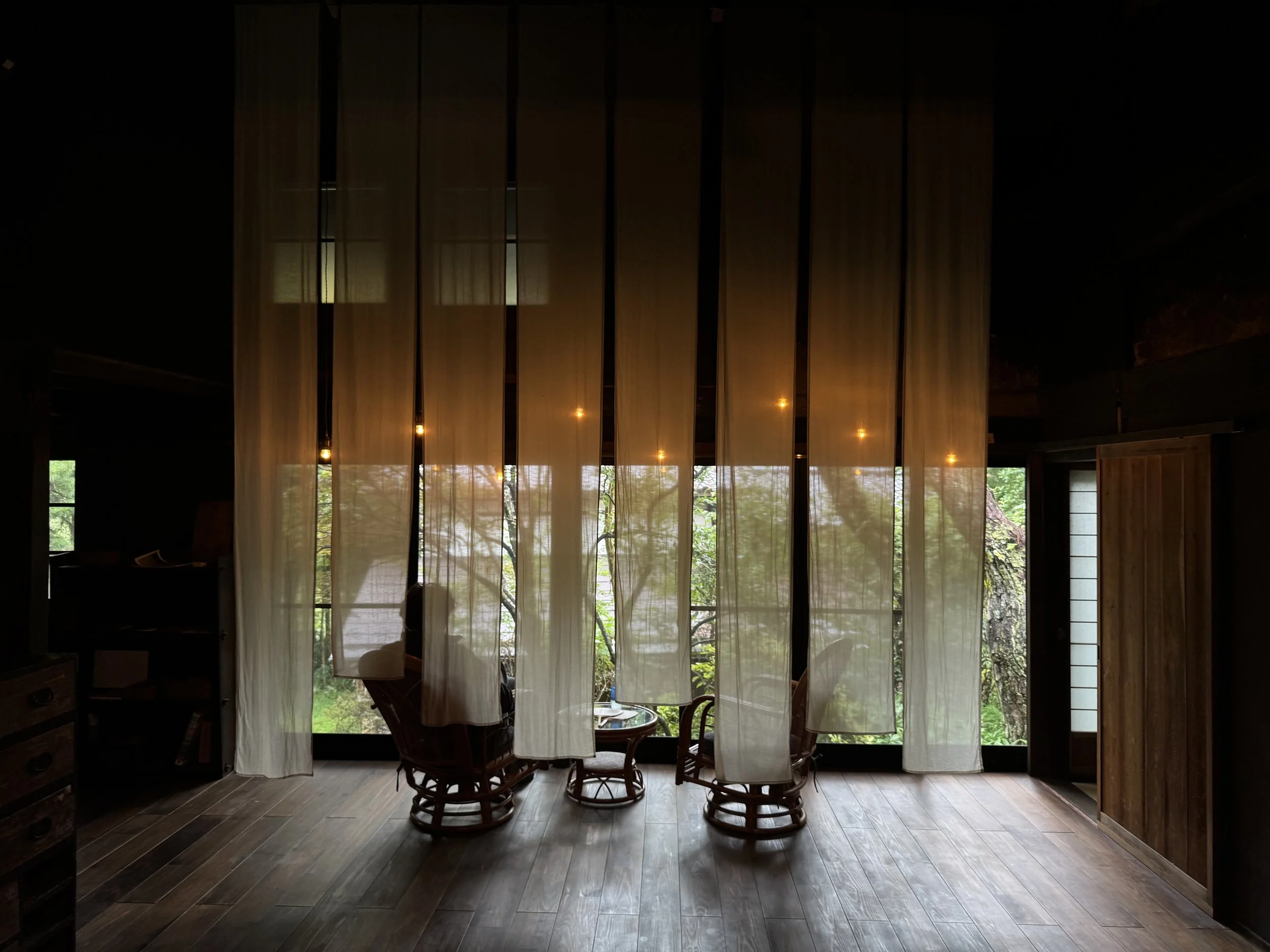
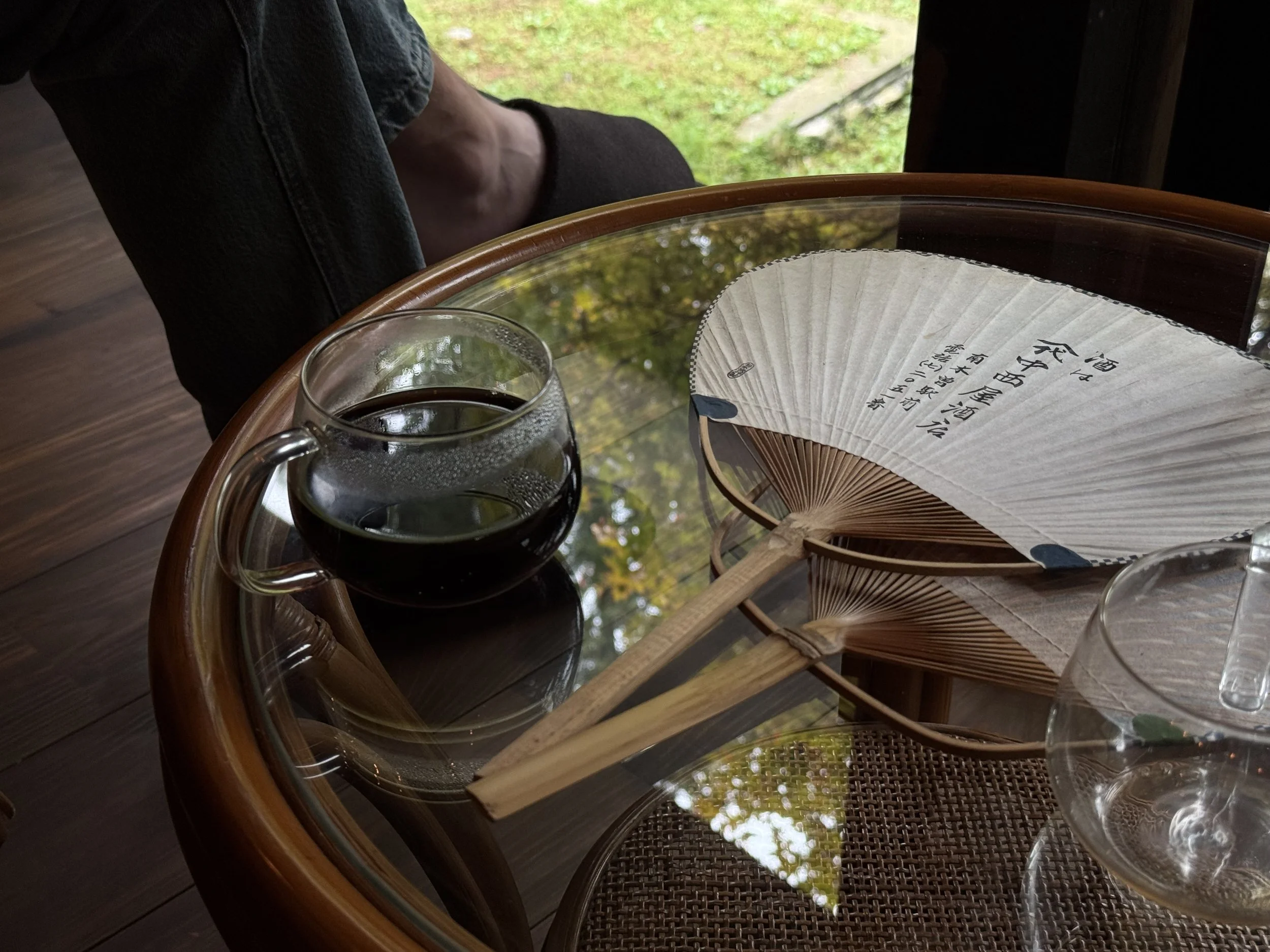
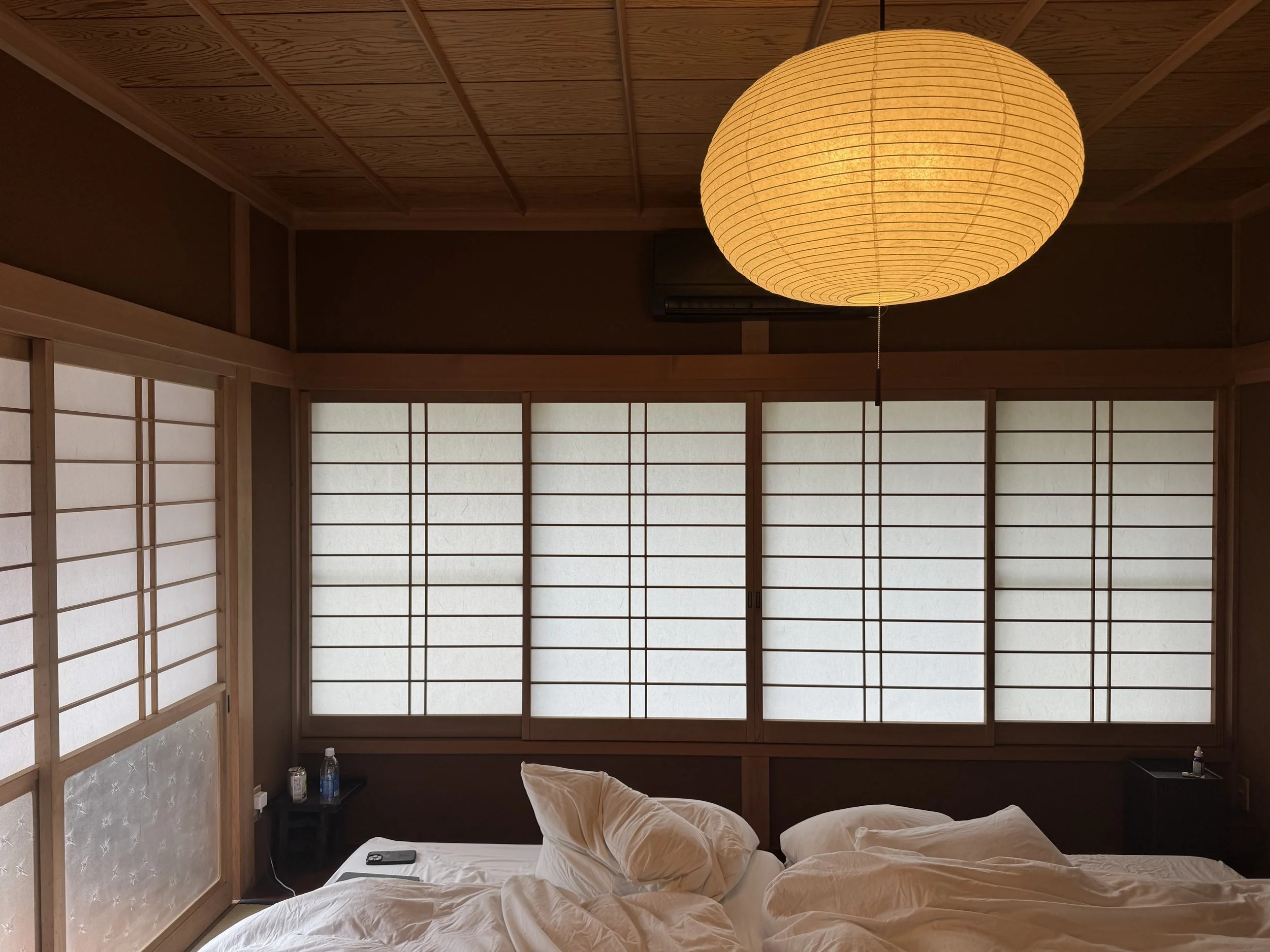
Notably, at the front of the property also sits a cafe which welcomes walkers and locals. It serves an original coffee blend and homemade baked goods, with a gallery showing work by Kiso-region woodworkers and makers. This gives the house a lovely public facing role: somewhere to stop along the trail, have coffee and encounter the people making things nearby.
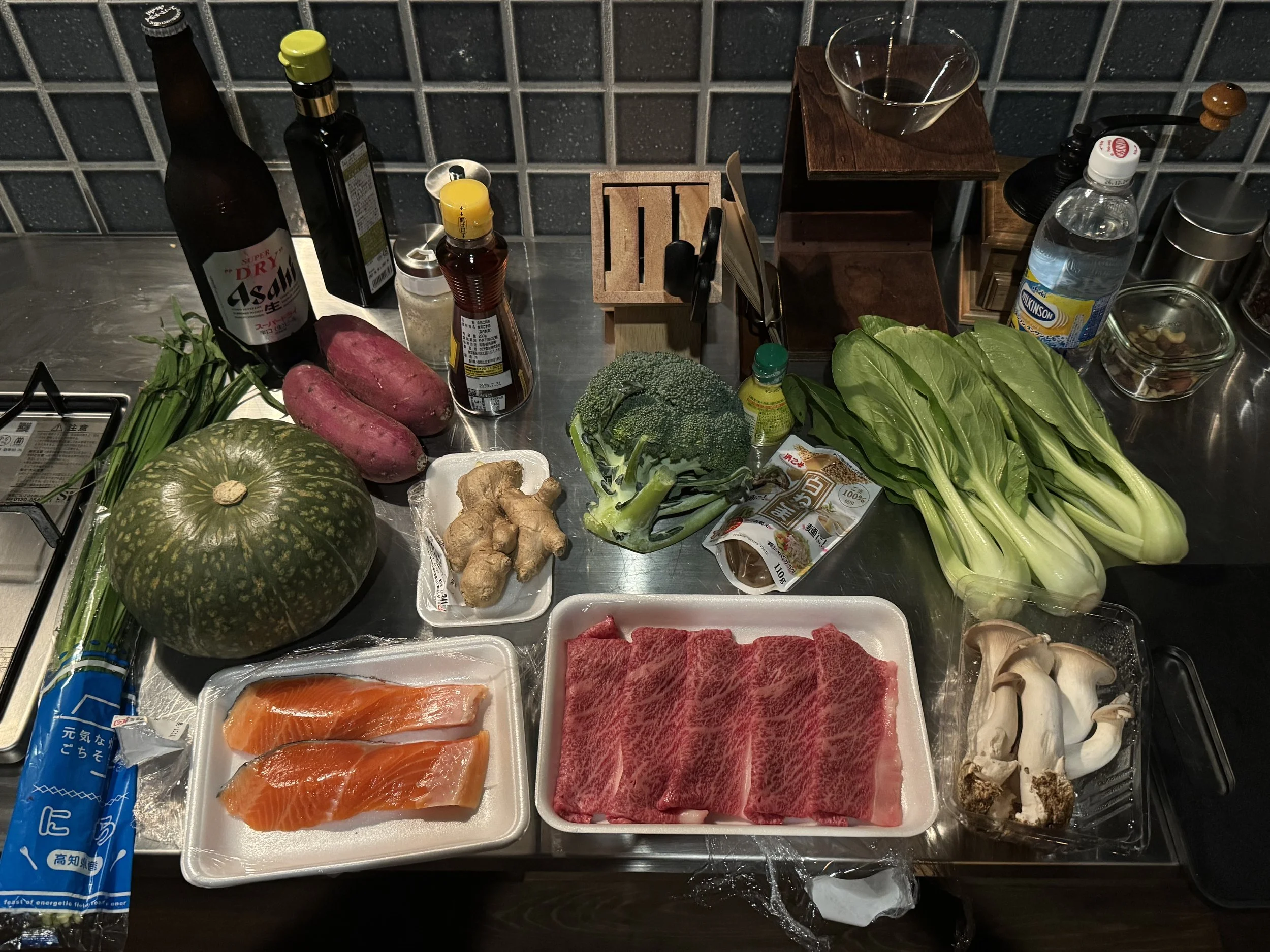
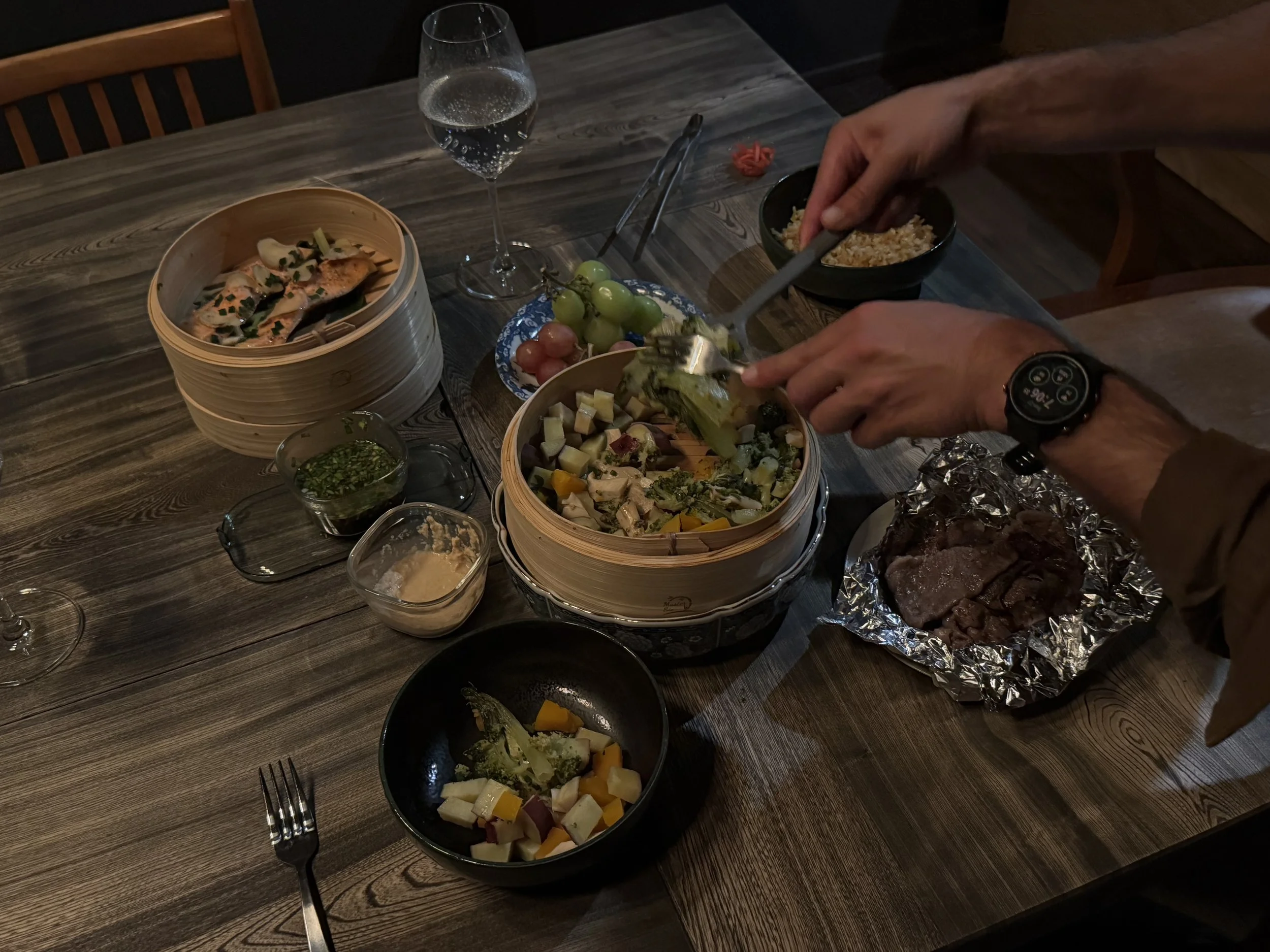
One of our other favorite parts of the stay was cooking dinner “in” house. Our host Tommy had arranged wagyu, vegetables and rice, along along with a bamboo steamer and clear instructions about how to make our night’s feast. The portions were generous and easy to put together and it inspired in us a new love for seiro steaming. We liked it so much that the very next evening, we cooked salmon with ginger and green onion in much the same way. Departing this stay with a new way to cook dinner felt like a particularly useful souvenir and I am not embarrassed to admit that we’ve done it weekly since returning back to Seattle.
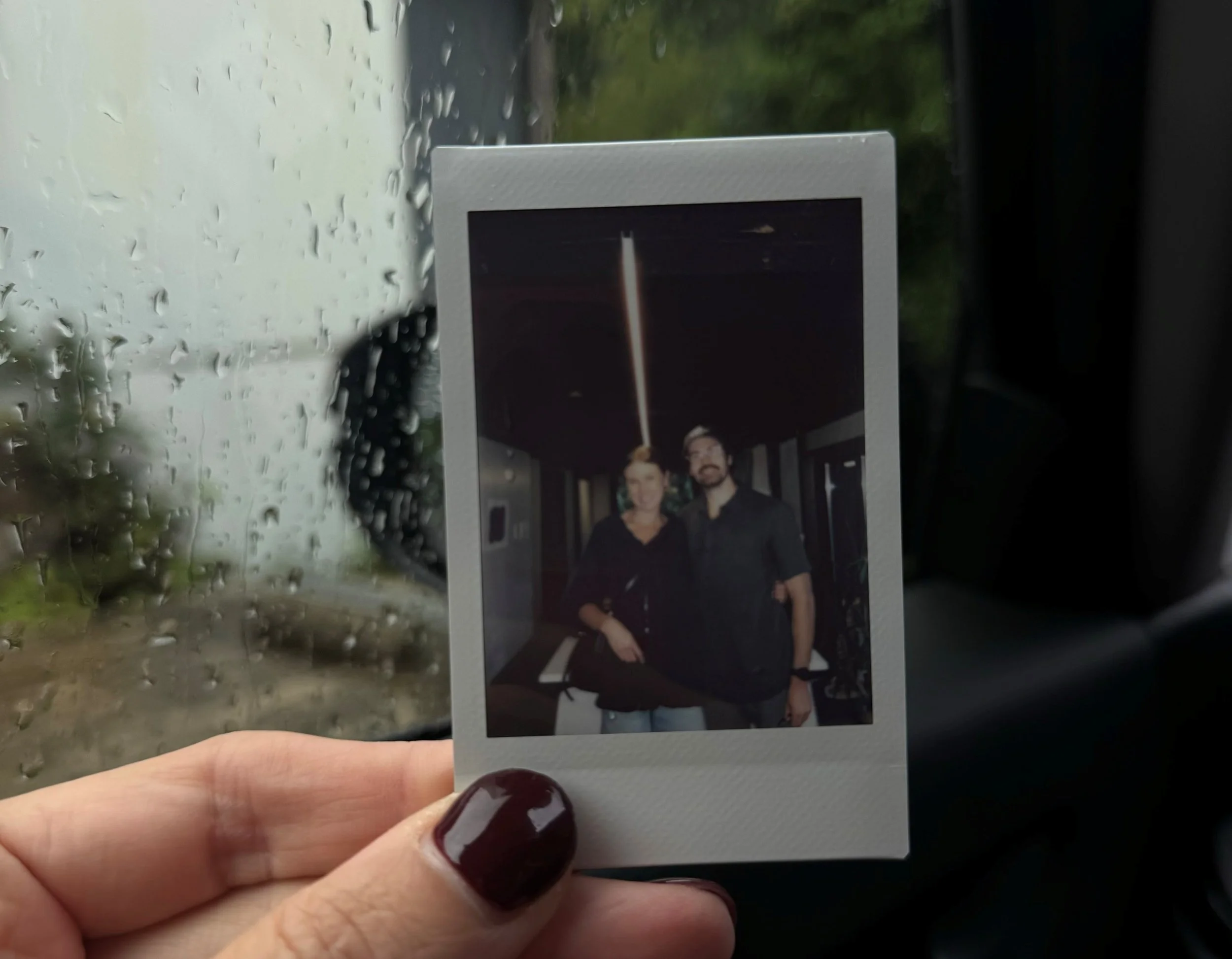
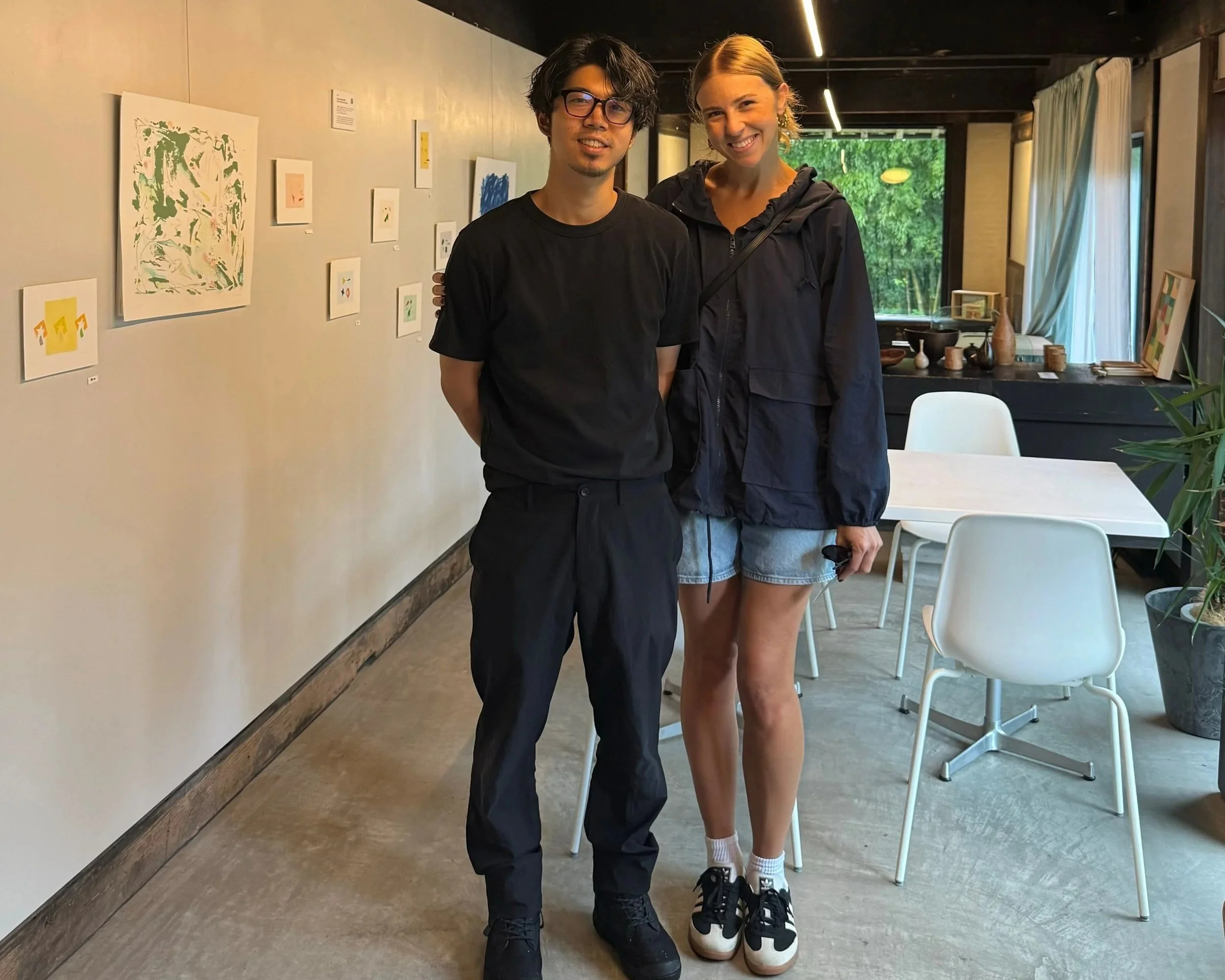
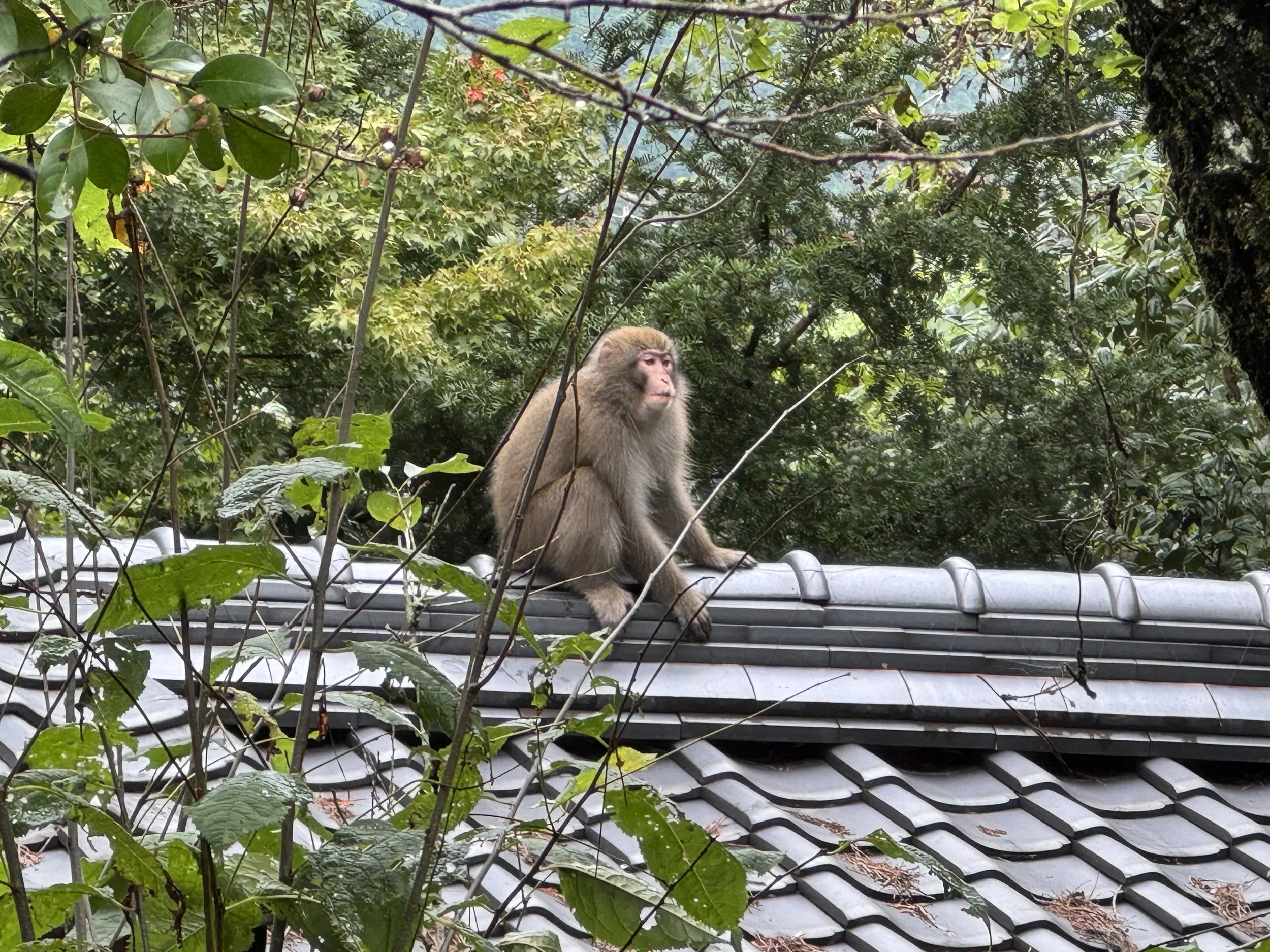
I would give Ame at least a couple of nights. Walk the old road and explore the surrounding towns, but leave yourself ample time to enjoy the house. We even had monkeys visit, an additional amenity I would hesitate to promise… but maybe, just maybe you’ll get lucky like we did.
Things to Do:
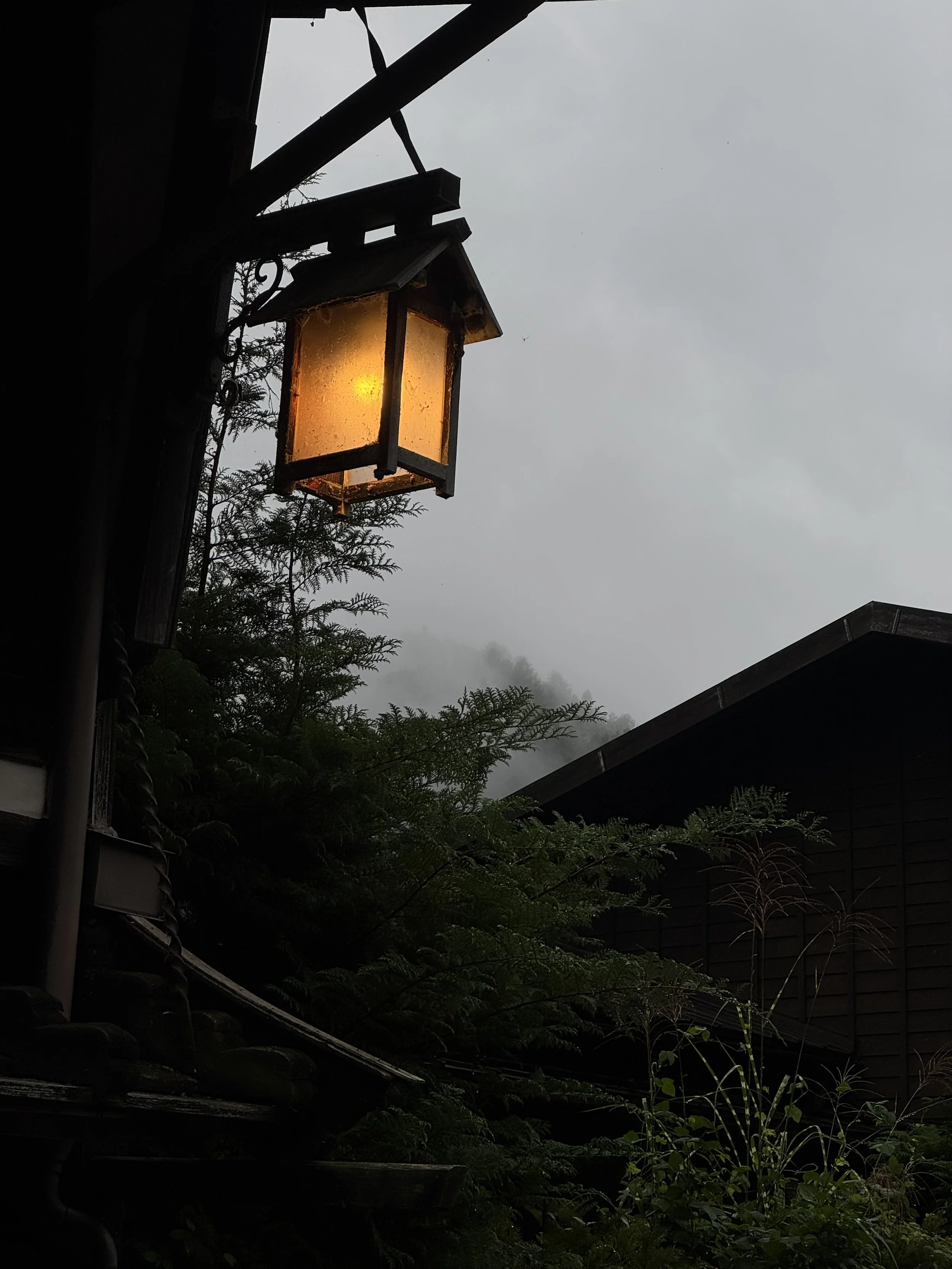
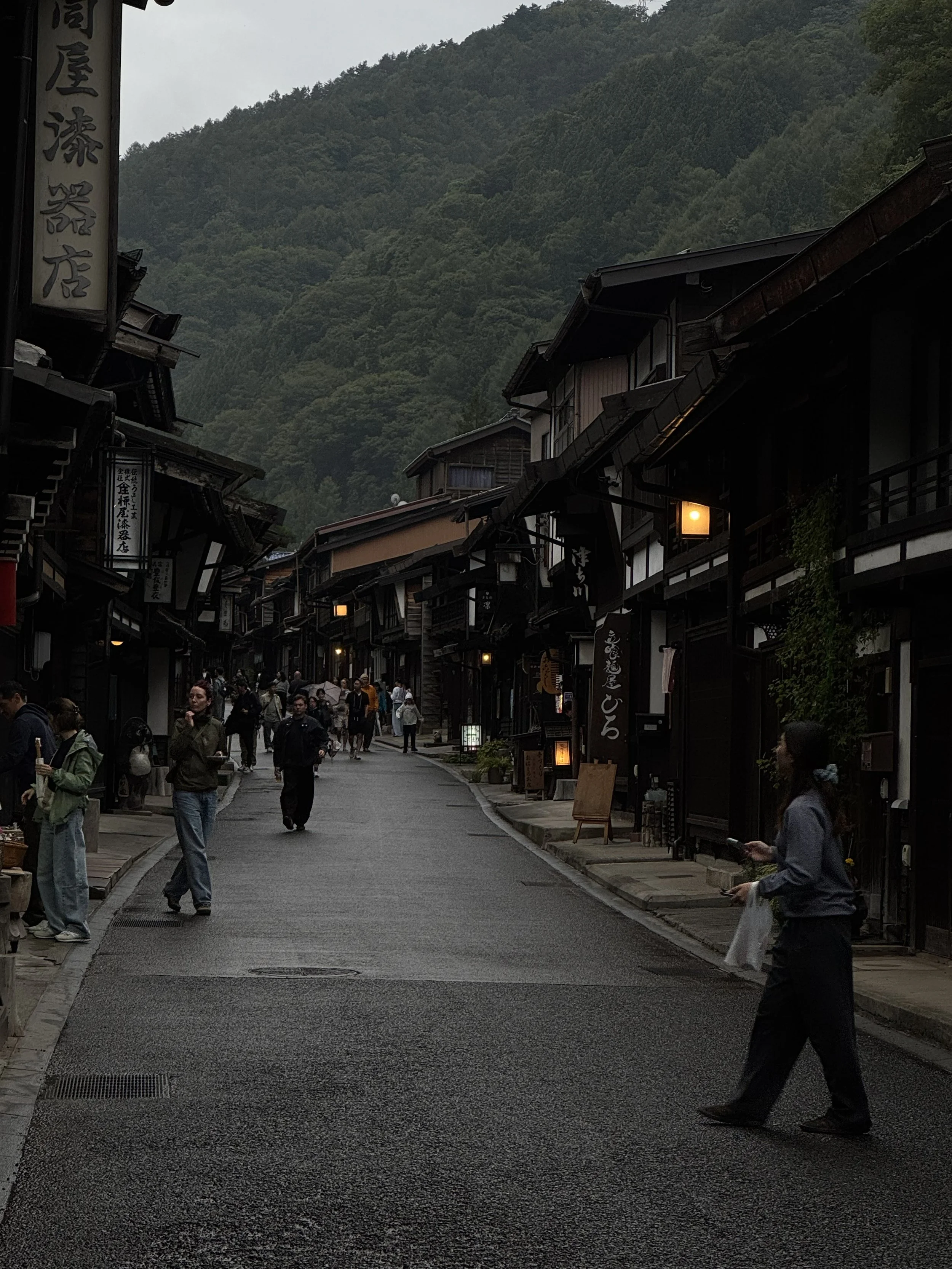
Visit all the little Juku towns (post towns along the Nakasendo trail, the old samurai highway linking Kyoto to Edo (Tokyo).
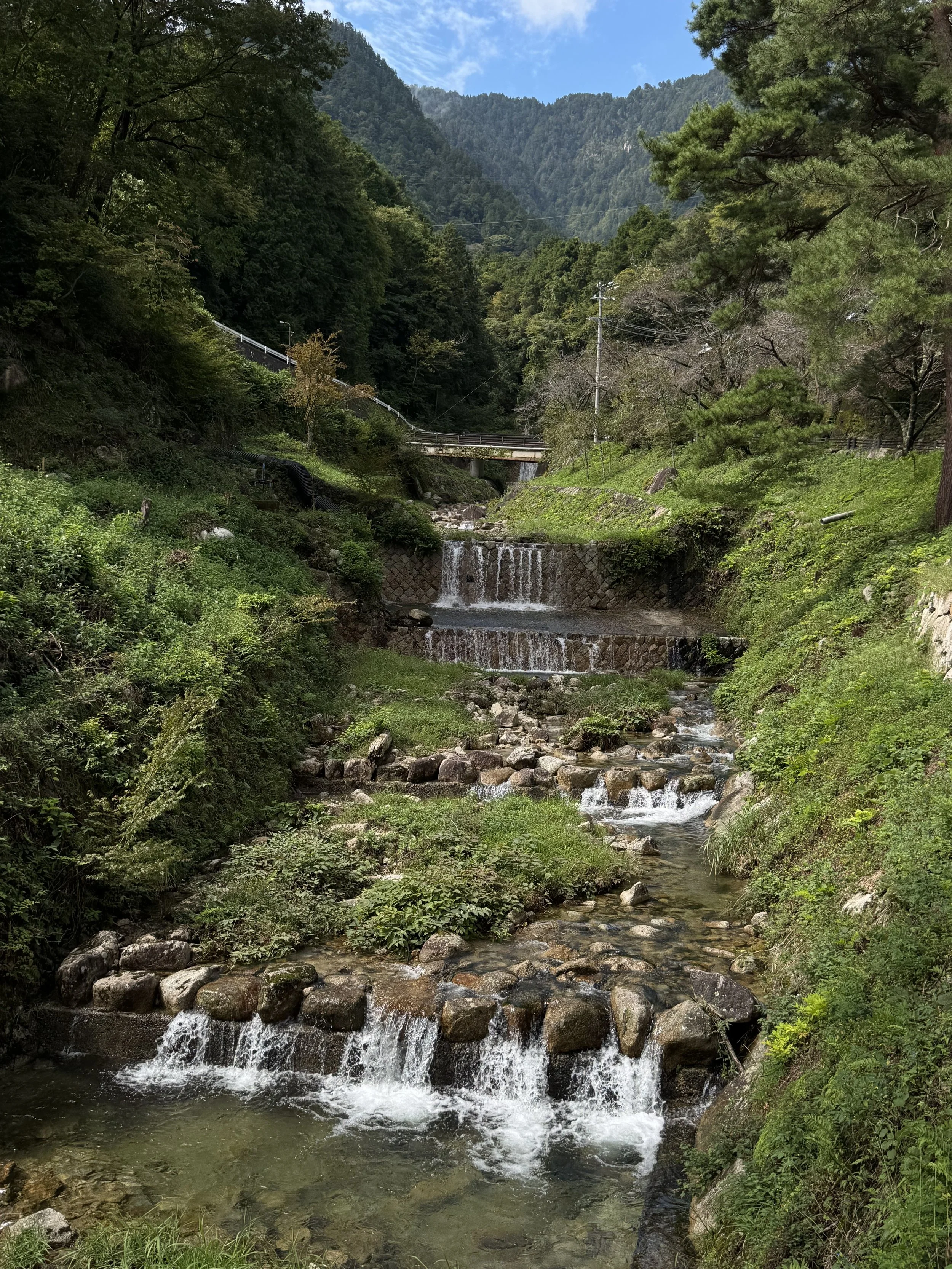
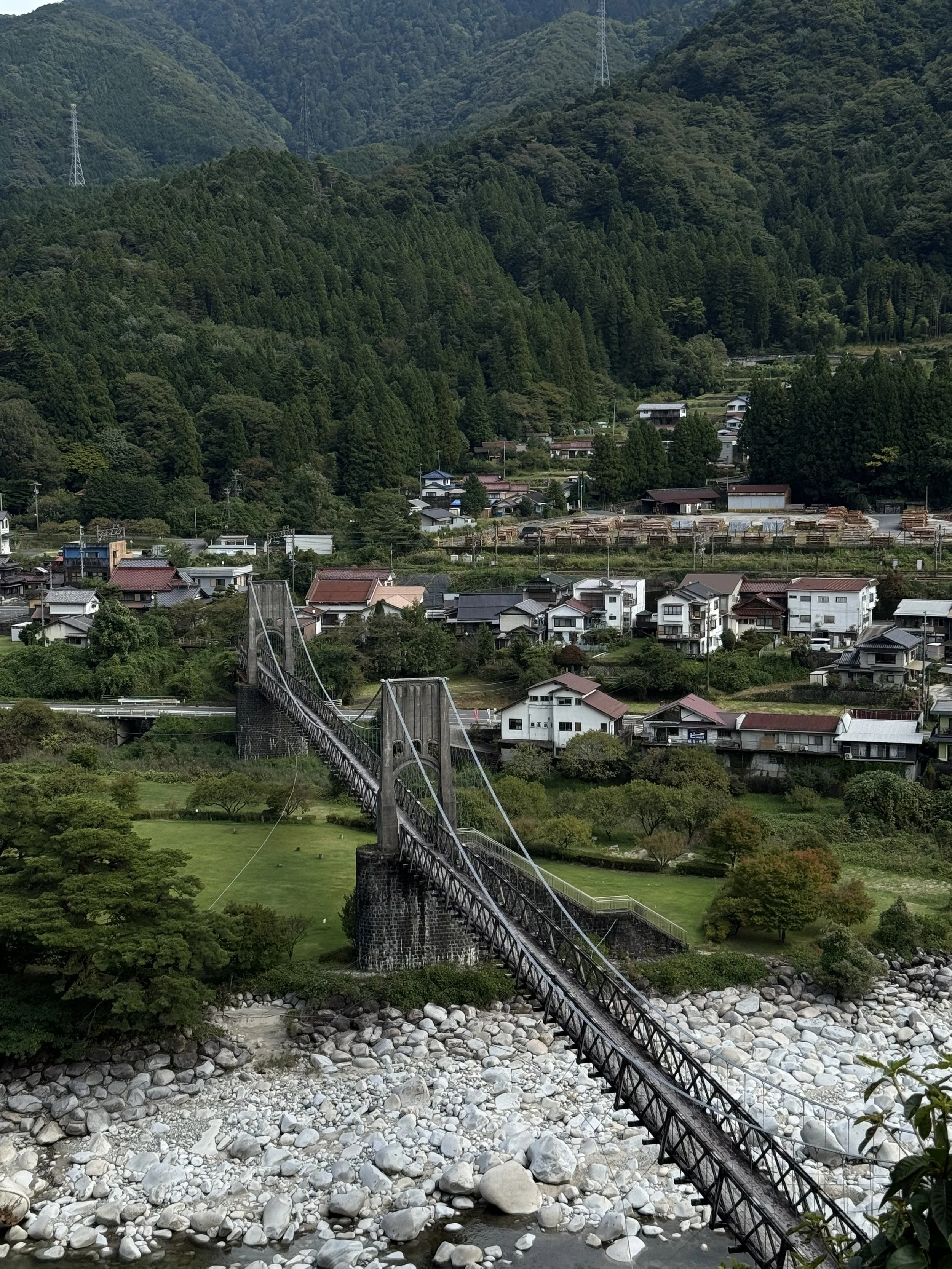
We visited two: Tsumago Juku & Narai-juku. Jukus are full of artisans and their shops (primarily lacquer bowls, textiles, wooden toys and soba noodles). We also recommend these towns for a matcha, oyuki, or a chestnut latte (so yum!). If you have time, also visit the Momosuke Bridge or explore the stunning Kakizore Gorge.
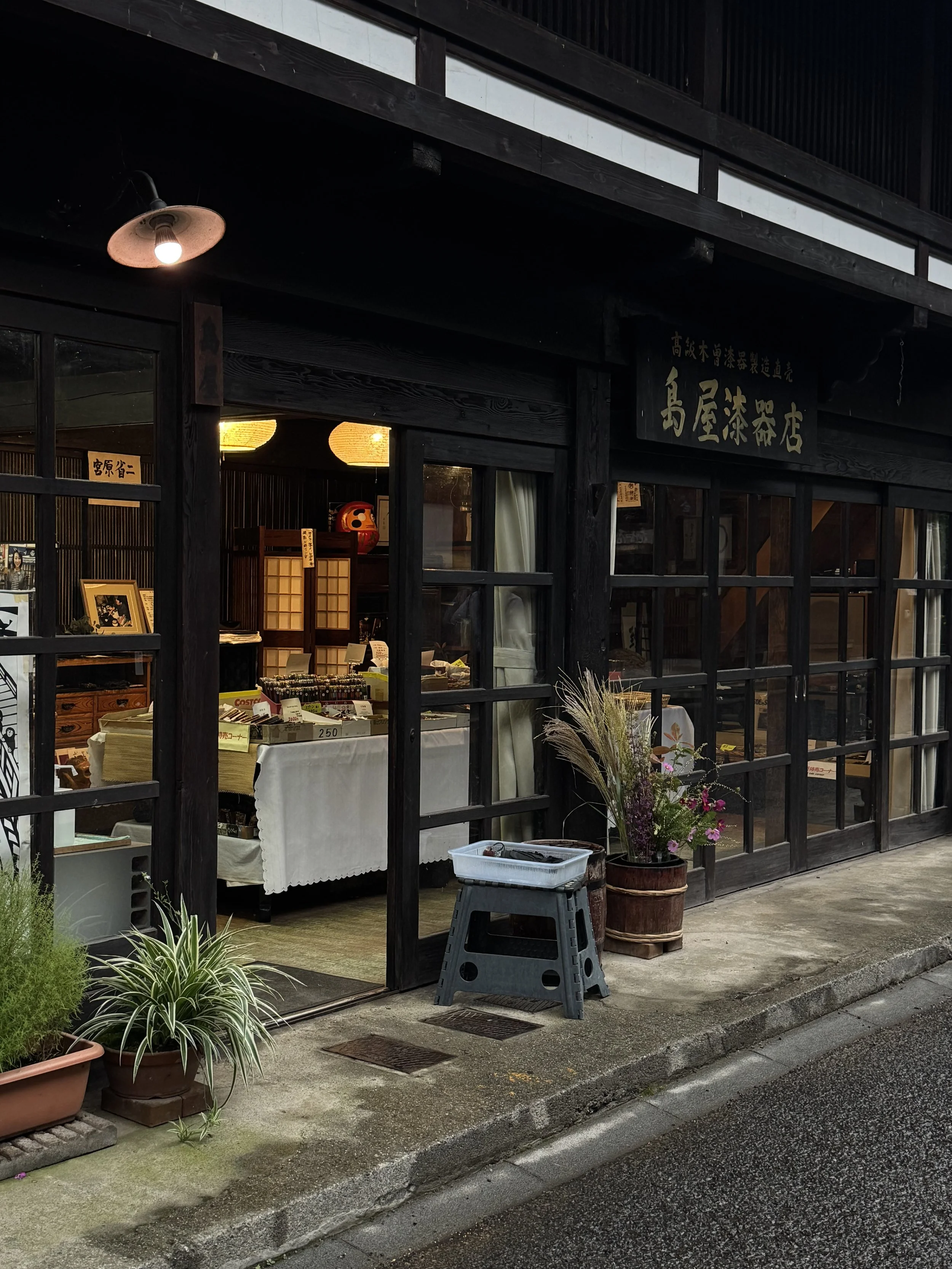
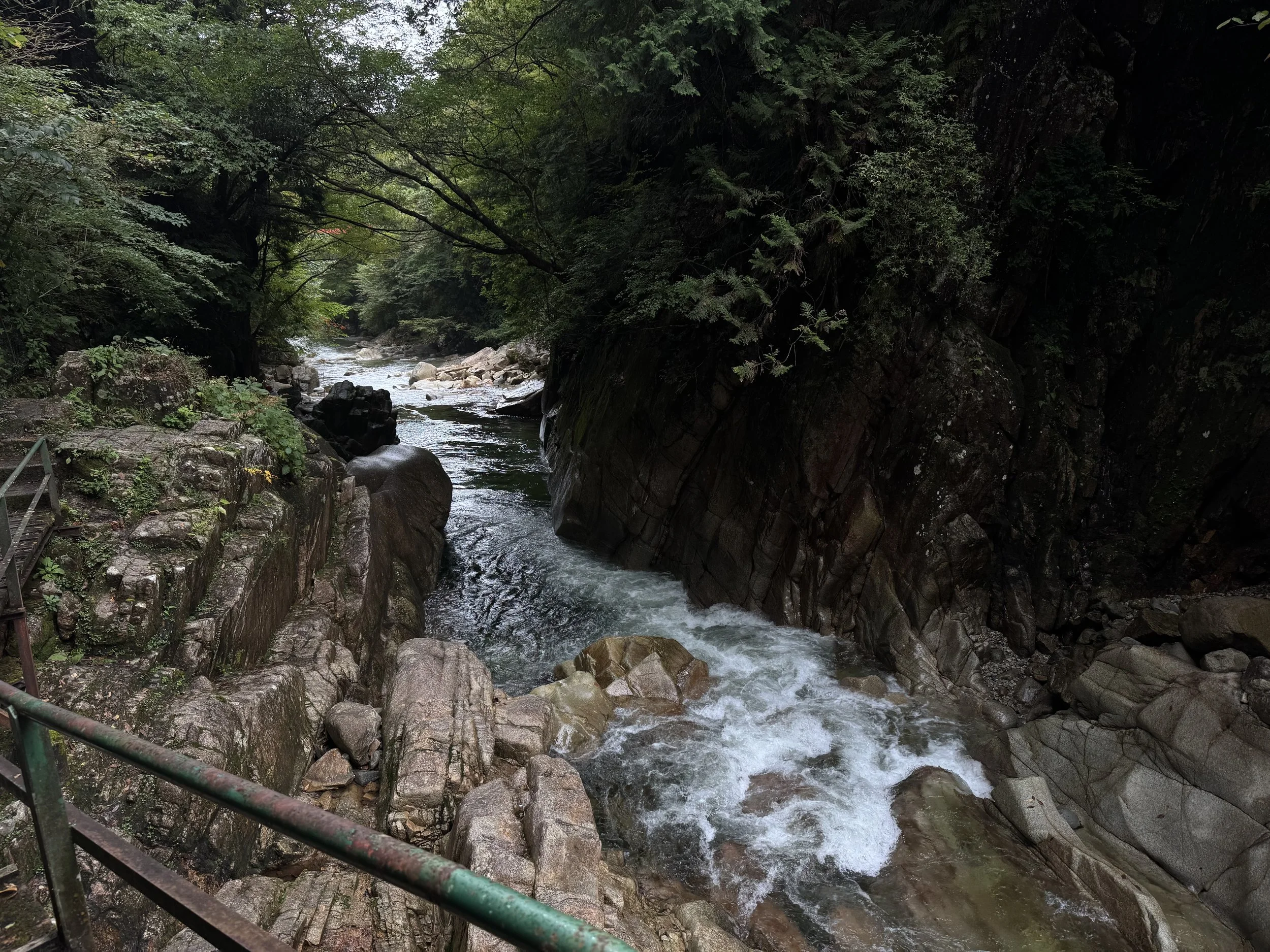
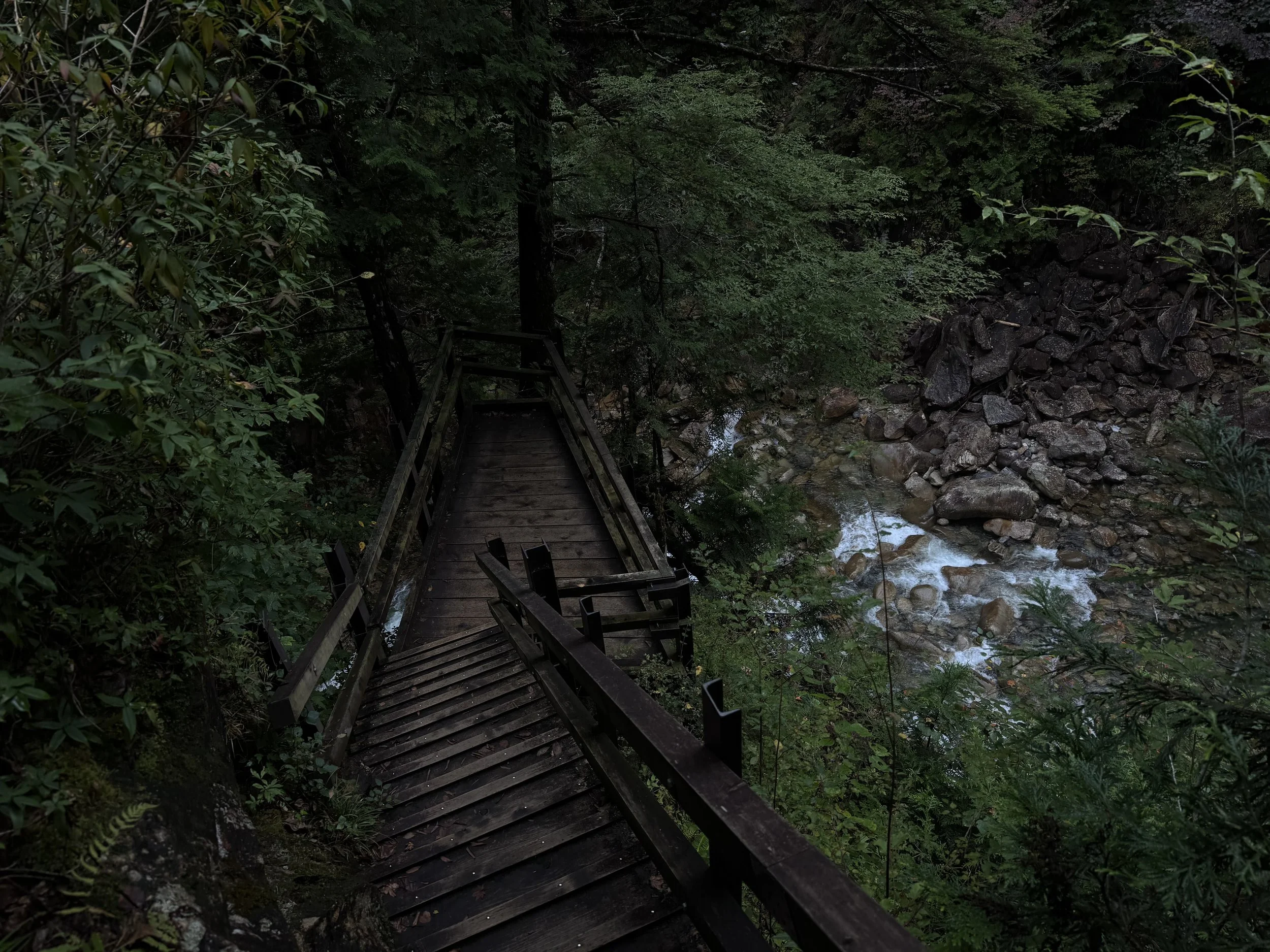
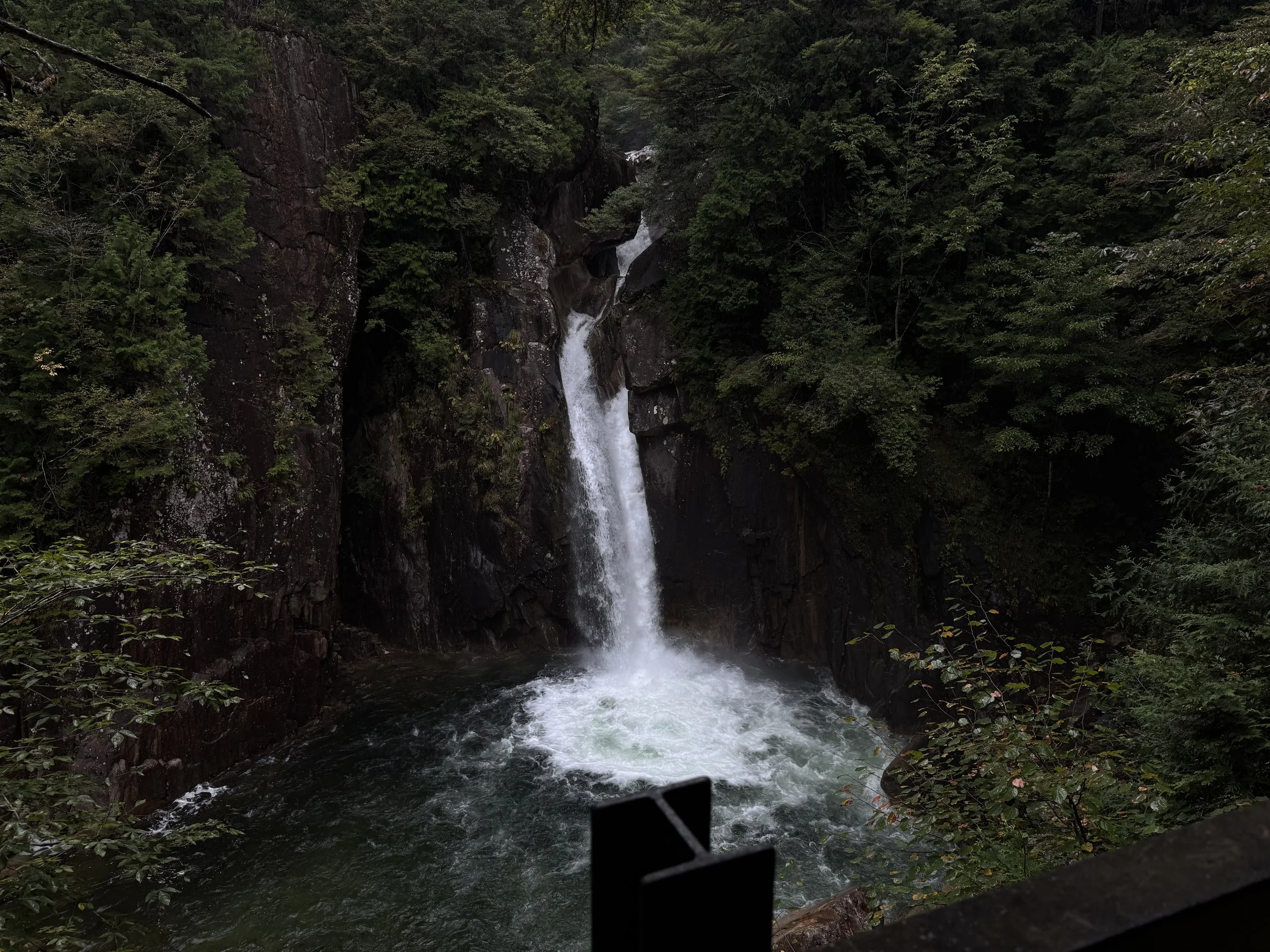
Visit local artisans! Another fantastic and worthwhile thing to do in the area is seeking out local woodworkers, especially around Kijishi no Sato, the woodturners’ village near Tsumago. Here, the regional craft of Nagiso rokuro zaiku involves shaping wood on a lathe, with the grain determining much of the finished piece’s character. The tradition is documented locally from the early 18th century and it’s appeal becomes clear when you pick up a bowl and feel just how carefully it has been made.
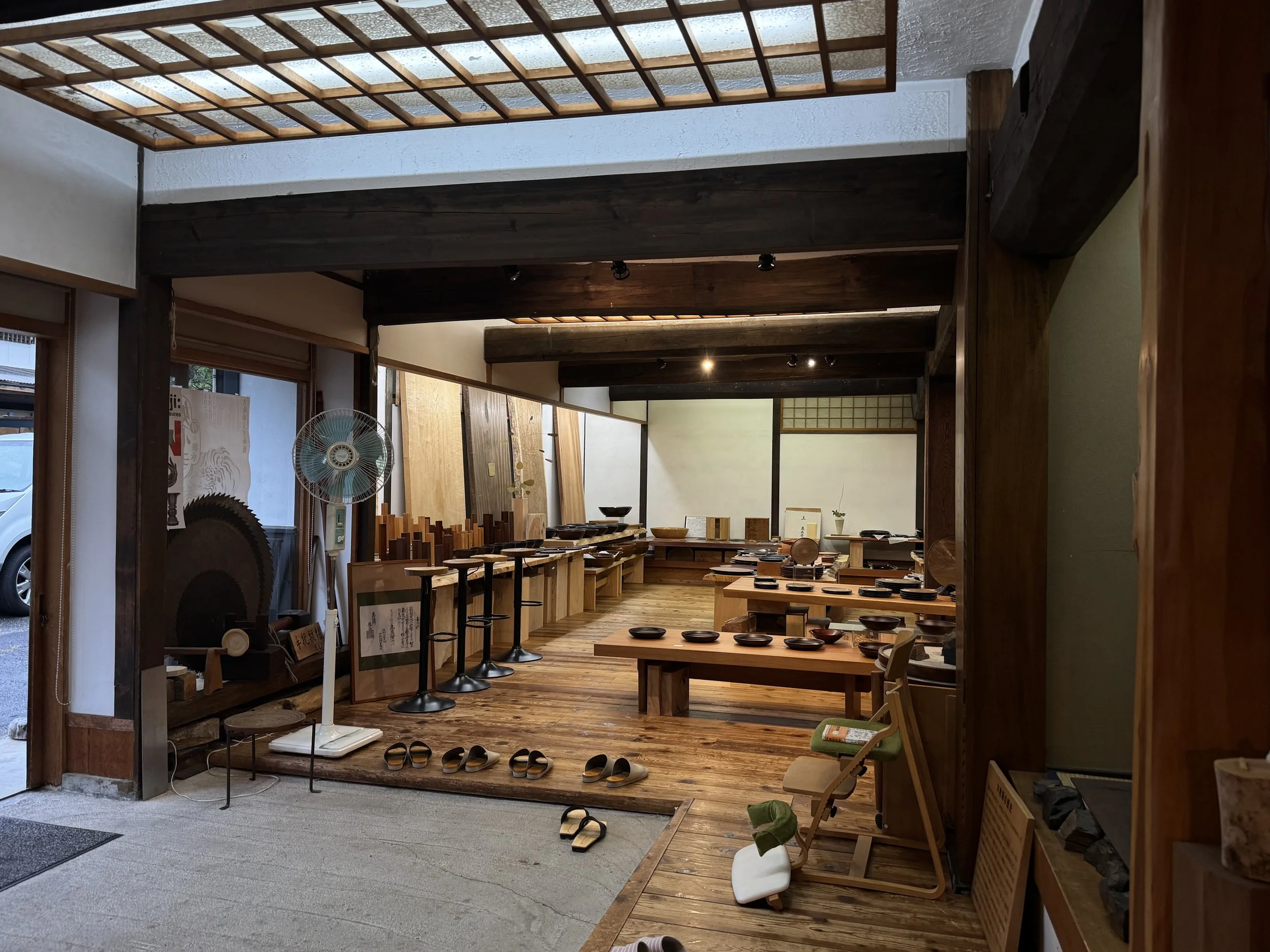
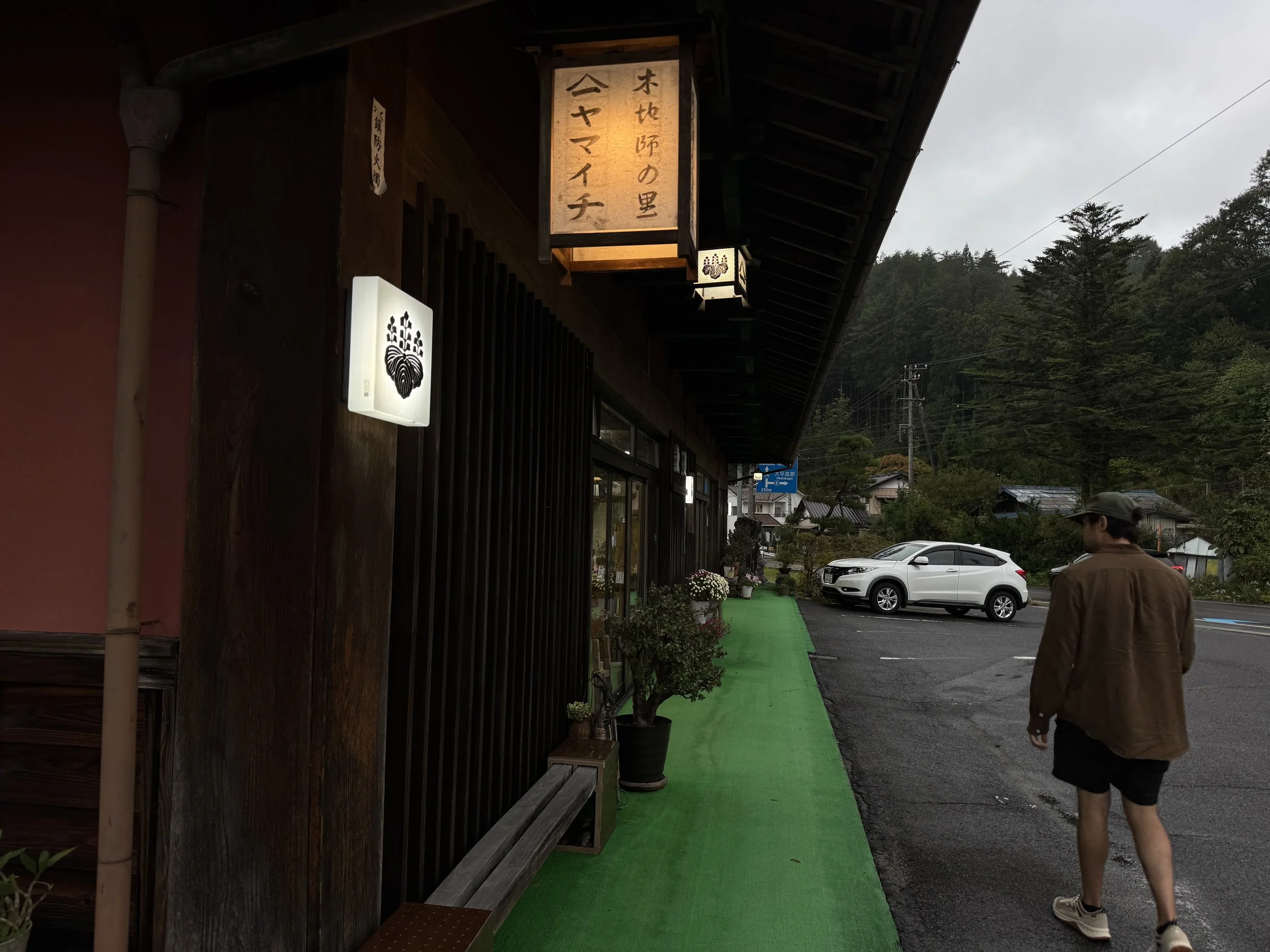
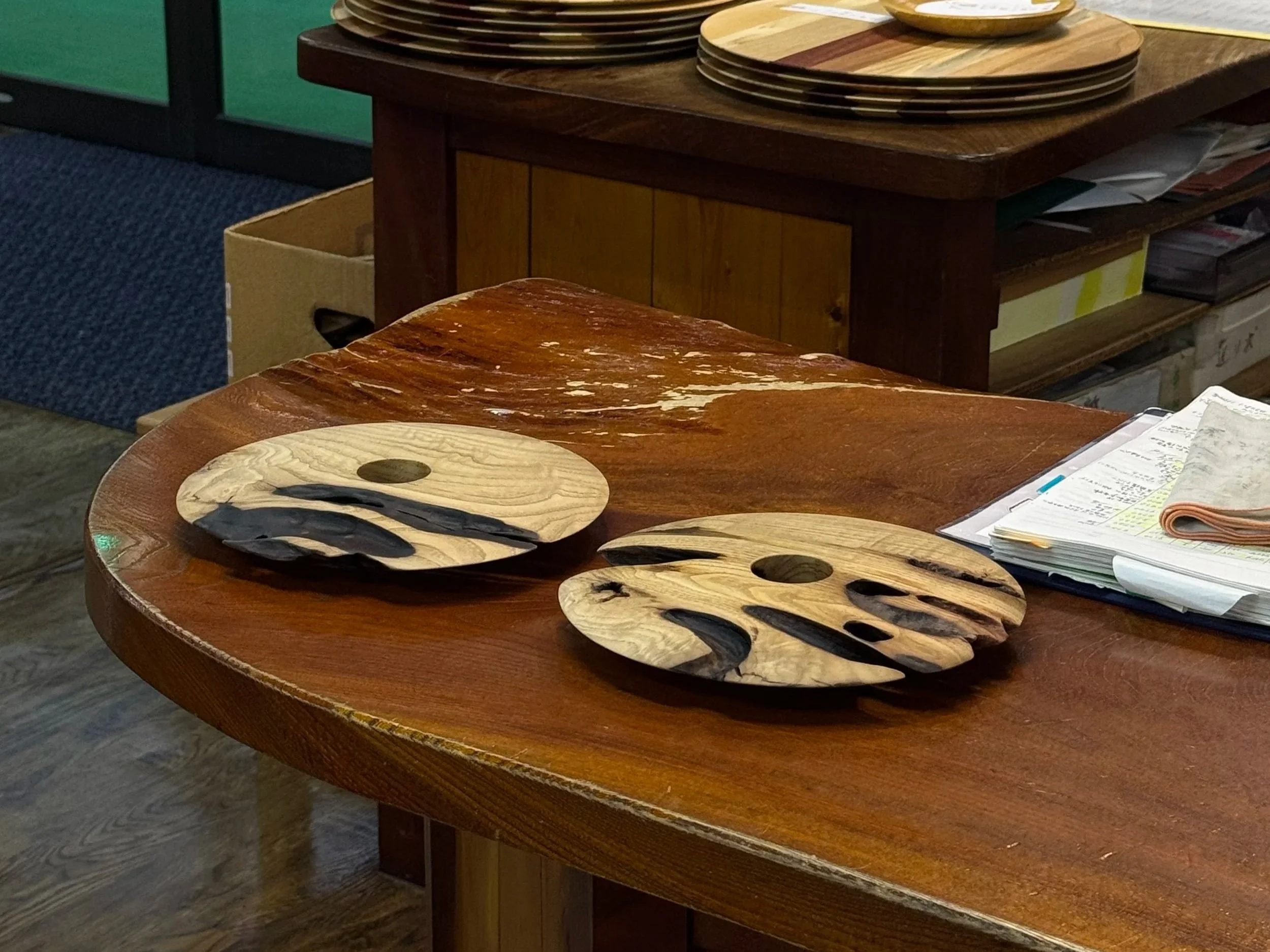
A very special shoutout to the wonderful people at Yamaichi Ogura Rokuro Crafts. Their welcome made this one of our memorable stops near Ame Nakasendo. The business opened its shop in the Urushibata district around 1970 and formally established the company in 1976, although the family’s woodworking heritage reaches much further back. Led by craftsman Kazuo Ogura, the workshop carries forward the region’s woodturning traditions while making beautiful objects for contemporary homes.
Go look at their beautifully turned bowls and plates, but also the more sculptural pieces, including the UFO-shaped flower vessels (we snagged one!) and round, wall-mounted “full moon” vases. These show how inventive a traditional workshop can be without actually losing its connection to the material. We loved their beautiful work and pieces, but the people deserve equal credit: they made visiting feel personal and warm.
Other great shops nearby include Kanekin Ogura Seibonjo and Yamato Wood Works.
KURASHIKI
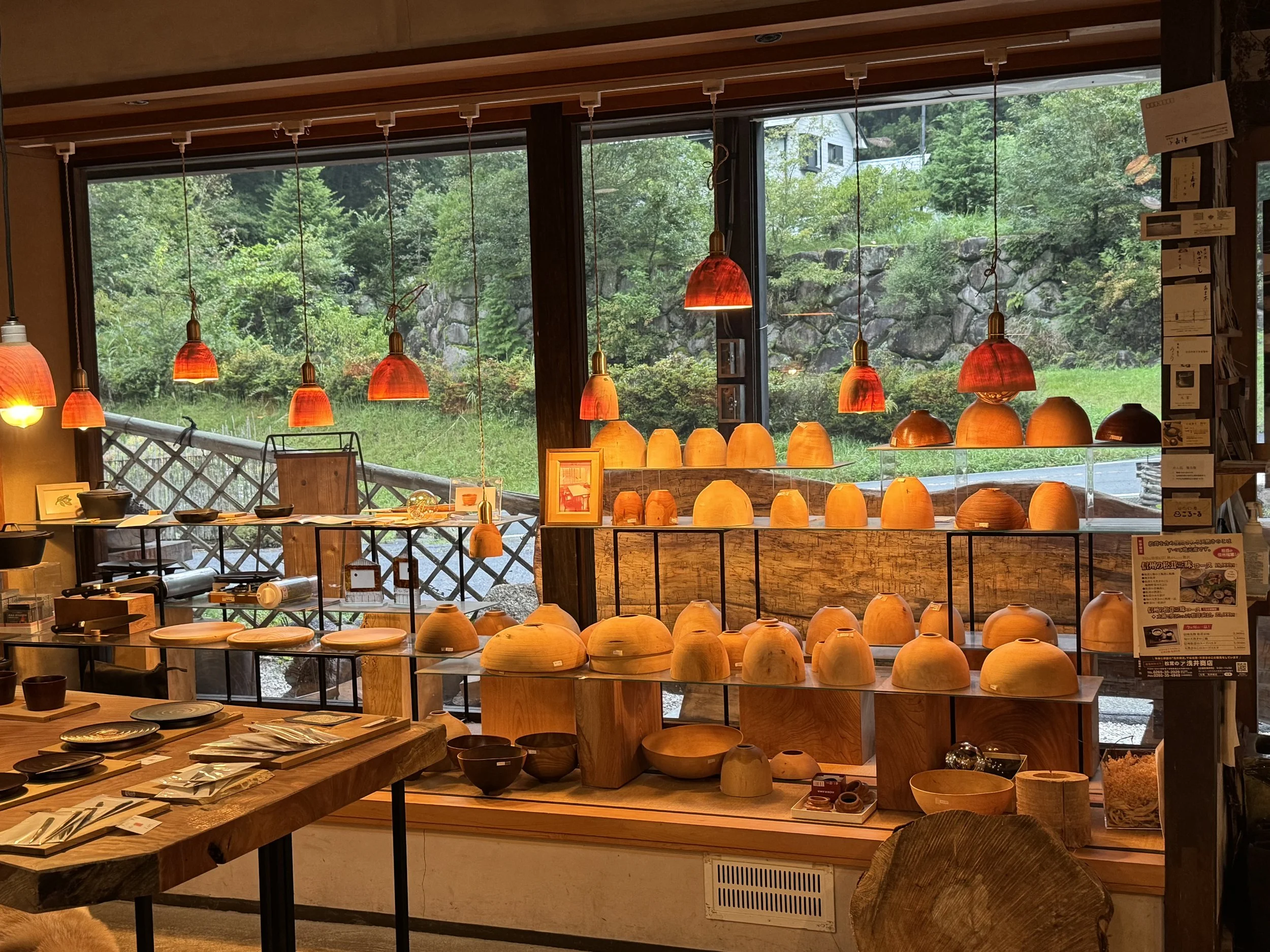
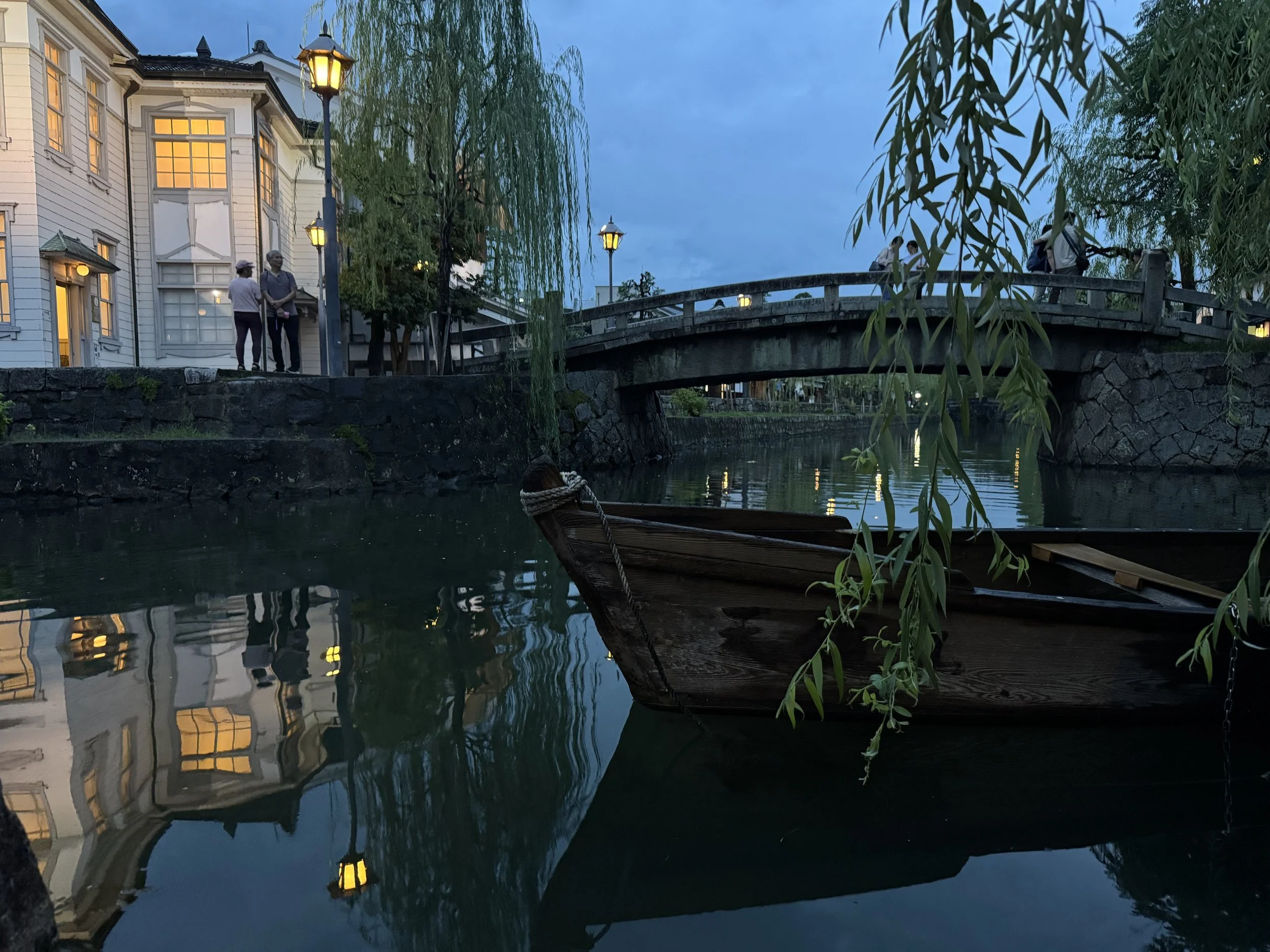
Kurashiki feels a bit like Amsterdam had been plopped into the middle of Japan and we absolutely loved it. In the Bikan Historical Quarter of Kurashiki, white walled storehouses and merchant houses line a willow fringed canal. Many now hold small shops, galleries and cafes, making it easy to spend a day wandering on foot. The buildings and scenery are stunning, but its the town’s connection to craft that gives you a reason to keep walking down alleys and opening doors. Kurashiki has strong ties to the mingei movement, which celebrates the beauty of useful, every day objects.
Where to Stay:
This was a particularly fitting place to stay. It has three accommodations: Yukikai, Oitoma and Madoromi, each welcoming just one group per night, in renovated traditional buildings within or near the historical quarter. Original beams and pillars remain, alongside contemporary comforts and carefully selected Japanese craft. This was a very convenient and cozy stay, with all the amenities you could hope for.
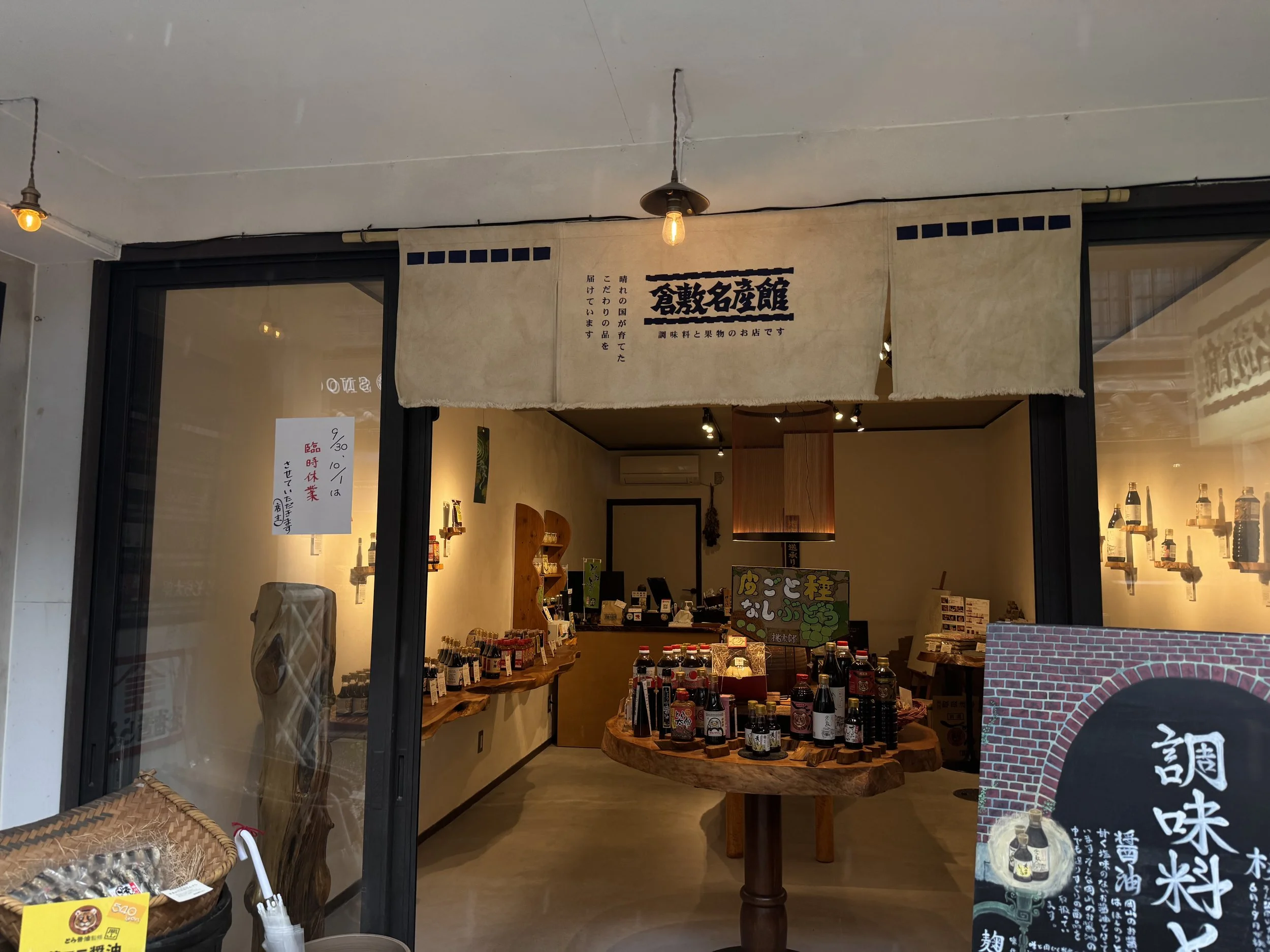
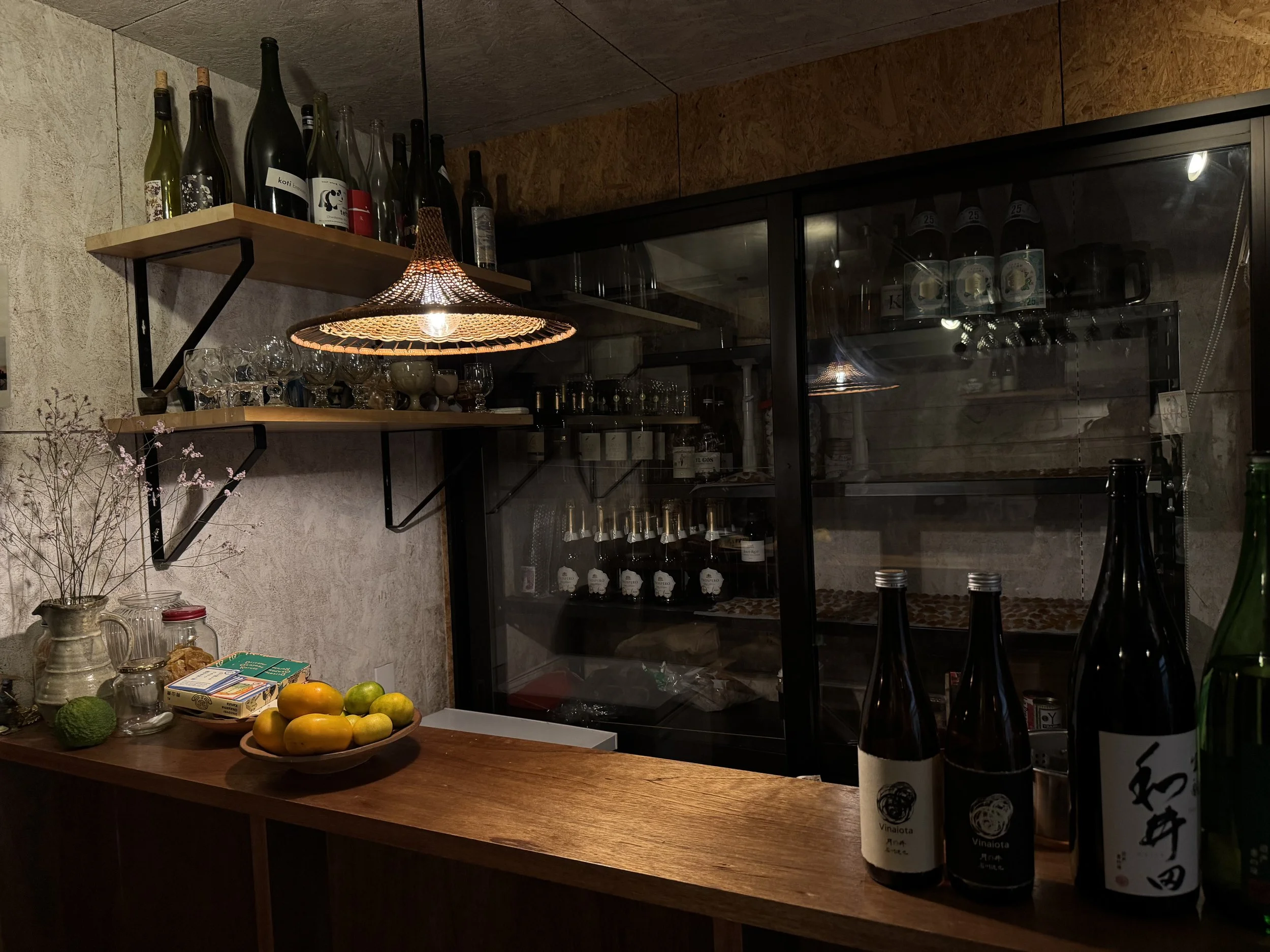
Where to Eat/Drink: Itokichi wine bar, Future 100 Cafe, Bar Cuore Kurashiki were some of our favorites. Cafe Yuurin-an is also worth considering for a meal built around Okayama ingredients. For something sweet, Haremokemo makes sweets from scratch using seasonal ingredients. Pro tip: for natural wine, look for bottles from Grape Ship, a producer working with Muscat of Alexandria grown in Kurashiki’s Funao district. The winery is outside the historic quarter, so treat a visit as a separate outing and confirm arrangements beforehand.
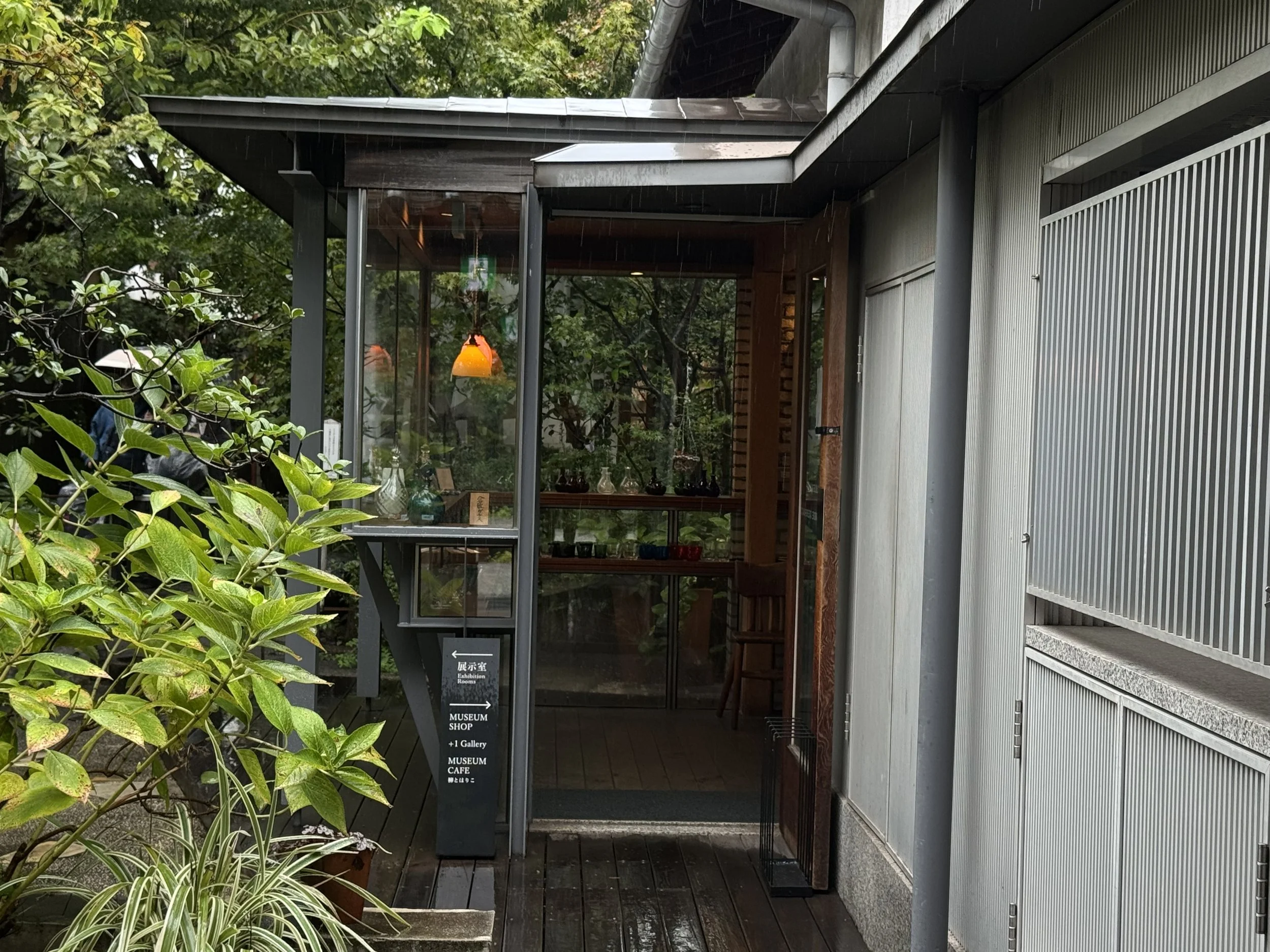
Where to Explore: Explore the Kurashiki denim district, find Bizen ceramics throughout the town, go to the Ōhara Museum of Art, Hayashi Genjuro Shouten, Matou denim. If you have additional time, plan a separate trip to Kojima, the wider city’s denim-making district. It deserves its own visit!
ONOMICHI/SETO ISLANDS
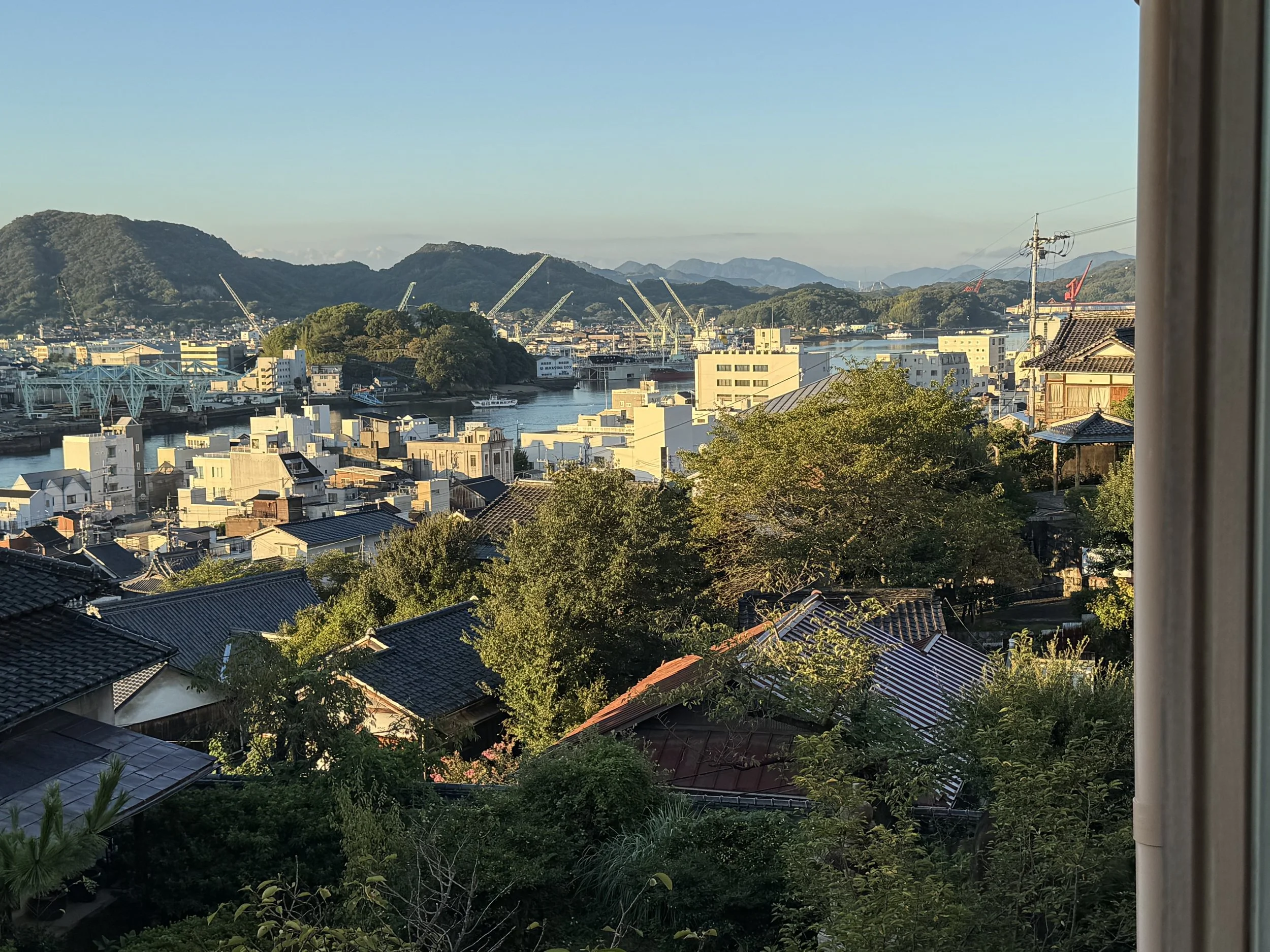
Onomichi was one of the places I was most excited to see and it did not disappoint. A port town squeezed between the water and steep hills, it has temples above the rooftops and small streets that give you plenty of reason to want to go off piste and wander. It also makes a wonderful starting point for exploring the Seto Island Sea.
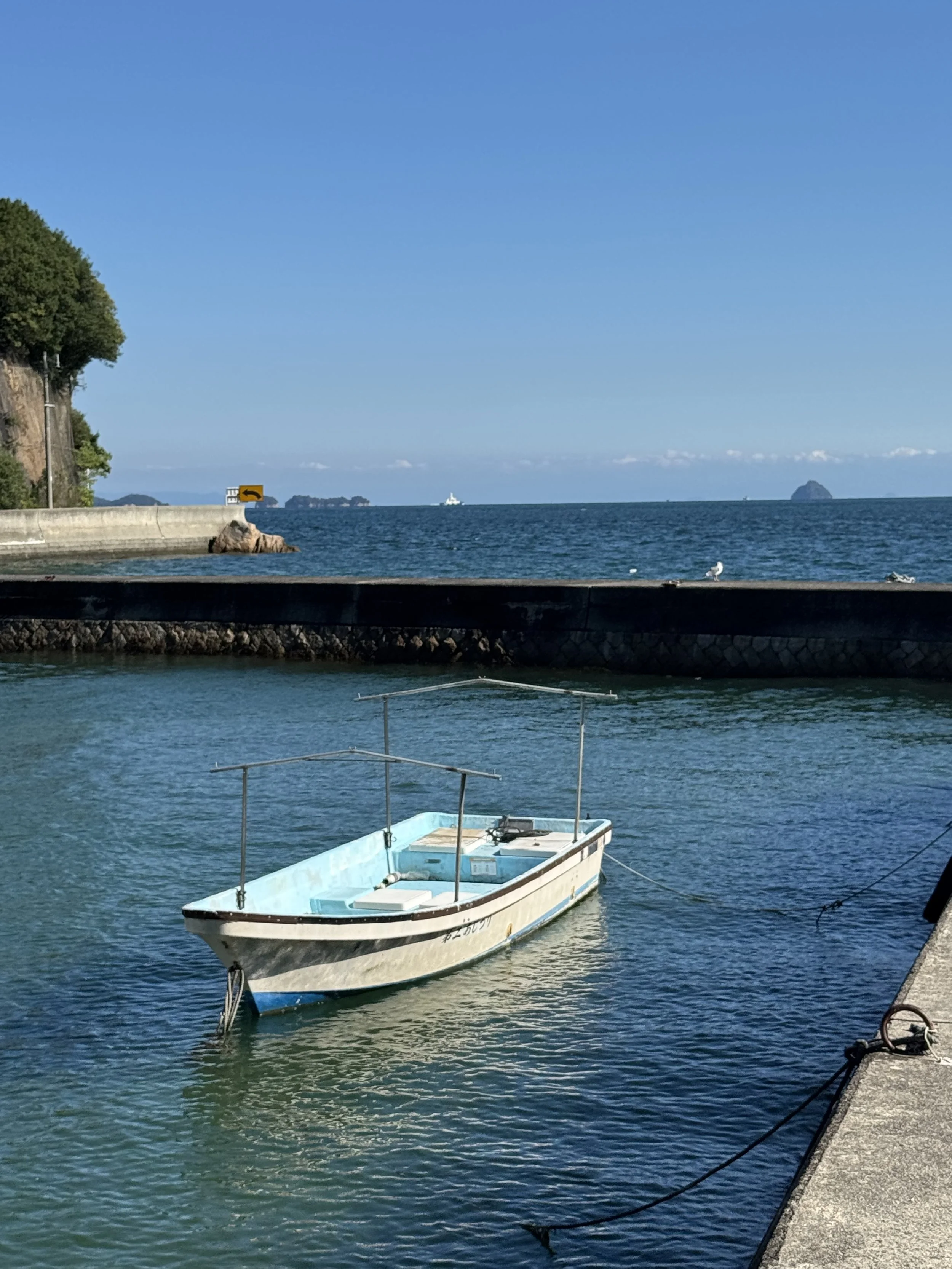
The Shimanami Kaido connects Onomichi on Honshu with Imabari on Shikoku, crossing six islands along the way. It is famous as a cycling route, but we explored by rental car, leaving time to get off the main expressway and follow the smaller coastal roads. The bridges are spectacular, looking like DNA double helixes rather than boring, practical structures. Another example of the small beauty of every day things.
Where to Stay:
LOG or SOIL Setoda
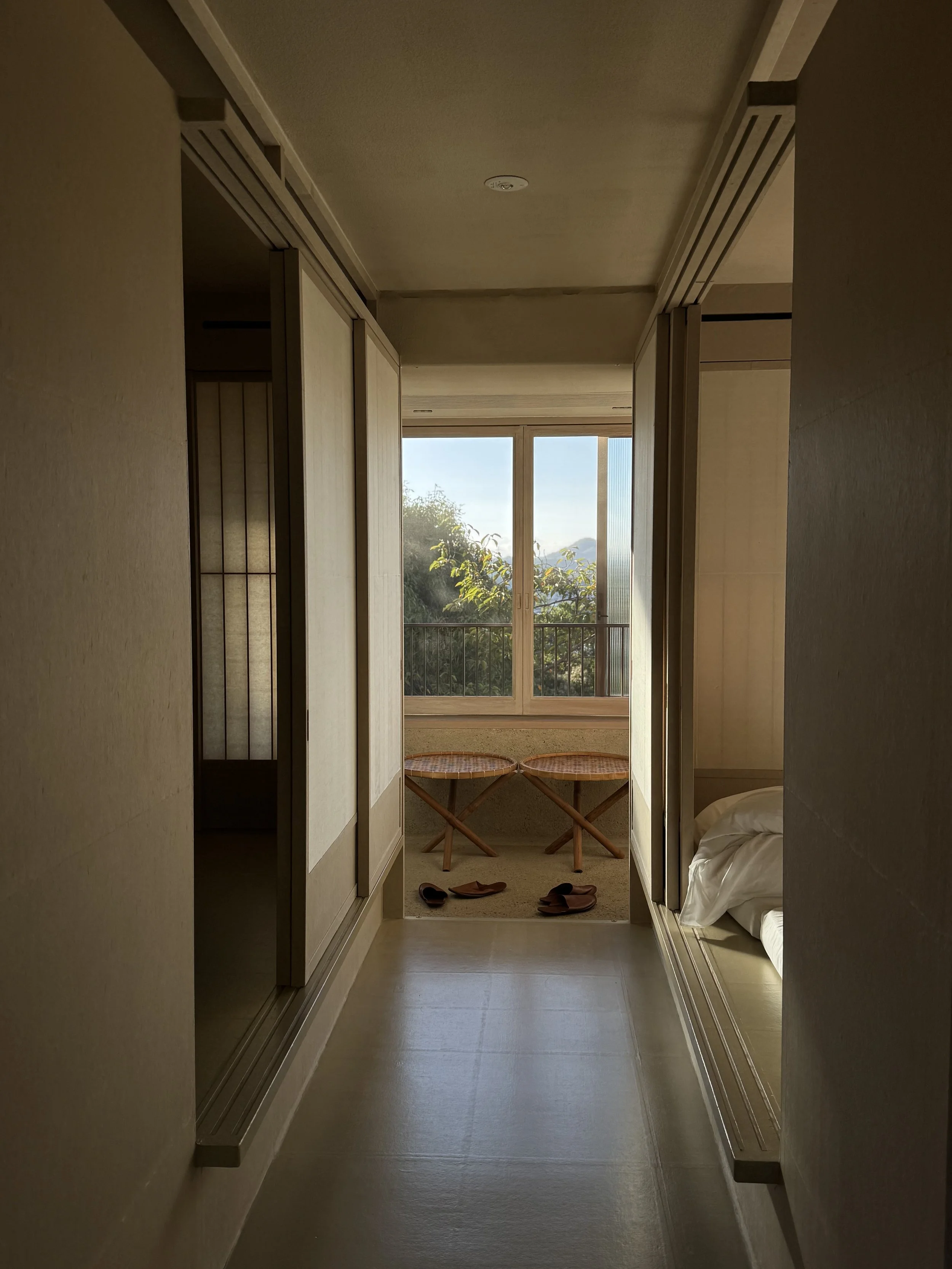
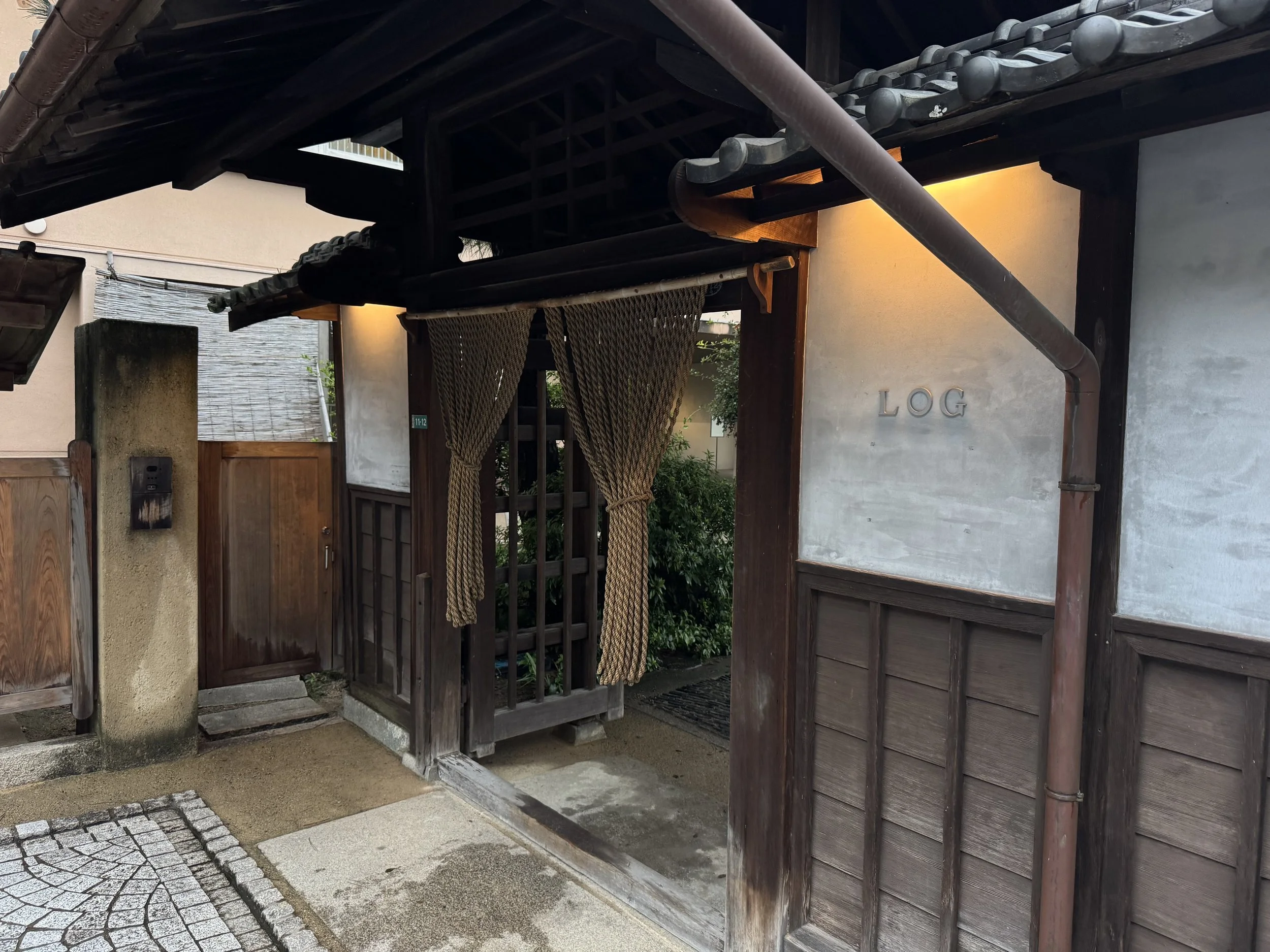
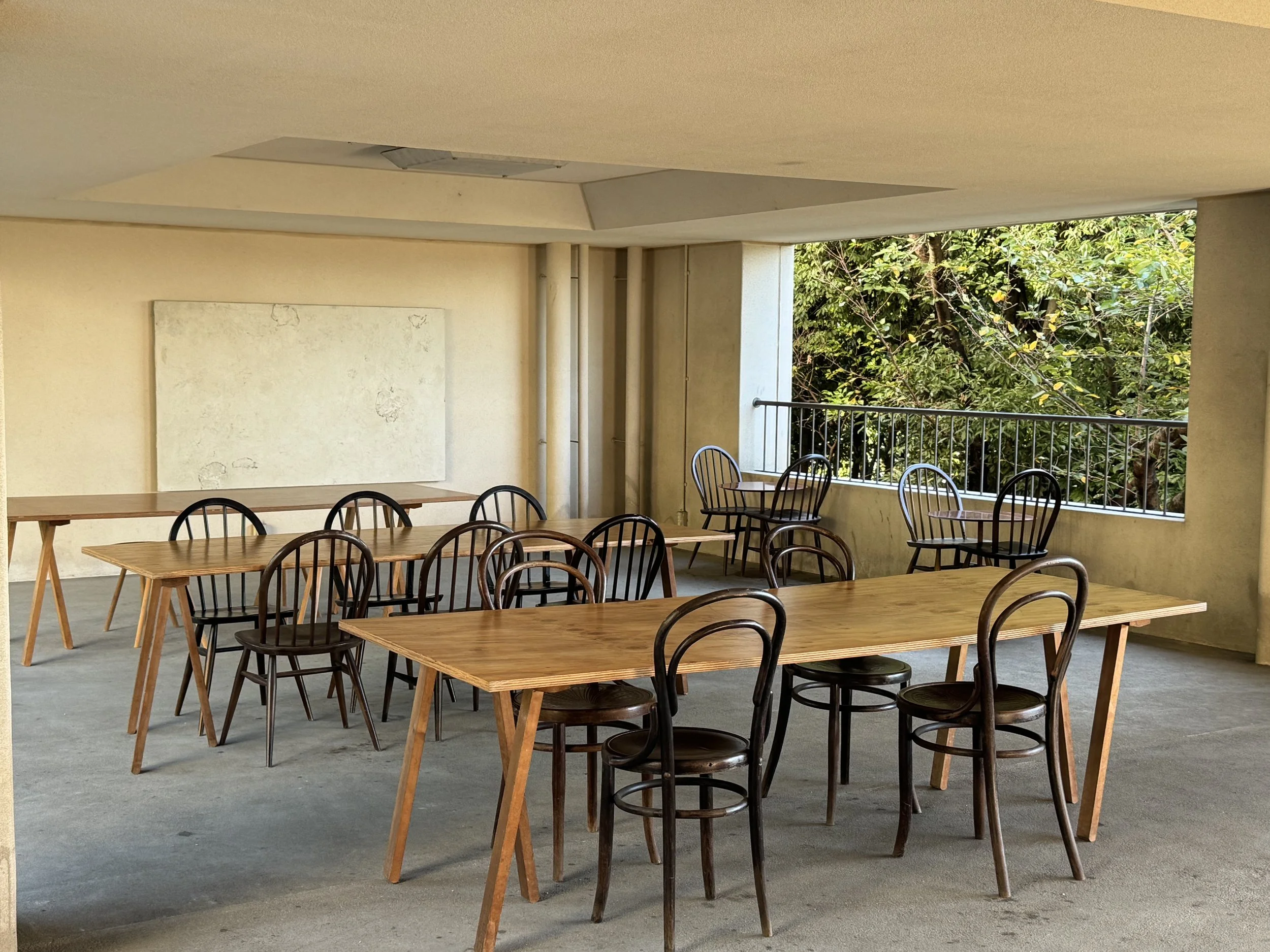
LOG was a major incentive for visiting Onomichi. Its name stands for Lantern Onomichi Garden, and the building began as a hillside apartment block in 1963. Studio Mumbai, led by architect Bijoy Jain, transformed it into a small hotel. It’s a beautiful example of giving an existing building another life. The hillside setting itself is part of the experience (though, do be prepared to walk uphill with suitcases!) You reach LOG on foot along the paths leading toward Senkoji, with views opening over Onomichi as you climb up. Give yourself time to enjoy the building and the garden itself as they’re very much part of the experience and boast incredible views over the harbor. We highly recommend including dinner in your stay as well, to allow you to stay put without needing to wander.
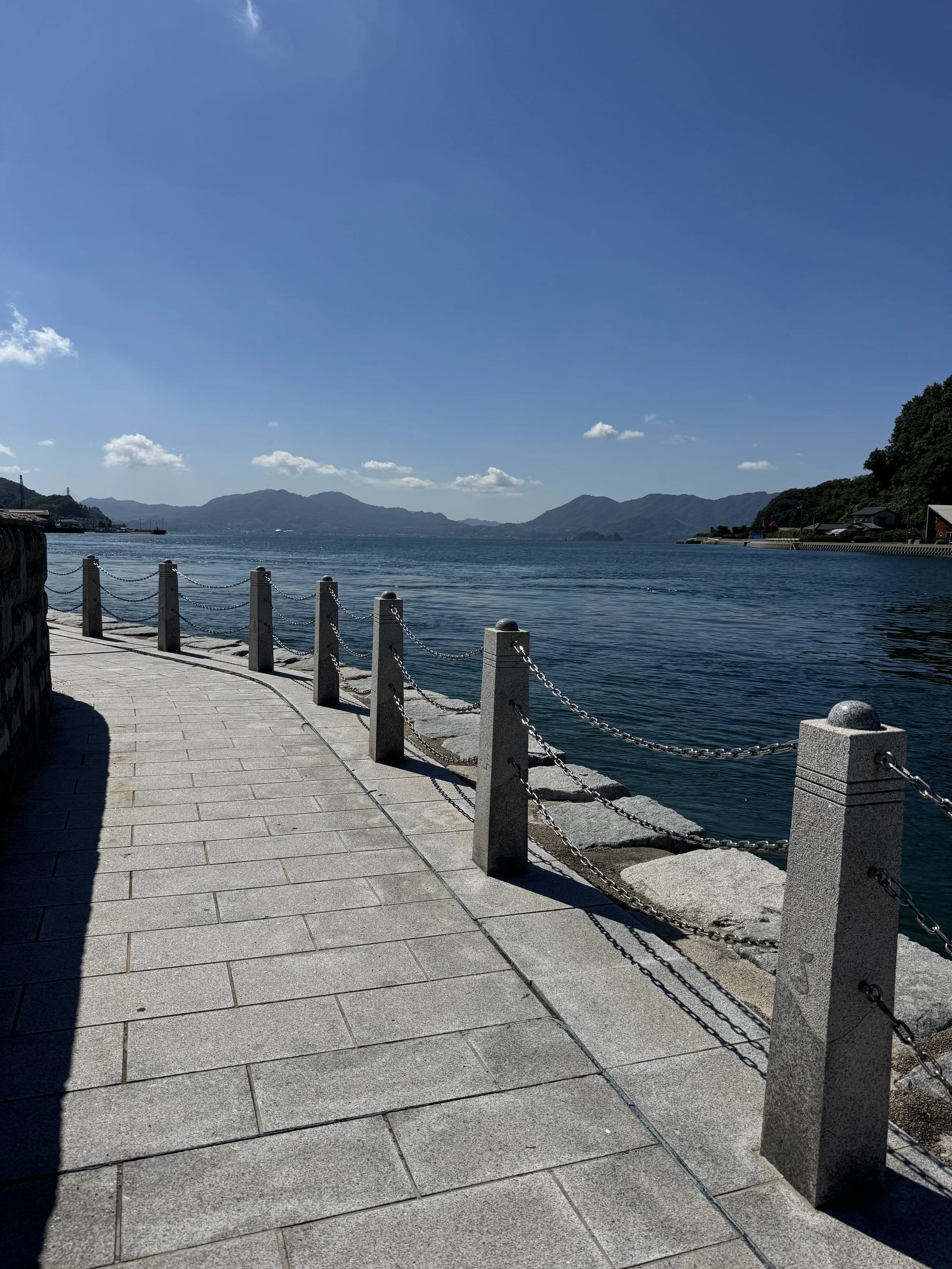
SOIL Setoda is an appealing alternative if you want to base yourself on the islands themselves, albeit I’d warn that it is a much quieter stay. SOIL sits by Setoda Port on Ikuchijima, with accommodations connected to a neighborhood of places to eat, drink coffee and browse. A meiji-era storehouse houses the coffee roastery, while the waterfront restaurant looks out onto the sea. It is all stunning, but felt a bit quiet / off season when we were there in October, so choose your time of year to visit wisely.
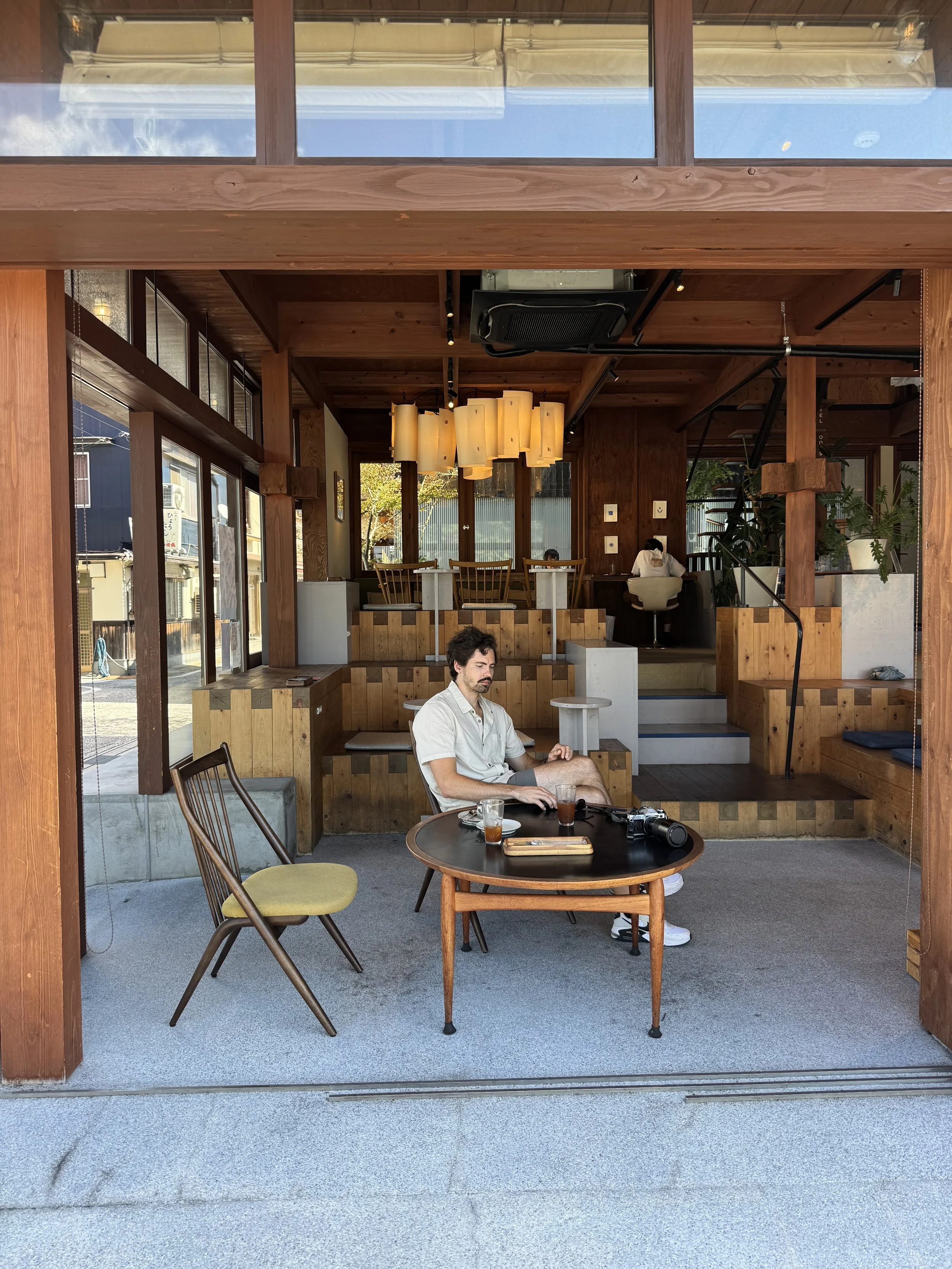
Where to Eat/Drink:
Pino Onomichi was our favorite stop and in fact, one of our favorite stops the entire trip. I would make room for it without exception. This was a totally unexpected natural wine discovery for us and I think we’ll be talking about it for a lifetime. Give it time as a place to sip new and interesting natural wines, try some exotic sakes, and importantly: eat delicious homemade and generously portioned food. There are so few wine bars these days that actually serve real homemade food alongside wine, and this is one of them that delivers - and then goes above and beyond expectations. If only we had Pino Onomichi at home!!
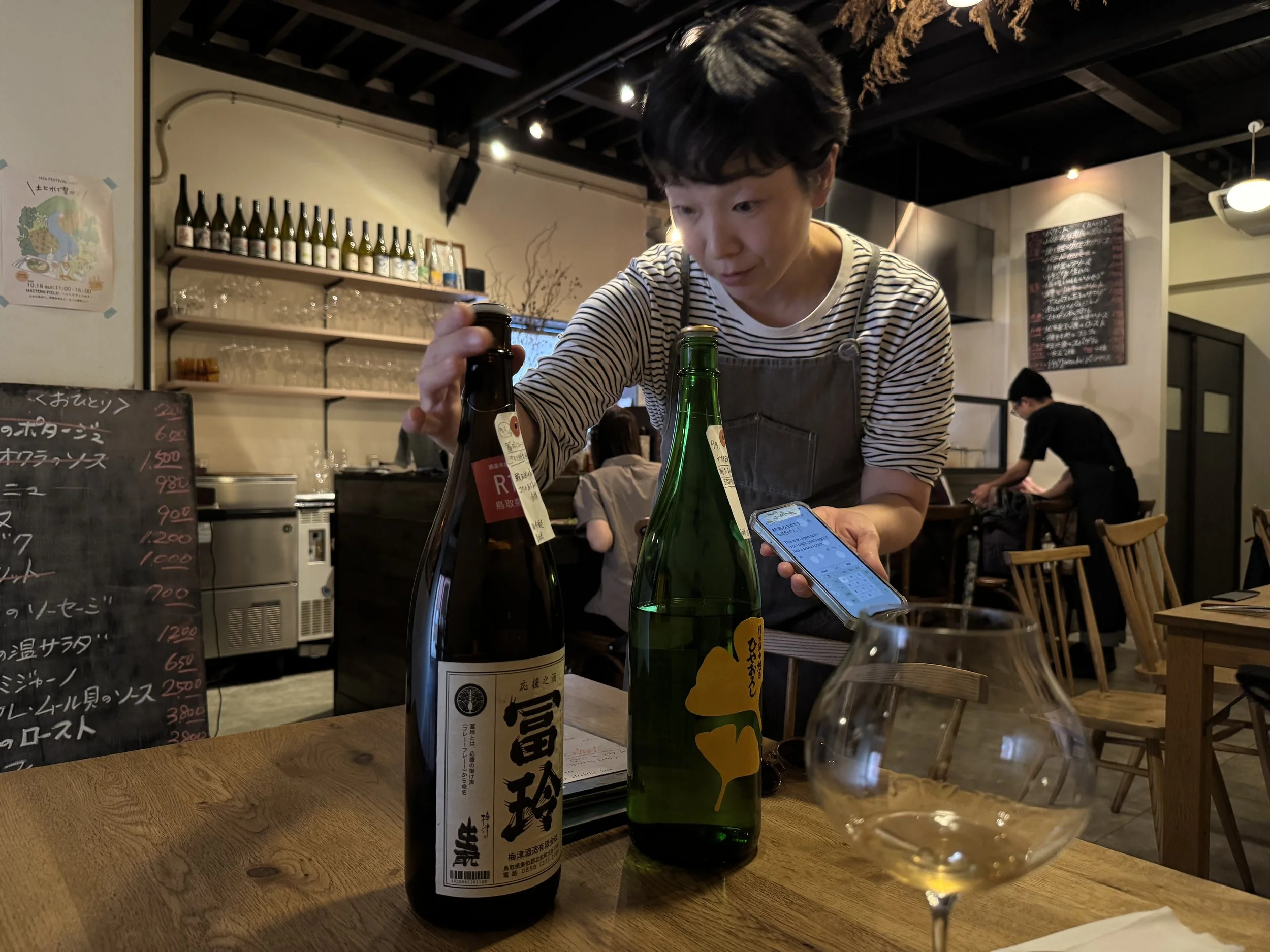
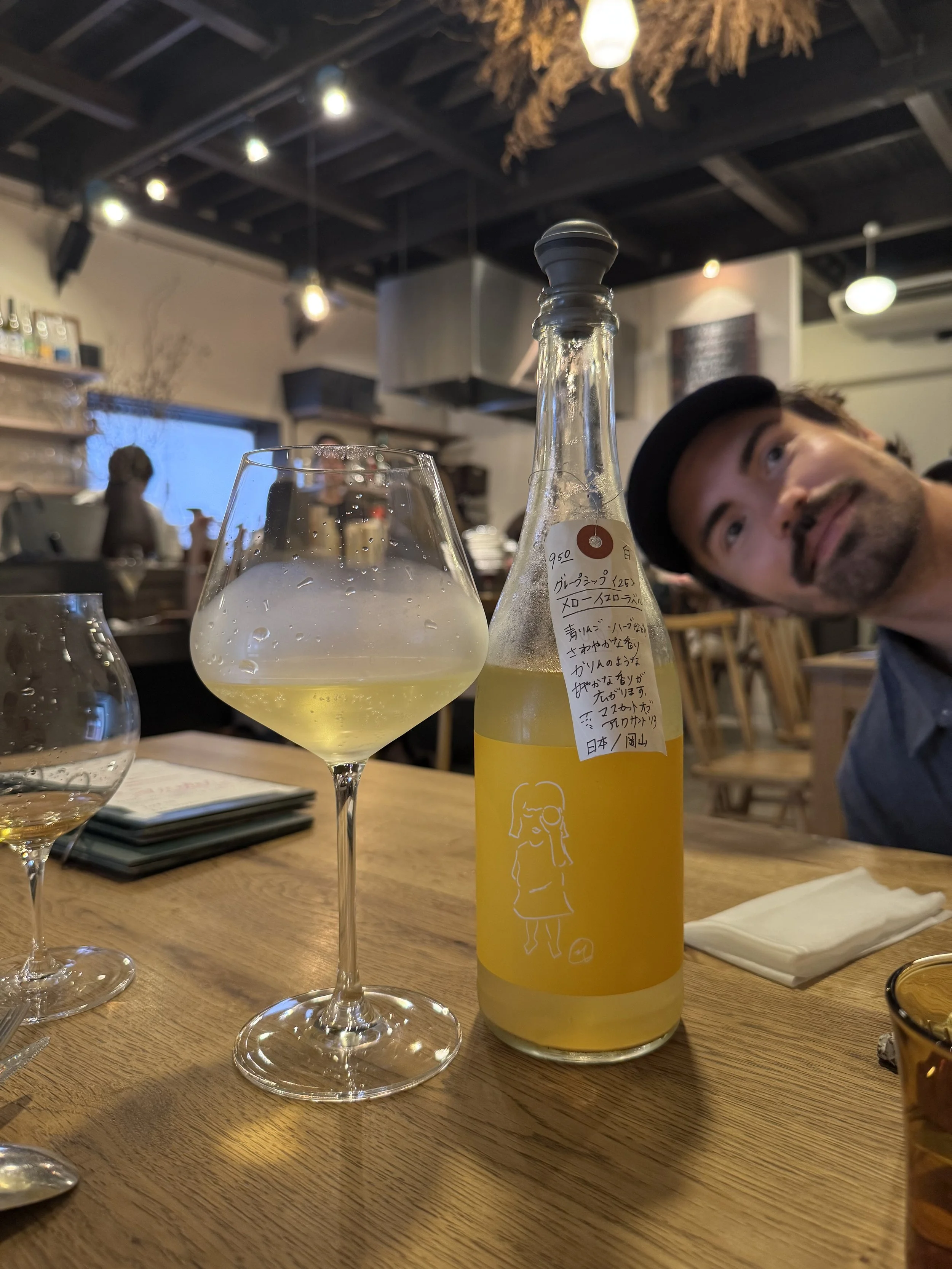
Dinner at LOG. Book a dinner at LOG as part of the stay. The food has been developed with cook and author Ai Hosokawa, whose approach gives seasonal produce room to speak for itself. Her time living in Italy and travels around the world inform cooking that LOG describes as unfussy and rooted in respect for the ingredients. They also had a wonderfully curated natural wine pairing so two thumbs up from us. Also, how nice is it to eat dinner and then just simply walk upstairs to your room? Living for the ease! (Note that you can also book dinner here without staying at the hotel but staying there made things all that more convenient.)
Things to Do:
Walk uphill toward Senkoji. The climb gives you a sense of how the town fits together: houses layered up the slope, the narrow channel below, then islands beyond. Visit the Senkoij Temple and continue up to the PEAK observatory for a wider vantage point. You can take the ropeway up as well if you’re feeling lazy.
Follow part of the Temple Walk. A designated route links 25 temples through the town’s hillside streets. You don’t need to make completing them a task that hangs over your head, but choose a section and wander slowly, stopping when something interests you.
Explore the shopping streets and waterfront. Leave a stretch of the day for the arcades, small shops and cafes below the hills. Then go sit by the water. It’s a lovely place to just watch the day’s going-ons without any pressure.
Explore the Seto Islands! Make the drive part of the day. From Onomichi, the main island sequence goes through Mukaishima, Innoshima, Ikuchijima, Omishima, Hakatajima and Oshima, before you get to Imabari. You can explore a few islands without committing to all of them. For a first outing, my recommendation is Ikuchijima and Omishima, with time off the expressway rather than simply crossing bridges endlessly. We loved exploring by car, but a lot of folks do this as a bike route as well. Stop in the harbor towns, look for farm shops (there are a lot of farms!) and follow the coastline whenever you can.
Spend time in Setoda. Setoda is a port town on Ikuchijima around the middle of the Shimanami route. Walk from the waterfront into the Shiomachi Shopping Street, allowing for something citrus-related along the way (this is, btw, the citrus capital!) It’s an awesome place to get lunch, coffee, and do a little browsing. We loved having a light lunch and piece of cake at SOIL Setoda’s restaurant by the water.
Visit a citrus farm! Check hours and dates of opening, but we recommend visiting a citrus farm to really embrace the spirit of the islands. One that pops up often is Safety Fruits, a local grower that has cultivated lemons organically for more than 30 years. There are also seasonal citrus picking experiences at LOROfarm. These are working farms, so arrange access ahead of time.
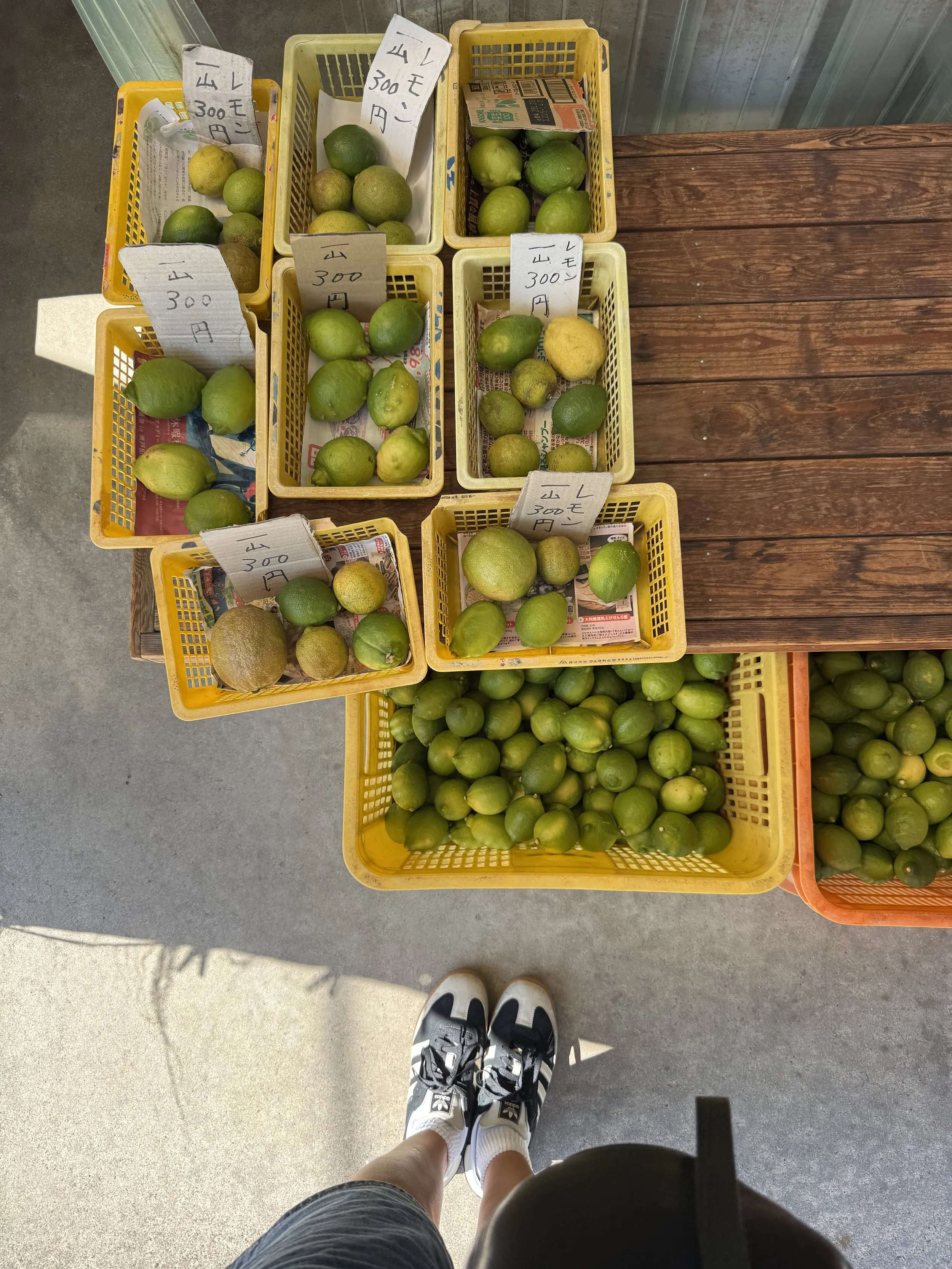
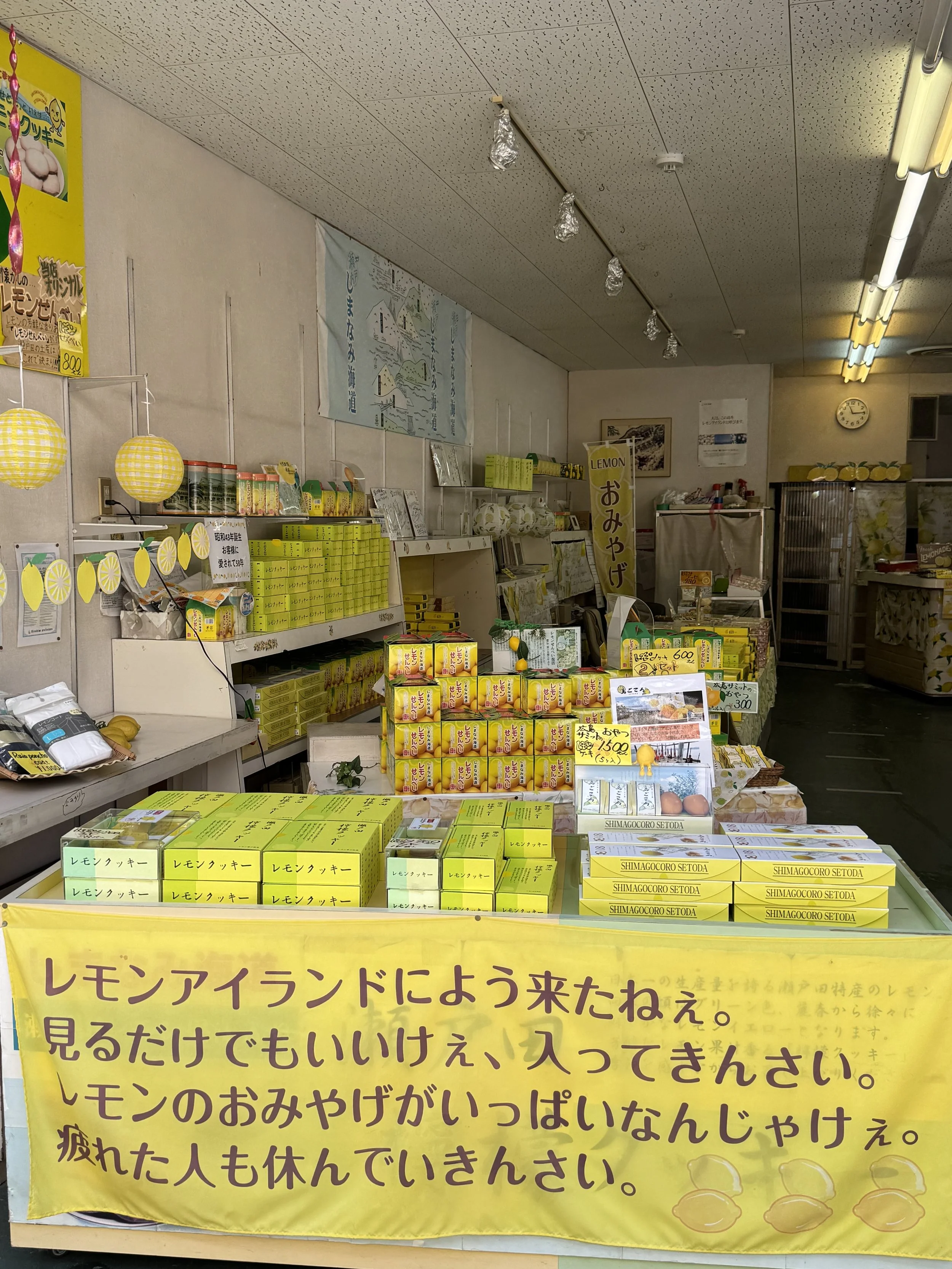
Make several coffee stops! We recommend Overview Coffee Setoda Roastery, Lemon & Cafe Shiomachi-tei, and Minatoya at SOIL.
HIROSHIMA/MIYAJIMA
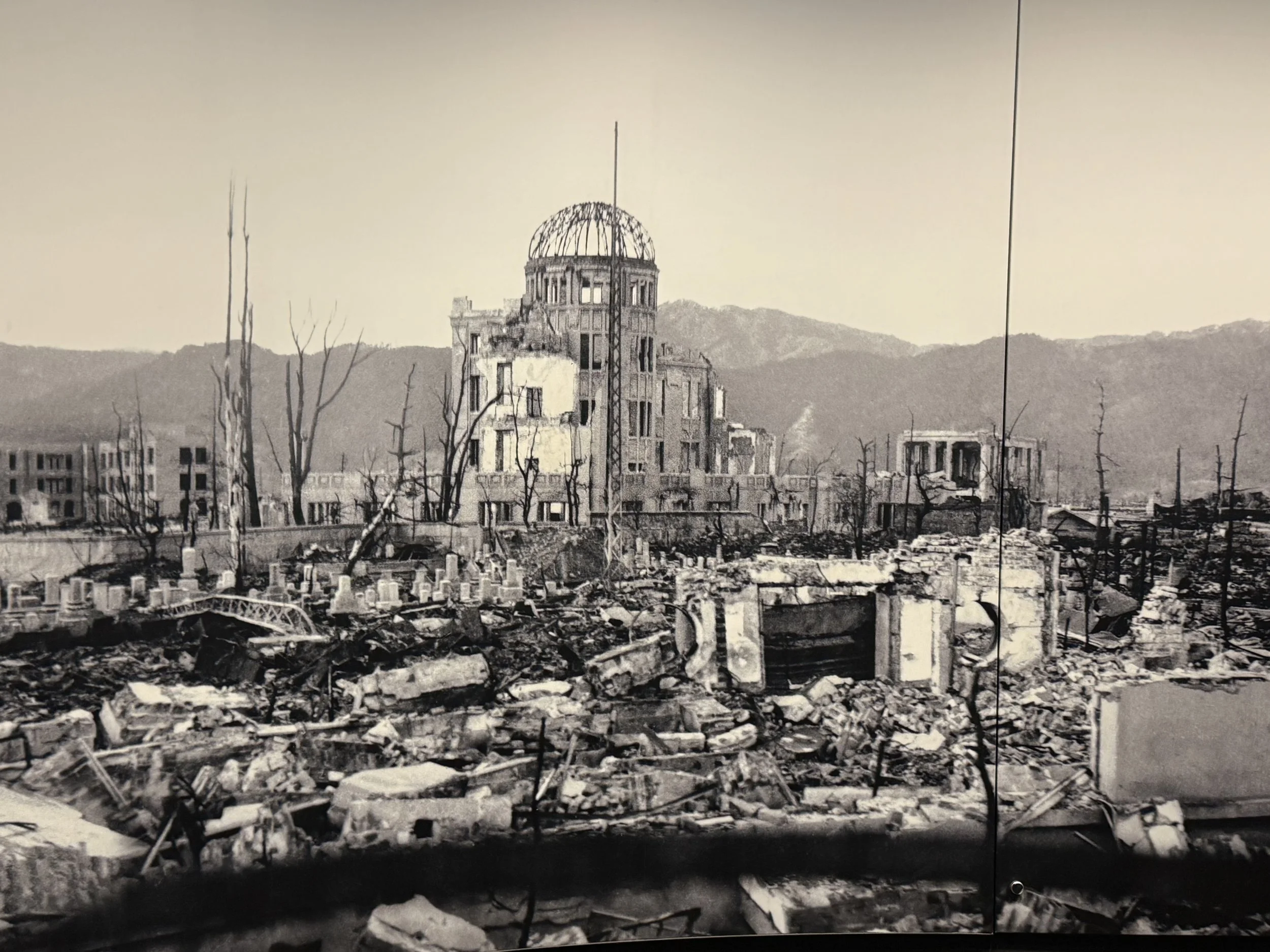
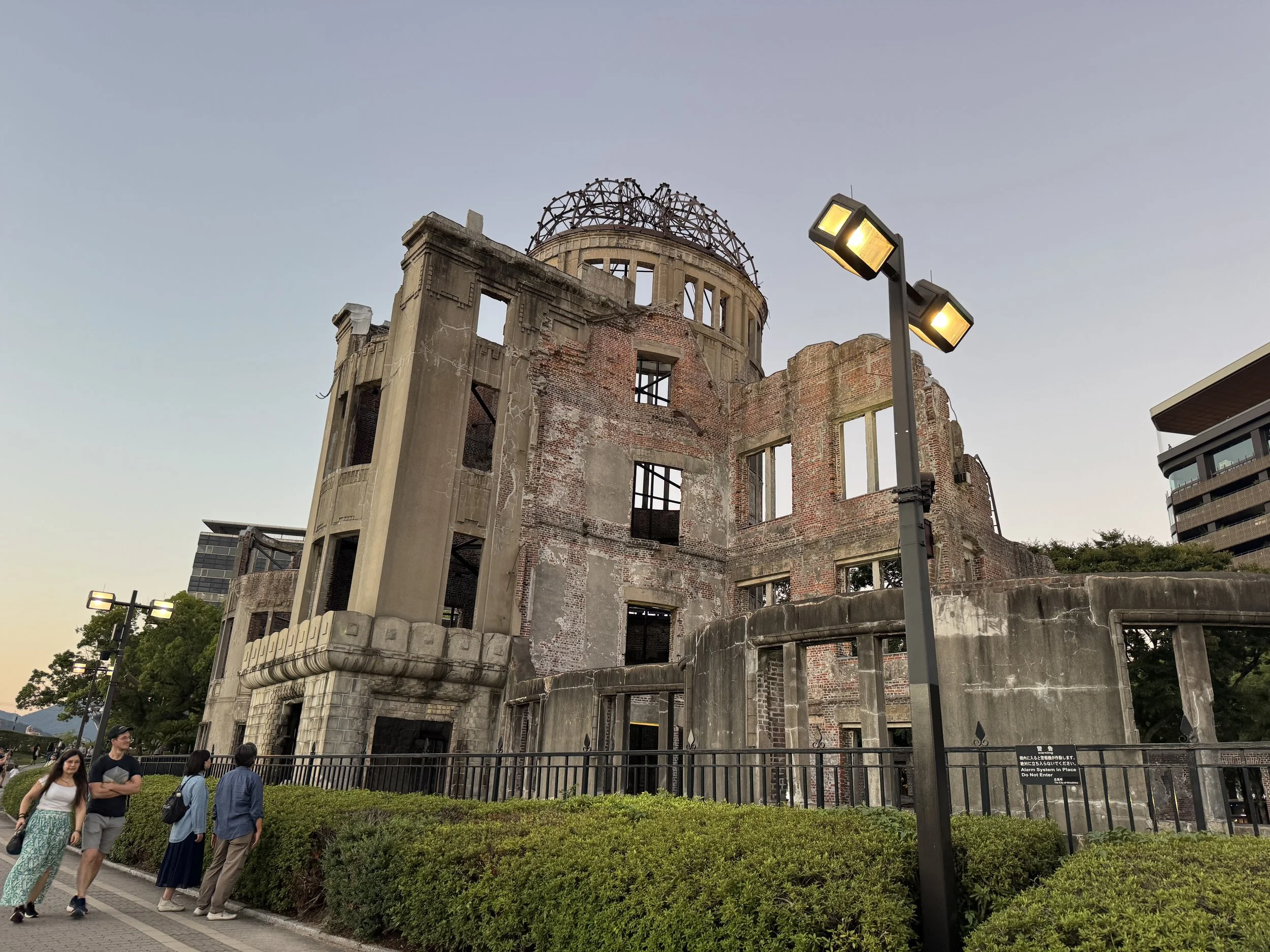
Hiroshima is known around the world for one devastating day in 1945. Visiting the Peace Memorial Museum and Atomic Bomb Dome was absolutely an essential part of our trip… but we also left with a much fuller picture of the place than we ever could have imagined.
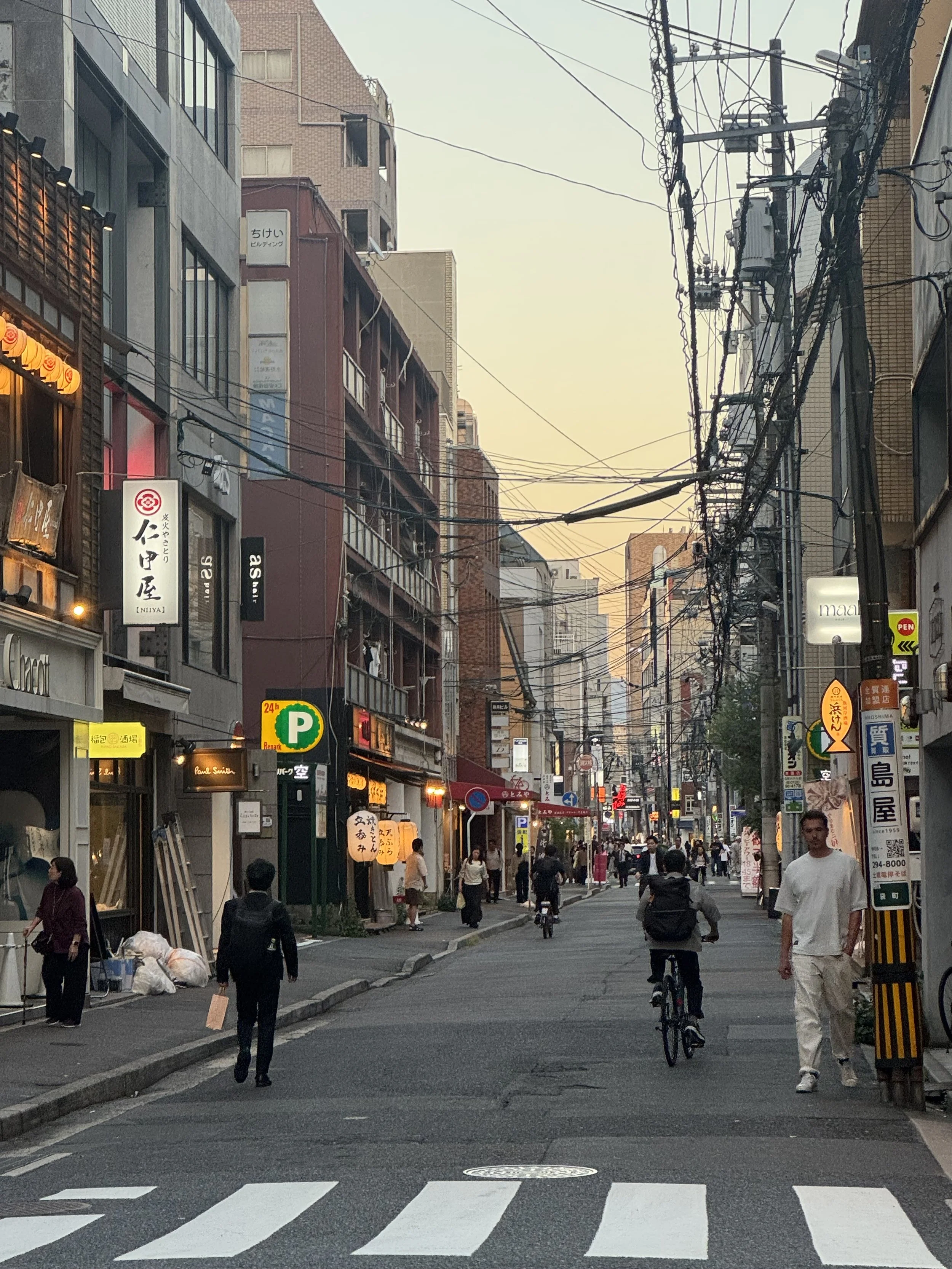
There were packed restaurants and streetcars carrying people about the buzzing city. There were oysters, natural wine bars, and bountiful conversations about baseball. Beyond the city were islands connected by bridges and ferries, with citrus groves running down towards the sea. I had not understood how much there was here, and Hiroshima became one of the places I most wanted to tell people about, partly because I realized how much more it was than what I was taught in history class.
Where to Stay:
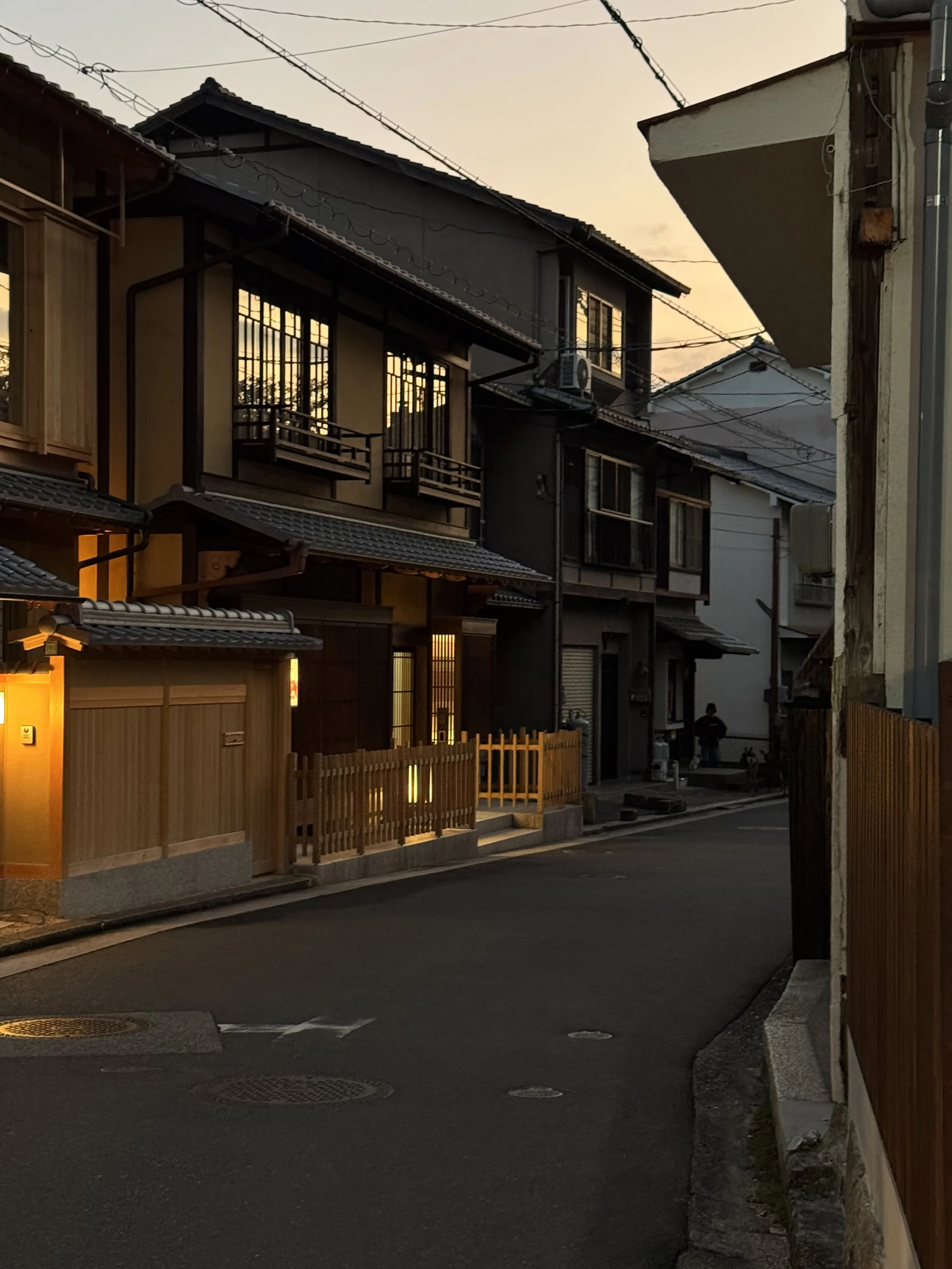
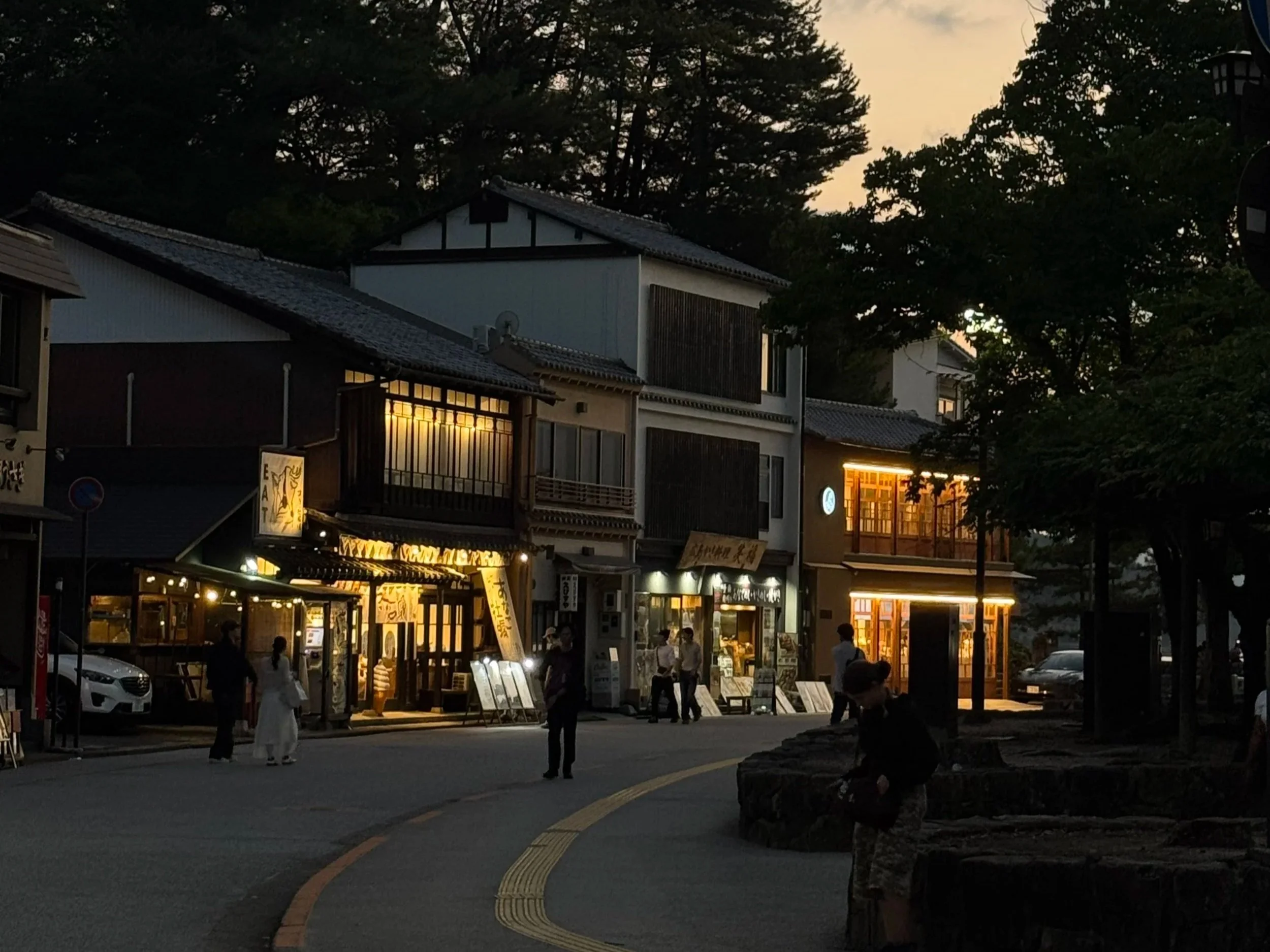
We stayed on Miyajima, the island in Hiroshima Bay best known for its Itsukushima Shrine and its enormous vermillion torii gate. Our base was Hotel Miyajima Villa, conveniently next door to the ferry terminal. The location worked particularly well because we explored both the island and Hiroshima by boat, ditching our rental car for a few days which was a welcome shift from the long days of driving.
I recommend staying on Miyajima rather than fitting it into a hurried day trip. It gave us time talk to walk around after the busiest most touristy parts of the day and return places without watching the clock for a ferry back to a mainland hotel. Miyajima is a popular destination, so I wouldn’t go so far as to say that it is undiscovered, but the advantage of staying overnight is getting more than the busiest few hours of it.
Where to Eat/Drink:
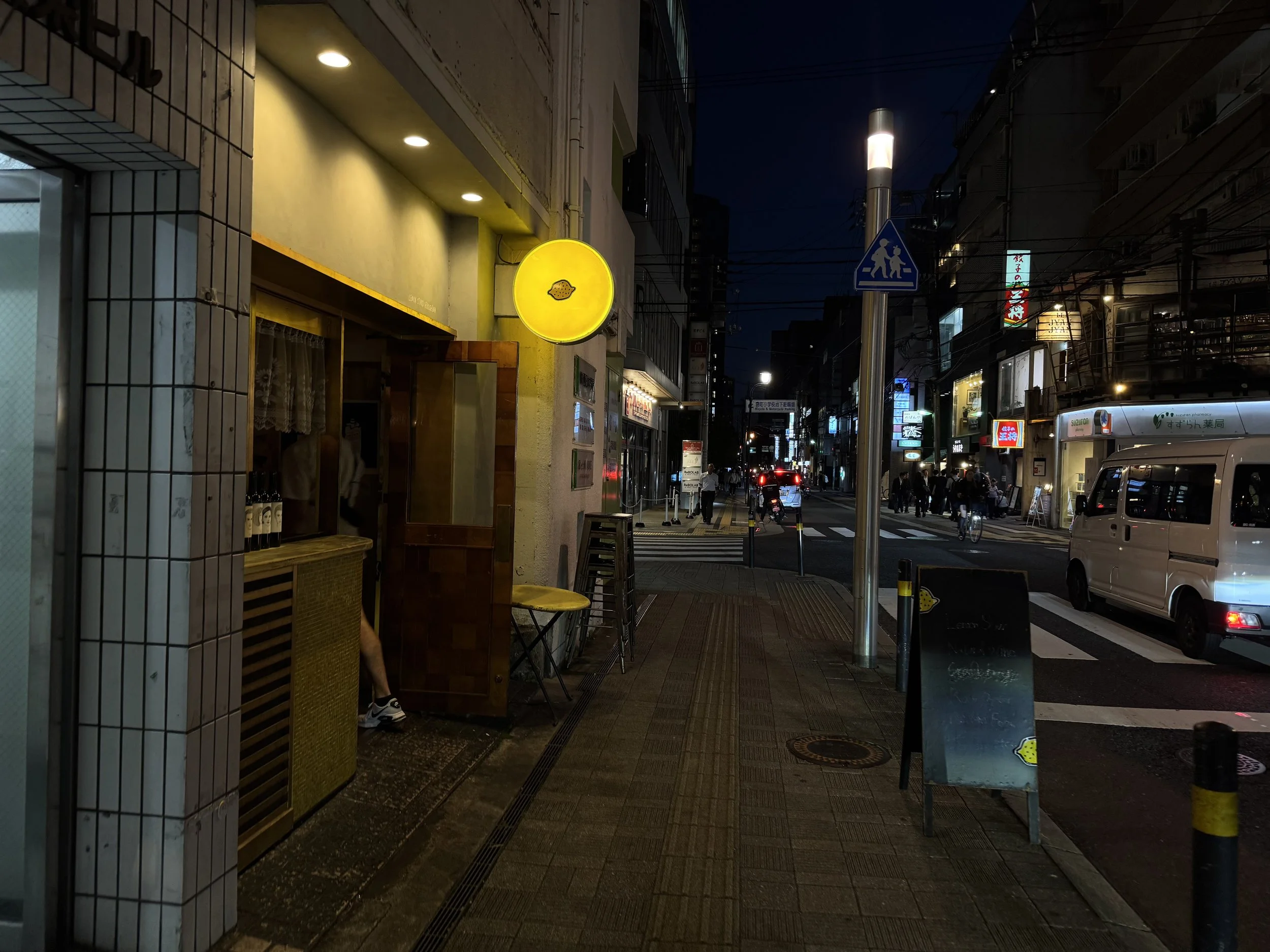
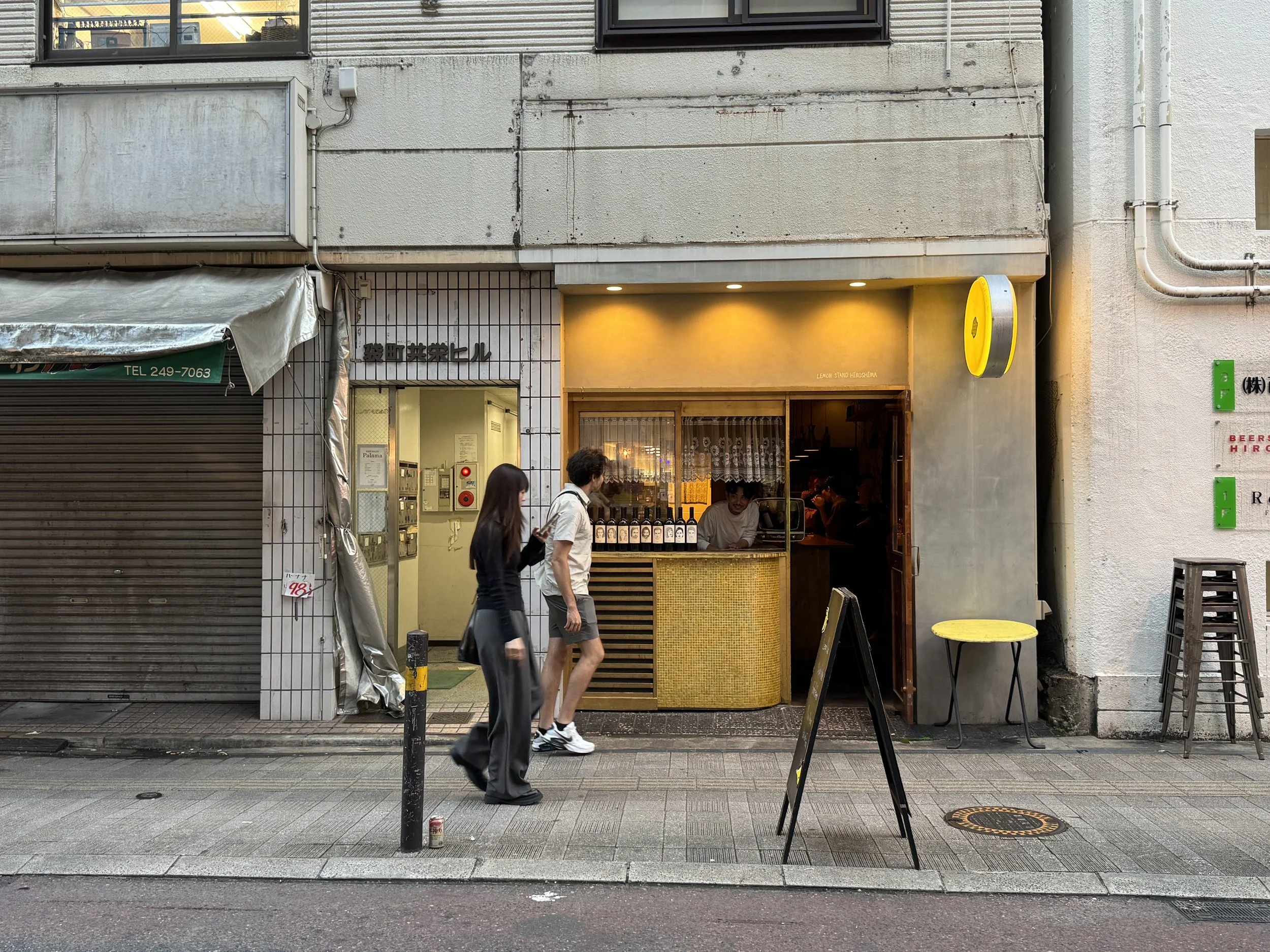
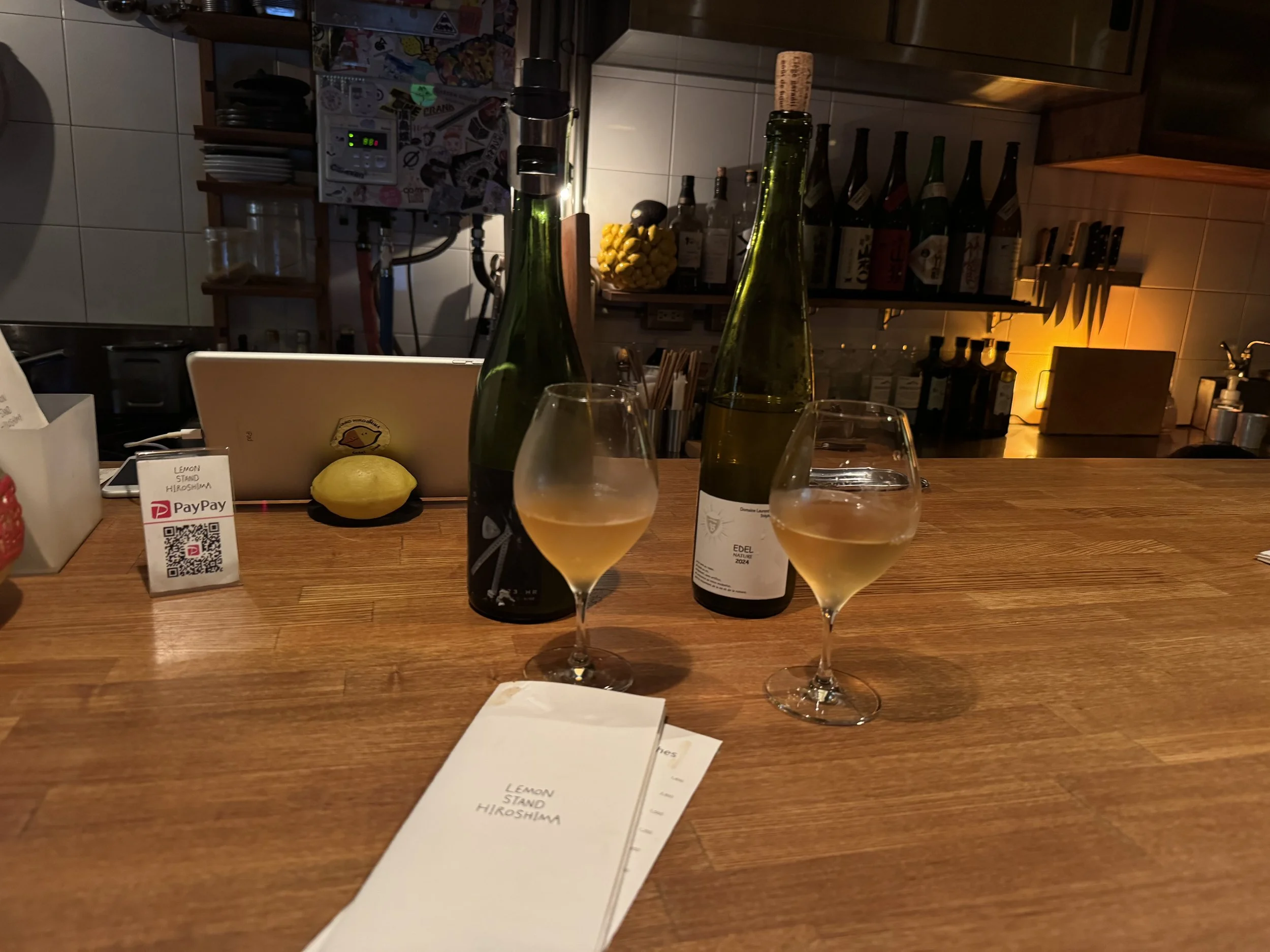
Lemon Stand Hiroshima was a highlight: oysters, sausages and natural wine, in a casual standing bar in Fukuromachi. We stood alongside folks who had just gotten off of work and came in for their post work lemon sour + to chat with the bartender. They were clearly regulars and it made for great people watching alongside our raw oysters and game sausages alongside fantastic natural wine. It’s an easy place to build into an afternoon or evening without becoming the entire affair. Put it on your list, even if you have dinner booked elsewhere. It’s a must!
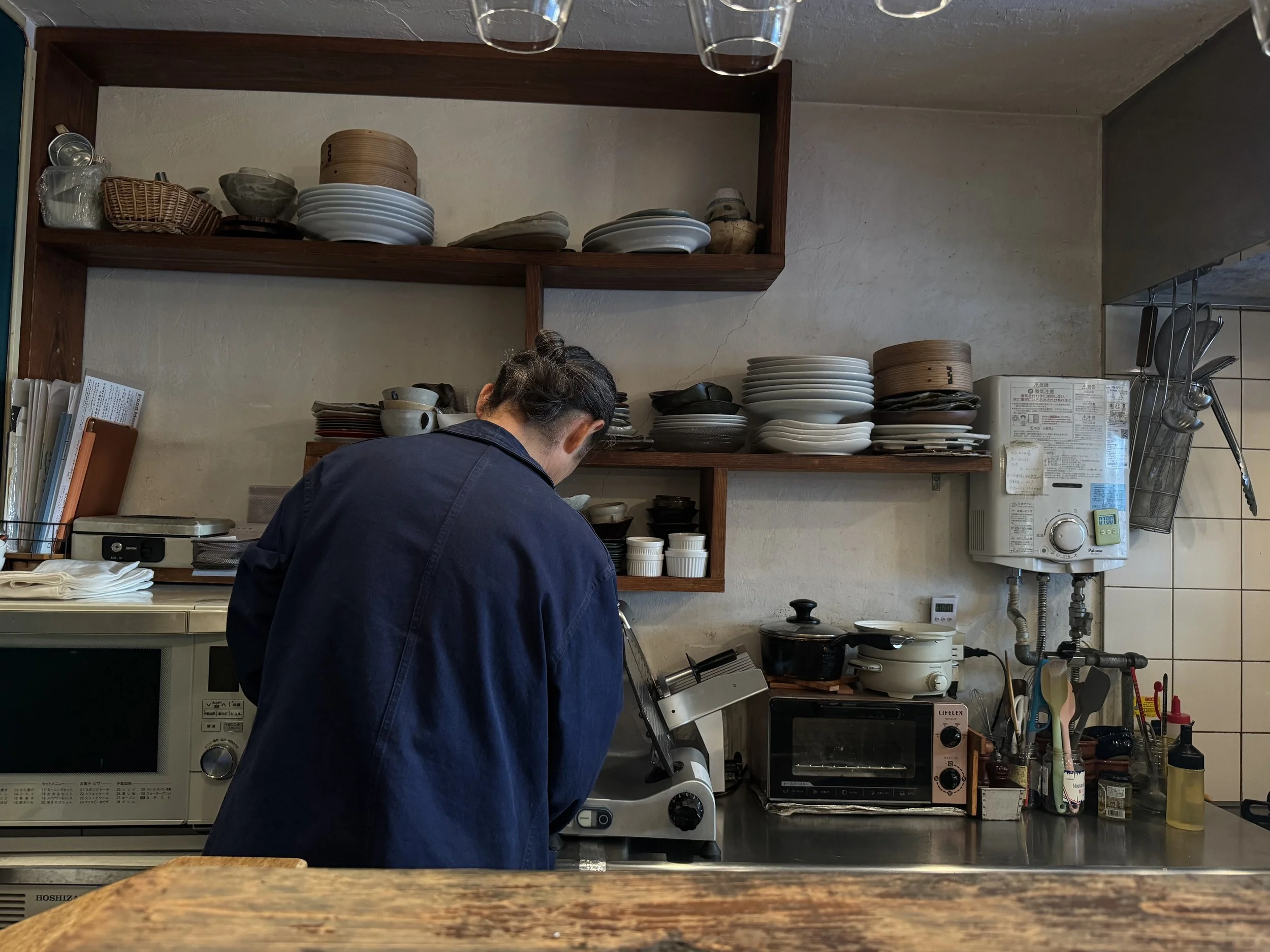
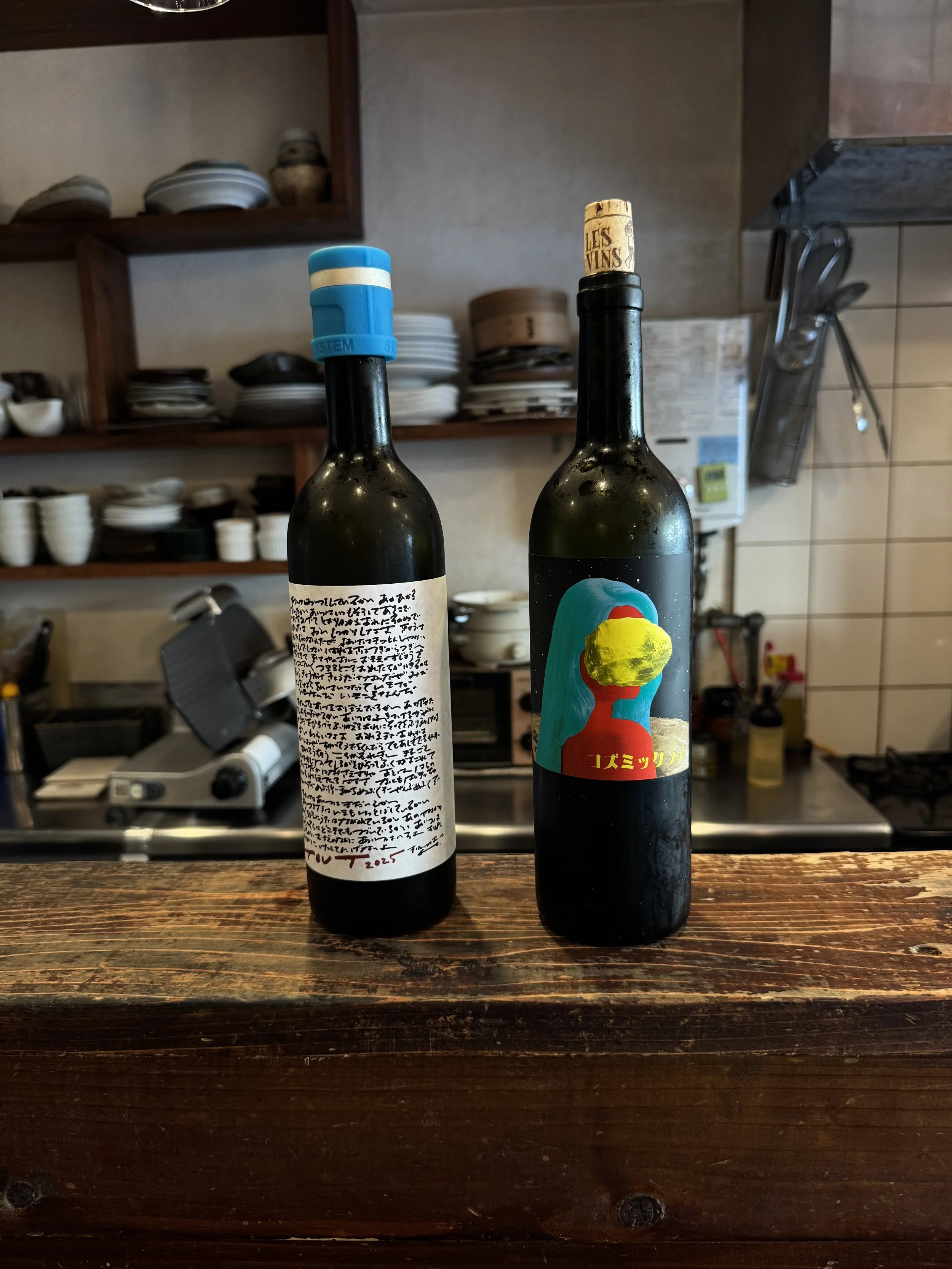
Hanawine was another favorite, combining a wine shop with a place to sit and chat with locals and tourists alike. We made friends with locals from Hiroshima, also in for their afternoon beverage, and shared a bottle of wine with a German couple who were coming to the end of their 4 week Japan trip and eager to share both stories and wine alike. Hanawine has been part of Hiroshima’s natural wine scene since the 2000’s and it shows in the breadth of their selection. This is the exact type of wine shop we look for when we travel: a selection shaped by a real person’s interest, with people who can actually help you choose. Give yourself time to browse and maybe leave room in your suitcase to bring a special Japanese bottle home (we left with two!)
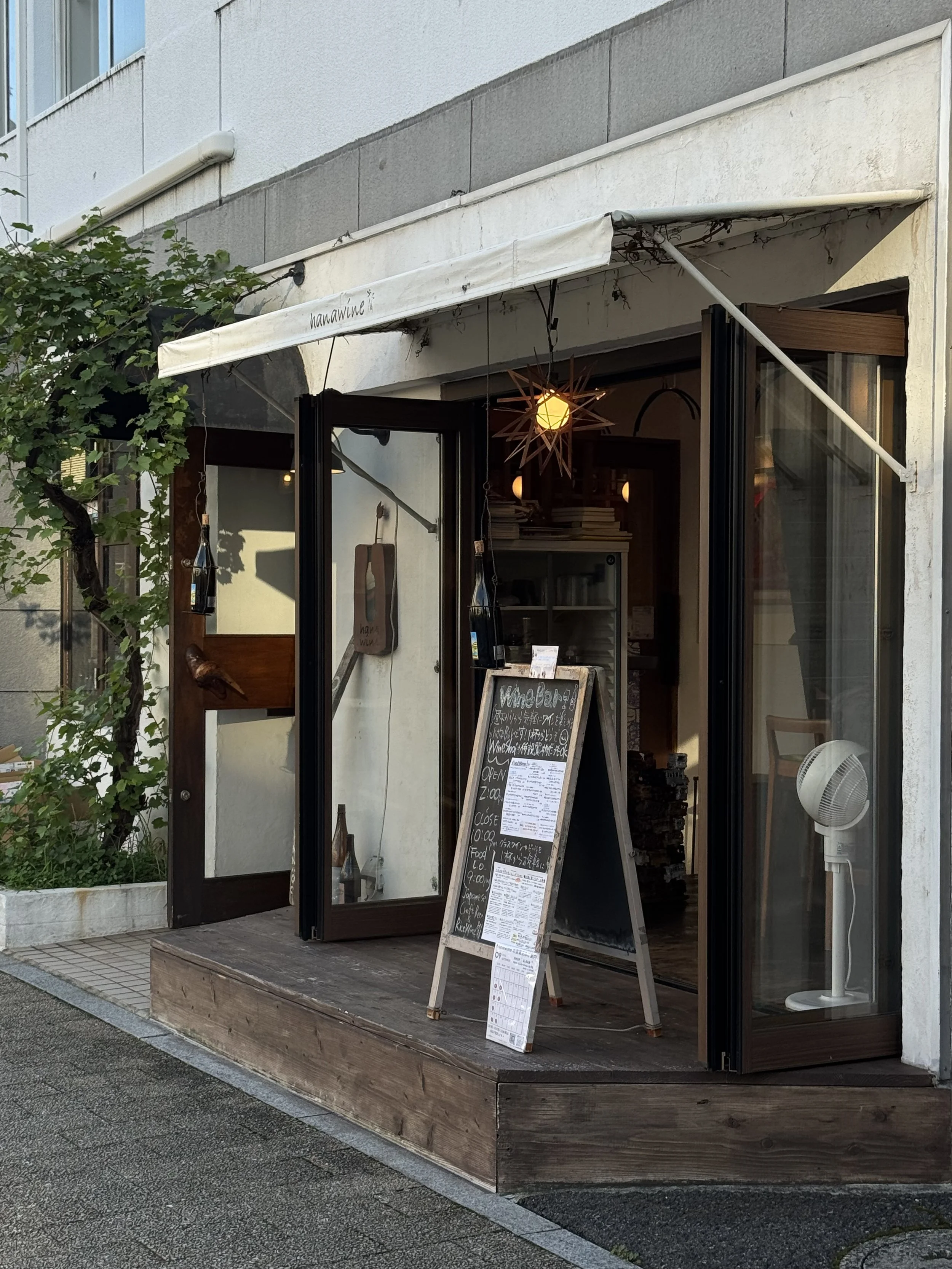
A few other great places for wine to consider: Wine Uluru, Le K2, Mon-to.9.
Given boat times, we actually found it preferable to make our way back over to Miyajima for dinner in the evening and it was the right call. We were able to take 5pm boats back over and park ourselves close to our hotel and then experience a more intimate dinner on the island.
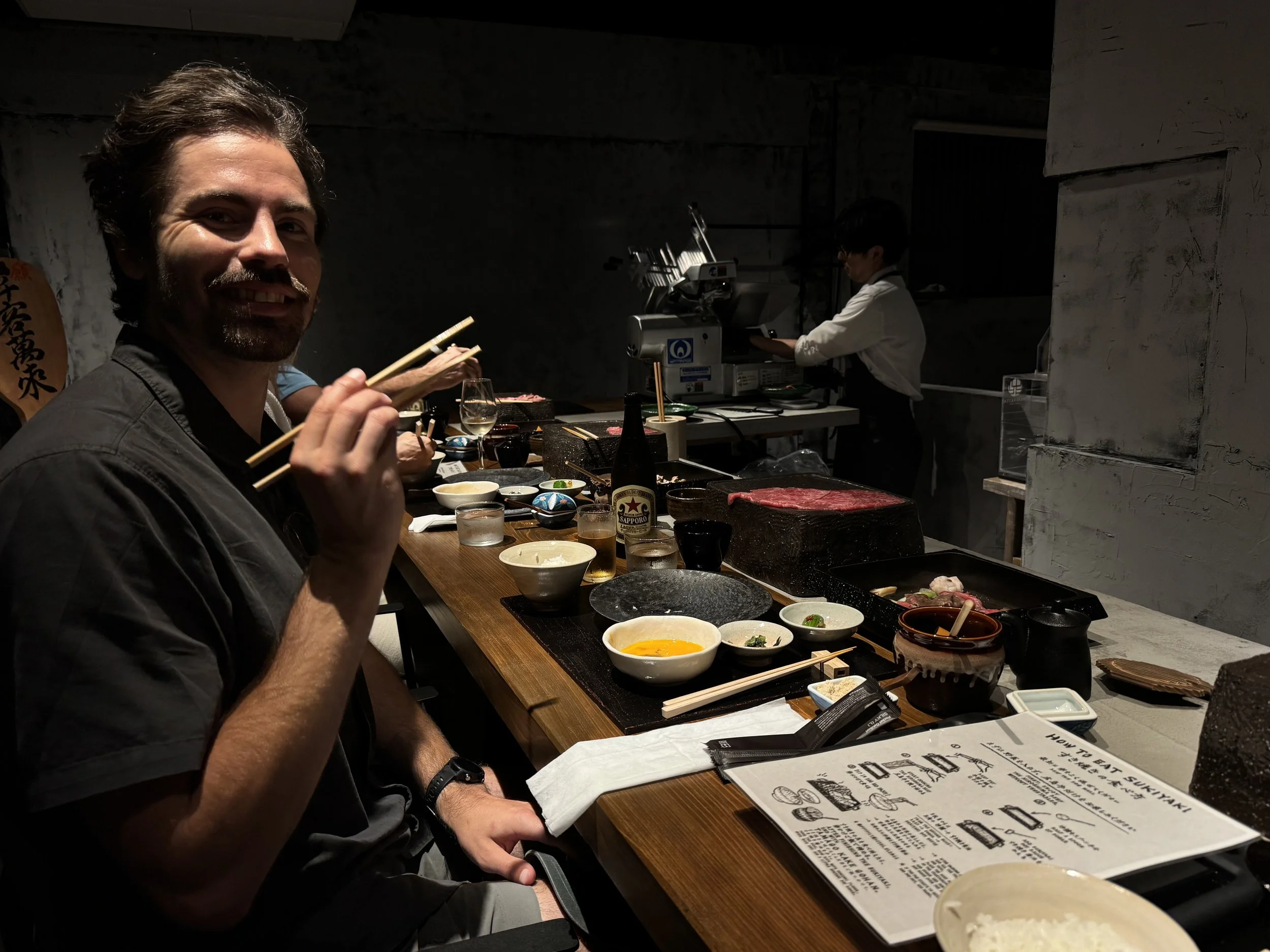
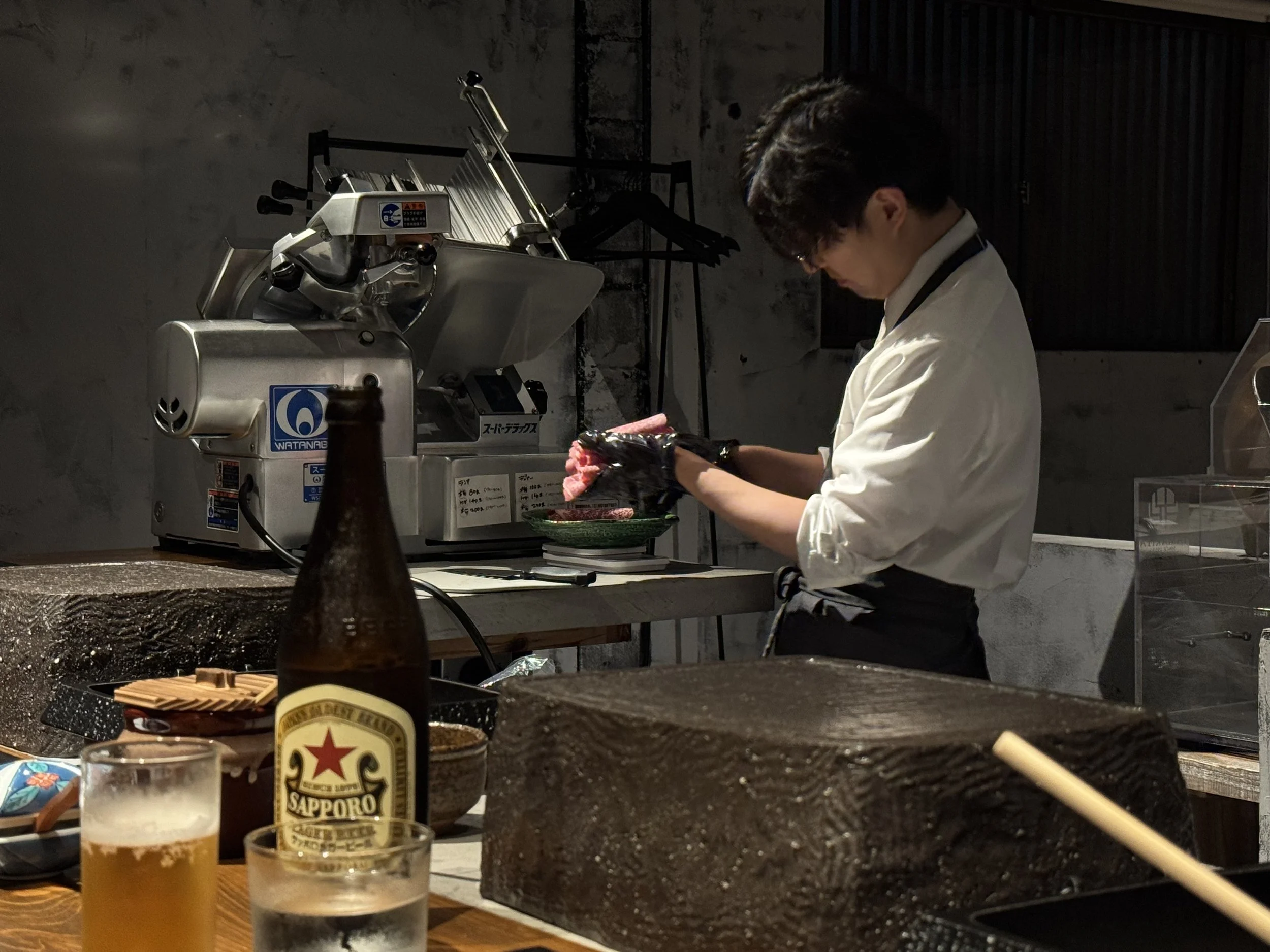
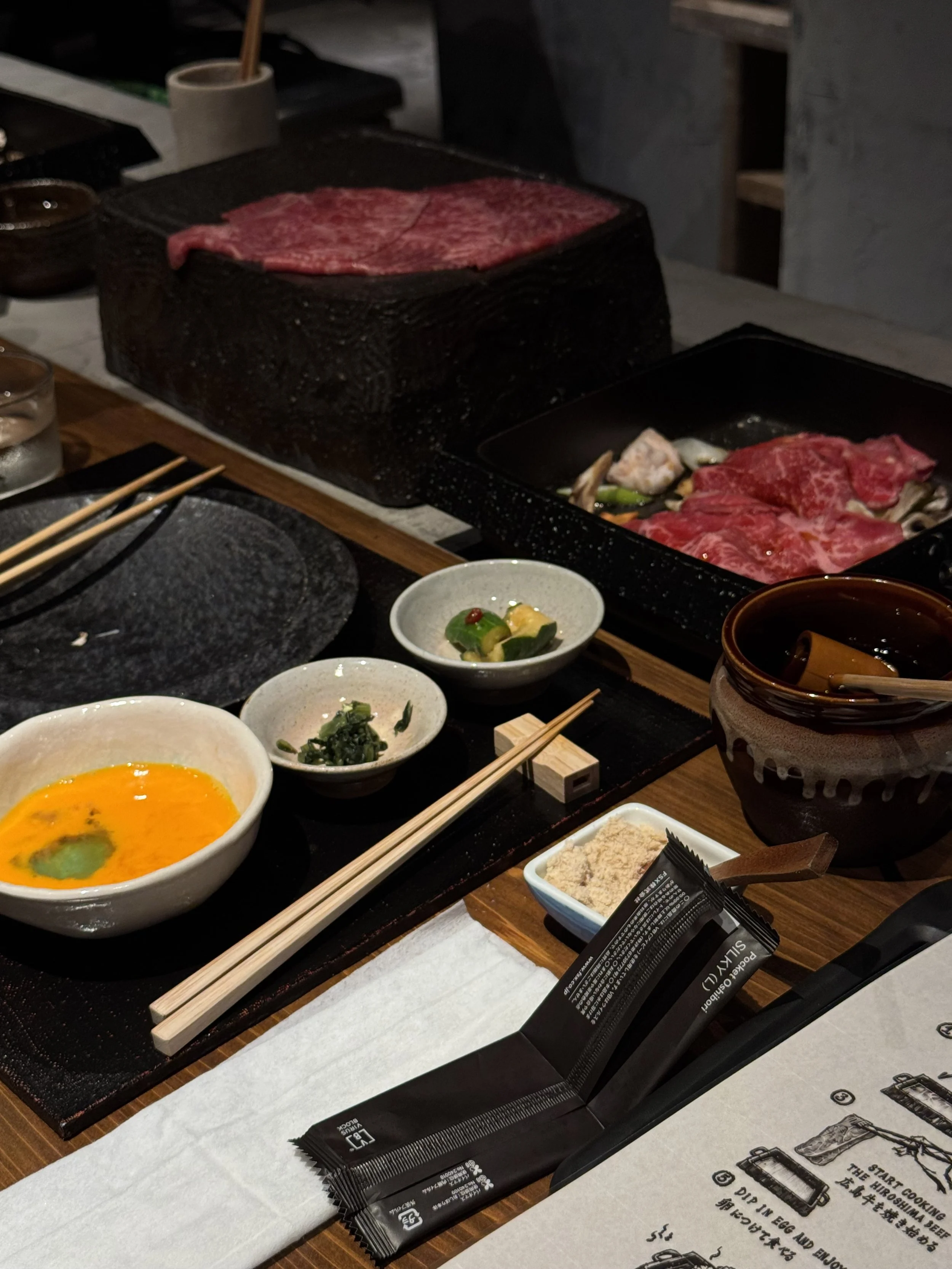
We found an absolutely wonderful dinner experience in Nikudokoro SUI. Over the hill and a mere 5 minute walk from Hotel Miyajima Villa, this small restaurant specializes in Hiroshima beef. We cooked our meat on a hot stone right in front of us, searing each piece to our liking and eating it as we went. We were seated next to an American couple from California and found it a very convivial atmosphere to enjoy hours of conversation, well beyond finishing our meal. It’s an incredibly comfortable, fun, and hands-on dinner to add to your island stay - especially if, like us, your enthusiasm for Japanese beef shows no sign of slowing down. (Bonus: an easy commute “home” thereafter, and we won’t judge you if you swing into Lawsons on the way home for dessert. We did, and it seems many others were doing so too. Konbini culture FTW!)
Things to Do:
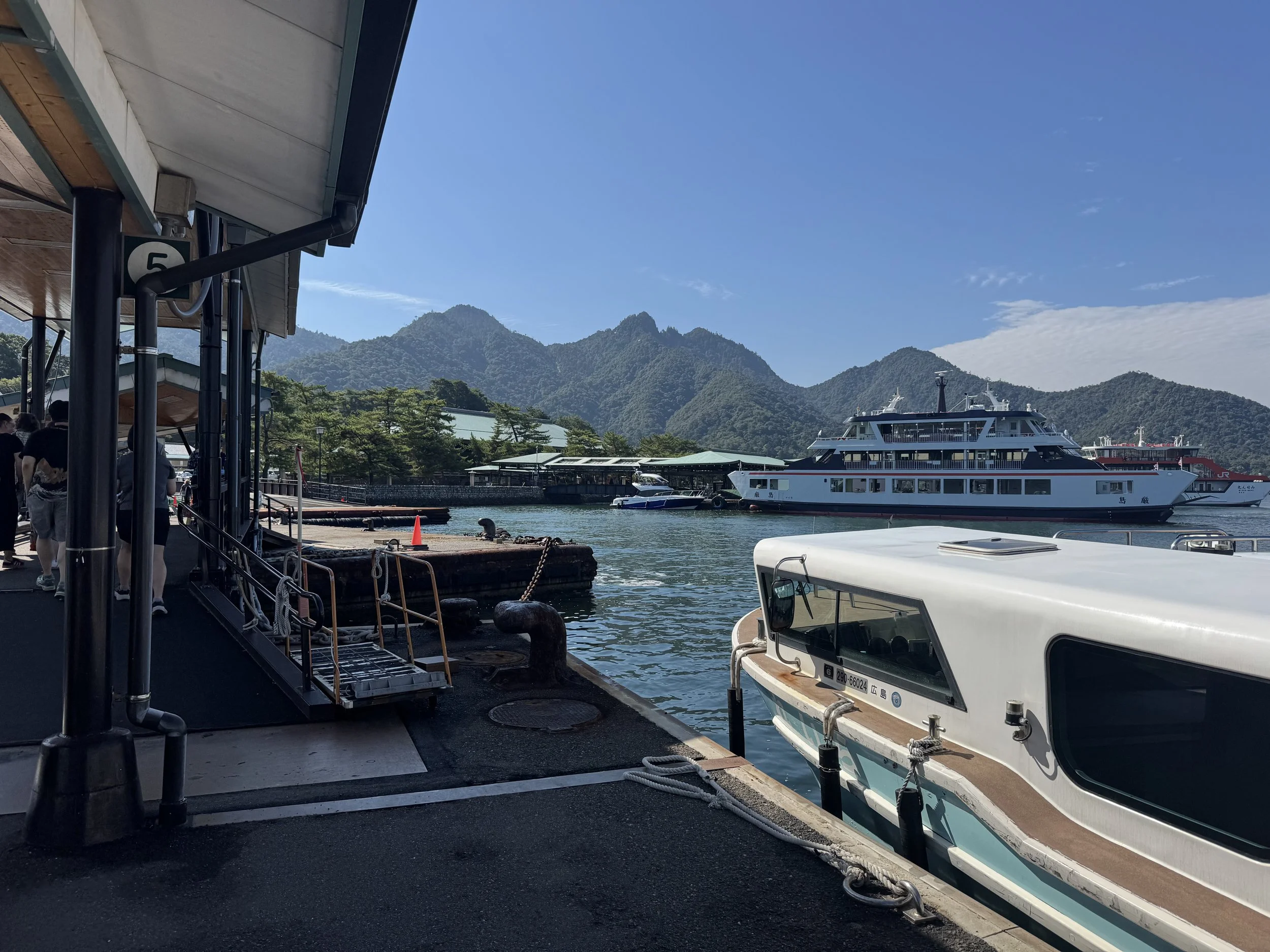
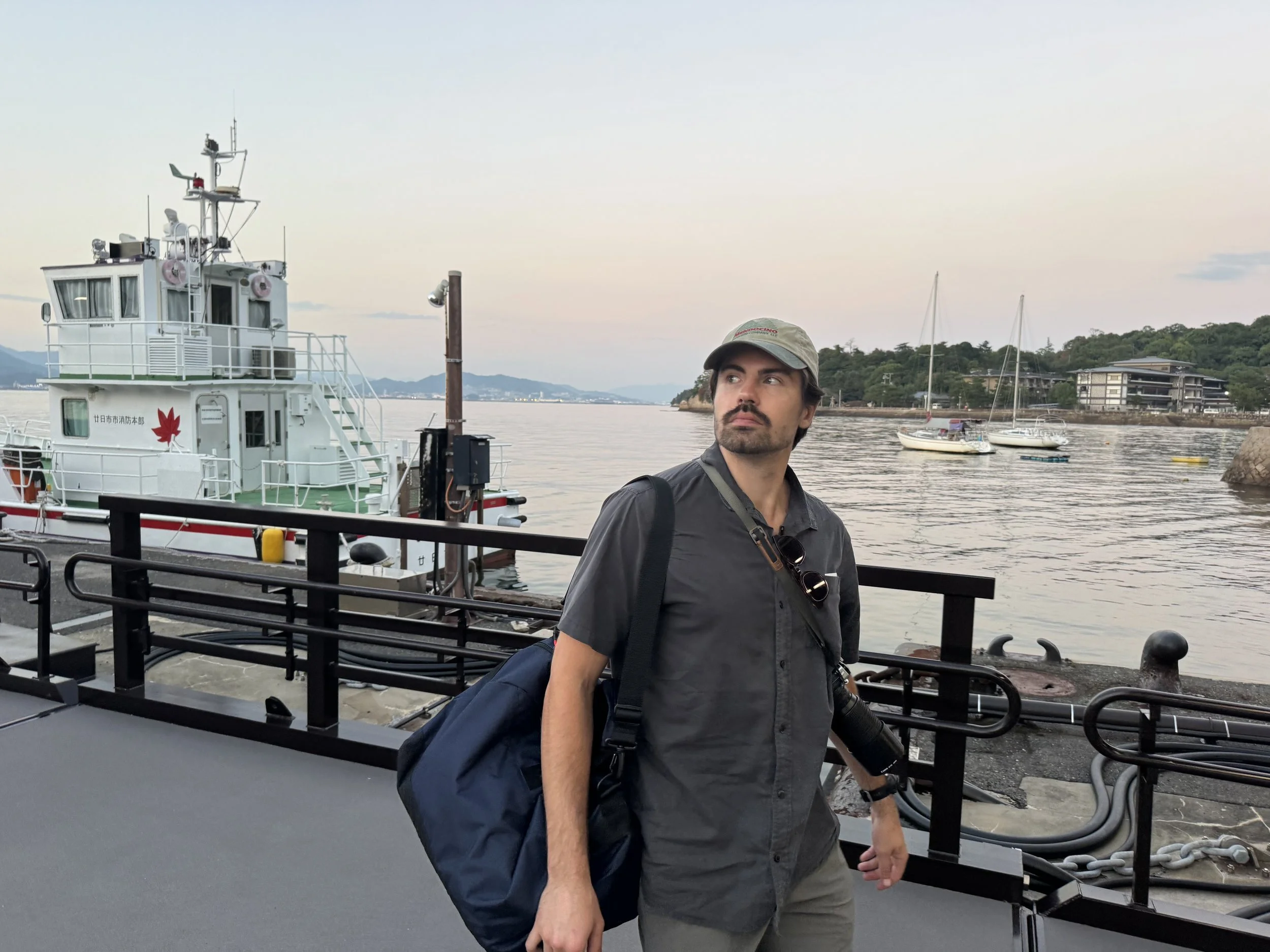
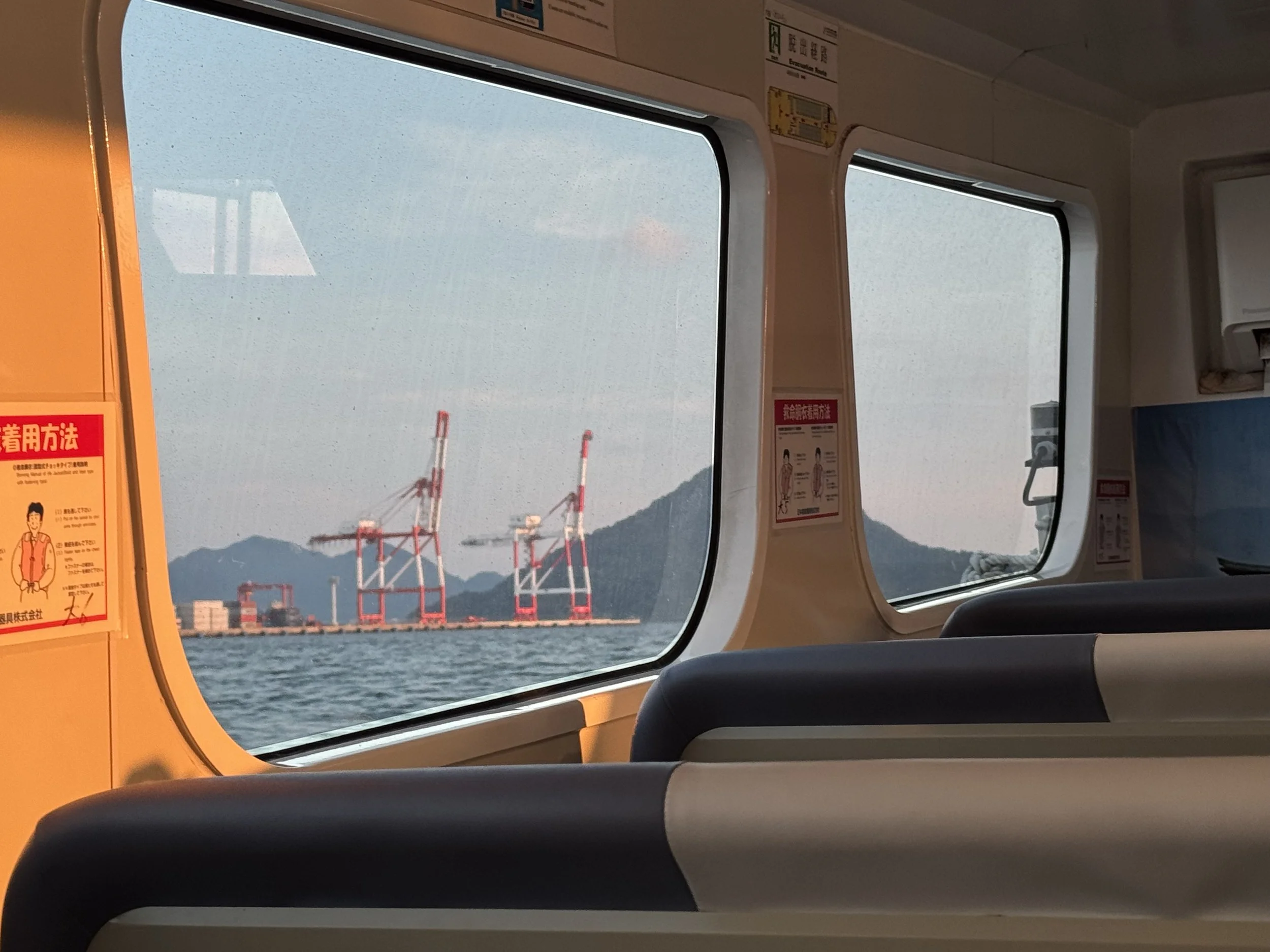
Take the boat directly to Peace Memorial park from Miyajima. This was one of the best practical decisions of our trip, an experience in its own right. We took the boat from Miyajima to Hiroshima, arriving right beside the Peace Memorial area, then returned to the island by boat afterward. The World Heritage Sea Route connects Miyajima with the Motoyasu River pier near the Atomic Bomb Dome in approx 45 minutes, without any transfers. The journey was beautiful, too! You travel across the bay, then into the city by river, watching the surroundings change as you approach Hiroshima. It gave us a solid sense of the relationship between the city and the bay - one we would have missed had we arrived by road.
It was also incredibly convenient: we just hopped off the boat and we were exactly where we wanted to be to start our day. Same thing at the end of the day: the return crossing was convenient and gave us time to process the day’s events by sunset boat ride. A note: check the current timetable and tide related service changes and arrange your return sailing early enough to leave time for the city. The schedules can be a bit wonky and earlier than you’d think.
Visit the Peace Memorial Sites. Give this part of Hiroshima proper time; I would reserve a substantial part of the day. As we all know, at 8:15am on Aug 6, 1945, the U.S. dropped an atomic bomb on Hiroshima. The memorial sites put you through an immersive and personal experience as to what it felt like to be there, not only on the day of, but in the many years that followed. The consequences lingered for decades and the memorial itself does not shy away from showing not telling you about this fact.
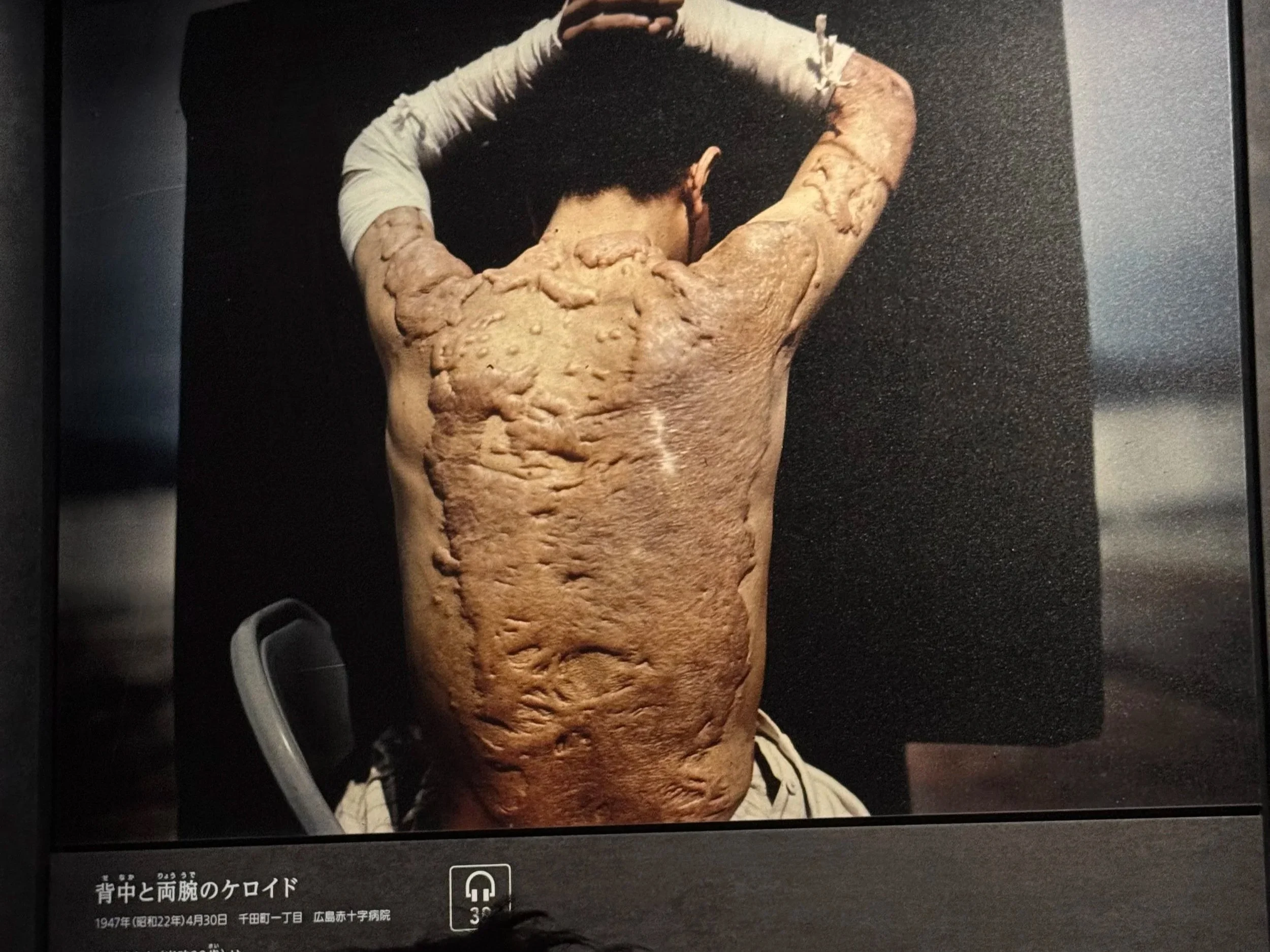
Hiroshima Peace Memorial Museum. This was one of the hardest museums I have ever walked through. The museum brings the entire catastrophe into focus through people’s belongings, photographs and first hand accounts. It also documents Hiroshima before and after the attack, and delves into the continuing threat of nuclear weapons. Though painful to witness, I really enjoyed how individual and personal the stories were, as it made it very real and so much more than a surface level history lesson. An incredibly powerful and moving experience that might take some time to digest after the fact.
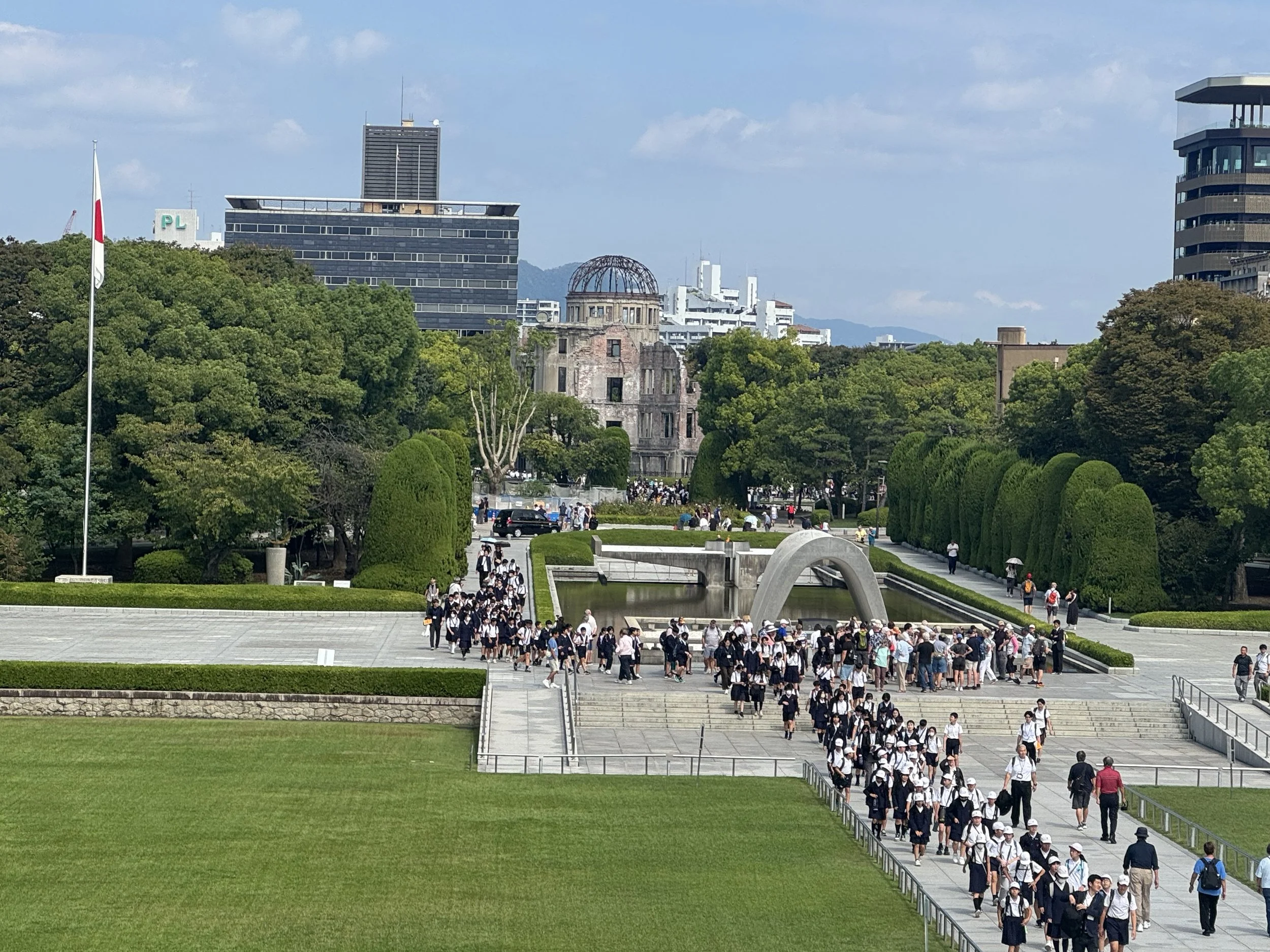
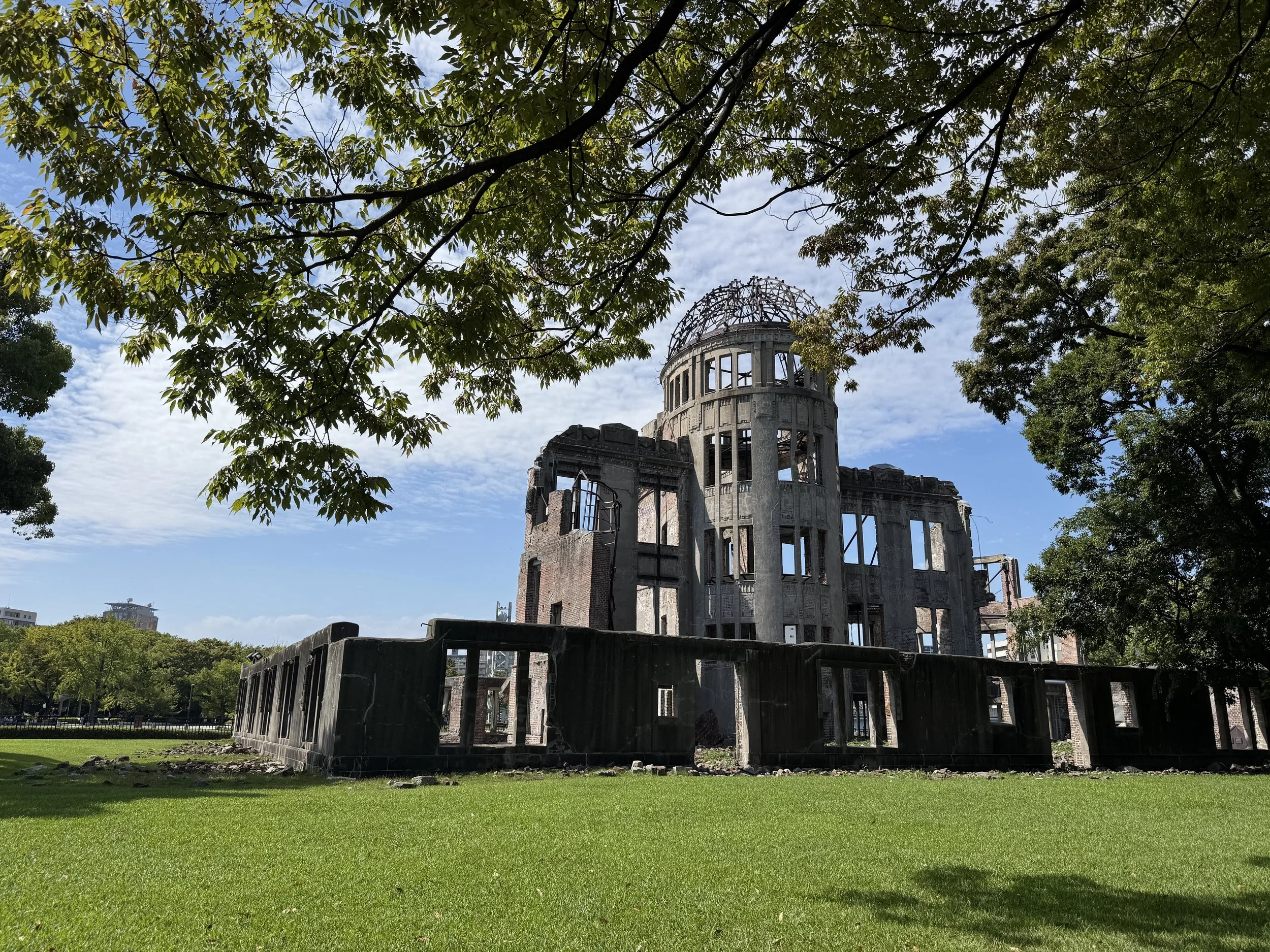
The Atomic Bomb Dome. The Dome is the preserved remnant of the former Hiroshima Prefectural Industrial Promotion Hall, which stood almost directly beneath the dropped bomb. Seeing its exposed structure beside the river, contrasted to the bustling every day city makes the distance between then and now feel very small. A truly moving place to be held with great reverence.
And once you’re ready to move on from all the heavy stuff (and have truly taken some time to process)…
Go get oysters. Hiroshima is Japan’s oyster capital. It carries about 60% of national production and is a substantial part of the local food culture and working landscape of the bay. The geography helps explain why. Rivers bring nutrients into Hiroshima Bay, supporting the plankton on which the oysters feed. Growers cultivate them on suspended systems beneath floating rafts, linking what you see on the water with what arrives on your dinner plate. After spending the day driving through citrus country and then traveling across the bay, sitting down to oysters with fresh lemon felt like a very direct and literal introduction to the region.
KYOTO
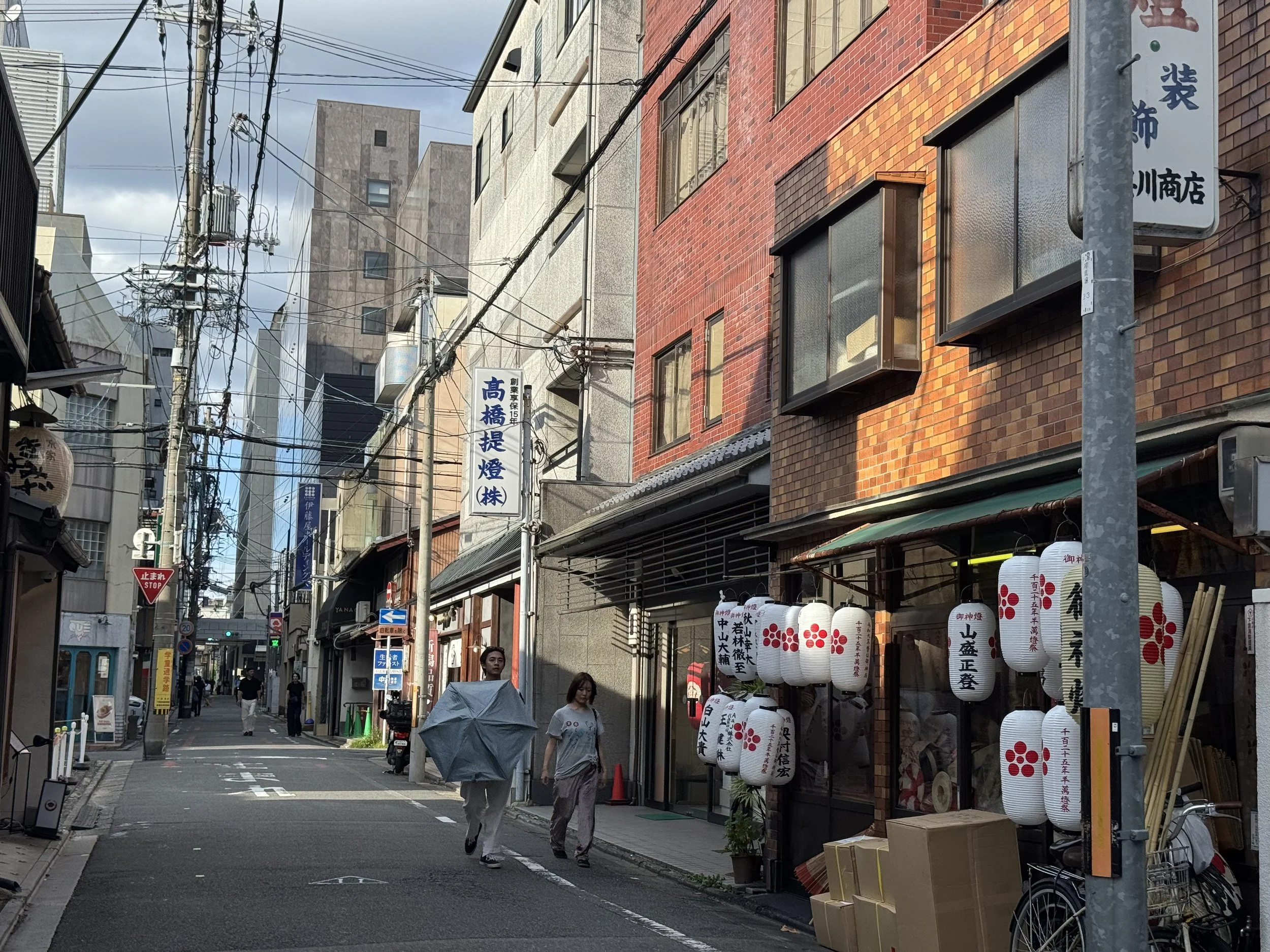
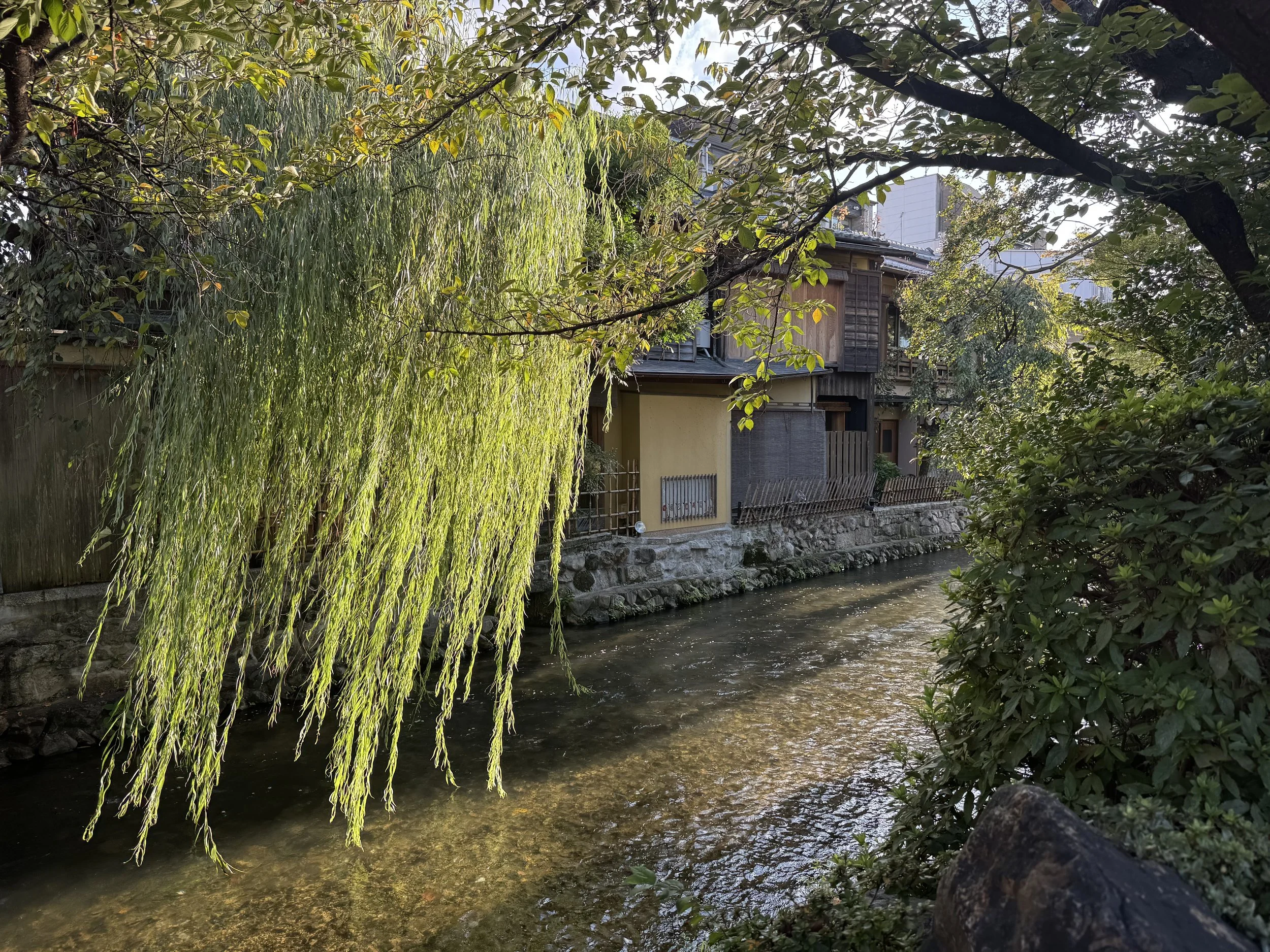
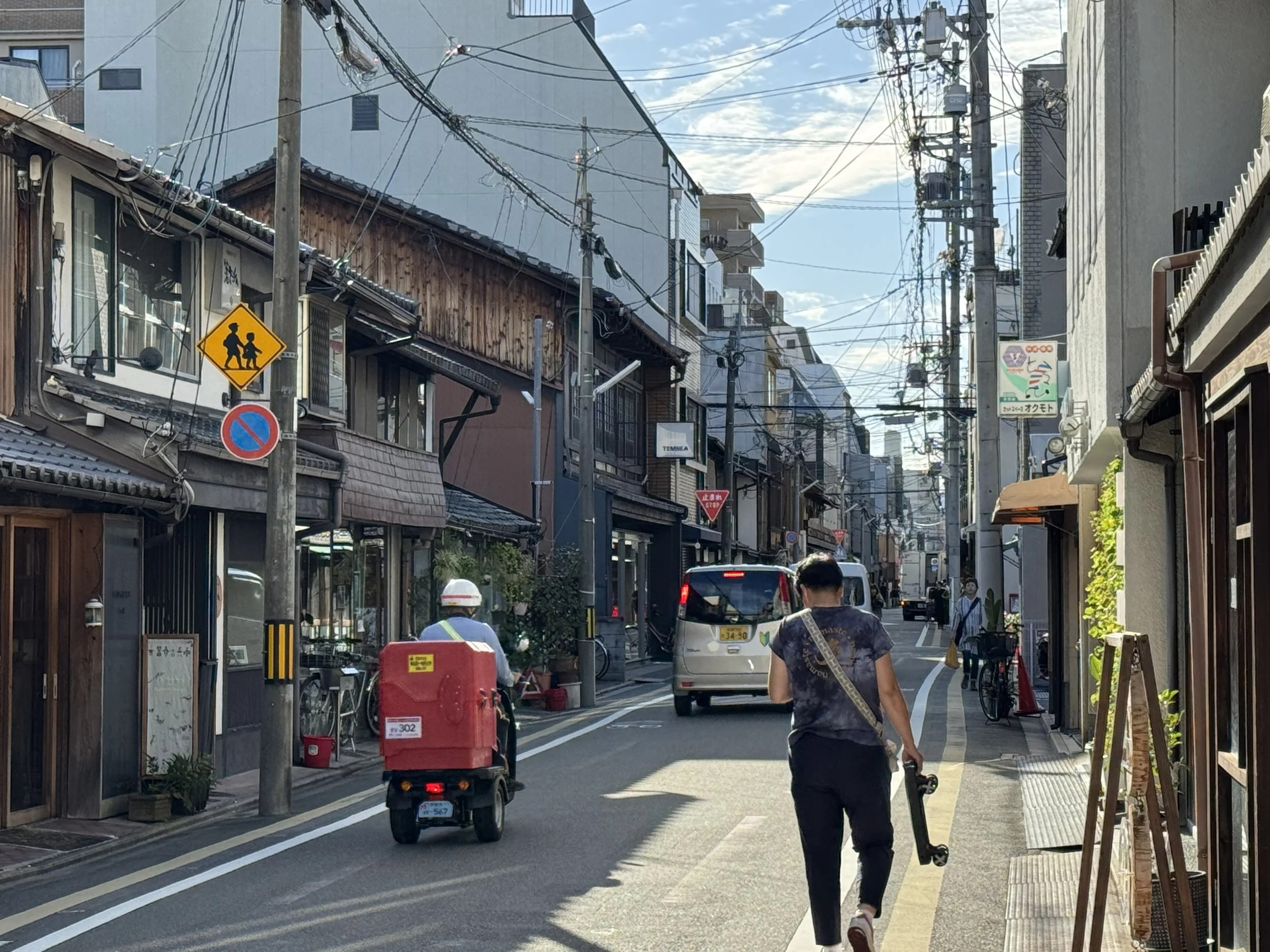
Kyoto deserves time beyond its most photographed tourist streets. The temples are certainly extraordinary, but so are the smaller more subtle encounters: the textile workshops, furniture stores, family-owned knife shops, or the quiet evenings that start with a meander along the river.
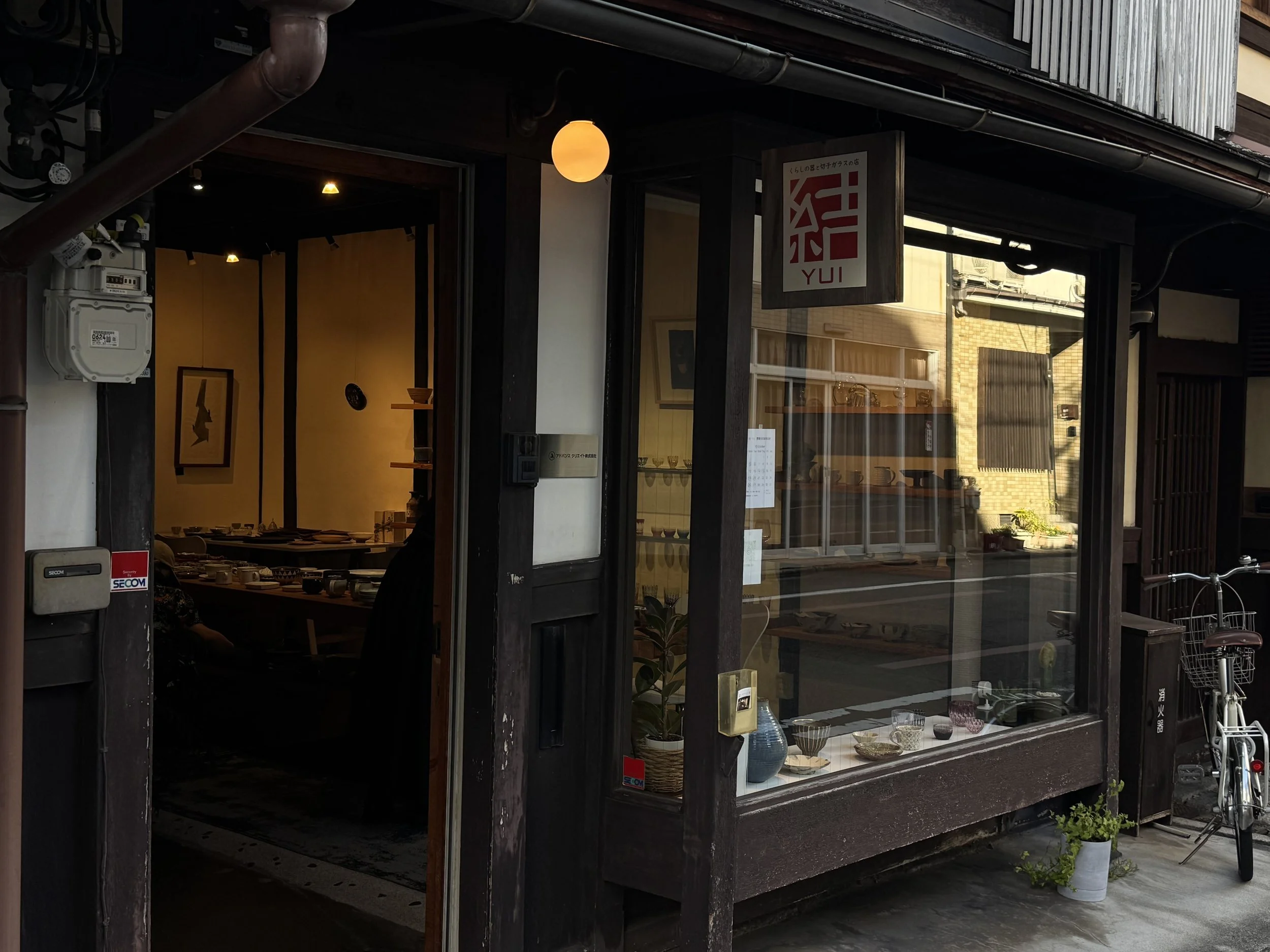
Something we loved is how much you can experience the city through craftsmanship and the people who spend their days making things. Give yourself time to visit those places and pay attention. You could spend your entire trip moving between famous shrines and tourist stops, but you would miss a lot of what makes Kyoto interesting.
Where to Stay:
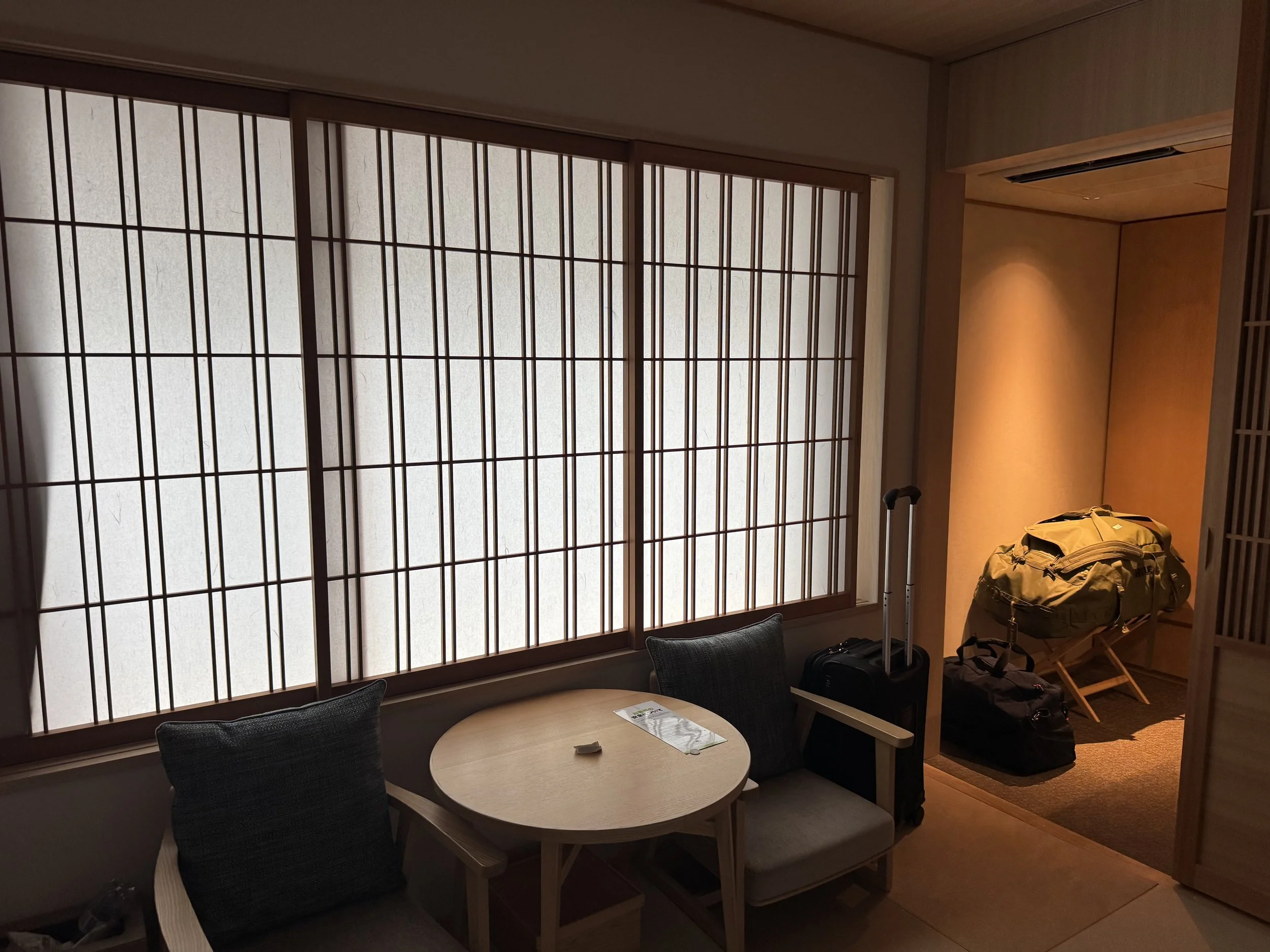
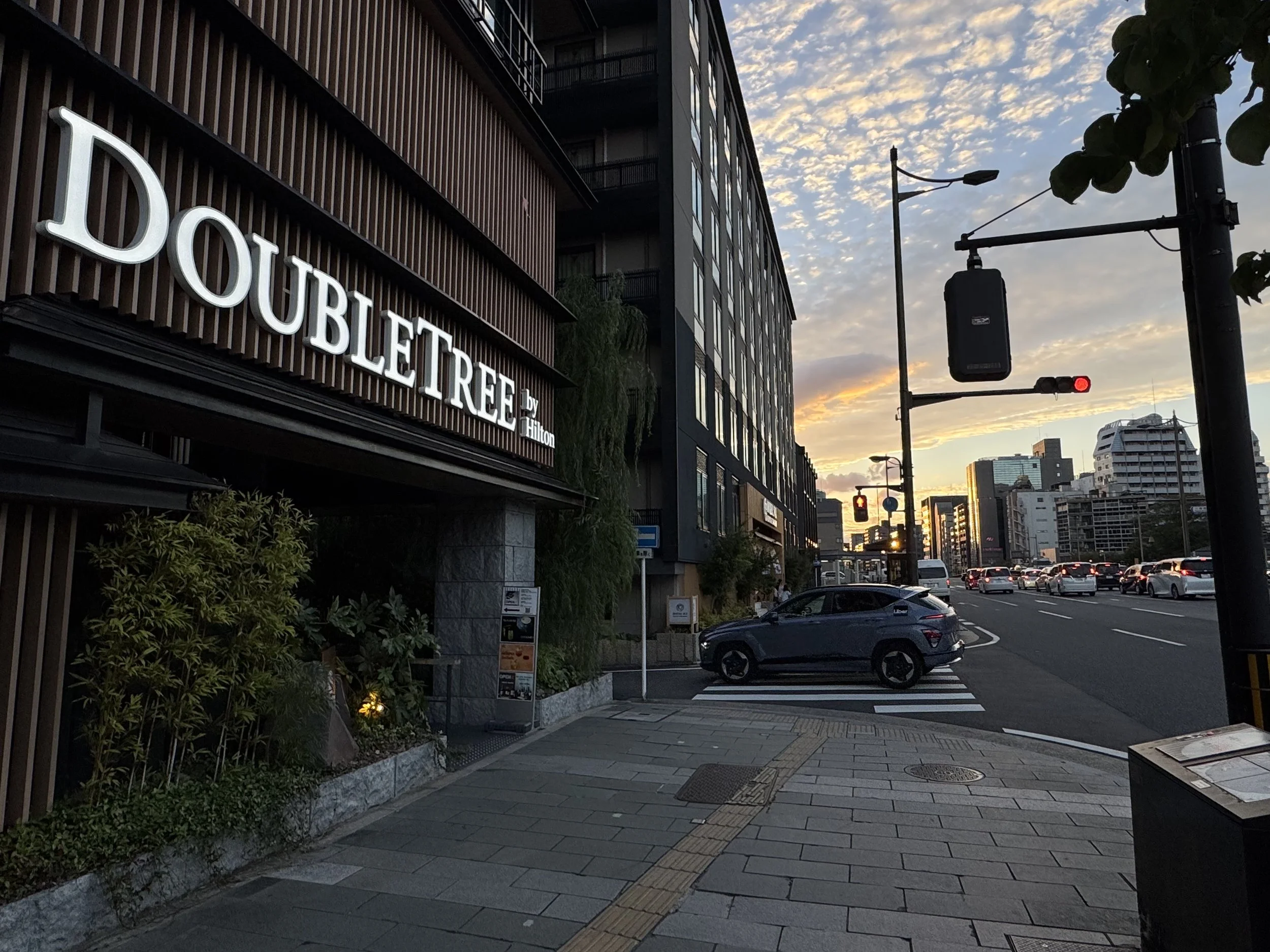
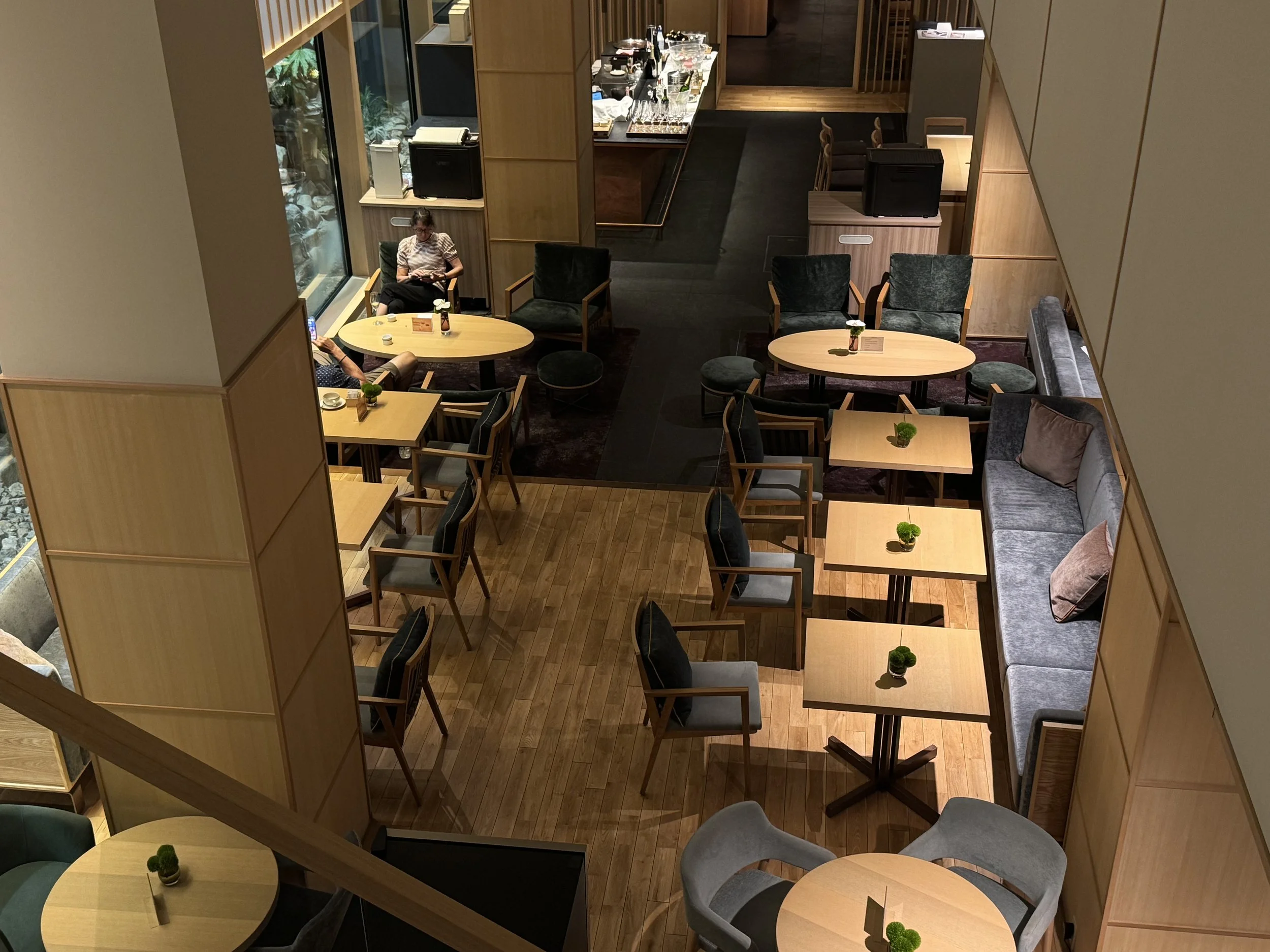
DoubleTree Hotel Kyoto Higashiyama
The DoubleTree sounds like a very American vanilla boring type of choice, but honestly, zero regrets.
It felt nothing like the DoubleTree hotels we’ve got back home that line suburbia or the big cities. This gorgeous, well-appointed hotel makes a practical base for exploring on foot. It sits near the eastern side of the Kamo River, a minute’s walk from Kiyomizu-Gojo station. From there, you can walk north toward Gion or cross the river to explore the downtown. It’s convenient location makes for days that require little planning and a great deal of just wandering. The rooms were cute, authentic and well updated and the buffet breakfasts provided more than ample sustenance as a protein-heavy baseline for our days of snacking and wandering.
Where to Eat/Drink:
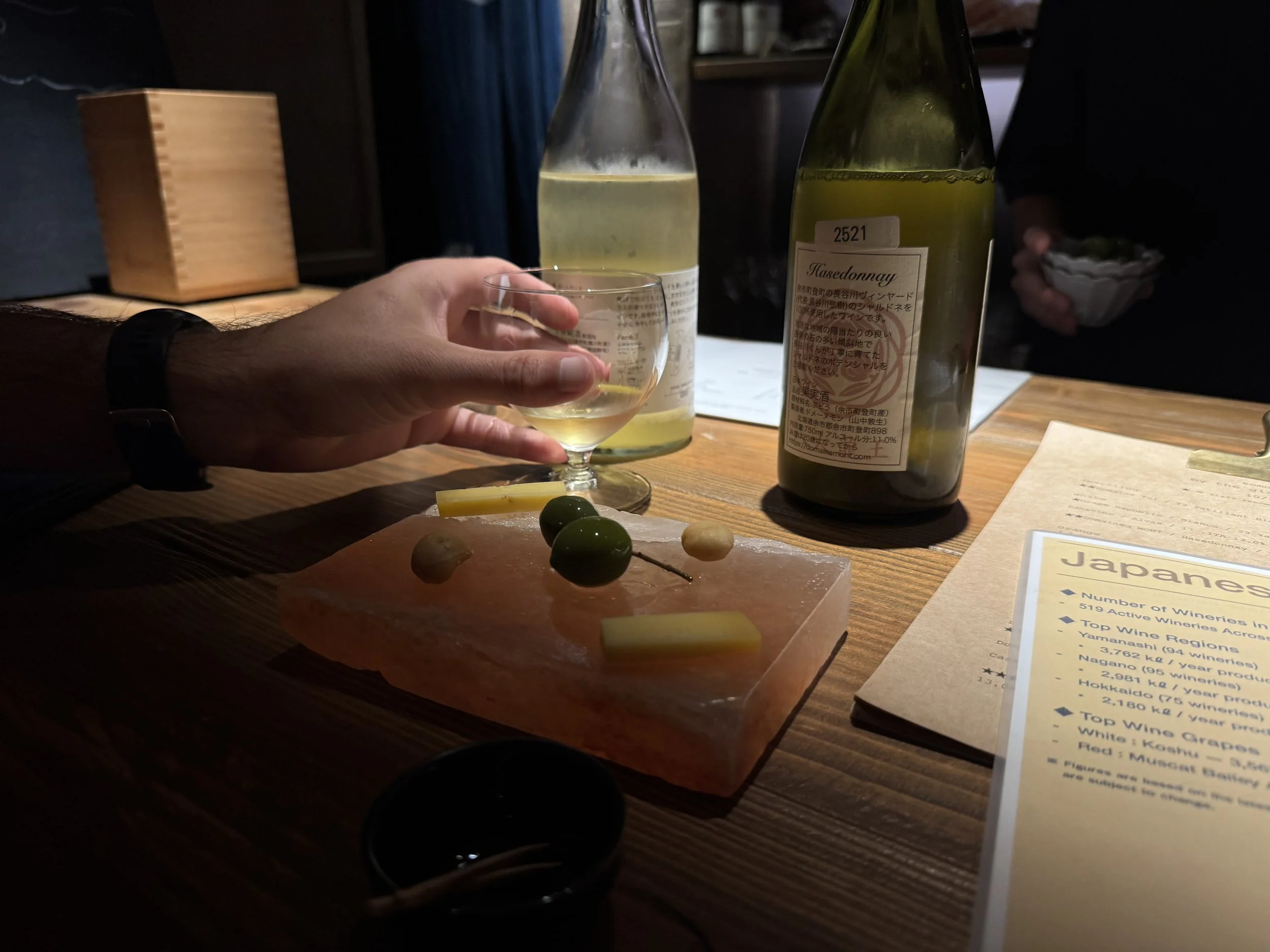
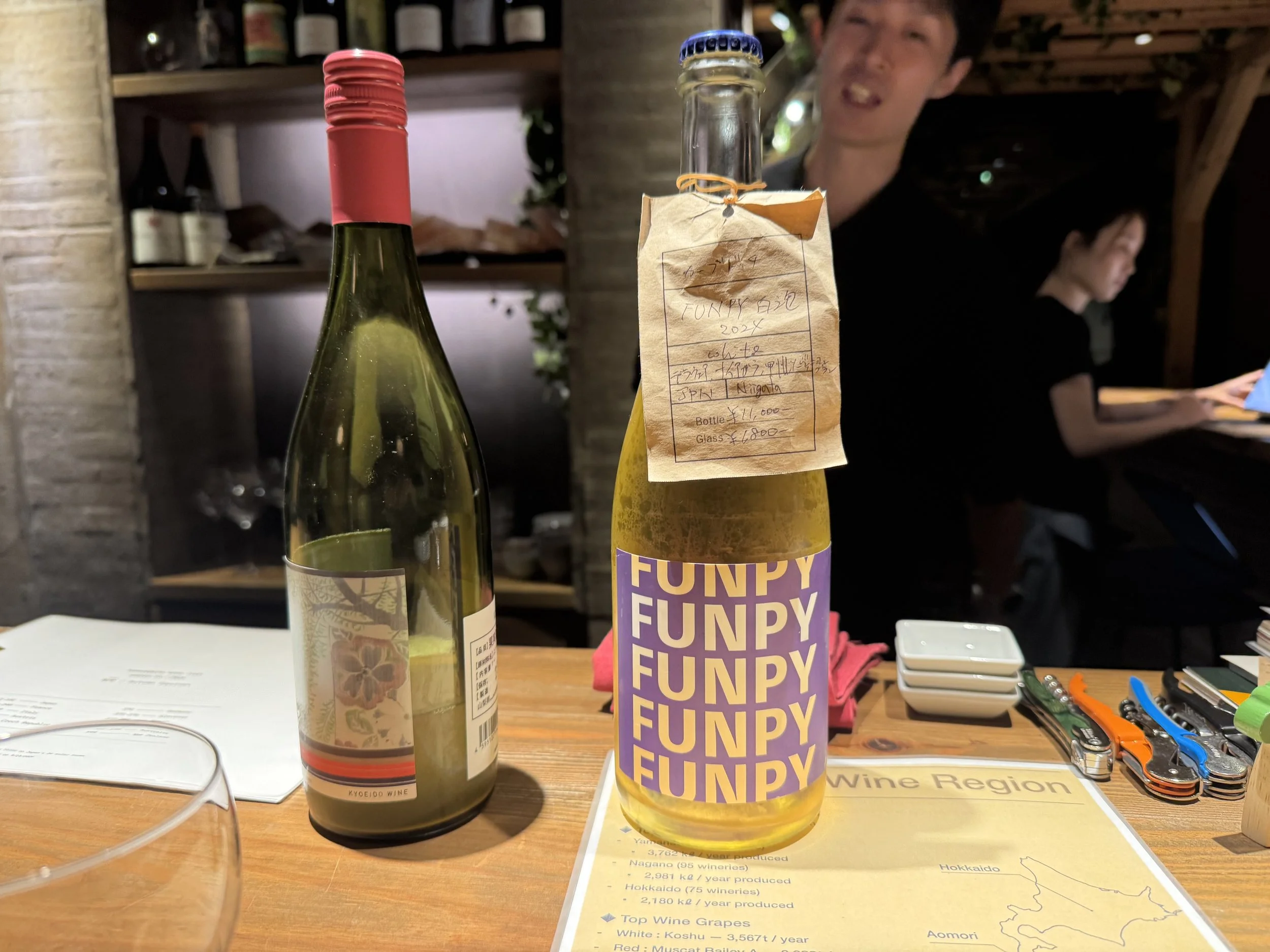
Komorebino was one of our favorite stops of the trip and certainly belongs on the list if you are at all curious about Japanese natural wine. Located in Gion, it serves natural wines from Japan and overseas, with a Japanese wine flight that lets you explore through different regions in one sitting. Paired thoughtfully alongside Japanese cheeses, this was the very experience we had hoped to find - a wander through all kinds of Japanese wines all in one evening. A special shoutout to Naru, our wine “guide” for the evening, who was exceptionally knowledgeable and taught us so much that we walked away feeling like we had just left class. We became friends in just a couple short hours and look forward to visiting with him again in the future! After driving through so much of the country leading up to this visit, tasting a wide variety of wines from various geographies gave us another way to think about the places we had visited. An awesome experience that will stay with us for a long time to come!
Nishiki Market: Come hungry. The market is a great place to notice all of the ingredients behind Kyoto cooking, from pickles and dried foods to yuba, the delicate skin formed when soy milk is heated. Buy things that interest you (we brought home some killer yuzu flavored sesame seeds!), and sample from various stands at each shop’s designated area before moving on. Note: you should try to not eat while walking… it’s considered rude in Japanese culture. Not that you needed an excuse to take a load off and sit down to rest. We highly recommend eating any kobe/wagyu beef you can get your hands on. I’m salivating thinking about it.
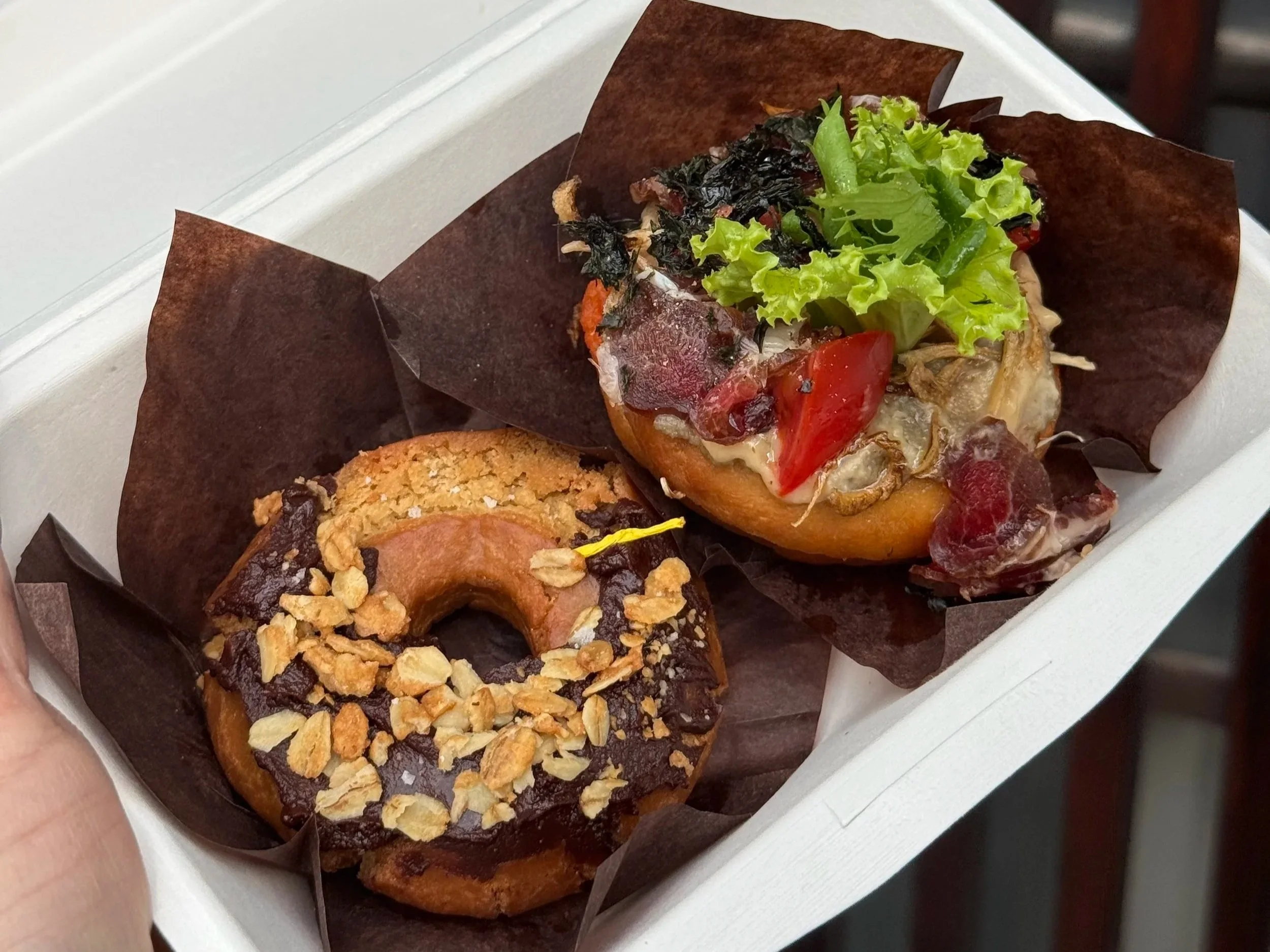
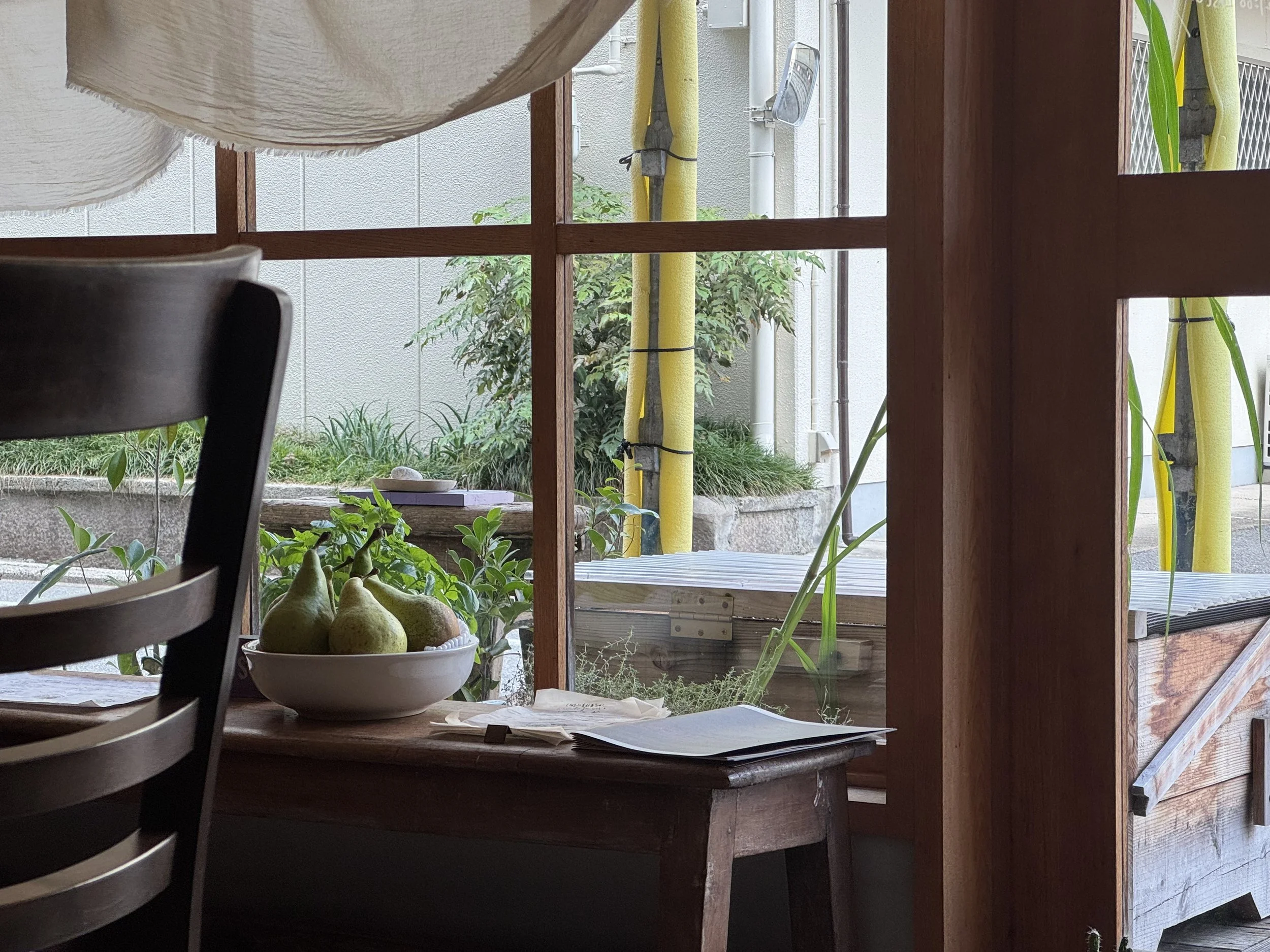
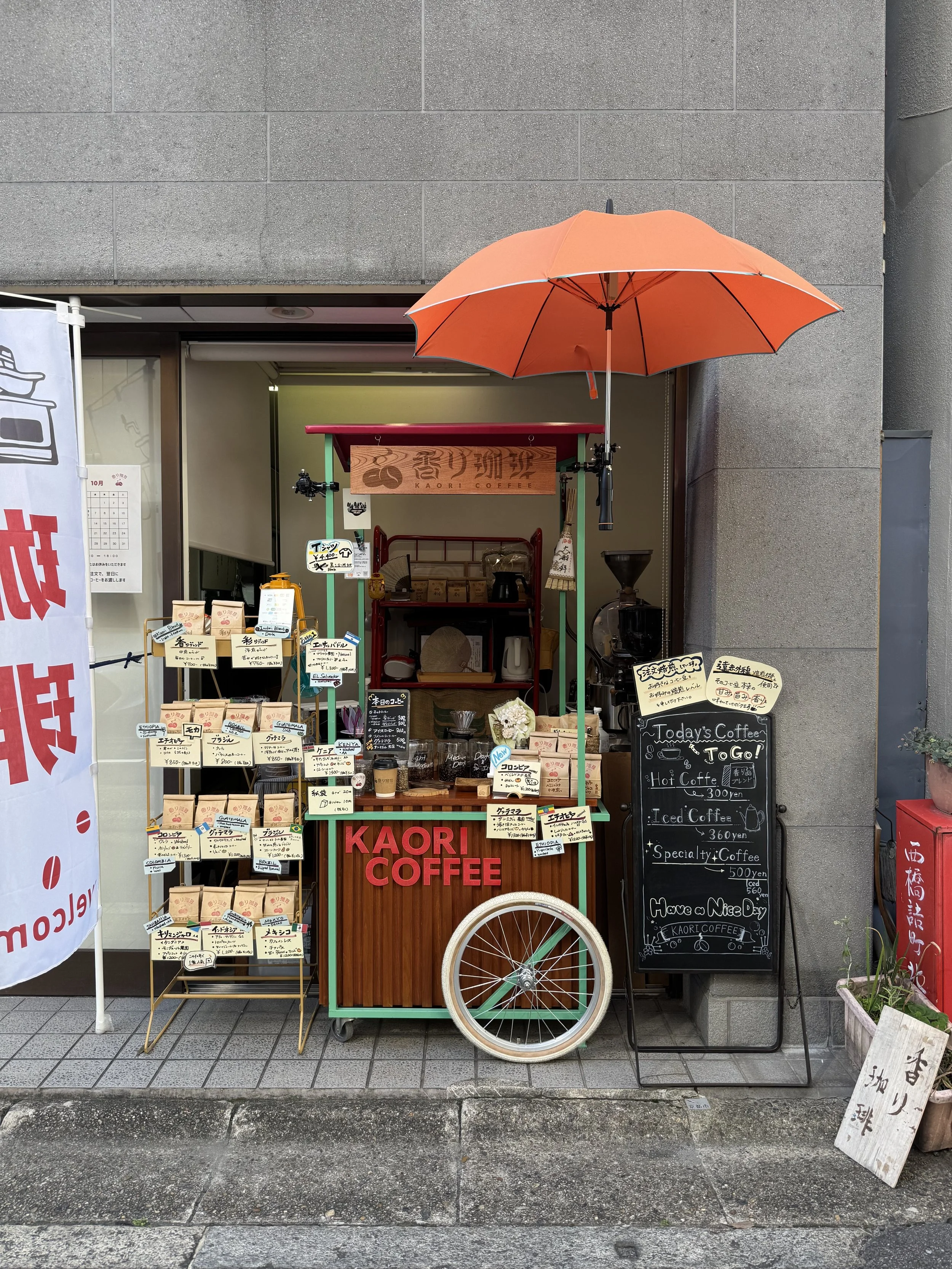
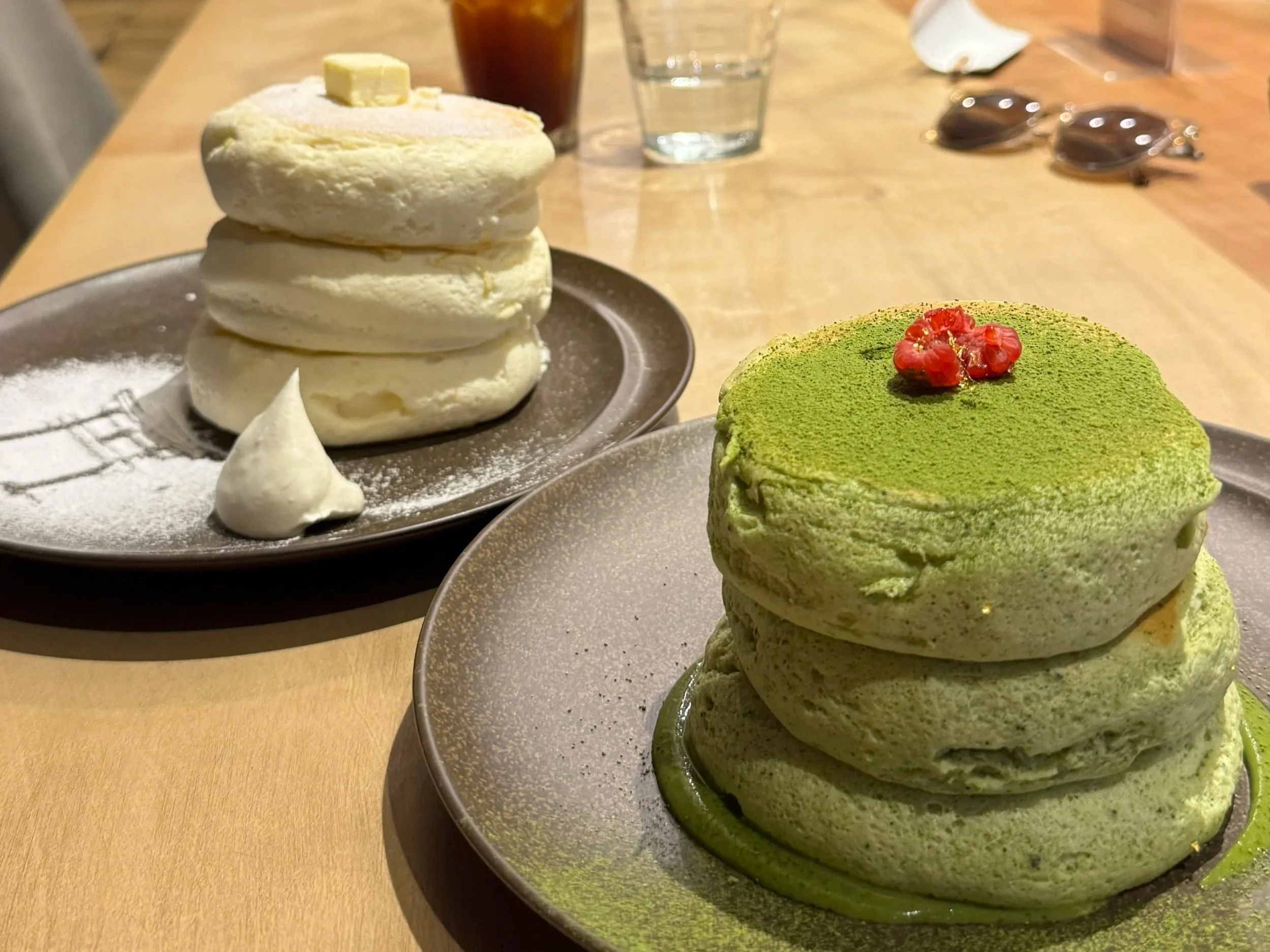
Some restaurants and coffee shops we loved: Hitsuji Doughnuts, Micasadeco&cafe, Kaori Coffee, Cafe DOnG, Natural Wine Taproom Kyoto, Matatabi Hanare, Ietem, To, Mizukami Seisakusho, Dunstan Coffee Roasters, RONMADOR, Harmonika, Cafe Kawataro, ALKAA, BRUN, Walden Woods Kyoto.
Things to Do:
Make time for Kyoto’s makers. Aizenkobo was one of our stops, and I’d highly encourage anyone interested in textiles to leave room for this side of Kyoto. Seeing indigo-dyed cloth in person gives you a great appreciation for the variation in its color and texture. It also makes souvenirs feel much more personal when you saw firsthand the work behind what you’re taking home.
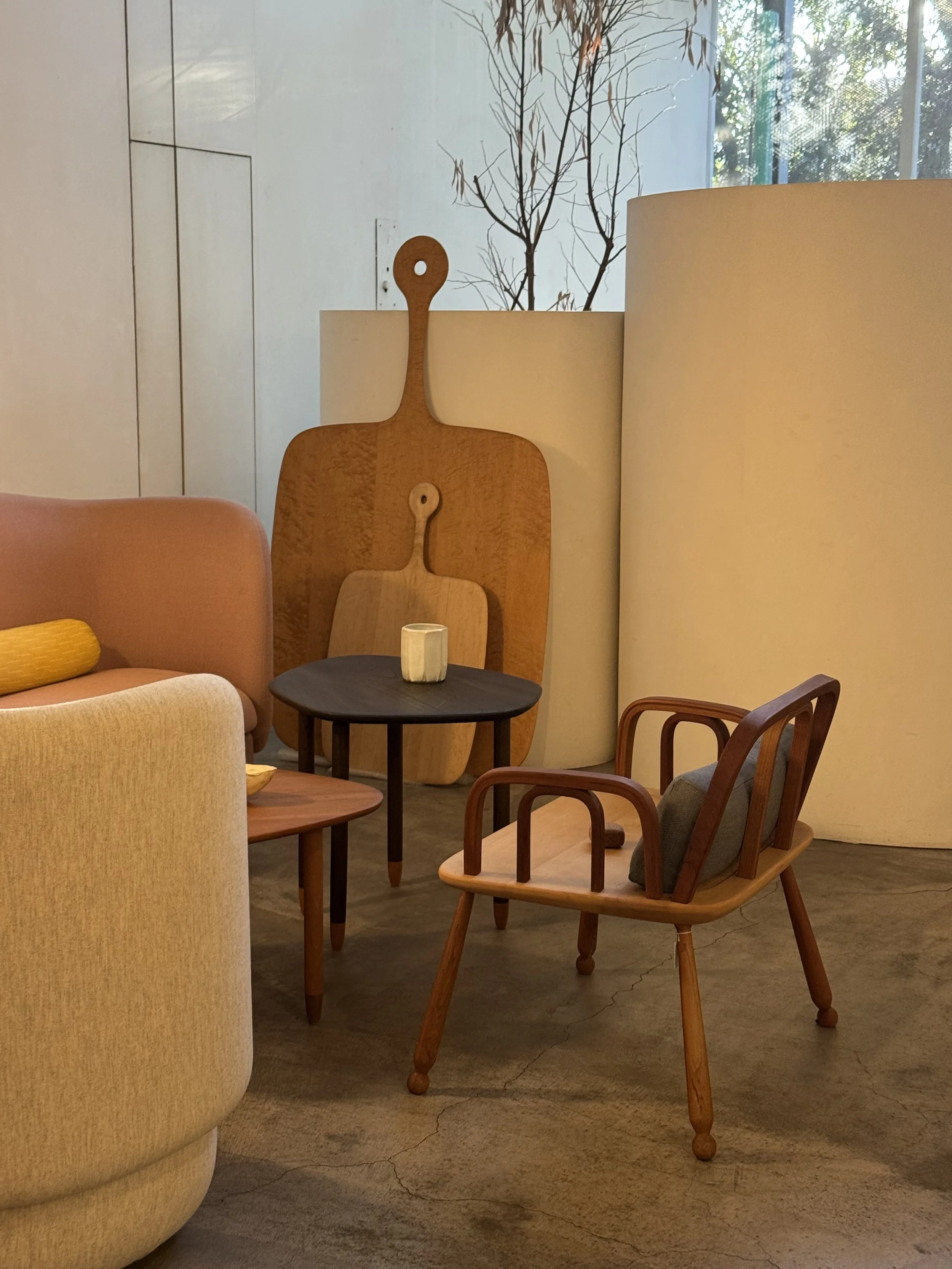
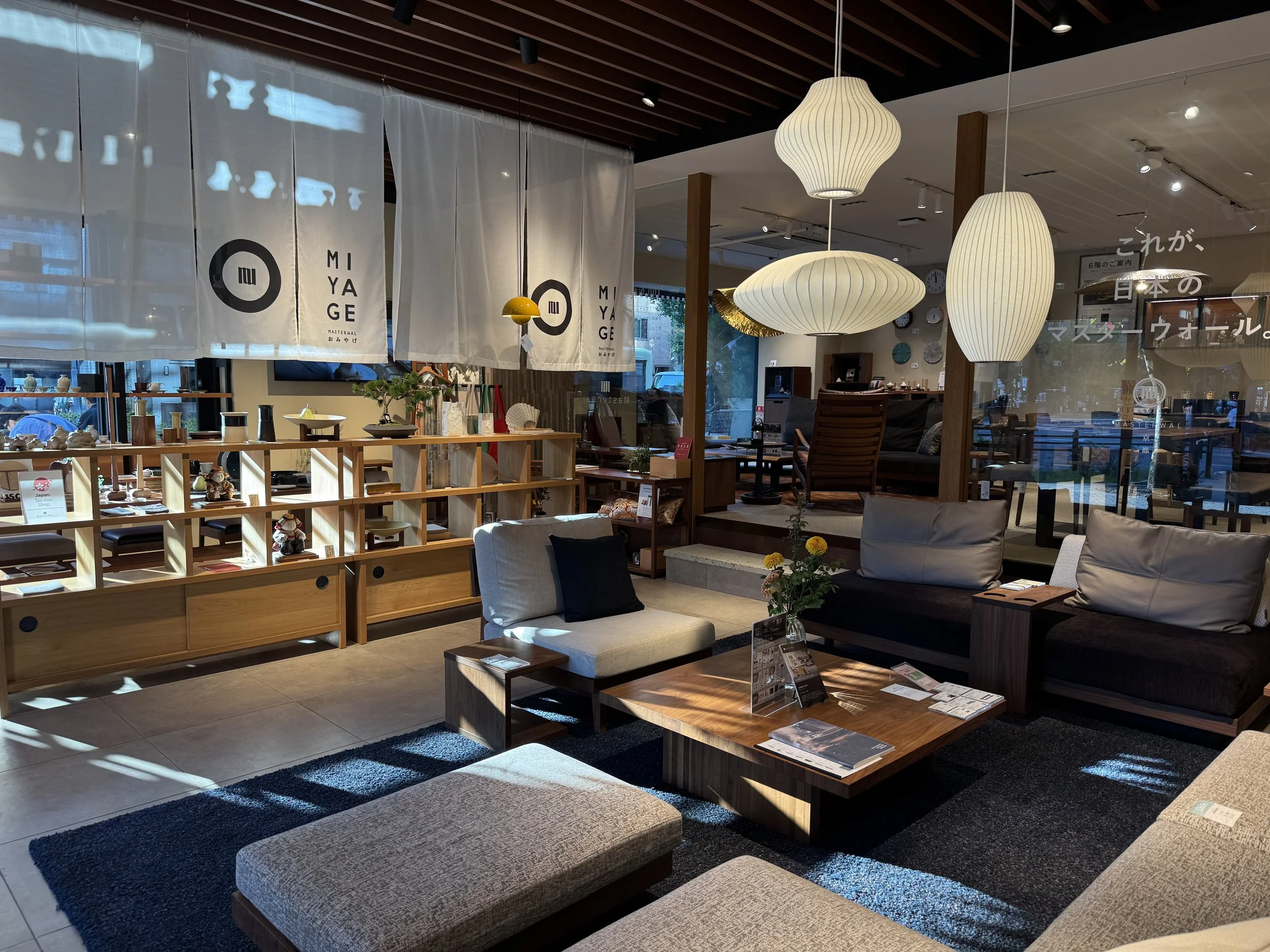
Explore the furniture and antique streets. Ebisugawa-dori has a long association with furniture making and selling, particularly between Teramachi and Karasuma. Pair it with a walk along the northern section of Teramachi for antiques and traditional objects. An excellent area to give yourself an afternoon and let yourself be inspired. Leave room in your suitcase for spontaneous purchases.
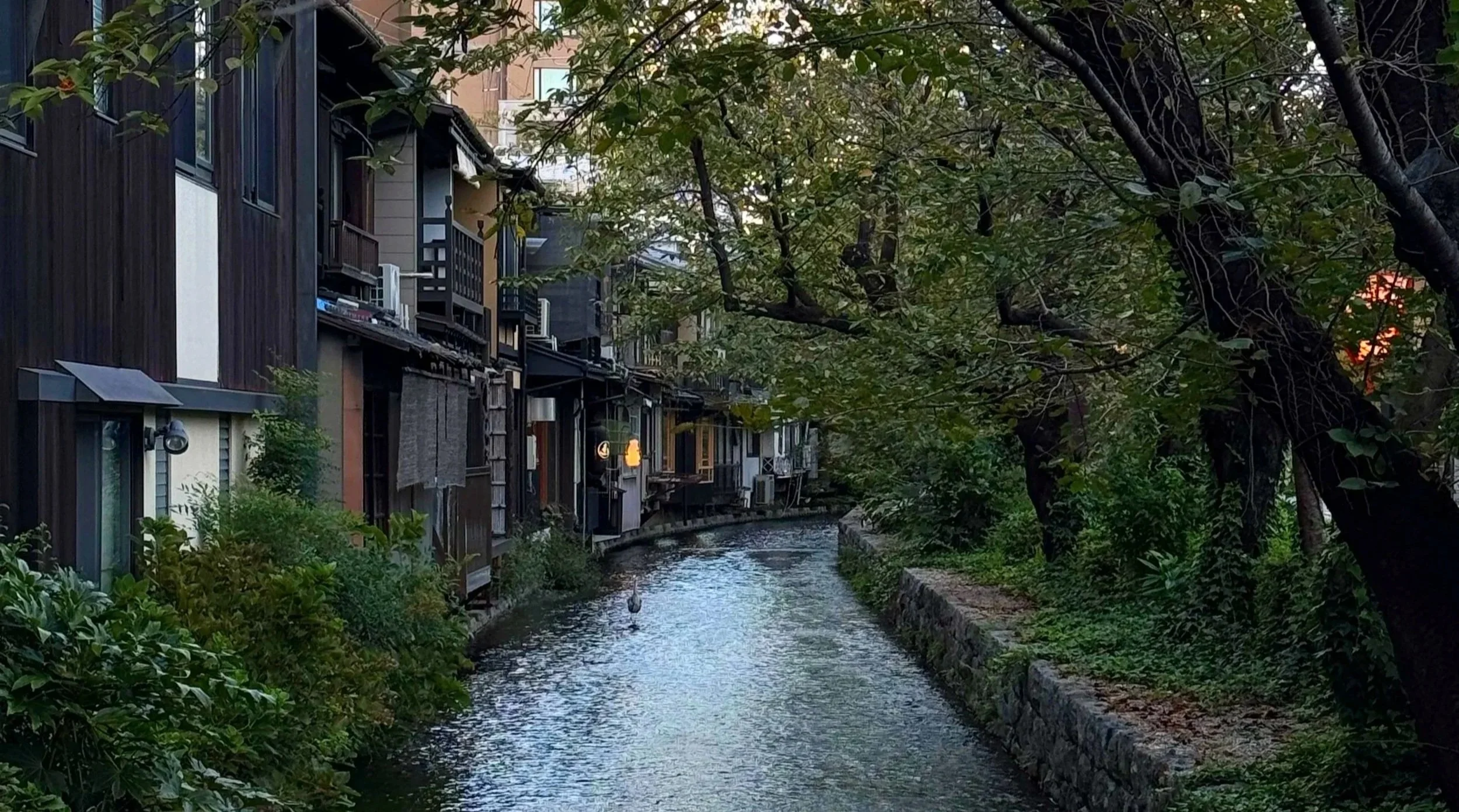
Walk Gion and the Shirakawa canal. Go slowly and take it all in. Gion remains a working neighborhood with an active geiko and maiko tradition, so follow the signs around private lanes and photography.
OSAKA
Osaka admittedly was not our favorite city of the trip, as it felt quite like a normal bustling city with a bit of the charm missing. We found Kyoto to feel much more intimate, charming and villagey, but to each their own. Osaka is, however, a city that I would happily organize around eating. In our case, we aren’t embarrassed to say that we returned to the same wagyu stand 3 times, which tells you something about both the beef there and our commitment to “research”. Because it does feel a bit sterile on the surface, the city also rewards those willing to look a bit deeper. There are excellent design shops and quieter streets where you can spend afternoons browsing.
Where to Stay:
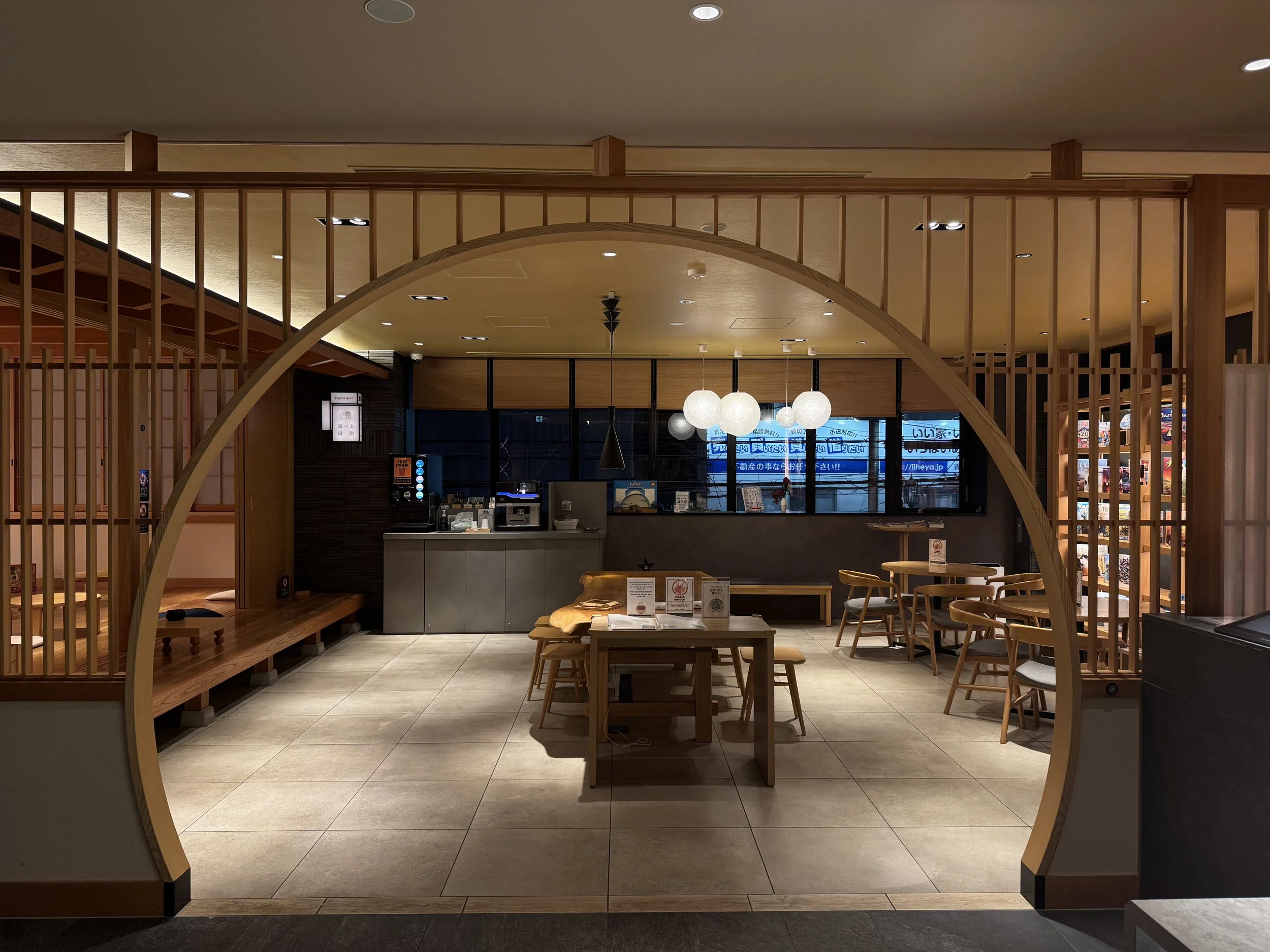
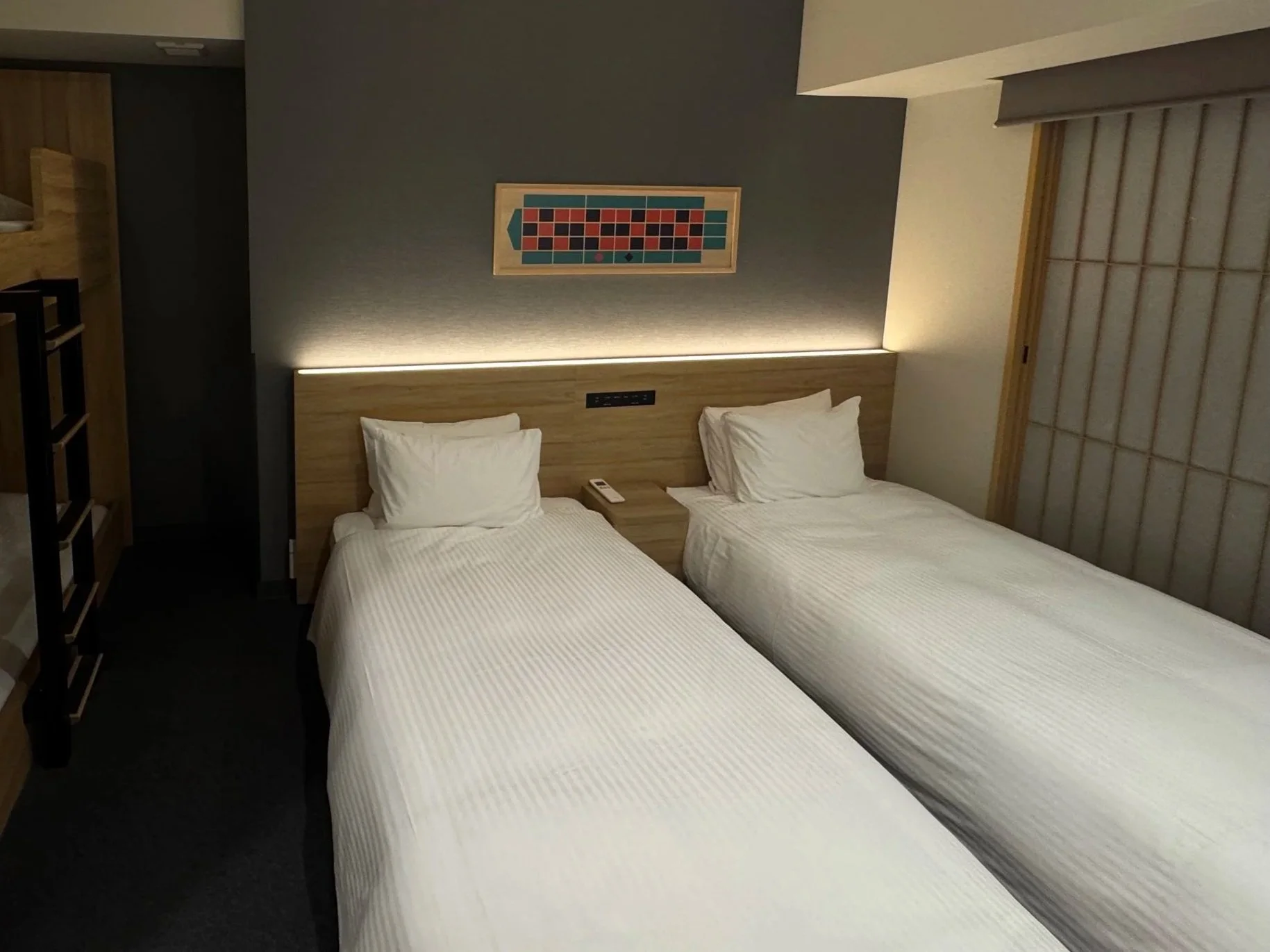
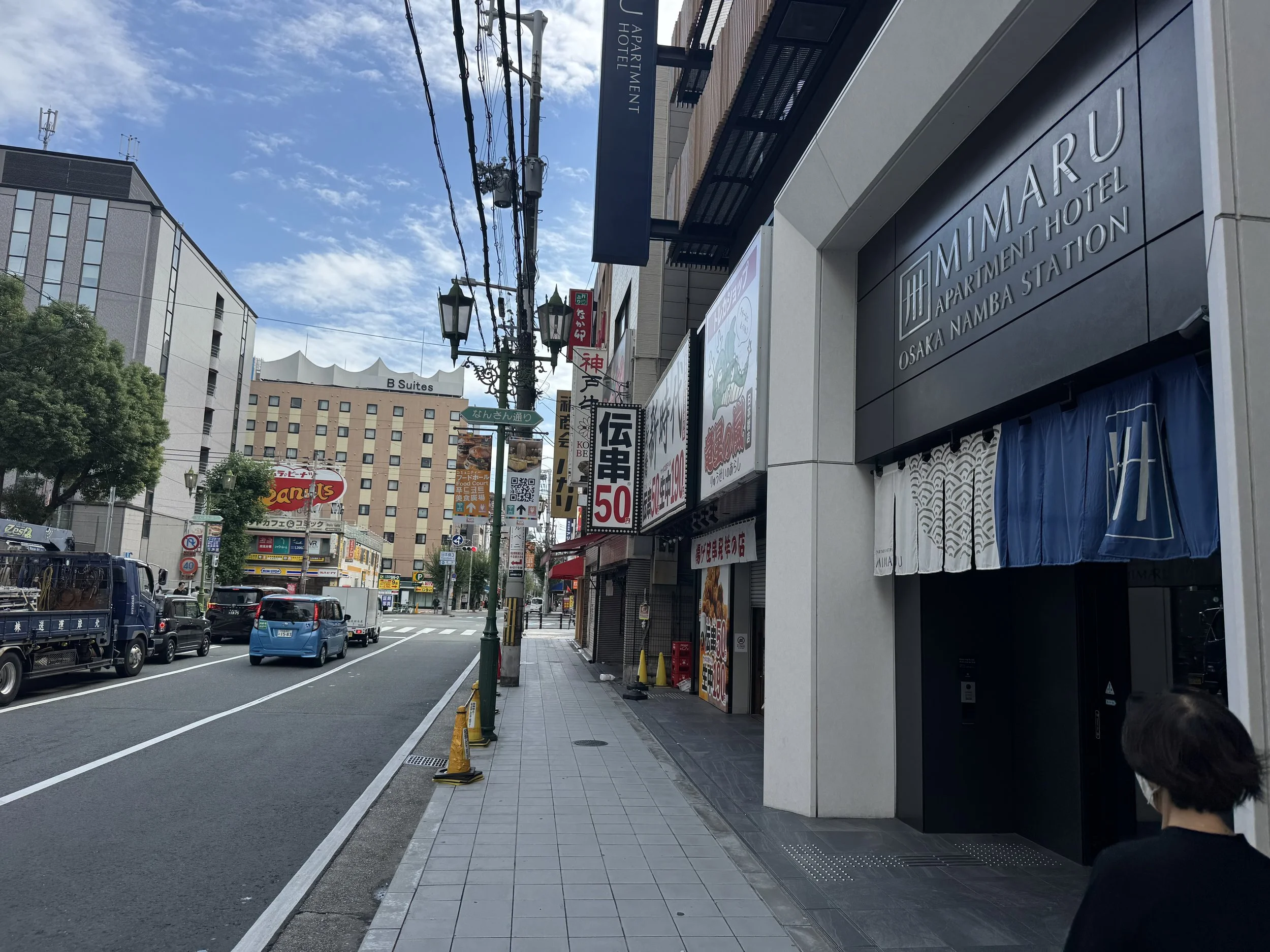
MIMARU is a particularly appropriate choice of stay if you want more space or somwhere to properly unpack. Much like Koti, the room sizes are generous and we found it to be a perfect place to end our trip given the need to do a bit of finagling of souvenirs into our bags to bring home. The apartment-style rooms have kitchens with cooking equipment and a dining area, which makes longer stays or stays with a family easier as well.
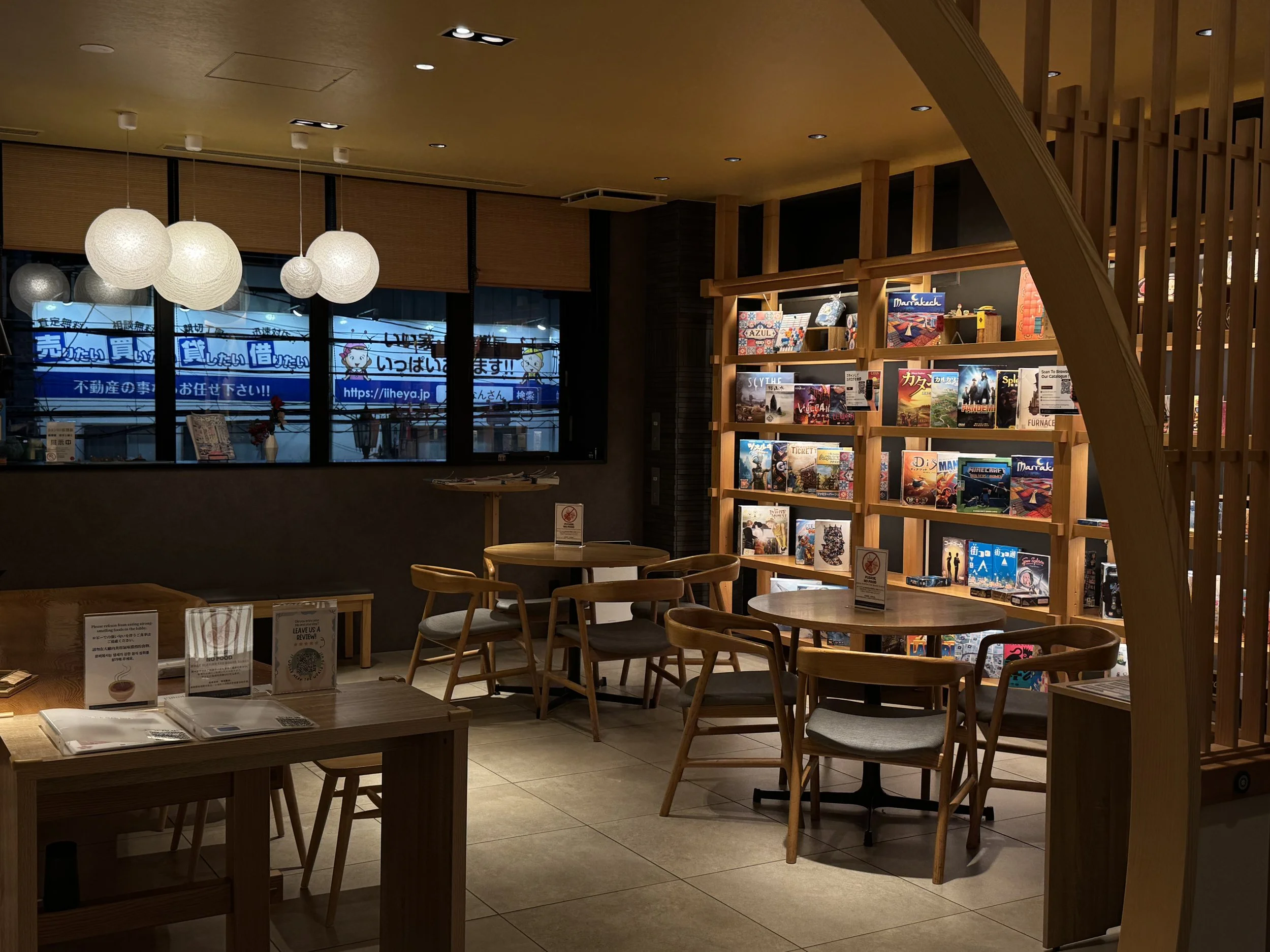
The Namba location puts you within reach of the Kuromon market and the surrounding shopping and restaurant streets. But the hotel’s most unexpected feature? It’s board game collection! There are more than 100 games to borrow, plus games created specifically for the hotel. After a day outside, there’s something to be said for having a cozy spot to sit down and play as an alternative to immediately collapsing into bed.
Where to Eat/Drink:
AMBER was one of our Osaka dinners and a great place to go if you love Italian food and natural wine. The menu includes charcoal-grilled meat, and the wine selection is abundant.
Kuromon Market: go browsing for lunch rather than arriving already committed to just one large meal. Seafood is central, but there are plenty of options to investigate.
Pasania in Nakanoshima is another great option for a natty wine dinner. It brings together Japanese natural wine, Osaka-style okonomiyaki and dishes influenced by South Indian cooking.
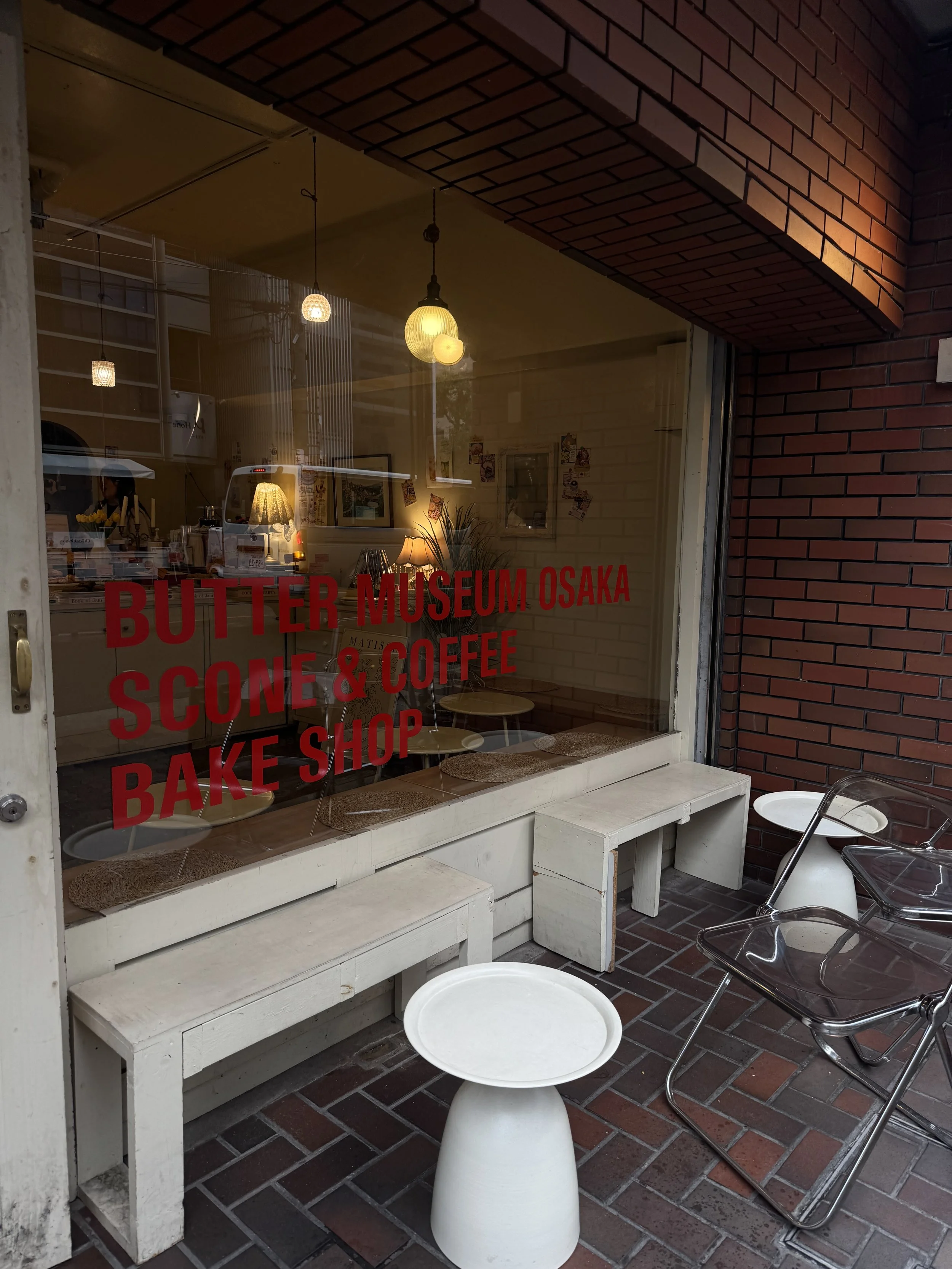
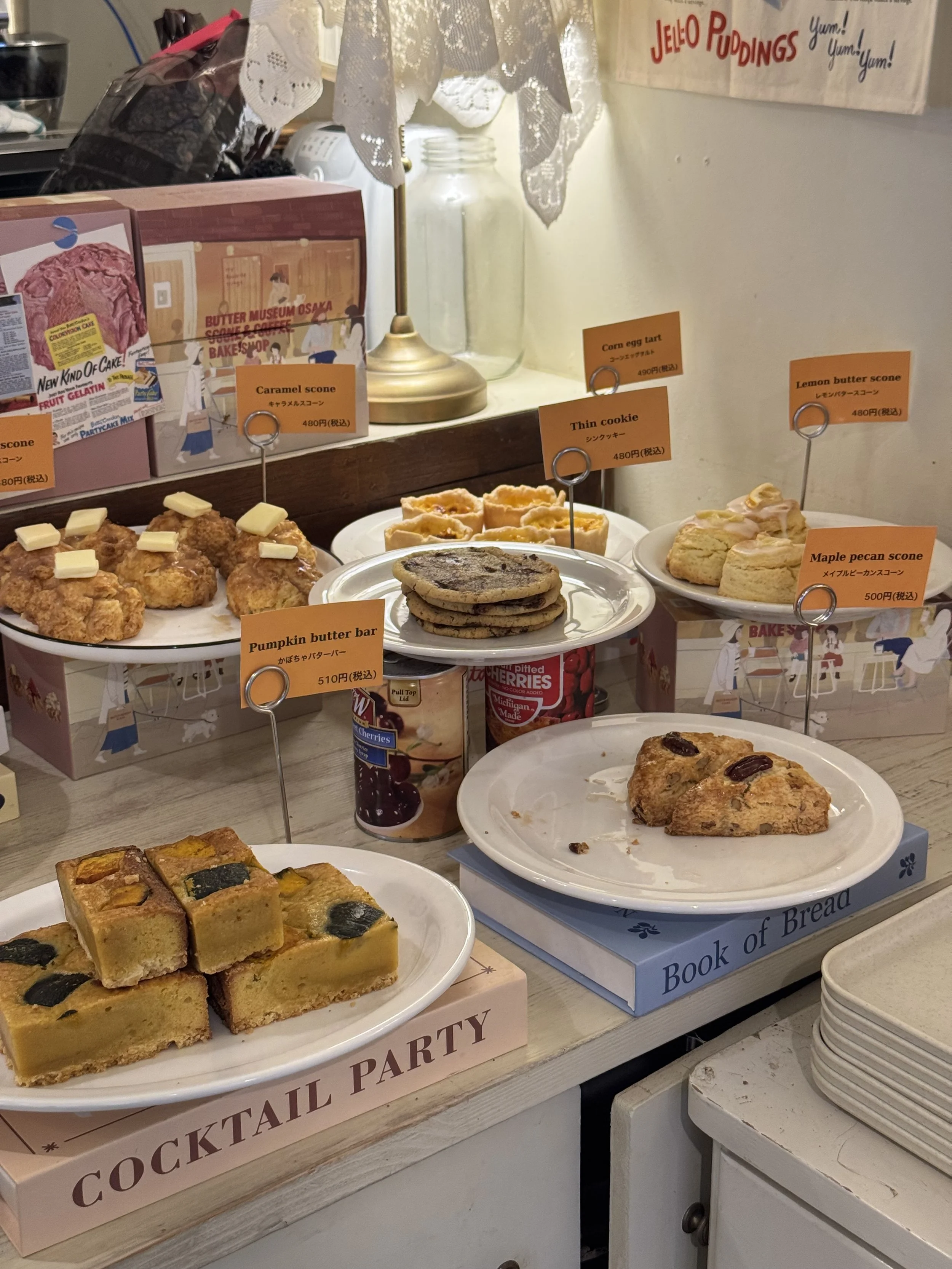
We also loved the Butter museum Osaka, a fantastically charming little bakery made with all kinds of things - you guessed it - butter! Delicious. Grab with a coffee to go.
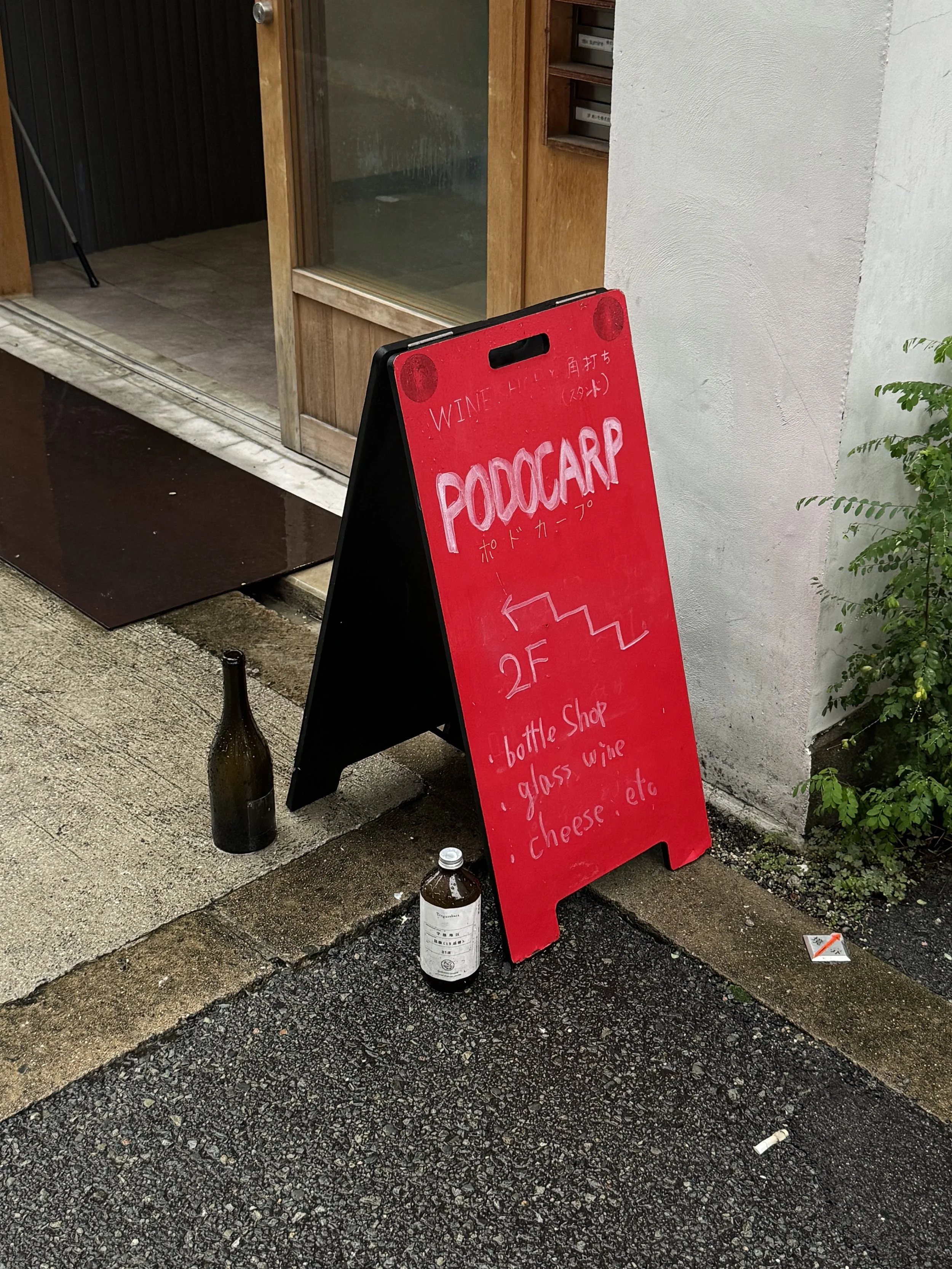
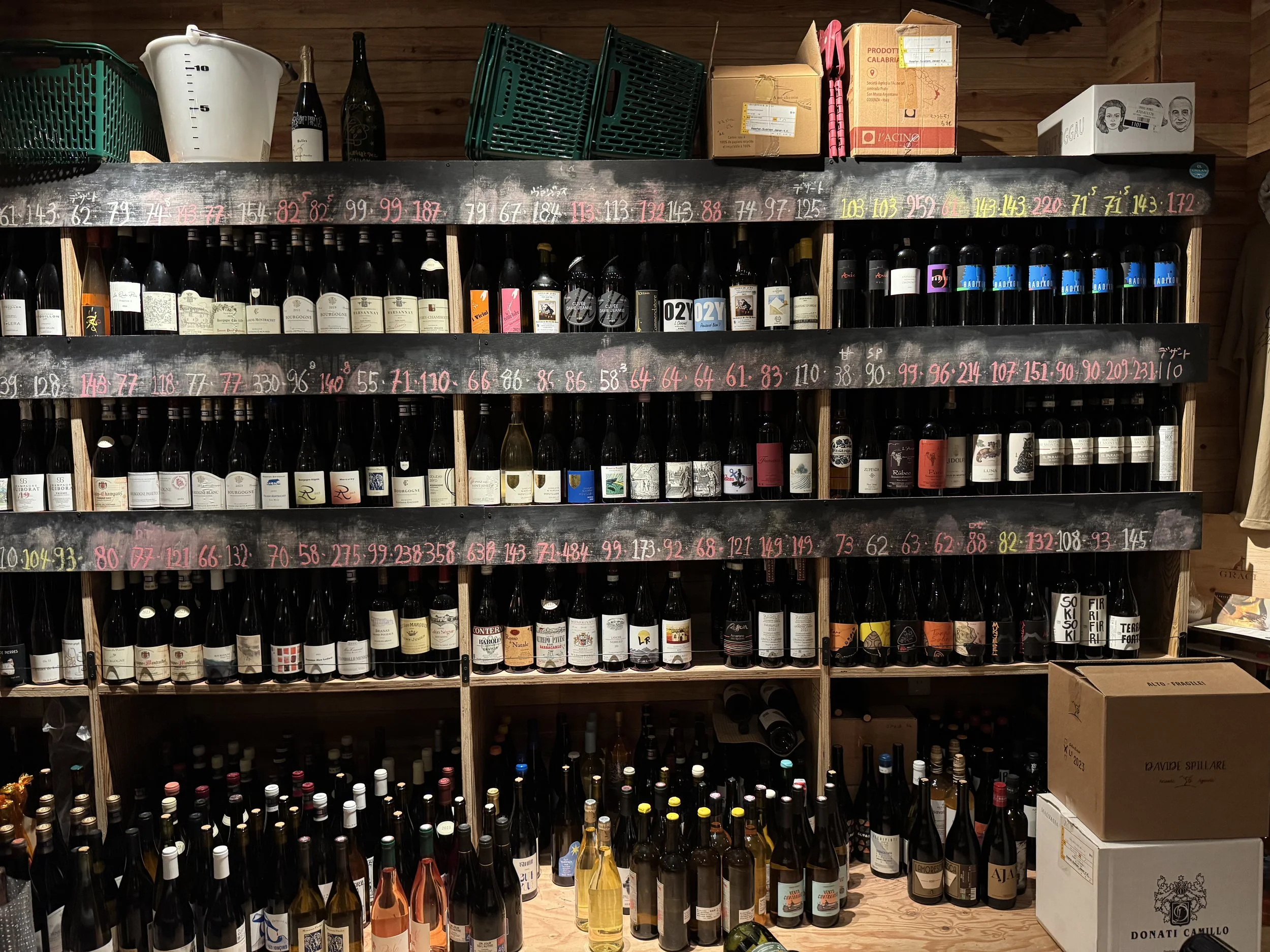
PODOCARP is another absolute must. Before you even open the door at PODOCARP, there’s a clue to the owner’s other great enthusiasm: a baseball home plate at the entrance. Owner Mr. Aramaki is a lifelong Hiroshima Toyo Carp fan, and the shop’s name carries a nod to that allegiance. His own account of childhood fandom includes listening to games on the radio and scattering homemade paper confetti around the room. Clearly, this was never a casual interest for him. Inside, the focus shifts to natural wine. The selection of wines available here is world class - maybe one of the best we’ve seen anywhere across the globe - and extends well beyond Japan, with bottles from places such as Slovenia and Georgia alongside French and Italian producers. There’s also a small place to drink on site, so you can make this more than a quick bottle shopping trip. We had the pleasure of meeting a Hokkaido chef and hotelier at the table over from us, as they offered to share their wine and subsequently invited us to come see them in Hokkaido next year. The vibes in this place were decidely “on” and we left with incredibly warm hearts.
Other restaurants/cafes/shops we loved: Natural Wine Shop Passion et Nature, Cafe Sourire, Belo, Winestand Perche, Fujiya 1935, obra, aoma coffee.
Things to do: Osaka is a great city to explore with loose plans. Give yourself a few spaces to aim for, but lots of time to step into the things you pass along the way.
Explore Horie and Orange Street. If you like interiors and independent shops, make time for Horie. Orange Street, or officially Tachibana-dori, grew out of the neighborhood’s furniture trade, and some longstanding furniture businesses remain alongside newer boutiques and cafes.
Browse Kuromon Market, then shop for kitchenware on Doguyasuji. Start at Kuromon for something to eat, then head to Sennichimae Doguyasuji, where shops sell the very equipment that keep restaurants in Osaka running. Browse professional cookware or spend an ungodly amount of time deciding which small bowl deserves a spot in your suitcase. These make a natural pairing for an afternoon wander.
See Dotonbori after dark. Go for the illuminated signs and crowds along the canal, then turn down the smaller streets. Definitely go at night when it’s most vibrant.
Go to a baseball game! We did not get a chance to do so, but not for lack of trying. The schedules just didn’t work out with our dates. I’ve had friends go in the past and have a blast, so check the calendar and even plan your dates accordingly.
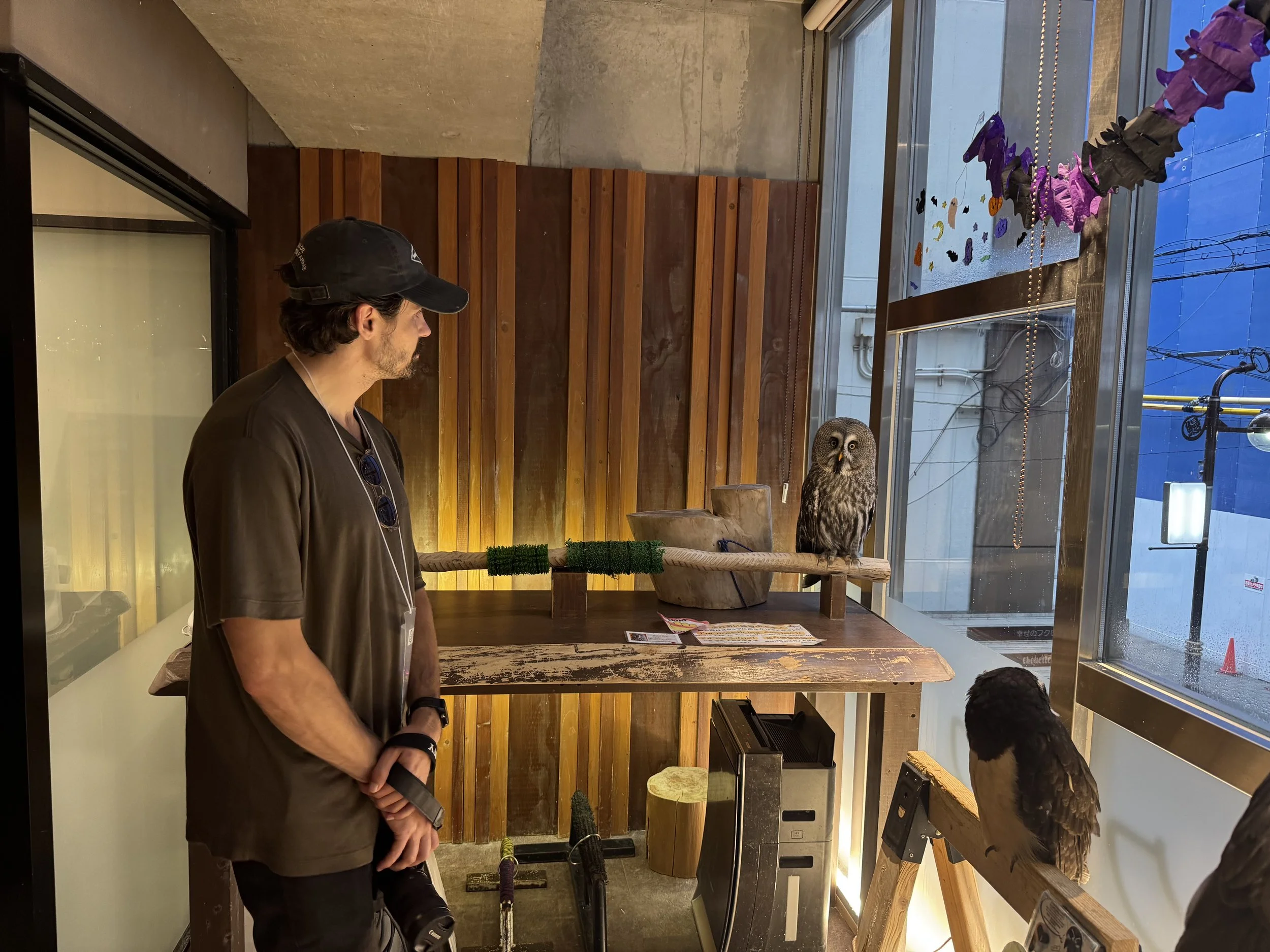
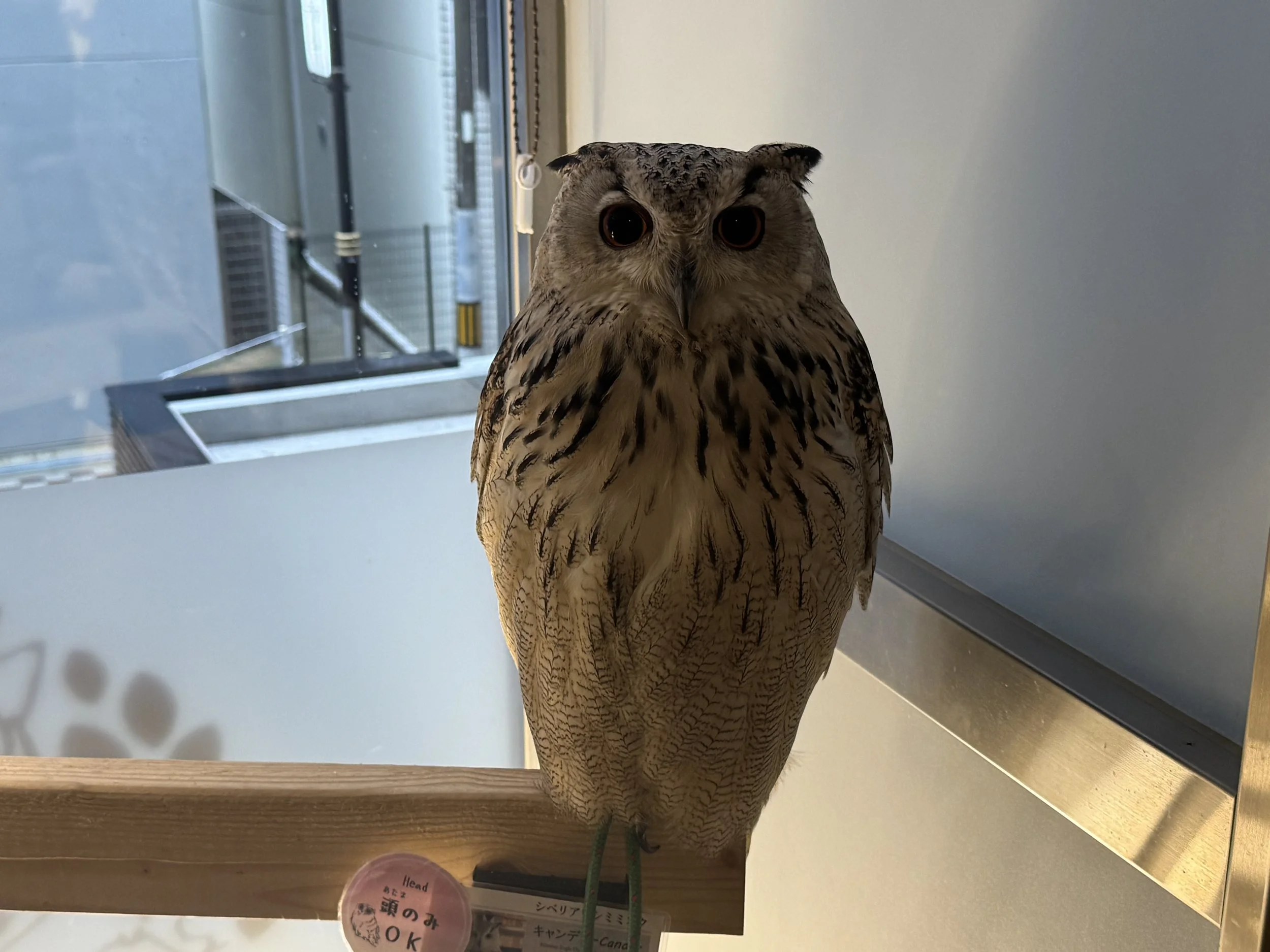
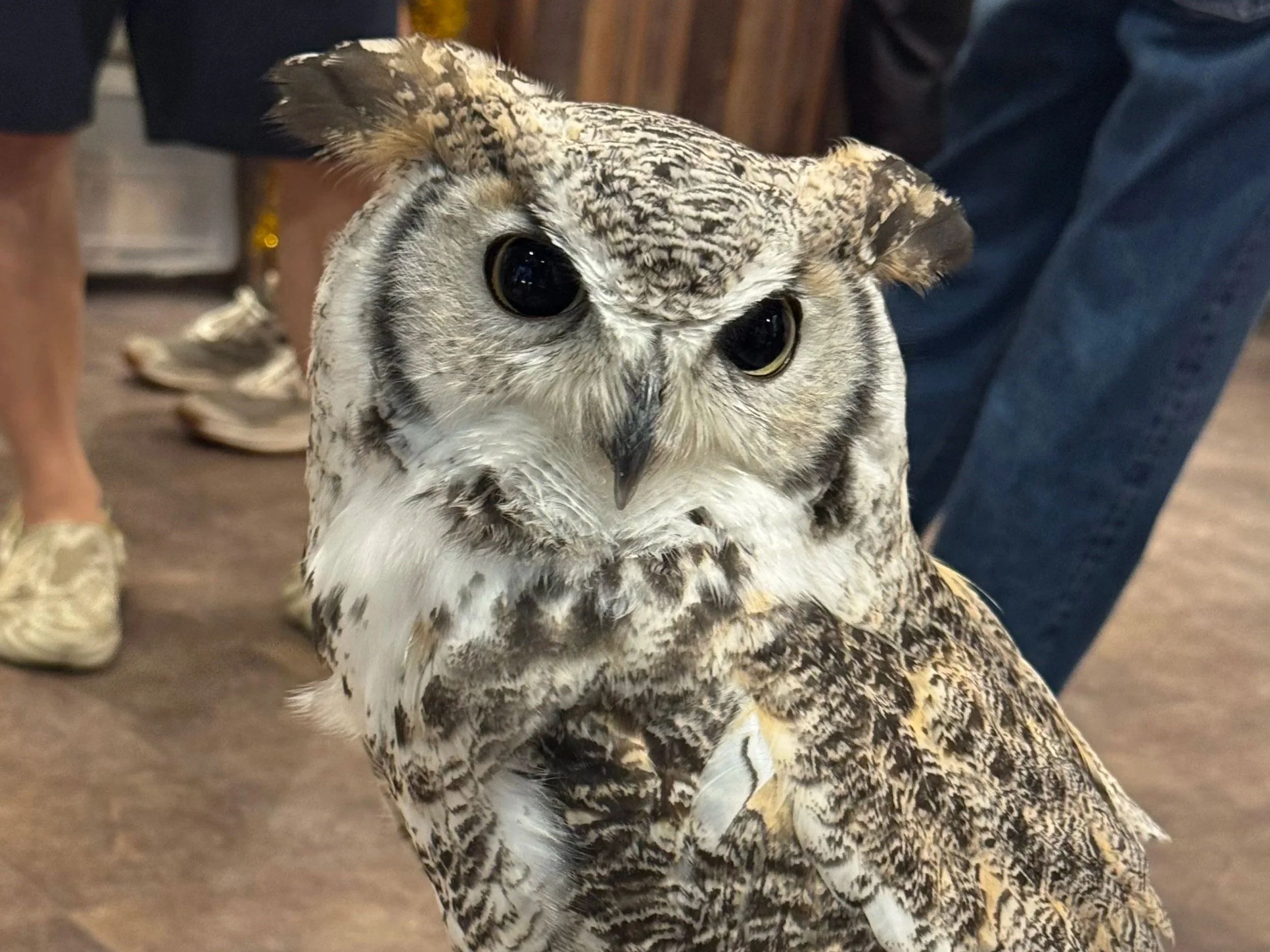
Owl Cafe Chouette. I’m going to make this recommendation carefully and with a caveat. Owl Cafe Chouette, in Shinsaibashi, offers close encounters with owls in a woodland-themed interior, including experiences where an owl perches on your arm. Being close to these birds is an understandable draw, and did give us a greater appreciation for the ones we see in our backyard at home. But I have mixed feelings about including an owl cafe in a travel guide, because mentioning somewhere will of course encourage others to go. My hesitation is about the animals’ experience. Frequent handling and the conditions of a visitor attraction where the animals are held in captivity in perpetuity certainly raises welfare questions, no matter how common these cafes have become. I am therefore cautious about presenting owl cafes as an uncomplicated recommendation. But if you must encounter one up close: this is the place to be.
Spent an afternoon in Nakanoshima. For a quieter adventure in Osaka, head toward Nakanoshima’s waterfront and museums. The Museum of Oriental Ceramics is particularly worth considering. It gives a much broader historical context for the pieces you’ve seen in contemporary shops.
Consider a food tour early in your stay. We didn’t do this, but a friend of ours did (Hi Omri & Sandra!) and absolutely raved about it, so we are including it. It’s a great if you want someone to explain dishes and ordering customs before you explore independently. Choose one that allows you to talk with the guide and understand the neighborhood. You want interactive, not lecture.
A final note: we absolutely loved driving the majority of the trip and if you aren’t afraid of a little bit of adventure with learning to drive on the other side of the road, we’d highly recommend it. It enabled us to see an immense amount that we otherwise would not have. With that said, we are also a big fan of bullet trains and all of the public transportation available in Japan - so we front loaded our trip with driving, and then once back in the big cities, from Hiroshima to Kyoto to Osaka, we relied exclusively on public transit. It worked out perfectly. Only piece of advice: plan your trip routes out early and if traveling with big bags, be sure to book the proper seats which allow for oversized luggage. It saved us time and time again.
As we come to the end of our journey, I’ve included our trip itinerary below as a guide. Feel free to use it directly, or make it your own, and most of all: have fun!